音乐

Search documents
TVB与摩登天空达成战略合作,推进内容与音乐业务协同发展
Nan Fang Du Shi Bao· 2026-01-27 13:41
Core Insights - TVB and Modern Sky have signed a strategic cooperation agreement to enhance collaboration in content creation, artist development, and live performances, aiming to promote the synergy of Chinese music and film content [1][2] - The partnership is positioned within the context of the Greater Bay Area development plan, focusing on cultural innovation and regional cultural collaboration [2] Group 1: Strategic Collaboration - The collaboration aims to leverage the strengths of TVB in content IP, artist resources, and brand communication with Modern Sky's expertise in music production and youth culture operations [2] - Both companies plan to create cross-media and cross-regional cultural creative products with international dissemination potential, enhancing the cultural creative industry in the Greater Bay Area [2] Group 2: Cultural Impact - The partnership is seen as a significant step towards the integration of cultural resources and the collaborative development of the cultural and creative sectors in the Greater Bay Area [2] - Leaders from both companies expressed enthusiasm about the collaboration, highlighting the blending of different cultural narratives and the exploration of innovative paths in music and film [2][3]



东方证券:全栈式AI文娱工具陆续上线 平台型产品有望获得超额收益
Zhi Tong Cai Jing· 2026-01-27 02:29
Group 1 - The core viewpoint is that ByteDance's entertainment app is driving significant growth in the domestic entertainment market, with a focus on the integration effects of other major companies' platforms [1][2] - The fastest growth areas are video (short dramas), reading (AI audiobooks), and music, driven by AIGC and AI algorithms, with ByteDance enhancing its market share through the integration of AI and copyright capabilities [2] - The gaming sector is expected to see a substantial supply of new products by 2026, with a competitive landscape similar to that of 2024, while older games with high DAU remain stable [3] Group 2 - Short dramas and comic dramas are anticipated to benefit significantly from AI advancements, with full-stack production tools shifting the production focus from technical personnel to content creators by 2026 [4] - Companies with upstream novel IP reserves and accumulated traffic are likely to achieve excess returns in the long term [4] - Investment recommendations include focusing on platform-type companies in the entertainment sector that will gain excess benefits from AI-enhanced production capabilities [5]





未出学校门,已是项目人
Xin Hua Ri Bao· 2026-01-26 21:47
Core Insights - The rise of One Person Company (OPC) model is transforming the entrepreneurial landscape for young individuals in Suzhou, particularly in the cultural and artistic sectors [1][6] - The Jiangsu provincial government is actively supporting the OPC model through initiatives like the "Artificial Intelligence + Action Plan," which aims to foster innovation and entrepreneurship among youth [2][5] Group 1: OPC Model and Its Impact - The OPC model allows young entrepreneurs to operate with minimal resources, making it particularly suitable for those in the cultural arts sector [1][2] - Young creators are leveraging AI tools to significantly enhance productivity, achieving up to 10 times efficiency and reducing production costs by 70% [2][3] - The establishment of the "OPC Youth Artist Partner Program" provides essential support such as simplified registration, funding up to 200,000 yuan, and shared workspaces, lowering the barriers to entry for aspiring creators [2][4] Group 2: Community and Support Structure - The OPC model is not isolated; it is supported by an innovation service alliance that connects young entrepreneurs with experienced mentors and industry resources [4][6] - The Suzhou government aims to attract 300,000 university graduates for employment and entrepreneurship by 2025, with plans to establish over 50 OPC communities and 1,000 new OPC enterprises by 2028 [5][6] - The focus on creating a vibrant, interconnected community emphasizes collaboration among different teams, fostering a sustainable and self-growing innovation ecosystem [6]
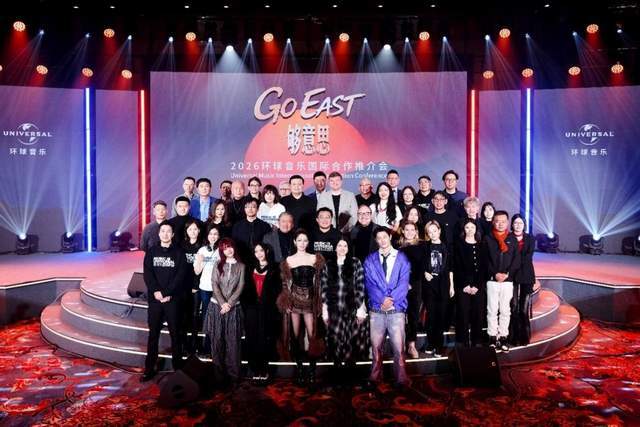
国际艺人“Go East”,环球音乐中国成功举办首次国际合作推介会
Sou Hu Cai Jing· 2026-01-26 02:23
Core Insights - Universal Music China has launched a new International Cooperation Department to facilitate a "one-stop" service for international artists entering the Chinese market, aiming to provide comprehensive operational and commercial support for long-term development in the Chinese music industry [1][5][29] Group 1: Event Overview - The "Go East" international cooperation promotion conference was held in Beijing, featuring representatives from various Universal Music labels and international artists [3][10] - Notable international artists such as Mickey Guyton, Gina Alice, and Lauren Spencer Smith attended the event, enhancing its appeal [3][10] - The event also unveiled a forward-looking list of international artists scheduled to perform in China in 2026, including Imagine Dragons and John Legend [3][29] Group 2: Market Context - The Chinese music market is now the third largest globally, with a rapidly growing live performance sector attracting international artists [5][10] - The establishment of the International Cooperation Department is a response to the increasing interest from international artists in the Chinese market [5][29] Group 3: Industry Perspectives - Industry leaders discussed the current challenges in the Chinese performance market, such as unclear supply channels and inflated prices, emphasizing the need for collaboration with reputable companies like Universal Music [10][12] - Data presented at the conference indicated a strong demand for international artists in China, with millions expressing interest in attending performances [12][14] Group 4: Future Prospects - The successful execution of the conference marks the official launch of Universal Music China's "Go East" strategy, aimed at enhancing the presence and influence of the Chinese music market on a global scale [29] - The initiative is expected to bring new momentum to the domestic performance market and related industries, solidifying China's position in the global music landscape [29]
速读2026年北京市政府工作报告|北京市将打造一批演艺区和特色演艺群落
Bei Jing Shang Bao· 2026-01-25 02:13
Core Viewpoint - The report emphasizes the need to stimulate cultural innovation and creativity in Beijing, focusing on enhancing the city's cultural landscape and promoting various cultural activities [1] Group 1: Cultural Development Initiatives - The government aims to deepen the construction of the "Performing Arts Capital" by creating several performing arts districts and unique performing arts communities [1] - Plans include hosting more large-scale performances and citizen cultural activities to enhance the influence of Beijing's cultural brands [1] - The report highlights the importance of launching a series of outstanding artistic works to enrich the cultural offerings [1] Group 2: Cultural Industry Enhancement - There is a focus on advancing the National Cultural Industry Innovation Experimental Zone to improve the quality of cultural industry parks, including digital advertising [1] - The initiative includes the development of museum cities with plans for major exhibitions to increase the display rate of cultural relics [1] Group 3: Community Engagement and Events - The report promotes the "Book Aroma Beijing" initiative to encourage nationwide reading activities and the creation of diverse reading spaces tailored to local needs [1] - The government plans to successfully organize the Beijing International Film Festival, music festivals, and other series of cultural events [1]
索尼“断臂求生”简史
Ge Long Hui· 2026-01-24 05:07
Core Insights - Sony's decision to transfer control of its television business to TCL marks the end of an era for the Japanese electronics industry, which once dominated the global market but has now retreated after decades of decline [1][2] - The partnership with TCL, where TCL holds a 51% stake, signifies Sony's shift towards a "light asset" model, retaining only brand and core technology rights while offloading manufacturing and supply chain responsibilities [12][13] - This move reflects a broader trend in the global television market, transitioning from Japanese dominance to a competitive landscape led by Chinese and Korean manufacturers [1][16] Company Transformation - Sony's transformation has been a gradual process over 20 years, involving the sale of over 20 business units and generating more than $10 billion in cash to reshape its business landscape [2][15] - The company's strategic evolution has included a shift from hardware dependency to a focus on high-value ecosystems, emphasizing the importance of innovation and adaptability in the face of technological change [3][15] - Key milestones in this transformation include the sale of its PC business and the restructuring of its music division, which has now become a leading player in the global music industry [7][22] Strategic Decisions - Sony's initial divestitures were reactive, aimed at stemming losses without a cohesive long-term strategy, leading to significant financial challenges [4][5] - The appointment of CEO Kazuo Hirai marked a turning point, as he implemented the "One Sony" strategy, focusing on core businesses and enhancing collaboration across divisions [6][10] - The sale of the VAIO computer business and the exit from the battery sector were pivotal decisions that allowed Sony to concentrate resources on more profitable areas like gaming and imaging [7][9] Financial Performance - By 2025, Sony's financial performance showed significant improvement, with operating profit reaching 801.72 billion yen and net profit at 609.65 billion yen, indicating a successful turnaround [31] - The financial services division, which was spun off, has become a stable cash generator, contributing over 120 billion yen in net profit, showcasing the effectiveness of strategic asset optimization [21][12] Industry Context - The decline of Sony's television business illustrates the broader challenges faced by Japanese electronics firms, which have struggled to maintain competitiveness against aggressive investment and innovation from South Korean and Chinese companies [16][20] - The shift in the television market dynamics, with TCL and Samsung leading, highlights the importance of upstream control over components like display panels, which significantly impact profitability [19][20] - Sony's focus on high-margin products, such as its CMOS sensors and premium audio devices, reflects a strategic pivot towards areas with higher profit potential and technological barriers [18][27] Future Outlook - Looking ahead, Sony aims to maximize the value of its intellectual properties and expand into emerging fields like AI and automotive sensors, with plans to invest 1.8 trillion yen in R&D from 2024 to 2026 [31][32] - The collaboration with TCL is expected to enhance Sony's brand value and technology licensing revenue, positioning the company for sustainable growth in a rapidly evolving market [12][13] - The ongoing transformation emphasizes the need for traditional companies to embrace change and focus on core competencies to thrive in a competitive landscape [34][26]
没有人类参与的AI音乐才会趋于平庸|破晓访谈
腾讯研究院· 2026-01-23 08:48
Core Insights - The core value of GenAI in the music industry is the significant enhancement of creative efficiency, applicable in lyric writing, composition, and singing, with the potential to create new music forms and genres through a "production-consumption-feedback" loop [7][11] - The phenomenon of "super individuals" in the music field is becoming more pronounced, empowering independent musicians and ordinary users to take control of the entire creative process, shifting from consumers to creators [7][12] - GenAI presents both opportunities and challenges, enhancing productivity while complicating content management and copyright protection, necessitating a collective effort to establish clear rules [7][16][18] Group 1: GenAI's Impact on Music Creation - GenAI has drastically improved production efficiency, with independent musicians increasing content supply by 2 to 3 times, while established labels also see significant efficiency gains [10] - AI's role in music creation includes lyric writing, composition, and vocal adaptation, with the potential for AI to innovate beyond mere imitation if a feedback loop is established [10][11] - The current quality of AI-generated music is still developing, with strict management standards in place to protect original content [10] Group 2: The Rise of Super Individuals - The emergence of "super individuals" allows independent musicians to manage the entire creative process, while ordinary users can now create and publish music without professional training [12][13] - Key competencies for these super individuals include advanced aesthetic judgment, effective communication with AI models, and emotional expression in their work [13] Group 3: Structural Changes in the Music Industry - The music industry is likely evolving into an "olive-shaped" structure, where top creators remain irreplaceable, but the middle tier of creators is expanding due to AI's influence [15] - The ability to operate and promote oneself is becoming increasingly important, as the core barrier to success shifts from creation to distribution and audience engagement [15] Group 4: Challenges in Content Management and Copyright - The influx of AI-generated music increases pressure on platforms for effective content management and compliance with regulatory standards [16] - The complexity of AI's involvement in music creation complicates copyright management, necessitating new models for licensing and revenue sharing [17][18] Group 5: The Future of AI in Music - AI-generated music is expected to evolve, with the potential for creating unique styles and enhancing user experiences through personalized and real-time generated music [21][23] - The success of AI singers will depend on the human teams behind them, emphasizing the importance of storytelling and emotional connection in building virtual idols [20]


全球说唱巨头Def Jam入华,为何“不二之选”是成都?
Mei Ri Jing Ji Xin Wen· 2026-01-21 13:50
Core Viewpoint - The establishment of Def Jam China in Chengdu marks a significant step in integrating local rap culture with global trends, aiming to promote Chinese rap on the world stage [2][10]. Group 1: Def Jam's Global Influence - Def Jam, founded in 1984 in a student dormitory, played a crucial role in bringing rap music to the mainstream [1][4]. - The brand has evolved from underground roots in New York to a global phenomenon, capturing the essence of street culture [6][5]. Group 2: Chengdu's Rap Culture - Chengdu has developed its own rap culture, symbolized by the CDC, which blends local dialects and urban experiences, creating a unique cultural identity [2][7]. - The local rap scene has gained national attention, with artists like Xie Di achieving mainstream success, reflecting a similar trajectory to that of Def Jam [7][10]. Group 3: Economic Impact and Cultural Ecosystem - Chengdu's vibrant street culture and creative community make it an ideal location for Def Jam's expansion in China, with a focus on building a sustainable music industry ecosystem [10][11]. - The economic multiplier effect of large concerts in Chengdu is significant, with one ticket potentially generating nearly seven times its value in related spending [11]. Group 4: Future Prospects and Cultural Significance - Chengdu aims to position itself as a major cultural and creative center in China, with rap music playing a pivotal role in attracting international talent and fostering local creativity [16][15]. - The city's youthful energy and cultural openness are seen as key factors in its appeal to both artists and audiences, enhancing its status as a destination for music and cultural experiences [15][16].

浙江省首批“人工智能+文化”重点模型和应用场景发布
Xin Lang Cai Jing· 2026-01-20 13:43
Group 1 - The article discusses various AI-driven models developed by different companies in the media and cultural sectors, highlighting their capabilities and applications [2][4][7][10][12][14][21][23][25][27][29]. - Companies like 传播大脑科技 and 新华智云科技 are focusing on creating industry-specific models that enhance content generation and cultural data utilization [2][4]. - 浙江华策影视 and 杭州当虹科技 are developing models that cater to the film and media industries, emphasizing content recognition, editing, and multi-language capabilities [7][8]. Group 2 - The article mentions the integration of AI technologies in various cultural applications, such as the "与光AI" platform, which streamlines content creation processes for media professionals [12]. - Projects like "杭小忆" and "LumiReel·光屿" aim to enhance tourism experiences and cultural exports through AI-driven services and platforms [19][23]. - The "智媒果" platform is highlighted for its role in improving content production efficiency and fostering cultural innovation through AI [25]. Group 3 - The article outlines the emergence of AI tools in music creation, such as 腾讯音乐's AI music creation tool, which automates the songwriting process and engages millions of users [14]. - The development of AI-driven digital content protection and trade platforms is noted, aiming to support creators in managing their intellectual property [16]. - The use of AR and AI technologies in cultural experiences, as seen in the "人生八禧" project, showcases innovative approaches to engaging audiences with historical and cultural narratives [29].

别再给我推AI音乐了
3 6 Ke· 2026-01-20 12:56
Core Viewpoint - Bandcamp has announced a complete ban on AI-generated content, emphasizing the importance of human creativity in music and the desire for listeners to trust that the music they discover on the platform is created by humans [1][3]. Group 1: Industry Response to AI Music - The ban by Bandcamp comes four months after the launch of a $13 monthly promotional subscription service, indicating a shift in focus towards human creativity amidst growing concerns about AI music [3]. - The music industry is experiencing a significant transformation due to AI music, with listeners expressing fatigue over the constant push of AI-generated content [5][16]. - AI music has infiltrated various platforms, leading to a collective awareness among listeners who are increasingly frustrated with the prevalence of AI-generated songs [14][23]. Group 2: Listener Attitudes Towards AI Music - Listeners' attitudes towards AI music can be categorized into three groups: those who initially enjoy it but lose interest upon realizing it is AI-generated, those who become annoyed by the repetitive nature of AI music, and those who remain indifferent as long as the music is enjoyable [11][13]. - The phenomenon of AI music has led to a loss of personal taste and appreciation for music, as listeners feel their preferences are being reduced to predictable patterns [7][13]. - Many listeners are unaware that the seemingly original music they encounter is often generated by algorithms, leading to a misunderstanding of the nature of the content they consume [20][22]. Group 3: Market Dynamics and AI Music Production - The rapid expansion of AI music is evident, with platforms like TME and ByteDance's Soda Music Lab developing competitive AI music generation tools [23][25]. - AI music has been integrated into the distribution system, allowing creators to publish AI-generated content for a fee, which reflects a recognition that AI music should not be equated with human creativity [25]. - The production of AI music has become industrialized, with new roles emerging in the music industry focused on reworking AI-generated content to add a human touch [29]. Group 4: Regulatory and Ethical Considerations - International platforms like Deezer and Spotify are beginning to address the issue of AI-generated music, with Deezer marking AI content and Spotify removing millions of low-quality AI songs [32][34]. - In contrast, the regulatory response in domestic markets has lagged behind the rapid growth of AI music, raising concerns about copyright issues and the ethical implications of AI-generated content [34][36]. - The lack of clarity in regulations allows for exploitation of the system, leading to a situation where listeners are left confused about the authenticity of the music they are consuming [34][36].