锂电

Search documents
3月19-20日 常州 2026锂电关键材料及应用市场高峰论坛
鑫椤锂电· 2026-01-13 07:38
Core Viewpoint - The lithium battery industry is poised for a significant growth cycle in 2026, characterized by strong demand recovery, accelerated global expansion, and disruptive technological advancements, leading to a "spiral rise" in both volume and price [3]. Group 1: Conference Overview - The 2026 Lithium Battery Key Materials and Applications Market Summit will be held on March 19-20, 2026, in Changzhou, Jiangsu, organized by Xinluo Information [4]. - The summit aims to address the supply-demand dynamics in the lithium battery sector, focusing on the critical materials needed for battery production and the expected supply shortages [5]. Group 2: Key Topics of Discussion - The conference will feature three main topics: 1. In-depth discussions on cutting-edge technologies and market supply-demand [5]. 2. Announcement of the "Top Ten Lithium Battery Material Brands of 2025," evaluated based on shipment volume, market share, and customer reputation [6]. 3. B2B procurement matchmaking to connect top battery manufacturers and material suppliers, enhancing resource matching and reducing procurement costs [7]. Group 3: Proposed Discussion Topics - Proposed topics for the main forum include: - Outlook on lithium ore resource supply for 2026 [9]. - Market environment discussions on lithium carbonate operations [9]. - Research and application of high-energy density power battery technology [9]. - Additional topics will cover trends in the global new energy vehicle market and the impact of policies on the lithium market [10][11]. Group 4: Participation and Costs - The participation fee for the conference is set at 2800 yuan per person, with a limited-time free attendance option available for the first 200 registrants [17].








20cm速递|碳酸锂期货突破17万/吨!帝科股份涨停,创业板新能源ETF华夏(159368)震荡调整
Mei Ri Jing Ji Xin Wen· 2026-01-13 06:56
Group 1 - The A-share market experienced overall fluctuations on January 13, 2026, with significant volatility in the ChiNext New Energy ETF Huaxia (159368) [1] - The main contract for lithium carbonate futures on the Guangxi Futures Exchange broke through 170,000 yuan/ton, with an increase of over 9%, reaching a new high since October 2023 [1] - Lithium demand is expected to maintain a high growth trend, driven by electric vehicle subsidies and the acceleration of electrification in the automotive industry, as well as improvements in the economic viability of independent energy storage projects [1] Group 2 - The ChiNext New Energy ETF Huaxia (159368) is the largest ETF fund tracking the ChiNext New Energy Index, covering multiple sectors including batteries and photovoltaics [2] - The fund has a high elasticity with a maximum increase of 20cm and the lowest fee rate, with a total management and custody fee of only 0.2% [2] - As of December 30, 2025, the fund's scale reached 676 million yuan, with an average daily trading volume of 70.75 million yuan over the past month [2]

反内卷持续深化-锂电产品涨价陆续落地
2026-01-13 05:39
Summary of Conference Call Records Industry Overview - The records primarily focus on the lithium battery industry and the new energy vehicle market in China, highlighting trends, policy changes, and market dynamics [1][2][3]. Key Points on Lithium Battery Industry - **Strong Production Data**: Despite the off-season, production data remains robust, indicating strong demand bolstered by export tax rebate policies, particularly benefiting separator and lithium-containing material investments [1][3]. - **Anti-Dumping Meeting Insights**: The recent anti-dumping meeting emphasized capacity, pricing, intellectual property, and quality supervision. It aims to strengthen market price enforcement and cost monitoring, ensuring healthy industry development [4]. - **Export Tax Policy Changes**: Starting April 1, 2026, certain lithium battery materials will see export tax rebates canceled, while lithium batteries will have a one-year buffer period. This policy is expected to enhance the bargaining power and technical strength of Chinese companies [5]. - **Material Price Increases**: Recent price hikes for ternary cathodes, lithium iron phosphate, and electrolytes have been confirmed, with increases of approximately 1,000-2,000 yuan for large customers and even higher for smaller ones, positively impacting industry chain profits [6][12]. - **Positive Outlook for 2026**: The lithium materials sector is expected to perform well, with continuous price increases for separators and a surge in equipment orders from leading companies [7][8]. Solid-State Battery Developments - **Initial Mass Production**: The solid-state battery sector is entering its initial mass production phase in 2026, with several companies beginning vehicle testing and making significant progress in lithium sulfide and auxiliary materials [9]. New Energy Vehicle Market Insights - **2025 Performance**: In 2025, China's new energy vehicle retail sales reached 12.809 million units, a 15% year-on-year increase, while wholesale sales grew over 25% [10]. - **2026 Projections**: The market is expected to maintain strong growth in 2026, driven by policy support, trade-in programs, and increased penetration of commercial vehicles [2][10]. Additional Industry Developments - **Storage Systems Growth**: The domestic storage system bidding volume reached approximately 9.3 GWh in December 2025, reflecting a strong demand and significant year-on-year growth [13][14]. - **Sodium-Ion Battery Advancements**: CATL plans to promote sodium-ion batteries across various applications, with mass production of materials expected this year, alongside improvements in charging and swapping infrastructure [15]. This summary encapsulates the critical insights and developments within the lithium battery and new energy vehicle sectors, highlighting the anticipated growth and ongoing changes in policies and market dynamics.
新能源及有色金属日报:出口退税调整引发碳酸锂强势涨停-20260113
Hua Tai Qi Huo· 2026-01-13 05:18
Report Industry Investment Rating - Not provided Core Viewpoints - The adjustment of the export tax rebate policy will have a significant impact on the lithium - ion battery industry, leading to reshaping of the industry structure. For lithium carbonate, it may support price increases in the short term but is more bearish in the medium - to - long term [2] - Current prices are greatly affected by news, with over - speculation. Inventory depletion has slowed down, and there is a divergence between futures and spot prices, so short - term sharp increases may lead to a correction risk [3] Summary by Directory Market Analysis - On January 12, 2026, the main lithium carbonate contract 2605 opened and closed at 156,060 yuan/ton, with a 9.00% change from the previous day's settlement price. The trading volume was 68,491 lots, and the open interest was 506,702 lots, down from 510,874 lots the previous day. The current basis is - 4,060 yuan/ton, and the lithium carbonate warehouse receipts were 2,5970 lots, a change of 610 lots from the previous day [1] - According to SMM data, the price of battery - grade lithium carbonate is 148,000 - 156,000 yuan/ton, a change of 12,000 yuan/ton from the previous day; the industrial - grade lithium carbonate is 145,000 - 152,000 yuan/ton, also a 12,000 - yuan/ton change. The price of 6% lithium concentrate is 2,085 dollars/ton, a change of 135 dollars/ton from the previous day [2] - As of January 8, 2026, the export tax rebate rate for battery products will be lowered from 9% to 6% from April 1 to December 31, 2026, and will be cancelled starting from January 1, 2027 [2] - The spot inventory is 109,942 tons, a month - on - month increase of 337 tons. Among them, smelter inventory is 18,382 tons, up 715 tons; downstream inventory is 36,540 tons, down 2,458 tons; other inventories are 52,940 tons, up 2,080 tons [2] Strategy - Unilateral: Short - term range trading, and sell - hedging on rallies [3] - Options: None [3] - Inter - delivery spread: None [4] - Cross - variety: None [4] - Futures - spot: None [4]
碳酸锂日报(2026年1月13日)-20260113
Guang Da Qi Huo· 2026-01-13 02:46
请务必阅读正文之后的免责条款部分 EVERBRIGHT FUTURES 1 点 评 碳酸锂日报 碳酸锂日报(2026 年 1 月 13 日) 一、研究观点 碳酸锂日报 三、图表分析 1. 昨日碳酸锂期货 2605 涨停至 156060 元/吨。现货价格方面,电池级碳酸锂平均价上涨 12000 元/吨 至 152000 元/吨,工业级碳酸锂平均价上涨 12000 元/吨至 148500 元/吨,电池级氢氧化锂(粗颗 粒)上涨 11000 元/吨至 143000 元/吨。仓单方面,昨日仓单库存增加 610 吨至 25970 吨。 2. 供给端,周度产量环比增加 115 吨至 22535 吨,其中锂辉石提锂环比增加 35 吨至 13959 吨,锂云母 产量环比增加 20 吨至 2956 吨,盐湖提锂环比增加 40 吨至 3185 吨,回收料提锂环比增加 20 吨至 2435 吨。2026 年 1 月碳酸锂产量预计环比下降 1.2%至 97970 吨。需求端,2026 年 1 月三元材料产 量预计环比下降 5%至 78180 吨;磷酸铁锂产量预计环比下降 10%至 363400 吨;2026 年 1 月三元动 力电池 ...
碳酸锂期货大涨,分析人士:警惕预期差
Qi Huo Ri Bao· 2026-01-13 02:36
Core Viewpoint - The recent surge in lithium carbonate futures prices is attributed to strong fundamental expectations and multiple positive market news, with the main contract LC2605 rising by 9% to 156,300 yuan/ton [1][2]. Market Dynamics - The adjustment of export tax rebate policies for battery products, effective from April 1, 2026, is expected to create a short-term "export rush," supporting demand and alleviating concerns about seasonal demand weakness [2]. - The cumulative export volume of power and other batteries from January to November 2025 reached 260.3 GWh, a year-on-year increase of 44.2%, indicating that the anticipated "export rush" will have a marginal positive impact on overall lithium carbonate demand [2]. Policy Impact - The reduction and eventual cancellation of the export tax rebate for lithium batteries is seen as a move to guide the industry away from pure scale expansion and to alleviate homogenization competition pressures [4]. - The policy aims to encourage companies to enhance product technology and value, promoting a healthier and more sustainable industry structure [4]. Supply and Demand Outlook - Current market conditions suggest a gradual accumulation of lithium carbonate inventory, with signs of weakening fundamentals as of early January 2026 [4]. - The market is characterized by strong supply and demand dynamics, with ongoing negotiations between upstream and downstream players affecting price volatility [4]. Future Projections - There is an expectation of continued "export rush" demand from battery manufacturers until the cancellation of the tax rebate in 2027, potentially leading to concentrated short-term demand for lithium carbonate [5]. - However, a significant decline in demand for new energy batteries is anticipated at the beginning of 2026, necessitating production adjustments by battery manufacturers [5]. - The market may face dual impacts from upstream maintenance and traditional seasonal demand downturns, suggesting potential volatility in supply and demand [5].
光伏锂电出口退税新政出台 一季度产能释放“淡季不淡”
2 1 Shi Ji Jing Ji Bao Dao· 2026-01-12 14:40
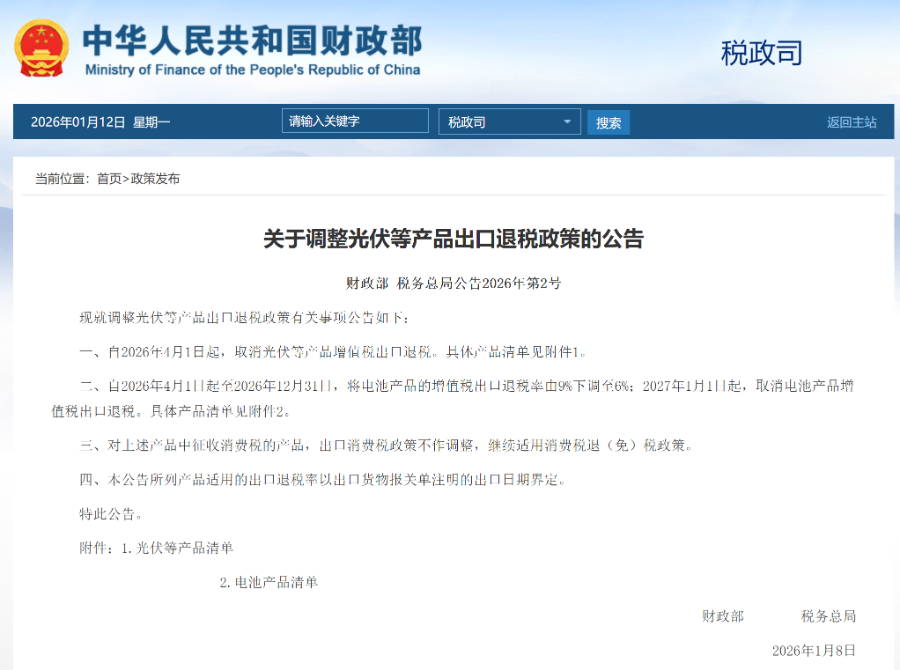
Core Viewpoint - The recent announcement by the Ministry of Finance and the State Taxation Administration to cancel export VAT rebates for photovoltaic and battery products is seen as a significant measure in the "anti-involution" actions within the new energy sectors, aimed at addressing the industry's profitability issues and promoting higher value-added products [5][6][8]. Industry Overview - The new energy photovoltaic and lithium battery industries have been facing challenges due to mismatched supply and demand and intense price competition, leading to weak profitability across the sector [3]. - Since 2025, there have been ongoing calls within the lithium battery sector to resist vicious competition, control capacity growth, and enhance technological innovation [3]. Policy Changes - Starting from April 1, 2026, the export VAT rebate for photovoltaic products will be canceled, and the rebate rate for battery products will be reduced from 9% to 6% until the end of 2026, after which it will be completely eliminated [1][5]. - The Ministry of Industry and Information Technology and other regulatory bodies have proposed 20 measures to regulate industry competition, including tightening approvals for low-capacity projects and establishing a cost-based price monitoring mechanism [4]. Market Reactions - Following the announcement, the stock performance of key players in the lithium battery sector showed significant volatility, with leading companies like CATL experiencing declines, while some photovoltaic companies saw substantial gains [1]. - The cancellation of export VAT rebates is expected to lead to an increase in the cost and price of Chinese photovoltaic components in overseas markets, which may help clear out low-end production capacity [8]. Price Trends - The prices of lithium carbonate futures have surged to over 160,000 yuan per ton, compared to 60,000 yuan per ton in June 2025, indicating a significant recovery in the battery materials market [6]. - The demand for upstream materials remains strong, with companies reporting full production capacity and no immediate adjustments in order volumes from downstream clients [7]. Future Outlook - The upcoming policy changes are anticipated to drive a surge in orders for photovoltaic components before the new VAT regulations take effect, although this demand may be temporary [7]. - Long-term, the cancellation of export VAT rebates is expected to facilitate industry consolidation and price normalization, benefiting the overall market structure [8].




光伏锂电出口退税将取消 ,有代理商称现货5分钟被抢光
2 1 Shi Ji Jing Ji Bao Dao· 2026-01-12 14:28
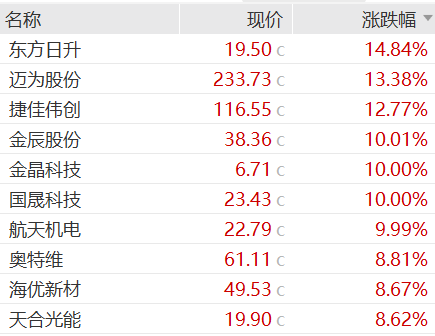
Core Viewpoint - The recent changes in export tax policies for photovoltaic and lithium battery products are seen as a significant move to combat excessive competition and improve profitability in the renewable energy sectors [4][8][9]. Group 1: Market Performance - On January 12, the opening saw fluctuations in the new energy photovoltaic and lithium battery sectors, with notable divergences in individual stock performances [1]. - Leading lithium battery company CATL (宁德时代) saw its H-shares drop by 3% and A-shares decline by over 4%, while companies like Deyang Nano (德方纳米) and Hunan Youneng (湖南裕能) experienced mixed results [1]. - In the photovoltaic sector, companies such as Maiwei (迈为股份) and Jiejia Weichuang (捷佳伟创) surged over 10%, while Trina Solar (天合光能) and Haiyou New Materials (海优新材) rose over 8% [1]. Group 2: Export Tax Policy Changes - Starting April 1, 2026, the export tax rebate for photovoltaic products will be eliminated, and the rebate rate for battery products will be reduced from 9% to 6% until the end of 2026, after which it will be completely removed [2]. - This policy change is part of a broader "anti-involution" initiative aimed at addressing the supply-demand mismatch and intense price competition that have weakened profitability in the photovoltaic and lithium battery industries [4][5][8]. Group 3: Industry Response and Measures - Since 2025, there have been ongoing calls within the lithium battery sector to resist harmful competition and control capacity growth, with various industry meetings held to discuss these issues [7]. - The Ministry of Industry and Information Technology has organized discussions with leading battery companies to establish measures for regulating competition and ensuring sustainable growth [7]. - A total of 20 measures were proposed, including monitoring production capacity and implementing penalties for non-compliant companies, which may affect financing and tax rebates [8]. Group 4: Market Dynamics and Future Outlook - Despite the seasonal downturn typically seen in the first quarter, demand for power and energy storage batteries remains strong, with companies reporting full order books and saturated production capacity [11]. - The anticipated increase in costs due to the export tax policy is prompting overseas buyers to adjust their purchasing schedules, potentially leading to a robust first quarter for lithium battery sales [11][12]. - Analysts predict that the cancellation of export tax rebates will ultimately raise the costs and prices of Chinese photovoltaic components in overseas markets, which could help clear out excess capacity and stabilize prices in the long run [13].
光伏锂电出口退税将取消 ,有代理商称现货5分钟被抢光
21世纪经济报道· 2026-01-12 14:21
Core Viewpoint - The article discusses the recent fluctuations in the new energy photovoltaic and lithium battery sectors, highlighting the impact of changes in export tax policies on these industries and the ongoing "anti-involution" actions aimed at stabilizing prices and production capacity [1][5][6]. Summary by Sections Market Performance - On January 12, the lithium battery leader CATL saw its H-shares drop by 3% and A-shares fall over 4%, while companies like Deyang Nano and Hunan Yueneng experienced mixed results with increases and decreases in their stock prices [1]. Export Tax Policy Changes - The Ministry of Finance announced that starting April 1, 2026, the export VAT refund for photovoltaic products will be canceled, and the VAT refund rate for battery products will be reduced from 9% to 6% until the end of 2026, after which it will be completely eliminated [2][3]. Industry Response and Actions - The lithium battery and photovoltaic industries have been facing challenges due to mismatched supply and demand and intense price competition, leading to a series of "anti-involution" initiatives aimed at expanding demand, adjusting prices, and controlling production capacity [3][5]. - Since 2025, there have been calls within the lithium battery sector to resist vicious competition and control the disorderly growth of production capacity, with various companies announcing price adjustments to stabilize the market [5][6]. Price Trends and Market Dynamics - Despite the seasonal downturn typically seen in the first quarter, the demand for power and energy storage batteries remains strong, with companies reporting sufficient orders and saturated production capacity [8]. - The export tax policy changes are expected to lead to an increase in battery prices, as overseas buyers adjust their purchasing strategies to avoid higher costs after the policy takes effect [8][10]. Future Outlook - Analysts predict that the cancellation of export tax refunds will increase the costs and prices of Chinese photovoltaic components in overseas markets, which may lead to industry consolidation and a return to more rational pricing in the long term [7][10].
万亿退税转向,传递一个清晰的信号
财富FORTUNE· 2026-01-12 13:06
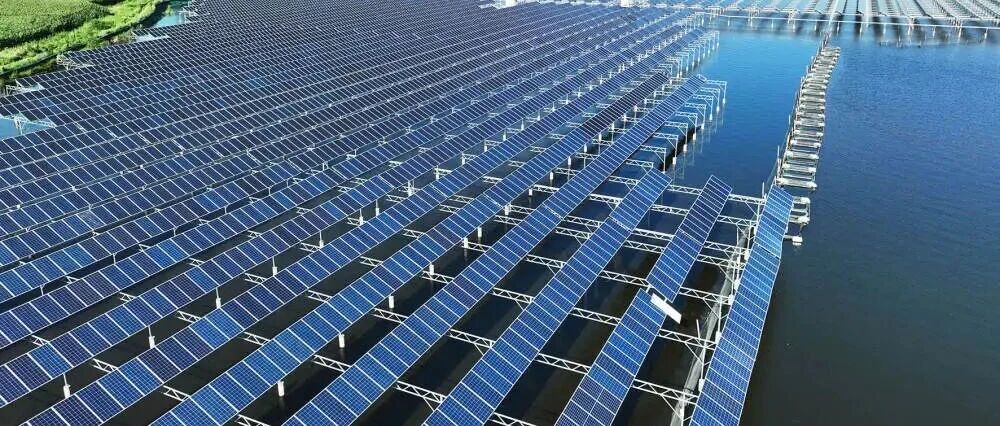
Core Viewpoint - The recent adjustment of export tax rebate policies for photovoltaic and battery products signifies a shift in China's fiscal strategy, moving from "subsidizing production" to "empowering residents" as a fundamental narrative for economic growth [1][2]. Group 1: Policy Adjustments - As of April 1, 2026, the Ministry of Finance and the State Taxation Administration will cancel the VAT export tax rebate for photovoltaic products and reduce the battery export tax rebate from 9% to 6%, eventually eliminating it by January 1, 2027 [1]. - The policy affects 249 items in the photovoltaic sector and 22 items in the battery sector, marking a significant change following the previous reduction from 13% to 9% in 2024 [1]. Group 2: Economic Implications - The adjustment is part of a broader strategy to restructure the sources of economic growth, particularly in the context of the "14th Five-Year Plan," emphasizing the need to enhance domestic demand [2][4]. - The photovoltaic industry faces intense competition, leading to a "volume increase, price decrease" scenario, which has resulted in profit losses for domestic companies and increased risks of international trade disputes [2][4]. Group 3: Financial Sustainability - The reduction or cancellation of export tax rebates is expected to help stabilize foreign market prices and reduce trade friction risks, while also alleviating the fiscal burden on the government [4]. - In 2025, China's trade surplus reached a record high of $1.07 trillion, with export tax rebates amounting to 1.9 trillion yuan, highlighting the unsustainability of the current model [4]. Group 4: Strategic Shift - The policy aims to guide industries like photovoltaic and lithium batteries from relying on price subsidies to competing based on technology, brand, and service quality, which could lead to the elimination of outdated production capacities [4][5]. - The saved fiscal resources from tax rebate adjustments are intended to be redirected towards enhancing consumer spending and investment, particularly in social security measures for low-income groups [5][6]. Group 5: Market Opportunities - The adjustment of export tax rebates is seen as a catalyst for a new economic narrative, shifting the focus from production subsidies to empowering residents and fostering innovation to stimulate domestic demand [6][7]. - Companies in the photovoltaic sector may experience price increases for solar panels, potentially reshaping global green energy installation cost curves, with market expectations favoring leading firms like JinkoSolar and LONGi Green Energy [7].