
高端制造

Search documents
两融余额重返2万亿元传递出三大积极信号
Zheng Quan Ri Bao· 2025-08-07 16:22
Group 1 - The A-share market's margin trading balance has returned to the 2 trillion yuan level for the first time in ten years, indicating a bullish sentiment among investors and an increase in market activity [1][2] - The recovery of the margin trading balance reflects the effectiveness of various policies aimed at stabilizing the stock market, as emphasized by the central government [2][3] - The increase in margin trading balance is primarily driven by the financing balance, which indicates that investors are willing to take on more risk and leverage their investments, showcasing a recovery in investor confidence [3][4] Group 2 - The flow of financing funds has predominantly targeted sectors such as information technology, industrials, and materials, highlighting investor optimism towards both emerging industries and traditional sectors [4] - The current market environment is characterized by improved policies, more stable funding, and a more precise allocation of capital, reflecting a shift towards value investing compared to ten years ago [4] - The expectation is that the margin trading balance will evolve from short-term speculative funds to long-term investments, complementing other institutional investors and supporting the high-quality development of the capital market [4]
经我办·您放心 | 综合保税区基本概况
Sou Hu Cai Jing· 2025-08-07 07:06
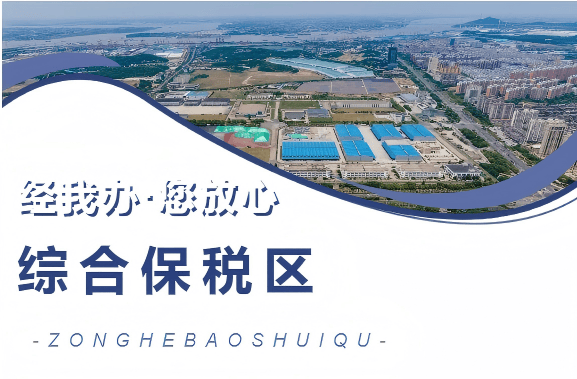
Core Viewpoint - The Zhenjiang Comprehensive Bonded Zone is strategically located within the Zhenjiang Economic and Technological Development Zone, offering various advantages for businesses, including tax exemptions and efficient customs services, aimed at attracting high-end manufacturing and promoting international trade [1][8]. Group 1: Location and Infrastructure - The Zhenjiang Comprehensive Bonded Zone covers an area of 0.91 square kilometers and is situated in the central area of the Zhenjiang Economic Development Zone, close to commercial and administrative centers [1][3]. - The zone is less than 3 kilometers from Zhenjiang Port, which serves as a key hub for the Nanjing region and is the only port in the area with rail connectivity [3]. - The completion of the Lian-Zhen Railway in December 2020 has enhanced the transportation network, establishing a comprehensive traffic framework that includes waterways, high-speed rail, highways, and seaports [3]. Group 2: Functions and Services - The primary functions of the Zhenjiang Comprehensive Bonded Zone include: 1. **Bonded Processing**: Companies benefit from tax exemptions on imported equipment and bonded raw materials, which lowers production costs and attracts industries such as high-end manufacturing and new energy [4]. 2. **Bonded Logistics**: The zone offers international distribution and warehousing services, aiding businesses in optimizing supply chain management [4]. 3. **International Trade**: It supports new business models like cross-border e-commerce and transshipment trade, facilitating the transformation and upgrading of foreign trade [5]. 4. **Testing and Maintenance**: The zone allows for global testing and maintenance of high-tech products, enhancing their added value [6]. 5. **Research and Innovation**: Companies are encouraged to establish R&D centers, with tax exemptions on imported research equipment to promote technological innovation [7]. Group 3: Business Environment - The Zhenjiang Comprehensive Bonded Zone serves as a national-level open platform, providing businesses with dual policy advantages from both customs special supervision areas and national economic development zones [8]. - The zone has established 11 standard factories totaling 112,000 square meters and 5 specialized warehouses of 20,000 square meters, attracting 26 quality enterprises and forming a distinctive industrial cluster focused on bonded logistics, energy storage, and electronic information [8].

元续科技上半年预盈310万至370万新加坡元,同比增长48%至76%
Ju Chao Zi Xun· 2025-08-06 14:23
1、核心业务需求强劲:半导体行业供应链对元续科技提供的精密机加工及精密焊接产品和服务需求显著增加,带动集团收入及 毛利双升; 2、费用端优化:期内无上市相关一次性开支,进一步提振盈利能力。 元续科技专注于为半导体、医疗设备及高端制造行业提供高精度金属结构件解决方案,产品广泛应用于晶圆加工、封装测试、 光刻系统等核心环节。随着全球半导体资本开支回暖,尤其是先进制程与先进封装产能扩张,公司订单量持续增长,产能利用 率维持高位。 8月6日,香港联交所GEM上市公司元续科技控股有限公司(股份代号:8637)发布正面盈利预告,预计截至2025年6月30日止六 个月,集团录得期内净利润约310万至370万新加坡元,较2024年同期的210万新加坡元增长约48%至76%,业绩表现显著优于市 场预期。 根据公告,利润增长主要得益于两大因素: ...

近60%主权基金优选中国!韩国股民57亿美元涌入,4股外资持股超24%
Sou Hu Cai Jing· 2025-08-05 00:11
Group 1 - Recent international capital markets have seen a surge in the allocation of Chinese assets, with nearly 60% of sovereign wealth funds prioritizing China as an investment market [1][3] - Korean investors have shown increasing enthusiasm for Chinese stocks, with a cumulative trading volume of $5.764 billion in 2023, making China the second-largest overseas investment destination for Korean investors [3] - A significant inflow of over $2 billion into five major overseas-listed Chinese ETFs was recorded in July, indicating strong international interest in Chinese equities [4] Group 2 - Foreign investors are particularly favoring high-dividend stocks and growth stocks, with several A-shares having over 24% foreign ownership, reflecting strong interest in China's high-end manufacturing sector [5][6] - The investment logic for foreign capital includes the establishment of competitive barriers, sustainable performance growth, and expanding market share in niche sectors [5][6] - Foreign institutions have actively conducted research on A-share companies, with 219 investigations involving 216 stocks in July alone, indicating a robust interest in the Chinese market [5][6] Group 3 - The investment value of stable cash flow companies and industry leaders with sustainable return on equity is highlighted during China's economic transformation [6][7] - High-dividend stocks provide a cash flow cushion against market volatility, while growth stocks represent a long-term bet on technological innovation and economic upgrading in China [6][7] - The combination of high-dividend and growth stocks reflects a flexible investment strategy by foreign capital, balancing certainty and growth potential [7]

西方投资政策收紧,中企如何破局?
Guo Ji Jin Rong Bao· 2025-08-04 11:42
在全球贸易冲突持续升级的背景下,国际资本的配置逻辑正发生深刻变化。美国、欧盟等发达经济 体不断强化外资审查制度,以国家安全为由收紧投资准入,而与之形成鲜明对比的是,中国正坚持在强 化合规监管的同时,加快推进高水平制度型开放。今年以来,多项便利外商股权投资的新政相继落地。 这种分化格局促使全球企业,特别是中国企业,在"走出去"过程中重新审视地缘风险、政策合规等新变 量。 富而德律师事务所反垄断业务合伙人杜宁(Ninette Dodoo)在接受《国际金融报》记者采访时指 出,"越来越多的外国监管机构在使用外资审查、反垄断等工具时,会参考现任政府的政策取向和优先 目标,某种程度上,这些监管工具已经被政治化。" "但是在某些产品或行业领域,中国的技术水平已经处于领先地位。"杜宁表示,例如在生物医药和 汽车行业,许多外国投资者已经通过投资、成立合资企业或持有少数股权等方式与中国企业展开合 作。"一方面,他们遵循'在中国,为中国'的策略,利用中国庞大的市场需求;另一方面,他们也认识 到中国在产品研发和工程能力方面的优势。这种趋势正在得到越来越多企业的支持,因为他们看到了与 中国企业合作的益处,以及中国企业海外投资带来的积 ...
【公募基金】市场波动放大,景气板块占优——公募基金权益指数跟踪周报(2025.07.28-2025.08.01)
华宝财富魔方· 2025-08-04 09:43
Group 1 - The core viewpoint of the article highlights the recent market adjustments, with major indices mostly declining, while specific sectors like PCB and innovative pharmaceuticals continue to accelerate trends, indicating a shift in market dynamics [3][12] - The AI computing sector shows increased capital expenditure from overseas tech giants, confirming the rationality of North American computing demand, while domestic computing's self-control is seen as an inevitable trend [4][13] - The innovative pharmaceutical theme has surged significantly, with the Wind data indicating a 25.61% increase in the innovative drug index for July, driven by clinical advancements and overseas breakthroughs [14] Group 2 - As of August 1, 2025, over 91.81% of actively managed equity funds have achieved positive returns this year, with an average return of 13.50%, significantly outperforming the Shanghai-Shenzhen 300 index [15] - The active equity fund index tracking shows varied performances, with the growth stock index rising by 0.63% and achieving a cumulative excess return of 20.58% since inception [8][12] - The pharmaceutical stock index rose by 3.48% last week, reflecting strong performance in the sector, while the consumer stock index fell by 1.78% [9][12]

中美推动关税延期!美国给中国挖了3个大坑,中方谈判难度有多大?特朗普真正目的不简单
Sou Hu Cai Jing· 2025-08-04 06:21
Group 1: Negotiation Dynamics - The US and China have agreed to extend the tariff truce for 90 days, providing short-term stability to their economic relationship, while underlying complexities in negotiations persist [1] - The US has introduced three main negotiation traps: pressure on China's manufacturing sector, energy procurement conditions, and technology decoupling strategies [3][4][5] Group 2: US Negotiation Traps - The US is pressuring China to limit production capacity in key industries like steel and solar, attributing the hollowing out of US manufacturing to Chinese low-priced goods [3] - The US has linked energy trade negotiations to sanctions, demanding China cease imports from sanctioned countries and set a $200 billion annual quota for US LNG purchases [4] - In technology, the US is pushing for unrestricted semiconductor equipment purchases and the lifting of export controls on rare earths, aiming to maintain its technological edge [5] Group 3: China's Strategic Challenges - The US is employing a multi-faceted pressure strategy involving tariffs, technology restrictions, and international rules, complicating China's negotiation position [7] - China's reliance on imports for advanced manufacturing, particularly in semiconductors, poses risks to its supply chain stability [7][8] - The EU's carbon border adjustment mechanism and India's demands for market access add to the international pressure on China [8] Group 4: China's Counterstrategies - China is diversifying its markets, with exports to Belt and Road countries increasing by 18%, which helps mitigate the impact of US tariffs [9] - China controls 60% of global rare earth processing capacity, using this leverage to impact US industries significantly [10] - Recent trade agreements and initiatives aim to reshape global economic rules, positioning China as a proactive player in international trade [10] Group 5: Future Negotiation Outlook - The current tariff negotiations are characterized by short-term concessions but long-term challenges, with the US maintaining its core demands [12] - China's decreasing reliance on foreign trade, from 64% in 2006 to an expected 32% in 2025, indicates a shift towards domestic market-driven growth [12] - The negotiation process is seen as a reflection of structural contradictions between the two economies, necessitating a balance between immediate compromises and long-term strategic interests [12]

新城市志丨“AI+制造”,助力上海制造向上海智造跃升
Xin Lang Cai Jing· 2025-08-02 05:25
Core Viewpoint - Shanghai is accelerating the integration of artificial intelligence (AI) with manufacturing, aiming to enhance the sector's high-end, intelligent, green, and integrated development, thereby transforming "Shanghai Manufacturing" into "Shanghai Intelligent Manufacturing" [1] Group 1: Policy Initiatives - The Shanghai government has approved an implementation plan to promote "AI + Manufacturing," emphasizing the strategic opportunity presented by AI in the manufacturing sector [1] - Previous initiatives include the "Action Plan for Promoting Industrial Service Empowerment for Industrial Upgrading (2024-2027)" which aims to deepen the integration of AI and manufacturing [2] - The Shanghai Economic and Information Commission has issued measures to further expand AI applications, including financial support for benchmark demonstration projects [2] Group 2: R&D and Infrastructure Development - Shanghai has established a strong foundation for AI development, with the "Mosu Space" innovation community attracting 255 AI model companies and facilitating the successful deployment of 34 registered AI models [3] - The city is also advancing industrial internet platforms, such as the "Baolindeng" industrial cloud platform and the industrial corpus public service platform, to support "AI + Manufacturing" [3] Group 3: Industry Applications and Success Stories - Companies like SAIC Motor have implemented AI-driven smart manufacturing systems, significantly optimizing production processes and enhancing product quality [3][4] - High-tech firms such as Heihu Technology are utilizing AI agents to streamline industrial production, achieving a 60% reduction in preparation time and tripling scheduling speed [4] Group 4: Economic Impact - In the first half of the year, Shanghai's industrial output value increased by 5.6% year-on-year, marking the highest growth rate in nearly two years, attributed to the "AI +" initiatives [6] - Shanghai's unique position as a major economic center with a manufacturing value-added target of over 25% of GDP underscores the importance of AI in driving industrial transformation [7] Group 5: Collaborative Ecosystem - Shanghai's universities and research institutions are collaborating closely with enterprises to develop industrial AI models tailored to manufacturing needs, enhancing predictive maintenance and production optimization [8] - The city has attracted leading AI companies, forming a strong cluster of foundational models that enhance the integration of AI into manufacturing [8] Group 6: Financial Support and Investment - Major banks have launched a total of 400 billion RMB in special credit lines to support the "AI + Manufacturing" initiatives, addressing funding challenges for enterprises [9] - Venture capital firms are actively investing in the "AI + Manufacturing" sector, facilitating the rapid development and application of new technologies [9] Group 7: Competitive Landscape - Other cities in China are also advancing their "AI + Manufacturing" strategies, each with unique strengths, which will reshape the competitive landscape of urban manufacturing [12] - The integration of AI into manufacturing is expected to redefine urban industrial structures, with cities that successfully implement these strategies gaining a competitive edge in the global market [13]
瞭望·治国理政纪事|示范先行开创服务贸易新局
Sou Hu Cai Jing· 2025-08-02 02:57
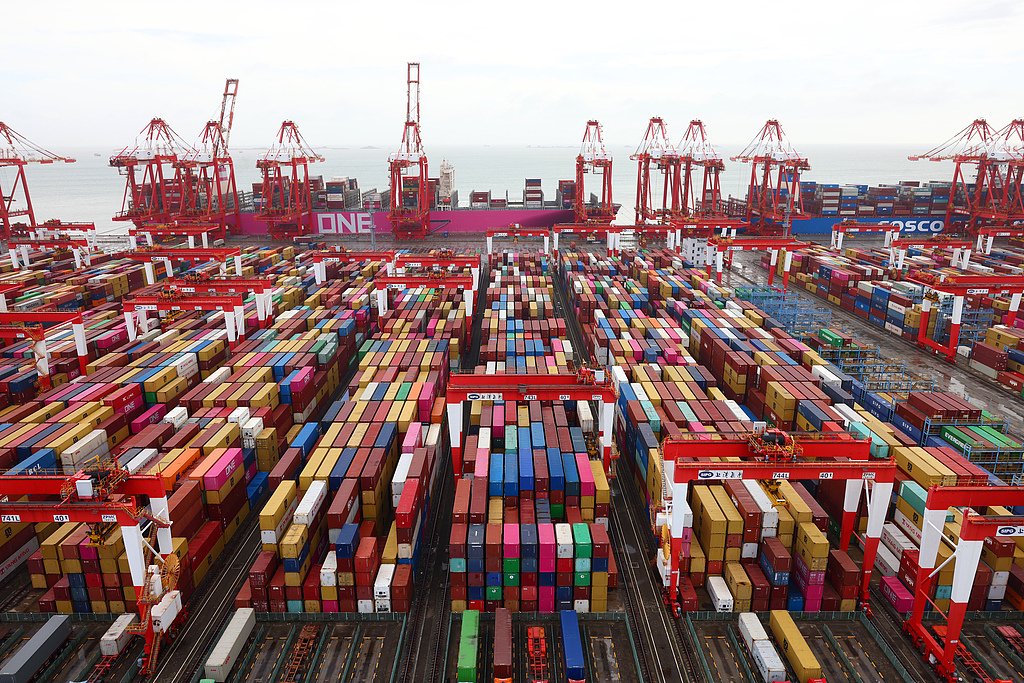
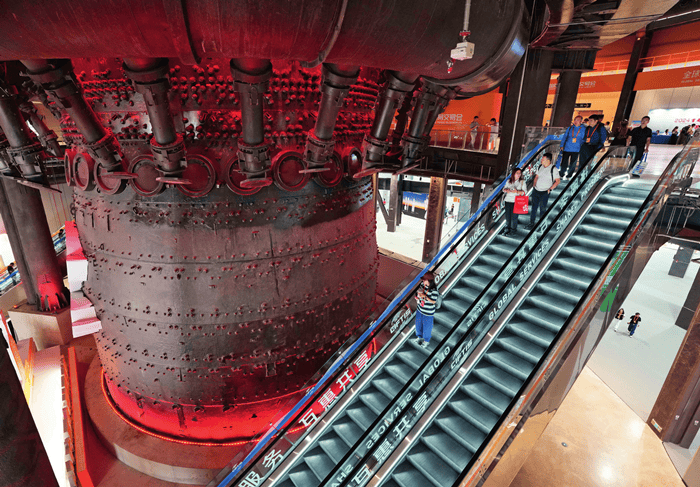
Core Viewpoint - Beijing is positioned as a national leader in the service industry opening up, with a focus on creating a comprehensive demonstration zone for expanding service industry openness and establishing a free trade pilot zone characterized by technological innovation, service industry openness, and digital economy [1][3][4]. Group 1: Economic Performance - Over the past five years, Beijing's open economy has shown resilience and vitality, with actual foreign investment reaching $66.18 billion, accounting for 8.4% of the national total, and over 90% of this investment coming from the service sector [5]. - The import and export volume is expected to exceed 3.6 trillion yuan for three consecutive years from 2022 to 2024, with the service trade scale ranking among the top three in the country, achieving an average annual growth rate of 9.4% since 2021 [5]. - The proportion of actual foreign investment in free trade pilot zones has increased from less than 10% to over 20% [5]. Group 2: Policy and Institutional Innovation - Beijing has implemented over 70 national breakthrough policies and promoted more than 80 innovative achievements, forming a virtuous cycle of pilot—breakthrough—promotion [2][15]. - The city is planning to deepen systematic and integrated institutional innovation, focusing on key areas to strive for early trials and promote international cooperation in industrial and supply chains [2][16]. - The service industry accounts for over 85% of Beijing's economy, with a focus on transforming abstract concepts of "institutional openness" into tangible, replicable institutional results [15][18]. Group 3: Infrastructure and Ecosystem Development - Beijing has constructed a multi-dimensional matrix connecting exhibition economy, high-end manufacturing, digital trade, and biomedicine, creating a three-dimensional open ecosystem [11][20]. - The city has established a permanent venue for the China International Fair for Trade in Services (CIFTIS) at Shougang Park, which has attracted over 1.2 million visitors and facilitated nearly a thousand cooperation agreements in various fields [8][9]. - The comprehensive bonded zones have expanded from 1 to 4, focusing on core industries and achieving significant growth in import and export values [10][11]. Group 4: Foreign Investment Attraction - In the past five years, nearly 7,900 new foreign-funded enterprises have been established in Beijing, reflecting the success of the "two zones" initiative [20][21]. - The city has optimized its business environment, focusing on the core demands of foreign enterprises to ensure they are willing to come, stay, and develop [20][21]. - The stable policy environment has significantly enhanced foreign investment confidence, with 2,012 new foreign-funded enterprises established in 2024, a year-on-year increase of 16.4% [21][22].
珠海企业密集IPO,北交所成主要“集结地”
2 1 Shi Ji Jing Ji Bao Dao· 2025-07-31 07:26
Core Insights - The capital market in Zhuhai has become notably active this year, with an increase in IPO applications, particularly at the Beijing Stock Exchange (北交所) and Hong Kong Stock Exchange (港交所) [1][4] Group 1: IPO Activity - The Beijing Stock Exchange has emerged as the primary platform for Zhuhai companies seeking to go public, with four companies currently under review [1][3] - As of July 27, 2024, 305 companies are in the A-share IPO review process, with 60% of them on the Beijing Stock Exchange, including four from Zhuhai [1][3] - Zhuhai's IPO market is benefiting from a supportive regulatory environment for technology innovation, providing crucial financing opportunities for small and medium-sized tech enterprises [1][3] Group 2: Company Profiles - The four Zhuhai companies applying for IPOs—Jieli Technology, Nante Technology, Ruixiang Intelligent, and Chuanmeixun—are leaders in their respective sectors, aligning with the Beijing Stock Exchange's focus on specialized and innovative enterprises [2][6] - Jieli Technology is recognized as a national champion in manufacturing and specializes in Bluetooth audio chip design, while Nante Technology focuses on key components for major clients like Midea and Gree [2][6] - Ruixiang Intelligent is involved in smart manufacturing equipment, and Chuanmeixun is one of the earliest companies in China to develop and produce digital printing inks [2][6] Group 3: Industry Trends - The industry distribution of these companies spans integrated circuits, smart equipment, high-end manufacturing, and information technology, indicating a rapid advancement of Zhuhai's emerging industrial clusters into the capital market [3][8] - The average revenue of companies currently under review at the Beijing Stock Exchange is approximately 738 million yuan, with Chuanmeixun being the smallest at 207 million yuan in revenue for 2024 [4][6] Group 4: Regulatory Environment - The Beijing Stock Exchange is experiencing a significant increase in IPO applications, leading to longer review periods, with the median time from acceptance to listing extending to 306 days in 2024, a 40% increase from 2022 [3][4] - The regulatory body has intensified its scrutiny, terminating 107 IPO applications in 2024 due to insufficient innovation, significant performance fluctuations, or compliance issues [3][4] Group 5: Future Outlook - The growing number of enterprises in Zhuhai, with 459,900 operating entities and 50 listed companies valued at 586.39 billion yuan, indicates a robust pipeline for future IPOs [8] - Several Zhuhai companies are in the pre-IPO counseling stage, with plans to list on various exchanges, reflecting a trend towards increased participation in global competition [8]