电动车

Search documents
大和:小米集团-W(01810)未来三年目标收入达7,000亿人民币 电动车年交付量100万辆
Zhi Tong Cai Jing· 2025-09-25 06:37
Group 1: Electric Vehicle Business - The first phase of Xiaomi's electric vehicle factory has upgraded its technology, increasing weekly delivery volume from 7,000-8,000 units in early August to 10,000-12,000 units since late August [1] - The second phase of the factory has a similar design capacity to the first phase and is currently awaiting final government approval [1] - Xiaomi plans to launch new models in 2026 and aims to start exporting electric vehicles to the European market in 2027, with a focus on capturing market share rather than entering the 150,000 RMB price range in the next 5-10 years [1] Group 2: Smartphone Business - Due to rising memory costs, Xiaomi expects smartphone gross margins to be 11%-12% in the second half of 2025, with pressure easing in the first half of 2026 [2] - The company is exploring upgrading smartphone specifications and considering passing costs onto consumers, while predicting a gradual exit from smartphone subsidies with limited impact due to 70% of sales being overseas [2] - Xiaomi aims to achieve a revenue target of 700 billion RMB within three years, with specific goals including increasing smartphone shipments by 10 million units to 200 million, doubling IoT revenue to 200 billion RMB, and delivering 1 million electric vehicles annually contributing 250 billion RMB in revenue [2]

大和:小米集团-W未来三年目标收入达7,000亿人民币 电动车年交付量100万辆
Zhi Tong Cai Jing· 2025-09-25 06:36
Group 1: Electric Vehicle Business - The first phase of Xiaomi's electric vehicle factory has upgraded its technology, increasing weekly delivery volumes from 7,000-8,000 units in early August to 10,000-12,000 units since late August [1] - The second phase of the factory is designed to have a similar capacity as the first phase and is currently awaiting final government approval [1] - Xiaomi plans to launch new electric vehicle models in 2026 and aims to start exporting vehicles to the European market in 2027, with a focus on capturing market share rather than entering the 150,000 RMB price range in the next 5-10 years [1] Group 2: Smartphone Business - Due to rising memory costs, Xiaomi expects smartphone gross margins to be between 11% and 12% in the second half of 2025, with pressure easing in the first half of 2026 [2] - The company is exploring upgrading smartphone specifications and considering passing costs onto consumers, while predicting a gradual exit from smartphone subsidies with limited impact due to 70% of sales being overseas [2] - Xiaomi aims to achieve a revenue target of 700 billion RMB within three years, with specific goals including increasing smartphone shipments by 10 million units to 200 million, doubling IoT revenue to 200 billion RMB, and delivering 1 million electric vehicles annually contributing 250 billion RMB in revenue [2]
大行评级|大和:重申小米“买入”评级 未来三年目标营收达7000亿元
Ge Long Hui· 2025-09-25 06:11
大和发表报告指,于昨日(24日)与小米管理层举行非交易路演,该行引述小米第一阶段电动车工厂技术 升级提升产能,已推动周付运量由7月至8月初的7000辆至8000辆,提升至8月下旬以来的10000辆至 12000辆。第二阶段工厂设计产能与第一阶段相若,现正等待最终政府批准。管理层认为小米电动车并 未面临产能过剩或内卷压力。公司现阶段以抢占市场份额为优先目标,并无计划于未来5年至10年进入 15万元价格带,而是集中于中高端市场。2025年电动车交付目标维持35万辆不变,整体业务目标进度良 好,不受补贴政策变动显著影响。 大和引述小米管理层指,公司营收目标在三年内达成7000亿元,计划未来3年实现以下目标:1)智能手 机年出货量增加1000万台至2亿台,从而带动手机业务营收达2500亿元;物联网(IoT)营收翻倍至2000亿 元;未来三年电动车年交付量达100万辆,营收贡献2500亿元。大和重申小米"买入"评级及12个月目标 价76港元,基于2025年至2026年市盈率36倍。 ...
小米集团-W涨超4% 小米17系列今晚首发第五代骁龙8至尊版
Zhi Tong Cai Jing· 2025-09-25 06:00
Core Viewpoint - Xiaomi Group's stock rose over 4% following the announcement of the Snapdragon 8 Gen 2 mobile platform, which is touted as the "world's fastest mobile CPU" [1] Group 1: Product Launch - Xiaomi's founder and CEO Lei Jun confirmed that the Xiaomi 17 series will be the first to feature the new Snapdragon platform, with the official launch scheduled for tonight [1] - The Xiaomi 17 series will include three models: Xiaomi 17 Standard, Xiaomi 17 Pro, and the compact imaging flagship Xiaomi 17 Pro Max, all running on Xiaomi's own operating system, MIUI 3 [1] Group 2: Financial Goals - Daiwa reported that during a non-deal roadshow with Xiaomi's management, the company set a revenue target of 700 billion RMB within three years [1] - Xiaomi aims to increase its annual smartphone shipments by 10 million units to reach 200 million units, contributing 250 billion RMB to mobile business revenue [1] - The company plans to double its IoT revenue to 200 billion RMB and achieve annual electric vehicle deliveries of 1 million units, contributing an additional 250 billion RMB in revenue over the next three years [1]
港股异动 | 小米集团-W(01810)涨超4% 小米17系列今晚首发第五代骁龙8至尊版
智通财经网· 2025-09-25 05:55
Core Viewpoint - Xiaomi Group's stock price increased by over 4% following the announcement of the Snapdragon 8 Gen 2 mobile platform, which is touted as the fastest mobile CPU globally, and the upcoming launch of the Xiaomi 17 series smartphones [1] Group 1: Product Launch - Qualcomm officially launched the Snapdragon 8 Gen 2 mobile platform on September 25, which Xiaomi's CEO Lei Jun praised as "indeed strong" [1] - The Xiaomi 17 series will be globally launched tonight, featuring three models: Xiaomi 17 Standard, Xiaomi 17 Pro, and the compact imaging flagship Xiaomi 17 Pro Max, all equipped with Xiaomi's own OS, MIUI 3 [1] Group 2: Financial Goals - Daiwa reported that during a non-deal roadshow with Xiaomi's management, the company set a revenue target of 700 billion RMB within three years [1] - Xiaomi aims to increase its annual smartphone shipments by 10 million units to reach 200 million units, contributing 250 billion RMB to mobile business revenue [1] - The company plans to double its IoT revenue to 200 billion RMB and achieve annual electric vehicle deliveries of 1 million units, contributing 250 billion RMB in revenue over the next three years [1]
李迅雷:机会风险都聚焦科技股,黄金稀土还能涨
Di Yi Cai Jing· 2025-09-25 03:51
Core Viewpoint - The current economic environment is characterized by "high volatility and low growth," with structural opportunities arising from the AI revolution, which is expected to transform business models across various sectors, similar to the internet boom [2]. Group 1: Economic Environment - The U.S. stock market has shown strong performance, but there is significant confusion as most stocks lack opportunities, with only a small percentage experiencing substantial gains [2]. - The "K-shaped" recovery indicates that a minority of companies are thriving while the majority are struggling, with only 12.5% of companies contributing to the S&P 500's performance since 2010 [2]. - Historically, 80% of U.S. companies have either disappeared, been delisted, or merged, highlighting a continuous cycle of selection and replacement among the remaining 20% [2]. Group 2: Asset Allocation - Current asset allocation should focus on growth, particularly in technology and innovative pharmaceuticals, which have performed well due to advancements in technology [3]. - The U.S. market still shows signs of a bubble, raising concerns about when it might burst, despite potential interest rate cuts by the Federal Reserve [3]. - The EU's economic recovery is linked to increased military spending, but this may not be sustainable in the long term, as it relies on debt to finance current growth [3]. Group 3: A-Share Market - The valuation of the CSI 300 index is around 14 times earnings, significantly lower than the S&P 500's 29 times and the Nasdaq's 41 times, indicating a relative valuation advantage for A-shares [4]. - The dividend yield for the CSI 300 has decreased from 3% to 2.6%, but remains attractive [4]. - A-share corporate earnings growth has been weak, with a 2.5% increase in the first half of the year, which is below the GDP growth rate of 5.3%, suggesting that high-quality development is still needed [5]. Group 4: Future Outlook - The AI era may lead to a market reshuffle similar to the internet bubble burst in 2000, paving the way for new industry leaders [6]. - Long-term optimism exists for technology and AI sectors, as well as for innovative pharmaceuticals related to aging populations and industries facing import substitution challenges [6]. - Recommended asset allocation includes 50% in stocks, 30% in government bonds, and 20% in gold, with gold prices having increased by 200% from $1,200 to $3,600 per ounce over the past decade [6]. Group 5: Commodities - In a declining interest rate environment, commodities related to AI, new energy, and electric vehicles, such as copper, aluminum, and rare earths, are expected to continue rising [7].
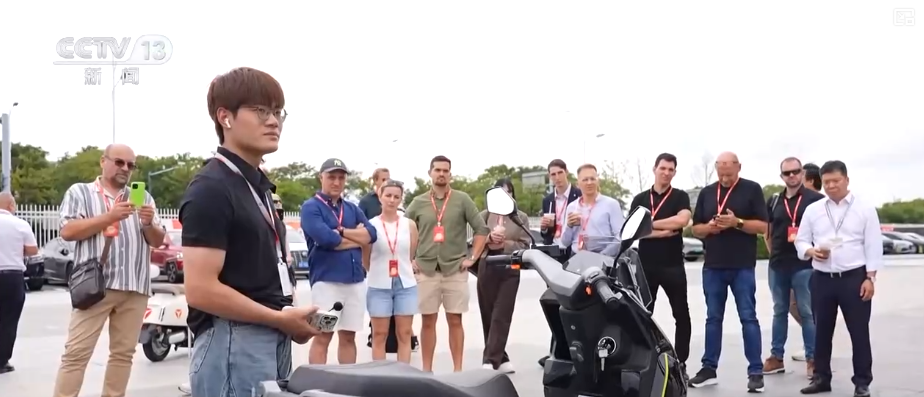
60秒,2.4辆!“政策合力+过硬品质+领先技术”支撑“小电驴”闯出海外大市场
Yang Shi Wang· 2025-09-25 01:58
Core Viewpoint - Wuxi's Xishan District is recognized as "China's Electric Vehicle Capital," producing one out of every three electric vehicles in the country, and is gaining global market attention with an export growth of 36.5% in the first eight months of 2025 [6][13]. Group 1: Industry Growth and Market Demand - The electric vehicle industry in Xishan has attracted numerous foreign customers, with recent visits from delegations from Hungary, Vietnam, Pakistan, and the UK [3][4]. - The average export rate from Wuxi is 2.4 electric vehicles per minute, indicating strong international demand [6]. - The number of electric vehicle enterprises in Xishan exporting over $1 million has reached 52, showcasing the scale of the industry [13]. Group 2: Technological Advancements - Xishan electric vehicle companies have invested over 2 billion yuan annually in R&D, resulting in more than 2,400 national patents [7][11]. - Innovations such as high-performance flat wire hub motors and advanced battery technologies, including graphene lead-acid batteries, have significantly improved product competitiveness [10][11]. - The introduction of smart driving technology in electric scooters marks a significant technological breakthrough, allowing for automatic balance and maneuvering [8]. Group 3: Supportive Policies and Collaboration - Local government initiatives include timely policy updates and support for export processes, enhancing the operational efficiency of electric vehicle companies [15][17]. - The establishment of a carbon footprint standard for electric two-wheelers demonstrates proactive measures to address future carbon tariffs imposed by the EU [19]. - Collaboration among local brands is encouraged to create a collective market presence, enhancing competitiveness in international markets [20][22].

重庆助力电动车产业迈向全面智联全球发展
Ren Min Ri Bao· 2025-09-24 23:03
Core Viewpoint - Chongqing plans to establish a global smart connected electric vehicle industry base by 2027, focusing on comprehensive smart connectivity and global development strategies for the electric vehicle industry [1] Group 1: Industry Development - The global development summit for smart connected electric vehicles highlighted the need for a smart standard system, industry brain system, and green evaluation system to support the development of China's smart electric vehicle industry ecosystem [1][2] - The domestic electric two-wheeler ownership has surpassed 400 million units, necessitating the acceleration of smart upgrades to prevent a surge in abandoned electric vehicles and batteries [2][3] Group 2: Action Plans - The Smart Connected Electric Vehicle Global Development Alliance proposed four major action plans during the 14th Five-Year Plan period: smart electric motorcycles, lead-acid battery smart connectivity, urban integration of electric motorcycles, and international expansion of electric motorcycles [4] - Companies like Tailin Technology aim to promote 200 million smart electric vehicle products and replace existing non-smart products to enhance product and brand value [4] Group 3: Service System Creation - The establishment of a smart connected electric vehicle service system is underway, with a focus on collaborative mechanisms and integration of production, usage, and recycling processes [3] - China Quality Certification Center is leading the construction of a lifecycle data service system for smart electric vehicles, supporting the creation of green low-carbon standards and evaluation rules [3] Group 4: Market Expansion - Leading companies such as Aima Technology and Yadea Technology are targeting Southeast Asia, Africa, and Latin America for market expansion, aiming to enhance brand value and meet new consumer demands [5]
摩洛哥在华推介投资环境并寻求合作
Shang Wu Bu Wang Zhan· 2025-09-24 17:10
Core Insights - Morocco's strategic geographical position and extensive trade network make it an attractive partner for Chinese companies looking to expand in Africa [1] - Morocco is the only African country with free trade agreements with both the EU and the US, providing tariff-free access to over 50 countries under the African Continental Free Trade Area framework [1] - The country has significant advantages in the renewable energy and automotive manufacturing sectors, positioning it as an ideal partner for collaboration [1] Industry and Company Focus - Discussions were held between Moroccan officials and Chinese companies, particularly in the fields of electric vehicles, batteries, photovoltaics, and green hydrogen [1] - The meeting included a visit to Guoxuan High-Tech's headquarters in Hefei, highlighting the potential for future collaboration in these sectors [1] - Moroccan representatives emphasized the importance of training local employees who will return to Morocco to contribute to these industries [1]

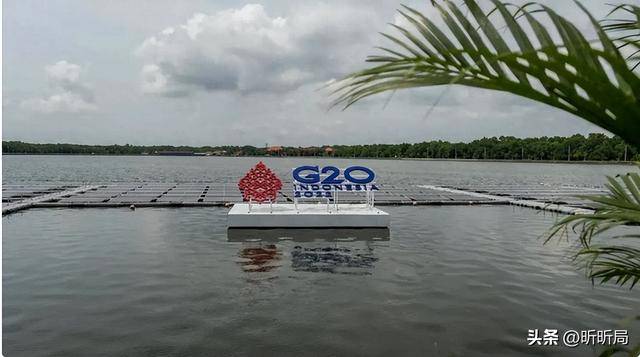
200亿援助跳票,JETP沦为空头,中国成印尼能源转型真大哥!
Sou Hu Cai Jing· 2025-09-24 10:45
Core Viewpoint - The article discusses the disparity between Western and Chinese approaches to energy transition projects in Indonesia, highlighting the slow progress of Western funding compared to the rapid implementation by Chinese companies [3][12]. Group 1: Western Efforts - The "Just Energy Transition Partnership" (JETP) was established by Western countries to provide $20 billion to help Indonesia reduce its coal dependency, but only $1.2 billion has been delivered so far [3]. - The U.S. plans to withdraw from the partnership by March 2025, leaving Germany and Japan to coordinate efforts, which has led to criticism from Indonesian officials regarding the lack of financial contributions from the U.S. [5]. - Western funding is characterized by a focus on transparency, compliance, and environmental standards, but this has resulted in delays and insufficient financial support for projects [12]. Group 2: Chinese Involvement - Chinese companies are actively investing in Indonesia, with projects such as Longi Green Energy's solar factory with a capacity of 1.4 GW and BYD's $1 billion investment to produce 150,000 electric vehicles annually by 2026 [7][8]. - Chinese investments are backed by comprehensive financing agreements, including a $54 billion memorandum of understanding involving State Grid and Trina Solar, demonstrating a commitment to rapid project execution [8]. - The speed of Chinese projects contrasts sharply with Western efforts, as noted by Indonesian experts who claim that while the West is still drafting feasibility studies, Chinese projects are already under construction [8][10]. Group 3: Environmental Concerns - Despite the rapid progress, there are significant environmental concerns associated with Chinese investments, particularly in the nickel industry, where 80% of smelting plants are funded by Chinese capital and rely on coal-fired power [10]. - Research indicates that air pollution from nickel smelting could lead to nearly 5,000 premature deaths by 2030, raising questions about the sustainability of electric vehicle production in Indonesia [10]. - The Indonesian government faces a dilemma between the quick implementation of projects funded by China and the environmental risks associated with these developments [12][10]. Group 4: Future Implications - The article suggests that Indonesia is caught between the slow, rule-based approach of the West and the fast, results-oriented approach of China, leading to a preference for immediate progress despite potential environmental trade-offs [12][15]. - The ongoing energy transition in Indonesia reflects a broader global trend where practical infrastructure development often takes precedence over idealistic goals [13][15].