
医保

Search documents
广西促进“三医”协同发展 惠民政策减轻民众就医负担
Zhong Guo Xin Wen Wang· 2025-11-16 02:00
Core Viewpoint - Guangxi is actively establishing a multi-department consultation mechanism to promote the coordinated development and governance of medical services, medical insurance, and pharmaceuticals, aiming to improve the healthcare experience for the public [1][2] Group 1: Healthcare Policy Improvements - Guangxi has implemented several policies since 2024, including special medical services management in public hospitals and "pre-admission" treatment management, aimed at enhancing the healthcare experience for citizens [1] - The "pre-admission" treatment management effectively reduces waiting times for patients needing hospitalization, thereby alleviating the burden of medical care [1] - The "no accompanying caregiver" ward pilot allows nurses and medical caregivers to take care of patients during hospitalization, reducing the pressure and costs on family members [1] Group 2: Accessibility and Support for Vulnerable Groups - Measures such as priority windows for elderly patients in registration, payment, and medication collection have been established to improve the healthcare environment for older individuals [1] - The "Pediatric Medical Service Year" action plan (2025-2027) aims to enhance the accessibility of pediatric medical services [1] Group 3: Financial Relief and Medical Aid - Guangxi has launched a special action to improve medical services, with 7069 convenience service measures implemented across 458 secondary and higher medical institutions, benefiting 125 million people and reducing patient costs by approximately 168 million yuan [2] - The region has advanced medical insurance reforms, with a 100% medical expense assistance ratio for extremely poor individuals, and a total of 34.79 billion yuan spent on medical aid by September 2025, benefiting over 301 million insured individuals [2] Group 4: Drug Cost Management - Guangxi has optimized the medical insurance payment scope, including 147 nationally negotiated drugs, with 44 covering 34 rare diseases, and increased the number of outpatient special chronic disease categories to 38, with 1658 corresponding drugs [2] - 211 new medical service items have been included in medical insurance, optimizing 863 payment categories, with a total of 5.82 billion yuan spent on 291,100 cases [2] Group 5: Drug Safety and Regulation - Guangxi has deepened drug regulatory reforms, ensuring strict adherence to drug safety responsibilities, with 2902 batches of drugs tested this year and a compliance rate of 99.21%, maintaining a "zero occurrence" of drug safety incidents [2]
每周海内外重要政策跟踪-20251110
Haitong Securities International· 2025-11-10 05:26
Domestic Macro - The National Development and Reform Commission (NDRC) and other departments released the "Action Plan for Deepening Smart City Development and Promoting Comprehensive Digital Transformation," aiming to establish over 50 fully digital transformation cities by the end of 2027 [5][15]. - The Chairman of the China Securities Regulatory Commission (CSRC) Wu Qing emphasized key tasks for enhancing the inclusiveness and adaptability of the capital market during the "14th Five-Year Plan" period [5][15]. - The Ministry of Finance established a new Debt Management Department to oversee government debt management systems and risk prevention [5][15]. Industry Policy - The Minister of Finance, Lan Fo'an, highlighted the need to support consumption, expand investment, and stabilize foreign trade [6][15]. - The NDRC and other departments launched a smart city development action plan [6][15]. - The 138th Canton Fair concluded with on-site intended export transactions exceeding 25 billion USD, indicating strong international interest [6][15]. Local Policy - Shenzhen optimized policies for converting existing non-residential buildings into affordable rental housing [7][15]. - The Xiamen Special Economic Zone's personal bankruptcy protection regulations officially took effect [7][15]. - Guangdong Province allocated an additional 3.5 billion CNY to promote consumption [7][15]. Overseas Dynamics - President Xi Jinping attended the APEC informal leaders' meeting and proposed three suggestions for regional cooperation [8][15]. - China and South Korea renewed their bilateral currency swap agreement [8][15]. - The U.S. announced plans to invest approximately 500 billion USD into alternative investment markets [8][15].
展青春担当 惠万家民生
Guang Xi Ri Bao· 2025-11-08 03:46
Group 1 - The core viewpoint emphasizes the importance of integrating the spirit of the 20th Central Committee's Fourth Plenary Session into the development of youth work and various sectors such as education, human resources, and medical insurance in Guangxi [1][2][3] - The Guangxi Youth League aims to enhance its leadership, organizational, and service capabilities, guiding youth to align their thoughts and actions with the session's spirit, focusing on practical work and innovation [1] - The Education Department plans to implement specific actions to promote high-quality development in education during the 14th Five-Year Plan period, including enhancing basic education, vocational education, and higher education [2] Group 2 - The Human Resources and Social Security Department prioritizes the implementation of employment policies, social security systems, and talent innovation to support high-quality development [2] - The Medical Insurance Bureau focuses on achieving annual goals, improving the multi-level medical security system, and enhancing the accessibility of medical services for the public [3]
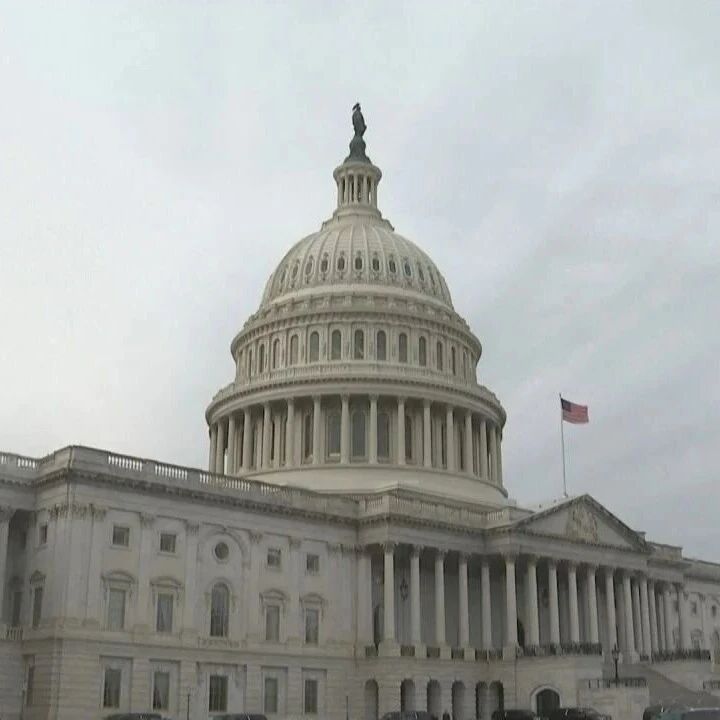
美国政府“停摆”逼近历史纪录
第一财经· 2025-11-04 01:15
Group 1 - The U.S. federal government shutdown has entered its 34th day, nearing the record of 35 days set in late 2018 to early 2019, causing significant disruptions in various sectors including aviation, food, and healthcare, leading to increased pressure on both livelihoods and the economy [3][10] - Approximately 13,000 air traffic controllers and about 50,000 airport security personnel have been forced to work without pay, resulting in a shortage of staff and increased flight delays, raising safety risks in the aviation industry [5][6] - The U.S. Department of Transportation has reported a shortage of 2,000 to 3,000 air traffic controllers, exacerbating the operational challenges faced by the aviation sector [6] Group 2 - The government shutdown has led to the suspension of the Supplemental Nutrition Assistance Program (SNAP) as of November 1, affecting 42 million Americans, which is about one-eighth of the U.S. population, with the most severe impact on low-income individuals [9] - The Affordable Care Act's enrollment for the new year began on November 1, with approximately 24 million participants, but rising premiums are expected due to a lack of agreement on government subsidies between the two parties [9] - The Congressional Budget Office has projected that the ongoing shutdown could reduce the annual GDP growth rate by 1 to 2 percentage points in Q4, translating to an economic loss of $7 billion if the shutdown lasts four weeks, $11 billion for six weeks, and $14 billion for eight weeks [9]

国家医保局:进一步加强超量开药智能监管
Xin Jing Bao· 2025-11-03 13:08
Core Points - The article outlines a notification from the National Medical Security Administration aimed at strengthening the intelligent supervision of excessive prescription practices in the healthcare system [1][2]. Group 1: Goals and Phases - The initiative aims to establish a robust intelligent supervision system for excessive prescriptions by leveraging a unified national medical insurance information platform, with a focus on safeguarding the security of medical insurance funds [1]. - The implementation will occur in three phases: 1. Pilot programs to explore experiences by the end of December 2025, covering at least 50 types of high-risk drugs [1]. 2. Provincial rollout by the end of June 2026, expanding to at least 100 types of monitored drugs [1]. 3. Full application and mechanism formation by the end of December 2026, achieving comprehensive coverage and standardized rules [1]. Group 2: Focus Areas - The supervision will concentrate on three categories of drugs: 1. Drugs frequently involved in illegal use of medical insurance funds [3]. 2. Drugs with high payment amounts and abnormal expenditure growth [3]. 3. Drugs with high demand for resale and significant profit margins [3]. - Additionally, three types of abnormal behaviors will be monitored: 1. Excessive purchases beyond clinical needs [3]. 2. Repeated purchases across institutions without changes in medical conditions [3]. 3. Frequent or fraudulent purchases [3]. - The focus will also extend to three categories of institutions and personnel involved in excessive prescriptions [3]. Group 3: Key Actions - Strengthening data screening and analysis by constructing big data regulatory models to identify high-risk drugs and suspicious purchasing behaviors [4]. - Enhancing precise reminder and warning systems through the medical insurance information platform to improve the effectiveness of preemptive alerts [5]. - Implementing strict measures for investigation and punishment, encouraging self-correction among institutions and individuals while imposing severe penalties for serious violations [5]. Group 4: Work Requirements - Emphasizing the importance of respecting medical practices and ensuring reasonable medication needs are met while distinguishing them from fraudulent activities [6]. - Promoting pilot programs to explore and standardize intelligent supervision practices, with a focus on gathering broad consensus before implementation [7]. - Strengthening organizational leadership and support measures to ensure effective data monitoring and compliance with safety regulations [7].

陕西小切口整治医保基金管理乱象 统筹合力织密防护网
Zhong Yang Ji Wei Guo Jia Jian Wei Wang Zhan· 2025-11-01 00:02
Core Insights - The Shaanxi Provincial Health and Wellness System held a warning education conference to address the misuse of medical insurance funds in township health centers, reporting typical cases of violations [1] - The provincial disciplinary inspection and supervision authorities are focusing on the management of medical insurance funds, collaborating with multiple departments to combat corruption and ensure compliance [1][2] - A big data supervision model has been established to enhance monitoring precision, allowing for real-time detection of suspicious activities related to medical insurance fund usage [2][3] Group 1 - The conference highlighted the discovery of improper medical expenses being included in insurance fund settlements, leading to the recovery of over 790,000 yuan in misused funds [1] - Six individuals received administrative penalties, and 16 doctors were disciplined for their involvement in the violations [1] - The provincial authorities are implementing a focused approach to tackle fraud and ensure compliant payments through 15 specific work objectives [1] Group 2 - The collaboration between the disciplinary inspection and medical insurance departments has led to the identification of over 7,000 suspicious cases related to drug traceability codes, resulting in the discovery of more than 700 violations [2] - A mechanism combining big data screening, cross-checking, and targeted investigations is being utilized to monitor medical institutions and their billing practices [2] - The Yaozhou District has initiated a comprehensive investigation of medical institutions to pinpoint issues in fund usage [2] Group 3 - The Huayin City disciplinary inspection committee is urging the medical insurance bureau to establish a risk prevention system while expanding coverage, utilizing intelligent auditing systems for dynamic monitoring [3] - A dual approach of online monitoring and offline supervision is being employed to enhance the effectiveness of fund management [3] - The provincial authorities have publicly exposed five cases of fraud, reinforcing the deterrent effect of their actions [3] Group 4 - The provincial disciplinary inspection committee plans to continue deepening the rectification actions in the medical field, aiming to strengthen the regulatory framework for medical insurance funds [4]
“超级周”来袭!美联储,降息稳了?
券商中国· 2025-10-26 07:24
Group 1: Central Bank Focus - The upcoming week is termed "Super Central Bank Week," with major central banks including the Federal Reserve, European Central Bank, Bank of Japan, and Bank of Canada set to announce interest rate decisions [1][2] - The market widely anticipates a 25 basis point rate cut from the Federal Reserve, bringing the target range to 3.75%–4% [2][3] - The probability of a 25 basis point cut in October is estimated at 98.3%, while a cumulative cut of 50 basis points by December is projected at 93.4% [2] Group 2: Economic Indicators - Investors will focus on the U.S. core PCE price index for September, which previously showed a year-on-year growth rate of 2.9%, exceeding the Federal Reserve's 2% target [3] - The U.S. GDP data for Q3 will be released on October 30, with estimates suggesting that the ongoing government shutdown may reduce the GDP growth rate by 0.45 percentage points [4] Group 3: Earnings Season Highlights - The upcoming week is expected to be the busiest for earnings reports, with over 170 companies, including five of the "Tech Giants" (Microsoft, Apple, Alphabet, Amazon, Meta), set to report [5][6] - Apple is projected to report earnings of $1.76 per share and revenue of $101.71 billion, driven by strong pre-sales of the new iPhone 17 and recovery in the Chinese market [5] - Alphabet's expected revenue is $86 billion, with earnings per share at $2.17, while Amazon's revenue is anticipated at $179.2 billion, slightly above market expectations [5][6] Group 4: Market Expectations - Despite a slowdown in profit growth for the "Tech Giants," their profit growth is still expected to be significantly higher than the overall S&P 500 companies, with estimates of 16.6% versus 8.1% [6] - The "Tech Giants" are also key players in the AI sector, which has been a major driver of stock market growth in recent years [7]





医保“快给钱”,打开更给力改革前景
Sou Hu Cai Jing· 2025-10-24 08:09
Core Insights - The National Healthcare Security Administration (NHSA) has issued a notice to implement instant settlement reforms for medical insurance funds by the end of 2025, aiming for 80% of local medical insurance funds to be settled instantly by the end of 2026 [1][2] - The instant settlement policy is expected to significantly enhance the efficiency of medical insurance payments, potentially reducing the payment cycle from monthly to weekly or even daily, which is crucial for alleviating the cash flow pressure on medical institutions [2][3] - The overall operation of the medical insurance fund remains stable, with total income of 34,913.37 billion yuan and total expenditure of 29,764.03 billion yuan in 2024, indicating no systemic risks at the national level despite some regional pressures [3][4] Group 1: Policy Implications - The instant settlement reform is seen as a timely relief for medical institutions facing operational pressures, allowing for healthier and more sustainable cash flow [2][3] - The NHSA's initiative aims to transform the delayed nature of medical insurance reimbursements into an immediate process, enabling medical institutions to plan operations more effectively and invest in services with greater confidence [4][5] - The reform is not merely about speeding up payments but also about enhancing the governance model from passive payment to proactive empowerment, ensuring that every investment translates into tangible health outcomes [5][6] Group 2: Financial Context - The continuous growth of medical insurance fund expenditures is largely attributed to the genuine increase in service volume and reasonable health demands, rather than excessive medical practices or fund wastage [5][6] - Public medical institutions are increasingly reliant on government subsidies and medical service fees, with the stability and predictability of the settlement mechanism directly impacting their operations and staff confidence [4][5] - The need for refined internal management and operational efficiency in public medical institutions is highlighted, especially in the context of tight local finances and the challenges of meeting development needs [3][4]
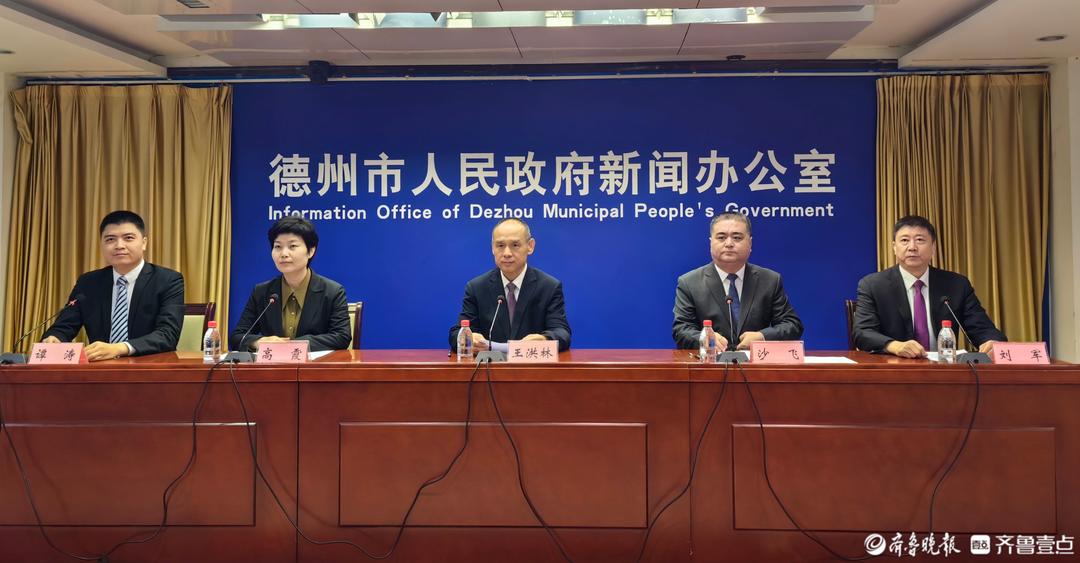
聚焦医疗民生,“十四五”德州市相关领域累计投入超500亿元
Qi Lu Wan Bao Wang· 2025-10-23 12:08
Core Insights - The article discusses the achievements of Dezhou's "14th Five-Year Plan" in high-quality fiscal development, emphasizing the city's commitment to improving healthcare and supporting vulnerable populations [1] Group 1: Healthcare Investment - During the "14th Five-Year Plan," Dezhou's general public budget allocated approximately 27.1 billion yuan for health expenditures, representing a 23.8% increase compared to the "13th Five-Year Plan" [3] - The city is enhancing its medical service network by upgrading quality medical resources and supporting the construction of national regional medical centers, while also improving grassroots medical facilities [3] - The basic public health service subsidy standard will increase from 74 yuan per person per year in 2021 to 99 yuan by 2025, with over 2,400 village clinics undergoing standardization [3] Group 2: Medical Insurance Support - A total of 14 billion yuan has been allocated for medical insurance subsidies during the "14th Five-Year Plan," with per capita financial support for basic medical insurance rising from 580 yuan in 2021 to 700 yuan by 2025 [4] - Financial support for serious illness insurance and medical assistance has reached approximately 468 million yuan over five years, benefiting 1.2945 million people and alleviating the medical burden on vulnerable groups [4] Group 3: Assistance for Vulnerable Populations - The city has allocated around 5.3 billion yuan for assistance to vulnerable populations during the "14th Five-Year Plan," helping over 800,000 individuals [4] - The standards for nine categories of living assistance have been raised for four consecutive years, with an average increase of 23.6%, and the scope of assistance has been expanded to include low-income families and students in need [4] - Future plans include increasing investments in public welfare, improving healthcare, medical insurance, and assistance mechanisms to ensure better health and living conditions for the population [4]
回眸“十四五”|健康中国:为人民幸福生活筑牢基石
Jing Ji Ri Bao· 2025-10-20 01:19
Core Insights - The article highlights significant achievements in China's healthcare system during the 14th Five-Year Plan, emphasizing improvements in health service capacity, accessibility, and equity, leading to a notable enhancement in public health [1] Group 1: Medical Technology Advancements - The launch of NanoForge, the world's first AI nano drug delivery platform, marks a breakthrough in drug development, enhancing the efficiency of RNA and small molecule drug delivery [2] - China now accounts for over 20% of new drug research globally, ranking second in new drug development, with several innovative drugs approved, including the anti-tumor drug Zebutinib [2] - The development of domestic medical devices, such as photon-counting CT and orthopedic surgical robots, has improved treatment precision and patient outcomes [3] Group 2: Healthcare Service Quality Improvement - The "Xi He No. 1" AI model has been developed to provide remote medical advice, significantly reducing misdiagnosis rates and improving patient survival chances [4] - The healthcare system aims to decentralize medical services, ensuring that serious illnesses are treated within provinces, while general and routine care is accessible at the community level [4] - By 2024, the total number of healthcare institutions in China is expected to reach 1.09 million, with a workforce of 15.78 million healthcare professionals [6] Group 3: Medical Insurance Expansion - The introduction of the "medical insurance wallet" allows for the transfer of personal account funds across provinces, enhancing the convenience of medical payments for families [7] - A comprehensive medical insurance system has been established, with over 12.36 billion people using the medical insurance code, facilitating easier access to healthcare services [8] - The implementation of long-term care insurance has benefited 1.9 million people, addressing the needs of individuals requiring long-term care [8] Group 4: Cost Reduction and Service Enhancement - Various healthcare policies have collectively reduced the financial burden on low-income populations by over 650 billion yuan, while drug price governance has significantly lowered medication costs [9] - The establishment of a unified national medical insurance information platform has improved service efficiency, with direct settlement for cross-province medical services increasing dramatically [9] - The ongoing development of China's healthcare system is closely aligned with the public's health aspirations, promising more affordable and quality health services in the future [9]