
火电

Search documents
内蒙华电20260108
2026-01-08 16:02
Summary of Inner Mongolia Huadian Conference Call Company Overview - Inner Mongolia Huadian is a key player in the northern thermal power sector, benefiting from a recent stock price correction that has increased expected returns, presenting a secondary investment opportunity [2][3]. Key Points and Arguments Investment Potential - The company is recommended as a top pick in the thermal power sector due to the market's reassessment of the value of such companies [2]. - The integration of coal and electricity operations provides stronger profitability stability and competitiveness, especially in fluctuating coal price environments [2][4]. Capacity Price Increase - A tiered increase in capacity prices is expected in 2026, with most regions seeing prices rise from 100 RMB/kW per year to 165 RMB/kW per year, positively impacting cash flow and dividend predictability for thermal power companies [2][8]. Dividend Policy - Inner Mongolia Huadian commits to distributing no less than 70% of its distributable profits as dividends, with a minimum payout of 0.1 RMB per share, enhancing investor confidence [2][9]. Coal Supply and Cost Management - The company produces nearly 45% of its coal needs internally, which helps reduce costs and mitigate risks associated with coal price fluctuations [2][10]. Competitive Advantages - Inner Mongolia Huadian's coal power generation capacity is 11 GW, with 6 GW serving the Inner Mongolia region and 5 GW serving the North China grid, benefiting from stable electricity prices in North China [10][12]. Market Valuation - Traditional market valuations for thermal power are considered simplistic; a reevaluation based on the company's self-sufficiency in fuel supply could yield a more competitive market valuation [11]. Additional Insights Renewable Energy Initiatives - The company is actively expanding its renewable energy portfolio, with approximately 1.8 GW of wind and solar capacity, aligning with national green development strategies [4][13]. - Recent asset injections from major shareholders into wind projects indicate strong support for the company's growth [17][18]. Future Market Dynamics - The renewable energy sector is viewed as nearing a bottom in the market cycle, with long-term potential driven by policy improvements and increased demand for green certificates [14][16]. Overall Recommendation - Inner Mongolia Huadian is recommended as a key investment target due to its stable asset profitability, reasonable valuations, high dividend yield, and ongoing expansion in renewable energy, which could provide further market value growth [19].

一图读懂 | 江苏省推动“人工智能+”能源高质量发展实施方案
Xin Lang Cai Jing· 2026-01-07 10:52
Core Viewpoint - The article emphasizes the integration of artificial intelligence (AI) with the energy sector in Jiangsu Province, aiming to enhance energy resource allocation and promote innovative applications in various energy fields [2][16]. Group 1: Implementation Goals - The plan aims to develop approximately 100 competitive and replicable AI application cases in the energy sector during the 14th Five-Year Plan period [3][17]. - The initiative will support the construction of comprehensive AI and energy integration application scenarios, leveraging existing large-scale energy application markets and practical case advantages [2][16]. Group 2: Major Tasks - AI applications will be implemented across various energy domains, including smart grid planning, intelligent operation and maintenance of power equipment, and smart energy trading [4][20]. - Specific AI applications will focus on renewable energy, such as precise weather forecasting for power generation and intelligent operation of wind farms [21][26]. - The initiative will also cover traditional energy sectors, including intelligent operation of coal and oil, and the development of smart coal flow systems in mining [23][24][26]. Group 3: Support Measures - The Jiangsu Provincial Development and Reform Commission will lead the implementation of this plan, aiming to publish around 20 practical cases annually and recommend them for national pilot applications [7][28]. - The plan encourages collaboration between energy enterprises and educational institutions to establish AI talent training bases, fostering deep integration of industry, academia, and research [9][30]. Group 4: Technological Empowerment - The initiative will focus on advancing key technologies in data, computing power, and algorithms within the energy sector, while also addressing AI security defense technologies [9][30]. - There will be a push for the development of a collaborative mechanism for computing power and electricity, enhancing the application of intelligent and predictive technologies in energy scenarios [9][30]. Group 5: Financial Support - The plan includes provisions for prioritizing relevant technological equipment for major technical support in the energy sector [10][31]. - Efforts will be made to secure national and provincial funding to promote innovation in AI applications within the energy field [10][31].


国务院发布《固体废物综合治理行动计划》,2025年新开标垃圾焚烧发电项目数量止跌回升
Zhong Guo Neng Yuan Wang· 2026-01-07 02:43
Core Viewpoint - In December, the CSI 300 index rose by 2.28%, while the public utility index fell by 2.46% and the environmental index decreased by 0.04%, with relative monthly returns of -4.74% and -2.32% respectively [2] Market Review - The public utility and environmental sectors ranked 27th and 19th among 31 primary industry categories in terms of growth [2] - Within the electricity sector, coal-fired power dropped by 5.17%, hydropower decreased by 3.08%, and new energy generation fell by 0.39% [2] - The water sector declined by 2.55%, and the gas sector saw a slight decrease of 0.18% [2] Important Events - The State Council issued the "Comprehensive Solid Waste Management Action Plan," aiming for significant improvements in solid waste management by 2030, including controlling historical waste stockpiles and increasing the annual comprehensive utilization of major solid waste to 4.5 billion tons [2] Investment Strategy - Public Utilities: - Coal and electricity prices are declining, maintaining reasonable profitability for coal-fired power; recommended companies include Huadian International and Shanghai Electric [4] - Continued government support for new energy development is expected to stabilize profitability; recommended companies include Longyuan Power and Three Gorges Energy [4] - Nuclear power companies are expected to maintain stable profitability; recommended companies include China National Nuclear Power and China General Nuclear Power [4] - High-dividend hydropower stocks are highlighted for their defensive attributes; recommended company is Yangtze Power [4] - Gas companies with capabilities in marine gas trade are recommended, such as Jiufeng Energy [4] - Companies advancing in clean energy equipment manufacturing, like Xizi Clean Energy, are also recommended [4] - Environmental Sector: - The water and waste incineration sectors are maturing, with improved free cash flow; recommended companies include China Everbright Environment and Shanghai Industrial Holdings [4] - The domestic scientific instrument market has significant potential for domestic substitution; recommended companies include Juguang Technology and Wanyi Technology [4] - The EU's SAF blending policy is expected to benefit the domestic waste oil recycling industry; recommended company is Shangaohuaneng [4] - The agricultural biomass power generation sector is seeing cost improvements due to falling straw prices; recommended company is Changqing Group [4]
特朗普言论美国石油公司未来将大举参与委内瑞拉石油业发展的言论
ZHONGTAI INTERNATIONAL SECURITIES· 2026-01-06 11:29
Market Overview - The Hang Seng Index rose by 0.03% while the Hang Seng China Enterprises Index fell by 0.2%[1] - U.S. stock markets saw gains between 0.6% and 1.2% across major indices[1] - The night market futures for the Hang Seng Index closed at 26,562 points, up 188 points from the previous close of 26,347 points, indicating a potential short-term upward trend[1] Macroeconomic Indicators - The U.S. ISM Manufacturing PMI for December was reported at 47.9, below Bloomberg's forecast of 48.3 and the previous month's 48.2[2] Industry Dynamics - In the renewable energy and utilities sector, coal-fired power stocks rose by 0.7% to 5.0% due to declining coal prices, which lower fuel costs for power producers[3] - Uranium mining company CGN Mining surged by 7.4%, benefiting from rising uranium prices and lower geopolitical risks compared to the oil sector[3] Automotive Sector - Black Sesame Technologies' smart driving chip A2000 received approval for global sales, leading to an 11.2% increase in its stock price[4] - Other related stocks like Pony.ai and WeRide also saw gains of 5.8% and 3.9% respectively, while major automakers like BYD and Geely fell by 2% to 6%[4] - Xiaomi's chairman announced a target of 550,000 electric vehicle shipments for 2026, a year-on-year increase of 34%, but the stock fell by 2.3% due to perceived conservatism in the target[4] Pharmaceutical Sector - Major pharmaceutical stocks in Hong Kong mostly rose, driven by strong performance in the innovative drug and CXO sectors[5] - Nanjing Panda Electronics surged nearly 40% due to its involvement in brain-computer interface technology, reflecting growing interest in this transformative field[5]

我省去年新增火电装机规模创新高
Xin Hua Ri Bao· 2026-01-05 22:02
Core Insights - The new coal-fired power generation capacity in Jiangsu province is set to reach 10.4 million kilowatts by the end of 2025, marking the highest increase in nearly 20 years [1] - Renewable energy sources, primarily wind and solar, have become the largest power source in the province, although coal remains a crucial support and regulatory power source [1] - The peak output of coal power during the winter season is projected to reach 84.5 million kilowatts, an increase of 11.5% year-on-year, providing essential support for the expected maximum electricity load of 138 million kilowatts in the province [2] Group 1 - The commissioning of Guoxin Jingjiang Power Co., Ltd. Unit 4 and Jiangyin Ligang Power Co., Ltd. Unit 10 will contribute to a total of 10.4 million kilowatts of new coal-fired capacity in Jiangsu by December 30, 2025 [1] - In August 2022, during a peak demand period, coal-fired power plants operated at an average load factor exceeding 96%, contributing to 85% of the total output from the main power sources in the province [1] - Jiangsu has announced two batches of coal power projects since 2022, with a total planned capacity of 23.94 million kilowatts, alongside previously approved coal and gas projects, aiming for a total new coal-fired capacity of 33.94 million kilowatts [1] Group 2 - The coal power peak output is expected to support the anticipated maximum electricity load of 138 million kilowatts during the winter peak season [2] - The increase in coal power output is essential for maintaining the balance of electricity supply and demand, especially during high-demand periods [2]

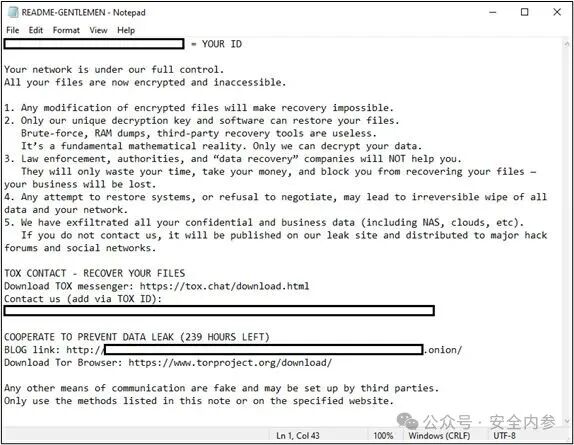
火电龙头企业遭勒索软件攻击,IT基础设施全部瘫痪
Xin Lang Cai Jing· 2026-01-05 11:45
Core Viewpoint - Romania's largest coal energy producer, Oltenia Energy Complex, suffered a ransomware attack that paralyzed its IT infrastructure, affecting critical systems such as ERP, document management, email services, and the official website [1][5]. Company Impact - The attack led to the encryption of certain documents and files, rendering multiple computer applications temporarily unusable, including ERP systems and email services [2][6]. - The company reported that while business activities were impacted, the national energy system's operation was not jeopardized [7]. - Oltenia Energy Complex is working with relevant authorities to restore its IT systems and is assessing the impact of the incident, including potential data theft by the attackers [7]. Industry Context - Romania has experienced a rise in ransomware attacks, with the Gentlemen ransomware group gaining notoriety for exploiting compromised credentials and targeting exposed services [3][8]. - Prior to the Oltenia incident, the Romanian National Water Management Authority was attacked, affecting around 1,000 computer systems [8]. - Other significant ransomware incidents in Romania include attacks on Electrica Group and a healthcare system affecting over 100 hospitals [9].
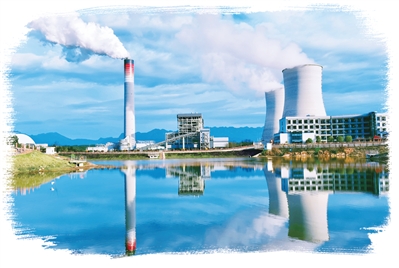
火电转型难在哪?三大痛点待破解,多维价值市场体系呼之欲出
Zhong Guo Neng Yuan Wang· 2026-01-04 02:46
Core Viewpoint - The traditional power generation sector in China is transitioning from a "passive transformation" to an "active breakthrough" in response to the dual carbon goals, with a focus on differentiated strategies for each company and plant [2][4]. Group 1: Industry Transformation - The traditional power generation industry is a key area for carbon reduction, with listed companies playing a crucial role in ensuring national security and promoting a green economic transition [2]. - The "China Traditional Power Generation Listed Companies Low Carbon Transformation Performance Evaluation 2025" report indicates that the industry is making significant strides in green low-carbon transformation [2][3]. - The transition is closely linked to China's new Nationally Determined Contribution (NDC) targets, which aim for a 7%-10% reduction in greenhouse gas emissions by 2035 compared to peak levels [3]. Group 2: Trends in Low-Carbon Transformation - The report identifies five major trends in the low-carbon transformation of traditional power generation, including the nearing peak of carbon emissions and the shift towards a "multi-value realization" revenue model [5][6]. - The coal power sector is expected to expand its functions horizontally following the "three reforms" [5]. - The collaboration between thermal power and renewable energy is anticipated to strengthen as the market system matures [6]. Group 3: Challenges Faced by Thermal Power - The transition of thermal power faces three main challenges: policy and funding issues, competition in the electricity market, and management complexities related to carbon emissions control [4]. - The need for differentiated strategies is emphasized, as larger traditional power companies face greater difficulties in transitioning due to their size and supply responsibilities [4]. Group 4: Recommendations for Policy and Corporate Strategy - The report suggests establishing a multi-dimensional value market system to better reflect the economic value of thermal power's flexibility and baseline supply roles [7]. - It calls for the development of long-term guidance documents for coal power transformation and the enhancement of market mechanisms to support low-carbon transitions [7][8]. - Companies are encouraged to strengthen technological innovation, improve efficiency, and explore diversified business models to adapt to market changes following the entry of renewable energy [8].
电力行业2026年度投资策略
2025-12-31 16:02
Summary of Key Points from the Conference Call Industry Overview - The conference call focuses on the **electric power industry** and its investment strategies for 2026, particularly in the context of coal-fired power, nuclear power, and renewable energy sectors [1][2][3]. Core Insights and Arguments Coal-Fired Power - The **price mechanism reform** initiated in 2021 has broken the previous constraints on electricity prices, allowing for potential increases, which is expected to enhance the competitiveness of coal-fired power [2][3]. - The performance of coal-fired power is typically stronger in the first half of the year, influenced by annual trading negotiations and coal price trends [3]. - Future competitiveness will be bolstered by the implementation of capacity compensation and auxiliary service markets over the next couple of years [1][3]. - Key investment considerations include **cost, region, and dividend yield** [3][4]. Nuclear Power - Nuclear power assets are characterized by high quality and significant growth potential, with a projected compound annual growth rate (CAGR) of nearly 10% over the next 5-6 years [2][10]. - Short-term challenges include high market transaction ratios and price reductions in coastal regions, which have already impacted revenue per kilowatt-hour [10][11]. - Long-term growth potential remains strong, making nuclear power a focus for investment despite short-term market risks [11]. Renewable Energy - The **dual carbon goals** have led to large-scale renewable energy projects, but issues with adjustment and transmission capabilities have resulted in increased curtailment of wind and solar energy [4][5]. - Market pressures have caused a decline in electricity prices for mainstream renewable companies, affecting both new and existing projects [5]. - Despite fundamental pressures, Hong Kong-listed renewable companies benefit from policy support, which attracts investment [5][6]. - Investment strategies in renewable energy include targeting regions with less market pressure and selecting undervalued state-owned enterprises, particularly in wind energy [7][8]. Additional Important Content - The **15th Five-Year Plan** emphasizes green development, with measures such as price mechanism reforms and the inclusion of high-energy-consuming industries in mandatory consumption systems [6]. - Recent subsidies have alleviated cash flow issues related to renewable energy, but the pace of policy implementation remains uncertain, keeping green energy investments speculative [6]. - Water power investments can be approached through two strategies: short-term opportunities in small hydropower companies and capturing the dividend value of leading companies like Changjiang Power and Guotou [9]. Investment Recommendations - For coal-fired power, focus on companies with integrated cost advantages and strong dividend yields, particularly in northern regions [12]. - In nuclear power, while short-term observation is advised, long-term positioning is recommended due to substantial growth potential [11]. - Water power investments are currently more favorable due to lower valuations and less impact from market pressures [12]. - In renewable energy, consider stable coastal entities or leading companies in Hong Kong for undervalued opportunities [12].
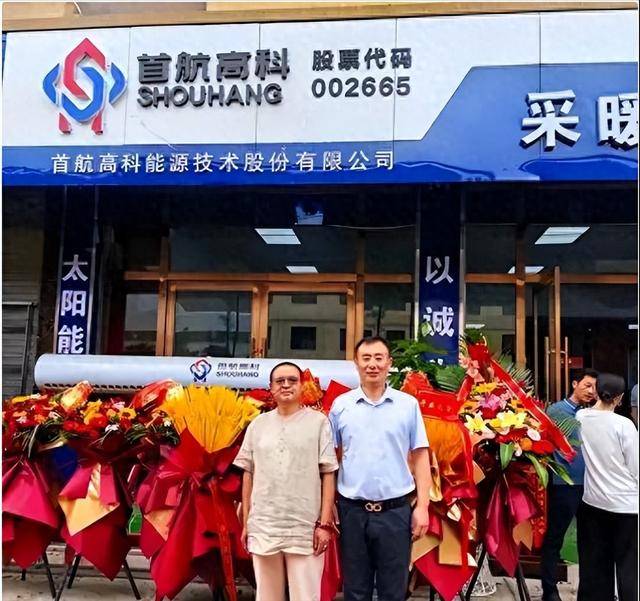
全身而退!北京一家5口完美套现24亿,临走前又坑了甘肃国资一把
Sou Hu Cai Jing· 2025-12-30 11:08
Core Viewpoint - The company Shihang High-Tech, a leading player in the energy sector, has officially exited the A-share market after 12 years, resulting in significant losses for shareholders, while the Huang family behind the company managed to cash out 2.4 billion yuan before the collapse [1][28]. Group 1: Company History and Growth - The Huang family started with a small business selling plumbing parts and later expanded into hardware and electrical trading, eventually founding Shihang in 1997 [3]. - From 2001 to 2006, the family capitalized on the growth of the power industry, expanding into ventilation equipment and breaking foreign technology monopolies, achieving a market share of 22% at their peak [5][6]. - Shihang went public in 2012, raising 1 billion yuan and reaching a market valuation of over 25 billion yuan, marking a significant turnaround for the Huang family [8]. Group 2: Decline and Mismanagement - The company's fortunes declined after 2015 due to a shift towards clean energy, leading to a total loss of over 1.6 billion yuan from 2020 to 2023 and 1.264 billion yuan over its entire listing period [10][12]. - The Huang family attempted to pivot the business towards capital-intensive projects like solar thermal power and seawater desalination, which ultimately failed and drained financial resources [12][13]. - By 2024, the company's stock price fell below 1 yuan, triggering mandatory delisting procedures, culminating in its removal from the stock market in August [26]. Group 3: Financial Manipulation and Exit Strategy - The Huang family began cashing out shortly after the IPO, pledging over 90% of their shares for loans and later selling shares worth 1.06 billion yuan despite the company's declining performance [17][19]. - In 2019, as the company neared bankruptcy, the family sold 251 million shares to a rescue fund for 972 million yuan, effectively using the fund as a final exit strategy [19][30]. - The family maintained control over the company by modifying governance structures and increasing executive compensation, even during periods of significant losses [22][24]. Group 4: Consequences and Regulatory Response - The fallout from the company's collapse left 140,000 shareholders with substantial losses, while the rescue fund's investment became nearly worthless [28]. - The Huang family, having extracted 2.4 billion yuan, faced minimal penalties, with regulatory actions deemed insufficient compared to their financial gains [30][31]. - The case highlights the need for a fair and just market environment to protect investors and uphold ethical standards in capital markets [33].
全国首单火电持有型不动产ABS在上交所挂牌
Zheng Quan Shi Bao Wang· 2025-12-30 06:41
作为该计划的管理方,国金资管相关负责人认为,该产品聚焦火电资产特性与资本市场需求,量身定制 市场化询价定价方案,摆脱了传统定价模式的路径依赖,为构建层次多元的REITs市场提供有力支撑。 这种创新运作既充分挖掘了底层资产的内在价值,又以透明化、规范化的流程提升了交易效率与市场认 可度,在严格遵循监管要求与行业标准的前提下,持续释放能源资产的绿色价值。 12月30日,由协鑫集团主导发起的"国金资管-新疆国信持有型不动产资产支持专项计划"在上交所挂牌 上市(代码:266682.SH)。作为全国首单具备火电机构间REITs属性的持有型不动产ABS,该项目发 行规模达54.6亿元,不仅成功填补国内火电基础设施资产证券化领域的空白,也为传统能源资产盘活与 绿色金融融合创立了新标杆。 据了解,协鑫集团在能源资产证券化领域的探索正持续推进。该集团相关负责人介绍,此次火电ABS的 成功挂牌,将资产证券化模式延伸至火电核心资产,标志着协鑫已构建起覆盖多能源品类的资本创新矩 阵。未来,协鑫将持续深化能源资产与金融工具的融合创新,致力于推动更多优质资产进入资本市场流 通,以市场化机制助力新型电力系统建设,为实体经济高质量发展注入可 ...