
铜冶炼

Search documents
供应扰动忧虑继续,基本金属维持强势
Zhong Xin Qi Huo· 2026-01-08 01:42
1. Report Industry Investment Rating No relevant content provided. 2. Core Viewpoints of the Report - The supply disruption concerns continue, and base metals remain strong. In the short - to - medium term, the logic of weak US dollar expectations and supply disruption concerns remains unchanged. The impact of weak real - time demand is limited, and supply disruption concerns continue to drive up base metals. Long - term, there are still expectations of potential incremental stimulus policies in China, and the supply disruption issues of copper, aluminum, and tin still exist, with expectations of tightening supply - demand [1]. - Copper: Supply disruptions in copper mines are frequent, and copper prices continue to run strongly [2][7]. - Alumina: The market sentiment is high, and alumina prices have rebounded strongly [2][7]. - Aluminum: The capital sentiment is optimistic, and aluminum prices continue to show a strong upward trend [2][9]. - Aluminum alloy: Cost support is strong, and the market continues to show a strong upward trend [2][11]. - Zinc: The short - term supply recovery is slow, and zinc prices fluctuate with non - ferrous metals [2][12]. - Lead: The absolute level of social inventory is low, and lead prices continue to rebound [2][16]. - Nickel: Supported by Indonesian policy expectations, nickel prices have soared [2][17]. - Stainless steel: Driven by the rise in nickel prices, the stainless - steel market has soared [2][21]. - Tin: Supply disruptions have emerged again, and tin prices are fluctuating upwards [2][24]. 3. Summary by Related Catalogs 3.1行情观点 3.1.1 Copper - Information analysis: In 2026, the copper concentrate long - term processing fee benchmark is set at $0/ton and $0/pound. In December 2025, China's electrolytic copper production increased month - on - month and year - on - year. On January 7, 2026, the spot price of 1 electrolytic copper was at a discount to the futures contract. There were strikes at the Mantoverde copper mine in Chile and a delay in the second - phase project of the Mirador copper mine in Ecuador [7]. - Main logic: The Fed's interest - rate cuts and balance - sheet expansion support copper prices. Copper mine supply disruptions are increasing, and the supply is tightening. Refined copper supply is expected to shrink, and although the current demand is weak, the long - term supply - demand is expected to be tight [7]. - Outlook: Copper prices are expected to be volatile and strong due to supply constraints and disruptions [7]. 3.1.2 Alumina - Information analysis: On January 7, 2026, the northern spot comprehensive price of alumina was flat, and the national weighted index decreased slightly. The alumina warehouse receipt was 154,828 tons, unchanged from the previous day [7]. - Main logic: The macro - sentiment amplifies market fluctuations. The supply is in a state of over - accumulation, and the cost support is average. The market is at the bottom and fluctuating, and more smelter production cuts or new ore - end disturbances are needed to boost prices [7]. - Outlook: The current supply - demand is in surplus, but the valuation is in the low - end range, and alumina is expected to remain volatile [7]. 3.1.3 Aluminum - Information analysis: On January 7, 2026, the average price of SMM AOO aluminum increased, and the inventory of aluminum ingots and aluminum rods in the main consumption areas increased. The electrolytic aluminum warehouse receipt on the SHFE increased. Some air - conditioning companies launched the "aluminum replacing copper" standard implementation work, while Gree promised not to raise prices and had no such plan [9]. - Main logic: The macro - outlook is positive. The domestic production capacity and operating rate are high, and the overseas supply has constraints. The current high aluminum prices suppress demand, and inventory has accumulated. Overall, the short - term supply - demand is expected to be tight, and aluminum prices are expected to be volatile and strong [9]. - Outlook: In the short term, aluminum prices are expected to be volatile and strong. In the medium term, the supply increment is limited, and the demand is resilient, so the price center is expected to rise [9][10]. 3.1.4 Aluminum alloy - Information analysis: On January 7, 2026, the price of Baotai ADC12 aluminum alloy increased [11]. - Main logic: The cost support is strong due to the tight supply of scrap aluminum. The weekly operating rate decreased due to raw material shortages and profit issues. The demand is currently based on rigid procurement, and the inventory has slightly decreased. Overall, the cost support and stable supply - demand are expected to keep prices volatile and strong [11]. - Outlook: In the short and medium terms, prices are expected to be volatile and strong due to cost support and potential supply policy disturbances [11]. 3.1.5 Zinc - Information analysis: On January 7, 2026, the spot price of zinc in different regions was at a premium to the futures contract. As of January 7, the SMM seven - region zinc ingot inventory increased. The Mount Isa railway line in Australia was damaged, affecting zinc concentrate supply [12][14]. - Main logic: The macro - outlook is stable. The zinc ore supply is tight in the short term, and the smelter profit has declined. The domestic zinc ingot supply pressure is not large, and the demand is in the off - season. In the short term, zinc prices may remain high and volatile, and in the long term, there is a risk of price decline [14]. - Outlook: In January, zinc prices are expected to be volatile as the production increases slightly, the demand is in the off - season, and the non - ferrous metal sector is strong [14][15]. 3.1.6 Lead - Information analysis: On January 7, 2026, the price of waste electric vehicle batteries increased, and the price of lead ingots increased. The social inventory of lead ingots increased slightly, and the SHFE lead warehouse receipt decreased slightly. After the New Year's Day holiday, the lead industry chain gradually resumed normal trading [16]. - Main logic: The spot premium decreased, the supply was affected by environmental protection with a decline in production, and the demand was mixed. The electric bicycle orders were weak, while the automobile battery orders improved [16]. - Outlook: As smelters resume production, the lead ingot production may increase. The demand is weakening marginally, but the high cost of waste batteries supports prices, so lead prices are expected to be volatile [16][17]. 3.1.7 Nickel - Information analysis: On January 7, 2026, the SHFE nickel warehouse receipt decreased, and the LME nickel inventory increased. The January 2026 KSP price increased. Indonesia plans to regulate the 2026 nickel production quota through RKAB [17][18]. - Main logic: The supply pressure of nickel remains high, and the demand is in the traditional off - season. The policy of Indonesia on nickel production quota is uncertain. Overall, the current supply - demand is loose, and nickel prices are expected to be volatile [17][20]. - Outlook: In January, the supply - demand of nickel is expected to remain loose, and LME inventory is high, suppressing prices. However, if the actual Indonesian quota is low, the oversupply expectation will decline, and nickel prices are expected to be volatile [17][20]. 3.1.8 Stainless steel - Information analysis: The stainless - steel futures warehouse receipt decreased slightly. The price of high - nickel pig iron increased. Indonesia plans to regulate the 2026 nickel production quota through RKAB [21]. - Main logic: The cost of stainless steel is supported by the recovery of nickel - iron prices. The production in December decreased, and the production plan for January may increase slightly. The terminal demand is cautious, and the inventory may accumulate. Overall, stainless - steel prices are expected to be volatile [21][22]. - Outlook: In January, the production may increase slightly, but the demand is weak in the off - season. Considering the long - term suppressed industry profit and mine - end support, stainless - steel prices are expected to be volatile [21][23]. 3.1.9 Tin - Information analysis: On January 6, 2026, the LME tin warehouse receipt increased, the SHFE tin warehouse receipt decreased, and the SHFE tin position increased. The spot price of 1 tin ingot increased [24]. - Main logic: The supply of tin is a major concern. The resumption of production in the Wa State is affected by issues such as explosive approval, and the supply in Indonesia and Africa is also restricted. The supply of tin concentrate is tight, and the production of refined tin is difficult to increase. The demand is expected to increase due to the global economic environment and the development of related industries [24]. - Outlook: Due to high supply risks and low inventory in the industry chain, tin prices are expected to be volatile and strong [24][25]. 3.2行情监测 3.2.1 Index data - Comprehensive index: The commodity index was 2405.76, up 0.78%; the commodity 20 index was 2745.33, up 0.55%; the industrial products index was 2344.88, up 1.20%; the PPI commodity index was 1467.90, up 0.62% [151]. - Non - ferrous metal index: On January 7, 2026, the non - ferrous metal index was 2846.27, up 0.27% on the day, up 6.38% in the past 5 days, up 10.47% in the past month, and up 5.97% since the beginning of the year [152].
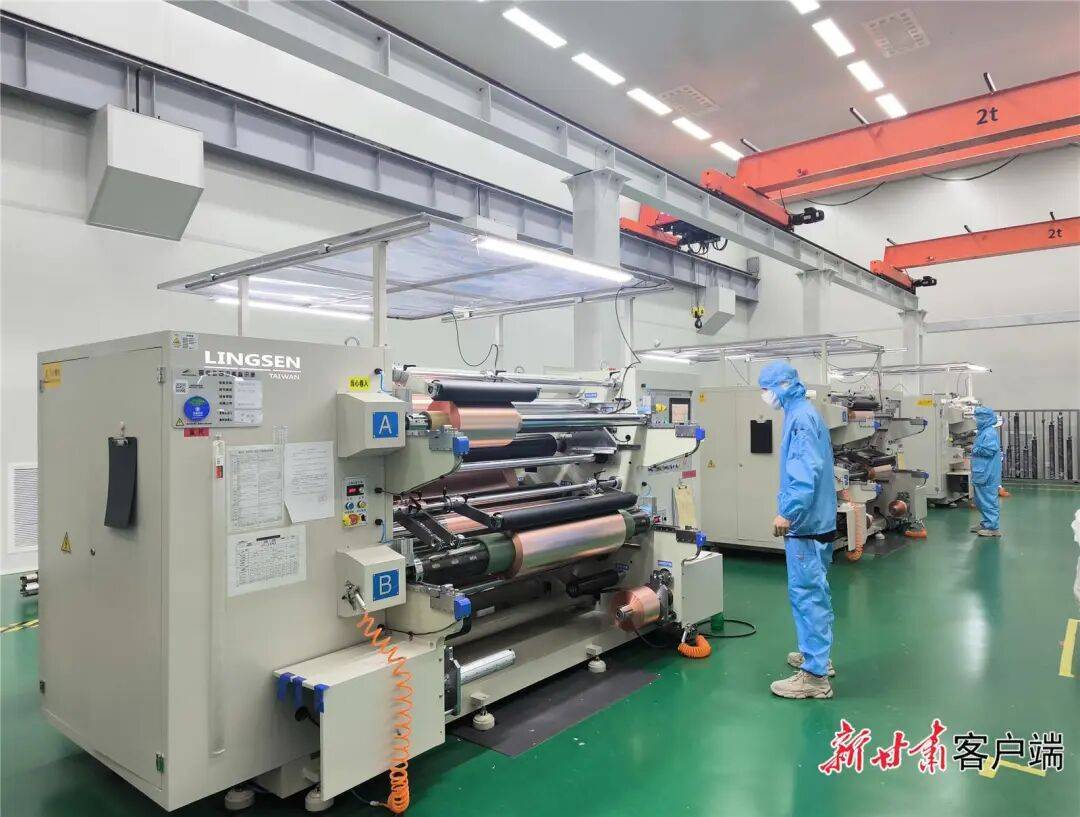
新甘肃客户端报道:项目强基 创新赋能——金川铜贵书写“十四五”产业升级新答卷
Sou Hu Cai Jing· 2026-01-06 12:09
Core Viewpoint - During the "14th Five-Year Plan" period, Jinchuan Group Copper Precious Metals Co., Ltd. aims to expand and refine its copper and precious metals industry through key projects, technological innovation, and a comprehensive industry chain layout, while also achieving a transformation towards high-end, intelligent, and green development [1]. Group 1: Project Development and Scale Growth - The company has successfully launched a modern refining plant in Yongchang County, significantly enhancing production efficiency and reducing labor intensity through automation and advanced monitoring systems [3]. - The project is recognized as a major construction initiative in Gansu Province during the "14th Five-Year Plan," achieving rapid construction speed and operational standards [3]. - In 2023, the company restructured to form Jinchuan Group Copper Precious Metals Co., Ltd., optimizing governance and operational mechanisms, and is set to officially unveil in June 2025 [3][4]. Group 2: Technological Innovation and Product Development - Jinchuan Copper Precious Metals has invested over 1 billion yuan in R&D, with an annual growth rate exceeding 18%, focusing on overcoming critical industry technologies [6]. - The company has achieved domestic production of ultra-thin lithium battery copper foil, with a thickness of only 4.5 microns, breaking foreign monopolies in this key material [8]. - The successful domestic production of stainless steel permanent cathode plates has significantly reduced costs and improved economic benefits for the company [9]. Group 3: Industry Chain Extension and Market Expansion - The company has developed a complete industry chain covering copper, precious metals, and deep processing, enhancing its foundation for high-quality development [4]. - Jinchuan Copper Precious Metals has transitioned from selling raw materials to creating brands and providing services, establishing a comprehensive product system in the copper industry [14]. - The company has expanded its product applications in high-end manufacturing sectors such as new energy and aerospace, establishing deep partnerships with leading enterprises [14]. Group 4: Talent Development and Productivity Improvement - The company has improved labor productivity in its gold and silver industries by 42% and 17%, respectively, fostering a new generation of skilled workers through practical training and mentorship [16]. - A unique "4+2" training system has been implemented to accelerate talent development, combining theoretical learning with project experience [16]. - The company has successfully completed its shareholding reform and is entering a new phase of market-oriented, professional, and international development [16].

供应扰动忧虑继续,基本金属大幅走高
Zhong Xin Qi Huo· 2026-01-06 01:18
Report Industry Investment Rating No clear industry investment rating is provided in the report. Core Viewpoints - In the short - to - medium term, the logic of weak US dollar expectations and supply disruption concerns remains unchanged. The impact of weak real - time demand is limited, and supply disruption concerns continue to drive up base metals. Opportunities for low - buying and long - positions in copper, aluminum, and tin are worth attention. In the long term, with the expectation of potential incremental stimulus policies in China and ongoing supply disruption issues for copper, aluminum, and tin, there is an expected tightening in supply - demand, and the price trends of copper, aluminum, and tin are optimistic [1]. Summary by Related Catalogs 1.行情观点 - **Copper**: Supply contraction expectations are strong, and copper prices are expected to remain at a high level. The macro - environment of loose liquidity supports copper prices. On the supply - demand side, copper mine supply disruptions are increasing, and the supply of refined copper is expected to contract. Although terminal demand is weak and inventory is accumulating, the supply - demand for copper is expected to tighten [7]. - **Alumina**: Cost support is not very effective, and alumina prices are still under pressure. High - cost production capacity has some fluctuations, but the actual supply contraction is insufficient. The market is in a strong inventory - building trend, and raw material prices are weak. The cost support is average, and there is pressure on the upper side of the price [8][9]. - **Aluminum**: With optimistic capital sentiment, aluminum prices have risen significantly. The macro - outlook is positive. On the supply side, domestic operating capacity and utilization rates are high, and there are constraints on medium - term supply. On the demand side, high aluminum prices have suppressed demand to some extent, and inventory has increased. In the short term, the positive macro - outlook and expected tightening of supply - demand suggest that aluminum prices will remain in a strong - side oscillation. In the medium term, the price center is expected to rise [11][12]. - **Aluminum Alloy**: Cost support is strong, and the market has risen significantly. The cost support from tight scrap aluminum supply is solid. Supply is restricted by factors such as raw material shortages and profit inversions. Demand is currently based on rigid needs, and the medium - term demand is expected to improve. With cost support and stable supply - demand, prices are expected to remain in a strong - side oscillation in the short and medium terms [13][14]. - **Zinc**: The import ore TC has not stopped falling, and zinc prices have rebounded with the non - ferrous sector. The macro - outlook may be volatile. On the supply side, zinc ore supply is tight in the short term, and smelter profits are declining. On the demand side, it is the off - season, and demand is average. In the short term, zinc prices may remain in high - level oscillation, and there is a possibility of decline in the long - term [15][16]. - **Lead**: With the accumulation of social inventory, lead prices are oscillating with the non - ferrous sector. On the supply side, production has decreased due to environmental protection and other factors. On the demand side, electric bicycle orders are weak, while automobile battery orders are improving. Lead prices are expected to oscillate [17][18]. - **Nickel**: With repeated expectations of nickel ore quotas, the market is oscillating. Indonesia will regulate nickel production quotas in 2026. On the supply side, there is pressure. On the demand side, it is in the off - season. Nickel prices are expected to oscillate, and the actual quota implementation needs to be monitored [18][20]. - **Stainless Steel**: With repeated expectations of nickel ore quotas, the stainless - steel market has corrected. The cost has some support. Production decreased in December, and there may be a slight increase in January. Terminal demand is cautious, and inventory may accumulate. Stainless - steel prices are expected to oscillate, and Indonesian policy changes need to be tracked [21][22]. - **Tin**: With continued capital games, tin prices are running strongly. Supply risks are high. On the supply side, there are disruptions in various regions, and refined tin production is difficult to increase. On the demand side, it is expected to grow due to factors such as the semiconductor industry and new energy. Tin prices are expected to run strongly in an oscillating manner [22][24]. 2.行情监测 - **Copper**: No specific monitoring content is provided in the given text. - **Alumina**: On January 5, the spot prices in different regions were mostly stable, with a slight decline in Xinjiang. The alumina warehouse receipts were 156,917 tons, unchanged from the previous day [8]. - **Aluminum**: On January 5, the SMM AOO average price was 23,310 yuan/ton, up 850 yuan/ton from the previous day. The inventory of aluminum ingots and aluminum rods in the main consumption areas increased. The warehouse receipts of electrolytic aluminum on the SHFE increased. An Indonesian electrolytic aluminum project started production [11]. - **Aluminum Alloy**: On January 5, the price of Baotai ADC12 was 22,700 yuan/ton, up 400 yuan/ton from the previous day [13]. - **Zinc**: On January 5, the spot premiums of zinc in different regions were reported. As of January 5, the total inventory of zinc ingots in seven regions was 114,800 tons, up 8,700 tons from December 31, 2025. In 2025, the import of zinc concentrates increased significantly [15][16]. - **Lead**: On January 5, the price of waste electric vehicle batteries increased, and the price of lead ingots also rose. The social inventory of lead ingots increased, and the warehouse receipts decreased slightly [17]. - **Nickel**: On January 5, the SHFE nickel warehouse receipts increased, and the LME nickel inventory also increased slightly. Indonesia will regulate nickel production quotas in 2026 [18]. - **Stainless Steel**: The latest stainless - steel futures warehouse receipts decreased. On January 5, the spot premium of Foshan Hongwang 304 was reported [21]. - **Tin**: On January 5, the LME and SHFE tin warehouse receipts decreased, and the SHFE tin positions decreased. The average price of 1 tin ingots increased [24].
LME显性库存再度下探 沪铜强势上涨格局未变
Jin Tou Wang· 2026-01-04 06:05
Group 1 - On the last trading day before the holiday, the main copper futures contract in Shanghai rose slightly by 0.84%, closing at 98,240.00 CNY per ton [1] - On December 31, the domestic electrolytic copper trading volume was 13,600 tons, a decrease of 860 tons from the previous trading day, representing a 38.83% decrease on a month-over-month basis [2] - Chile's copper production in November fell by 7.18% year-on-year to 451,815 tons, marking the fourth consecutive month of decline [2] Group 2 - According to Guoguang Futures, the Federal Reserve's meeting minutes indicated that dovish officials believe a shift to a more neutral policy stance would help prevent further deterioration in the job market, with expectations of over 200 billion USD in reserve management bond purchases in the next 12 months to ease liquidity demands [4] - Copper prices have been rising recently, but profit margins for copper products are being squeezed, leading to a slowdown in production rates due to various factors including raw material prices and demand [4] - The inventory of cathode copper on the Shanghai Futures Exchange has been increasing, indicating a decline in downstream purchasing capacity, while the overall strong upward trend in copper prices remains unchanged despite recent high prices causing resistance from downstream buyers [4]
中国技术引领打造全球铜冶炼新标杆
Xin Lang Cai Jing· 2026-01-04 01:28
Core Viewpoint - The successful commissioning of the Kamoa-Kakula copper smelting plant in the Democratic Republic of Congo marks a significant technological breakthrough in the copper smelting industry, showcasing the capabilities of China Ruilin Engineering Technology Co., Ltd. and its partners [1][3]. Group 1: Project Overview - The Kamoa-Kakula project has a designed annual output of 500,000 tons of anode plates and 800,000 tons of by-product sulfuric acid, establishing it as a leading modern green copper smelting facility globally [1]. - The project represents a collaborative effort between China Ruilin, Zijin Mining, Ivanhoe Mines, and Kamoa Copper, resulting in a one-step copper smelting process that serves as a replicable model for similar mining enterprises worldwide [1][3]. Group 2: Technical and Operational Achievements - A top-tier team of flash metallurgy experts was assembled by China Ruilin to address multiple challenges during overseas construction, achieving several global records in one-step copper smelting production [2]. - The smelting plant is currently operating stably and is continuously optimizing process parameters to meet design targets [2]. Group 3: Economic and Community Impact - The project is expected to save significant transportation costs and generate substantial economic benefits from the by-product sulfuric acid, while also creating nearly 1,000 local jobs and stimulating community development [1][3]. - The successful operation of the plant enhances China's technological output and industrial capabilities, contributing to the Belt and Road Initiative and deepening Sino-African mining cooperation [3].

江西铜业触及涨停,有色金属ETF(512400)红盘上扬,铜冶炼环节关键指标释放紧张信号,支撑铜价维持强势运行
Xin Lang Cai Jing· 2025-12-31 06:17
Group 1: Copper Industry Insights - The copper ETF (512400) has increased by 0.89%, with a trading volume of 937 million yuan and a turnover rate of 4.51% [1] - Key copper smelting indicators are signaling tightness, with the 2026 copper concentrate long-term processing fee benchmark set at $0/ton and $0/pound, a significant decrease of $21.25/ton and 2.125 cents/pound year-on-year [1] - The decline in processing fees indicates fierce competition among smelting companies for raw materials, suggesting that profits in the industry chain are shifting towards upstream mining [1] Group 2: Titanium Alloy Demand - Titanium alloys are on the verge of a demand explosion, with a projected growth rate exceeding 10% over the next three years due to their high strength, low density, and corrosion resistance [2] - The maturity of 3D printing technology is breaking the application bottleneck of titanium alloy powders, which now account for approximately 20% of mainstream 3D printing materials [2] - The downstream titanium materials and powder segments are expected to become the fastest-growing areas within the industry chain as they transition from "0-1" validation to "1-10" scale expansion [2] Group 3: ETF Overview - The copper ETF (512400) closely tracks the CSI Shenwan Nonferrous Metals Index, which includes 50 listed companies from the nonferrous metals and non-metallic materials sectors [2] - The top ten weighted stocks in the index include Zijin Mining, Luoyang Molybdenum, Northern Rare Earth, Huayou Cobalt, China Aluminum, Ganfeng Lithium, Shandong Gold, Zhongjin Gold, Tianqi Lithium, and Chifeng Jilong Gold [2]
港股异动 江西铜业股份(00358)涨超9%再破顶 公司近期收购SolGold全部股权 明年精炼铜产量有望削减
Jin Rong Jie· 2025-12-31 03:09
Group 1 - Jiangxi Copper Co., Ltd. (00358) saw its stock price rise over 9% in early trading, reaching a new high of HKD 44.62, and is currently trading at HKD 43.78 with a transaction volume of HKD 553 million [1] - Jiangxi Copper's wholly-owned subsidiary, Jiangxi Copper Hong Kong Investment, plans to acquire all issued and to-be-issued ordinary shares of SolGold plc for a total consideration of up to GBP 764 million, pending approval from SolGold shareholders and other conditions [1] - The National Development and Reform Commission emphasized the need to strengthen management and optimize the layout of the alumina and copper smelting industries, encouraging mergers and acquisitions among major enterprises in these sectors [1] Group 2 - Morgan Stanley noted that lower annual copper concentrate processing and refining fees, along with long-term contract concentrate volumes, may lead to a reduction in refined copper production by 2026, which, combined with stable demand, is expected to support copper prices at high levels [1] - This market environment is favorable for companies such as Zijin Mining, Luoyang Molybdenum, Minmetals Resources, and Jiangxi Copper [1]
江西铜业股份再破顶,公司近期收购SolGold全部股权,明年精炼铜产量有望削减
Zhi Tong Cai Jing· 2025-12-31 02:50
Group 1 - Jiangxi Copper Company (00358) saw its stock price rise over 9% in early trading, reaching a new high of 44.62 HKD, and is currently trading at 43.78 HKD with a transaction volume of 553 million HKD [1] - Jiangxi Copper announced that its wholly-owned subsidiary, Jiangxi Copper Hong Kong Investment, will acquire all issued and to-be-issued ordinary shares of SolGold plc for a maximum total consideration of up to 764 million GBP, pending shareholder approval and other conditions [1] Group 2 - The National Development and Reform Commission emphasized the need to strengthen the management and optimization of the alumina and copper smelting industries, encouraging mergers and reorganizations among major enterprises in these sectors [2] - Morgan Stanley noted that lower annual copper concentrate processing and refining fees, along with long-term contract concentrate volumes, may lead to a reduction in refined copper production by 2026, which, combined with stable demand, is expected to support copper prices at high levels, benefiting companies like Jiangxi Copper [2]
港股异动 | 江西铜业股份(00358)涨超9%再破顶 公司近期收购SolGold全部股权 明年精炼铜产量有望削减
智通财经网· 2025-12-31 02:02
智通财经APP获悉,江西铜业股份(00358)早盘涨超9%,高见44.62港元,再创上市新高。截至发稿,涨 7.57%,报43.78港元,成交额5.53亿港元。 值得注意的是,国家发改委12月26日发表以《大力推动传统产业优化提升》为题的文章,提及强化氧化 铝与铜冶炼产业的管理及优化布局,并鼓励氧化铝及铜冶炼大型骨干企业实施兼并重组。大摩认为,更 低的年度铜精矿加工费/提炼费价格和长期合同精矿量可能意味着2026年精炼铜产量削减。这些因素结 合需求仍较为稳固,应支撑铜价在高位波动,有利于紫金矿业、洛阳钼业、五矿资源以及江西铜业。 消息面上,江西铜业股份宣布,其全资附属江铜香港投资将以全现金收购索尔黄金(SolGold plc)全部 已发行及将要发行之普通股股本,基于公告日期已发行之索尔黄金股份总数及已授出之购股权(惟江铜 香港投资已持有的索尔黄金股份除外)计算,江铜香港投资根据收购事项将可能支付之最高总对价将不 超过7.64亿英镑。收购事项的完成仍须待索尔黄金股东批准,并须满足或豁免其他条件。 ...
江西铜业股份涨超9%再破顶 公司近期收购SolGold全部股权 明年精炼铜产量有望削减
Zhi Tong Cai Jing· 2025-12-31 02:02
Group 1 - Jiangxi Copper (600362) shares rose over 9% in early trading, reaching a new high of 44.62 HKD, and currently trading at 43.78 HKD with a transaction volume of 553 million HKD [1] - Jiangxi Copper's wholly-owned subsidiary, Jiangxi Copper Hong Kong Investment, announced a cash acquisition of all issued and to-be-issued ordinary shares of SolGold plc, with a maximum total consideration of up to 764 million GBP [1] - The completion of the acquisition is subject to approval from SolGold shareholders and must meet or be exempt from other conditions [1] Group 2 - The National Development and Reform Commission published an article emphasizing the optimization and management of the alumina and copper smelting industries, encouraging mergers and reorganizations among major enterprises in these sectors [1] - Morgan Stanley noted that lower annual copper concentrate processing and refining fees, along with long-term contract concentrate volumes, may lead to a reduction in refined copper output by 2026 [1] - These factors, combined with stable demand, are expected to support copper prices at high levels, benefiting companies such as Zijin Mining (601899), Luoyang Molybdenum (603993), Minmetals Resources, and Jiangxi Copper [1]