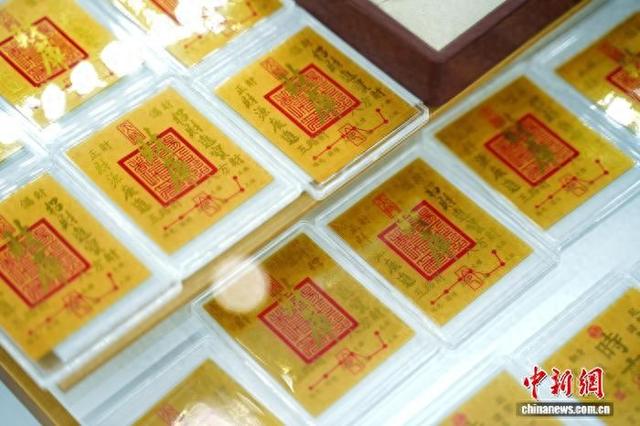
贵金属加工

Search documents
创新重塑西藏园区经济格局
Xin Lang Cai Jing· 2026-02-24 23:26
Core Insights - The article discusses the transformative impact of technology on the economic landscape of Tibet's industrial parks, highlighting the integration of smart systems and digital technologies in operations [1][3]. Group 1: Economic Contributions - Tibet has established a development framework consisting of 4 national-level and 10 autonomous region-level development zones, which occupy approximately 0.01% of Tibet's area but contribute about 10% of the region's GDP, over 80% of tax revenue, and the majority of import-export totals [3]. - The Lhasa High-tech Zone, known as the "Digital Valley," houses over 55% of Lhasa's large-scale digital economy enterprises, while the Lhasa Economic Development Zone has developed six major industrial clusters, including biomedicine and health [3]. Group 2: Technological Innovations - The Lhasa Comprehensive Bonded Zone has implemented a customized regulatory system that enhances efficiency by over 80% compared to traditional methods, allowing for safe and efficient circulation of high-value goods in the unique high-altitude environment [4]. - A complete digital processing trade ledger has been established for the precious metals processing project, enabling real-time monitoring and data storage for each production step [4]. Group 3: Cross-Border Trade and Logistics - The Jilong Port, located approximately 800 kilometers from Lhasa, has upgraded its functions to improve trade efficiency, utilizing smart customs and positioning technologies for real-time monitoring of goods [5][6]. - The Jilong Customs aims to enhance service quality through tailored strategies for enterprises and products, facilitating convenient customs clearance and supporting high-quality development of the port [5]. Group 4: Future Projections - The Lhasa Economic Development Zone and the Comprehensive Bonded Zone are projected to account for 58.34% of Tibet's total trade volume by 2025 [4]. - The Lhasa South Asia Cross-Border E-commerce Industrial Park has attracted 12 enterprises, with expectations for transaction volumes to exceed 2 billion yuan by 2026 [6].


关税威胁解除了?印度炼厂紧急回避俄油,只为保住这18%的税率!
Sou Hu Cai Jing· 2026-02-12 04:13
Core Viewpoint - The recent U.S.-India trade agreement represents a significant shift in tariff structures and trade relations, with the U.S. reducing tariffs on Indian goods to 18% and India committing to substantial tax reductions on U.S. industrial and agricultural products, aiming for a $500 billion procurement of U.S. goods over the next five years [1][3][6] Group 1: Tariff and Trade Framework - The U.S. will apply an 18% "reciprocal tariff rate" on Indian goods, while India will lower tariffs on a wide range of U.S. products, including industrial goods and agricultural items [1][3] - The agreement includes a provision for the U.S. to remove tariffs on a range of products after the successful completion of a temporary agreement, which may include generic drugs, gemstones, and aircraft parts [3][6] - The framework aims to lower market entry barriers and enhance bilateral trade negotiations, with a focus on long-term benefits through regulatory alignment and standards recognition [3][9] Group 2: Procurement and Economic Security - The $500 billion procurement list includes energy, aircraft, precious metals, technology products, and coal, with a notable increase in trade related to data center technologies like GPUs [1][8] - The agreement emphasizes "economic security alignment," aiming to enhance supply chain resilience and innovation capabilities through collaborative investment reviews and export controls [8][9] - India's approach to energy procurement is shifting towards diversification, reducing reliance on Russian oil while increasing imports from the Middle East, Africa, and South America [8][9] Group 3: Future Negotiations and Implementation - The agreement is part of a broader strategy to facilitate future bilateral trade negotiations, with the U.S. seeking to open markets and increase exports while India aims to stabilize its external economic environment [6][10] - The success of the agreement will depend on the actual implementation of the terms, including the timely resolution of non-tariff barriers and the establishment of digital trade rules [10][12] - The framework reflects a modern approach to international trade negotiations, where tariffs are used to quickly alter negotiation dynamics, while procurement commitments serve to deliver immediate results [12]
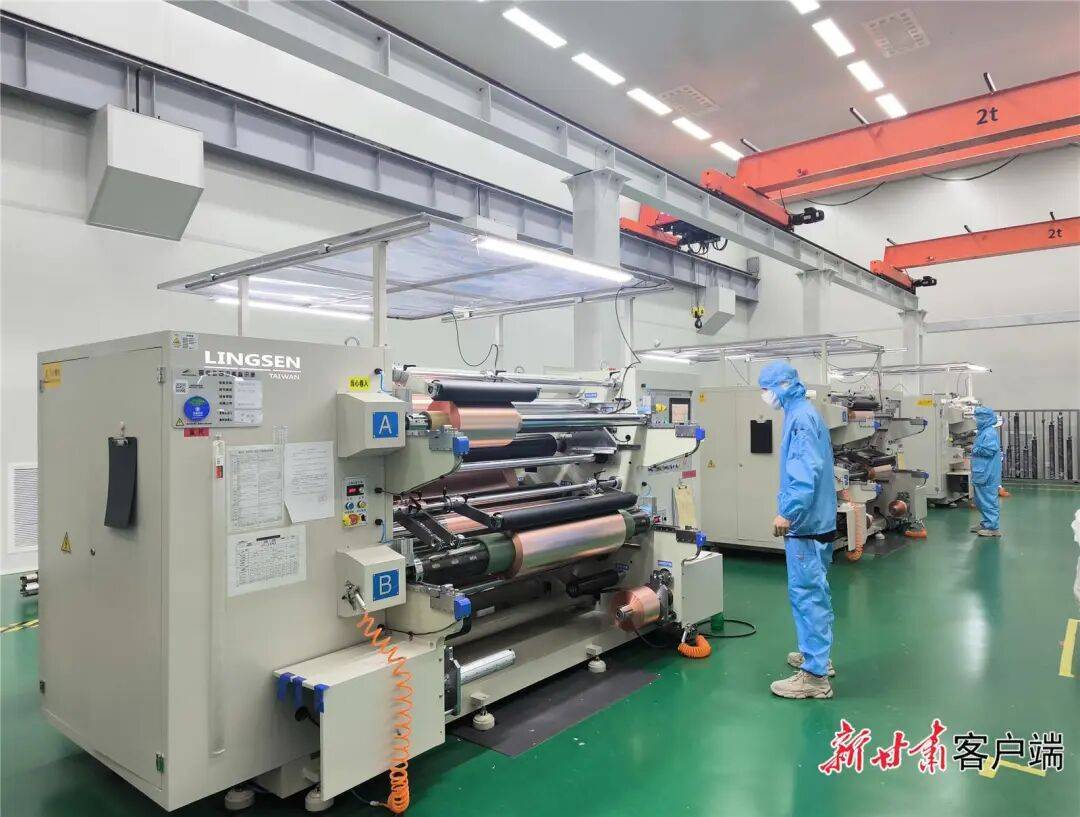
订单量激增!交通银行代销沃德金发货延迟至春节假期后1—3周
Bei Jing Shang Bao· 2026-02-03 14:36
Core Viewpoint - The announcement from Bank of Communications indicates a change in the delivery schedule for the Wode Gold series products due to a surge in order volume, with deliveries expected to occur 1 to 3 weeks after the Spring Festival holiday starting February 4, 2026 [1] Group 1 - Bank of Communications has communicated a new delivery schedule for Wode Gold series products, effective from February 4, 2026 [1] - The adjustment in delivery time is attributed to a recent increase in order volume for the Wode Gold series products [1] - The affected product lines include Wode Gold trapezoidal series, Wode Gold benefit series, collectible gold bean series, and Wode Gold "Fortune, Prosperity, Longevity, Happiness, Wealth" series [1]

黄金跌停,黄金交易所突发公告,六大行曾提前预警
Sou Hu Cai Jing· 2026-02-02 05:07
Core Viewpoint - The domestic precious metals market experienced a historic shock on February 2, 2026, with significant declines in futures and stocks, prompting the Shanghai Gold Exchange to implement emergency risk control measures to stabilize the market [2][3][4]. Market Reaction - On February 2, the main silver futures contract on the Shanghai Futures Exchange hit the limit down, while gold futures fell over 10%, leading to a collective drop in the A-share precious metals sector, with over ten stocks hitting the limit down [2][6][7]. - The spot gold price fell below $4600 per ounce, with an intraday decline of 6.25%, reflecting a broader panic in the market [2][9]. Regulatory Response - The Shanghai Gold Exchange issued an urgent announcement to adjust the margin levels and price fluctuation limits for silver deferred contracts, aiming to curb excessive volatility and maintain market stability [3][4]. - The margin for silver contracts was raised from 20% to 26%, and the price fluctuation limit was increased from 19% to 25% in response to significant price movements [3][4]. Underlying Factors - The recent volatility in the precious metals market was attributed to multiple factors, including external liquidity concerns, changes in Federal Reserve policies, and panic selling among investors [11][12][14]. - The sharp decline in international gold prices, which fell over 12% in a single day, and the extreme volatility in silver prices, which dropped over 36%, were significant contributors to the market's instability [4][11]. Broader Market Impact - The panic in the precious metals market led to a domino effect, causing declines in related sectors such as oil and gas and telecommunications, with many stocks in these sectors also experiencing significant drops [10][11]. - The domestic commodity futures market saw widespread declines, with various precious metal futures hitting limit down, reflecting a broader market retreat [8][10]. Future Outlook - The long-term outlook for precious metals remains influenced by several key variables, including Federal Reserve policy adjustments, global liquidity changes, and geopolitical uncertainties [27][28]. - Despite the short-term volatility, the fundamental drivers for gold's long-term value, such as ongoing monetary easing and strong central bank demand, remain intact [24][25].





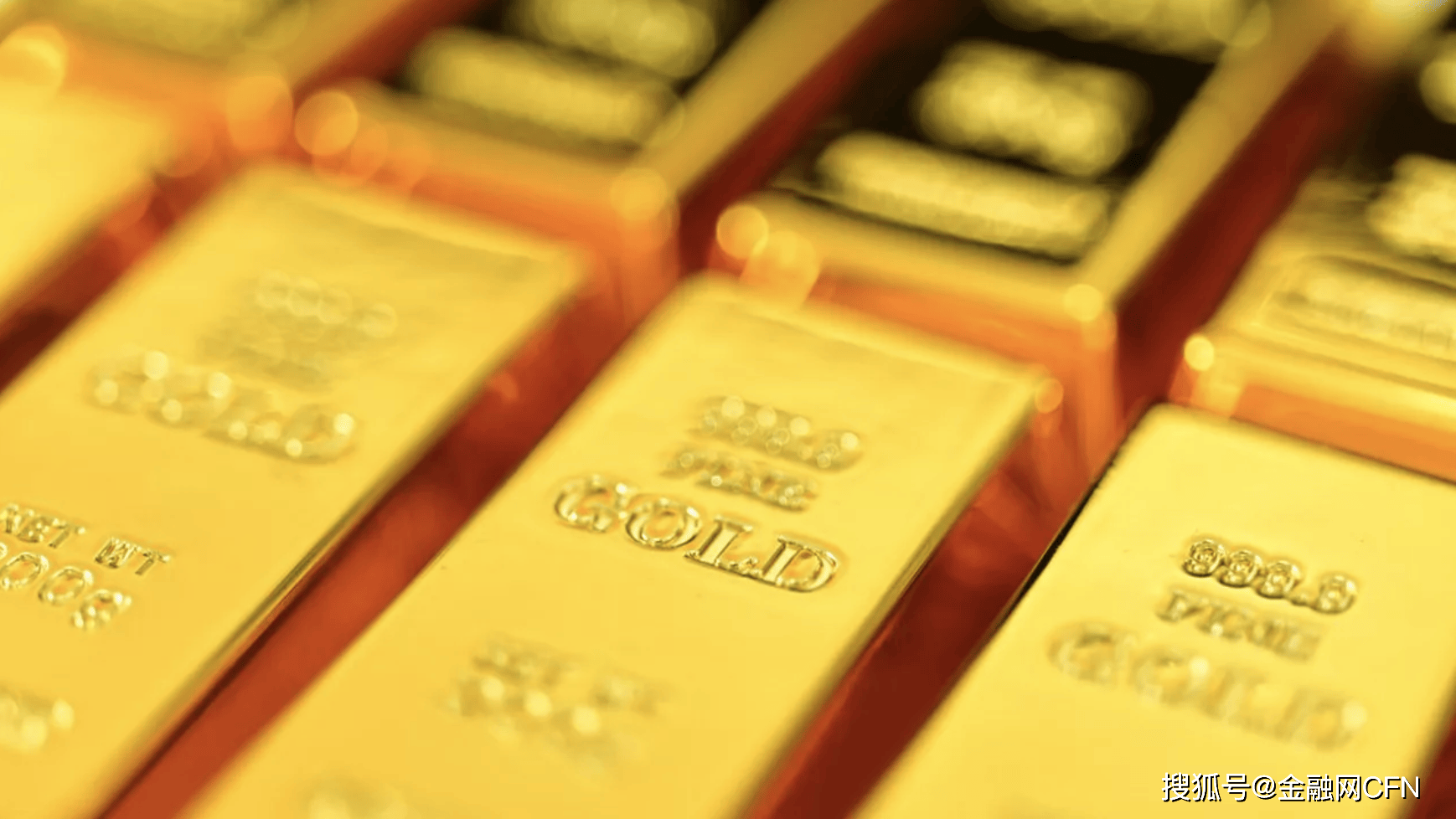
月内暴涨40%!香港现“买银潮”!有人在凌晨1点的冬夜中等开门
Mei Ri Jing Ji Xin Wen· 2026-01-26 10:42
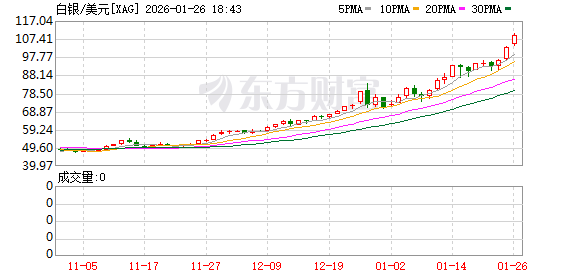
Group 1 - The recent surge in silver prices has led to a significant increase in demand, with prices reaching a high of $109 per ounce on January 26, marking a monthly increase of over 40% in January [2][3] - In Hong Kong, there has been a notable buying frenzy for silver, with customers queuing for hours outside jewelry stores, reminiscent of past ticket rushes for limited edition items [3][5] - A jewelry store in Hong Kong has implemented a purchase limit of 5 silver bars per customer due to the overwhelming demand, with each bar weighing approximately 150 grams [3] Group 2 - Many buyers, particularly older individuals, prefer investing in physical silver bars due to a lack of trust in other investment avenues, valuing the tangible nature of their investment [5] - A silver production factory in Shenzhen has shifted its focus from jewelry to investment silver bars, responding to the rising demand for silver as an investment [7] - Analysts predict that the price of silver could reach $120 per ounce by 2026, driven by increased industrial demand, retail investor sentiment, and a structural supply gap [9]
分化盘整,黄金再创新高
Ge Long Hui· 2026-01-22 05:10
Market Performance - The three major indices experienced a slight increase, with the Shanghai Composite Index rising by 0.16%, the Shenzhen Component Index by 0.76%, and the ChiNext Index by 0.85% [1] - Over 2,900 stocks in the two markets saw gains, with a total trading volume of 1.63 trillion yuan [1] Sector Performance - The consumer sector collectively weakened, with notable declines in the liquor and tourism hotel sectors; Li Qun shares fell by 5.16%, and other companies like Yonghui Supermarket, Jiuhua Tourism, and Jinhui Liquor saw declines exceeding 4% [3] - The coal sector also faced a downturn, with Dayou Energy dropping nearly 8% [3] - Other sectors such as dairy, cement, and electricity followed suit in terms of declines [3] Emerging Trends - Precious metals concepts continued to surge, with Hunan Silver achieving two consecutive trading limits [3] - The chip industry chain saw expanded gains, with over ten stocks including Huatians Technology, Longxin Zhongke, and Zhizheng shares hitting the daily limit [3] - Lithium mining concepts experienced a rebound, with companies like Shengxin Lithium Energy and Dazhong Mining reaching the daily limit [3] Notable News - Alibaba's Qianwen derivative model surpassed 200,000, becoming the first open-source large model to achieve this milestone globally; the Qianwen series models have been downloaded over 1 billion times, averaging 1.1 million downloads per day [3] - Spot gold prices rose to $4,830 per ounce, increasing by 1.5% within the day and over 10% for the month [3]

贵研铂业:公司主要利润来源于加工费
Zheng Quan Ri Bao Wang· 2026-01-13 12:10
Core Viewpoint - The company's main profit source is processing fees, and while precious metals constitute a significant portion of sales revenue, their price fluctuations have limited impact on the company [1] Group 1: Profit Sources and Risk Management - The company primarily earns profits from processing fees, with precious metals serving as raw materials [1] - The company employs hedging strategies to mitigate risks associated with precious metal price fluctuations, utilizing the futures market for most of its precious metal raw materials [1] - An increase in precious metal prices may lead to higher operational funding requirements, potentially raising financial costs and expenses [1] Group 2: Impact of Price Fluctuations - If precious metal prices rise, the company may benefit from the portion of metals that are not hedged, creating additional profit opportunities [1] - Conversely, a decline in precious metal prices could result in limited losses from unhedged metals, but the overall impact on the company is expected to be manageable [1]

贵金属狂飙!黄金白银创历史新高,湖南白银涨停,避险+工业双重需求爆发
Jin Rong Jie· 2026-01-13 03:41
Group 1 - The precious metals sector is experiencing significant activity, with several stocks showing notable gains, including Xiaocheng Technology up by 10.44% and Hunan Silver reaching the daily limit [1][2] - The core logic driving the market's interest in precious metals is their dual value proposition, serving as a hedge against geopolitical uncertainties and benefiting from industrial demand in sectors like renewable energy and electronics [2][3] Group 2 - Gold and silver futures prices have reached historical highs, with gold touching $4630.19 per ounce and silver exceeding $86 per ounce, reflecting strong investment momentum and ongoing central bank purchases [3] - Citigroup has raised its short-term outlook for precious metals, increasing the gold price target from $4200 to $5000 per ounce and silver from $62 to $100 per ounce, citing strong investment momentum and favorable conditions [3] - The precious metals mining sector is expected to benefit directly from rising prices, with companies possessing quality mineral reserves likely to see increased revenues and profit margins [5] - The precious metals processing industry is experiencing growth due to rising demand for high-quality products in sectors such as electric vehicles and biomedicine, with advanced processing companies poised to capture more market share [6]




新甘肃客户端报道:项目强基 创新赋能——金川铜贵书写“十四五”产业升级新答卷
Sou Hu Cai Jing· 2026-01-06 12:09
Core Viewpoint - During the "14th Five-Year Plan" period, Jinchuan Group Copper Precious Metals Co., Ltd. aims to expand and refine its copper and precious metals industry through key projects, technological innovation, and a comprehensive industry chain layout, while also achieving a transformation towards high-end, intelligent, and green development [1]. Group 1: Project Development and Scale Growth - The company has successfully launched a modern refining plant in Yongchang County, significantly enhancing production efficiency and reducing labor intensity through automation and advanced monitoring systems [3]. - The project is recognized as a major construction initiative in Gansu Province during the "14th Five-Year Plan," achieving rapid construction speed and operational standards [3]. - In 2023, the company restructured to form Jinchuan Group Copper Precious Metals Co., Ltd., optimizing governance and operational mechanisms, and is set to officially unveil in June 2025 [3][4]. Group 2: Technological Innovation and Product Development - Jinchuan Copper Precious Metals has invested over 1 billion yuan in R&D, with an annual growth rate exceeding 18%, focusing on overcoming critical industry technologies [6]. - The company has achieved domestic production of ultra-thin lithium battery copper foil, with a thickness of only 4.5 microns, breaking foreign monopolies in this key material [8]. - The successful domestic production of stainless steel permanent cathode plates has significantly reduced costs and improved economic benefits for the company [9]. Group 3: Industry Chain Extension and Market Expansion - The company has developed a complete industry chain covering copper, precious metals, and deep processing, enhancing its foundation for high-quality development [4]. - Jinchuan Copper Precious Metals has transitioned from selling raw materials to creating brands and providing services, establishing a comprehensive product system in the copper industry [14]. - The company has expanded its product applications in high-end manufacturing sectors such as new energy and aerospace, establishing deep partnerships with leading enterprises [14]. Group 4: Talent Development and Productivity Improvement - The company has improved labor productivity in its gold and silver industries by 42% and 17%, respectively, fostering a new generation of skilled workers through practical training and mentorship [16]. - A unique "4+2" training system has been implemented to accelerate talent development, combining theoretical learning with project experience [16]. - The company has successfully completed its shareholding reform and is entering a new phase of market-oriented, professional, and international development [16].
呼和浩特综合保税区开创贵金属文创沉浸式消费新场景
Xin Lang Cai Jing· 2026-01-03 13:06
Core Insights - The "Jingle Treasure Bureau" has opened in Chengdu, marking a new era of "youthful, international, and digital" development for the precious metals cultural and creative industry in Hohhot [1] Group 1: Business Model and Target Audience - "Jingle Treasure Bureau" features an immersive light interaction system that allows for an interactive experience, focusing on women aged 20 to 40 [2] - The venue includes four main thematic cultural and creative sections: Chengdu Impression, Sanxingdui Secret Realm, Xianxia Chronicle, and Good God Gold, showcasing diverse themes related to local culture and ancient civilization IPs [2] Group 2: Operational Mechanism - The facility incorporates a DIY interactive area and China's first nurturing virtual store manager, "Lingling," creating a dual operational mechanism of "offline immersive experience + online simultaneous sales" [2] - It aims to establish a closed-loop consumption path through "offline check-in and online repurchase," covering the entire process from design to production to wearing [2] Group 3: Industry Growth and Projections - By 2025, the Hohhot Comprehensive Bonded Zone is projected to exceed 10 billion yuan in import and export volume, with a processing trade volume of 7.681 billion yuan and an industrial output value of 4.262 billion yuan, reflecting a year-on-year growth of 310% [5] - The precious metals processing sector has established a complete closed-loop chain from mining to refining, trade, and recycling, with direct supply of gold standard ingots to national reserves and gold jewelry directly reaching the Hong Kong market [5] - "Jingle Treasure Bureau" is positioned as a key link in the downstream of the precious metals industry chain, aiming to connect the core links from production to consumption and expand the "cultural tourism + cross-border consumption" composite scenario [5]