
商业地产

Search documents
中金2026年展望 | 商业地产:把握核心资产绝对收益机会
中金点睛· 2025-11-18 00:13
中金研究 我们认为以可持续的商业地产租金收入利润为主体的个股仍然是兼备成长性和股息率的优质绝对收益型选项,我们判断相关股票在2026年起的2-3年维 度有望实现5-10%的可派息租赁利润增长、同时提供5-6%的股息收益回报。开发业务体量占比仍较大的综合型房企股价则在短周期维度更多取决于开 发逻辑;长周期资产价值视角下,部分个股体内商业资产价值相对于REITs和一级市场仍有一定重估空间。 点击小程序查看报告原文 Abstract 摘要 稳定宏观环境提供良好经营基础,市场份额持续头部集中。 我们认为提振消费将是宏观中长期维度的政策重点之一,为购物中心经营提供良好的环境基 础;渠道方面,线下占比和购物中心整体份额相对稳定,其中后者约为社会零售总额的一成左右。行业内部,我们认为头部集中趋势有望延续:一方面, 品牌和消费者两端的市场集聚将持续推动超额同店增长,存量组合中的新项目爬坡亦有望有所贡献;另一方面,集团资金实力与运营商专业能力亦推动头 部商管企业在管项目规模实现较同业更快的成长。 商管企业战略主旋律仍为深化运营,优质重奢场经营复苏有望延续。 我们认为购物中心运营商将在传统项目深化运营、新项目场景模式创新等方面不 ...

——2025年1-10月统计局房地产数据点评:基本面下行斜率扩大,政策宽松必要性提高
Changjiang Securities· 2025-11-17 23:30
Investment Rating - The report maintains a "Positive" investment rating for the real estate industry [8]. Core Insights - The downward slope of various real estate indicators has expanded in October, with significant pressure on sales expected to continue through November and December due to high base effects. The need for further loosening of industrial policies has become increasingly evident as the pressure on both volume and price has intensified throughout the year [2][11]. - The report suggests that the most challenging phase may be nearing its end, with expectations of continued double-digit declines in construction and investment for 2025. However, sales performance will largely depend on the effectiveness of subsequent policy measures [11][12]. Summary by Sections Sales Performance - In the first ten months of 2025, national commodity housing sales value and area decreased by 9.6% and 6.8% year-on-year, respectively. In October alone, sales value and area fell by 24.3% and 18.8% year-on-year, indicating a significant contraction influenced by high base effects [11][12]. - The average selling price of new homes in October was 9,722 yuan per square meter, down 6.9% year-on-year, while the average price for residential properties was 10,286 yuan per square meter, down 6.2% year-on-year [12]. Construction Activity - New construction area in the first ten months of 2025 decreased by 19.8% year-on-year, with a sharper decline of 29.5% in October. The report notes that the decline in construction is primarily due to sales expectations, inventory digestion cycles, and funding pressures [11][12]. - The completed construction area also saw a year-on-year decline of 16.9% in the first ten months, with a 28.2% drop in October, indicating a continued downward trend [11][12]. Financial Conditions - Funding for real estate companies decreased by 9.7% year-on-year in the first ten months, with a notable 21.9% decline in October. This includes a 6.7% drop in domestic loans and a 17.2% decrease in self-raised funds [11][12]. - Real estate development investment fell by 14.7% year-on-year in the first ten months, with a 23.0% decline in October, reflecting ongoing financial pressures on the sector [11][12]. Investment Recommendations - The report recommends focusing on high-quality real estate companies with relatively low inventory pressure and strong product capabilities. It also suggests considering leading firms in commercial real estate, property management, and brokerage sectors for medium to long-term investment opportunities [2][11].
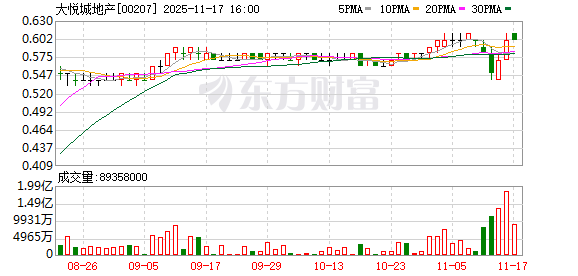
地产央企大悦城即将正式退市
Di Yi Cai Jing Zi Xun· 2025-11-17 16:19
Core Viewpoint - Dalian City Real Estate is set to privatize, ending its listing journey that began in 2013, with the delisting expected on November 27, 2023 [2] Company Overview - Dalian City Real Estate, a commercial real estate platform under COFCO Group, manages 32 projects across five major city clusters in China, including first-tier city investment properties and luxury hotels [2] - The company is a consolidated subsidiary of Dalian City Holdings, which is listed on the A-share market [2] Privatization Details - The privatization resolution was approved by shareholders during a court meeting on November 17, 2023 [2] - The total cost for the share buyback is approximately HKD 29.32 billion [2] Shareholding Structure - Before the agreement, COFCO Group held 64.18% of shares, while after the privatization, its stake will increase to 96.13% [3] - This change indicates that Dalian City Holdings will have almost complete control over Dalian City Real Estate post-privatization [3] Financial Performance - Dalian City Holdings has reported continuous losses over the past three years, with losses of CNY 2.882 billion in 2022, CNY 1.465 billion in 2023, and an estimated CNY 2.977 billion in 2024, totaling over CNY 7 billion [4] - The company anticipates turning a profit by the first half of 2025, aided by the privatization [4] Industry Trends - The trend of privatization among real estate companies has been increasing, with several firms, including China Hongtai Development and Huafa Property, announcing similar moves [4][5] - Key reasons for privatization include insufficient stock liquidity, loss of financing capabilities, and the need for strategic flexibility amid a challenging market environment [5] - The real estate industry is undergoing significant adjustments, with expectations of continued consolidation and restructuring in the next 2-3 years [5]

12年上市路终结 地产央企大悦城即将正式退市
Di Yi Cai Jing· 2025-11-17 14:09
Core Viewpoint - Dalian City Real Estate is set to privatize after being listed since 2013, with the decision approved by shareholders during a court meeting on November 17, 2023 [2][3]. Group 1: Company Overview - Dalian City Real Estate, a commercial real estate platform under COFCO Group, has established a presence in five major city clusters across China, managing 32 commercial projects and luxury hotels [3]. - The company plans to delist from the Hong Kong Stock Exchange on November 27, 2023, following a share buyback agreement valued at approximately HKD 29.32 billion [3]. Group 2: Financial Performance - Dalian City Real Estate has faced significant losses over the past three years, with reported losses of CNY 2.882 billion in 2022, CNY 1.465 billion in 2023, and an estimated CNY 2.977 billion in 2024, totaling over CNY 7 billion [4]. - The company aims to achieve profitability by the first half of 2025, with the privatization expected to enhance its equity and improve net profit margins [4]. Group 3: Industry Context - The trend of privatization among real estate companies has been increasing, with several firms, including China Hongtai Development and Huafa Property, announcing similar plans in recent years [4][6]. - Key reasons for this trend include insufficient stock liquidity, loss of financing capabilities, and the need for strategic flexibility amid a challenging market environment [5][6].
龙湖集团获标普BB
Zhong Guo Zhi Liang Xin Wen Wang· 2025-11-17 14:07
稳定展望反映了标普的预期,即龙湖的商业地产组合将在未来12个月内为其提供充足的流动性缓冲。 标普认为,龙湖充足的流动性以及管理良好的债务结构降低了短期内的风险。 11月17日,国际评级机构标普发布对龙湖集团的最新评级报告,确认其公司评级为BB-,展望为"稳 定"。 此外,标普预计龙湖集团的商业地产组合将有稳健表现,有助于改善其流动性并获得资金支持。2025年 上半年,龙湖的租金收入同比增长4.9%。这得益于97%的高出租率,同时期的零售额和日均客流分别增 长了17%和11%。在标普看来,龙湖能够保持其商业地产组合的稳健运营表现,以确保资产质量和偿债 能力。 ...

12年上市路终结,地产央企大悦城即将正式退市
Di Yi Cai Jing· 2025-11-17 14:04
Core Viewpoint - The trend of real estate companies delisting is expected to continue over the next 2-3 years, with Dalian City Real Estate's privatization plan set to conclude its public listing journey by 2025 [1][4]. Company Summary - Dalian City Real Estate (00207.HK) announced that shareholders approved the privatization resolution during a court meeting on November 17, 2023 [1]. - The company's listing status on the Hong Kong Stock Exchange is expected to be officially revoked on November 27, 2023 [2]. - Dalian City Real Estate is a commercial real estate platform under COFCO Group, managing 32 projects across five major city clusters in China, including luxury hotels and investment properties [2]. - The total cost for the share repurchase plan is approximately HKD 29.32 billion [2]. - Prior to the agreement, COFCO Group held 64.18% of the shares, which will increase to 96.13% post-privatization [2]. Financial Performance - Dalian City Real Estate has reported continuous losses over the past three years, with losses of CNY 2.882 billion in 2022, CNY 1.465 billion in 2023, and an estimated CNY 2.977 billion in 2024, totaling over CNY 7 billion [3]. - Dalian City Holdings is expected to turn profitable by mid-2025, benefiting from the increased equity in Dalian City Real Estate post-privatization [3]. Industry Trends - The increase in privatization and delisting among real estate companies is attributed to several factors: insufficient stock liquidity, loss of financing capabilities, and ongoing losses and debt crises [4]. - Privatization allows companies to implement long-term strategies and enhance operational flexibility while reducing regulatory costs [4]. - The real estate industry is undergoing significant adjustments, with declining sales and a complex market environment, indicating that the trend of privatization will likely persist [4].
从“消费场”拓展为“社交场”,上海商圈打造“运动+”新场景
Sou Hu Cai Jing· 2025-11-17 13:36
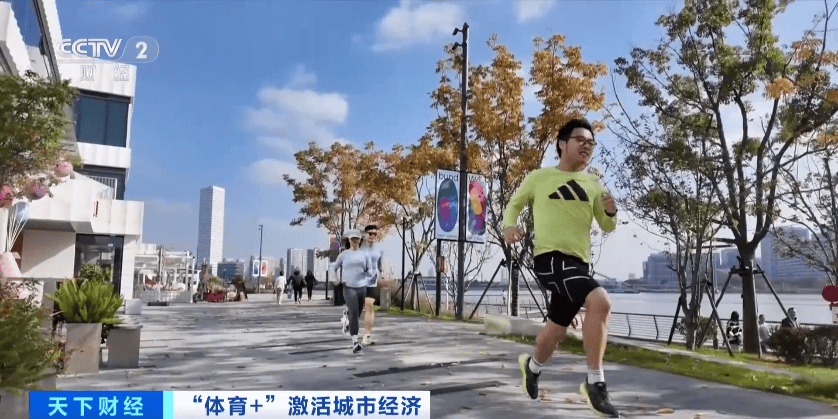
Core Insights - The article highlights the transformation of Shanghai's commercial spaces, particularly along the Xuhui Riverside, into vibrant sports and social venues, enhancing urban consumption and foot traffic [1][9]. Group 1: Development of Sports Venues - Numerous commercial areas in Shanghai are utilizing idle spaces to create sports facilities, such as running tracks and skate parks, providing citizens and tourists with opportunities for exercise and social interaction [1]. - The West Bund Dream Center, previously a cement factory, has been redeveloped into a trendy landmark featuring a 10-kilometer riverside running track that attracts many running enthusiasts [3]. Group 2: Diverse Sports Offerings - The Xuhui Riverside area leverages its scenic views and space to attract flagship stores of outdoor brands, national first stores of skiing brands, and urban experience stores for sports watches, while also incorporating various sports activities like skateboarding, camping, rock climbing, and tennis [5]. - The combination of "sports brand matrix + scenario-based sports spaces" enhances consumer experience, with evening skateboarding club events drawing significant participation [7]. Group 3: Impact on Local Economy - The establishment of sports scenes in the West Bund Dream Center has led to a 30% increase in foot traffic for surrounding dining and coffee businesses, with weekend daily foot traffic exceeding 20,000 visitors [9].
中原地产:首10个月香港工商铺买卖登记3700宗 已超越去年全年8%
智通财经网· 2025-11-17 12:19
Core Viewpoint - The overall transaction volume of commercial properties in Hong Kong has shown a significant recovery in the first ten months of 2025, with a total of 3,700 contracts registered, indicating a 8.0% increase compared to the entire year of 2024, and reaching 92.5% of the total value from the previous year [1] Group 1: Overall Market Performance - In the first ten months of 2025, the total number of commercial property transactions reached 3,700, with a total value of HKD 531.88 billion, surpassing the 2024 total of 3,425 transactions [1] - The estimated total transactions for the year are projected to reach approximately 4,300, marking the highest level since 2022 [1] - The recovery is attributed to the peak of interest rates, gradual economic recovery, rising stock market, and significant price adjustments in commercial properties [1] Group 2: Office Market - The office sector, including hotels, recorded 861 transactions valued at HKD 217.43 billion in the first ten months of 2025, representing a 71.2% increase in volume and a 1.1 times increase in value compared to the same period in 2024 [2] - The number of transactions in the office sector has also increased by 32.7% and 40.3% compared to the total for the previous year [2] - Notable high-value transactions include the sale of a commercial building in Central for HKD 56.5 billion and a hotel for HKD 18.7 billion [2] Group 3: Industrial Market - The industrial sector recorded 1,939 transactions valued at HKD 134.06 billion in the first ten months of 2025, marking a 33.9% increase in volume and a 1.8% increase in value compared to the same period last year [2] - This figure also represents a 6.8% increase compared to the total transactions for the previous year [2] - A significant transaction involved the sale of warehouses in Tsuen Wan for HKD 4.76 billion [2] Group 4: Retail Market - The retail sector recorded 895 transactions valued at HKD 139.37 billion in the first ten months of 2025, reflecting an 18.7% increase in volume but a 5.1% decrease in value compared to the same period last year [3] - The total number of transactions has reached 93.7% of the previous year's total, while the value has reached 75.3% [3] - The decline in value is attributed to a high base from a significant transaction last year [3]

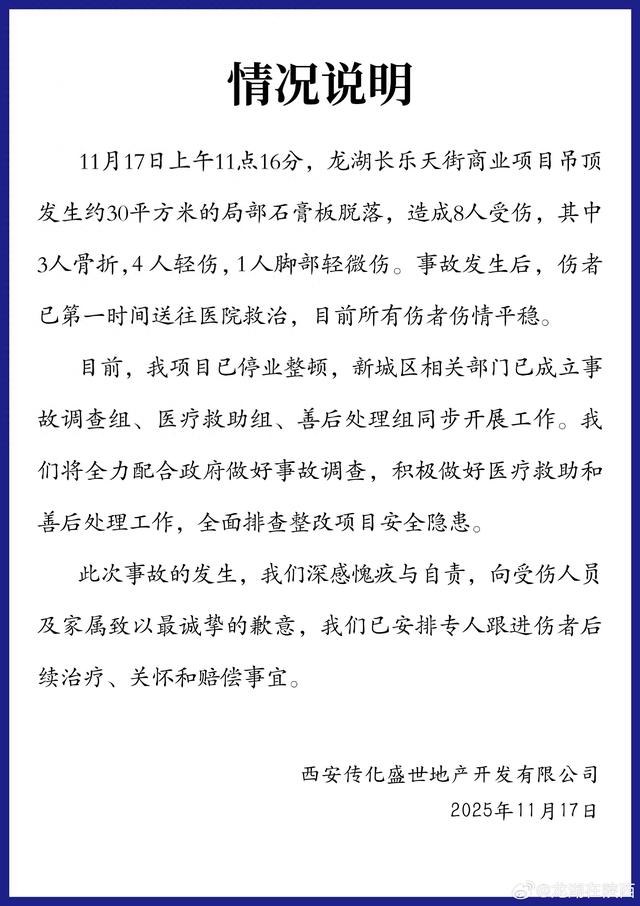
西安龙湖长乐天街商业项目吊顶脱落致8伤,涉事公司:停业整顿
Xin Lang Cai Jing· 2025-11-17 10:20
Core Points - A partial gypsum board collapse occurred at the Longhu Changle Tianjie commercial project, resulting in injuries to 8 individuals, including 3 fractures and 4 minor injuries [2] - The project has been temporarily closed for rectification, and local authorities have established investigation, medical assistance, and aftermath handling teams to address the incident [2] - The company expresses deep regret and responsibility for the incident, offering sincere apologies to the injured and their families, and has arranged for follow-up treatment and compensation [2]
标普:确认龙湖评级,展望稳定
Zhi Tong Cai Jing· 2025-11-17 09:12
Group 1 - S&P has confirmed Longfor Group's rating at BB- with a stable outlook, indicating expectations of sufficient liquidity support from its commercial property portfolio over the next 12 months [1] - Longfor has repaid all domestic bonds maturing in 2025, with only approximately 2 billion RMB of foreign bank loans remaining due in the same year, reflecting a well-managed debt structure [1] - The debt maturity scale for Longfor in 2026 and 2027 is significantly lower compared to 2025, suggesting manageable refinancing risks supported by operational property loans [1] Group 2 - Moody's has also reported that Longfor's liquidity remains strong, with non-restricted cash and operating cash flow expected to cover unpaid land payments, dividends, and maturing debts over the next 12-18 months [2] - Longfor's credit metrics are projected to recover in the next 12-24 months due to high-margin operating income growth and ongoing debt reduction [2] Group 3 - Longfor's rental income increased by 4.9% year-on-year in the first half of 2025, supported by a high occupancy rate of 97%, with retail sales and average daily foot traffic growing by 17% and 11% respectively during the same period [1] - S&P believes Longfor can maintain robust operational performance in its commercial property portfolio, ensuring asset quality and debt repayment capability [1]