零食

Search documents
巨亏之后,良品铺子大股东要跑了?
3 6 Ke· 2025-07-17 13:13
Core Viewpoint - The company has experienced a significant decline in market value and performance, transitioning from a leading high-end snack brand to facing substantial losses and potential control changes within five years [2][3][24]. Group 1: Financial Performance - Five years ago, the company's market value exceeded 34 billion yuan, but it has now fallen to 5.5 billion yuan [2]. - The company expects a net loss of 75 million to 105 million yuan for the first half of 2025, marking its worst performance since public data became available [2]. - In 2024, the company's revenue decreased by 11%, and its net profit margin turned negative from a previously low rate of under 5% [7]. Group 2: Management and Control Changes - The company is undergoing a potential change in control, with the major shareholder planning significant changes that may lead to personnel shifts [3][12]. - The management has seen frequent changes, with the latest chairman and general manager, Yang Hongchun, returning to the role after a brief period of leadership by Yang Yinfeng [10][11]. - The company has faced a chaotic period in management and operational strategies, leading to ineffective responses to declining performance [4][21]. Group 3: Market Position and Strategy - The company was once seen as a symbol of consumption upgrade but now struggles with a loss of its high-end image due to increased competition and changing consumer preferences [13][24]. - The company has attempted to reposition itself by launching new product lines targeting specific demographics, such as children's snacks and fitness products, but these efforts have not gained significant traction [15][22]. - The company's pricing strategy, which included a significant average price reduction of 22% and up to 45% for some products, failed to boost revenue and instead led to a profit decline [7][21]. Group 4: Challenges and Future Outlook - The company faces dual challenges from product and channel disruptions, with discount snack stores gaining market share and changing consumer behavior towards value [18][20]. - The management's efforts to expand product categories and improve supply chain efficiency are ongoing but face significant hurdles, including low margins in new product lines like fresh produce [22][23]. - The future success of the company will depend on the effectiveness of its new management and whether they can execute the proposed strategies to regain market confidence [24].



【IPO前哨】“南酸枣糕一哥”闯关港股:降价换量,是真香还是真卷?
Sou Hu Cai Jing· 2025-07-17 07:37
Core Viewpoint - Jiangxi Qiyunshan Food Co., Ltd. has submitted its IPO application to the Hong Kong Stock Exchange, aiming to raise funds for capacity expansion, R&D enhancement, online marketing, sales network expansion, and general operational funds [2] Group 1: Company Overview - Qiyunshan was established in 1979 and launched its flagship product, South Sour Jujube Cake, in 1992, marking the beginning of its large-scale operations [3] - The company specializes in South Sour Jujube products, with its product line including South Sour Jujube Cake, South Sour Jujube Granules, Soft Candy, Jelly, and Fruit and Vegetable Cakes [3] Group 2: Market Position and Financial Performance - In 2024, Qiyunshan ranked ninth in the Chinese market for fruit snacks with a market share of only 0.6%, but it holds a dominant position in the South Sour Jujube sector with a 32.4% market share [5] - Revenue increased from 217.3 million RMB in 2022 to 339 million RMB in 2024, with net profit for the same period showing a growth from 25.6 million RMB to 61 million RMB [6][5] Group 3: Revenue Structure and Risks - The revenue structure is highly concentrated, with South Sour Jujube Cake contributing 86.7% of total revenue in 2024 [6] - The reliance on a single product poses risks, including market fluctuations and supply chain issues, which could impact profitability [7] Group 4: Customer Dependency and Pricing Strategy - Qiyunshan's largest customer accounted for 22.9% of its revenue in 2024, indicating a growing dependency on key clients [8] - The average selling price of South Sour Jujube Cake decreased from 41.2 RMB per kg in 2022 to 39.3 RMB per kg in 2024, reflecting a strategy of lowering prices to increase sales volume [10] Group 5: Marketing and Employee Structure - The company has significantly increased its marketing expenditures, with sales and marketing expenses accounting for approximately 25% of total revenue [10] - Nearly half of Qiyunshan's 1412 employees are in sales roles, highlighting the company's focus on sales-driven growth [10]
巨亏超7500万!“高端零食第一股”,也要卖了
凤凰网财经· 2025-07-16 13:58
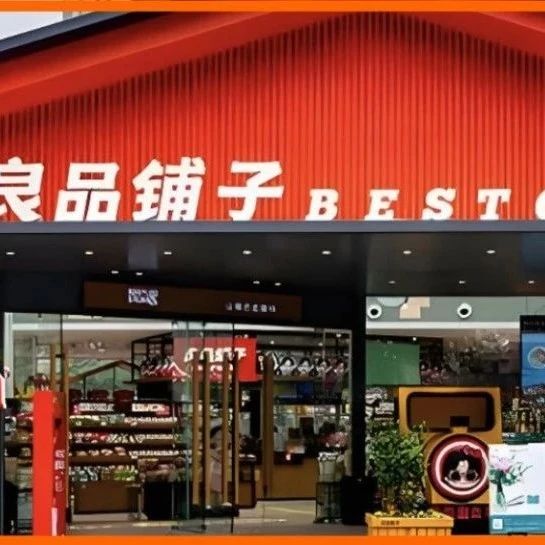
Core Viewpoint - The snack industry is experiencing a recovery period, leading to valuation restoration for leading companies and increased capital market activity, indicating a new round of industry reshuffling [1]. Group 1: Company Performance - Wancheng Group, which started with edible fungi, entered the mass snack market in 2022 and has seen revenue growth from 549 million to 32.33 billion from 2022 to 2024, with net profit rising from 47.73 million to 294 million [1]. - The stock price of Wancheng Group has surged over 1100% since mid-2024, with a market capitalization exceeding 30 billion [1]. - In contrast, Liangpin Shop, known as the "first high-end snack stock," has faced significant performance declines since its IPO in 2020, with revenues dropping from 78.94 billion in 2020 to an estimated 7.16 billion in 2025 [10][12]. Group 2: Financial Challenges - Liangpin Shop's net profit is projected to be between -105 million and -75 million for the first half of 2025, reflecting ongoing financial struggles [7][14]. - The company attributes its losses to product price adjustments, a decline in store numbers, and increased online channel costs, leading to a drop in sales scale and net profit [9]. - The overall financial performance of Liangpin Shop has deteriorated, with a 29.34% revenue decline in Q1 2025 compared to the previous year [12]. Group 3: Strategic Shifts - Liangpin Shop has attempted to reverse its declining performance by significantly reducing product prices, with an average price cut of 22% across over 300 products, the largest since 2017 [15]. - Despite these efforts, the price cuts have not led to a recovery in profits, indicating deeper issues related to supply chain efficiency and product iteration speed [17]. - The shift towards a "cost-performance" strategy may signal a departure from its high-end positioning, which could further impact its brand perception and market competitiveness [17]. Group 4: Ownership and Control Changes - The potential change in control at Liangpin Shop is highlighted by the announcement of significant shareholder actions, including the possible transfer of control by the major shareholder, Ningbo Hanyi [3][20]. - Frequent changes in leadership, including the resignation of key figures and the appointment of new management, suggest instability within the company [18][19]. - The ongoing decline in performance and management turnover raises concerns about the company's competitive position in the recovering snack industry [21].
净利下降七成,洽洽食品如何破局
Bei Jing Shang Bao· 2025-07-16 12:49
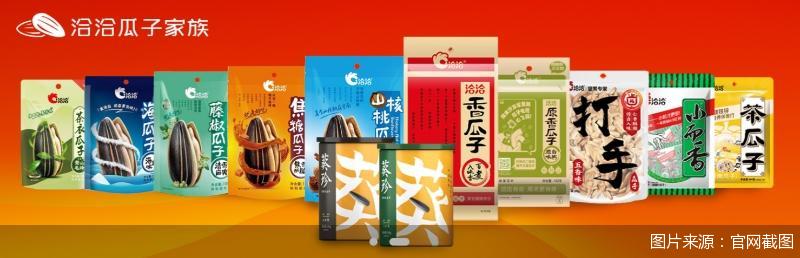
Core Viewpoint - Qiaqia Food has reported its largest decline in net profit since its listing in 2011, with a projected net profit drop of 71.05% to 76.25% for the first half of 2025 compared to the previous year [2] Group 1: Financial Performance - The company expects a net profit of approximately 80 million to 97.5 million yuan for the first half of 2025, with a significant decline in both net profit and non-net profit [2] - In Q1 2025, Qiaqia Food's revenue decreased by 13.76% year-on-year, and net profit fell by 67.88% [2] - The decline in net profit further worsened in Q2 2025, indicating ongoing financial challenges [2] Group 2: Cost Pressures - The primary reason for the profit decline is the rising cost of raw materials, particularly sunflower seeds, which has led to a significant drop in gross margin [2][3] - The company has acknowledged the impact of rising costs on its operations, citing increased procurement prices for sunflower seeds and nuts [2][3] - Qiaqia Food has attempted to mitigate cost pressures by raising product prices multiple times over the past few years, but the positive impact on gross margin has diminished [3] Group 3: Supply Chain and Procurement - Qiaqia Food employs a mixed procurement model for sunflower seeds, which may weaken its control over quality and cost [3] - The company plans to optimize its procurement strategy by increasing the proportion of direct purchases [3] Group 4: Channel Strategy - In response to market conditions, Qiaqia Food is adjusting its channel strategy, increasing its focus on direct sales channels, which saw a revenue increase of 38.29% to 1.462 billion yuan in 2024 [4] - Despite the growth in direct sales, the gross margin for this channel has declined, with e-commerce channels showing particularly low margins [4][5] - The company aims to enhance e-commerce profitability through product structure optimization and is also exploring new channels such as snack wholesale systems and membership stores [5]

好想你发布上半年业绩预告 扣非扭亏表象下的转型困局
Xin Lang Zheng Quan· 2025-07-16 09:45
Core Viewpoint - The company "好想你" is experiencing a narrowing of losses in the first half of 2025, but its core business challenges remain unresolved despite efforts in cost control and management [1][2][4] Financial Performance - The company expects a net loss attributable to shareholders of between 15 million and 25 million yuan for the first half of 2025, an improvement from the previous year's loss [1] - In 2024, the company's total revenue was 1.67 billion yuan, with the red date business contributing 1.22 billion yuan, accounting for 73.17% of total revenue, but showing a year-on-year decline of 6.83% [2] - The gross profit margin is also declining, with the health lock fresh products generating 68.885 million yuan in revenue, down 20.31% year-on-year [2] Cost Management and Operational Efficiency - The company has implemented measures such as targeted raw material procurement and centralized bidding to reduce procurement and production costs [1] - Sales and management expenses have decreased year-on-year, leading to improved operational efficiency [1] Investment and Strategic Initiatives - The company announced a 700 million yuan investment in Hunan Snack Very Busy Commercial Chain Co., Ltd., acquiring a 6.64% stake, which is part of a strategic merger with Zhao Yiming Snacks [3] - The company is focusing on developing major products as a second growth curve, with plans to promote "红小派" and "豆菲菲" in both domestic and international markets [3] Challenges and Future Outlook - Despite the strategic initiatives, the company faces significant competition in the snack market, and the effectiveness of its new product lines and partnerships remains uncertain [3][4] - For long-term success, the company must continue to optimize cost management, innovate in core business areas, and effectively convert investment returns [4]

2025年中期食品饮料行业投资策略报告:政策与新趋势共振,把握结构性机会-20250716
Wanlian Securities· 2025-07-16 09:39
Group 1 - The food and beverage sector experienced a decline in performance and stock prices in the first half of 2025, with revenue growth of 2.46% and net profit growth of 0.28%, both significantly lower than the previous year [1][16] - The food and beverage sector's stock price fell by 7.33%, ranking second to last among 31 sectors in the first half of 2025, with the liquor segment being particularly hard hit [1][26] - The current PE valuation percentile for the food and beverage sector is at 7.26%, indicating a historical low [1][35] Group 2 - Macroeconomic policies aimed at boosting domestic consumption are crucial for achieving GDP growth targets, with a comprehensive consumption promotion plan issued on March 16, 2025 [2] - The Chinese consumption market is witnessing three concurrent trends: rational consumption, emotional consumption, and health-oriented consumption, which are driving changes in the industry [2] - Rational consumption is characterized by a preference for high-quality, low-cost products, leading to rapid growth in discount retail [2] Group 3 - In the beverage segment, energy drinks are experiencing significant growth, with a projected compound annual growth rate of 10.2% from 2024 to 2029 [3] - The snack food sector is seeing growth driven by channel restructuring and product innovation, with new retail formats like bulk snack stores emerging [3] - The health supplement industry is benefiting from increased health awareness among consumers, leading to structural investment opportunities [3] Group 4 - The beer sector is expected to see marginal improvements due to cost reductions and a recovery in mid-to-high-end beer demand driven by restaurant recovery and sports events [8] - The condiment sector is benefiting from continued cost advantages and a growing demand for compound and health-oriented products [8] - The dairy sector is showing signs of cost stabilization, with a potential easing of price wars expected in 2025 [8] Group 5 - The liquor industry is currently in a phase of inventory destocking, with performance under pressure and a prolonged destocking cycle anticipated due to recent "alcohol bans" [8] - The performance of mid-range and mass-market liquor is expected to be relatively better, as they gain favor in a rational consumption environment [8] - The liquor sector is projected to be in a bottoming phase, with low valuations and high dividends providing strong support for stock prices [8]
甄标分享丨国际商标怎么布局?小企业用这招打开海外市场
Sou Hu Cai Jing· 2025-07-16 08:57
Core Insights - Small and medium-sized enterprises (SMEs) face competitive pressure to expand internationally, with risks such as trademark squatting and infringement hindering their efforts [1] - Effective international trademark strategy is essential for SMEs to navigate these challenges and achieve cost-efficient global expansion [1] Group 1: Market Prioritization - SMEs should prioritize "core markets" to avoid trademark squatting, focusing on regions with existing orders or clear expansion plans [3] - For example, a home goods company with 30% of orders from Europe and the US should prioritize trademark registration in those areas [3] - Each market has different trademark classifications and rules, necessitating targeted category selection [3] Group 2: Cost-Effective Strategies - SMEs can adopt a "foundational first, then expand" strategy to balance protection and financial investment [4] - The first step is to register core categories directly related to the main products to secure basic rights [5] - For instance, a cosmetics company should first register Class 3 (cosmetics) as a foundational step [5] Group 3: Defensive Registration - Companies with established brands should consider registering similar trademarks or related categories to prevent others from exploiting their brand [8] - For example, a brand like "Little Daisy" could register variations like "Daisy Little" to protect against similar trademarks [9] Group 4: Avoiding Pitfalls - Attention to detail is crucial in international trademark registration to avoid wasting initial investments [10] - Trademark names should be localized to avoid negative connotations in different cultures [11] - For instance, a snack brand faced delays due to a name that had an unfortunate meaning in certain markets [12] Group 5: Registration Process Management - The trademark registration process can take 1-2 years in some regions, requiring careful planning [13] - Companies should initiate registration at least 18 months before entering a peak season market to ensure compliance [15] - Regular tracking of registration progress is essential to respond to examination opinions promptly [16] Group 6: Ongoing Maintenance - After successful registration, companies must adhere to local renewal rules to avoid trademark expiration [17] - A case study highlighted an electronics company that lost its trademark due to failure to renew, costing five times the original registration fee to reclaim [18] - Establishing a trademark management system to track renewal dates and evidence of use is recommended [19]

开源证券:6月社零增长放缓 建议战略布局头部白酒企业
智通财经网· 2025-07-16 08:34
Group 1 - The core viewpoint indicates that the retail sales growth rate in June 2025 has declined, primarily due to the timing of the 618 shopping festival, control of national subsidy policies in some regions, and a decrease in optional consumption and dining revenue [1] - In June 2025, the total retail sales of consumer goods increased by 4.8% year-on-year, with a month-on-month decline of 1.6 percentage points compared to May [1] - The restaurant and optional consumption sectors showed significant declines, with restaurant income growing by only 0.9% year-on-year and declining by 5.0 percentage points month-on-month [1] Group 2 - In Q2 2025, the total retail sales of consumer goods increased by 5.4% year-on-year, with a month-on-month increase of 0.8 percentage points compared to Q1 2025, driven by national subsidy policies [2] - The restaurant sector's income in Q2 2025 increased by 3.9% year-on-year, but the month-on-month growth was negatively impacted by a decline in June [2] - Essential food categories maintained high growth rates, with grain and oil food categories increasing by 12.4% year-on-year, while beverage and tobacco categories showed mixed results [2] Group 3 - The white wine industry is currently in a bottoming phase, affected by policy changes that limit consumption scenarios and a decline in product prices due to e-commerce subsidies [3] - Snack food companies are showing strong growth potential, driven by product and channel innovation, with the health-oriented konjac products gaining popularity [3] - Emerging channels such as bulk snack stores, Sam's Club, and Douyin e-commerce are contributing to the growth of the snack sector [3]
“零食巨头”良品铺子或将“易主”:创始人出局、巨亏4600万,供应链困局如何破?
Sou Hu Cai Jing· 2025-07-16 07:11
创始人出走、业绩承压,被称为"高端零食第一股"的良品铺子(603719.SH)或将"易主"。 良品铺子或将"易主" 7月10日晚间,良品铺子一纸公告引发市场震动,其控股股东宁波汉意正在筹划公司控制权变更的重大 事项,公司股票自7月11日起停牌。 公告发布当日,良品铺子股价涨停,报收13.71元/股,总市值55亿元。这一数字与其高峰期超300亿元 市值相比,缩水超过80%。 值得注意的是,业绩持续下滑也引发了投资机构的撤退。 6月6日,良品铺子公告披露,公司第二大股东达永有限公司通过集中竞价减持1%即401万股,减持总金 额4774万元。宁波汉意此前也出于自身资金需求,在2024年7月通过集中竞价方式完成减持0.15%,套 现736万元,持股比例降至35.23%。 针对业绩下滑,良品铺子在财报中解释称,是受市场及平台流量影响,产品价格下降及门店数量减少, 同时公司在门店渠道对部分产品实施降价等策略,策略调整促使门店客单数稳步提升,但对销售额产生 了一定的影响。 天眼查显示,宁波汉意的合伙人包括杨红春、杨银芬、张国强、潘继红。四人也是良品铺子的实际控制 人。其中,杨红春、杨银芬、张国强目前为良品铺子的非独立董事。 ...
意大利首富31亿美元操盘!费列罗吞下家乐氏
Sou Hu Cai Jing· 2025-07-15 09:43
Core Insights - Giovanni Ferrero has transformed Ferrero into a global giant through significant acquisitions, particularly in the U.S. market, since taking over in 2015 [2][3] - The recent acquisition of WK Kellogg for $3.1 billion marks one of the largest transactions in the food industry over the past year and highlights Ferrero's strategic expansion beyond its core chocolate products [3][7] - Over the past decade, Ferrero has completed at least 21 acquisitions across nine countries, totaling over $13 billion, including notable brands like Fannie May and Ferrara Candy Company [3][8] Company Performance - Ferrero's revenue has nearly doubled from 2015 to the fiscal year ending August 2024, reaching $20.4 billion, with EBITDA increasing from $1.6 billion to $3 billion [7][8] - The acquisition of WK Kellogg is expected to contribute to a sales growth of over 10%, with WK Kellogg projected to generate $2.7 billion in revenue in 2024 [8][9] Strategic Expansion - The acquisition strategy initiated by Giovanni Ferrero has diversified the company's portfolio beyond chocolate, integrating local U.S. brands with Ferrero's global offerings [7][9] - The company aims for a 7.33% annual growth rate to double its size within ten years, a target that appears achievable given the 84% revenue growth from 2017 to 2024 [12][13] Market Position - The acquisition of WK Kellogg positions Ferrero to enhance its presence in the North American cereal market, which has an annual retail value of $12 billion [12][15] - Following the acquisition, Ferrero's revenue is expected to surpass that of Mars' snack business, which is projected to reach $21.3 billion in 2024 [12][15] Challenges and Opportunities - The company faces potential challenges from U.S. tariff policies and rising raw material costs, particularly cocoa, which has reached historical highs [15][16] - Ferrero is actively working to diversify its supply chain for key ingredients, including hazelnuts, which are crucial for its flagship products [16]