
互联网

Search documents
平安证券(香港)港股晨报-20260213
Ping An Securities Hongkong· 2026-02-13 02:14
Market Overview - The Hong Kong stock market experienced fluctuations with the Hang Seng Index closing at 23,831 points, down 145 points or 0.61% [1] - The market turnover decreased to 82.799 billion HKD, with net inflows of 484 million HKD recorded in the Hong Kong Stock Connect [1] - The US stock market saw all three major indices decline, with the Dow Jones down 1.34%, S&P 500 down 1.57%, and Nasdaq down 2.03% [2] Sector Performance - In the Hong Kong market, local real estate, software, and 5G concept sectors faced significant declines, while gold stocks performed well [1] - The technology sector in Hong Kong saw a drop, with the Hang Seng Technology Index down 1.65% [1] - Notable stock performances included Budweiser APAC down 5.2%, Lenovo Group down 4.6%, and Meituan down 4.5%, while Zijin Mining rose 3.5% and WuXi AppTec increased by 2.9% [1] Investment Opportunities - The report emphasizes the importance of "technological self-reliance" and AI applications as key themes for future growth in the Hong Kong stock market, suggesting that leading companies in these sectors may see medium to long-term development opportunities [3] - The Ministry of Industry and Information Technology's recent policies on national computing power interconnectivity are expected to boost domestic computing and communication sectors [3] - Investors are advised to focus on sectors supported by policies for "expanding domestic demand," including sports apparel and non-essential service consumption, as well as undervalued central state-owned enterprises with high dividends [3] Key Companies and Trends - The report highlights the performance of companies like BYD, which saw a 35% year-on-year increase in sales in January, benefiting from EU tariff exemptions for Chinese brand SUVs [9] - The report also notes that the domestic export of new energy vehicles reached 286,000 units in January, indicating strong growth potential for leading companies in this sector [9] - Companies such as China Mobile and Zhiyun AI are recommended for their roles in the computing power supply chain, reflecting a growing demand for AI and related technologies [9]
「从夯到拉」锐评21家大厂新春礼盒,开箱全是狠活
后浪研究所· 2026-02-13 02:04
Core Insights - The article discusses the trends and highlights of the 2026 Spring Festival gift boxes from major companies, emphasizing practicality, interactivity, and a sense of adventure in their designs [3]. Group 1: Internet Giants - Alibaba's gift box features a classic red design with a "joy" theme, including traditional items like couplets and red envelopes, along with practical items like a multi-functional blanket and a calendar [6][8]. - Tencent's gift box adopts a minimalist approach with a simple red design, focusing on traditional elements and introducing blind boxes for added interactivity [12][14]. - JD's gift box emphasizes "good luck" with a red and gold color scheme, including traditional items and a unique wall hanging that can be displayed [17][19]. - Meituan's gift box centers around the theme of "bringing happiness home," featuring practical items and a collaboration with a charity project to donate playgrounds to rural children [21][24]. - Kuaishou's collaboration with Wangwang results in a vibrant gift box shaped like a suitcase, filled with popular snacks and interactive items like a doorbell that plays sounds [26][30][32]. Group 2: Unique Designs and Themes - Zhihu's gift box stands out with a blue theme and includes a "Good Question" calendar, promoting daily reflection and thought [34][36]. - Ctrip's gift box focuses on cultural elements, featuring traditional crafts and a festive atmosphere [38][40]. - Cainiao's gift box resembles a retro television, combining snacks with creative items like a plush toy that interacts with users [45][49]. - Beisi's gift box emphasizes a theme of "dreams without limits," featuring tech gadgets and interactive elements [53][56]. - Giant Network's gift box includes traditional items and a gold coin, symbolizing prosperity and success in the new year [61][65]. Group 3: Practical and Creative Elements - Style3D's gift box features a unique cylindrical design with a mix of health products and fun items, appealing to young consumers [75][78]. - Xiaohongshu's gift box focuses on travel, including a custom suitcase and travel accessories, promoting a sense of adventure [82][84]. - Xpeng's gift box includes a functional suitcase and travel gear, emphasizing practicality for short trips [88][90]. - Sanban's gift box is designed as a giant gold bar, filled with oral care products, symbolizing wealth and prosperity [92][94]. - 360's gift box centers around coffee-making equipment, enhancing the experience of transitioning from holiday to work mode [98][100].




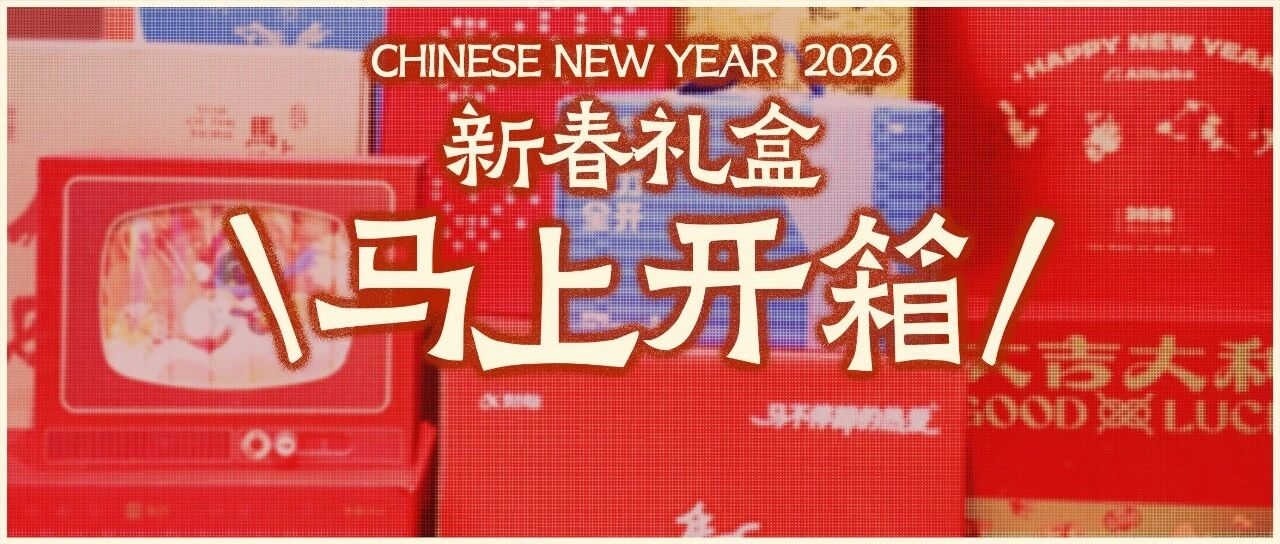
京东豪掷30亿加入除夕红包大战,16日晚8点开启
Zhong Guo Jing Ying Bao· 2026-02-13 02:02
Core Viewpoint - The competition for the Chinese New Year red envelope market is intensifying, with JD.com announcing a significant investment of 3 billion yuan in its promotional activities [1] Group 1: JD.com's Participation - JD.com will launch its "Moon Black Wind High" event on February 16, offering 3 billion yuan in red envelopes and physical prizes to stimulate consumer spending during the Spring Festival [1] - The event will run from 8 PM on February 16 to midnight on February 17, allowing users to participate without waiting for the Spring Festival Gala announcement [1] - Consumers can start reserving their desired products on the JD.com app from February 15 to lock in discounted prices [1] Group 2: Industry Competition - Major internet companies including ByteDance, Tencent, Alibaba, Baidu, JD.com, and Kuaishou are all participating in the Spring Festival red envelope competition, with the total market scale potentially reaching nearly 10 billion yuan [1] - ByteDance is focusing on its Doubao platform, offering tech gifts and cash red envelopes, while Tencent's Yuanbao app has allocated 1 billion yuan for its red envelope activities [1] - Alibaba has initiated a 3 billion yuan plan through Tongyi Qianwen, with support from its Alipay ecosystem, and Baidu is investing 500 million yuan for a long-term campaign extending to the Lantern Festival [1] - Kuaishou is also entering the fray with a 200 million yuan cash pool, utilizing card collection and red envelope rain strategies [1]


南向1.41万亿“压舱” 韩国散户“点火”——港股迎来定价权分层时代
Zhi Tong Cai Jing· 2026-02-13 01:53
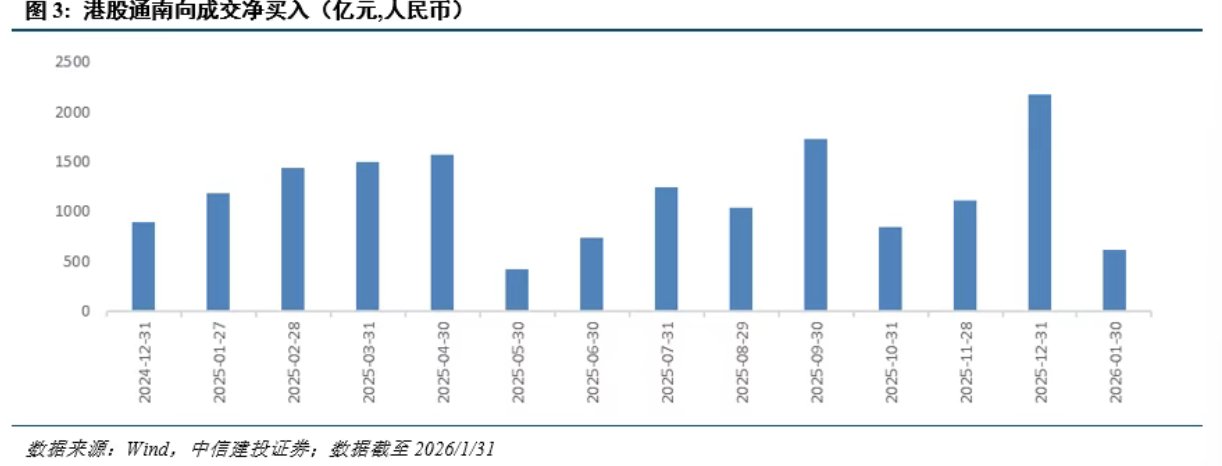
Core Insights - The Hong Kong stock market is experiencing two distinct but resonant waves of incremental capital from mainland China and South Korean retail investors, with mainland southbound funds achieving a record net purchase of 1.41 trillion HKD, establishing themselves as core builders of pricing power in the market [1][10] - Southbound funds are characterized by long-term value investment, while South Korean retail investors engage in high-frequency trading and narrative-driven investments, creating a diversified funding source and a layered pricing logic in the Hong Kong market [1][10] Funding Scale and Structure - Southbound funds have become the core incremental source and valuation system reshaper for the Hong Kong market, with a cumulative net inflow of 5.11 trillion HKD by the end of 2025, and a market value exceeding 6.3 trillion HKD, accounting for 12.7% of the total market [2] - South Korean retail investors, while having a smaller capital scale, exhibit concentrated trading behavior and significant leverage, particularly impacting specific sectors like new economy IPOs and the semiconductor industry [2][5] Industry Preferences - Southbound funds focus on financials and high-dividend utilities, with significant investments in major banks and state-owned enterprises driven by high dividend yields and low valuation levels, while South Korean investors show minimal interest in these sectors [3][5] - South Korean retail investors heavily invested in Xiaomi and MiniMax-WP, demonstrating a high turnover and narrative-driven trading approach, contrasting with the stable, long-term holdings of Southbound funds [5][8] Trading Behavior and Decision-Making - Southbound funds exhibit a decision-making anchor based on dividend yield, ROE stability, and free cash flow generation, characterized by continuous accumulation and stable holdings, as seen with significant net purchases in major banks [8][9] - South Korean retail investors, on the other hand, are driven by industry narrative strength and social media trends, with a high frequency of trading and a tendency to hold stocks for less than three months, reflecting a stark contrast to the long-term holding strategy of Southbound funds [9][10] Market Dynamics - The influx of South Korean retail investors into the Hong Kong market represents a diversification of the investor base, providing liquidity while also potentially increasing volatility during certain periods [9][10] - The interaction between Southbound funds and South Korean retail investors is creating a new normal in the Hong Kong market characterized by layered pricing and concurrent narratives, necessitating both stable investment strategies and agile trading approaches [10]




2025春晚赞助图谱:抖音、小红书、B站、机器人争相上桌
3 6 Ke· 2026-02-13 01:53
Group 1: Core Insights - The 2026 Spring Festival Gala has transformed into a technology showcase, integrating social media and AI applications, reflecting the competitive landscape among major tech companies [1][42] - Major platforms like Douyin, Xiaohongshu, Bilibili, Weibo, and Kuaishou are enhancing user interaction, shifting from passive viewing to multi-dimensional engagement [2][20] Group 2: Company Contributions - Douyin secured exclusive rights for the vertical screen viewing experience, enhancing immersion and accessibility for users, including features for the visually and hearing impaired [3][6] - Xiaohongshu is acting as the exclusive interactive community, allowing users to share real-time experiences and participate in various interactive activities during the gala [7][10] - Bilibili continues to be the exclusive platform for bullet comments, improving user experience with new features like interest rooms for discussions [12][16] - Weibo is leveraging its social media presence to create innovative interactions, including a "digital New Year's Eve" experience and various engaging activities [17][19] - Kuaishou focuses on live interactions and community engagement, promoting a festive atmosphere through various content formats [21][24] Group 3: AI Applications and Innovations - Tencent's Yuanbao app launched a 1 billion yuan cash red envelope campaign, aiming to engage users and promote its ecosystem [25] - Alibaba's Qianwen introduced a 3 billion yuan plan to enhance consumer experiences across multiple platforms, integrating various services [27][31] - Baidu's Wenxin assistant is offering 500 million yuan in red envelopes, encouraging user interaction through task completion [32][35] - ByteDance's Doubao assistant is providing tech gifts and interactive features during the gala, enhancing user engagement with AI [36][39] Group 4: Technological Showcases - Multiple robotics companies are collaborating with the gala to showcase advanced technologies, marking a significant moment for China's intelligent manufacturing [41] - The gala serves as a platform for technology demonstration, highlighting innovations in robotics and AI, and reinforcing confidence in China's technological capabilities [41][42]



三大指数集体低开,AI审核概念表现活跃,人民网封涨停;港股低开,科网股全线下跌,新股海致科技集团涨超200%丨开盘播报
Mei Ri Jing Ji Xin Wen· 2026-02-13 01:52
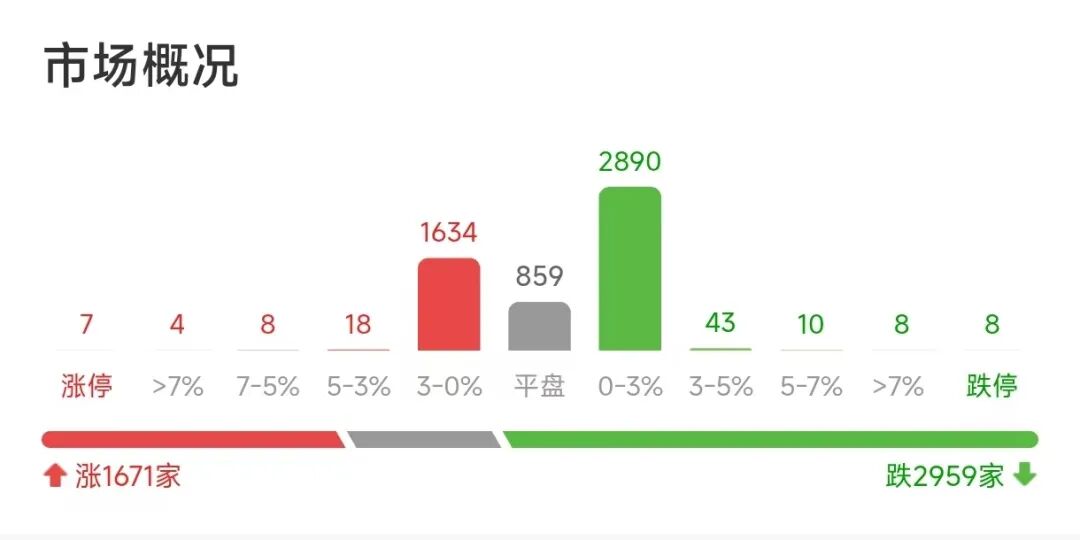
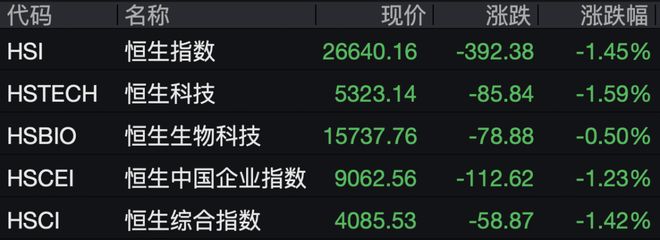
Market Overview - The three major indices opened lower, with the Shanghai Composite Index down 0.44%, the Shenzhen Component down 0.66%, and the ChiNext Index down 0.56% [1] - The FTSE China A50 Index futures fell sharply, dropping over 1.5% during the session [1] Sector Performance - The precious metals, oil and gas, and optical communication sectors experienced the largest declines [3] - The oil and gas extraction and services sector fell by 2.10%, while energy metals dropped by 1.90% [3] - In contrast, sectors related to digital watermarking, intellectual property protection, and data rights saw positive performance, with digital watermarking up by 1.79% [4] Hong Kong Market - The Hong Kong stock market opened lower, with the Hang Seng Index down 1.45% and the Hang Seng Technology Index down 1.59% [5] - Notable declines were observed in tech stocks, with Tencent Music falling over 6% and Baidu Group down over 3% [5] - The newly listed company, Haizhi Technology Group, saw its stock price increase by over 200%, with more than 5000 times subscription during the public offering phase [6]

智通特供|南向1.41万亿“压舱” 韩国散户“点火”——港股迎来定价权分层时代
智通财经网· 2026-02-13 01:49
Core Viewpoint - The Hong Kong stock market is experiencing two distinct but resonant waves of incremental capital from mainland China and South Korean retail investors, leading to a diversification of funding sources and a layered pricing logic in the market [1][14]. Group 1: Scale and Structure - Southbound funds have established themselves as the core incremental source and revaluation force in the Hong Kong stock market, with a cumulative net inflow of 5.11 trillion HKD by the end of 2025, and a record annual net purchase of 1.41 trillion HKD in 2025 [2]. - The market capitalization of southbound funds has surpassed 6.3 trillion HKD, accounting for 12.7% of the total market capitalization of Hong Kong stocks, indicating their evolution into an "endogenous pricing variable" [2]. Group 2: Trading Behavior of South Korean Retail Investors - South Korean retail investors, while having a relatively limited capital size, exhibit highly concentrated and leveraged trading behaviors, particularly impacting specific sectors such as new economy IPOs and the semiconductor industry [5]. - In early 2026, South Korean retail investors made a net purchase of over 2 million USD in MiniMax-WP, contributing significantly to its IPO, which saw an oversubscription of 1837 times [5]. Group 3: Industry Preferences - Southbound funds focus on financials and high-dividend utilities, with significant investments in companies like China Construction Bank and China Mobile, driven by high dividend yields and low valuation levels [6]. - South Korean investors, on the other hand, show a preference for high-growth sectors, with notable investments in Xiaomi and MiniMax-WP, reflecting a narrative-driven trading strategy [8]. Group 4: Investment Strategies - Southbound funds demonstrate a long-term investment strategy characterized by stable holdings and systematic increases in positions, as seen with China Construction Bank, which saw a net purchase of 7.39 billion shares in 2025 [12]. - South Korean retail investors engage in high-frequency trading with a focus on social media trends and community consensus, leading to a rapid turnover of holdings, with an average holding period of less than three months [13]. Group 5: Market Dynamics - The influx of South Korean retail investors into the Hong Kong market represents a diversification of the investor base, contributing to liquidity while also potentially increasing volatility during certain periods [14]. - The interaction between the long-term positioning of southbound funds and the short-term trading strategies of South Korean investors creates a new normal in the Hong Kong stock market characterized by layered pricing and concurrent narratives [14].
港股大型科网股,全线走低
Di Yi Cai Jing Zi Xun· 2026-02-13 01:39
Market Overview - The Hang Seng Index opened down by 1.45%, closing at 26,640.16, a decrease of 392.38 points [2] - The Hang Seng Tech Index fell by 1.59%, reaching 5,323.14 [2] - The Hang Seng China Enterprises Index decreased by 1.23%, closing at 9,062.56 [2] - The Hang Seng Composite Index dropped by 1.42%, ending at 4,085.53 [2] Major Stock Movements - Major tech stocks experienced declines, with Tencent Music down over 6% at 60.65, and Bilibili and Baidu Group both down over 3% [2][3] - Alibaba, Ctrip Group, and Kuaishou fell by more than 2% [2] - Tencent Holdings, NetEase, and Kingsoft also saw declines [2] Notable Gainers - Stocks related to large model concepts saw gains, with Zhiyun up by 4.98% at 422.00, and MINIMAX-WP rising by over 2% [4] - Other notable gainers included iFlytek Medical Technology and Fubo Group, both showing positive movement [4] New Listings - Haizhi Technology Group saw a significant increase on its first trading day, opening with a rise of over 200% [5][6] - The stock opened at 82.30, with a market capitalization of 33 billion [6]
港股大型科网股,全线走低
第一财经· 2026-02-13 01:34
Group 1 - The Hang Seng Index (HSI) decreased by 392.38 points, closing at 26,640.16, reflecting a decline of 1.45% [1] - Major tech stocks in Hong Kong experienced a downturn, with Tencent Music falling over 6%, Bilibili and Baidu Group dropping over 3%, and Alibaba, Trip.com, and Kuaishou declining more than 2% [1] - The Hang Seng China Enterprises Index (HSCEI) also saw a decrease of 112.62 points, closing at 9,062.56, which is a decline of 1.23% [1] Group 2 - Stocks related to large model concepts rose, with Zhiyun Technology opening up by 4.98% and MINIMAX-WP increasing by over 2% [2] - The newly listed company Haizhi Technology Group saw its stock price surge over 200% on its first trading day [2]

中原期货晨会纪要-20260213
Zhong Yuan Qi Huo· 2026-02-13 01:30
中原期货研究咨询部 晨会纪要 2026 第(30)期 发布日期:2026-02-13 | 中原期货研究咨询部 | | | --- | --- | | 0371-58620081 | 0371-58620083 | | 公司官方微信 | | 公司官方微信 1 中原期货研究咨询部 | 化工 | 主力合约 | 2026/2/13 | 2026/2/12 | 涨跌 | 涨跌幅/% | | --- | --- | --- | --- | --- | --- | | | | 8:00 | 15:00 | | | | | 焦煤 | 1,121.00 | 1,120.00 | 1.0 | 0.089 | | | 焦炭 | 1,665.00 | 1,664.00 | 1.0 | 0.060 | | | 天然橡胶 | 16,485.00 | 16,450.00 | 35.0 | 0.213 | | | 20号胶 | 13,385.00 | 13,370.00 | 15.0 | 0.112 | | | 塑料 | 6,720.00 | 6,734.00 | -14.0 | -0.208 | | | 聚丙烯PP | 6,633.00 ...