
奢侈品

Search documents
中美马德里成果公布,中方用10个字总结,特朗普宣布一个重磅消息
Sou Hu Cai Jing· 2025-09-16 04:01
Group 1 - The core stance of the negotiations is to maintain fairness and address issues such as the US-China tariff war and TikTok, with both sides awaiting final outcomes [1][3] - The Chinese delegation, led by Vice Premier He Lifeng and trade negotiator Li Chenggang, emphasized "honest, in-depth, and constructive communication" regarding TikTok, aiming to reduce investment barriers and promote national consensus [5][11] - China firmly stated it will not sacrifice principles for unreasonable agreements, particularly concerning TikTok, highlighting a balance between openness and a strong stance on rights protection [7][9] Group 2 - The meeting in Madrid is seen as a pragmatic step in a complex international economic environment, with both sides finding common ground on issues like TikTok and establishing a framework for ongoing communication [30][32] - The US has placed 23 Chinese entities on an "entity list," prompting a swift response from China, indicating a quick and resolute counteraction to US measures [11][13] - The meeting's outcomes are viewed positively by investors, as evidenced by a rise in US stock index futures and an increase in the offshore RMB against the USD, reflecting expectations for improved economic relations [20][24]


可选消费W37周度趋势解析:9月博彩板块延续景气度,跑赢其他可选子行业-20250915
Haitong Securities International· 2025-09-15 11:31
Investment Rating - The report assigns an "Outperform" rating to multiple companies in the discretionary sector, including Nike, Midea Group, JD Group, Haier Smart Home, Anta Sports, Gree Electric, and others [1]. Core Insights - The gambling sector continues to show strong performance in September, outperforming other discretionary sub-sectors, with a weekly increase of 1.8% [4][16]. - Domestic cosmetics and luxury goods also performed positively, with increases of 0.7% and 0.3% respectively, while other sectors like overseas sportswear and snacks faced declines [4][16]. - The report highlights that most sub-sectors are currently undervalued compared to their historical averages, indicating potential investment opportunities [20]. Summary by Relevant Sections Weekly Performance Review - The gambling sector led the weekly performance with a 1.8% increase, followed by domestic cosmetics at 0.7% and luxury goods at 0.3%. In contrast, overseas sportswear and snacks saw declines of 3.0% and 4.1% respectively [4][16]. - Year-to-date performance shows significant gains in gold and jewelry, domestic cosmetics, and pets, with increases of 167.1%, 60.6%, and 38.8% respectively [13]. Sector Analysis - The gambling sector's strong performance is attributed to better-than-expected results during the off-season, with optimism for the upcoming peak season driven by events like the NBA and concerts [6][16]. - Domestic cosmetics are benefiting from successful marketing campaigns, with notable sales figures reported [6][17]. - The overseas sportswear sector is under pressure due to disappointing earnings forecasts and competition, leading to significant stock price declines [8][17]. Valuation Analysis - Most sectors are trading below their five-year average P/E ratios, indicating potential for growth. For instance, the expected P/E for the overseas sportswear sector is 33.4 times, which is 59% of its historical average [20]. - The gambling sector's expected P/E is 34.2 times, which is 40% of its historical average, suggesting it may be undervalued [20].
AvaTrade爱华每日市场报告 2025-09-15
Sou Hu Cai Jing· 2025-09-15 08:15
Market Overview - Global markets showed mixed performance as investors adjusted positions ahead of a key week of central bank meetings, with a focus on the upcoming Federal Reserve interest rate decision [1][3] - The S&P 500 index decreased by 0.05% to 6,584 points, while the Nasdaq 100 index increased by 0.42% to 24,092 points, indicating strength in tech stocks [2] Economic Indicators - Weak U.S. labor data has reinforced expectations for a rate cut by the Federal Reserve, providing support for growth sectors such as technology [3] - The VIX index rose by 0.34% to $14.76, indicating a relatively calm market backdrop compared to earlier volatility [4] Commodity Performance - WTI crude oil prices increased by 0.51% to $62.69, supported by geopolitical events, while gold futures rose by 0.34% to $3,649 per ounce, aided by expectations of a Fed rate cut and safe-haven demand [5] Sector Performance - Pharmaceutical companies, such as Novartis, faced downgrades, while luxury goods companies experienced negative outlook pressures from analysts [10] - Aerospace and defense stocks strengthened due to ongoing geopolitical risks [11] Notable Stocks - Tesla's stock rose by 7.4% due to expectations of a Fed rate cut and optimism surrounding its robotics technology under Elon Musk's leadership [13] - Micron Technology's stock increased by 4.42% after Citigroup raised its price target from $150 to $175, citing stronger-than-expected demand for DRAM and NAND memory [13] - Moderna's stock fell by 7.4% amid reports discussing potential links between its COVID-19 vaccine and child fatalities, raising regulatory and safety concerns [14] Market Sentiment - The market sentiment appeared cautious at the start of the week, with traders avoiding large bets ahead of the Federal Reserve's decision [16] - The upcoming Federal Reserve meeting is expected to provide guidance on future rate cuts and economic outlook, which will significantly influence market direction [16]

安踏东南亚三年开千店;Coach向百亿品牌进军| 二姨看时尚
2 1 Shi Ji Jing Ji Bao Dao· 2025-09-15 05:21
Group 1: Industry Developments - The fashion industry is experiencing mixed sentiments, highlighted by the publication of Giorgio Armani's will, which indicates a shift from his long-standing independence to potential capital-driven changes [1][3] - Kering has postponed the full acquisition of Valentino due to debt pressures, indicating a cautious approach to expansion amidst financial challenges [1][8] - Anta Group aims to open 1,000 stores in Southeast Asia over the next three years, positioning the region as a strategic hub for its global expansion [1][4] Group 2: Company-Specific Updates - Dior is expanding its design team to support creative director Jonathan Anderson, emphasizing its commitment to maintaining leadership in luxury design [2][9] - The will of Giorgio Armani specifies that heirs must sell a portion of the Armani Group's shares within 18 months and consider listing the company if a sale does not occur [3][4] - Anta Group's Southeast Asia operations are expected to see nearly double revenue growth by mid-2025, with significant contributions from new markets [4][8] - Golden Goose reported a 13% increase in revenue to €342.1 million in the first half of 2025, driven by strong DTC sales and global expansion [12][13] - Jiangnan Buyi's revenue for the 2025 fiscal year reached ¥5.5484 billion, a 4.6% increase, with net profit rising 6% to ¥897.5 million [10][11] - Tapestry plans to increase Coach's revenue to $10 billion, focusing on young consumers and aiming for significant market share growth [11][12] - The late Francesco Trapani's legacy in reshaping the luxury jewelry market through his leadership at Bulgari is being recognized following his passing [5][6]

大侠后宫:“巴黎世家8200新包撞脸塑料袋…?”啊啊啊果然奢侈品不坑穷人!
猿大侠· 2025-09-15 04:06
Group 1 - The core product discussed is a new foldable tote bag from Balenciaga, priced at ¥8,200, which has drawn comparisons to a plastic bag due to its design [3][4][5] - The bag is made from Dyneema fabric, a high-performance material, rather than actual plastic, despite public perception [6][7] - The product was featured in Balenciaga's 2025 Winter Collection, Look 25, and is currently sold out on the official website and app [6][8] Group 2 - Customer reactions highlight a mix of humor and criticism regarding the bag's design, with some comments suggesting that it reflects a disconnect between luxury fashion and everyday items [8][9] - The design inspiration is said to come from everyday objects, which has sparked discussions about the value and meaning of luxury items in contemporary fashion [7][9] - The bag's launch has led to a broader conversation about consumerism and the nature of luxury brands, with some consumers questioning the rationale behind such pricing for a product resembling a common plastic bag [8][9]

想赚大钱,不要一门心思想降价,要想着怎么才能提价
Sou Hu Cai Jing· 2025-09-14 09:43
Core Insights - The article emphasizes that successful businesses do not rely on price wars but instead focus on raising prices while maintaining customer loyalty, indicating a strong competitive advantage or "moat" [1][6][21] Pricing Strategy - Price wars may attract customers initially but lead to thin profits and a perception of low quality [3][18] - Businesses that can raise prices demonstrate value, brand strength, and uniqueness [5][21] Competitive Advantage - A company's ability to increase prices signifies market control and customer loyalty, creating an unassailable advantage [6][8] - Examples like Starbucks, Apple, and Moutai illustrate how unique branding and customer perception allow for higher pricing [9][10] Building Pricing Power - Three key strategies to establish the ability to raise prices: 1. Differentiate offerings to stand out from competitors [10] 2. Build brand value, as strong brands justify higher prices through customer identity [11] 3. Enhance customer experience, as superior service encourages customers to spend more [12] Mindset Shift - The focus should be on how to increase prices rather than decrease them, highlighting a significant cognitive difference in business strategy [14][21] - Companies that prioritize price reduction often find themselves in a cycle of diminishing returns and eventual obsolescence [18] Case Studies - The case of Louis Vuitton illustrates how a brand can thrive by continuously raising prices, reinforcing its status and desirability [16] Conclusion - To achieve substantial profits, businesses must recognize that competing on price is a battle of endurance, while competing on value and brand strength is a measure of capability [20][21]
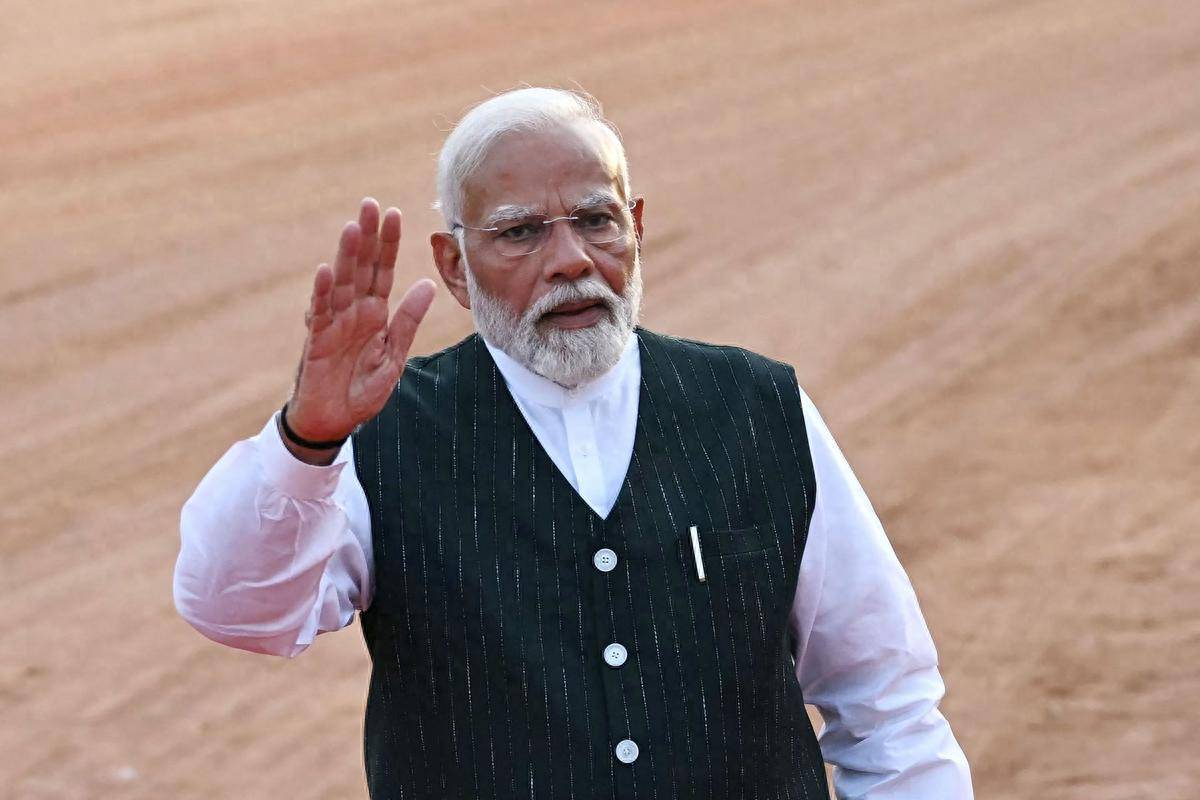
特朗普已下定决心,让27国对华“下战书”,把印度也划到中方阵营
Sou Hu Cai Jing· 2025-09-13 07:48
Core Viewpoint - The Trump administration is considering a significant shift in trade policy, aiming to establish a new trade partnership with the EU to jointly impose secondary tariffs of up to 100% on Chinese goods, which has garnered widespread international attention [1] Group 1: Historical Context - The trade war initiated by Trump in 2018 involved punitive tariffs on thousands of Chinese products, totaling over $550 billion, but resulted in a record trade deficit in 2021 [3] - Domestic opposition to these tariffs has grown, with business groups criticizing the policies for increasing costs for companies and consumers [3] Group 2: Legal Challenges - Trump's tariff policies faced legal setbacks, with a ruling from the U.S. International Trade Court in early 2023 declaring some tariffs unlawful, currently under appeal [5] Group 3: EU's Response - The EU has shown cautious interest in the proposal, particularly due to the impact of Chinese anti-dumping measures on EU pork exports, which fell by 23% in 2022, resulting in over €1.2 billion in economic losses [6] - The EU insists that the U.S. must commit to implementing similar tariffs to avoid a repeat of past unilateral actions that strained trade relations [7] Group 4: Strategic Considerations - Trump's strategy aims to create a broader international coalition to pressure China, prepare for potential unfavorable Supreme Court rulings, and demonstrate a strong stance on China ahead of the 2024 elections [11] - However, mutual trust between the U.S. and EU remains fragile, with significant internal divisions within the EU regarding alignment with U.S. policies [11] Group 5: Global Economic Implications - The potential for a comprehensive trade war among the U.S., EU, and China could lead to a global GDP loss of up to $1.5 trillion, exacerbating supply chain disruptions and inflation [12] - China's proactive trade initiatives, such as the Belt and Road Initiative and RCEP, may strengthen its economic ties with other nations, countering U.S. and EU pressures [12] Group 6: Overall Assessment - Trump's proposed trade policy adjustment carries significant risks, potentially undermining global trade stability and failing to achieve its intended effects [14]
阿玛尼遗嘱公开
华尔街见闻· 2025-09-13 01:57
Core Viewpoint - The late fashion designer Giorgio Armani's will outlines a structured plan for the future ownership of his fashion empire, prioritizing LVMH, L'Oréal, and EssilorLuxottica as potential buyers for his company [2][4][6]. Summary by Sections Inheritance and Sale Plan - The will, drafted in April, instructs heirs to initially sell 15% of the company to one of the three designated giants [3]. - Within five years of Armani's passing, heirs are to sell an additional 30% to 54.9% of the shares to the same buyer. If this phased sale fails, the company should consider going public [4][9]. Financial Context - The Armani Group reported approximately €2.4 billion in revenue last year, but growth has stagnated due to a decline in demand for formal wear among younger consumers and a general slowdown in the luxury goods sector [4][19]. Potential Buyers' Interest - LVMH's CEO Arnault expressed strong interest in acquiring Armani, highlighting the brand's significance in the fashion industry [11]. - L'Oréal stated it feels honored to be considered for the acquisition and will carefully evaluate the opportunity, noting a long-standing partnership since 1988 [11]. - EssilorLuxottica expressed pride in being considered and will assess the potential investment carefully [12]. Internal Leadership Transition - The will designates Leo Dell'Orco, responsible for menswear, as a key figure in future decisions, granting him 30% of the company shares and 40% of the voting rights [16]. - Other heirs include Roberta Armani, Silvana Armani, Andrea Camerana, and Rosanna, with the Giorgio Armani Foundation tasked with selecting a new CEO [16]. Challenges Ahead - The new leadership and potential owners will face significant challenges as the company has experienced stagnation in growth despite being under the founder's control until his passing [18].

迪奥“泄露门”,牵出一条隐秘的监管红线
吴晓波频道· 2025-09-13 00:30
Core Viewpoint - The article highlights the increasing importance of data sovereignty and national security in China, emphasizing that regulatory scrutiny is expanding beyond just internet technology companies to encompass all sectors, particularly in light of recent data breaches involving luxury brands like Dior [2][27]. Group 1: Data Breach Incident - Dior faced a data breach where customer information, including names, contact details, and preferences, was leaked due to improper data transfer practices to its headquarters in France [3][5]. - The breach raised public concerns about the protection of personal information by luxury brands, with many consumers expressing frustration over the lack of privacy safeguards [3][5]. - The investigation revealed that Dior violated multiple provisions of China's Personal Information Protection Law, including unauthorized data export and failure to inform users adequately [6][9]. Group 2: Legal Violations - Dior's first violation involved transferring personal information abroad without following legal protocols, specifically not undergoing a security assessment or obtaining necessary certifications [6][7]. - The second violation was the lack of user consent and notification regarding the data transfer, which is mandated by law [9][10]. - The third violation pertained to inadequate internal data security measures, which increased the risk of data exposure [12][13]. Group 3: Broader Implications - The article notes that Dior is not an isolated case, as other luxury brands like Cartier and Louis Vuitton have also experienced data breaches, indicating a systemic issue within the industry [15][17]. - The incidents reflect a larger trend of increasing regulatory pressure on multinational companies operating in China, necessitating compliance with local laws regarding data protection [27][28]. - The Chinese government is reinforcing its data governance framework through laws like the Cybersecurity Law, Data Security Law, and Personal Information Protection Law, which apply to all companies, domestic and foreign [29][30]. Group 4: Future Compliance Landscape - Companies operating in China will face rising compliance costs and stricter requirements for data localization and audits [28][29]. - The article emphasizes the need for companies to respect the unique legal landscape in China and adapt their operations accordingly, rather than applying a one-size-fits-all global standard [34].

阿玛尼遗嘱公开,指定LVMH、欧莱雅等为潜在买家,卖不掉就上市
Hua Er Jie Jian Wen· 2025-09-12 21:11
Core Viewpoint - The passing of Giorgio Armani has set a clear path for the future of his fashion empire, with a detailed succession plan outlined in his will, prioritizing LVMH, L'Oréal, and EssilorLuxottica as potential buyers for the company [1][2]. Group 1: Succession Plan - Armani's will specifies a phased sale of the company, starting with an initial 15% stake to one of the three preferred buyers, followed by an additional 30% to 54.9% within five years [1][2]. - If the phased sale does not materialize, the company should consider going public as an alternative [2]. Group 2: Potential Buyers - LVMH's CEO, Arnault, expressed strong interest in acquiring Armani, highlighting the brand's significance in the luxury fashion sector [3]. - L'Oréal stated it feels honored to be considered for the acquisition and will carefully evaluate the opportunity, having had a licensing agreement with Armani since 1988 [3]. - EssilorLuxottica expressed pride in being considered and will assess the potential investment through its board [3]. Group 3: Internal Transition - Leo Dell'Orco, responsible for the men's wear style office, will play a key role in future decisions, holding 30% of the company shares and 40% of the voting rights [4]. - Other heirs include Roberta Armani, Silvana Armani, Andrea Camerana, and Rosanna Camerana, with the Giorgio Armani Foundation tasked with selecting a new CEO [5]. Group 4: Challenges Ahead - The new leadership and potential owners will face challenges as the company has experienced stagnant growth, with revenues around €2.4 billion due to declining demand for formal wear among younger consumers and a general slowdown in the luxury goods sector [6].
