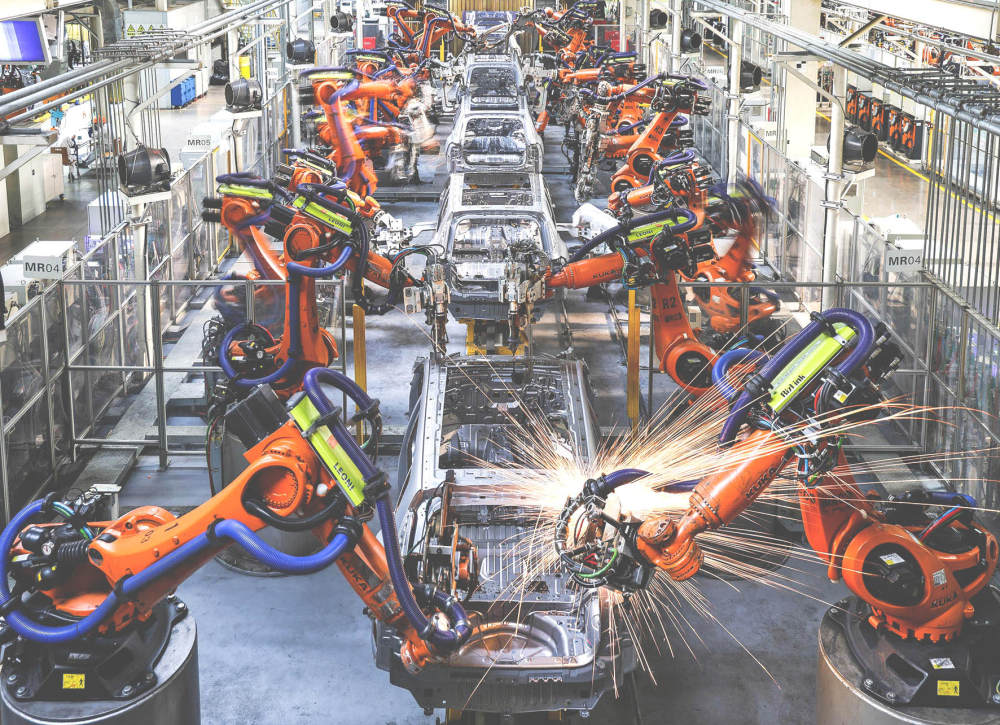
机械

Search documents
前三季度业绩预告盘点丨130家上市公司已披露 55家预计净利润增幅超100%
Di Yi Cai Jing· 2025-10-20 00:06
Group 1 - A total of 3 listed companies in A-shares disclosed performance forecasts for the first three quarters of 2025, with all 3 companies expecting profit increases, resulting in a 100% positive forecast rate [1] - Among the companies, China Life, Zhuhai Guanyu, and Changqing Group are expected to report net profits exceeding 1 billion yuan, with projected net profits of 156.785 billion yuan, 36.7 million yuan, and 19.1 million yuan respectively [1] - The net profit growth rates for these companies are also significant, with China Life, Changqing Group, and Zhuhai Guanyu expecting increases of 70%, 65%, and 55.54% respectively [1] Group 2 - In contrast, 14 companies are expected to report negative performance, including 10 companies forecasting profit decreases and 4 companies predicting losses [2] - Among the companies with negative forecasts, 1 company is expected to incur a net loss exceeding 1 billion yuan, and 7 companies anticipate a profit decline of over 50% [2] - The industries with companies reporting negative forecasts are primarily in chemicals, machinery, and communication equipment, with 4, 2, and 2 companies respectively [2]
中金 | 三季报预览:哪些公司业绩有望超预期
中金点睛· 2025-10-19 23:59
Core Viewpoint - The article discusses the upcoming peak period for the disclosure of Q3 earnings reports for A-share listed companies, highlighting a potential marginal slowdown in domestic growth momentum and the focus on fundamentals amid market fluctuations [2][3]. Group 1: Earnings Performance - Q3 earnings growth for A-shares is expected to improve compared to Q2, with a projected year-on-year growth rate of 5.8% for overall A-shares and 8.2% for non-financial sectors [3][6]. - Retail sales growth has shown a marginal slowdown, with a year-on-year increase of 4.6% from January to August, down from 5.0% in the first half of the year [3][4]. - The CPI has seen a year-on-year decline of 0.23%, while the PPI has improved slightly with a year-on-year decrease of 2.9% [3][4]. Group 2: Sector Highlights - Non-bank financial sectors are expected to benefit from high market activity, while gold and technology hardware sectors are anticipated to be structural highlights [4][5]. - The energy and materials sector, particularly the non-ferrous metals segment, is expected to perform well due to rising demand and prices, with gold prices reaching new highs [5][6]. - The consumer sector is facing challenges, with mandatory consumption showing weak demand, while new consumption areas like beauty and trendy products are performing relatively well [5][6]. Group 3: Investment Themes - The article suggests focusing on sectors with structural highlights during the earnings disclosure phase, such as the gold sector and TMT sectors benefiting from AI trends [6][8]. - It emphasizes the importance of identifying high-growth opportunities that are less correlated with economic cycles and external risks, particularly in the AI industry and sectors with strong overseas market presence [6][8]. - The report highlights the potential for recovery in industries that have undergone supply-side adjustments, including industrial metals, lithium batteries, and commercial vehicles [6][8].

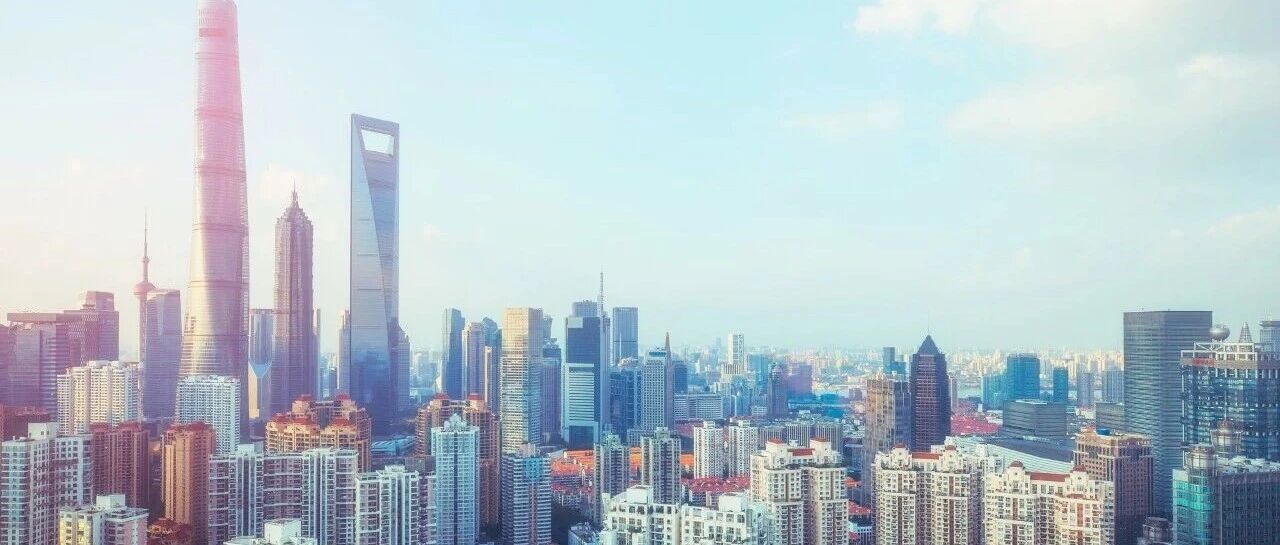
塞纳河与钱塘江碰撞!法国经济对阵浙江产业,旧欧底盘与新兴强省谁更胜一筹?
Sou Hu Cai Jing· 2025-10-19 23:34
Economic Comparison - France has a GDP of approximately $3.16 trillion in 2024, while Zhejiang's GDP is about $1.27 trillion, indicating a significant disparity despite similar population sizes [1][5][10] - The economic output difference is attributed to historical paths and institutional frameworks that have shaped each region's development [1][3] Historical Development Paths - France's economic development began in the 15th century with a focus on mercantilism, leading to industrialization and urbanization by the 19th century [3] - Zhejiang's economic transformation started post-1978 with reforms that promoted balanced growth across various counties, leading to a surge in private enterprises and digital economy growth [3][5] Industry Structure - France's economy is heavily service-oriented, with services accounting for over 70% of GDP, while manufacturing has seen a decline, particularly in the automotive sector [7][10] - In contrast, Zhejiang's economy is more balanced between manufacturing and digital sectors, with manufacturing contributing over 40% to GDP and a significant rise in digital economy value [9][10] Fiscal and Debt Dynamics - France faces high government debt at 110% of GDP, limiting fiscal space and contributing to slow economic recovery post-pandemic [10][20] - Zhejiang, however, shows more fiscal flexibility with a projected growth rate of 5.5% in 2024 and continued foreign investment exceeding $20 billion [10][20] Labor Market Characteristics - France struggles with high unemployment rates, particularly among youth, due to rigid labor market structures and strong union influence [11][16] - Zhejiang benefits from a flexible labor market with a net population increase of 4.3 million by 2024, enhancing its labor supply and economic dynamism [11][20] Global Economic Integration - France's economy is more integrated within the EU, benefiting from a unified market but facing challenges from energy and inflation crises [12] - Zhejiang has adopted a more outward-looking approach, enhancing its position in global supply chains since joining the WTO, with a focus on manufacturing and digital exports [12][19] Policy and Social Stability - France's high welfare and tax systems provide social stability but hinder business agility and innovation [13][20] - Zhejiang's policies are designed to support enterprise growth and innovation, with a focus on reducing urban-rural income disparities and enhancing public services [10][18][20] Future Outlook - France needs to enhance business flexibility and innovation to maintain competitiveness, while Zhejiang must improve its social welfare and environmental governance to sustain growth [21] - Both regions face aging populations and must adapt their policies to ensure long-term economic vitality [21]

上交所副理事长霍瑞戎: 持续提升上市公司质量 营造长期资金入市良好生态
Zheng Quan Shi Bao Wang· 2025-10-19 23:31
Core Viewpoint - The Shanghai Stock Exchange (SSE) aims to enhance the quality of listed companies and create a favorable environment for long-term capital inflow, driven by advancements in technology such as artificial intelligence and biomedicine [1] Group 1: Quality Improvement Initiatives - The SSE is implementing a three-year action plan to improve the quality of listed companies, focusing on stabilizing their long-term development [1] - Revisions to listing rules and operational guidelines are being made to strengthen the roles of independent directors and audit committees, while also protecting the rights of minority shareholders [1] - Over 60% of listed companies in Shanghai are participating in a special initiative to enhance quality and efficiency, encouraging increased cash dividends to boost investor returns [1] Group 2: Financial Performance and Innovation - In the first half of the year, over 400 companies in the Shanghai market announced interim dividends totaling 555.2 billion yuan, setting a new historical high [2] - The total amount of share repurchase and increase plans disclosed by Shanghai companies has exceeded 100 billion yuan, with 50 billion yuan already implemented [2] - The SSE is leveraging the establishment of the Sci-Tech Innovation Board to enhance the quality and efficiency of services for technological innovation, with R&D investment from these companies reaching 84.1 billion yuan, exceeding their net profits by 2.8 times [2] Group 3: Coordinated Development of Investment and Financing - The SSE supports the entry of medium- and long-term capital into the market by improving the ETF product spectrum and innovating low-volatility products, with the ETF scale growing from less than 1 trillion yuan in 2020 to over 4 trillion yuan currently [3] - The exchange is optimizing the market environment for medium- and long-term investments, having released 272 indices this year to support capital inflow [3] - The SSE has conducted over a hundred visits to institutional investors this year, organizing activities to better understand their needs and enhance the willingness and sustainability of medium- and long-term capital entry [3]
持续提升上市公司质量 营造中长期资金入市良好生态
Zheng Quan Ri Bao· 2025-10-19 22:54
Core Viewpoint - The Shanghai Stock Exchange (SSE) aims to enhance the quality of listed companies and create a favorable ecosystem for long-term capital inflow, driven by the ongoing technological revolution and the integration of technology, industry, and finance [1] Group 1: Stability ("稳") - SSE is focusing on solidifying the long-term positive trajectory of listed companies through the "Three-Year Action Plan to Improve the Quality of Listed Companies" [2] - In the first half of the year, the net profit of listed companies in Shanghai reached 2.39 trillion yuan, with emerging industries like electronics and biomedicine showing a revenue growth rate of 7.5% [2] - Over 60% of listed companies are participating in a special action to enhance quality and returns, with mid-year dividend announcements totaling 555.2 billion yuan, a historical high [2] Group 2: Progress ("进") - SSE is promoting innovation-driven development by establishing the Sci-Tech Innovation Board, which has led to significant R&D investments, with companies investing 84.1 billion yuan, exceeding their net profits by 2.8 times [3] - Traditional industries are encouraged to adopt new technologies for transformation, with net profits in steel and machinery increasing by 235% and 21%, respectively [3] - There has been a notable increase in mergers and acquisitions, with 602 asset restructuring cases disclosed this year, marking a 19% increase [3] Group 3: Investment and Financing Coordination ("投融资协调发展") - SSE is enhancing the ETF product spectrum, with the total ETF scale in Shanghai growing from less than 1 trillion yuan in 2020 to over 4 trillion yuan currently [4] - The exchange is working on optimizing the market environment for long-term capital, having released 272 indices this year to support diverse investment products [5] - SSE has engaged with institutional investors over a hundred times this year to better understand their needs and improve the sustainability of long-term capital inflow [5]
上交所副理事长霍瑞戎: 持续提升上市公司质量营造长期资金入市良好生态
Zheng Quan Shi Bao· 2025-10-19 17:59
Core Viewpoint - The Shanghai Stock Exchange (SSE) is committed to enhancing the quality of listed companies and fostering a favorable environment for long-term capital investment, driven by the rapid development of technologies such as artificial intelligence and biomedicine [1] Group 1: Quality Development of Listed Companies - The SSE is implementing a three-year action plan to improve the quality of listed companies, focusing on stability, progress, and coordinated development of financing [1] - Over 60% of listed companies in Shanghai have initiated a special action to enhance quality and returns, encouraging increased cash dividends to boost investor returns [1] - In the first half of this year, more than 400 companies announced interim dividends totaling 555.2 billion yuan, setting a new historical high [1] Group 2: Technological Innovation and Industry Transformation - The SSE is leveraging major reforms like the establishment of the Sci-Tech Innovation Board to enhance the quality and efficiency of services for technological innovation [2] - In the first half of the year, companies on the Sci-Tech Innovation Board invested 84.1 billion yuan in R&D, exceeding their net profits by 2.8 times, leading all A-share sectors in R&D investment [2] - Traditional industries such as steel and machinery have seen net profit increases of 235% and 21%, respectively, driven by technological innovation [2] - There were 602 asset restructuring disclosures by listed companies this year, with significant asset restructurings increasing by 117% compared to the previous year [2] Group 3: Coordinated Development of Investment and Financing - The SSE is supporting the entry of medium- and long-term capital into the market by improving the ETF product spectrum and innovating low-volatility products [3] - The scale of ETFs in the Shanghai market has grown from less than 1 trillion yuan in 2020 to over 4 trillion yuan currently [3] - The SSE has published 272 indices this year to support medium- and long-term capital investment [3] - The exchange has conducted over a hundred visits to institutional investors to better understand their needs and enhance the willingness and sustainability of medium- and long-term capital entry [3]
泉果基金赵诣:新能源供需格局出现逆转短期调整不改向好态势
Shang Hai Zheng Quan Bao· 2025-10-19 12:31
Core Insights - The new energy sector is experiencing a reversal in supply and demand dynamics, with positive changes on the supply side driven by market factors and "anti-involution" policies [1][2] - Investment opportunities are not only arising from supply improvements but also depend on sustained demand performance [1][3] Supply and Demand Dynamics - After a prolonged adjustment period, the new energy sector has shown significant strength this year, with prices and profits at low levels across various segments [2] - The supply-demand gap in the industry has been narrowing since last year, and there is a strong possibility of a supply shortage next year, leading to a sustained price increase cycle [2] - Recent stabilization in lithium carbonate prices is crucial for the new energy industry, as it is more market-driven compared to cobalt prices, which are influenced by non-market factors [2] Investment Strategy - The investment strategy focuses on high-end manufacturing and technology sectors, selecting companies with global competitiveness and supporting their growth over the long term [4] - The current investment portfolio is concentrated in new energy, electronics, machinery, and military industries, with a "two-end allocation" strategy that emphasizes technology and AI on one end and new energy and military on the other [4] - AI technology is accelerating its implementation across various sectors, contributing to actual revenue for some companies, indicating a continuous emergence of high-quality investment opportunities [4]
上交所副理事长霍瑞戎:持续提升上市公司质量 营造中长期资金入市良好生态
Zheng Quan Ri Bao Wang· 2025-10-19 11:08
Core Viewpoint - The Shanghai Stock Exchange (SSE) aims to enhance the quality of listed companies and create a favorable environment for long-term capital inflow, driven by the rapid development of technologies such as artificial intelligence and biomedicine [1][2]. Group 1: Stability in Listed Companies - SSE focuses on solidifying the long-term positive trend of listed companies through the "Three-Year Action Plan to Improve the Quality of Listed Companies" [2]. - In the first half of the year, the net profit of listed companies in Shanghai reached 2.39 trillion yuan, with emerging industries like electronics and biomedicine showing a revenue growth rate of 7.5% [2]. - SSE is enhancing the standardized operation and governance of listed companies by revising rules and providing guidelines for sustainable development [2]. Group 2: Progress in Innovation and Transformation - SSE promotes innovation-driven development by establishing the Sci-Tech Innovation Board, which has led to significant R&D investments, totaling 84.1 billion yuan in the first half of the year, exceeding the net profits of these companies by 2.8 times [3]. - Traditional industries such as steel and machinery are encouraged to adopt new technologies for transformation, with net profits increasing by 235% and 21% respectively [3]. - The SSE supports mergers and acquisitions to facilitate industrial integration and transformation, with 602 asset restructuring cases disclosed this year, marking a 19% increase [4]. Group 3: Coordinated Development of Investment and Financing - SSE is enhancing product diversification and market ecology to support long-term capital inflow, with the ETF market growing from less than 1 trillion yuan in 2020 to over 4 trillion yuan currently [4]. - The exchange is optimizing the market environment for long-term investments by improving the market-making mechanism and providing a rich array of index products [4]. - SSE has conducted over a hundred visits to institutional investors to better understand their needs, thereby enhancing the willingness and sustainability of long-term capital inflow [5].
以重点行业带动产业体系向“新”
2 1 Shi Ji Jing Ji Bao Dao· 2025-10-17 23:42
Core Viewpoint - The implementation of the "Ten Key Industries Stabilization Growth Plan" aims to provide a clear roadmap for the industrial economy's stability and transformation, focusing on ten key sectors that account for approximately 70% of the industrial economy [1] Group 1: Policy Framework - The plan emphasizes a dual approach of supply and demand, establishing a systematic policy framework to address structural challenges through the elimination of outdated capacity and optimization of industrial structure [2] - Specific measures are tailored to different industries, such as promoting upgrades in the electronic information manufacturing sector and focusing on new energy and smart grid equipment in the power equipment sector [2] Group 2: Technological Innovation - The plan prioritizes technological innovation and quality improvement, outlining differentiated innovation paths for various industries, including smart manufacturing in machinery and green products in light industry [3] - A complete industrial ecosystem is established across the ten industries, facilitating the incubation and application of new technologies and models, thereby enhancing overall competitiveness [3] Group 3: Systemic Effects and Industry Chain Collaboration - The plan highlights the importance of systemic effects and collaboration within the industry chain, where the interconnected nature of these industries can create a ripple effect, enhancing technological progress and cost reduction across related sectors [4] - The comprehensive implementation of the stabilization growth plan is expected to usher in a new strategic development opportunity for the ten key industries, contributing to both current economic stability and long-term industrial development [4]
21评论丨以重点行业带动产业体系向“新”
2 1 Shi Ji Jing Ji Bao Dao· 2025-10-17 23:02
Core Viewpoint - The implementation of the "Ten Key Industries Stabilization Growth Plan" aims to provide a clear roadmap for the industrial economy's stability and transformation, focusing on ten key sectors that account for approximately 70% of the industrial economy [1][3]. Group 1: Policy Framework - The plan emphasizes a dual approach of supply and demand, establishing a systematic policy framework to address structural challenges through the elimination of outdated capacity and optimization of industrial structure [3][4]. - Specific measures are tailored to different industries, such as promoting upgrades in the electronic information manufacturing sector and focusing on new energy and smart grid equipment in the power equipment sector [3][4]. Group 2: Technological Innovation and Quality Improvement - The plan prioritizes technological innovation and quality enhancement, outlining differentiated innovation paths for various industries, such as advancing smart manufacturing in machinery and developing green products in light industry [4][5]. - A complete industrial ecosystem is being constructed across the ten industries, facilitating the incubation and large-scale application of new technologies and models, which will enhance overall competitiveness [4][5]. Group 3: Systemic Effects and Industry Chain Collaboration - The plan highlights the importance of systemic effects and collaboration within the industry chain, where the long chains and high interconnectivity of these industries can create a ripple effect across related sectors [5][6]. - The healthy development of the electronic information manufacturing sector can drive technological advancements and cost reductions in related industries like photovoltaics and lithium batteries [5][6]. Group 4: Long-term Development and High-Quality Growth - The comprehensive implementation of the stabilization growth plan is expected to usher in a new strategic development opportunity for the ten key industries, impacting both current economic stability and the long-term development of China's industrial system [6]. - By balancing stabilization and structural adjustment, the plan aims to promote the coordinated development of traditional industry upgrades and emerging industry cultivation, moving towards high-quality development [6].