
新能源汽车

Search documents
持续提升产业体系竞争力,深圳最新部署!
证券时报· 2026-02-10 09:51
2月10日,深圳市七届人大七次会议举行记者会(经济科技专场)。记者从会上获悉,深圳将加快 构建具有深圳特点和深圳优势的现代化产业体系,促进科技创新和产业创新深度融合,保持专精特 新"小巨人"领先优势,支持龙头企业发展为世界一流企业。 深圳市发展和改革委员会副主任朱云表示,深圳的目标是建设全球先进制造业中心,推动制造业数字化 改造全覆盖,支持优势传统产业向高端化智能化绿色化升级、向新模式新业态转型。同时,壮大新兴产 业和未来产业,全力巩固提升新一代电子信息、新能源汽车等优势产业全球竞争力。促进服务业优质高 效发展,推动科技创新和产业创新深度融合,加快建设世界级科技基础设施集群,加快科技成果向新质 生产力转化。力争到2030年,先进制造业增加值占规上工业比重超70%、战略性新兴产业增加值占GDP 比重达45%、现代服务业增加值占服务业比重达78%。 那么,"十五五"时期,深圳如何更好地促进科技创新和产业创新深度融合?深圳市科技创新局副局长、 市外国专家局局长李肖力表示,"十五五"时期,深圳科技创新工作将更加突出"国家使命—深圳担当", 紧扣科技强国战略部署,持续推动科技创新和产业创新深度融合,全面提升创新体系整体 ...

地平线新任总裁朱威亮相 陈黎明转任副董事长
Zhong Guo Jing Ying Bao· 2026-02-10 09:50
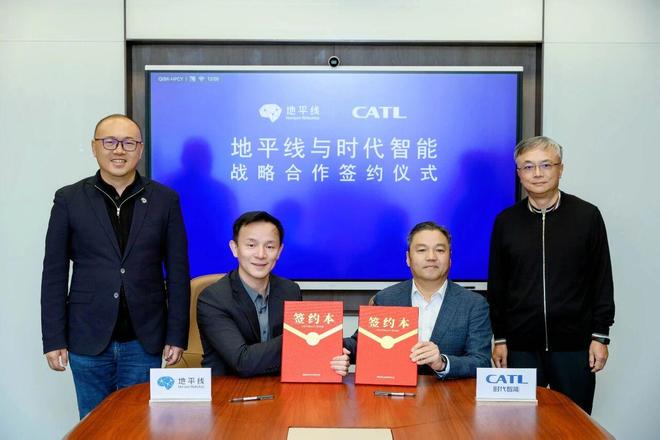
《中国经营报》记者采访了解到,朱威本科毕业于中国科学技术大学精密仪器专业,拥有耶鲁大学商学 院MBA学位,是宁德时代原执行总裁。原地平线总裁陈黎明转任副董事长聚焦公司重大战略决策,进 一步推进公司治理体系完善及重大战略落地。资料显示,朱威在宁德时代任职8年,负责公司乘用车以 及海外储能业务。加入宁德时代前,朱威曾任法雷奥中国区副总裁,负责汽车舒适及辅助驾驶业务。其 职业经历横跨智能驾驶和新能源,并在国内和国际业务上都有丰富的经验。 据介绍,根据协议,时代智能将提供其磐石底盘系列化产品与技术,地平线则将贡献其全场景辅助驾驶 产品以及解决方案等汽车智能化核心能力。双方通过软硬协同、跨域融合,共同探索从底层架构到顶层 应用的完整智能化体系,为海内外OEM客户提供更具竞争力与多样化的产品选择与服务支持。 时代智能是宁德时代旗下专注一体化智能底盘产品研发和技术服务子公司,核心产品为磐石底盘。磐石 底盘作为独立的智能移动载体,高度集成电池、电驱、热管理及底盘域控制器等关键技术,大幅度提升 了电池到底盘的成组效率、电池-电驱系统转换效率,同时通过与上车身解耦,可实现与上车身空间及 智能驾驶等模块的同步开发、并行迭代,高效助 ...

均瑶集团旗下三家企业质押比例达70% “造车”后遗症待解
Xin Lang Cai Jing· 2026-02-10 09:31
而与此同时,均瑶集团的流动性压力也直接在质押比例上有所体现。截至目前,均瑶集团对旗下吉祥航 空、爱建集团及均瑶健康的股权质押比例均已超过了其持股的70%,这一数据将这家横跨航空、金融、 消费的多元化集团推至资本市场聚光灯下。 三大核心平台质押全线告急 截至目前,均瑶集团对旗下三家上市公司的股权质押比例均突破关键阈值: 吉祥航空:根据1月14日公告,累计质押6.97亿股,占其持股比例的72.91%,占公司总股本的32.89%。 2026年1月31日,均瑶集团旗下的金融主体——爱建集团发布业绩预告,预计2025年实现归母净利 润-16.8亿元到-14亿元,陷入深度亏损。 均瑶集团的高比例质押,与其在新能源汽车领域的激进扩张密切相关。2022年5月,均瑶集团通过收购 云度汽车切入造车赛道,据估算累计投入或高达20亿-40亿元。然而,此后云度汽车在白热化的市场竞 争中逐渐掉队,陷入持续亏损的境地,2024年底均瑶集团被迫将持股比例从85.31%大幅降至15.56%, 前期投入近乎"打水漂"。 这场资本豪赌直接抽干了集团流动性储备,而集团内其他企业的表现也难挑大梁。财报显示,均瑶健康 2025年归母净利润预计亏损1.4 ...
蔚来李斌:争取2026年实现Non-GAAP口径全年盈利
Xin Lang Cai Jing· 2026-02-10 09:28
2月9日下午,蔚来内部召开了一场全员会,会上,蔚来创始人、董事长、CEO李斌表示,接下来要继续 坚决在技术和产品研发方面坚决进行投入,同时提高研发效率;持续布局充换电基础设施和销售服务网 络的建设;持续推行围绕用户价值创造的全员经营组织变革,争取在2026年实现Non-GAAP口径下全年 盈利。(第一财经) ...

崔东树:政策引导与市场驱动 预计2026年新能源乘用车将实现高质量发展
智通财经网· 2026-02-10 09:19
Core Insights - The 2026 vehicle replacement policy is a significant boost for the automotive market, promoting high-end development and enhancing fiscal efficiency through a shift from fixed subsidies to tiered subsidies based on vehicle value [1][3]. Group 1: Policy Impact - The new policy aims to stabilize large-scale consumption and release replacement potential, contributing to steady growth while promoting green and low-carbon initiatives [1][2]. - The average subsidy for passenger vehicle replacements is expected to decrease by approximately 30%, while the average subsidy for scrapping is projected to decline by about 20% [2][3]. - The transition to a tiered subsidy system is designed to improve fiscal efficiency, ensuring better allocation of funds and reducing waste from low-priced vehicles benefiting from subsidies [3][4]. Group 2: Market Trends - In 2025, over 11.5 million vehicles benefited from the replacement subsidy, with nearly 60% being new energy vehicles, indicating a strong market shift towards electrification [3]. - The commercial vehicle sector is expected to perform better in 2026 due to the continuity of favorable policies, while the passenger vehicle segment faces a decline in the number of new models [5][6]. - The number of new passenger vehicle models is decreasing from 92 in 2024 to 83 in 2026, reflecting a trend towards higher-end and larger vehicles [5][6]. Group 3: Product Development - New energy passenger vehicles are increasingly characterized by larger sizes and improved range, with a notable absence of small electric vehicles under 1090 kg in recent releases [8][10]. - The introduction of long-range electric vehicles, particularly those exceeding 700 km, is becoming more common, indicating a shift towards higher performance in the electric vehicle market [10][14]. - The energy density and efficiency of new energy vehicles are improving, with some models achieving a power consumption of around 10 kWh per 100 km [12][15]. Group 4: Tax and Subsidy Structure - The tax exemption directory for commercial vehicles shows growth in new models, particularly in trucks and buses, compared to the previous year [4][6]. - The structure of the subsidy system is evolving to favor higher-priced vehicles, ensuring that funds are allocated to more valuable replacements [3][4]. Group 5: Competitive Landscape - The competitive landscape is shifting as traditional fuel vehicles face increasing pressure from new energy vehicles, which are rapidly advancing in technology and market presence [1][3]. - The introduction of diverse new models in the narrow hybrid segment is establishing a solid foundation for future growth, with many new products featuring lower energy consumption [16].

因可能出现仪表及中控屏黑屏 蔚来召回24万余台纯电汽车
Huan Qiu Wang· 2026-02-10 09:10
据国家市场监督管理总局网站消息,日前,上海蔚来汽车有限公司根据《缺陷汽车产品召回管理条例》和《缺陷汽车产 品召回管理条例实施办法》的要求,受委托向国家市场监督管理总局备案了召回计划。 上海蔚来汽车有限公司将通过远程升级(OTA)技术,免费为召回范围内的车辆升级软件至Aspen 3.5.6、Alder 2.1.0或更高 版本,对于无法通过OTA技术升级的车辆,将通过蔚来服务中心联系相关用户实施召回,以消除安全隐患。因部分车辆 之前已升级优化后的软件,本次召回此部分车辆无需再次升级。 召回编号S2026M0017I:自即日起,召回2018年3月16日至2023年1月16日期间生产的ES8、ES6和EC6纯电动汽车,共计 246229辆。 本次召回范围内的部分车辆,由于软件问题,可能在特定条件下出现短时间的仪表及中控屏黑屏,期间无法为驾驶员提 供必要的车辆信息及功能(如车速信息、故障报警提示、除霜除雾功能等),存在安全隐患。 ...

湖南工程机械巨头、优衣库母公司、汇丰控股……80只股票创出历史新高
Mei Ri Jing Ji Xin Wen· 2026-02-10 09:06
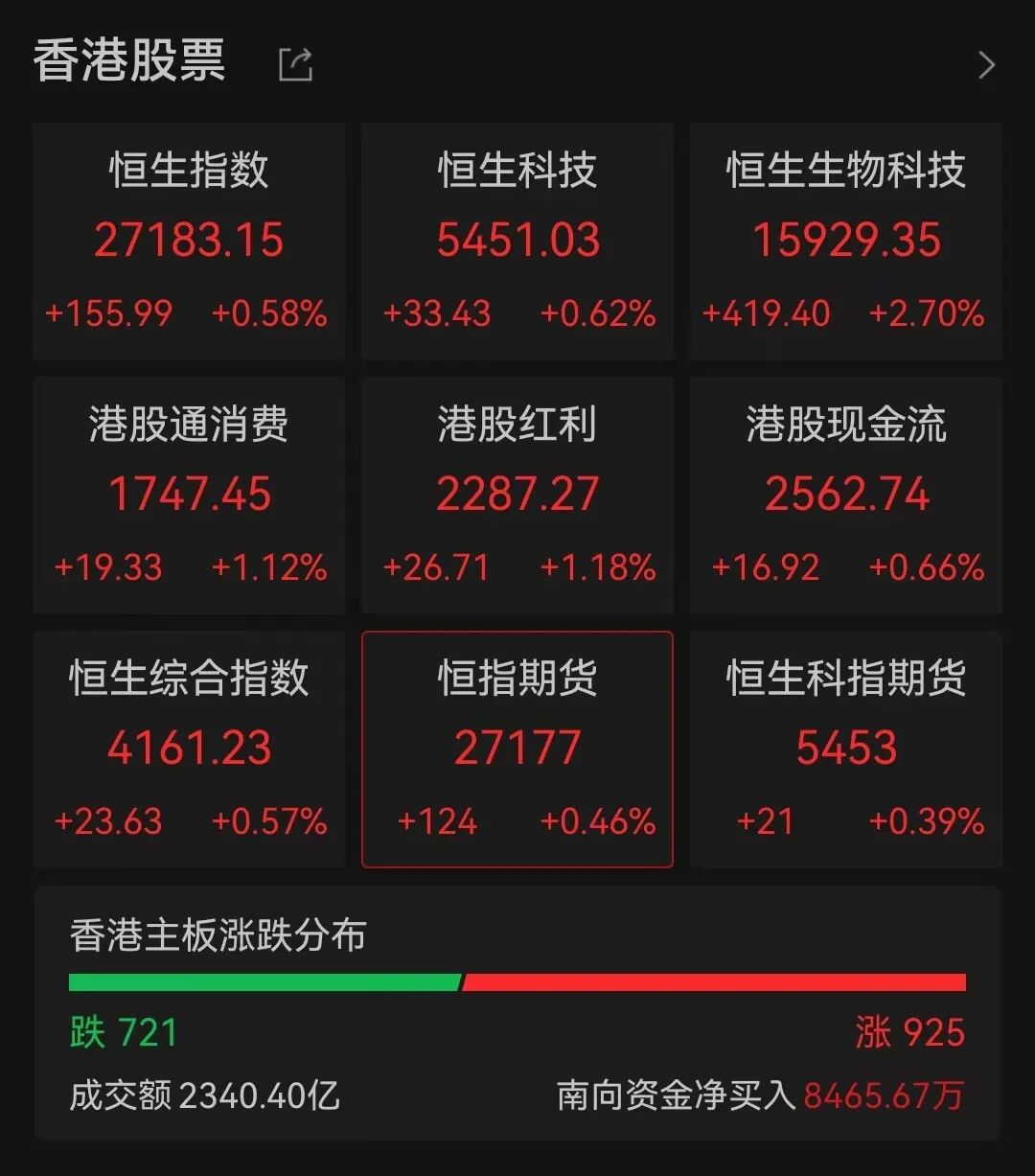
Market Performance - The Hang Seng Index closed up 0.58%, while the Hang Seng Tech Index rose by 0.62% [1] - Notable gainers in the Hang Seng Index included CSPC Pharmaceutical Group and Innovent Biologics, while New Oriental Education, Haidilao, and Longfor Group saw declines [2] - In the Hang Seng Tech Index, Horizon Robotics, SenseTime, and BYD were among the top gainers, whereas Meituan, Tongcheng Travel, and Alibaba Health experienced losses [2] Sector Highlights - The optical communication sector led the market, with Longi Green Energy rising by 8.8%, Dongfang Electric increasing over 7%, and Weichai Power up by 3.69% [2] - The biopharmaceutical sector also showed strength, with WuXi AppTec rising over 4%, Rongchang Bio up by 3.64%, and Kailai Ying increasing by 3.5% [2] - Notable stock performances included Zhiyuan Technology surging by 14.81% and Reading Group increasing by 15.41% [2] Historical Highs - A total of 80 stocks in the Hong Kong market reached historical highs, including major companies like Zoomlion Heavy Industry, HSBC Holdings, Fast Retailing, and Yanzhou Coal Mining [4] - Specific stocks that hit historical highs included Dah Sing Banking Group, United Group, CLP Holdings, and HSBC Holdings, among others [5][6] Company Developments - Li Auto's stock rose by 1.18%, with a market capitalization of HKD 147 billion. The company confirmed the implementation of a "store partner" plan to enhance operational efficiency and market responsiveness [6] - The plan will empower store managers with greater decision-making authority and shift the evaluation criteria from solely sales to a comprehensive assessment including sales, profits, and customer satisfaction [6] New Listings - AI perception and edge computing chip company Aixin Yuan Zhi Semiconductor officially listed on the Hong Kong Stock Exchange with a market capitalization of HKD 16.7 billion, becoming the first edge computing AI chip company to go public in Hong Kong [11] Regulatory Changes - The Hong Kong government plans to raise the statutory minimum wage from HKD 42.1 to HKD 43.1 per hour, an increase of HKD 1.0 or 2.38%, with the new wage expected to take effect on May 1, 2026, pending legislative approval [11] Market Outlook - Analysts from Galaxy Securities noted a clear "Spring Festival effect" in the Hong Kong market, with optimistic sentiment and early capital positioning. Following recent corrections, the valuation attractiveness of Hong Kong stocks has increased, with expectations of a volatile upward trend around the Spring Festival [12] - Bank of China International indicated that after a series of negative factors have been addressed, market sentiment is at a low point, and the upcoming "Spring Festival" could catalyze a rebound in the AI multi-modal industry chain [12]

新款阿维塔12内饰官图发布:新增车内紧急解锁手柄
Feng Huang Wang· 2026-02-10 08:41
纯电动版本有两种布局,一种为后置双电机后驱,驱动电机峰值功率均为251千瓦;此外还提供三电机 版,在后置双电机基础上增加了一台210千瓦的前置电机,系统最大功率712千瓦(969马力)。 值得一提的是,门板扶手区域优化了应急拉手并新增车窗开关按键,更为醒目,可在极端情况下从车内 解锁车门,同时下方新增开放式门板储物区,后排则增加AVATR MAG连接点。 车身尺寸方面,新车长宽高分别为5020/1999/1470(1460)mm,轴距为3020mm,定位中大型轿车。动力 部分,参考申报信息可知,新车提供三种方案,增程版采用1.5T增程器+后置双电机,其中发动机最大 功率115千瓦,单个电机峰值功率均为200千瓦,匹配52.01kWh的磷酸铁锂蓄电池组,WLTC工况下续航 里程为261公里。 凤凰网科技讯2月10日,官方公布了新阿维塔12的内饰图。从官图看,新车依旧延续了现款的设计方 案,整体呈现环抱式,采用红黑撞色,车顶采用天鹅绒材质进行包裹,营造豪华氛围。同时在诸多细节 方面进行升级,方向盘增加一键语音和Boost一键加速物理按键,DMS疲劳驾驶预警系统也得到优化。 ...

【新能源周报】新能源汽车行业信息周报(2026年2月2日-2月8日)
乘联分会· 2026-02-10 08:37
Industry Information - Beijing Economic and Technological Development Zone implements intelligent connected vehicle initiatives to enhance AI's role in data-driven technology [2] - Shenzhen releases a three-year consumption action plan focusing on green electricity consumption and charging infrastructure [2] - The largest high-speed supercharging station in China is operational in Hangzhou [2] - NIO achieves a milestone of 100 million battery swaps, with a network covering 8,627 stations nationwide [39] - CATL signs a comprehensive strategic agreement with Yunnan to promote green energy and transportation [10] Policy Information - The 2026 Central Document No. 1 emphasizes expanding rural consumption and supporting the adoption of new energy vehicles [26] - The Ministry of Transport plans to build over 10,000 charging guns in national highway service areas by 2026 [14] - The 2026 action plan for Beijing's traffic governance includes increasing the coverage of charging facilities [25] - Canada plans to abolish mandatory electric vehicle regulations and reintroduce consumer subsidies for electric vehicles [12] Company Information - BYD launches a new brand "Linghui" focused on the mobility market, aiming to provide affordable and advanced electric vehicles [33] - Xpeng Motors announces the launch of its AIOS 6.0 OTA update, featuring the industry's first proactive service cockpit [35] - Li Auto is set to open its 4,000th supercharging station, enhancing its charging network [39] - Xiaomi Motors updates its city driving assistance feature, lowering the mileage threshold for users [37] - NIO collaborates with a local company to enhance battery swapping services during the Spring Festival [39]


23亿天价索赔43天闪电和解:吉利亮剑 欣旺达买单?
Xin Lang Cai Jing· 2026-02-10 08:32
来源:新浪财经 2月6日,国内动力电池供应商欣旺达发布公告,宣布其子公司欣旺达动力与吉利子公司威睿电动汽车技 术公司达成和解,后者将在协议生效后撤回起诉。这场始于2025年12月、索赔金额高达23.14亿元的电 池纠纷,在不到两个月的时间里迅速落幕。 这场纠纷的核心在于欣旺达向吉利供应的一批电池电芯。2025年12月,吉利旗下威睿公司向浙江省宁波 市中级人民法院提起诉讼,指控欣旺达动力在2021年6月至2023年12月期间交付的电芯存在质量问题, 造成重大损失。 威睿公司提出的索赔金额高达23.14亿元,这一数字接近欣旺达2023年与2024年两年净利润之和。 诉讼背景源于吉利高端新能源品牌极氪001车型出现的问题。自2024年上半年开始,大量极氪001 WE86 车主反馈车辆存在充电速度变慢、电池容量衰减异常等问题。 2024年12月,极氪汽车发布通知,针对存在电池健康度异常的极氪001 WE86车辆,启动专项检测并为 符合条件的用户免费更换全新电池包。 此外,其港股上市进程虽因和解得以推进,但估值可能会因质量问题受到影响,融资规模或不及预期。 根据和解协议,欣旺达动力将分5年支付应承担的费用:2026年支 ...
