石油

Search documents
Iran says oil will reach $200 a barrel, warns of 'continuous strikes'
Reuters· 2026-03-11 12:12
Core Viewpoint - Iran is shifting its strategy from "reciprocal hits" to continuous strikes against adversaries, indicating a more aggressive military posture that could impact regional stability and oil markets [1] Group 1: Military Strategy - Iran's new approach involves ongoing attacks rather than responding in kind, suggesting a significant escalation in military operations [1] - The spokesperson for Tehran's Khatam al-Anbiya stated that this change will affect how Iran engages with its adversaries [1] Group 2: Oil Market Implications - The U.S. is expected to lose control over oil prices as a result of Iran's continuous strikes, which could lead to increased volatility in global oil markets [1] - The shift in Iran's military strategy may disrupt oil supply chains, further complicating the energy landscape [1]

史上最大规模,最高4亿桶石油储备释放计划来了
财联社· 2026-03-11 11:48
Group 1 - The International Energy Agency (IEA) proposed a plan to release up to 400 million barrels of oil reserves, which is double the 182 million barrels released in 2022 [1] - The IEA's recommendation aims to address rising oil prices and supply concerns due to disruptions in global oil transport, particularly following military actions involving the U.S. and Israel against Iran [2] - Japan and Germany have confirmed plans to release their national oil reserves, with Japan planning to release reserves as early as the 16th and Germany confirming a release of 2.4 million tons [2] Group 2 - The IEA has previously coordinated similar actions during five major events, including the Gulf War in 1991 and the Ukraine conflict in 2022 [2] - Analysts express skepticism about the ability of consuming countries to quickly mobilize their reserves to fill the significant supply gap, with estimates of daily oil supply losses ranging from 11 million to 16 million barrels due to shipping disruptions [3] - The U.S. Strategic Petroleum Reserve (SPR) has a maximum release capacity of 4.4 million barrels per day, but it takes approximately 13 days for oil to reach the market after a decision to release is made [3]
多国考虑动用石油储备,油价直线跳水
21世纪经济报道· 2026-03-11 11:43
Group 1 - International oil prices experienced significant fluctuations on March 11, with WTI crude oil initially surging over 6% before sharply declining, ultimately closing with a gain of 2.41% [1] - The Japanese government plans to release national oil reserves as early as March 16 in response to escalating tensions in Iran [3] - The ongoing Middle East situation has led to a sustained increase in international oil prices, prompting discussions among various countries and international organizations on how to prepare for potential supply disruptions [4] Group 2 - The International Energy Agency (IEA) proposed the release of the largest amount of oil reserves in history to address current supply tightness, with reports suggesting a coordinated release of 300 to 400 million barrels, representing 25% to 30% of IEA member countries' reserves [4] - The G7 energy ministers held a meeting to discuss the global oil and gas market situation, although no decision was made regarding the release of oil reserves at that time [4] - European countries have announced measures to stabilize fuel markets, including Hungary's decision to utilize national oil reserves and implement price caps on retail gasoline and diesel [5]

每日核心期货品种分析-20260311
Guan Tong Qi Huo· 2026-03-11 11:13
Report Industry Investment Rating - Not provided in the content Core Viewpoints - As of March 11, 2026, domestic futures main contracts showed mixed results. Caustic soda and Containership Freight Index for Europe routes rose over 7%, while SC crude oil dropped over 9% [5]. - The overall market is affected by various factors such as geopolitical conflicts in the Middle East, supply - demand relationships, and policy changes. Different futures varieties have their own specific supply - demand situations and price trends [8][10][11] Summary by Category Futures Market Overview - As of the close on March 11, domestic futures main contracts had mixed performance. Caustic soda and Containership Freight Index for Europe routes increased by over 7%, bottle chips by over 6%, and PVC, butadiene rubber, and p - xylene by over 5%. On the downside, SC crude oil decreased by over 9%, lithium carbonate by over 5%, and fuel oil by over 4% [5]. - In terms of stock index futures, the main contract of CSI 300 Index Futures (IF) rose 0.47%, the main contract of SSE 50 Index Futures (IH) rose 0.05%, the main contract of CSI 500 Index Futures (IC) fell 0.30%, and the main contract of CSI 1000 Index Futures (IM) rose 0.06%. For treasury bond futures, the main contracts of 2 - year (TS), 5 - year (TF), 10 - year (T), and 30 - year (TL) all declined [6]. - As of 15:21 on March 11, in terms of capital flow, PTA2605, soybean meal 2605, and crude oil 2604 had capital inflows of 1.251 billion, 867 million, and 824 million respectively. Meanwhile, CSI 2603, CSI 1000 2603, and CSI 300 2603 had capital outflows of 4.126 billion, 2.55 billion, and 2.141 billion respectively [6]. Individual Futures Analysis Copper (Shanghai Copper) - Shanghai copper opened high and closed flat. The threat of a strike at Glencore's Australian copper smelter and supply - side factors such as increased production in March due to the resumption of production of previously - overhauled enterprises and new production capacity are considered. The demand from downstream industries is increasing after the holiday, but the inventory is still in the accumulation stage, with a slower accumulation rate. The impact of the Middle East geopolitical conflict and the strength of the US dollar limit the price fluctuation range [8]. Lithium Carbonate - Lithium carbonate opened high and fell, with a decline of over 5%. The average price of battery - grade and industrial - grade lithium carbonate increased slightly. The domestic production schedule in March 2026 increased by 29.4% month - on - month. There is a high probability of the resumption of domestic lithium mines, which is a potential negative factor. The inventory is being depleted, but the rate of depletion has narrowed. The downstream inventory has started to accumulate, indicating high downstream stocking enthusiasm. The fundamentals of lithium carbonate are weakening, and the price has limited downside space [10]. Crude Oil - OPEC+ agreed to increase oil production by 206,000 barrels per day in April, and the further production increase plan is yet to be determined. The EIA data shows that the US crude oil inventory has increased more than expected. The geopolitical conflict in the Middle East, especially the situation in Iran, has a significant impact on the oil market. The price of overseas crude oil has fluctuated greatly, and the IEA has proposed to release a large - scale strategic oil reserve. It is recommended to closely monitor the situation in the Middle East and the export of Middle Eastern crude oil [11][12]. Asphalt - The asphalt supply side shows that the operating rate increased by 1.9 percentage points last week, and the expected production in March 2026 increased by 13.0% month - on - month. The downstream industries' operating rates mostly increased after the Spring Festival. The inventory of asphalt refineries is at a relatively low level in recent years. The supply of raw materials may be affected by the situation in Venezuela and Iran. The price of asphalt is expected to fluctuate with the crude oil price, and it is necessary to pay attention to the shortage of raw materials for domestic refineries [13][15]. PP (Polypropylene) - The downstream operating rate of PP increased by 9.13 percentage points as of the week of March 6. The enterprise operating rate decreased to about 77.5% due to new maintenance devices. The petrochemical inventory is at a neutral level. The geopolitical conflict in the Middle East has boosted the price of PP through the increase in crude oil price. The supply - demand pattern of PP has improved, and it is expected to fluctuate strongly. Attention should be paid to the resumption of downstream production and the situation in the Middle East [16]. Plastic - The plastic operating rate is maintained at about 89%. The downstream operating rate of PE increased by 10.4 percentage points as of the week of March 6. The petrochemical inventory is at a neutral level. The price of crude oil has fluctuated due to the Middle East situation. New production capacity has been put into operation. The supply - demand pattern of plastic has improved, but the downstream has a resistance to high prices. If the Strait of Hormuz cannot resume navigation, the plastic price is likely to rise [17][18]. PVC (Polyvinyl Chloride) - The price of calcium carbide in the upstream northwest region increased by 100 yuan/ton. The PVC operating rate decreased slightly but is still at a relatively high level. The downstream operating rate increased significantly after the Spring Festival. The export inquiry has improved. The social inventory is relatively high, and the real - estate market is still in the adjustment stage. With the influence of policies and the tight supply of upstream raw materials, if the Strait of Hormuz cannot resume navigation, the PVC price is likely to rise [19]. Coking Coal - Coking coal opened low and then turned positive in the afternoon. The domestic mines are gradually resuming production, and the inventory of coking coal mines has increased. The steel mills and independent coking enterprises are reducing their inventories. The demand from steel mills is low, and there is a possibility of a second round of price cuts for coke. After the digestion of the war - related sentiment, there is an expectation of a return to the fundamental adjustment [21]. Urea - Urea opened low and closed high. The factory still maintains the maximum guiding price, and the spot price is mainly stable. The national reserve is being released, and the market supply is relatively sufficient. The downstream demand is strong during the agricultural season, and the international market has stimulated domestic demand. The upstream factory inventory has decreased significantly. The nitrogen association meeting proposed to ensure supply and stabilize prices. Attention should be paid to the export policy after the peak season and the downstream agricultural demand [22].
高市早苗:日本计划释放国家石油储备
第一财经· 2026-03-11 11:08
Core Viewpoint - The Japanese government plans to release national oil reserves as early as the 16th of this month due to escalating tensions in Iran [1] Group 1 - Japanese Prime Minister Sanae Takaichi announced the decision to release oil reserves in response to the increasing tensions in Iran [1]

芳烃日报:中东局势反复,剧烈波动-20260311
Guan Tong Qi Huo· 2026-03-11 11:02
Report Summary Report Industry Investment Rating No information provided. Core Viewpoints The report analyzes the aromatics market, highlighting the impact of the volatile Middle - East situation on the market. It details the production and utilization rates of benzene - related products and presents various macro - level news that may affect the oil and aromatics market. Attention should be paid to the US - Iran situation and crude oil trends due to increased short - term volatility in crude oil and policy adjustments by the exchange [1][2][4]. Summary by Directory Fundamental Analysis - As of the week of March 5, 2026, China's styrene factory production was 371,700 tons, a 0.19% (0.07 - ton) decrease from the previous week, with a capacity utilization rate of 74.11%, down 0.13% week - on - week. The slight production decline was due to minor load adjustments in individual plants in Northeast, East, and South China [1]. - For downstream products: EPS capacity utilization was 57.98%, up 45.81% week - on - week; PS capacity utilization was 51.5%, up 2.5% week - on - week; ABS capacity utilization was 69.5%, down 1.2% week - on - week; UPR capacity utilization was 35%, up 20% week - on - week; and butadiene - styrene rubber production was 77.41%, down 2.84% week - on - week [1]. Macroeconomic Analysis - Diplomatic efforts aim to ensure stable energy supply. Saudi Arabia, UAE, Iraq, and Kuwait may cut production by up to 6.7 million barrels per day [2]. - Iran is still shipping large amounts of oil through the Strait of Hormuz. Trump expects short - term oil price drops after the Iranian nuclear threat is eliminated and will lift some oil - related sanctions to reduce prices. Putin warns of possible halt of Hormuz - related oil production next month but says high commodity prices are temporary [2]. - The EU will hold a meeting on Middle - East situation, and the G7 finance ministers agree not to release oil reserves for now but are ready to do so if necessary [3]. Futures and Spot Market Analysis Due to the volatile Middle - East situation and increased short - term crude oil fluctuations, the exchange has raised margin ratios and price limits for styrene and pure benzene. Attention should be paid to the US - Iran situation and crude oil trends [4].
美股上演教科书级 V 型反转,这轮 Taco 行情藏着哪些超额 Alpha?
RockFlow Universe· 2026-03-11 10:41
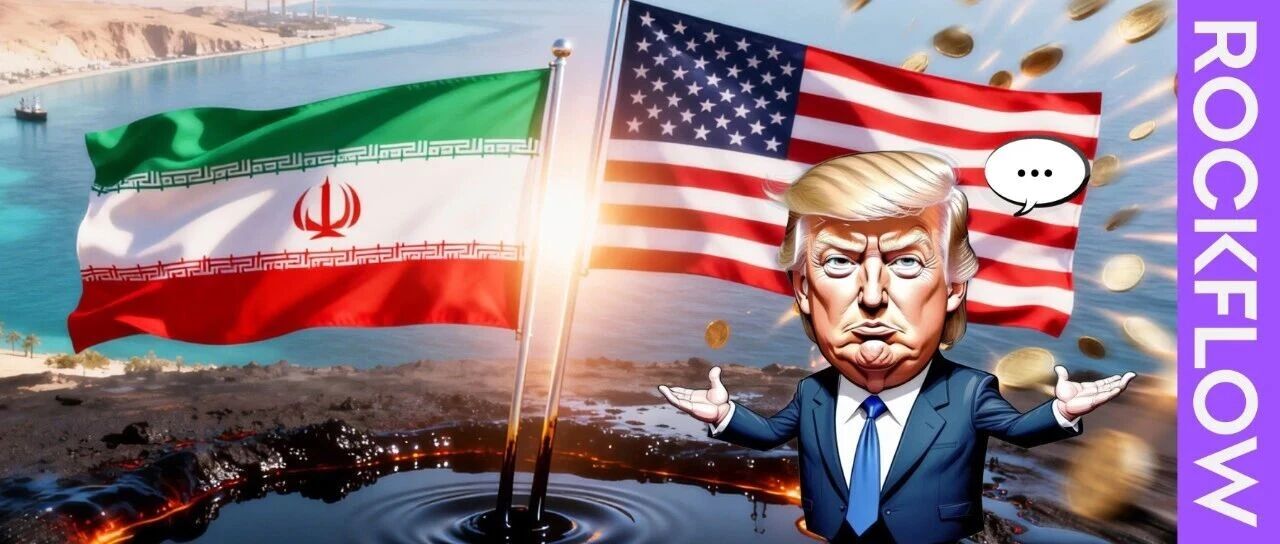
Core Insights - The traditional energy crisis has shifted from "physical scarcity" to "expectation management," with the half-life of premiums triggered by events like the blockade of the Strait of Hormuz reducing to 12 hours by 2026 [3][5] - Trump's "peace narrative" serves as a substitute for interest rate cuts, injecting certainty into liquidity and causing rapid capital shifts from oil and gold to long-duration assets, reflecting extreme anxiety over "missing the reversal" [3][5] - The RockFlow research team believes that the market in 2026 will focus not on the events themselves but on the "reaction functions" of decision-makers, suggesting investors should overweight high-quality growth stocks and use energy hedges to capture pricing discrepancies arising from panic [3][5] Group 1: Market Dynamics - The market's response to the blockade of the Strait of Hormuz, which typically would indicate a prolonged energy crisis, showed that the war premium collapsed in less than 12 hours [9][10] - The G7's coordinated response to potential oil price spikes signals a zero tolerance for high oil prices, establishing a "political ceiling" for oil prices in the $90-95 range [11][13] - The market's volatility reflects a lack of confidence in long-term holdings, characterized by high-frequency and emotional trading, with funds rapidly shifting between assets based on fear and anxiety [16][19] Group 2: Sector Analysis - Energy giants like ExxonMobil (XOM) and Chevron (CVX) have transitioned from being viewed as speculative assets to reliable dividend-paying stocks, as long as oil prices remain in a healthy range of $70-80 [19] - High-duration technology and SaaS sectors have seen a resurgence, as the decline in oil prices helps stabilize inflation expectations, allowing for a recovery in valuations of previously pressured stocks [20] - The market's core resilience in 2026 is expected to come from high-quality growth stocks that were previously undervalued due to high interest rate expectations [20][25] Group 3: Investment Strategy - Investors are advised to embrace "certainty" and "flexibility" in the face of market volatility, focusing on high-quality AI infrastructure and SaaS sectors while using the energy sector as a hedge [21][25] - The market's reaction to geopolitical events will increasingly depend on the narratives constructed by political leaders, necessitating a shift in investment strategies to account for these influences [23][24]
中国海洋石油:升目标价至31港元,上调评级至“增持”-20260311
摩根大通· 2026-03-11 09:45
Investment Rating - The report upgrades the investment rating of China National Offshore Oil Corporation (CNOOC) from "Neutral" to "Overweight" [1] - The target price for CNOOC's stock is raised from HKD 23 to HKD 31 [1] - The target price for CNOOC's A-shares is increased from RMB 30 to RMB 47, with the rating also upgraded from "Neutral" to "Overweight" [1] Core Insights - If oil prices remain above USD 80 per barrel in the long term, major oil companies will experience significant upside potential [1] - The escalation of conflicts in the Middle East may lead to short-term oil prices exceeding USD 100 per barrel [1] - CNOOC is particularly sensitive to oil price movements due to its structure, with 70% of its production being oil [1] Financial Projections - Earnings per share (EPS) estimates for CNOOC for 2026 and 2027 have been raised by 41% and 19% respectively to reflect higher oil price forecasts [1]

大类资产配置全球跟踪2026年3月第2期:资产概览:原油周度涨幅达30%,年内破50%-20260311
GUOTAI HAITONG SECURITIES· 2026-03-11 09:36
Group 1 - The report highlights that during the period from February 27 to March 6, geopolitical tensions in the Middle East led to a significant increase in oil prices, with a weekly rise of approximately 30% and a year-to-date increase exceeding 50% [1][8] - The report indicates that the performance of commodities, particularly oil, has outperformed other asset classes, driven by supply disruption risks due to geopolitical conflicts [8][22] - The report notes that the correlation between A-shares and commodities has marginally decreased, while the correlation between US and Japanese stocks has slightly increased [12][15] Group 2 - The report states that developed markets experienced smaller declines compared to emerging markets, with North American indices faring better than Asian ones during the same period [22][24] - It mentions that the MSCI Global Index fell by 3.7%, with the smallest decline observed in the Russian RTS index and the largest in the South Korean Composite Index, which dropped by 10.6% [22][24] - The report details that the A-share indices, including the CSI 500 and CSI 1000, saw more pronounced declines compared to the broader market, reflecting a challenging environment for small-cap stocks [22][28] Group 3 - The report describes the Chinese bond market as exhibiting a "bull steepening" trend, with a general decline in yield curves and a widening of the 10Y-2Y yield spread [35][36] - It highlights that the US bond market is characterized by a "bear steepening" trend, with increases in short-term yields and a widening of the 10Y-3M yield spread [35][36] - The report indicates that the probability of the Federal Reserve cutting interest rates has shifted, with expectations now pointing to potential cuts in July and October [35][46] Group 4 - The report emphasizes that commodity prices, particularly oil, have continued to rise, with the South China and CRB commodity indices showing significant increases [57][59] - It notes that among 13 major commodities, 7 recorded price increases, with WTI and Brent crude oil leading the gains [57][59] - The report also mentions a decline in inventories for gold and silver, contrasting with the previous trends observed over the past three years [57][60]
甲骨文盘前大涨10%,原油拉升4%,美股期指全线下跌,欧股开盘走低
21世纪经济报道· 2026-03-11 09:26
Market Overview - Major European stock indices opened lower, with the Euro Stoxx 50 down by 0.89%, FTSE 100 down by 0.69%, CAC 40 down by 0.75%, MIB down by 0.57%, and DAX down by 1.20% [1][2] - U.S. stock futures also declined, with Dow Jones futures down by 0.26%, Nasdaq futures down by 0.14%, and S&P 500 futures down by 0.14% [2] Chip Sector Performance - The chip storage sector saw pre-market gains, with SanDisk, Micron Technology, Western Digital, and Seagate Technology all rising over 1% [3] - TSMC's pre-market shares increased by over 1.5%, reporting a February sales figure of 317.66 billion TWD (approximately 70.17 billion RMB), a year-on-year increase of 22.2%, marking a record high for the same period [3] Gold and Oil Market Movements - Gold stocks in the U.S. experienced a decline, with Harmony Gold down over 6% and other mining companies also falling [3] - International oil prices saw a short-term surge, with Brent crude futures increasing by 4% to $91.33 per barrel and WTI crude rising by 4.52% to $85.81 per barrel [5][6] Geopolitical Developments - A cargo ship was reportedly hit by an unidentified projectile in the Strait of Hormuz, leading to a fire on the vessel [7] - The Trump administration has requested Israel to halt attacks on Iranian energy facilities, particularly oil infrastructure, indicating a shift in U.S. policy towards Iran [7]