
出行

Search documents
流程做“减法”、效率做“加法” “小伤快赔”守护新业态劳动者健康防线
Yang Shi Wang· 2025-12-03 03:29
Core Points - Beijing has launched a "Quick Compensation for Minor Injuries" model aimed at gig economy workers such as delivery personnel and ride-hailing drivers, allowing for online reimbursement of minor medical expenses, significantly reducing claim processing time [1][3][5] Group 1: Implementation of the Model - The "Quick Compensation" model is designed for minor injuries that occur during work, specifically those that do not require hospitalization and have clear documentation, benefiting over 1.57 million gig workers across 21 companies in the delivery and transportation sectors [3][5] - The model simplifies the claims process by reducing the required documentation from 10 items to 5, allowing for full online submission, thus enhancing convenience for workers [5][7] Group 2: Operational Efficiency - The model focuses on three key review elements: amount, medication list, and treatment area, streamlining the materials required for claims [7][8] - The frequency of compensation payments for minor injuries has been optimized from three times a month to once daily, improving the efficiency of benefit disbursement [9]

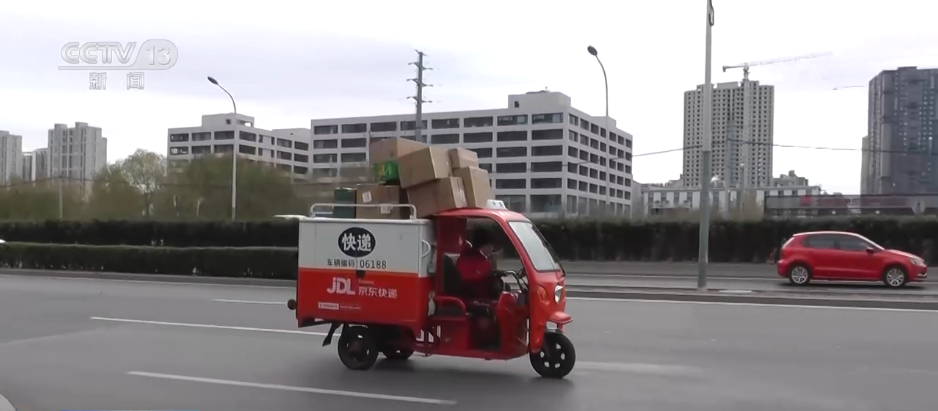
面向外卖员、网约车司机等 北京全面推行“小伤快赔”
Yang Shi Wang· 2025-12-02 23:14
Core Points - Beijing has launched a "Quick Compensation for Minor Injuries" model aimed at gig economy workers such as delivery personnel and ride-hailing drivers, allowing for online reimbursement of minor medical expenses, significantly reducing claim processing time [1][3][10] Group 1: Implementation Details - The "Quick Compensation" model covers three industries: transportation, instant delivery, and local freight, benefiting over 1.57 million gig workers in Beijing [3] - "Minor injuries" are defined as those that do not require hospitalization, are clear-cut, and have no disputes regarding responsibility, allowing for expedited processing [3][5] - The model simplifies the claims process by reducing the required documentation from 10 items to 5, all of which can be submitted online, enhancing convenience for workers [6][8] Group 2: Operational Efficiency - The claims process includes six steps: reporting, medical treatment, and application, with the material submission phase being notably complex and time-consuming [6] - The new model focuses on three core review elements: amount, medication list, and treatment area, streamlining the material requirements and allowing for electronic submissions [8] - The frequency of compensation payments for minor injuries has been optimized from three times a month to once daily, improving the efficiency of benefit disbursement [10]

北京推动实施职业伤害保障制度 已覆盖21家平台企业,累计参保157万人
Ren Min Ri Bao· 2025-12-02 23:02
Core Insights - Beijing has implemented a work injury protection system since July 2022, covering high-risk industries such as transportation, food delivery, and local freight, with 21 platform companies participating and 1.57 million insured individuals [1] Group 1: Work Injury Protection System - The work injury protection system is designed to accommodate the characteristics of new employment forms, including flexibility and high mobility, using a pay-per-order insurance model funded by platform companies [1] - Workers injured during work can have their medical and rehabilitation expenses covered by the work injury insurance fund, and families of workers who die from work-related injuries receive compensation equivalent to work injury insurance benefits [1] Group 2: Impact and Statistics - Over the past three years, the city has confirmed 11,800 cases of work-related injuries and has provided relevant benefits to more than 7,700 workers [1] - The system employs a floating rate based on the accident rate of platform companies, encouraging them to prioritize work injury prevention through safety training and improved safety measures [1]
北京推动实施职业伤害保障制度
Ren Min Ri Bao· 2025-12-02 22:33
Group 1 - The core viewpoint of the article highlights the implementation of a professional injury insurance system in Beijing since July 2022, aimed at high-risk industries such as transportation, food delivery, and local freight [1] - The system has covered 21 platform enterprises and insured a total of 1.57 million individuals, adapting to the characteristics of new employment forms that are flexible and highly mobile [1] - The insurance model is based on a pay-per-order system, with platform companies bearing the costs, ensuring that workers injured during work can have their medical and rehabilitation expenses covered by the work injury insurance fund [1] Group 2 - Over the past three years, the city has confirmed a total of 11,800 cases of occupational injuries, with over 7,700 workers receiving related benefits [1] - The professional injury insurance system employs a floating rate based on the accident rate of platform companies, encouraging them to prioritize injury prevention through safety training and improved safety measures [1] - The initiative aims to reduce the incidence of accidents at the source by optimizing order mechanisms and enhancing safety protocols [1]
落实党的二十届四中全会部署 以服务业数智化促服务消费扩容升级
Jin Rong Shi Bao· 2025-12-01 03:31
Core Viewpoint - The 20th Central Committee of the Communist Party of China emphasizes the importance of "digital intelligence" and "consumption" in the 14th Five-Year Plan, aiming to drive high-quality development in service consumption through the digitalization of the service industry [1][2]. Group 1: Strategic Significance of Service Industry Digitalization - Service industry digitalization is a crucial approach to align with technological revolution trends and cultivate new productive forces, with a focus on integrating AI, big data, and cloud computing [2]. - It meets the growing demand for high-quality, personalized services as consumer preferences shift towards more diverse and enjoyable experiences [3]. - Digitalization supports the construction of a new development pattern and enhances the reliability of domestic circulation, which is vital for China's modernization [4]. Group 2: Challenges and Solutions in Service Consumption - The service industry faces a "low-level equilibrium trap," where there is a mismatch between high demand and insufficient quality supply, particularly in sectors like elderly care and childcare [5]. - Digitalization can optimize service supply and expand coverage, breaking the deadlock between supply and demand [5]. Group 3: Achievements in the 14th Five-Year Plan - Significant advancements in digital infrastructure have been made, with over 459.8 thousand 5G base stations established, enhancing network quality and user experience [6][7]. - The platform economy has thrived, with online retail in service consumption projected to reach approximately 2.44 trillion yuan in 2024, accounting for 15.7% of total online retail [8]. - New consumption scenarios have emerged, integrating online and offline experiences, and enhancing consumer engagement through immersive technologies [9]. Group 4: Directions and Paths for the 15th Five-Year Plan - The focus will be on deepening the integration of technology and service consumption, emphasizing the need for personalized and immersive service experiences [14][16]. - Key measures include breaking institutional barriers to stimulate service supply and fostering a regulatory framework that adapts to new business models [15]. - The plan aims to enhance the quality of service consumption by promoting the integration of modern services with advanced manufacturing and agriculture [16]. Group 5: Policy Environment and Safety Measures - The government aims to optimize fiscal and financial policies to support public services and enhance consumer confidence [17]. - Data security and privacy protection will be prioritized to ensure the safe operation of digitalized services [17]. - There will be an emphasis on improving digital literacy and talent cultivation to support the growth of new service consumption models [17].
多家大厂驰援香港;阿里、美团、滴滴披露三季度财报|一周未来商业
Mei Ri Jing Ji Xin Wen· 2025-11-30 23:19
E-commerce and New Retail - Alibaba Group donated 20 million HKD following a fire in Hong Kong, while ByteDance and Didi contributed 10 million HKD each. Pinduoduo also donated 10 million HKD and launched a public welfare section for firefighting supplies [1] - Alibaba's Q2 revenue for FY2026 reached 247.8 billion CNY, a 5% year-on-year increase, with cloud revenue growing 34% and AI-related products seeing triple-digit growth for nine consecutive quarters [2] - JD Industrial has received approval for an IPO on the Hong Kong Stock Exchange, with projected revenues of 14.135 billion CNY in 2022, increasing to 20.4 billion CNY in 2024 [3] Logistics and Supply Chain - Jitu Express launched its first industrial-grade automated sorting system in Thailand, improving sorting efficiency by over 100% and achieving a sorting accuracy of over 99% [4] Life Services - Meituan reported a Q3 loss of 14.1 billion CNY in its core local business segment due to irrational competition in the food delivery industry, with expectations of continued losses in Q4 [5][6] - Didi's Q3 order volume reached 4.685 billion, a 13.8% year-on-year increase, with a net profit of 1.5 billion CNY [7] - Taobao Flash Sale announced the cancellation of late fee deductions, expanding to 60 cities, aiming to enhance rider protection and user experience [8] Innovation and Investment - Ruiyun Cold Chain completed nearly 100 million CNY in A+ round financing, focusing on digital capabilities and international expansion [9] - Soul App submitted a listing application to the Hong Kong Stock Exchange, reporting a revenue CAGR of over 15% from 2022 to 2024 and achieving stable profitability since 2023 [10][11]


中国公司全球化周报|滴滴国际业务已覆盖拉美、亚太、非洲的14个国家和地区/菜鸟中非跨境小包专线覆盖非洲8国
3 6 Ke· 2025-11-30 17:28
Key Points - 36Kr will cover the global stories of Chinese brands at CES 2026, following their previous coverage at IFA and GITEX GLOBAL in 2025 [2] - Didi's international business has expanded to 14 countries and regions across Latin America, Asia-Pacific, and Africa, with a 13.8% year-on-year increase in core platform order volume [3] - WeRide and Uber have launched L4 level fully autonomous Robotaxi commercial operations in Abu Dhabi, marking the first such operation in the Middle East [4] - Cainiao has launched a cross-border small package service covering eight African countries, with plans to expand to South Africa and Egypt by the end of December [4] - Temu has partnered with Royal Mail to enhance its local fulfillment system in the UK, adding over 24,000 parcel drop-off points [4] - JD FinTech has partnered with Banking Circle to provide cross-border financial services for global enterprises, facilitating multi-currency accounts and payment solutions [5] - J&T Express has implemented an AI sorting system in Thailand, doubling efficiency and achieving over 99% accuracy [5] - Dianping has expanded its services to over 1,000 cities worldwide, focusing on destinations popular among Chinese tourists [6] - The tea brand Jasmine Milk Tea has opened two stores in Jakarta, Indonesia, and four stores in the US, expanding its global presence [7] - Leapmotor has officially entered the South American market with launches in Brazil and Chile, planning to establish 36 outlets in Brazil by 2025 [7] - Aito has launched its Aito 11 model in Brazil, collaborating with CAOA Group for market entry and sales support [7] - EVE Energy has signed a three-year memorandum for a 1.48GWh energy storage project in Northern Europe, with the first batch of orders to be shipped in December [8] - Tencent's Hunyuan 3D engine has launched an international version, allowing global users to create high-quality 3D works [8] - Das Intellitech has established its MENA headquarters in Doha, aiming to enhance cooperation with local SMEs and support Qatar's innovation goals [8] - Hypershell has completed $70 million in financing, expanding its consumer-grade exoskeleton products to over 70 countries [9] - Bixing Coffee has raised several million yuan in B round financing to expand its presence in Italy, Japan, and Indonesia [10] - Lingxin Smart Hand has completed A+ round financing, with monthly orders exceeding 1,000 units [10] - Ruiyun Cold Chain has raised nearly 100 million yuan in A+ round financing to enhance its digital capabilities and international expansion [10] - WoFei ChangKong has completed C round financing to integrate eVTOL into the global low-altitude transportation system [11] - Bain predicts that global humanoid robot sales could exceed 10 million units by 2035, with a market size reaching $260 billion [12] - Beijing is supporting humanoid robot companies to expand internationally and enhance global collaboration [12]


“五分钟社会救援圈”破解急救痛点取得重大成效
Ren Min Wang· 2025-11-29 13:32
Core Insights - The article discusses the "Five-Minute Social Rescue Circle" project, which aims to enhance emergency rescue efficiency in China through social collaboration and technology empowerment [1][2] - The project addresses challenges in China's pre-hospital emergency system, including low public first aid skills and inadequate automatic external defibrillator (AED) availability [1][2] - The initiative has successfully implemented 51,511 emergency rescues, with 352 successful resuscitations of cardiac arrest patients by October 2025 [1][2] Group 1: Project Overview - The project is centered around the "Penguin Rescue" smart platform, which integrates various technologies for comprehensive digital management of emergency responses [2] - A support system comprising "equipment + training + assurance" has been established, resulting in the addition of 4,327 AEDs and over 568,000 first aid training sessions [2] - The platform has registered 823,000 emergency volunteers and 12.68 million users, showcasing significant community engagement [2] Group 2: Impact and Evaluation - The project has notably increased the survival rate of cardiac arrest patients in Suzhou from 3.2% to 23.8% [2] - Experts have praised the project's innovative value and societal significance, emphasizing its role in enhancing public first aid literacy and social trust [3] - The initiative is seen as a model for corporate participation in social value creation, with suggestions for further development focusing on data standardization and service efficiency [3] Group 3: Future Directions - The project initiators plan to deepen collaboration with national health and education departments, aiming to expand the model to more cities and integrate first aid training into basic education [4] - Future efforts will include the establishment of AED industry standards and mandatory first aid training for key populations [4]

神州数码与一汽出行达成战略合作
Huan Qiu Wang· 2025-11-28 07:58
Core Insights - Beijing Shenzhou Digital Cloud Computing Co., Ltd. and FAW Mobility Technology Co., Ltd. have signed a strategic cooperation framework agreement, marking a new phase of deep collaboration in smart mobility and digital technology [1] - The partnership aims to enhance digital transformation in the automotive industry, leveraging Shenzhou Digital's AI for Process strategy and cloud integration capabilities [3] Group 1 - The cooperation will focus on the digital needs of upstream and downstream enterprises in the mobility ecosystem, covering areas such as digital product development, customized solution implementation, software platform collaboration, and market resource sharing [3] - The collaboration is expected to improve operational efficiency, optimize cost structures, and enhance user service experiences within the mobility sector [3][4] Group 2 - Both companies plan to build key capabilities for a smart mobility ecosystem and continuously expand the boundaries of their cooperation [4] - The long-term strategic collaboration will involve joint innovation around core business processes and typical application scenarios, promoting deeper integration of technology and industry contexts [4]


大厂Q3财报陆续出炉 各家有喜有忧
Mei Ri Shang Bao· 2025-11-27 23:09
Core Insights - Alibaba's Q2 FY2026 financial report shows revenue growth but a significant decline in profit, primarily due to increased marketing investments in instant retail and technology [2][3] - The company's revenue reached 247.8 billion RMB, a 5% year-on-year increase, while operating profit plummeted by 85% to 5.4 billion RMB [2] - Alibaba's cloud business emerged as a key growth driver, with revenue of 39.8 billion RMB, reflecting a 34% year-on-year increase, supported by strong AI product sales [3] Alibaba's Financial Performance - Revenue for Q2 FY2026 was reported at 247.8 billion RMB, marking a 5% increase compared to the previous year [2] - Operating profit decreased to 5.4 billion RMB, down 85% year-on-year, attributed to reduced adjusted EBITA [2] - Adjusted EBITA fell by 78% to 9.1 billion RMB, influenced by investments in instant retail and user experience [2] Marketing and Investment Strategy - Alibaba's marketing and sales expenses surged to 66.5 billion RMB, more than doubling from the previous year [2] - The CEO indicated that the company is in an investment phase to build AI technology and infrastructure, aiming for long-term strategic value [2] - The high investment in flash sales during July and August was a significant factor in the financial losses reported [2] Cloud Business Highlights - The cloud segment reported revenue of 39.8 billion RMB, with a 34% year-on-year growth [3] - AI-related product revenue has seen triple-digit year-on-year growth for nine consecutive quarters, becoming a crucial driver for cloud business growth [3] - The proportion of AI revenue in external commercial income from the cloud business is increasing [3] Competitors' Performance - JD.com also reported revenue growth but a decline in profit, with Q3 revenue at 299.1 billion RMB, a 14.9% increase, while net profit fell by 54.7% to 5.3 billion RMB [4] - Didi's Q3 performance showed a 13.8% increase in order volume, reaching 4.685 billion orders, with a GTV growth of 14.8% to 115.8 billion RMB [5] - Pinduoduo's Q3 revenue was 108.3 billion RMB, a 9% increase, with adjusted net profit rising by 14% to 31.4 billion RMB [5]
