豪华汽车

Search documents
对话罗英瀚:蒙上双眼,也能认出是奥迪
汽车商业评论· 2025-08-20 23:06
Core Viewpoint - Audi is launching its largest product layout in China, aiming to redefine luxury for young consumers by integrating German engineering with Chinese insights [6][7][14]. Group 1: Market Positioning and Strategy - Audi views the evolving definition of luxury among young Chinese consumers as an opportunity rather than a challenge [6]. - The company emphasizes a long-term commitment to the Chinese market, leveraging its 37 years of presence and nearly 10 million users' trust [10][14]. - Audi is adopting a differentiation strategy, focusing on unique product offerings rather than engaging in a price war or feature overload [12][21]. Group 2: Product Development and Innovation - Audi is set to introduce a series of new models, including the Q6L e-tron and A5L, which will cater to various segments from fuel to electric vehicles [17][18]. - The new models will incorporate advanced technologies, such as Huawei's intelligent driving technology and large-capacity batteries from CATL, tailored specifically for Chinese consumers [18][31]. - Audi's approach includes extensive feedback from young Chinese engineers and users during the development phase to ensure alignment with local preferences [21][28]. Group 3: Competitive Advantage and Future Outlook - The integration of "German precision" with "Chinese wisdom" is central to Audi's strategy, aiming to create a unique value proposition that resonates with local consumers [23][24]. - Audi's commitment to long-term strategies and local adaptations is expected to enhance its competitive edge in the rapidly changing luxury car market [14][35]. - The company believes that the essence of luxury is evolving towards smart and innovative experiences, moving beyond traditional performance metrics [21][34].


保时捷宣布升级北京零售战略:长安、金港双店整合焕新“睿境计划”旗舰店
Xin Lang Ke Ji· 2025-08-18 11:53
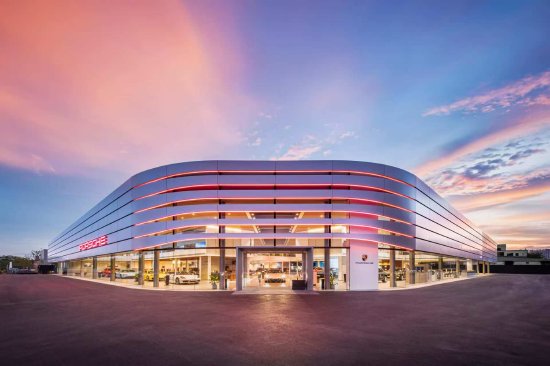
Core Insights - Porsche is actively planning a new layout for its direct business in Beijing to adapt to the rapid development and complex challenges of the luxury car market in China [1] Group 1: Strategic Business Layout - Porsche is upgrading its retail network to enhance operational efficiency in the capital region and optimize customer experience [1] - The Beijing Chang'an Porsche Center and Beijing Jinguang Porsche Center will merge and relocate to a new facility, the Beijing Chaoyang Porsche Center, within the year [1] - The new center will serve as a benchmark project for the "Rui Jing Plan" retail concept, focusing on community culture and immersive experiences to cater to a broader customer base [1] Group 2: Customer and Employee Impact - The business integration will follow a human-centered approach, implementing a phased plan to ensure a smooth transition and minimize impact on customers and employees [1] - The after-sales service center at the Beijing Chang'an Porsche Center will continue to operate normally and will not be affected by the integration [1] - Porsche guarantees that all customers will continue to receive the brand's globally unified after-sales service standards, ensuring a consistent service experience [1]
从MINI到奥迪:统一定价能否稳住豪华车价格体系
Jing Ji Guan Cha Wang· 2025-08-15 13:10
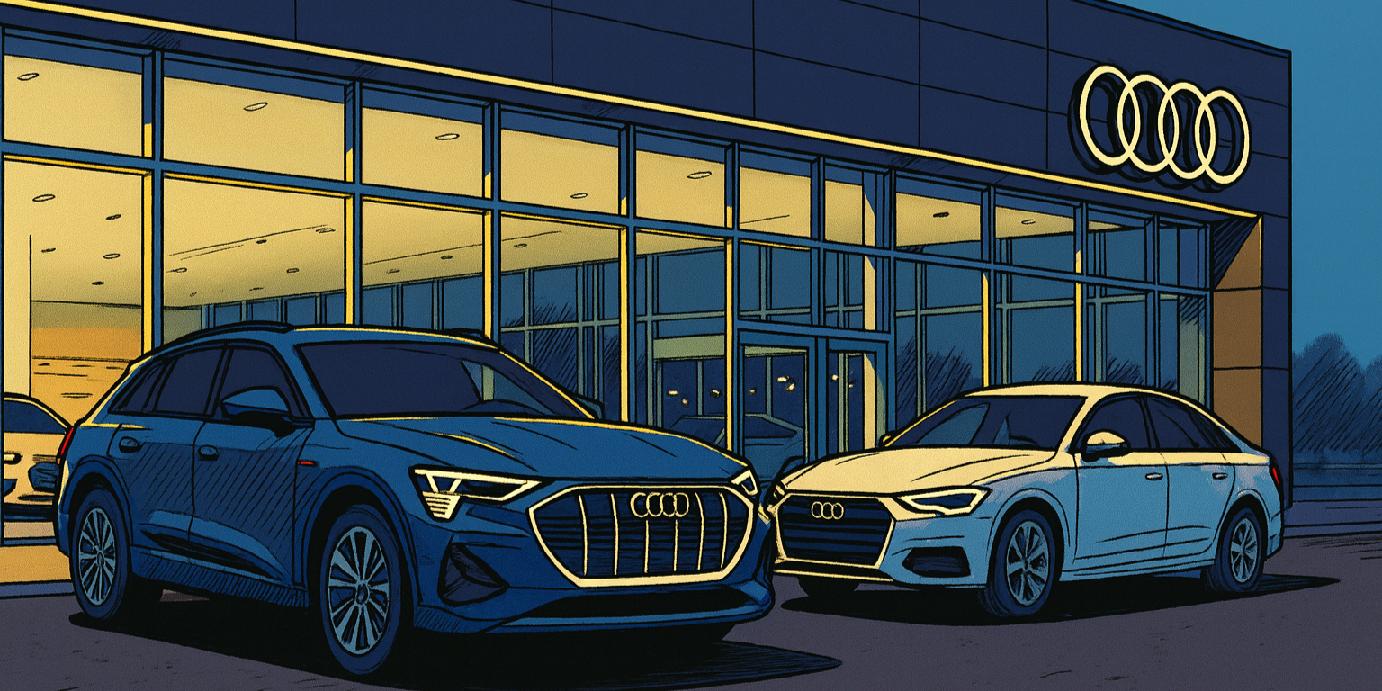
Core Viewpoint - FAW Audi is transforming its sales model in China by introducing a "fusion direct sales" approach, aiming to enhance price transparency, customer experience, and channel stability [2][4]. Group 1: Sales Model Transformation - The "fusion direct sales" model allows consumers to place orders on a unified platform with a standardized price across the country, eliminating issues of price discrepancies between different dealerships [2]. - The initial models under this new approach include the Q6L e-tron family and A5L, with a price protection policy introduced to mitigate initial price fluctuations [2]. - Unlike the direct sales model of new players like Tesla and Li Auto, the "fusion direct sales" model retains the dealership system, where dealers provide local services such as test drives, invoicing, and after-sales support [2][3]. Group 2: Industry Context and Comparisons - The luxury car market in China has faced long-term price instability, with significant discounts at launch undermining brand value and affecting used car residuals [3][4]. - BMW's introduction of an agency model for its MINI brand in China in 2023 serves as a reference point, where the manufacturer sells directly while agents handle delivery and after-sales, aiming to improve price transparency and reduce dealer inventory pressure [2][3]. - The effectiveness of the "fusion direct sales" model will be evaluated over the next two to three sales cycles, potentially providing a reference for other traditional luxury brands [4].
经典传承与现代科技的平衡之道——试驾梅赛德斯-AMG SL 63
Zhong Guo Qi Che Bao Wang· 2025-08-12 03:03
Core Viewpoint - The AMG SL 63, as the seventh generation of the SL family, combines the heritage of the 1954 300 SL with half a century of performance tuning experience from AMG, showcasing versatility in both track performance and daily comfort [2] Design and Aesthetics - The AMG SL 63 maintains classic proportions with a long hood and short rear, while featuring smoother lines compared to its predecessor [3] - The front grille is inspired by the legendary 300 SL, creating a unique visual focus under sunlight [3] - The soft-top mechanism has been redesigned for a 30% faster operation at 15 seconds, and can be operated at speeds up to 60 km/h [3] - The interior emphasizes luxury and driver interaction, with a 12.3-inch digital instrument cluster and an 11.9-inch adjustable central display [3] Engine and Performance - The AMG SL 63 is equipped with a 4.0T V8 twin-turbo engine, producing a maximum power of 430 kW and peak torque of 800 N·m, paired with a 9-speed AMG SPEEDSHIFT MCT transmission [4] - The vehicle exhibits a dual character; in Comfort mode, it offers smooth power delivery, while in Sport+ mode, it provides a more aggressive driving experience [4] - The car's zero to hundred km/h acceleration time is consistently around 3 seconds, with minimal fluctuation [5] Safety and Driving Assistance - The AMG SL 63 features an integrated driving assistance system that adjusts power output based on predicted road conditions, enhancing safety and performance [5] - The vehicle's safety features include automatic tightening of seat side bolsters when aggressive acceleration is detected, and alerts for potential loss of control [5] Overall Experience - The AMG SL 63 successfully balances performance and comfort, making it suitable for both track days and daily commuting, with advanced features that enhance driving experience [6]

朱华荣拜访任正非,美国电动汽车7月销量激增
Mei Ri Jing Ji Xin Wen· 2025-08-10 22:47
Group 1 - Changan Automobile's new chairman, Zhu Huarong, visited Huawei's CEO Ren Zhengfei just 11 days after taking office, indicating a sense of urgency and foresight in the electric and intelligent vehicle sectors [1] - The meeting aimed to discuss industry competition and future strategies, enhancing trust in technological cooperation between Changan and Huawei, which is expected to drive innovation in the electric vehicle industry [1] Group 2 - In July, U.S. electric vehicle sales surged to nearly 130,100 units, a month-on-month increase of 26.4% and a year-on-year increase of nearly 20%, marking the second-highest monthly sales on record [2] - The sales of electric vehicles accounted for 9.1% of total passenger vehicle sales in July, reaching a historical high, while used electric vehicle sales also hit a record of approximately 36,700 units [2] - The impending end of the $7,500 tax credit for electric vehicles by September 30 has prompted consumers to accelerate purchases, potentially boosting manufacturers' performance in the short term [2] Group 3 - Ferrari announced a recall of 381 units of its Purosangue model due to a safety issue involving the fuse box, which could lead to a short circuit and affect braking performance [3] - The recall reflects Ferrari's commitment to product safety, which is crucial for maintaining customer trust and could lead to stricter production and review processes in the future [3] Group 4 - Jaguar Land Rover reported a global revenue of £6.6 billion for Q1 of the 2026 fiscal year, a decrease of 9% year-on-year, with a pre-tax profit of £351 million, down 49% [4] - The company sold 87,286 vehicles during the same period, and its global free cash flow reached £758 million [4] - The financial results indicate ongoing challenges due to a sluggish global automotive market and supply chain bottlenecks, raising concerns about investor confidence in the luxury vehicle sector's recovery [4]

利润集体大幅下滑,BBA上半年交出最“惨”财报
Jing Ji Guan Cha Bao· 2025-08-10 05:12
Core Insights - The German luxury car brands "BBA" (Mercedes-Benz, BMW, Audi) reported significant profit declines in the first half of 2025, with Mercedes-Benz's net profit dropping by 55.8%, Audi's by 37.5%, and BMW's by 29% [2][3][4] - The brands are facing dual challenges from U.S. tariffs and declining sales in the Chinese market, exacerbated by fierce competition from local luxury brands and an overall price war in China [2][3][4] Financial Performance - Mercedes-Benz's revenue fell to €66.377 billion, down 8.6%, with net profit dropping from €6.087 billion to €2.688 billion [3] - BMW's sales revenue decreased to €67 billion, also down 8%, with a net profit of €4 billion, a 29% decline [3] - Audi's revenue increased by 5.3% to €32.57 billion, but net profit fell to €1.346 billion, a 37.5% drop [3] Impact of U.S. Tariffs - The U.S. government's 25% punitive tariffs on EU-imported cars have significantly impacted BBA's profits, with Audi reporting losses exceeding €600 million due to tariffs and transformation costs [3][4] - Mercedes-Benz estimated a loss of €362 million due to the tariffs, which affected its core automotive business profit margin [3][4] Sales Decline in China - BBA's sales in China have been declining, with Mercedes-Benz's sales down 14% to 293,200 units, Audi's down 10.2% to 287,600 units, and BMW's down 15.5% to 318,000 units [4][5] - The shift towards electric and smart vehicles in China has intensified competition, with local brands gaining market share [4][5] Electric Vehicle Sales - Mercedes-Benz's electric vehicle sales fell by 14% to 87,300 units, while Audi's in China dropped by 23.5% to 7,897 units [5] - BMW's electric vehicle sales increased by 18.5% to 318,900 units globally, but it still lacks competitive products in the Chinese market [5] Adjusted Performance Expectations - Both Mercedes-Benz and Audi have lowered their full-year performance expectations due to ongoing challenges, with Audi revising its revenue forecast down to €65-70 billion [5][6] - Mercedes-Benz anticipates a return on sales of 4%-6%, down from an initial forecast of 6%-8% [5][6] Strategic Responses - BBA is increasing local production in the U.S. to mitigate tariff impacts, with Audi planning a $4.6 billion investment in a new factory [6] - In China, BBA is focusing on deep localization of technology, products, and supply chains to strengthen its market position [6][7] Product Development and Partnerships - BBA is accelerating the launch of new products, especially electric vehicles, with BMW planning to introduce over 10 new models in China by 2025 [7] - Collaborations with local suppliers for smart technology are being prioritized, with BMW partnering with Huawei and Audi also collaborating with the tech giant [7][8] Market Outlook - The luxury car market is facing a new competitive landscape, with BBA needing to adapt to the challenges posed by local brands and changing consumer preferences [9] - The era of high double-digit growth for all brands is perceived to be over, necessitating strategic adjustments for sustained development [9]
氪星晚报|余承东:鸿蒙5终端数量突破1000万;丰田上半年销量超过554万辆,时隔3年再创新高;OpenAI推出ChatGPT Study学习模式
3 6 Ke· 2025-07-30 11:10
Group 1: Cloud Services and Partnerships - Alibaba Cloud has become the exclusive global cloud service provider for FINA, supporting the complete migration of its core systems to the cloud and collaborating on data platforms and AI applications. This marks the first time an international sports organization has fully deployed its core systems in the cloud [1] Group 2: Technology and Product Developments - Huawei's HarmonyOS 5 has surpassed 10 million terminal devices, indicating strong adoption and growth in the ecosystem [2] - JD's Qixian Xiaochu platform has achieved over 1,000 daily orders in its first week of operation, with a high repurchase rate exceeding industry standards by 220%, contributing to a 12% increase in orders within the business district [3] - The GLM team is working to increase machine resources for their AI model GLM-4.5, which has faced performance issues due to high demand [8] Group 3: Automotive Industry Performance - Toyota's global sales for the first half of 2025 reached 5.54 million vehicles, marking a 7.4% increase year-on-year and setting a new record for the highest sales in three years [5] - Aston Martin issued a profit warning due to the impact of U.S. import tariffs and weak demand in Asia, now expecting adjusted operating profit to remain flat for the year [4] Group 4: Semiconductor and Investment Activities - Samsung plans to invest $7 billion in building an advanced chip packaging factory in the U.S. following a significant contract with Tesla, targeting the high-end packaging market [9][10] - The semiconductor packaging materials company Zhizhi Boyue has completed a multi-million Pre-A round financing to expand production bases and R&D teams [12] - AI chip startup Groq is in talks for a new $600 million funding round, potentially doubling its valuation to $6 billion [13] Group 5: Market Trends and Economic Indicators - The Chinese private equity market shows signs of recovery in the first half of 2025, with new fund numbers and investment cases increasing by 12.1% and 21.9% year-on-year, respectively [14] - The Chinese government has allocated approximately 90 billion yuan for child-rearing subsidies this year, indicating a focus on supporting family growth [15] - A report indicates that by 2024, the share of overseas sales revenue from self-developed Chinese games is expected to reach 33.62%, highlighting the globalization of the Chinese gaming industry [16]
高歌猛进VS黯然失色|中国高端豪华车市场格局巨变
Sou Hu Cai Jing· 2025-07-30 03:50
Core Insights - The Chinese luxury car market is experiencing a significant shift, with domestic high-end brands gaining market share and challenging traditional luxury brands [2][12][15] - In the first half of 2025, the total sales of luxury cars in China are projected to be around 1.6 million units, showing a slight decline of 5%-7% year-on-year, while domestic high-end brands report a growth of approximately 35% [2][14] - The key factor driving this change is the increasing importance of "intelligent features" in consumer decision-making, with brands that excel in smart technology gaining a competitive edge [2][16] Domestic High-End Brands Performance - Domestic high-end brands achieved total sales of approximately 920,000 to 950,000 units in the first half of 2025, marking a significant increase and filling the gap left by declining traditional luxury brands [14][15] - Notable performers include Li Auto with 208,000 units, AITO with 206,000 units, and a combined total of over 250,000 units from brands like NIO, Xpeng, and Xiaomi in the 300,000 yuan and above segment [14][15] - BYD leads the industry with total sales of 2.146 million units, including around 120,000 units from high-end models [14] Traditional Luxury Brands Performance - Traditional luxury brands, particularly the German trio (BBA: Benz, BMW, Audi), are experiencing significant declines in sales, with Benz down 14.2%, BMW down 19.6%, and Audi down 15% in the first half of 2025 [5][6][7] - Lexus stands out as the only traditional luxury brand showing growth, with sales of 85,000 units, maintaining its position as the top-selling imported luxury brand for five consecutive years [5][6] - The super-luxury segment is also facing challenges, with brands like Porsche and Bentley reporting declines of 28% and significant drops in sales across other super-luxury brands [10][11] Market Dynamics and Consumer Behavior - A shift in consumer preferences is evident, with buyers prioritizing technology and practicality over brand prestige, leading to increased demand for vehicles equipped with advanced smart features [16] - Policy changes, such as the adjustment of consumption tax for super-luxury cars, have raised costs for high-priced models, further impacting sales of traditional luxury brands [11][16] - The competitive landscape is evolving, with domestic brands leveraging local supply chains and rapid software updates to position "smart luxury" as a core selling point [3][16]



捷豹路虎登顶J.D. Power榜首,豪车服务新王诞生
汽车商业评论· 2025-07-28 13:00
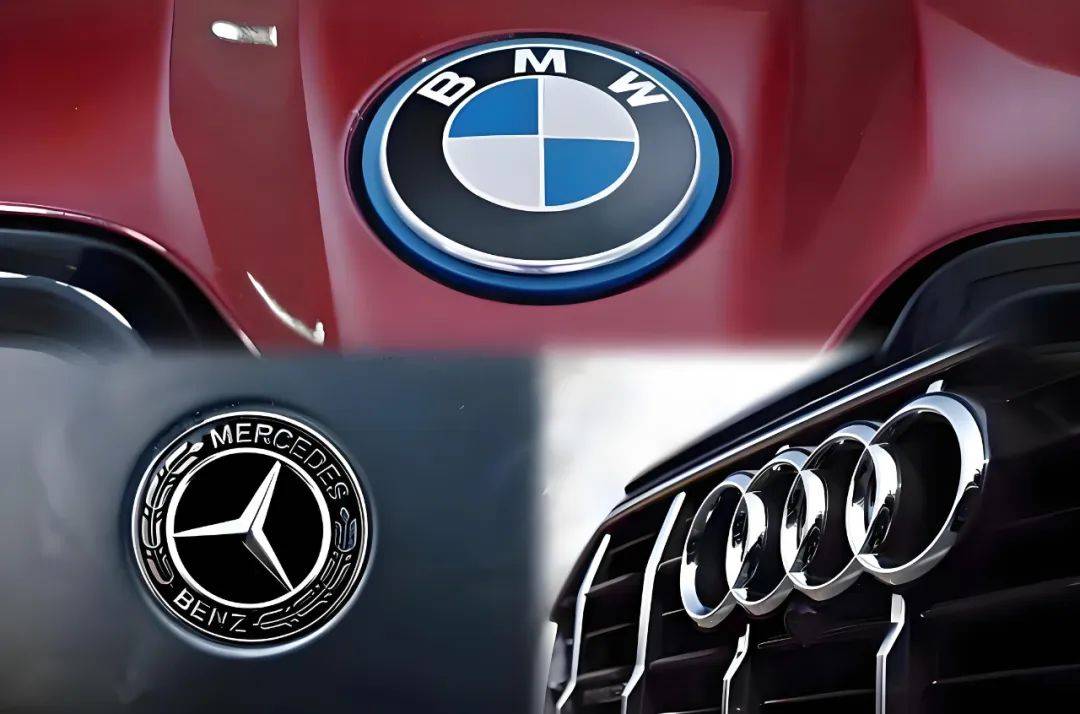
Core Viewpoint - The luxury car market in China is undergoing significant adjustments, with a shift in consumer preferences towards service experience over brand influence, leading to a more concentrated market where the top five brands hold 68% market share, up 12 percentage points since 2020 [2][8]. Group 1: Market Trends - Luxury car sales in China grew by 3.2% year-on-year in the first half of 2025, a slowdown compared to double-digit growth five years ago [2]. - The new middle class aged 30-40 is becoming the main consumer group, prioritizing service quality and emotional connection over traditional brand prestige [2][8]. - J.D. Power's research indicates that 72% of luxury car consumers are willing to pay a 10%-15% premium for superior service [2][8]. Group 2: Jaguar Land Rover's Performance - Jaguar Land Rover has achieved the highest score in J.D. Power's sales service satisfaction study with 775 points, marking the highest score for luxury brands in five years [2][8]. - The brand has maintained a leading position in the luxury SUV market, with the Range Rover model being the best-selling luxury SUV priced over 1.5 million yuan for 30 consecutive months, and a 10% year-on-year increase in sales for the first half of the year [4][8]. - Jaguar Land Rover has consistently ranked among the top in J.D. Power's various satisfaction surveys for ten consecutive years, with a global customer recommendation rate of 96% [8][11]. Group 3: Customer-Centric Strategies - The brand's focus on customer satisfaction is reflected in its sales performance, with a comprehensive service system and dealer management capabilities [11][18]. - Jaguar Land Rover has implemented 34 service enhancement measures across its network, including personalized services like home test drives and online vehicle inspections [18][20]. - The introduction of the Smarter Sales system in 2023 aims to digitize and refine the entire sales process, enhancing service transparency and customer interaction [20][22]. Group 4: Response to Policy Changes - Following the announcement of a new luxury car consumption tax, Jaguar Land Rover pledged to cover the additional tax costs for consumers purchasing specific models, effectively maintaining their original budget [24][27]. - This proactive approach not only alleviates consumer concerns but also enhances the brand's image as customer-centric and responsible [27][29]. - The brand's swift response to market changes sets a benchmark for the luxury car industry, encouraging other brands to adopt similar consumer-friendly measures [29]. Group 5: Brand Building Initiatives - Jaguar Land Rover is actively engaging in brand experience activities, such as the launch of the "Range Rover Realm" and various brand experience events to strengthen emotional connections with customers [30][34]. - The brand is also integrating corporate social responsibility themes into its retail spaces, enhancing customer touchpoints and brand warmth [32][34]. - By combining product and service innovations, Jaguar Land Rover aims to provide a genuine British luxury experience tailored to the Chinese market [39][40].
“豪车税”新规落地:捷豹路虎火速“兜底”,奔驰、尊界部分车型也加入了?
Mei Ri Jing Ji Xin Wen· 2025-07-21 08:51
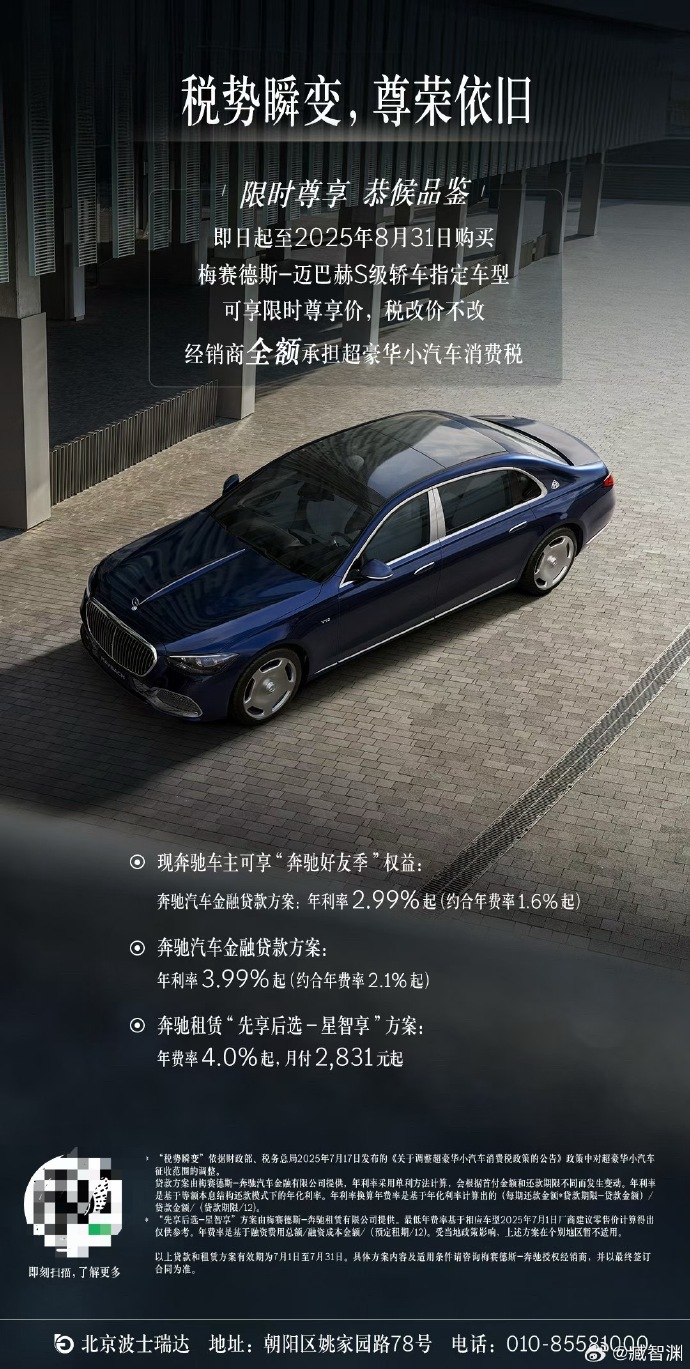
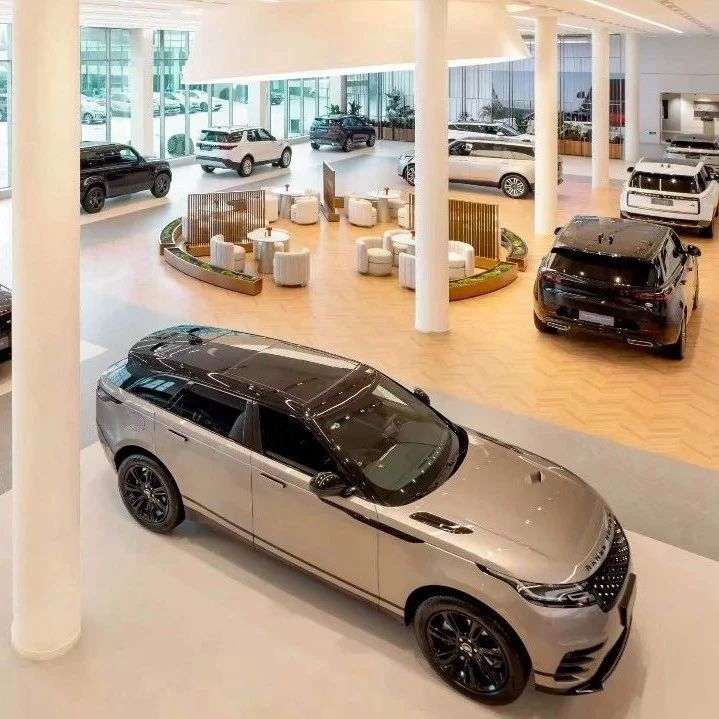
Group 1 - The core point of the article is the adjustment of the luxury car consumption tax in China, which lowers the threshold from 1.3 million yuan to 900,000 yuan, impacting various luxury car models [10][11][13] - The new tax policy allows dealers to absorb the luxury car tax for specific models, such as the Mercedes-Maybach S-Class and GLS SUV, until August 31, 2025 [1][11] - The adjustment is expected to affect approximately 20,000 new cars sold in the price range of 1.017 million to 1.469 million yuan, which represents about 1.4% of the total luxury car sales in China [11] Group 2 - The new luxury car consumption tax policy officially took effect on July 20, 2023, with Jaguar Land Rover announcing that it will cover the additional tax for certain models purchased during the transition period [13] - The affected luxury car models include those from brands like BMW, Mercedes-Benz, and Toyota, among others, indicating a broad impact across the luxury automotive market [11][13] - Industry experts view the tax adjustment as a reasonable measure, noting that ultra-luxury vehicles constitute only a small fraction of the overall automotive market, thus minimizing the impact on general consumers [13]