
汽车

Search documents
2026汽车“国补”落地:摇号领补贴、资金按月花,各地补出新花样
经济观察报· 2026-03-07 04:01
Core Viewpoint - The 2026 national subsidy policy for automobiles in China has shifted from fixed "lump-sum subsidies" to "proportional subsidies" linked to vehicle prices, aiming to guide financial resources towards mid-to-high-end products and promote industry upgrades [2][9]. Subsidy Structure - The subsidy program is divided into two main categories: scrapping and replacement. Consumers can receive 12% of the new car price (up to 20,000 yuan) for scrapping eligible old vehicles and purchasing new energy vehicles, while scrapping old fuel vehicles yields a 10% subsidy (up to 15,000 yuan) [4]. - For replacement, purchasing new energy vehicles offers an 8% subsidy (up to 15,000 yuan), and fuel vehicles provide a 6% subsidy (up to 13,000 yuan) [4]. Regional Adaptations - Local governments are implementing dynamic adjustments and innovative measures like lottery systems for subsidy distribution to address previous issues of fund exhaustion and uneven distribution [5][6]. - For example, Hubei province has introduced a monthly funding plan to ensure stable policy benefits throughout the year [4]. Fairness and Market Dynamics - The new policy emphasizes fairness by prohibiting regional protectionism and ensuring that consumers are not forced to sell old vehicles to designated companies [6]. - The shift to proportional subsidies is expected to reduce the attractiveness of low-end vehicles, as subsidies for models priced below 100,000 yuan will significantly decrease [10]. Market Impact - The new policy is anticipated to reshape the competitive landscape, pressuring low-cost micro electric vehicle manufacturers while benefiting mid-to-high-end market players [12][13]. - Data from January indicates that the average price of new cars participating in the trade-in program exceeded 160,000 yuan, reflecting a shift towards value-driven competition [13]. Future Outlook - The automotive market is expected to stabilize and gradually differentiate throughout the year, with the new subsidy policy focusing on quality growth rather than mere sales volume [14].

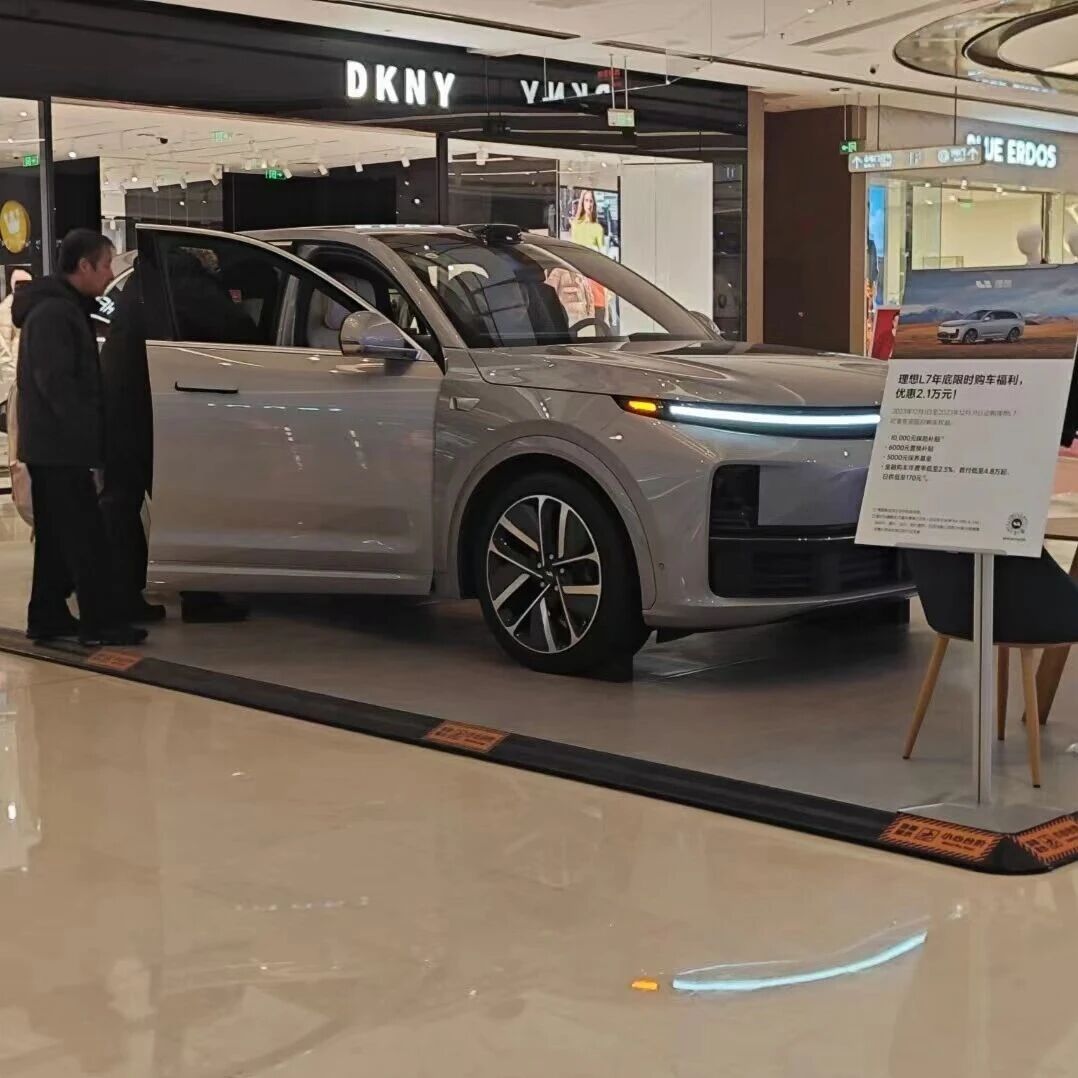
220吨级液氧甲烷火箭发动机“蓝焱”完成整机试车;理想汽车秘密研发人形机器人,双轮款年中发布丨智能制造日报
创业邦· 2026-03-07 03:40
Group 1 - The "Blue Flame" 220-ton liquid oxygen-methane rocket engine developed by Blue Arrow Aerospace has successfully completed a full-system long-range test, marking a significant breakthrough in China's high-thrust liquid rocket engine technology [2] - Sanan Optoelectronics, in collaboration with Tsinghua University and China Mobile, has developed a Micro LED light source device with high-speed modulation capabilities, achieving a 3dB modulation bandwidth exceeding 7GHz, which could enable data transmission rates over 10Gb/s for short-distance optical interconnects [2] - Li Auto is secretly developing humanoid robots, with a team led by former Ninebot partner He Junpei, planning to release a dual-wheel robot by mid-2026 [2] Group 2 - Good Electric Materials has officially listed on the Shenzhen Stock Exchange's Growth Enterprise Market, with a main business focus on electrical insulation and composite materials, and an initial offering price of 58.0 yuan per share, corresponding to a price-to-earnings ratio of 27.96 [2]

激光雷达,能拉爆鸿蒙五界的销量吗?
虎嗅APP· 2026-03-07 02:46
Core Viewpoint - Huawei has launched a new generation of high-line laser radar, claiming it to be the "highest line count" product in the world, achieving a significant technological breakthrough in an industry where most products are limited to 192 lines [2][4]. Group 1: Product Features and Benefits - The high-line laser radar offers enhanced safety capabilities, allowing for better detection of low obstacles and improving recognition distances for low-reflectivity targets by 190% and for irregular obstacles by 77% [4]. - In extreme conditions such as rain or snow, the radar can provide more accurate images, enhancing driver safety and confidence [4]. - The radar's value is more pronounced for luxury car owners who prioritize safety features, while average consumers may not perceive a significant difference in daily commuting [4]. Group 2: Market Positioning and Pricing - The first models equipped with the 896-line radar are the high-end models, with the starting price of the ZunJie S800 at 728,000 yuan and the AITO M9 at 479,800 yuan, reflecting a price increase of 20,000 yuan and 10,000 yuan respectively compared to their 192-line counterparts [5]. - Huawei aims to leverage this technology to drive sales for its automotive partners, with a cumulative delivery of 1.28 million vehicles expected by March 2026 [6][7]. Group 3: Sales Performance and Market Dynamics - Despite impressive sales figures, the performance varies significantly across different models, with the ZunJie brand achieving monthly sales of 2,000-3,000 units, while the AITO M9 maintains over 18,000 units [10]. - The introduction of high-line radar may not uniformly boost sales across all models, as the impact will differ based on the target market and consumer sensitivity to price [11][13]. - For high-end brands like AITO and ZunJie, the new radar technology serves as a competitive advantage, while for mid-range brands like ZhiJie and ShangJie, the impact on sales may be limited due to price sensitivity among consumers [14][17]. Group 4: Strategic Implications - The 896-line radar is seen as a tool to strengthen the market position of high-end brands, appealing to consumers who value cutting-edge technology and safety [14][21]. - For mid-range and budget models, the focus should be on market positioning, competitive pricing, and clear brand narratives rather than solely on advanced technology [21].

“投资者点题 代表委员作答”|光伏、汽车等重点行业如何推动“反内卷”真正落地见效?·2026全国两会特别策划
证券时报· 2026-03-07 00:51
Core Viewpoint - The article discusses the urgent need for industries such as photovoltaics and automotive to shift from "price competition" to "innovation competition" to escape the cycle of declining profits and unsustainable practices [1][10]. Group 1: Industry Challenges - Various industries, including photovoltaics and automotive, are suffering from "involutionary" competition, characterized by price wars that erode profits and extend payment cycles, leading to cash flow issues and resource wastage [1][4]. - In the photovoltaic sector, manufacturing capacity has exceeded demand by more than double, resulting in two consecutive years of deep losses, with the total market capitalization of listed companies shrinking by nearly 4 trillion yuan from historical peaks [4]. - The automotive industry is facing a profit margin decline to 4.1%, the lowest in history, highlighting the urgent need to address the "selling cars at a loss" dilemma [4]. Group 2: Proposed Solutions - Strengthening industry management is essential to break the cycle of excessive "involution." Suggestions include integrating photovoltaic manufacturing into energy sector planning and establishing market regulation mechanisms [5]. - The automotive sector should focus on building sustainable business models and enhancing the quality of the entire supply chain to promote high-quality development [5]. - The establishment of mandatory sales standards for photovoltaic components and a sustainability rating system for companies is recommended to prevent financial risks [5]. Group 3: Innovation as a Key Driver - Transitioning from price competition to innovation is crucial, with a focus on technological advancements, quality improvements, and service optimization [10][12]. - The automotive industry is increasingly focusing on intelligent driving technologies, with L4 and L5 autonomous driving nearing commercialization, although regulatory and infrastructure challenges remain [11]. - Strengthening intellectual property protection is vital for fostering innovation in the photovoltaic sector, with calls for the establishment of a patent pool and improved enforcement of IP rights [11]. Group 4: International Considerations - To prevent the spillover of "involutionary" competition internationally, it is important to ensure that high-quality products receive reasonable pricing and to establish mechanisms for overseas investment coordination [9]. - The article emphasizes the need for a unified approach to overseas operations, including prohibiting practices like dumping below cost and protecting intellectual property rights [9].
吉林“十五五”规划建议
Zhong Shang Chan Ye Yan Jiu Yuan· 2026-03-07 00:05
Investment Rating - The report does not explicitly provide an investment rating for the industry Core Insights - The "14th Five-Year" period has seen significant achievements in Jilin's revitalization and development, with stable economic growth and structural optimization [8][9] - The "15th Five-Year" period is crucial for building a modern socialist Jilin, focusing on high-quality development and overcoming challenges [10][11] - Jilin's development environment is complex, with both opportunities and risks, necessitating strategic efforts to address deep-seated issues [12][13] Summary by Sections Economic and Social Development Goals - The guiding ideology emphasizes Marxism, socialism with Chinese characteristics, and the importance of high-quality development [13][14] - Key principles include the Party's leadership, prioritizing people's needs, and promoting comprehensive reform [15][16] - Major goals include significant advancements in high-quality development, technological innovation, and social civilization [17][18] Modern Industrial System - The focus is on strengthening the real economy, optimizing traditional industries, and fostering strategic emerging industries [21][22] - Emphasis on nurturing new industries such as renewable energy, advanced manufacturing, and biotechnology [23][24] - Future industries like artificial intelligence and hydrogen energy are prioritized for development [26][27] Infrastructure and Technological Innovation - Infrastructure development will balance new construction and upgrades, with a focus on digital and smart technologies [25][30] - Technological innovation is seen as a key driver for revitalization, with efforts to enhance original innovation and integrate technology with industry [26][28] Demand Expansion and Economic Reform - Expanding effective demand is crucial, with strategies to boost consumption and investment [31][32] - Economic reforms aim to enhance market vitality and improve the business environment [34][35] Open Economy and Regional Development - Jilin aims to deepen integration into the Belt and Road Initiative and enhance its role as a hub for Northeast Asia [39][40] - Regional coordination is essential for overall revitalization, focusing on urbanization and border area development [47][48]
伊朗发射导弹,夜袭“林肯”号航母,“福特”号被调往红海;国际油价站上90美元!美油涨超12%,布油涨9%;长城汽车董事长致歉丨每经早参
Mei Ri Jing Ji Xin Wen· 2026-03-07 00:02
Group 1: Oil Market - International oil prices have surged significantly, with U.S. crude oil rising over 14% to a peak of $92.61 per barrel, closing at $91.27 per barrel, while Brent crude oil increased by 8.76% to $92.89 per barrel [5][11] - The rise in oil prices is attributed to geopolitical tensions, particularly the military actions involving Iran and the U.S. [5][11] Group 2: Economic Policies and Forecasts - The National Development and Reform Commission (NDRC) expects this year's GDP increment to exceed 6 trillion yuan, providing strong support for employment stability, improving people's livelihoods, and mitigating risks [3] - The People's Bank of China plans to flexibly and efficiently utilize various monetary policy tools, including reserve requirement ratio (RRR) cuts and interest rate reductions, to promote stable economic growth and reasonable price recovery [3] Group 3: Corporate Developments - ZTE Corporation announced a projected revenue of 133.9 billion yuan for 2025, with a net profit of 5.6 billion yuan, reflecting a year-on-year decline of 33.32% [14] - SoftBank is reportedly seeking up to $40 billion in loans primarily for investment in OpenAI, marking a significant strategic move in the AI sector [15] - Google plans to reduce its app store commission from 30% to 20% for standard in-app purchases and to 10% for subscription services, which may alter the competitive landscape in the mobile app ecosystem [16] Group 4: Regulatory Changes - The China Securities Regulatory Commission (CSRC) has issued new regulations on short-term trading to facilitate long-term capital market participation, effective from April 7, 2026 [9] - The Ministry of Finance has allocated 100 billion yuan to promote domestic demand through a package of six policies, with a focus on supporting private investment and consumer spending [4] Group 5: Market Reactions - U.S. stock markets saw declines, with the Nasdaq dropping 1.59%, the S&P 500 down 1.33%, and the Dow Jones falling 0.95%, influenced by broader market trends and specific corporate performances [2][5] - Chinese concept stocks mostly rose, with the Nasdaq Golden Dragon China Index increasing by 0.69%, driven by gains in companies like JD.com and Xpeng Motors [2][5]



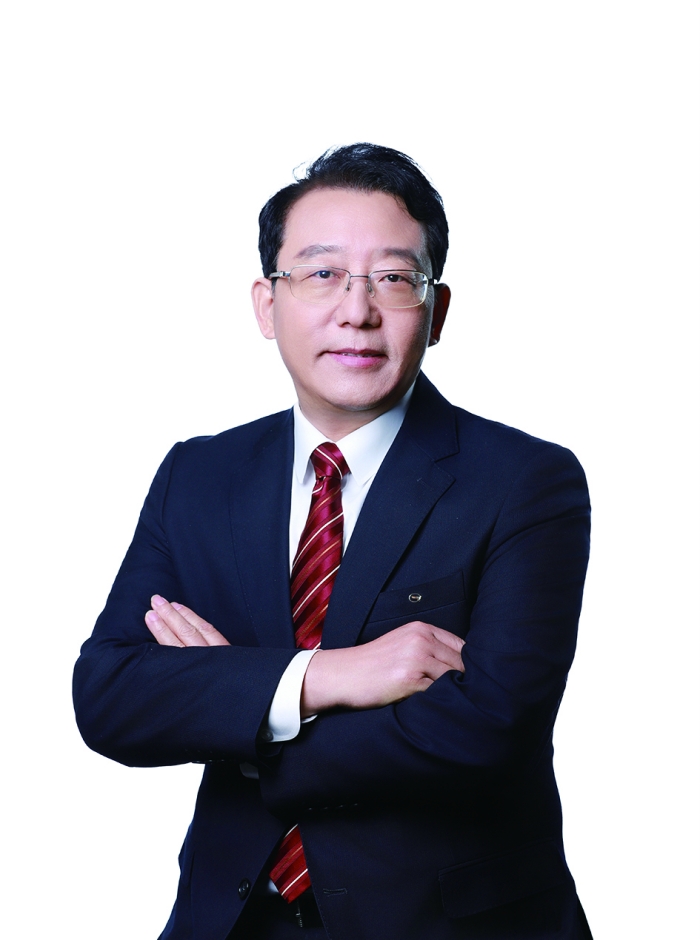
全国人大代表、广汽集团董事长冯兴亚:加快自动驾驶立法 护航汽车电动化智能化转型
Shang Hai Zheng Quan Bao· 2026-03-06 20:35
Core Viewpoint - The article emphasizes the need for accelerating legislation on autonomous driving to support the development of the smart connected vehicle industry, which is seen as a crucial driver for the transformation and upgrading of the automotive sector [3][4]. Group 1: Legislative and Standardization Needs - The chairman of GAC Group, Feng Xingya, suggests that establishing a unified national standard and evaluation system is essential for overcoming bottlenecks in the industry [3]. - Clear legal definitions regarding accident liability, road usage permissions, and data security management are necessary as autonomous vehicles become more integrated into daily transportation [3][4]. - A comprehensive legal framework is viewed as the "safety bottom line" for the large-scale implementation of autonomous driving [3]. Group 2: Industry Development and Competitive Advantage - The global autonomous driving sector is at a critical competitive stage, with Chinese companies having developed advantages in smart driving technology [4]. - Major automotive companies are increasing their R&D investments, with some achieving L4 level mass production capabilities and significant cost reductions for Robotaxi models [4]. - The alignment of institutional supply with technological innovation is crucial for transforming technological advantages into industrial and market advantages, helping China gain a competitive edge in the global smart driving arena [4]. Group 3: Safety Concerns and Consumer Trust - Safety remains a fundamental principle in the automotive industry and is non-negotiable [4]. - As the industry transitions towards electrification and intelligence, the concept of safety is evolving, necessitating that companies prioritize user safety in their technological innovations [4]. - Enhancing vehicle safety and providing secure smart travel experiences for users are critical for building consumer trust in autonomous vehicles [4].

全国人大代表、广汽集团董事长冯兴亚:加快自动驾驶立法护航汽车电动化智能化转型
Shang Hai Zheng Quan Bao· 2026-03-06 20:07
Core Viewpoint - The article emphasizes the need for accelerated legislation on autonomous driving to support the electric and intelligent transformation of the automotive industry, highlighting the importance of establishing a unified national standard and evaluation system to address industry development bottlenecks [3][4]. Group 1: Legislative and Regulatory Framework - The chairman of GAC Group, Feng Xingya, suggests that a clear legal framework is essential for defining the responsibilities of car manufacturers, operators, and regulatory bodies to alleviate concerns and encourage the use of autonomous vehicles [4]. - A comprehensive legal framework is deemed the "safety bottom line" necessary for the large-scale implementation of autonomous driving technologies [3]. Group 2: Industry Development and Market Potential - The smart connected vehicle industry is identified as a crucial engine for the transformation and upgrading of the automotive sector, with a market potential valued in trillions [3]. - The article notes that various automotive companies are increasing their R&D investments, with some achieving L4 level mass production capabilities and significant cost reductions for Robotaxi models, indicating the initial stages of commercial operation [4]. Group 3: Safety and Consumer Concerns - Safety is highlighted as a fundamental principle in the automotive industry, with an evolving definition in the context of electric and intelligent vehicle transitions [4]. - Companies are urged to prioritize user safety in their technological innovations and enhance the safety features of vehicles to ensure secure intelligent travel for consumers [4].
Allient (ALNT) - 2025 Q4 - Earnings Call Transcript
2026-03-06 16:02
Financial Data and Key Metrics Changes - Q4 revenue increased 17% year-over-year to $143.4 million, with 15% organic growth on a constant currency basis [10] - Gross margin expanded 90 basis points year-over-year to 32.4%, with full-year gross margin reaching a record 32.8% [14][15] - Operating income for Q4 increased 76% to $11.4 million, while full-year operating income rose 46% to $44 million [16][17] - Net income for Q4 more than doubled to $6.4 million, or $0.38 per diluted share, with adjusted net income at $9.3 million or $0.55 per share [17] Business Line Data and Key Metrics Changes - Industrial revenue increased 24% in Q4, driven by strengthening automation demand and power quality solutions [10] - Vehicle revenue surged 35%, primarily due to increased commercial automotive shipments [10] - Medical revenue grew 9%, supported by steady demand for surgical instruments [10] - Aerospace and defense revenue declined 5%, reflecting program timing dynamics and the cancellation of the M10 Booker tank program [10] Market Data and Key Metrics Changes - 50% of revenue was generated in the U.S., with the remainder from Europe, Canada, and Asia Pacific [10] - The company experienced broad participation across its portfolio, reinforcing diversification and supporting results [5][6] - Backlog ended the year at approximately $233 million, with most expected to convert within three to nine months [21] Company Strategy and Development Direction - The company aims to expand structural margins, strengthen the balance sheet, and position its portfolio around durable secular growth drivers [4] - The "Simplify to Accelerate NOW" program focuses on reducing complexity, improving throughput, and strengthening margins sustainably [7][15] - The company is aligning its portfolio around higher value motion controls and power solutions, serving long-term drivers of electrification, automation, and digital infrastructure [23] Management's Comments on Operating Environment and Future Outlook - Management noted improving industrial demand and a return to normalized ordering patterns after a destocking cycle [5][21] - The macro environment remains uneven across certain end markets, with ongoing monitoring of policy and tariff considerations [22] - Confidence is derived from control over cost structure, working capital discipline, and capital allocation [22][23] Other Important Information - Record operating cash flow of $56.7 million for the year, up 35% from the prior year [18] - Total debt declined to $180.4 million, with net debt down to $139.7 million, improving the leverage ratio significantly [20] - Capital expenditures for 2025 were $7 million, with expectations for 2026 in the range of $10 million to $12 million [19] Q&A Session Questions and Answers Question: What will drive growth and margin expansion in 2026? - Management indicated that both external tailwinds and internal initiatives will contribute, with a focus on long-term drivers like data center infrastructure and automation [28][32] Question: What are the trends seen in Q1? - Management noted that Q4's unusual growth was due to pull-ins and that some areas may see lower demand in Q1 as a result [50][52] Question: What is the status of the data center facility expansion? - The facility expansion is on track for late Q2 or early Q3 completion, which is expected to capitalize on increasing market demand [59] Question: How will capital allocation be prioritized in 2026? - The majority of investments will support existing opportunities, with attention to potential acquisitions if they arise [40][41]

Allient (ALNT) - 2025 Q4 - Earnings Call Transcript
2026-03-06 16:02
Financial Data and Key Metrics Changes - Fourth quarter revenue increased 17% year-over-year to $143.4 million, with 15% organic growth on a constant currency basis [10] - Gross margin expanded 90 basis points year-over-year to 32.4%, driven by higher volumes, favorable mix, and operational efficiencies [14] - Operating income increased 76% in the fourth quarter to $11.4 million, with a full-year increase of 46% to $44 million [16][17] - Net income for the quarter more than doubled to $6.4 million, or $0.38 per diluted share, with adjusted net income at $9.3 million or $0.55 per share [17] Business Line Data and Key Metrics Changes - Industrial revenue increased 24% in the quarter, driven by strengthening automation demand and power quality solutions [10] - Vehicle revenue increased 35%, primarily due to increased commercial automotive shipments [10] - Medical revenue increased 9%, while aerospace and defense declined 5% due to program timing dynamics [11] Market Data and Key Metrics Changes - 50% of revenue was generated in the U.S., with the remainder from Europe, Canada, and Asia Pacific, reflecting a diversified footprint [10] - The backlog ended the year at approximately $233 million, with most expected to convert within 3 to 9 months [21] Company Strategy and Development Direction - The company aims to expand structural margins, strengthen the balance sheet, and position the portfolio around durable secular growth drivers [4] - The "Simplify to Accelerate NOW" program focuses on reducing complexity, improving throughput, and strengthening margins sustainably [7] - The company is aligning its portfolio around higher value motion controls and power solutions, serving long-term drivers of electrification, automation, and digital infrastructure [23] Management's Comments on Operating Environment and Future Outlook - Management noted improving industrial demand and a return to normalized ordering patterns after a destocking cycle [5] - The macro environment remains uneven across certain end markets, with ongoing monitoring of policy and tariff considerations [22] - Confidence is derived from control over cost structure, working capital discipline, and capital allocation [23] Other Important Information - Record operating cash flow of $56.7 million for the year, up 35% from the prior year, with improved inventory turns to 3.2 times [18][19] - Total debt declined to $180.4 million, with net debt down to $139.7 million, improving the leverage ratio significantly [20] Q&A Session Summary Question: What are the expected contributors to growth and margin expansions in 2026? - Management indicated that both external tailwinds and internal initiatives will contribute, with a focus on long-term drivers like data center infrastructure and defense spending [28][32] Question: What drove the better-than-expected seasonality in Q4? - Management acknowledged unusual pull-ins in demand, particularly in commercial vehicles, but expects a return to normal demand patterns in Q1 [50][52] Question: What is the status of the data center facility expansion? - The facility expansion is on track for completion by late Q2 or early Q3, which is expected to capitalize on increasing market demands [59] Question: How is the company addressing supply chain challenges related to the NDAA? - Management confirmed ongoing efforts to comply with NDAA requirements, focusing on regionalizing supply chains and solidifying sources for critical materials [78][80]