
半导体

Search documents
英伟达CEO黄仁勋:对1万亿美元+的收入预期具有强烈的“能见度”
Ge Long Hui A P P· 2026-03-17 16:50
Core Viewpoint - NVIDIA's CEO Jensen Huang expresses strong visibility regarding a revenue expectation exceeding $1 trillion, which currently only includes the Blackwell and Rubin chips, excluding upcoming product releases [1]. Group 1 - The revenue expectation of over $1 trillion is based on current product lines [1]. - The forecast does not account for new products that are set to be released soon [1].

光力科技(300480) - 300480光力科技投资者关系管理信息20260317
2026-03-17 16:07
Group 1: Company Overview - The company is 光力科技 (Guangli Technology), with stock code 300480 and bond code 123197 [1] - The investor relations activity took place on March 16-17, 2026, at the company's Zhengzhou Aviation Port facility and included both in-person and online communication [2] Group 2: Semiconductor Business Development - The company's domestic semiconductor business is experiencing a continuous increase in new orders, with large customer orders accounting for approximately 50% of these new orders [3] - The company’s semiconductor equipment sales are primarily standard models, but the proportion of customized collaborative models is gradually increasing since 2025 [3] Group 3: Product Progress and Applications - The company has developed laser scribing machines, including laser grooving and laser dicing machines, which are used for processing materials like Low-k films and ultra-thin silicon wafers [3] - The grinding machine for 8-inch and 12-inch wafers is currently undergoing client validation, with positive feedback received [4] Group 4: Financial Performance - The gross profit margin for the IoT safety monitoring equipment business was 70.92% in the first half of 2025, while the semiconductor packaging and testing equipment manufacturing business had a gross profit margin of 41.57% [4] - The semiconductor business's gross profit margin is expected to improve further due to an increase in the sales proportion of customized collaborative equipment and the application of self-developed core components [5] Group 5: Financing Plans - The company plans to issue up to RMB 500 million in technology innovation bonds to support its semiconductor packaging and testing equipment R&D, production, and business expansion [6] - Future financing plans will be disclosed in a timely manner, and investors are advised to pay attention to investment risks [7] Group 6: IoT Business Outlook - The IoT safety monitoring business is expected to continue stable development in 2026, supporting the growth of the semiconductor equipment business [7] - The company aims to expand new products and applications while consolidating existing product advantages to assist clients in smart mining construction [7]

步步惊心!油价狂飙美股震荡,英伟达4万亿蓄力,黄金坑悄然形成
Sou Hu Cai Jing· 2026-03-17 15:45
Group 1: Market Overview - The global capital markets are currently influenced by geopolitical tensions, particularly the Iran situation, which has led to fluctuations in oil prices and impacted inflation expectations and Federal Reserve policies [1][9][13] - The U.S. stock market is experiencing a narrow range of fluctuations, with the S&P index showing strong support at 6521 points and potential resistance at 6850 points [4][6] - The market is characterized by a "bounce and drop" pattern, with fear persisting but not leading to extreme sell-offs, indicating a relatively stable environment despite geopolitical uncertainties [6][23] Group 2: Technology Sector Developments - Nvidia's GTC conference introduced significant new products, including the Vira Rubin platform, which enhances AI capabilities, reflecting a strong growth trajectory in the AI and storage chip sectors [3][17] - Micron Technology is expected to report a quarterly revenue of $1.92 billion, a 138% year-over-year increase, driven by high demand in the storage chip market [19] - Qualcomm faces challenges due to declining smartphone demand, with a projected 10% to 15% decrease in global smartphone production in 2026, impacting its processor orders [21] Group 3: Geopolitical Impact on Energy Prices - The ongoing U.S.-Iran conflict, particularly around the strategic location of Hark Island, is a critical factor affecting oil prices, with Brent crude remaining above $100 per barrel [9][11] - The U.S. is attempting to form a coalition to secure shipping routes, highlighting the geopolitical stakes involved in oil supply and pricing [11] - Market expectations suggest that oil prices may retreat below $80 after the conflict, indicating a potential easing of inflationary pressures globally [13]


美股高开!超3700股上涨 英伟达、特斯拉等齐涨;一中概股暴涨超110% | 美股开盘
Mei Ri Jing Ji Xin Wen· 2026-03-17 15:13
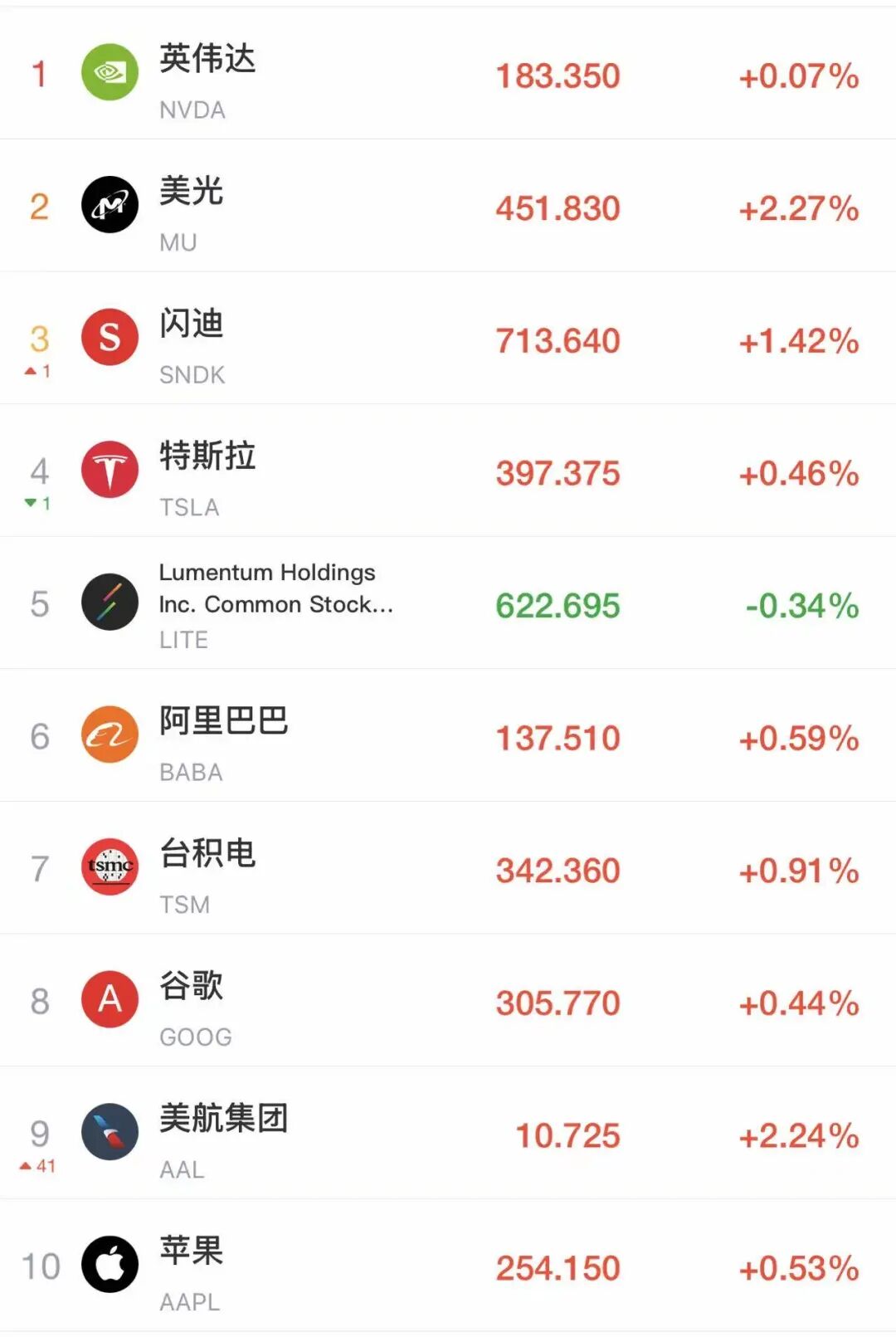
3月17日,美股高开,截至发稿纳指涨0.62%,道指涨0.28%,标普500指数涨0.49%。全市超3700股上涨。 个股方面,明星科技股普涨,英伟达、特斯拉、谷歌、苹果等均小幅上涨。航空股走高,美航集团涨2.24%。 | | | 英伟达 | 183.350 | +0.07% | | --- | --- | --- | --- | --- | | | | NVDA | | | | 2 | | 美元 | 451.830 | +2.27% | | | | MU | | | | 3 | S | 闪迪 | 713.640 | +1.42% | | | | SNDK | | | | 4 | | 特斯拉 | 397.375 | +0.46% | | | | TSLA | | | | 5 | | Lumentum Holdings Inc. Common Stock ... | 622.695 | -0.34% | | | | LITE | | | | | | Kelles and re | 137.510 | +0.59% | | | | BABA | | | | | | 台积电 | 342.360 | +0.91 % ...




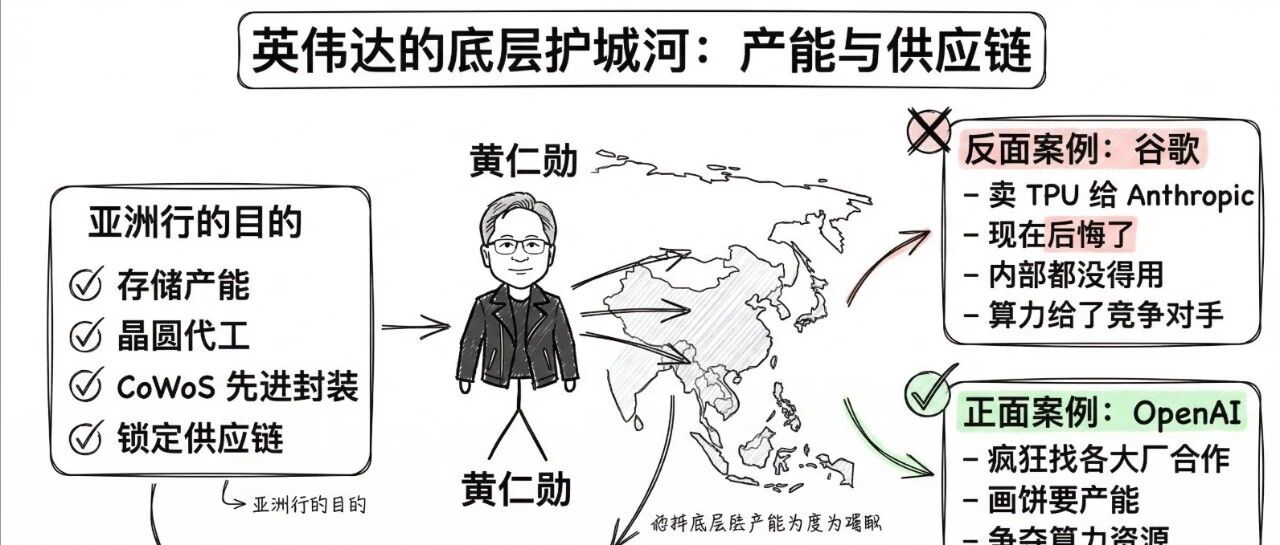
英伟达GTC大会的核心看点,谁是最大受益方?
傅里叶的猫· 2026-03-17 15:08
Core Insights - The article discusses the implications of NVIDIA's recent GTC event, focusing on technological shifts and potential beneficiaries in the semiconductor industry, particularly highlighting Samsung's role as a key supplier [1]. Group 1: CPX and LPU Transition - CPX has been replaced by LPU due to NVIDIA's strategic shift from prefill acceleration to inference acceleration [2][3]. Group 2: Beneficiaries of GTC - Samsung emerges as the biggest beneficiary from the GTC event, as it is the exclusive manufacturer of LPU using its N4 process technology, surpassing TSMC in overall value on Rubin [4]. Group 3: LPX Rack and FPGA Integration - The introduction of FPGA in the LPX rack allows 256 LPU to function as a single giant processor, enabling low-latency, deterministic inference acceleration [6]. Group 4: Independent CPU Cabinets - The establishment of independent CPU cabinets is aimed at supporting the autonomous operation of intelligent agents, providing a vast "sandbox" environment for testing and validation [7]. Group 5: Independent Storage Cabinets - NVIDIA's independent storage cabinets are linked to the ICMS (Inference Context Memory Storage) solution, addressing the exponential growth of KV Cache requirements in the intelligent agent era [8][11]. Group 6: Storage Architecture - NVIDIA employs a tiered storage architecture where ICMS serves as a long-term memory for AI clusters, optimizing the storage, retrieval, and sharing of massive temporary KV Cache data [13]. Group 7: Supply Chain and Capacity Control - NVIDIA's CEO emphasizes the importance of supply chain management and capacity control, frequently visiting Asia to secure storage, wafer fabrication, and advanced packaging capacities [14]. Group 8: Competitive Landscape - The article highlights a cautionary tale regarding Google's sale of TPU to Anthropic, illustrating the critical nature of controlling AI computing capacity as a determinant of competitive success in the industry [16].
韩国股民热买中国资产:最爱“HALO”与新兴赛道
证券时报· 2026-03-17 14:54
Group 1 - The article highlights that Chinese assets are attracting significant attention from overseas investors, particularly in the context of increased global market volatility and geopolitical risks, due to their unique "cost-performance" advantage [1][12]. - Recent data shows that South Korean investors have net bought A-share securities, including major companies like Sany Heavy Industry, China Power Construction, and Ganfeng Lithium, with net purchases exceeding $1 million for each [1][3]. - The "HALO" assets, which are traditional industrial leaders, are favored by South Korean investors as they are seen as having low replacement risk and are essential for infrastructure in energy transition and high-end manufacturing [4][5]. Group 2 - South Korean investors have shown strong interest in China's "HALO" assets and emerging sectors like semiconductors, with significant net purchases recorded for companies such as Sany Heavy Industry (over $630,000), China Power Construction (over $440,000), and XJ Electric (over $1.3 million) [3][4]. - The semiconductor sector has also attracted attention, with net purchases for leading companies like JCET Group and Accelink Technologies exceeding $150,000 [6]. - The investment environment for South Korean investors has improved, with a stable RMB exchange rate enhancing the attractiveness of Chinese assets [7]. Group 3 - The article discusses the increasing use of ETFs by overseas investors to access quality A-share assets, with notable net purchases in semiconductor ETFs [9][10]. - The two leading ETFs focused on robotics, Tiger China Humanoid Robot ETF and Kodex China Humanoid Robot ETF, are gaining traction among South Korean investors, providing a diversified investment approach [9]. - ETFs lower the barriers for foreign investors by simplifying the investment process and reducing transaction costs, making it easier to invest in Chinese high-tech sectors [10]. Group 4 - The article emphasizes that despite some recovery in A-shares and Hong Kong stocks, the valuation of major indices remains low, while sectors like technology and manufacturing are expected to see strong profit growth by 2026 [12]. - The comprehensive advantages of China's AI and robotics sectors, supported by clear industrial policies, make them attractive for long-term investment [12]. - The article concludes that the Chinese capital market is becoming a preferred choice for global investors seeking quality assets, especially in the context of a weak dollar and low correlation with international geopolitical risks [12].




美股高开!超3700股上涨,英伟达、特斯拉等齐涨;一中概股暴涨超110%|美股开盘
Mei Ri Jing Ji Xin Wen· 2026-03-17 14:49
Group 1 - The U.S. stock market opened higher on March 17, with the Nasdaq up 0.62%, the Dow Jones up 0.28%, and the S&P 500 up 0.49%, with over 3,700 stocks rising across the market [1] - Major tech stocks experienced gains, including Nvidia, Tesla, Google, and Apple, all showing slight increases [1] - Airline stocks also saw an uptick, with American Airlines Group rising by 2.24% [1] Group 2 - Chinese concept stocks showed mixed performance, with the Nasdaq Golden Dragon China Index down by 0.2%. Stocks like Alibaba, Bilibili, Sohu, and JD.com increased, while Tencent Music, Huya, XPeng Motors, and iQIYI declined [4] - Notably, U-Pick's stock price surged, increasing over 280% at one point and closing up more than 110% [4]
黄仁勋的Token经济学
经济观察报· 2026-03-17 14:23
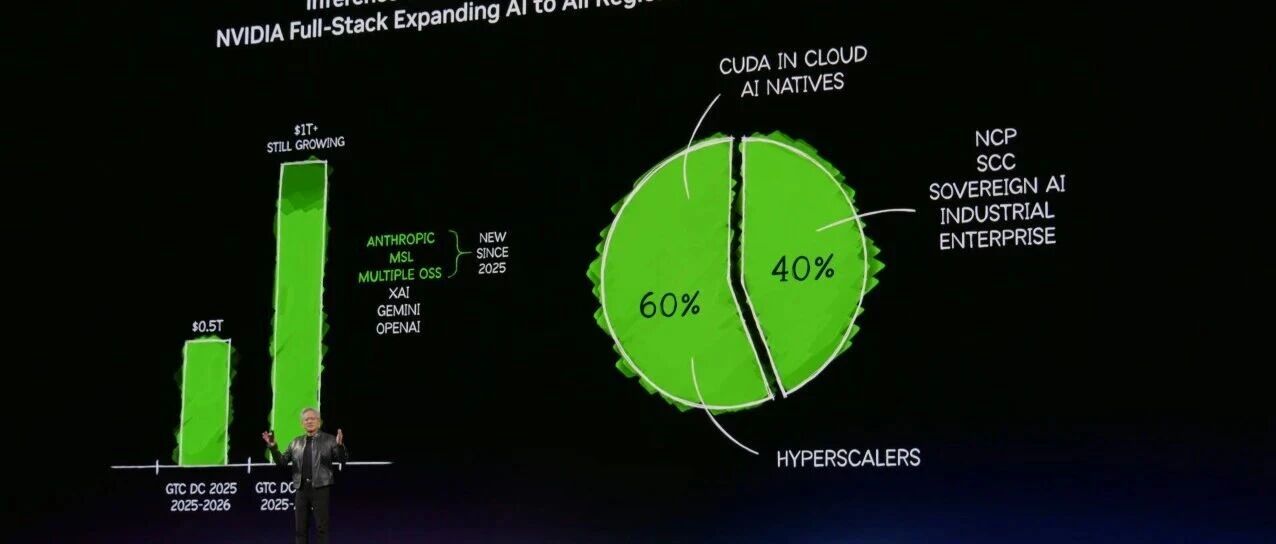
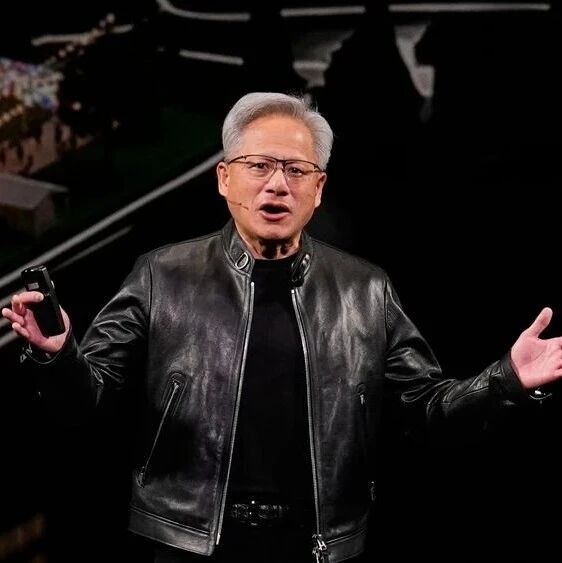
Core Viewpoint - The core of Huang Renxun's speech at the GTC conference is not just the $1 trillion figure but a new business logic where data centers are transforming from model training facilities to token production factories [1][4]. Group 1: Market Predictions and Reactions - Huang Renxun predicts that global demand for AI infrastructure will reach $1 trillion by 2027, with actual demand potentially exceeding this figure [2]. - Following the announcement, NVIDIA's stock price jumped over 4%, while A-share stocks in the computing industry saw significant declines, with Tianfu Communication dropping over 10% [2]. - The disparity in market reactions stems from the time scale of Huang's predictions, as the next-generation Feynman chip architecture will not be available until 2028 [3]. Group 2: Token Consumption and Economic Model - Tokens, the basic units of information processed by large language models, have seen significant consumption increases due to events like the launch of ChatGPT and the release of Claude Code [6][7]. - The demand for inference services has grown 100 times in the past year, with inference now accounting for nearly 60% of server shipments in China [8]. - Huang outlines a tiered pricing model for tokens, ranging from free to $150 per million tokens, indicating that larger models and faster response times will command higher prices [9]. Group 3: Data Center Economics - Data centers are limited by power constraints, and the efficiency of token production per watt of electricity will determine profitability [11]. - A single 1GW data center could generate revenues ranging from $30 billion to $300 billion depending on the architecture used, highlighting the potential for revenue multiplication with new technologies [11][12]. - Huang emphasizes that companies have not fully utilized their existing data centers, suggesting that upgrading to new equipment could significantly increase revenue under the same power conditions [12]. Group 4: Hardware Innovations - The newly announced Vera Rubin platform consists of a system rather than a single chip, featuring liquid cooling and a significant increase in inference throughput [17]. - The combination of Vera Rubin GPUs and Groq's LPU allows for a decoupled inference process, optimizing for both high throughput and low latency [19]. - Huang projects that token generation rates could increase from 22 million to 700 million per second within two years for the same data center [20]. Group 5: Future Trends and Collaborations - Huang predicts that companies will need to budget for token usage similarly to how they budget for computers and software, with engineers receiving annual token budgets [14][15]. - NVIDIA has announced collaborations in the autonomous driving sector with companies like Uber and BYD, which positively impacted the automotive sector's stock prices [22].
黄仁勋GTC完整演讲:生成Token的成本与效率,决定科技企业的营收与生死
虎嗅APP· 2026-03-17 14:03
Core Insights - The article discusses NVIDIA's vision for the future of AI infrastructure, emphasizing the need for a complete redesign of the computing stack to support a multi-trillion-dollar smart economy [2] - NVIDIA aims to transition from a chip manufacturer to a comprehensive AI infrastructure provider, focusing on five layers: energy, chips, infrastructure, models, and applications [2] - The company predicts that global computing demand will exceed $1 trillion by 2027, with Token becoming the new foundational currency for technology companies [3] Group 1: Computing Demand and Infrastructure - NVIDIA's CEO Huang Renxun highlighted that by 2027, the global computing market will surpass $1 trillion, with the cost and efficiency of generating Tokens directly impacting tech companies' revenues [3] - The introduction of the Vera Rubin platform, which integrates CPU and GPU architectures, is expected to enhance computing capabilities significantly, allowing for the connection of up to 144 GPUs in a single system [5] - The new architecture is anticipated to optimize energy consumption and potentially deliver a revenue output ratio of up to 5 times for enterprises, reinforcing NVIDIA's dominance in the data center sector [5] Group 2: Ecosystem and Software Development - NVIDIA's CUDA ecosystem has reached a milestone with billions of GPUs installed globally, driving rapid advancements in AI technology and applications [6] - The launch of NemoClaw, a dedicated operating system for AI agents, allows developers to create personalized AI systems while ensuring privacy and security [7] - The company is also focusing on Physical AI, which requires AI to understand and interact with the physical world, as seen in partnerships with leading automotive companies for autonomous driving solutions [8] Group 3: AI and Industry Applications - NVIDIA is actively involved in various industries, including finance, healthcare, and manufacturing, by providing tailored AI solutions that enhance operational efficiency and decision-making [27] - The company is collaborating with major cloud service providers like IBM and Google Cloud to accelerate data processing capabilities, significantly improving speed and reducing costs [18][20] - NVIDIA's technology is being integrated into various platforms, enabling companies to leverage AI for real-time applications, such as supply chain management and customer service [28] Group 4: Future of AI and Token Economy - The article emphasizes the shift towards a Token-based economy, where the demand for computing power is expected to grow exponentially, driven by advancements in AI capabilities [31] - NVIDIA's infrastructure is designed to support this growth, with a focus on optimizing performance and cost-effectiveness across various deployment scenarios [34] - The company anticipates that the future of AI will involve a tiered pricing model for Token usage, reflecting the increasing value and demand for advanced AI services [46]
芯朋微(688508):2025年收入增长18%,新兴市场和新品类进入放量期
Guoxin Securities· 2026-03-17 13:58
Investment Rating - The investment rating for the company is "Outperform the Market" [6] Core Views - The company is expected to achieve a revenue of 1.143 billion yuan in 2025, representing a year-on-year growth of 18.47%, with a net profit of 186 million yuan, reflecting a year-on-year increase of 67.34% [1][3] - The company is expanding into emerging markets and new product categories, with significant growth in revenue from these areas, including a 50% increase in emerging market revenue and a 39% increase in new product revenue [2][3] - The company plans to launch 12 new products targeting AI computing energy in 2025, enhancing its position as a comprehensive power system solution provider [3] Financial Summary - Revenue projections for the company are as follows: 965 million yuan in 2024, 1.143 billion yuan in 2025, 1.374 billion yuan in 2026, 1.6 billion yuan in 2027, and 1.83 billion yuan in 2028, with respective growth rates of 23.6%, 18.5%, 20.2%, 16.4%, and 14.4% [5][24] - The projected net profit for the company is 111 million yuan in 2024, 186 million yuan in 2025, 195 million yuan in 2026, 217 million yuan in 2027, and 250 million yuan in 2028, with growth rates of 87.2%, 67.3%, 4.5%, 11.7%, and 15.1% respectively [5][24] - The company's gross margin is expected to improve slightly to 37.24% in 2025, with R&D expenses increasing to 258 million yuan, representing a growth of 14.22% [1][5]
