
咖啡

Search documents
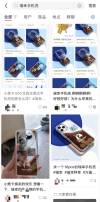
瑞幸推出“冰美式手机壳”引关注,员工称目前仅限内部兑换,二手平台均价约35元
Yang Zi Wan Bao Wang· 2025-10-20 14:35
Core Insights - Luckin Coffee has recently launched a new product, a "Iced Americano Phone Case," which has garnered significant attention on social media [1][4] - The phone case features a transparent design with flowing brown "coffee liquid" and faux "ice cubes," branded with the Luckin logo and a label reading "Yegashef Americano" [1] - Currently, the phone case is not available for public sale and can only be redeemed by internal employees using a "Xiao Ran Card" [1][4] Group 1 - Consumers have shown interest in the phone case despite its limited availability, with many sellers listing it on second-hand platforms like Xianyu [6][7] - The average selling price on these platforms ranges from 30 to 40 yuan, with an average price of approximately 35 yuan [6][7] - The phone case is compatible with mainstream phone models from brands like Apple and Huawei, and some listings have received over 200 inquiries [7][9]


10.20犀牛财经早报:基金三季报披露拉开帷幕 金价上涨后50克金条订单被拦截
Xi Niu Cai Jing· 2025-10-20 01:36
Group 1 - The third quarter fund reports have begun to be disclosed, showing strong performance in equity funds due to the robust A-share market, while bond funds are focusing on maintaining stable returns amid market pressures [1][2] - New public funds are increasingly adopting a strategy of limiting initial fundraising sizes, with several well-known fund managers setting lower caps for their new products, leading to rapid completion of fundraising [1][2] Group 2 - The number of private equity firms with over 10 billion yuan in assets continues to grow, reaching 96, with quantitative strategies being the most prevalent among these firms [2] - The introduction of eSIM technology marks a significant shift towards a "no card" era in mobile communications, with advantages such as flexibility and space-saving, although security risks remain a concern [2] Group 3 - Sany Heavy Industry has announced its IPO price range for H-shares, set between 20.30 and 21.30 HKD per share, with a total issuance of approximately 580 million shares [5] - Wintime Technology has faced operational disruptions due to a system shutdown affecting its semiconductor division, prompting a focus on domestic supply chain management [5] - Zhongding Holdings has launched a series of liquid cooling systems for energy storage, leveraging its expertise in thermal management systems [5]
多轮驱动消费马车加速驰骋
Liao Ning Ri Bao· 2025-10-20 01:12
Core Viewpoint - The news highlights the vibrant consumer activity in Liaoning Province, particularly in Shenyang, showcasing the successful integration of traditional and modern consumption experiences, which reflects the resilience of the local economy and the ongoing efforts to boost domestic demand [1][2][3]. Group 1: Consumer Activity and Economic Impact - The "Eight Classics Coffee Alley" in Shenyang has attracted 2 million visitors in the past two years, generating over 200 million yuan in total revenue, illustrating a successful blend of historical and modern consumer experiences [1]. - During the recent "Eleventh" holiday, Liaoning's consumption surged, with key hospitality and restaurant sectors reporting revenue increases of 16.7% and 15.3% respectively, indicating a strong market recovery [3]. - The province's retail sales of consumer goods are projected to reach 983.65 billion yuan and 1,022.89 billion yuan in 2023 and 2024, with year-on-year growth rates of 7.6% and 4%, consistently outperforming the national average [3]. Group 2: Policy Initiatives and Consumer Upgrades - The "old-for-new" consumption policy has been a significant driver for enhancing consumer spending, with subsidies for various products, including electronics and vehicles, leading to increased consumer participation [4][5]. - In the first eight months of the year, retail sales of smart phones surged by 120%, while wearable devices and energy-efficient home appliances also saw substantial growth, reflecting a shift towards higher-quality consumer goods [5]. - The ongoing initiatives are expected to further stimulate consumption in the province, enhancing economic growth and improving the quality of life for residents [5].
深圳核心城区咖啡馆密度超越上海
2 1 Shi Ji Jing Ji Bao Dao· 2025-10-20 00:03
Core Insights - Shenzhen is rapidly emerging as a new coffee capital in China, driven by a unique blend of speed and innovation in its coffee culture [1][2][3] Group 1: Market Dynamics - Shenzhen has the highest density of coffee shops in China, with 16.7 coffee shops per square kilometer, surpassing Shanghai [1][3] - The city hosts 9,926 coffee-related enterprises, leading the nation in this sector [3] - The coffee industry in Shenzhen is projected to grow from 47.64 billion yuan to 178 billion yuan in the next five years, indicating a significant market opportunity [9] Group 2: Consumer Behavior - The coffee consumption in Shenzhen has evolved through four stages in less than 30 years, from instant coffee to specialty coffee [4] - A significant 82.5% of consumers in Shenzhen drink coffee primarily for its energizing effects, highlighting a strong demand for quick and efficient coffee experiences [10] Group 3: Innovation and Trends - Local brands like "Ten Days Talk" and "Gee Coffee" exemplify the rapid growth and innovation in Shenzhen's coffee scene, with "Ten Days Talk" achieving profitability across all its six stores within six years [4][5] - The introduction of unique coffee products, such as "fruit coffee" and "rotating steamed milk," showcases the innovative spirit of Shenzhen's coffee brands [7] Group 4: Infrastructure and Support - The establishment of the Starbucks China Innovation Technology Center in Shenzhen reflects the city's strategic importance in the coffee industry [8] - Initiatives like the "Coffee Life Week" in Futian have successfully attracted numerous brands and increased consumer engagement, contributing to the local coffee culture [11][12] Group 5: Future Potential - Shenzhen's demographic profile, with a young and diverse population, positions it well for future coffee consumption growth, as nearly 80% of its population falls within the prime coffee-drinking age [14] - The city's technological innovation and manufacturing capabilities are expected to drive advancements in coffee equipment and related technologies, enhancing its competitive edge [18][19] Group 6: Cultural Development - Despite its rapid growth, Shenzhen's coffee culture is still developing, with a need for deeper consumer education and the establishment of local coffee standards [20][21] - Efforts to create unique coffee experiences and integrate coffee culture into public spaces are underway, aiming to foster a more robust coffee community [22]

深圳核心城区咖啡馆密度超越上海
21世纪经济报道· 2025-10-19 23:50
Core Viewpoint - Shenzhen is rapidly emerging as a new coffee capital in China, driven by a young population, strong supply chains, and a culture of innovation, leading to a significant upgrade in coffee consumption patterns [1][26]. Group 1: Coffee Market Dynamics - Shenzhen has the highest number of coffee-related enterprises in China, totaling 9,926, and boasts a density of 2.23 coffee shops per square kilometer in its core urban areas [3]. - The city has seen a qualitative leap in coffee consumption, with local brands like Gee Coffee Roasters and Ten Days emerging alongside global giants like Starbucks [3][4]. - The coffee culture in Shenzhen is characterized by a fast-paced consumer experience, with long queues at grab-and-go coffee windows and events like coffee festivals attracting significant participation [3][4]. Group 2: Consumer Behavior and Trends - Shenzhen's coffee consumers have rapidly evolved from instant coffee drinkers to seeking high-quality, specialty coffee within a span of less than 30 years [4]. - The demand for unique and innovative coffee experiences is evident, with local brands introducing creative products like "fruit coffee" and utilizing new techniques such as "rotary steaming" for milk [7][8]. - A significant portion of consumers (82.5%) drink coffee primarily for its energizing effects, indicating a strong demand for functional beverages [12]. Group 3: Industry Growth and Future Potential - The coffee industry in Shenzhen is projected to grow from a current market size of 47.64 billion yuan to 178 billion yuan over the next five years, indicating a lucrative market opportunity [10]. - The city is leveraging its manufacturing capabilities and technological innovations to become a hub for coffee equipment production, including the development of coffee robots and automated machines [8][10]. - The influx of young talent and diverse consumer preferences in Shenzhen positions it as an ideal testing ground for new coffee products and experiences [17][19]. Group 4: Cultural and Economic Factors - Shenzhen's coffee scene is supported by a vibrant cultural atmosphere, with initiatives like the "Coffee Life Week" attracting numerous brands and consumers, enhancing the local coffee culture [13][15]. - The city's strategic location as a trade hub facilitates access to a variety of coffee beans from around the world, further enriching the local coffee offerings [18][19]. - The integration of coffee culture into Shenzhen's innovation ecosystem is seen as a way to foster creativity and collaboration among professionals [18][24]. Group 5: Challenges and Opportunities - Despite its rapid growth, Shenzhen's coffee culture is still developing, lacking established national brands and deep consumer knowledge about specialty coffee [24][25]. - The city is focusing on building a robust coffee culture through educational initiatives and diverse consumption experiences to attract a broader demographic [24][25]. - Establishing local coffee evaluation standards could enhance the city's competitiveness in the global coffee market, aligning with consumer preferences [25].

星巴克中国股权出售进入倒计时
虎嗅APP· 2025-10-18 13:05
Core Viewpoint - Starbucks is in the final stages of selling a majority stake in its China business, with private equity giants Carlyle and local firm Boyu Capital as leading bidders, potentially valuing the business at around $4 billion, excluding ongoing franchise fees [2][4]. Group 1: Strategic Motives for Sale - The sale aims to generate over $5 billion in cash for Starbucks' global headquarters, which can be used for debt repayment, stock buybacks, or investments in other markets [4]. - The funds will be directly injected into Starbucks China for store expansion, digital transformation, and product development, enhancing its competitive position against local rivals like Luckin Coffee [4]. Group 2: Benefits of Local Partnerships - Both Carlyle and Boyu can provide valuable resources in government relations, store location, and supply chain management, which are crucial for foreign companies operating in China [5]. - Involving local shareholders will shorten decision-making processes, allowing Starbucks to respond more swiftly to market changes and develop a "Chinese brain" for operations [5][6]. Group 3: Competitive Landscape - Starbucks faces intense competition from Luckin Coffee, which has a significantly larger store network, making it more convenient for consumers [14]. - The pricing strategy of competitors like Kudai Coffee, which offers lower prices, poses a threat to Starbucks' premium pricing model [16]. Group 4: Transaction Structure - The deal structure allows Starbucks to retain up to 49% ownership, providing a balance of risk and control [9]. - This structure enables Starbucks to continue benefiting from growth in the Chinese market while maintaining brand integrity and operational standards [11][12]. Group 5: Challenges and Future Outlook - The sale represents a gamble for Starbucks; success could lead to a new growth trajectory in China, while failure may result in cultural clashes and brand dilution [18]. - The new capital infusion is expected to accelerate Starbucks China's expansion, intensifying competition in the coffee market [18][19].

星巴克中国股权出售进入倒计时
Hu Xiu· 2025-10-18 09:17
Core Insights - Starbucks is in the final stages of selling a majority stake in its China business, with private equity firms Carlyle and Boyu Capital as leading bidders, potentially valuing the business at around $4 billion excluding franchise fees [1][2] - The sale aims to generate over $5 billion for Starbucks, providing significant cash flow for debt repayment, stock buybacks, or investments in other markets, while also injecting funds into Starbucks China for expansion and digital initiatives [2][10] - The deal is seen as a strategic partnership rather than a simple financial transaction, allowing Starbucks to retain 49% ownership and maintain brand control while benefiting from local expertise [4][5] Strategic Motivations - The primary motivation for the sale is to alleviate financial burdens and secure funding for growth in the competitive Chinese market, particularly against rivals like Luckin Coffee [2][6] - By partnering with local investors, Starbucks aims to enhance its decision-making speed and adapt more effectively to market changes, leveraging local knowledge in government relations and supply chain management [2][3] Competitive Landscape - The competition in the Chinese coffee market is intensifying, with Luckin Coffee leveraging a larger store network and aggressive pricing strategies, challenging Starbucks' traditional business model [6][7] - Starbucks is responding by enhancing its digital ordering capabilities and expanding its store formats to create a more accessible and engaging customer experience [7][8] Financial and Operational Adjustments - Starbucks has initiated a series of operational adjustments, including menu simplification and price strategy changes, to improve customer experience and maintain brand value amidst competitive pricing pressures [8][9] - Recent financial reports indicate that Starbucks has achieved consecutive revenue growth, with a total of 7,828 stores and plans for further expansion into new markets [9] Future Implications - The outcome of the stake sale will significantly impact Starbucks' ability to navigate the Chinese market, balancing local integration with brand preservation [10][11] - The transaction is expected to accelerate Starbucks China's growth trajectory, intensifying competition in the coffee market driven by new capital and strategic partnerships [11]
6家消费公司拿到新钱;老铺黄金年内第三次涨价;古茗发放200万张2.9元低价咖啡券|创投大视野
36氪未来消费· 2025-10-18 08:37
Group 1: Investment and Financing Activities - Elbi Catering completed a Series A financing round of 50 million RMB, focusing on operational management services in coffee, tea, desserts, and light meals [3][4] - Velotric announced the completion of a Series B financing round, led by Shunwei Capital, to enhance its electric bike product lines for daily commuting and outdoor adventures [5] - Twelve Yao secured 10 million RMB in angel financing, aimed at upgrading non-heritage food research and expanding its smart production base and market channels [6] - Zunyan Supermarket completed a Series C financing round of several billion RMB, focusing on digital technology applications in supermarket operations [7] - Zhenhua Capital invested over 100 million RMB in Shuaike Pet Products, a comprehensive supplier in the pet food industry [8] - Zhefu Customization completed an angel financing round of 3 million RMB to enhance technology development and market expansion in the custom clothing sector [9] Group 2: Market Trends and Consumer Insights - The cycling economy is emerging as a significant market opportunity, with the number of bicycle-related enterprises in China reaching approximately 4.68 million, showing a continuous growth trend over the past decade [23] - Dong Yuhui's live streaming event during the "Double Eleven" shopping festival generated sales of 300 million RMB in just three days, attracting nearly 70 million viewers [24] - Japan's rice prices are nearing historical highs, with the retail price of 5 kg of rice reaching 4,205 yen (approximately 196 RMB), impacting household consumption and restaurant operations [25] - China's express delivery business volume has surpassed 1.5 billion packages this year, indicating a robust growth in the logistics sector and supporting online consumption [26] Group 3: Company Developments - Laopuyuan announced its third price adjustment of the year, with gold prices reaching approximately 1,290 RMB per gram, reflecting the ongoing increase in domestic gold jewelry prices [10] - Guangzhou Yujian Xiaomian submitted its IPO application to the Hong Kong Stock Exchange, reporting a revenue of 703 million RMB for the first half of 2025, a year-on-year increase of 33.8% [11] - Fat Donglai's founder revealed that the company has 4.1 billion RMB in cash with no loans, emphasizing a focus on social responsibility and employee well-being [12]



深圳咖啡:一座超级城市的“液态野心”
2 1 Shi Ji Jing Ji Bao Dao· 2025-10-18 01:36
Core Insights - Shenzhen is rapidly emerging as a new coffee capital in China, driven by a unique blend of speed and innovation in its coffee culture [1][2][20] - The city boasts the highest density of coffee shops in the country, with 16.7 coffee shops per square kilometer in the central district [1][2] - The coffee industry in Shenzhen is characterized by a diverse range of brands, from local startups to international giants like Starbucks, indicating a robust market [2][3] Group 1: Market Dynamics - Shenzhen has 9,926 coffee-related enterprises, the highest in the nation, and a coffee shop density of 2.23 per square kilometer in core urban areas [2][3] - Local brands such as Gee Coffee Roasters and KUDDO Coffee are gaining traction alongside established international brands, showcasing a competitive landscape [2][3] - The coffee consumption journey in Shenzhen has evolved rapidly over the past 30 years, transitioning from instant coffee to specialty brews [3][4] Group 2: Consumer Behavior - The city's coffee culture emphasizes quick experiences, with long queues at grab-and-go coffee windows and events like coffee festivals attracting significant participation [3][4] - A notable 82.5% of consumers in Shenzhen drink coffee primarily for its energizing effects, indicating a strong demand for functional beverages [9] - The average age of coffee consumers in Shenzhen is 32.5 years, with a significant portion of the population being young professionals [12][19] Group 3: Innovation and Technology - Shenzhen's coffee industry is marked by innovation, with local brands exploring unique flavors and brewing techniques, such as the introduction of "fruit coffee" and "rotary steaming" technology [5][6] - The city is also becoming a hub for coffee equipment manufacturing, with local companies developing coffee machines and robots that enhance the consumer experience [7][8] - Starbucks has established its China Innovation Technology Center in Shenzhen, focusing on digital innovation and enhancing customer experiences through technology [8][20] Group 4: Future Potential - The current market size of Shenzhen's coffee industry is estimated at 476.4 billion yuan, with projections to reach 1.78 trillion yuan in the next five years [8][12] - The city's unique demographic and cultural characteristics position it well for rapid growth in coffee consumption, particularly among young, high-income professionals [12][19] - There is a growing trend towards personalized and high-quality coffee experiences, with brands adapting to meet diverse consumer preferences [11][15] Group 5: Challenges and Opportunities - Despite its rapid growth, Shenzhen's coffee culture lacks deep-rooted traditions and established national brands, which may hinder its aspirations to become a global coffee hub [17][20] - The city is actively working to cultivate a coffee culture through innovative consumer experiences and educational initiatives [17][20] - Establishing local coffee evaluation standards could further enhance Shenzhen's position in the global coffee market [18][19]
1至8月哥伦比亚非矿产品出口强劲增长
Shang Wu Bu Wang Zhan· 2025-10-17 17:29
Core Insights - Colombia's non-mining energy product exports reached $17.291 billion from January to August, marking a significant year-on-year increase of 21.3% with a volume growth of 14.4% [1] Export Performance by Sector - Agriculture accounted for 42.9% of total exports, with a remarkable growth rate of 36.9% [1] - The agro-industrial sector represented 15.6% of exports, experiencing a growth of 39.7% [1] - Industrial manufactured goods made up 41.4% of exports, with an increase of 11.8% [1] Notable Export Products - Coffee exports were particularly strong, totaling $3.798 billion, which is a year-on-year increase of 77.4% [1] - Palm oil exports grew by 77.9%, while coffee extracts increased by 58.7% [1] - Pesticides saw a growth of 20.3%, and other products like bananas, sugar, pharmaceuticals, transformers, aluminum doors and windows, beauty products, and flowers also maintained growth [1] Economic Implications - The robust performance of non-mining energy exports indicates that Colombia's economic structure is diversifying, with agriculture and manufacturing becoming new growth drivers [1]