
咖啡

Search documents
宿迁宿城:咖啡市集火热启动,文旅多场景消费全面升级
Yang Zi Wan Bao Wang· 2025-10-02 01:57
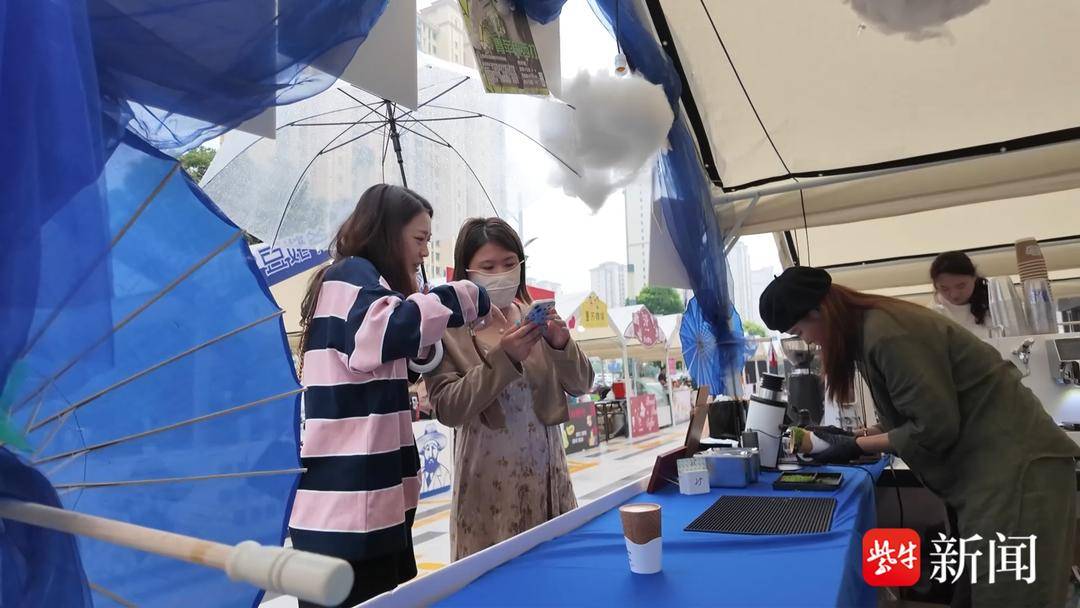
Core Insights - The "Water Rhythm and Free City" 2025 Autumn Cultural and Commercial Tourism Promotion Season and the Third Coffee Market event commenced in Suqian City, Jiangsu Province, attracting significant public interest and participation [1][7] Group 1: Event Overview - The coffee market features a variety of booths where baristas demonstrate coffee-making techniques, showcasing both coffee and related products, with 60 merchants participating [3][5] - The event lasts for five days and aims to create a new consumption scene that integrates coffee culture with tourism and youth engagement [7] Group 2: Industry Development - Suqian District is actively developing its coffee industry, attracting high-tech enterprises like Amavi Coffee, which produces 180,000 coffee machines annually [7] - The district is working on establishing a coffee technology and culture industrial park to promote the coffee industry towards clustering, diversification, and high-end development [7] Group 3: Consumer Engagement - The event includes promotional activities such as discounts and lotteries to enhance consumer experience, alongside the introduction of 50 flagship stores [7][8] - Suqian District has launched various initiatives to improve the overall service system for dining, accommodation, travel, shopping, and entertainment, contributing to its recognition as a provincial-level cultural and tourism consumption demonstration unit [8]

上城区2600万元消费券大放送
Mei Ri Shang Bao· 2025-09-30 02:03
Core Insights - The "Coffee Culture Carnival" in Hangzhou, themed "Coffee + Digital Technology" and "Coffee + Culture," aims to enhance consumer engagement and promote local coffee brands [1][2] - The event features a variety of activities including coffee markets, skill competitions, product showcases, and themed concerts, attracting significant participation from local coffee brands and champions [1][2] Group 1: Event Overview - The carnival runs from September 30 to October 2, 2025, and is free for consumers [1] - It includes participation from 60 coffee brand owners showcasing regional coffee varieties, creating an immersive experience for attendees [1] - Notable coffee champions, such as World Cup champion Zhao Hongqiang and Taiwan Coffee Master Competition champion Lin Dongyuan, are present to enhance the tasting experience [1] Group 2: Technological Integration - The event features the launch of the "West Lake Magic Box" at the South Star Phoenix site, which serves as a digital experience space combining technology and culture [1] - The space includes advanced VR equipment and hosts themed experience days related to various films and digital art exhibitions [1] Group 3: Economic Incentives - A total of 26 million yuan in coffee consumption vouchers will be distributed during the carnival, with daily random draws for various amounts [2] - The event also includes 50,000 taxi vouchers worth 175 yuan each, provided by "Cao Cao Travel" [2] Group 4: Industry Development - The carnival serves as a platform for collaboration within the coffee industry, facilitating connections between coffee bean suppliers, equipment vendors, and e-commerce channels [2] - Several professional competitions will take place, including the Zhejiang Coffee Master Entrepreneur Competition and the "Qianchao Cup" Coffee Roasting Competition [2] - Hangzhou's Shangcheng District has seen a rise in coffee brands and shops, establishing a robust coffee industry ecosystem with a high number of operational coffee stores [2]
贵阳成咖啡之城,每2000人有一家咖啡店
21世纪经济报道· 2025-09-29 15:19
Core Viewpoint - Guiyang is emerging as a new "Coffee City" in China, attracting attention for its unique coffee culture and independent coffee shops, despite lacking traditional advantages in coffee production and branding [1][4]. Group 1: Guiyang's Coffee Culture - Guiyang has a remarkable density of coffee shops, with one for every 2,000 residents, and has produced over ten national coffee champions [1]. - The city has become a popular tourist destination, with nearly 20 million views on coffee-related topics on social media platforms like Xiaohongshu [1]. - Local coffee shops emphasize unique flavors, such as the "Zhe'er Gen Americano," which incorporates local ingredients, showcasing the integration of coffee with local culture [4][6]. Group 2: Factors Contributing to Success - The low presence of chain coffee brands allows independent coffee shops to thrive, fostering a community-driven culture of skill sharing and innovation among baristas [4][6]. - The training culture in Guiyang's coffee scene is characterized by high-frequency practice and competition, contributing to the city's reputation for quality coffee [4][6]. Group 3: Challenges Ahead - The rapid increase in independent coffee shops may dilute customer bases, as the local population of 6.6 million may not sustain such density [6][7]. - There is a shortage of skilled operational talent in areas such as branding and supply chain management, which poses challenges for the growth of coffee shops [7]. - Guiyang's inland location results in logistical challenges for sourcing coffee beans, leading to higher costs and longer delivery times compared to coastal cities [7]. Group 4: Future Directions - Guiyang aims to establish a stable value-creating coffee industry chain to drive economic growth, with initiatives like the establishment of the Guiyang Coffee Industry Association and the launch of a bilingual coffee map [10][12]. - The city is focusing on integrating coffee with cultural tourism to redefine its image and attract younger consumers, leveraging coffee as a tool for modern cultural expression [12]. - The development of supportive policies and infrastructure is essential for Guiyang to transition from a "story city" to an "industry city" in the coffee sector [10][12].

网友把“咖啡之城”称号给了贵阳,云南和海南不着急?
2 1 Shi Ji Jing Ji Bao Dao· 2025-09-29 13:36
Core Insights - Guiyang is emerging as a new "Coffee City" with significant growth in independent coffee shops, attracting tourists and generating local interest [1][2][5] - The city has produced numerous national coffee champions, indicating a strong local coffee culture driven by community engagement and training [2][3] - Despite its rapid growth, Guiyang faces challenges such as a limited consumer base, talent shortages, and supply chain issues [3][4] Group 1: Growth and Popularity - Guiyang has a coffee shop density of one for every 2,000 residents, with over 20 national champions emerging from the city [1] - The city is becoming a popular tourist destination, with social media engagement around Guiyang coffee reaching nearly 20 million views [1] - The local football team, named "Guiyang Coffee Team," won a championship, further promoting the coffee culture [1] Group 2: Community and Culture - The low chain density and affordable rent in Guiyang foster a vibrant community of independent coffee shops, allowing for innovation and skill sharing among baristas [2] - Coffee shops in Guiyang serve as informal training grounds, where baristas practice and compete, enhancing the overall quality of coffee [2] - The local coffee culture integrates unique local flavors, such as the "Folded Root Americano," which reflects the region's identity [2] Group 3: Challenges - The rapid increase in coffee shops is diluting customer traffic, with a population of 6.6 million in 2024 insufficient to support the current density [3] - There is a scarcity of skilled operational talent in areas such as branding and supply chain management, hindering business growth [3] - Guiyang's inland location results in logistical challenges for sourcing coffee beans, impacting quality and delivery times [3] Group 4: Policy and Future Development - Current policies to support the coffee industry in Guiyang are not yet fully developed, lacking targeted measures for talent acquisition and supply chain improvements [4] - Guiyang is taking steps to establish a stable coffee industry, with initiatives aimed at creating a sustainable value chain [5] - Recent events and policy measures indicate a commitment to developing the coffee sector as a key driver of economic growth [5][6] Group 5: Cultural Integration - Guiyang's coffee culture is redefining the city's tourism image, appealing to younger consumers and integrating local culture into the coffee experience [6] - The city aims to modernize its cultural expression through coffee, positioning it as an asset for tourism and urban branding [6][7] - The focus is on finding a unique path that combines coffee, culture, and lifestyle, rather than merely increasing the number of coffee shops [6][7]
食品饮料行业周报(2025.09.22-2025.09.27):蜜雪、幸运咖双品牌共振,万辰港股IPO展示规模壁垒,白酒中秋动销本周起速-20250929
China Post Securities· 2025-09-29 12:11
Investment Rating - The industry investment rating is "Outperform" and is maintained [2] Core Insights - The new tea and coffee market in China has become an important consumption sector, with Mixue Group emerging as a significant player due to its unique market positioning and strong supply chain capabilities [2][16] - Mixue Group's brands, Mixue Ice City and Lucky Coffee, have distinct market positions and clear development strategies, indicating long-term growth potential [2][16] - The group effectively leverages the synergy between its tea and coffee brands, with Mixue Ice City focusing on mass tea consumption and Lucky Coffee targeting the coffee market with a beverage-oriented product strategy [3][22] Summary by Sections Industry Overview - The food and beverage sector's performance this week saw a decline of 2.49%, ranking 26th among 30 sectors, underperforming the CSI 300 index by 3.56 percentage points [10][31] - Only the soft drink segment experienced an increase, with a rise of 0.86% [10][32] Company Developments - Mixue Group has a total of 53,014 stores globally, with 48,281 in China and 4,733 overseas, focusing on lower-tier markets [16][23] - Lucky Coffee has rapidly expanded, surpassing 8,000 stores by August 2025, targeting entry-level coffee consumers [16][23] - Wanchen Group submitted its IPO application in Hong Kong, reinforcing its leading position in the Chinese snack retail sector, with plans to use the funds for network expansion and product diversification [25][26] Market Dynamics - The competitive landscape in the coffee sector shows Lucky Coffee adopting a beverage-oriented strategy, differentiating itself from specialized coffee brands [3][22] - The potential for expansion in lower-tier cities remains significant, with Mixue Ice City and Lucky Coffee poised to capture unmet demand in these markets [4][23] - The overall market sentiment is cautious, with expectations of a significant decline in sales during the Mid-Autumn Festival, although some brands are showing signs of recovery [27][30]





打工人的续命水,快要喝不起了?
Hu Xiu· 2025-09-29 11:10
Core Insights - The price of coffee cherries in Yunnan has increased nearly threefold over the past year, reaching around 11 yuan per pound, leading many farmers to switch from corn to coffee cultivation [1] - Climate change has significantly impacted the production of Arabica coffee, causing a reduction in suitable growing areas and driving up prices [2][12] - The coffee industry faces challenges from climate instability, which affects both production and the economic viability of smallholder farmers [8][17] Price Dynamics - Coffee cherry prices have surged from 3-5 yuan to approximately 11 yuan per pound within a year, prompting a shift in crop cultivation among farmers [1] - The price of raw coffee beans has also increased, with some reports indicating prices reaching 70-100 yuan per kilogram, compared to 35-40 yuan previously [14] - Despite rising coffee prices, consumers continue to purchase coffee at lower prices due to the relatively small proportion of coffee bean costs in the final product [14][16] Climate Change Impact - Arabica coffee is highly sensitive to climate conditions, with optimal growth requiring average temperatures around 20°C and annual rainfall exceeding 1200mm [8] - Extreme weather events, such as prolonged droughts and excessive rainfall, have led to significant production challenges, particularly in major coffee-producing countries like Brazil and Vietnam [8][12] - Predictions indicate that by 2050, suitable areas for coffee cultivation could decrease by approximately 50% due to climate change [12][18] Smallholder Farmers - Approximately 95% of the world's coffee farms are operated by smallholders, many of whom live below the international poverty line [9][10] - Smallholder farmers are particularly vulnerable to the impacts of climate change, as their primary income source is threatened by reduced yields and increased production costs [17] - The coffee value chain is heavily reliant on these small farmers, who contribute about 80% of global coffee production [9][10] Industry Response - Companies like Starbucks are taking steps to ensure sustainable sourcing and reduce their carbon footprint, recognizing the risks posed by climate change [21] - There is a growing need for the coffee industry to adapt by developing more resilient coffee varieties and implementing sustainable agricultural practices [19][20] - The shift towards higher altitude coffee cultivation may become necessary as lower altitude areas become less suitable for Arabica coffee production [18][19]
新华视点丨从咖啡到AI——22载“年度之约”见证中国-东盟的“合作之路”
Xin Hua Wang· 2025-09-29 08:54
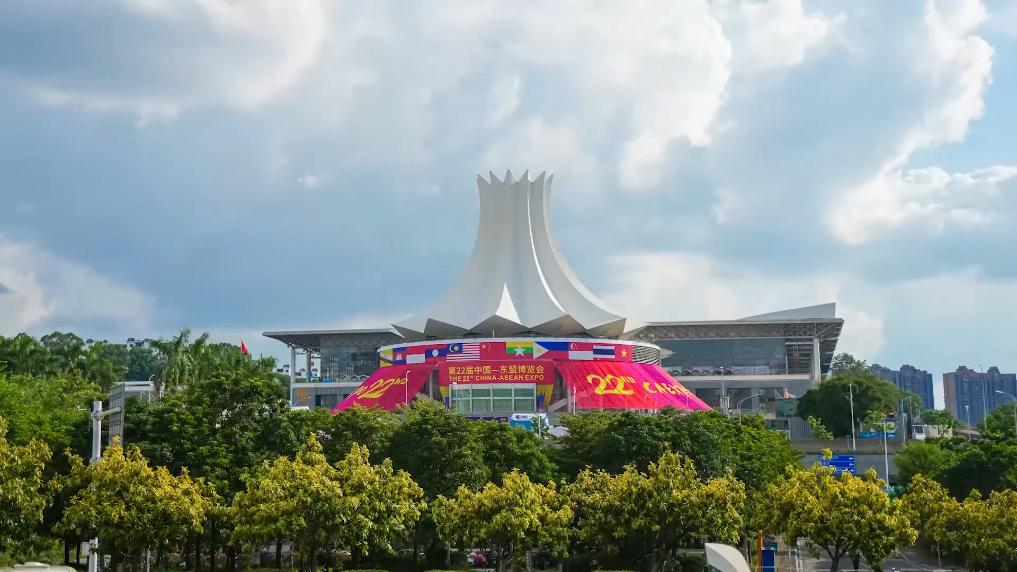
Group 1 - The 22nd China-ASEAN Expo showcases the collaboration between China and ASEAN, highlighting the evolution from traditional coffee trade to advanced AI applications [1][5] - The expo features a dedicated AI pavilion and new productivity pavilion, with nearly 200 leading AI companies and startups participating [5][7] - The establishment of the China-ASEAN AI Innovation Cooperation Center aims to focus on technology research and development, cross-border cooperation, and digital ecosystem cultivation [7][11] Group 2 - The Vietnam Trung Nguyen Coffee Group has developed a significant presence in China, with 20 importers and over 300 secondary distributors, achieving a market scale of 1 billion RMB [9][10] - The Malaysia Durian Brother Company, which won a gold award at last year's expo, has established a presence in Nanning and plans to open stores in major Chinese cities [9][10] - China has maintained its position as ASEAN's largest trading partner for 16 consecutive years, while ASEAN has been China's largest trading partner for five years [10][11] Group 3 - The implementation of the China-ASEAN Free Trade Area 3.0 is expected to reduce tariffs on 90.3% of goods traded within the region to zero, covering approximately 120,000 product categories [11] - Key sectors such as agricultural products, electronic components, and new energy vehicle parts will see the most significant tariff reductions, enhancing economic cooperation between China and ASEAN [11]
新华视点|从咖啡到AI——22载“年度之约”见证中国-东盟的“合作之路”
Xin Hua She· 2025-09-29 08:46
Core Insights - The 22nd China-ASEAN Expo showcases the evolving cooperation between China and ASEAN, highlighting advancements from traditional coffee trade to cutting-edge AI applications [2][6][12] Group 1: AI and Technological Collaboration - The establishment of the AI Innovation Cooperation Center demonstrates a commitment to developing AI technologies, focusing on blockchain, robotics, and tailored AI services for local needs [6][7] - The expo features a dedicated 10,000 square meter AI pavilion, with nearly 200 leading AI companies and startups participating, indicating a strong emphasis on innovation and collaboration in the AI sector [7] Group 2: Trade and Economic Growth - The Vietnam Central Highlands Coffee Group has expanded its presence in China, achieving a market scale of 1 billion RMB through a comprehensive online and offline strategy [9] - The China-ASEAN Free Trade Area 3.0 is set to significantly reduce tariffs on 90.3% of goods, covering approximately 120,000 product categories, which is expected to enhance trade cooperation between China and ASEAN [12] Group 3: Strategic Partnerships - Strategic partnerships are being formed, such as the collaboration between Malaysia's Durian Brother Company and Guangxi International Business Vocational College, showcasing the potential for deeper cooperation through the expo [11] - The expo serves as a platform for fostering long-term relationships and business opportunities, with many ASEAN enterprises leveraging the event to enter the Chinese market [9][11] Group 4: Sustainable Development - The ongoing cooperation between China and ASEAN is contributing to sustainable development, addressing global challenges, and enhancing economic resilience [14]
DM咖啡一周年焕新升级:开启日咖夜酒模式,把“风味重组”玩出新花样
Zhong Guo Shi Pin Wang· 2025-09-29 06:58
Core Insights - DM Coffee celebrates its first anniversary with significant growth, achieving a total revenue of over 3.5 million yuan since its opening in September 2024, with a monthly revenue of 350,000 yuan and a daily average exceeding 10,000 yuan [1] - The brand introduces a new "Day Coffee Night Wine" model, emphasizing the integration of coffee and alcohol, enhancing the aesthetic narrative and cultural resonance through a revamped menu and store design [1][9] Product and Menu Upgrades - The product matrix has expanded to 48 drink options, including 7 signature blends and 5 cocktails, catering to diverse consumer tastes [2] - The "Artistic Flavor" concept is highlighted in the menu upgrade, incorporating elements of West Coast culture and exploring tea-coffee fusion and regional ingredients [2] Unique Beverage Offerings - The "Flavor Reconstruction" series focuses on breaking traditional coffee flavor boundaries, utilizing molecular gastronomy to create complex taste experiences [4] - The Cocoa series emphasizes "vegan-friendly" and "extreme expression of cocoa flavor," using Tanzanian cocoa known for its bright acidity and rich floral notes [5] Cocktail Innovations - The cocktail series extends DM Coffee's innovative spirit into the nightlife scene, blending classic cocktail recipes with unique flavor treatments and local ingredients [8] - The signature cocktail "Floating Light Lemon Cold Brew" exemplifies the brand's creative approach to reinterpreting classic drinks [8] Cultural Integration - DM Coffee's anniversary upgrades represent a milestone in brand development, merging coffee and alcohol cultures to offer a more artistic consumer experience [9]
今年前八个月云南咖啡及其制品出口超7.7亿元
Zheng Quan Ri Bao· 2025-09-28 14:12
Core Insights - Yunnan's coffee and its products exported over 770 million yuan in the first eight months of this year, ranking first in the country [1] - The value of coffee exports under the Tengchong Customs supervision reached 30.944 million yuan, with a year-on-year increase of 38.5% [1] Industry Developments - The rising international coffee bean prices present a significant opportunity for Yunnan's coffee industry, with exports expected to start in May 2024 to countries including Singapore, Malaysia, Vietnam, and Europe and the United States [1] - The coffee industry in Yunnan is experiencing a shift from exporting mainly raw beans to a variety of products such as roasted beans, drip coffee, and instant coffee, indicating an improvement in manufacturing capabilities [1] - The export market has expanded beyond traditional regions like Europe, Japan, and South Korea to include Central Asia, Eastern Europe, and even Africa, showcasing the enhanced production quality [1]