汽车整车

Search documents
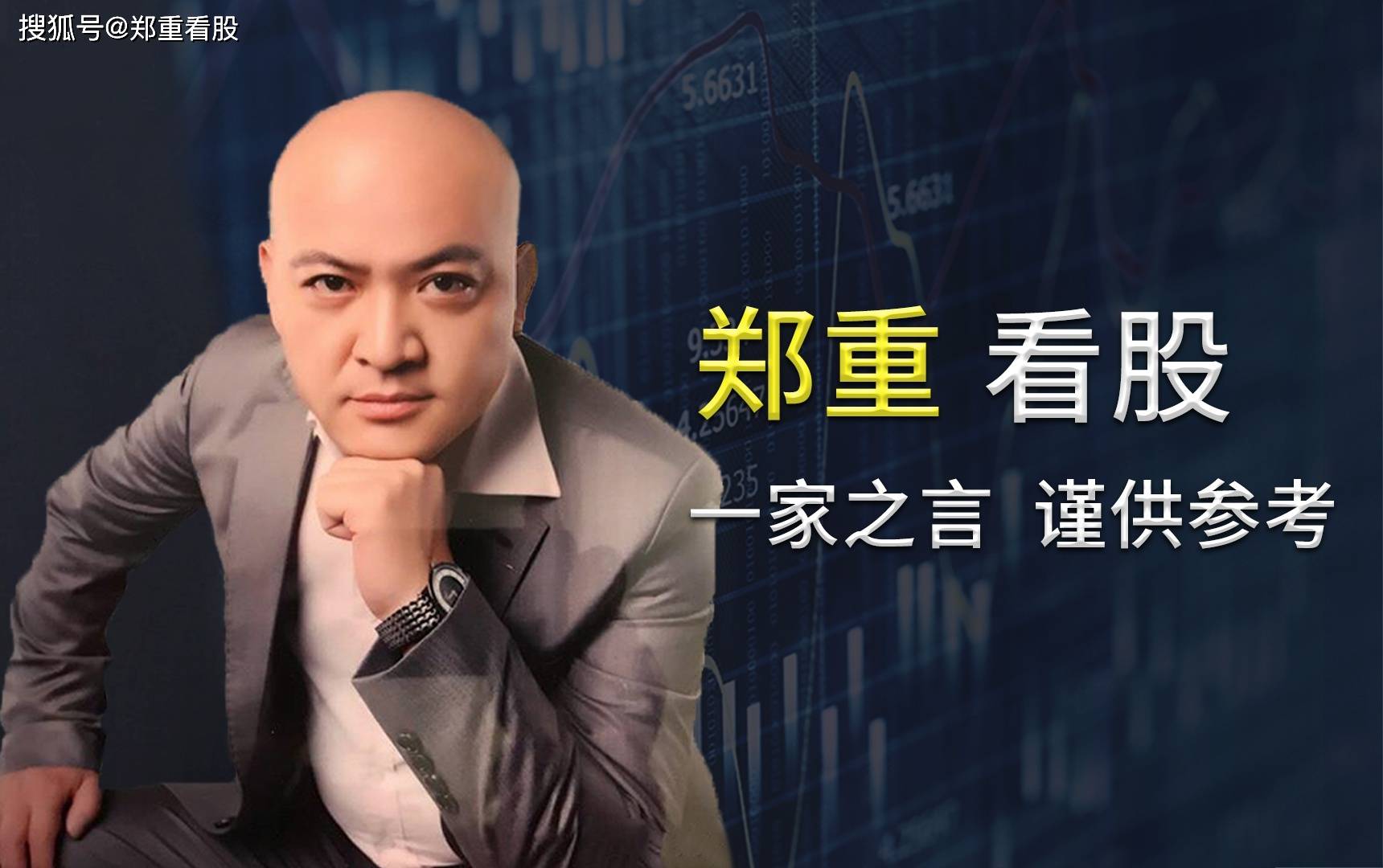
金十图示:2025年04月22日(周二)富时中国A50指数成分股今日收盘行情一览:银行股全天走势分化,保险行业午后转涨
news flash· 2025-04-22 07:04
金十图示:2025年04月22日(周二)富时中国A50指数成分股今日收盘行情一览:银行股全天走势分化,保险行业午后转涨 长江电力 中国核电 东方财富 8 1939.56亿市值 3243.93亿市值 7176.53亿市值 22.70亿成交额 8.57亿成交额 34.61亿成交额 29.33 9.43 20.55 +0.02(+0.07%) +0.05(+0.53%) -0.08(-0.39%) 证券 食品饮料 中信证券 国泰海通 海天味业 胸更 3716.99亿市值 3007.63亿市值 2346.02亿市值 11.58亿成交额 6.80亿成交额 2.80亿成交额 17.06 42.19 25.08 -0.15(-0.59%) +0.07(+0.41%) +0.03(+0.07%) 消费电子 化学制药 恒瑞医药 工业富联 立讯精密 3251.38亿市值 3530.91亿市值 2195.96亿市值 31.40亿成交额 8.19亿成交额 31.17亿成交额 17.78 30.30 50.97 -0.03(-0.17%) -0.57(-1.85%) +1.80(+3.66%) 家电行业 农牧饲渔 牧原股份 格力电器 ...







汽车整车板块盘初拉升,中通客车涨停
news flash· 2025-04-22 01:36
汽车整车板块盘初拉升,中通客车(000957)涨停,金龙汽车(600686)、海马汽车(000572)、安凯 客车(000868)、宇通客车(600066)跟涨。 暗盘资金正涌入这些股票,点击速看>>> ...

上汽华为联合发布“SAIC尚界”,4月第二周乘用车零售同比+8%
Great Wall Securities· 2025-04-21 11:49
证券研究报告 | 行业周报 2025 年 04 月 21 日 汽车 上汽华为联合发布"SAIC 尚界",4 月第二周乘用车零售同比+8% | 1 | | | | | | | | --- | --- | --- | --- | --- | --- | --- | | 股票 | 股票 | 投资 | EPS (元) | | PE | | | 代码 | 名称 | 评级 | 2024E | 2025E | 2024E | 2025E | | 000625.SZ | 长安汽车 | 增持 | 0.94 | 1.27 | 13.16 | 9.74 | | 000887.SZ | 中鼎股份 | 增持 | 0.99 | 1.17 | 16.29 | 13.79 | | 002284.SZ | 亚太股份 | 买入 | 0.29 | 0.47 | 35.17 | 21.7 | | 002906.SZ | 华阳集团 | 增持 | 1.24 | 1.71 | 24.15 | 17.51 | | 09660.HK 地平线机器人-W | | 买入 | 1.26 | 1.56 | 4.34 | 3.51 | | 301106.SZ | 骏成科 ...



汽车|美国挑起关税纠纷,汽车板块“机”大于“危”
中信证券研究· 2025-04-21 01:03
Core Viewpoint - The automotive industry is facing significant tariff increases from the U.S., with rates exceeding 200% for electric vehicles and 55%-80% for auto parts, but the overall impact on Chinese brands is limited due to low export exposure to the U.S. market [1][2][4]. Group 1: Tariff Impact on Automotive Sector - The current tariff rates for the automotive sector in China range from 75% to over 200%, with electric vehicles facing the highest rates [2]. - Chinese automakers exported approximately 110,000 vehicles to the U.S. in 2024, accounting for only 1.7% of total exports, indicating that the U.S. is not a primary market for Chinese brands [3]. - The EU has paused tariffs on Chinese electric vehicles and is negotiating new terms, which may benefit high-end models from Chinese brands [3]. Group 2: Auto Parts Sector Analysis - The tariff rates for auto parts exported to the U.S. are currently between 55% and 80%, with direct exports exceeding 44.5 billion RMB in 2024 [4]. - Companies in the auto parts sector have established significant production capacity in Mexico, allowing them to shift U.S. demand to local supply, mitigating the impact of tariffs [4]. - Auto parts suppliers with established Mexican operations are not adversely affected, while others are negotiating cost-sharing with clients and suppliers [4]. Group 3: Two-Wheelers and Non-Road Vehicles - The two-wheeler and non-road vehicle sectors are experiencing short-term challenges due to tariffs, but this may lead to long-term improvements in market structure [5]. - Companies exporting electric bikes and other related vehicles to the U.S. face increased costs due to tariffs, as they lack fully localized production bases in North America [6]. - The market for two-wheelers and low-speed vehicles is expected to see a clearer competitive landscape after initial disruptions [6].

行业深度 | 上海车展前瞻:创新智联 自主竞逐高端【民生汽车 崔琰团队】
汽车琰究· 2025-04-20 08:07
Core Viewpoint - The 2025 Shanghai International Automobile Industry Exhibition will be held from April 23 to May 2, 2025, with the theme "Embrace Innovation, Win the Future," showcasing over 1,000 global enterprises and more than 100 new car launches, highlighting the industry's transformation and technological advancements [1][10]. Industry New Technologies - Advanced intelligent driving technologies are accelerating, with high-performance chips and LiDAR becoming mainstream. Geely's Lynk & Co 900 is the first mass-produced model equipped with the Thor chip, while models like Leapmotor B10 are introducing LiDAR technology to the 100,000 yuan market [2][21]. - The adoption of 800V high-voltage fast charging is becoming standard, with companies like BYD and Huawei leading the way, achieving ranges exceeding 700 km and charging efficiencies [2][27]. - The high-end market is seeing significant entries from tech giants like Huawei and Xiaomi, with models like Huawei's Aito S800 and Xiaomi's SU7 Ultra targeting luxury segments [2][3]. New Forces and Trends - Tech giants are reshaping the competitive landscape, with Huawei launching multiple models aimed at the luxury market, while new players like Xiaopeng, Li Auto, and Leapmotor are focusing on intelligent upgrades to penetrate mainstream markets [3][8]. - New energy vehicle brands are showcasing their strengths, with models like Xiaopeng G7 and Li Auto i8 emphasizing advanced intelligent driving capabilities [3][19]. Domestic Brand Trends - Domestic brands are leveraging technology to move upmarket, with BYD's Han L and Tang L featuring advanced intelligent driving systems and extended-range capabilities [4][19]. - Geely is expanding its market presence with models like the Galaxy Star 8 and Lynk & Co 900, focusing on hybrid and intelligent technologies [4][19]. - Companies like Changan, Great Wall, and SAIC are diversifying their product offerings, emphasizing high-end and technologically advanced vehicles [4][19]. Investment Recommendations - The report recommends investing in quality domestic brands that are accelerating in intelligence and globalization, specifically BYD, Geely, Xiaopeng, and Li Auto, while also suggesting to monitor Xiaomi Group [5]. - In the parts sector, it highlights new force supply chains and recommends companies like H Chain, T Chain, and intelligent driving component manufacturers [5].




中集车辆收盘下跌1.95%,滚动市盈率14.80倍,总市值160.61亿元
Jin Rong Jie· 2025-04-16 10:30
Group 1 - The core viewpoint of the articles highlights the financial performance and market position of CIMC Vehicles, indicating a decline in revenue and profit compared to the previous year [1][2] - CIMC Vehicles' closing stock price is 8.57 yuan, with a rolling price-to-earnings (PE) ratio of 14.80 times, and a total market capitalization of 16.061 billion yuan [1] - The average PE ratio for the automotive manufacturing industry is 30.64 times, with a median of 28.87 times, placing CIMC Vehicles in the 9th position within the industry [1][2] Group 2 - As of February 28, 2025, CIMC Vehicles has 35,107 shareholders, an increase of 228 from the previous count, with an average holding value of 352,800 yuan and an average shareholding of 27,600 shares [1] - The main business of CIMC Vehicles includes the production, manufacturing, and sales of semi-trailers, special vehicles, refrigerated truck bodies, and complete vehicles, with notable brands operating in North America and Europe [1] - The latest financial results for 2024 show CIMC Vehicles achieved operating revenue of 20.998 billion yuan, a year-on-year decrease of 16.30%, and a net profit of 1.085 billion yuan, down 55.80%, with a gross profit margin of 16.32% [1]
汽车整车行业16日主力净流出6.28亿元,比亚迪、赛力斯居前
Jin Rong Jie· 2025-04-16 07:42
Industry Overview - The automotive sector experienced a decline of 0.8% on April 16, with a net outflow of 628 million yuan from major funds [1] - Among the constituent stocks, 10 increased in value while 16 decreased [1] Major Fund Outflows - The companies with the highest net outflows included BYD (2.87 billion yuan), Seres (1.2 billion yuan), JAC Motors (971.18 million yuan), Changan Automobile (270.26 million yuan), and Ankai Bus (198.32 million yuan) [1] Major Fund Inflows - The companies with significant net inflows were SAIC Motor (25.14 million yuan), Yutong Bus (17.08 million yuan), ST Hanma (6.28 million yuan), ST Shuguang (4.54 million yuan), and Changan B (970,000 yuan) [2] - Notably, ST Hanma had a net inflow percentage of 9.03%, indicating strong investor interest [2]

2月汽车全行业月报汇报
2025-04-15 14:30
Summary of Conference Call Records Industry Overview - The automotive industry is expected to experience significant growth in 2023, comparable to the surge seen in 2020, driven by the onset of a new era of smart vehicles over the next three to five years [1] - The passenger vehicle and parts sectors are both viewed positively, with a return to a solid growth phase anticipated for passenger vehicles [1] Key Insights on Passenger Vehicles - January production figures for the passenger vehicle sector were approximately 2.1 million units, while retail sales were reported at 1.778 million units, showing a decline both year-on-year and month-on-month [3] - Exports in January reached 380,000 units, with notable growth driven by BYD, which exported 65,000 units, up from 56,000 units in December [3] New Energy Vehicle (NEV) Insights - The retail penetration rate for new energy vehicles in January was 39.6%, influenced by seasonal factors and significant price reductions in December [4] - The penetration rate for L3 intelligent driving in new energy vehicles was 14.1%, showing good growth despite a general decline in new energy penetration [5] Technology and Innovation - BYD's new technology initiatives, such as the "Tian Shen Zhi Yan B" plan, have introduced advanced computing capabilities at competitive price points, enhancing the functionality of their vehicles [8] - The penetration rates for advanced driver-assistance systems (ADAS) are increasing, with models like the AITO Wenjie achieving an impressive 88.3% penetration for L3 capabilities [6] Market Dynamics - The overall market for passenger vehicles is experiencing fluctuations due to seasonal effects, with January typically being a slower month due to the Chinese New Year [16] - The inventory levels in January increased by 18,000 units, indicating a strategic buildup by manufacturers to prepare for the new year [17] Competitive Landscape - Tesla's sales in both China and the U.S. saw a decline in January compared to December, but the overall mileage for its Full Self-Driving (FSD) feature continues to grow, nearing 3 billion miles by December 2024 [7] - The competitive landscape remains dynamic, with various manufacturers adjusting their strategies in response to market conditions and consumer demand [19] Additional Observations - The commercial vehicle sector, particularly buses, is showing signs of recovery, with expectations for improved demand in the first quarter despite a decline in January sales [12] - The overall sentiment in the automotive industry remains optimistic, with expectations for a strong performance in the upcoming months driven by technological advancements and market recovery [15]
出口链联合电话会议
2025-04-15 14:30
Summary of Conference Call Records Industry Overview - The conference call primarily discusses the export industry, focusing on hand tools, electric tools, and related manufacturing sectors, particularly in Southeast Asia and Mexico [1][2][3]. Key Points and Arguments Export Companies and Market Dynamics - Traditional export companies in hand tools and electric tools, such as Techtronic Industries, Qianfeng Holdings, and Juxing Technology, have seen significant stock price increases, with some reaching their daily limit [1]. - Many companies have shifted over 50% of their production capacity to Southeast Asia, including Vietnam, Thailand, and Cambodia, benefiting from tariff suspensions in these regions [1][2]. - The overall sentiment in the hand tools and electric tools sector is improving, with companies like Zhejiang Dingli and Hongyuan CNC recommended for investment [3]. Impact of Tariffs on the Automotive Industry - The U.S.-China automotive trade friction has evolved through three stages, with initial tariffs on traditional auto parts and a shift towards new energy components under the Biden administration [4]. - The export volume of passenger vehicles to the U.S. has decreased, with figures of 65,000, 66,000, and 105,000 units over the past three years, representing about 2% of total exports [5]. - Domestic automakers are focusing on regions like Eastern Europe, South America, and Southeast Asia, with limited impact from U.S. tariffs on their operations [6]. Components and Smart Technology - Companies with North American production capabilities are less affected by tariffs, as they can reduce direct export impacts [6]. - The influence of tariffs on profits is estimated to be around -2.4% for companies like Fuyao Glass if they bear 50% of the tariff burden [7]. - The smart components sector shows limited exposure to tariff risks, with a recommendation to focus on undervalued companies in this area [7][8]. Commercial Vehicle Sector - The commercial vehicle sector has minimal exposure to U.S. tariffs, with strong export resilience to regions like the CIS, Africa, and Southeast Asia [8]. Long-term Investment Outlook - The automotive market is expected to benefit from domestic demand growth and local replacements, with a focus on companies like BYD, Geely, and XPeng for smart vehicles [10]. - The electric equipment sector is also highlighted, with companies like Sany, Weisheng Information, and Hongfa Electric recommended for their global production capabilities [11][12]. Shipbuilding Industry Insights - The shipbuilding sector is projected to maintain a positive growth trend, with Chinese shipbuilders expected to secure orders for the next 30 years [18]. - The potential impact of U.S. sanctions on Chinese ships is deemed limited, as the shipping industry is resistant to high docking fees imposed by the U.S. [15][16]. Home Appliance Sector - The home appliance sector is adapting to changing U.S. tariff policies, with companies like Hisense expanding production in Mexico to mitigate impacts [20][21]. - The focus is on emerging markets for growth, with recommendations for companies that have a strong domestic market presence [22]. Additional Important Insights - The overall sentiment in the export chain is shifting towards companies with global layouts, which are better positioned to navigate tariff challenges [10][11]. - The potential for increased trade activity due to tariff differences among countries is noted, suggesting a restructuring of supply chains [23][24]. This summary encapsulates the key discussions and insights from the conference call, highlighting the dynamics within various sectors affected by tariffs and market conditions.
4月14日午评:A股早盘暴走!海南“海底捞金”VS核聚变“人造太阳”
Sou Hu Cai Jing· 2025-04-14 07:11
Group 1 - The A-share market is experiencing a significant surge, with all three major indices rising and over 4,800 stocks turning positive, indicating a strong bullish sentiment among investors [1][3] - The Hainan sector is highlighted as a standout performer, with companies like Kangzhi Pharmaceutical and Haima Automobile hitting the daily limit up, driven by expectations of land value appreciation due to the upcoming free trade port closure [3] - The technology sector is also thriving, particularly in the controlled nuclear fusion space, with stocks like Zhongzhou Special Materials seeing an 80% increase over six months, as major tech companies like Google and Amazon show interest in this emerging industry [3] Group 2 - The sports industry is benefiting from supportive policies, with companies like Kangliyuan and Jinling Sports seeing their stock prices soar, reflecting the positive impact of the government's financial support for sports [3] - Cross-border e-commerce is gaining momentum, with companies like Taipeng Intelligent and Santai Co. leveraging a "small order quick response" model to expand their reach into international markets, including selling products like Sichuan hot sauce in New York [3] - The overall market sentiment is extremely positive, with significant trading activity observed on the Beijing Stock Exchange, where major sectors like automotive and non-ferrous metals are experiencing heavy buying [3]