
稀土

Search documents
高盛闭门会-深度分析稀土市场前景,看好美股MP不看好稀土期货
Goldman Sachs· 2025-12-08 00:41
Investment Rating - The report holds a "Buy" rating for MP Materials and a "Sell" rating for Ramaco Resources [6]. Core Insights - The rare earth market, while small, is crucial for key industries, contributing approximately 3% to the US GDP, with China dominating the market by controlling 92% of refining and 98% of magnet manufacturing [1][2]. - The scarcity of heavy rare earth minerals, with 80% of reserves located in China and Myanmar, combined with complex extraction technologies, has led to a loss of technical advantage for Western countries [1][3]. - The demand for critical metals in clean technology is increasing, particularly for neodymium (Nd) and praseodymium (Pr) used in wind turbines and electric vehicle magnets [1][5]. - MP Materials has a strong operational foundation with high-quality assets and a solid customer base, including General Motors and Apple, supported by long-term contracts [1][6]. - The easing of US-China trade tensions is expected to benefit MP Materials, with fundamental factors likely to support stock price growth in the long term [1][6]. Summary by Sections Market Overview - The global rare earth market sales were approximately $7 billion in 2024, significantly smaller than the copper market [2]. - The geopolitical landscape is pushing for supply chain localization, making access to metals critical [5]. Company Analysis - MP Materials is positioned advantageously due to global supply tightness, having secured a minimum price guarantee of $110 per kilogram, which is significantly higher than global market prices [3][7]. - The company plans to expand its production capacity, with expectations to double its existing separation facility capacity by the end of 2026 [7]. Competitive Landscape - MP Materials employs a vertical integration strategy, which provides a competitive edge over Ramaco Resources, which is still in the development phase and requires substantial capital expenditure [6][7]. - The report highlights the significant differences in asset quality and business models between MP Materials and Ramaco Resources [6]. Future Outlook - The report anticipates that MP Materials will begin selling finished magnets to General Motors by late 2026, with a focus on heavy rare earths due to strong demand in defense applications [7]. - There is no indication of a surplus similar to LNG in the rare earth market, with predictions of continued deficits through 2027 due to strong demand growth [13].
12月该关注什么?大金融、资源、出海、航天、AI应用百舸争流!
Sou Hu Cai Jing· 2025-12-08 00:40
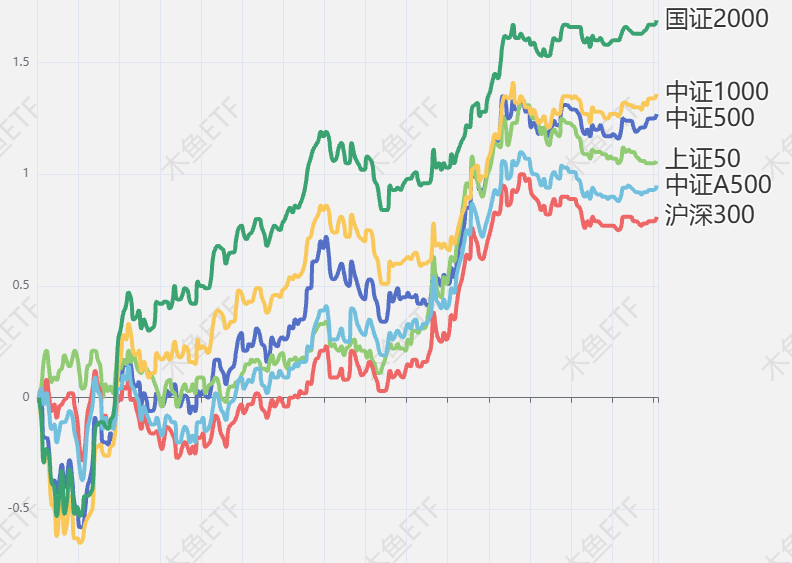
Group 1 - The core viewpoint of the article emphasizes that while short-term sentiment may not have much room for speculation, long-term investment value remains certain, providing confidence for a slow bull market [1][22] - The article highlights that the financial sector, particularly non-bank financials, resources, and cash flow, presents opportunities for low-cost positioning, with a focus on overseas markets being favored by institutions [1][12] - Recent market movements were influenced by significant regulatory announcements and unexpected positive news, such as Baidu's AI chip business planning an IPO in Hong Kong and several companies obtaining general export licenses [5][22] Group 2 - The article notes that the market is currently in a state of balance between bulls and bears, requiring new positive stimuli to drive momentum [9] - It mentions that the overall financing enthusiasm remains weak, with a lack of clear direction in capital flows [10] - The article discusses the impact of regulatory benefits on the securities industry, which is expected to lead to a strong opening for related ETFs, although there may be short-term profit-taking opportunities [13][22] Group 3 - The article outlines expectations for monetary easing in response to economic indicators, with potential implications for resource and traditional manufacturing sectors [15] - It highlights the strong performance of the semiconductor market, with a significant year-on-year increase in sales, and anticipates rising copper prices due to demand [17] - The article also mentions the inclusion of innovative drugs in the medical insurance directory, which could benefit domestic pharmaceutical companies [18]

中国暂停稀土管制一年!美国人急了,为啥离不开“工业味精”?
Sou Hu Cai Jing· 2025-12-07 13:43
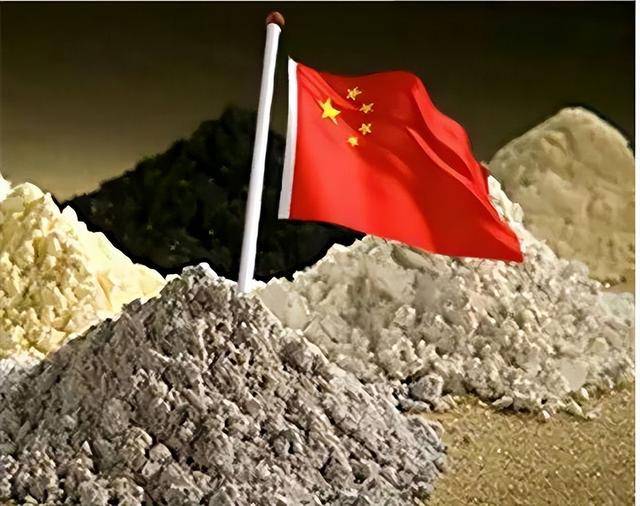
Core Viewpoint - China has announced a one-year suspension of rare earth export controls, signaling a strategic move in the ongoing trade tensions with the United States [1][30] Group 1: Importance of Rare Earth Elements - Rare earth elements consist of 17 metal elements essential for high-tech products such as smartphones, electric vehicle motors, and missile guidance systems, often referred to as "industrial MSG" [4][2] - China's rare earth resources are abundant, with significant deposits in Inner Mongolia and Jiangxi, contributing a large share to global supply [6][4] Group 2: Historical Context and Technological Advancements - China's journey in rare earth production began with low-purity extraction methods until advancements in the 1950s and 1970s, notably the "fire metallurgy" and "cascade extraction" techniques, significantly improved purity and reduced costs [10][8] - By 1986, China became the world's largest rare earth producer, surpassing the United States [10] Group 3: Market Dynamics and Pricing - The period from 2002 to 2005 saw a drastic drop in rare earth prices due to oversupply, leading to a significant reduction in reserves from 4.3 million tons in 1995 to 2.7 million tons in 2002 [12] - The establishment of major state-owned enterprises in 2016 improved pricing power, with prices for praseodymium-neodymium oxide skyrocketing to 1.12 million yuan per ton in 2020 [15] Group 4: U.S.-China Trade Relations and Strategic Implications - The U.S. has been attempting to reduce its dependence on Chinese rare earths, investing heavily in domestic production, but faces high costs and technological challenges [19][22] - As of 2023, the U.S. still imports 70% of its rare earths from China, highlighting the difficulty in achieving self-sufficiency [23] Group 5: Future Outlook - The suspension of export controls by China serves as a signal of its strategic position in the global rare earth market, emphasizing the importance of cooperation for mutual benefit [30] - The rare earth industry exemplifies China's transition from merely selling resources to selling technology, with a strong focus on maintaining its competitive edge in the global market [28][30]
有色金属周报:铜现货愈发紧张,看好有色春季躁动-20251207
SINOLINK SECURITIES· 2025-12-07 09:35
Investment Ratings - The report maintains a positive outlook on copper, aluminum, and rare earths, indicating high market activity and potential for growth [12][33][34]. Core Insights - Copper prices increased by 4.38% to $11,665.00 per ton on LME, with domestic prices rising by 6.12% to 92,800 yuan per ton, driven by supply constraints and high demand [1][13]. - Aluminum prices rose by 1.24% to $2,900.50 per ton on LME, with domestic prices up 3.4% to 22,300 yuan per ton, reflecting stable demand despite seasonal fluctuations [2][14]. - Gold prices decreased by 0.87% to $4,227.7 per ounce, influenced by geopolitical risks and market volatility, while SPDR gold holdings increased [3][15]. - Rare earth prices, particularly praseodymium-neodymium oxide, rose by 2.79%, with expectations of increased demand due to supply constraints and favorable export conditions [4][34]. - Antimony prices decreased by 1.79%, but the outlook remains positive due to anticipated recovery in exports [4][35]. - Tin prices increased by 4.70%, supported by low inventory levels and supply disruptions in Indonesia and Myanmar [4][36]. Summary by Sections Copper - LME copper price increased by 4.38% to $11,665.00 per ton, with domestic prices at 92,800 yuan per ton [1][13]. - Supply constraints are evident with a decrease in copper inventory and processing fees [1][13]. - Downstream demand is weakening due to high prices, leading to a decline in new orders [1][13]. Aluminum - LME aluminum price rose by 1.24% to $2,900.50 per ton, with domestic prices at 22,300 yuan per ton [2][14]. - Inventory levels remain stable, but processing rates have decreased slightly [2][14]. - Demand is cautious due to high prices affecting transaction volumes [2][14]. Precious Metals - Gold prices fell by 0.87% to $4,227.7 per ounce, with geopolitical factors influencing market dynamics [3][15]. - SPDR gold holdings increased, indicating a slight uptick in investor interest [3][15]. Rare Earths - Praseodymium-neodymium oxide prices increased by 2.79%, with expectations of higher demand due to supply constraints [4][34]. - Export conditions are improving, contributing to a positive outlook for the sector [4][34]. Antimony - Antimony prices decreased by 1.79%, but the long-term outlook remains optimistic due to potential export recovery [4][35]. Tin - Tin prices increased by 4.70%, driven by low inventory levels and supply disruptions [4][36].


欧盟又担忧了,“在稀土领域,小心美国成为下一个中国”
Sou Hu Cai Jing· 2025-12-06 23:06
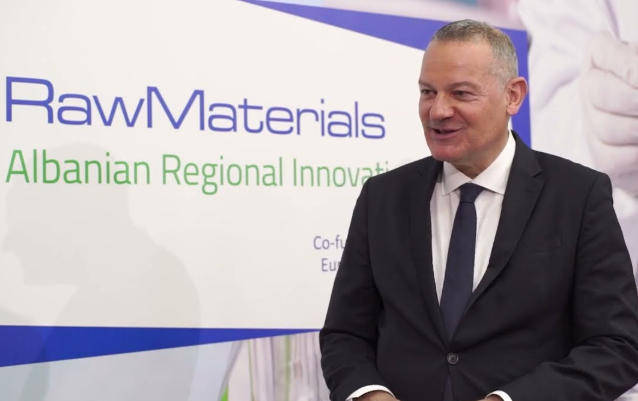
"这无疑是从雄心到实施的真正转变,但仍有所不足,"谢弗告诉路透社,欧盟需要加紧与可供应关键矿 物的第三国谈判。他补充说:"近年来,我们与国际伙伴签署了许多谅解备忘录,但这只是起点。我们 必须变得更像交易撮合者,摆脱平淡的态度,不只是空谈一切。" 他还表示,欧洲需要确保不再继续将关键稀土资产流失给美国。 据介绍,不久前,美国稀土公司"USAR"刚刚收购了英国企业Less Common Metals(LCM),而后者是 一家为数不多有能力将稀土氧化物转化为金属和合金的欧洲公司。 谢弗警告说:"我们正面临危险,即稀土价值链在很大程度上被强行拉向美国。美国可能成为第二个中 国。换句话说,美国或将成为我们依赖进口磁铁的另一个国家。" EIT RawMaterials首席执行官伯恩德·谢弗资料图 【文/观察者网 齐倩】 路透社5日报道称,这意味着欧盟终于动真格了。该计划将在未来一年,在电动车、风力涡轮机和半导 体所需的关键原材料领域投资30亿欧元(247亿元人民币),以减少对单一国家的依赖。 欧盟关键矿物机构EIT RawMaterials首席执行官伯恩德·谢弗3日接受采访时称,他对于上述计划表示欢 迎,但同时提醒说,欧 ...
美国自废武功又想弯道超车?重建稀土链,美注定玩不转中国规则!
Sou Hu Cai Jing· 2025-12-06 04:34
美国虽然宣布可以自产稀土磁铁,但这一消息并不会真正改变它在全球稀土产业中的脆弱地位。11月7 日,美国财政部长贝森特高调展示磁铁,宣称美国已突破了稀土的瓶颈,摆脱了卡脖子的困境。但实际 上,稀土产业的主导权并不掌握在美国手中,反而是中国牢牢掌控了全球约90%的稀土精炼能力以及永 磁体生产能力。中国的控制力,不仅仅是供应链的管理,它还是对全球稀土产业生态的全面把控。 此外,中国在矿石资源方面的优势也无可忽视。中国不仅拥有世界上最丰富的轻稀土和中重稀土资源, 还特别具备镝、铽等稀有元素的资源,而这些正是美国稀土供应的致命短板。美国芒廷帕斯矿的重稀土 储量有限,且开采成本极高,而其他的矿产资源质量较低,这也解释了美国为什么要在加拿大、非洲等 地投资扩展矿产资源,并试图通过与日本、澳大利亚等国家合作来缓解这一问题。 这种局面被美国经济学家形容为产业级闭环垄断,这意味着美国不仅拥有矿产资源,甚至连如何提炼这 些矿石的技术都没有。而中国的优势,特别是其技术创新和产业规模,难以轻易复制。随着中国收紧稀 土出口管制,特别是对重稀土元素如镝和铽的出口,全球市场立刻受到冲击。数据显示,管制实施后, 全球稀土磁体的交货量急剧下降, ...

新华财经早报:12月6日
Zhong Guo Jin Rong Xin Xi Wang· 2025-12-06 00:42
Group 1 - The Chinese government is intensifying efforts to combat illegal activities related to tobacco, focusing on the entire supply chain from production to retail to protect national interests and consumer rights [1] - A new regulatory framework for listed companies in China is being introduced, aimed at enhancing supervision and promoting high-quality development in the capital market [1] - The People's Bank of China and the Monetary Authority of Macao have renewed a bilateral currency swap agreement, increasing the swap scale from 30 billion RMB to 50 billion RMB [1] Group 2 - The China Securities Regulatory Commission has released a draft regulation for public consultation, marking the introduction of the first dedicated administrative regulations for listed companies [1] - The National Financial Regulatory Administration has announced a reduction in risk factors for various insurance company operations, including a decrease in risk factors for certain stock holdings [1] - The National Development and Reform Commission has allocated 6 billion RMB for the fourth batch of poverty alleviation projects, aiming to create job opportunities for over 1.1 million low-income individuals [1] Group 3 - The Chinese government is facilitating the export of rare earth materials by simplifying the licensing process, which is expected to accelerate delivery times and support demand recovery in the rare earth permanent magnet industry [2] - The Shanghai Stock Exchange has taken self-regulatory measures against abnormal trading behaviors, including monitoring stocks with significant volatility and reporting suspected illegal activities [1]

广西稀土:科技创新点“土”成“金”
Zhong Guo Jing Ji Wang· 2025-12-05 15:39
在广西钟山县红花镇的贺州稀有稀土矿业有限公司生产车间内,自动化生产线有条不紊地运转,监控大 屏实时跳动着各项生产数据。这里采用离子型稀土原矿绿色高效浸萃一体化技术,稀土回收率提高10% 至20%,还从源头消除氨氮污染和放射性废渣,实现高效清洁生产。 秉持"人才是第一资源"的理念,广西稀土建立健全科技创新管理、考核激励与容错机制,赋予科研团队 更大的技术决策权和资源调配权,释放创新活力;汇聚大批高级工程师、硕博研究生,并不定期邀请院 士专家把脉问诊,人才队伍结构持续优化;在技术突破上推行"揭榜挂帅"机制,组建创新团队攻克关键 工艺,使水冶车间综合运行效率提升50%以上,技术指标跻身行业前列。 中稀广西稀土有限公司负责人李学强表示,公司将进一步健全"产业链出题、创新链答题"机制,有的放 矢开展关键核心技术攻关与生产技术提升,加速打通科技成果转化"最后一公里",为广西稀土产业向中 高端迈进、实现高质量发展提供源源不断的新动能与新引擎。 广西稀土着力构建产学研联合研发平台体系,不断完善创新生态,先后组建多个省级研发平台及博士后 科研工作站等。今年9月,中国稀土(000831)集团研究院广西分院在南宁揭牌,标志着广西稀 ...
稀土技术主导国中国,拒绝哈国借道输美请求,掌握主动权
Sou Hu Cai Jing· 2025-12-05 11:44
Core Viewpoint - The discovery of a rare earth mine in Kazakhstan with over 20 million tons of reserves has attracted significant investment from U.S. companies, but challenges remain due to China's dominance in processing and geopolitical factors [1][3][11]. Group 1: Investment and Geopolitical Context - In April, Kazakhstan confirmed a rare earth deposit, prompting U.S. companies to invest $110 million for potential collaboration [3][11]. - Kazakhstan's geographical limitations and the instability of traditional export routes due to the Russia-Ukraine conflict complicate its ability to sell rare earths to the U.S. [3][5]. - The U.S. aims to reduce reliance on China for critical minerals, with Kazakhstan's involvement seen as a strategic move in this direction [11][41]. Group 2: Processing Challenges - U.S. companies face significant hurdles in processing rare earths, as they require substantially more hydrochloric acid compared to Chinese operations, indicating a major efficiency gap [17][19]. - The U.S. currently produces only about 5% of the world's rare earths, with processing capabilities lagging behind China, which dominates the market [13][17]. - The technical barriers to refining rare earths are high, and the investment required to overcome these challenges is substantial, indicating a long-term issue rather than a short-term fix [11][21]. Group 3: Regulatory Landscape - China has implemented new regulations that require permits for products containing a minimum percentage of Chinese-origin rare earths, tightening control over the supply chain [25][27]. - The strategic maneuvering by China reflects a shift from broad management to more precise regulatory frameworks, impacting international trade dynamics [25][27]. - The U.S. is attempting to navigate these regulations while balancing its own domestic needs and international partnerships, particularly with Kazakhstan [29][33]. Group 4: Future Implications - The ongoing geopolitical struggle over rare earths is reshaping global supply chains, with significant implications for industries reliant on these materials, such as electric vehicles and high-tech manufacturing [41][45]. - Predictions indicate that continued decoupling between the U.S. and China in critical minerals could lead to increased production costs and delays in the transition to electric vehicles [45][49]. - The competition is evolving from resource acquisition to defining rules and standards, highlighting the importance of technological advancement in determining future market dynamics [49][51].
广西稀土:以科技创新点“土”成“金” 助力关键金属产业高质量发展
Zhong Guo Jin Rong Xin Xi Wang· 2025-12-05 06:41
转自:新华财经 广西国盛稀土新材料有限公司经过持续的科技创新,目前已经成为广西链主型龙头企业、专精特新中小 企业、制造业单项冠军企业。"我们紧紧围绕国家战略和行业发展方向,以连续8年超过3%的研发投入 强度,累计承担国家科技支撑计划、强基工程等各类研发项目近100项,参与起草各类标准7项,先后破 解了国家高端光学、电子、激光材料等高端应用领域的原材料'卡脖子'问题,累计申请专利83项,获授 权专利46项,获得国家级制造业单项冠军、中国工业大奖提名奖、广西科技进步奖等荣誉奖励近20 项。"该公司相关负责人介绍。 近年来,广西稀土紧紧围绕稀土产业链部署创新链,统筹衔接应用基础研究、关键技术攻关、科技成果 转化、产业发展支撑等各环节工作,企业科技创新能力稳步提升,多项技术均达到世界先进水平,稀土 沉淀工艺填补了稀土行业的技术空白。据统计,截至目前,广西稀土已经拥有国家级高新技术企业、国 家知识产权优势企业各2家,国家制造业单项冠军企业、国家专精特新"小巨人"企业、国家级绿色工厂 各1家,此外还有一批省级链主型龙头企业、瞪羚企业、技术创新示范企业。2025年,广西稀土成功获 得国家批准限制技术出口证书,成为全国唯一获 ...