芯片制造

Search documents
美股再掀IPO浪潮
Guo Ji Jin Rong Bao· 2025-08-05 00:42
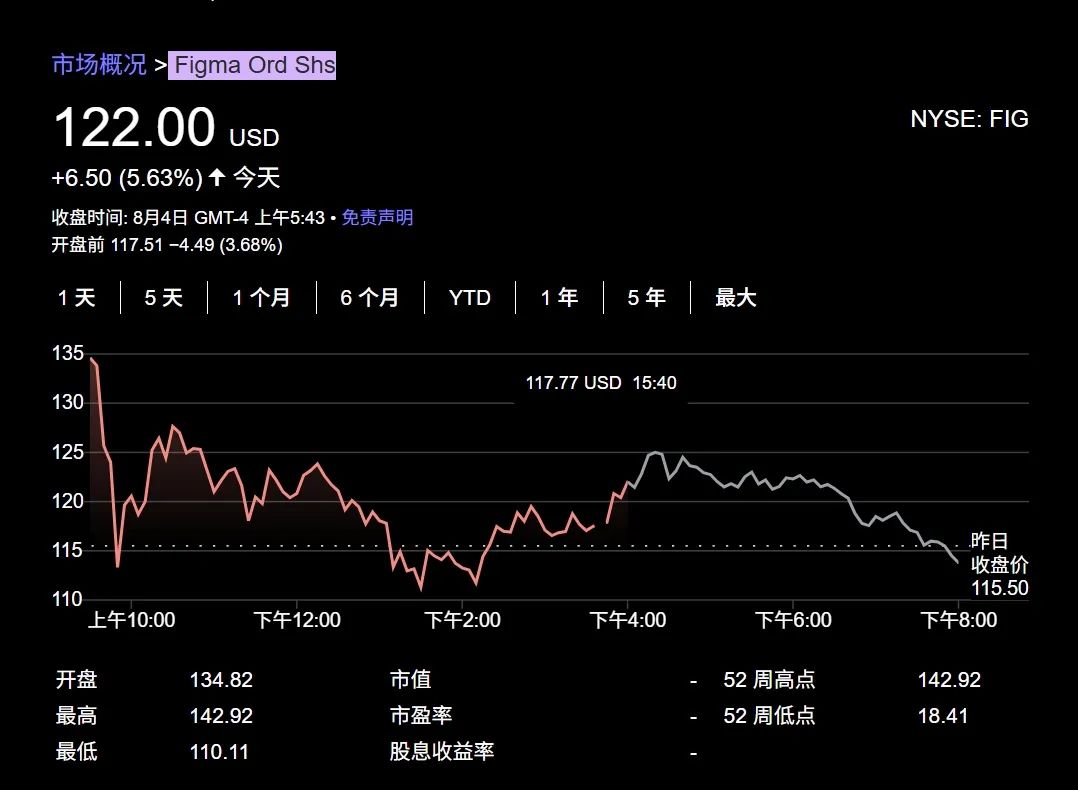
近期的美股市场在美国设计软件公司Figma、稳定币发行商Circle Internet Group、云计算人工智能公司Core Weave等公司的助推下掀起了一股IPO浪潮。 这不由让人想起了2021年时的盛况:当时市场四处弥散着热钱,美股扎堆上市。但随着疫情影响、美联储加息,市场逐渐收紧。美股IPO市场已沉寂许 久。 市场进入"关税倦怠期" 自2022年利率上升促使市场戳破高估值神话以来,美股IPO市场一直萎靡不振。但随着企业开始接受较为温和的估值,IPO活动已回暖。 7月31日,Figma的"强势出道"创下今年最大体量的IPO之一。市场人士称,市场对Figma股票的需求达到了多年未见的狂热程度。 在该公司的路演期间,市场就显示出极大的热情:潜在投资者对Figma股票的下单量巨大,以至于该公司及其承销商上周早些时候将发行价指导区间从每 股25美元—28美元上调至30美元—32美元。 上市当天,该股开盘报85美元,是其IPO发行价的两倍多,开始交易后不久,该公司就因波动而暂时停牌。当天该股收报115.50美元,是其发行价的三倍 多。当地时间8月4日,该股股价达到122美元。 Circle Internet G ...

台积电,再建一座厂
半导体芯闻· 2025-08-04 10:37
Core Viewpoint - TSMC is advancing its 2nm technology with the installation of equipment at its second factory in Kaohsiung, aiming for trial production by the end of the year, while the first factory has already reached mass production [4][5][6]. Group 1: TSMC's 2nm Technology Development - TSMC's second 2nm factory (P2) has begun equipment installation, with expectations to join trial production within 3-4 months [5][6]. - The first factory (P1) has achieved a monthly production capacity of 10,000 wafers, with a combined target of 35,000 wafers per month for both factories this year [4][5]. - TSMC's 2nm process utilizes nanosheet architecture, reportedly achieving a trial yield of 65%, surpassing competitors like Intel and Samsung [7][8]. Group 2: Market Dynamics and Competitors - TSMC's growth is driven by increasing demand from AI-related customers, with expectations to generate $2.5 trillion in terminal product value globally within five years [7][8]. - Competitors such as Intel and Samsung are also making strides in 2nm technology, with Intel focusing on customer commitments for its 14A process [9][10]. - Tesla has signed a $16.5 billion contract with Samsung for its next-generation AI chip, indicating a competitive landscape where TSMC was initially considered for the contract [9][10]. Group 3: Emerging Players and Industry Trends - Japanese chip manufacturer Rapidus has successfully trial-produced 2nm chips and plans to enter mass production by 2027, potentially disrupting the market dominance of TSMC and Samsung [11][12]. - Rapidus's advancements are attributed to its collaboration with IBM, which has provided essential technology and patents for 2nm chip production [11][12]. - The semiconductor industry is witnessing a shift towards self-sufficiency, with Chinese companies like SMIC making significant progress in their own technology development [12][14]. Group 4: TSMC's Future Growth Potential - TSMC's market capitalization is currently around $1.25 trillion, with projections suggesting it could reach $3 trillion, driven by its innovative technologies and strong customer base [15][16]. - The upcoming N2 chip node is expected to significantly improve energy efficiency, with a reduction in power consumption by 25% to 30% compared to 3nm chips [16][17]. - Management anticipates a compound annual growth rate of nearly 20% over the next five years, which could lead to substantial revenue growth and stock price appreciation [17].

欧洲急了!你禁稀土违规,我禁光刻机合理,双标逻辑引争议
Sou Hu Cai Jing· 2025-08-04 10:11
不光光刻机,2022年10月,美国商务部还搞了个新规,禁止对华出口14纳米以下的芯片制造技术,理由还是那老一套"国家安全"。这直接让中国高科技企业 吃了大亏。可咱们一管稀土,他们就喊"地缘威胁"。专家张教授在近期采访中直言:"这种双标本质是西方想保持技术垄断,又不愿资源被反制。" 欧洲最近急得跟热锅上的蚂蚁似的,就因为中国说要管管稀土出口,立马跳脚喊"不公平"!可笑的是,他们自己卡着高科技设备不卖给咱们时,咋没见谁吭 声?这不是"只许我欺负你,不许你还手"嘛? #夏季图文激励计划#先说说稀土,这玩意儿可不是啥稀奇古怪的土,它是新能源车、风力发电、甚至军工装备的核心原料。简单讲,没它,你手机、电动车 都得"歇菜"。而中国呢?在全球稀土市场上那可是"大哥大",根据美国地质调查局2024年的数据,咱们的冶炼能力占了全球九成以上!这可不象吹牛,是几 十年砸钱砸技术硬拼出来的。 最近,中国一说要对稀土出口加点"门槛",欧洲那边立马炸锅了,嚷嚷着这会毁了他们的"绿色大计"。尤其是德国、法国这些国家,新能源车、电机厂几乎 都靠中国原料撑腰。据统计,2023年德国宝马和大众在华供应链依赖度超六成!现在原料一卡,他们急得满头大 ...

美股调整难掩科技光芒,市场继续聚焦财报
智通财经网· 2025-08-04 08:16
Core Viewpoint - Wall Street is closely monitoring the earnings reports of major tech giants, with most companies meeting or exceeding expectations despite some market volatility and concerns over economic policies [1][3] Group 1: Earnings Performance - Alphabet reported strong sales growth driven by its AI business, setting a positive tone for the earnings season [1] - Apple achieved its strongest revenue growth in over three years, while Meta's stock surged to a record high due to better-than-expected earnings and aggressive AI investment plans [1] - Microsoft’s cloud business, driven by AI demand, led to a market capitalization exceeding $4 trillion, marking it as the second company to reach this milestone [1] Group 2: Market Trends and Valuation - The Nasdaq 100 index fell by 2.2% last week, but it has risen over 30% since early April, indicating strong underlying performance despite recent declines [3] - 96% of companies in the S&P 500 tech sector reported profits above expectations, and 93% met revenue targets, highlighting robust fundamentals [3] - The earnings growth forecast for the "Big Seven" tech giants has been revised upward from 21.4% to 24.2%, with revenue growth expectations increasing from 11.5% to 13.4% [3][4] Group 3: Future Outlook - Despite a slowdown in growth compared to last year, the tech sector continues to show significant advantages over the broader market, with expected profit growth of 8.9% and revenue growth of 5.5% by 2025 [4] - Investors are closely watching Nvidia, a key player in the AI chip market, with its earnings report due on August 27 [4] - Major tech companies have reaffirmed their commitment to AI investments, which is expected to support Nvidia's revenue significantly [4]





马斯克脑机公司Neuralink宣布在英国启动临床研究;本田将投资2000万美元在土耳其新建摩托车生产工厂丨智能制造日报
创业邦· 2025-08-02 03:13
Group 1 - Sichuan Embodied Humanoid Robot Technology Co., Ltd. signed a contract to establish the "Provincial Humanoid Robot Manufacturing Innovation Center," marking the first joint manufacturing innovation center in the province [2] - Honda announced a $20 million investment to build a new motorcycle production facility in Izmir, Turkey, with an initial capacity of 100,000 units per year, aiming to increase to 200,000 units in the future [2] - InnoCare responded to its collaboration with NVIDIA, stating that the partnership is still in the testing phase and has not yet generated substantial orders, despite a significant stock price increase [2] - Neuralink, Elon Musk's brain-machine interface company, announced the launch of clinical research in the UK to test its chip's ability to help severely paralyzed patients control digital and physical tools through thought [2]
数字货币新棋局:中国以战略资源重构全球货币版图
Sou Hu Cai Jing· 2025-08-01 08:01
Core Viewpoint - The article discusses how China's innovative approach to integrating rare earth elements with the Renminbi (RMB) is reshaping the global monetary system amidst challenges to the US dollar's dominance [1][3]. Group 1: Rare Earth Elements and Their Importance - China dominates the global rare earth supply chain, controlling over 80% of it, making rare earths critical for various industries including renewable energy, semiconductor manufacturing, and aerospace [1][3]. - Rare earths are described as "industrial gold," highlighting their strategic value that surpasses that of typical resources, making them essential for national security [1]. Group 2: Financial Innovation and Digital Integration - China is transforming the physical attributes of rare earths into financial assets through advanced digital technologies, creating a transparent and traceable credit network [3]. - This innovation allows for precise tracking of rare earths from extraction to circulation, enhancing the credibility of transactions and avoiding the limitations associated with gold reserves [3]. Group 3: Impact on the Renminbi and Global Trade - The deep integration of rare earths with the RMB provides a solid backing for the currency, enhancing its credibility and facilitating its use in international trade [3][5]. - As rare earth transactions increasingly utilize the RMB, it elevates the currency's status on the global stage and allows for broader dissemination of rare earth value through the RMB [3]. Group 4: Benefits for the General Public - The connection between rare earths and the RMB simplifies cross-border transactions, reducing costs and making overseas purchases more accessible for individuals [5]. - Investment opportunities based on rare earths and RMB assets are expected to diversify options for investors, allowing broader participation in global resource allocation [5]. - The binding of RMB credit to the tangible value of rare earths helps mitigate inflation risks associated with excessive dollar issuance, safeguarding public wealth [5].
英特尔(INTC.US)加速业务瘦身:传洽谈引入爱立信(ERIC.US)投资NEX部门
智通财经网· 2025-08-01 02:08
Group 1 - Ericsson is in talks with Intel regarding an investment in its network infrastructure business, with the investment amount reaching several hundred million dollars [1] - This investment will make Ericsson a minority shareholder in Intel's newly spun-off network and edge business (NEX), which has historically provided chips for Ericsson's wireless access network hardware [1][2] - Intel has been struggling to keep pace with competitors like TSMC and Samsung, leading to cost-cutting measures and the sale of non-core businesses to improve its financial position [1] Group 2 - Intel has begun seeking strategic investors for the NEX business, similar to its previous transaction with Altera, while retaining a major stake in the new company to benefit from future growth [2] - The newly formed company will focus on chips for communication, networking, and Ethernet connectivity, as stated by NEX CEO Sachin Katti [2] - Ericsson's hardware products rely on chips designed by Intel for manufacturing mobile network equipment, and the two companies have established a closer partnership, with Ericsson planning to base its future infrastructure on Intel's Xeon Next-Gen processors for improved speed and energy efficiency [2]


成熟制程,风险大增
半导体行业观察· 2025-08-01 01:12
Core Viewpoint - The article discusses the potential impact of the U.S. imposing high tariffs on semiconductor imports from Taiwan, particularly on mature process chips, which could lead to significant adjustments in Taiwan's semiconductor industry and supply chain dynamics [2][3]. Group 1: Tariff Implications - The U.S. is expected to announce results of a national security investigation regarding semiconductor imports, with potential tariffs on mature process chips from Taiwan reaching up to 20% [2]. - Taiwan's semiconductor industry, heavily reliant on exports to the U.S., faces heightened uncertainty due to these potential tariffs, which could disrupt existing supply chains [2][3]. - The article suggests that while the tariffs may not completely destabilize the semiconductor sector, they will likely prompt strategic adjustments, including increased overseas investments and manufacturing [3]. Group 2: Market Conditions - The semiconductor industry is experiencing a downturn, with major IC design firms significantly reducing wafer production for mature processes by 20% to 30% in Q3 compared to Q2, due to various negative factors including weak demand in mobile, networking, and automotive sectors [5][6][7]. - The automotive market is particularly struggling, impacting demand for mature process chips, with major companies like NXP and STMicroelectronics warning of poor market conditions [7]. - The capacity utilization rates for wafer foundries are expected to decline from around 70% in the first half of the year to approximately 60% or lower in the second half, which will adversely affect profit margins [7]. Group 3: Company Strategies - Companies like UMC are investing in R&D to focus on advanced technologies for 5G, AI, IoT, and automotive electronics, with UMC having invested NT$15.6 billion in R&D last year [9]. - UMC is exploring potential collaborations with Intel to enhance process technologies, while World Advanced is focusing on its 8-inch production and plans to build a 12-inch fab in Singapore with a total investment of $7.8 billion [10]. - Powerchip is targeting AI applications and has begun mass production of silicon interposers, contributing to revenue generation [11].

今夜!史诗级暴涨!
中国基金报· 2025-07-31 22:59
Group 1 - The article highlights the significant stock price increases of tech giants Meta and Microsoft following their strong earnings reports, with Meta's stock soaring by 12% and Microsoft's by approximately 5% [5][11] - Meta's market capitalization increased by an amount equivalent to the market value of Kweichow Moutai, while Microsoft's market value briefly surpassed $4 trillion, joining Nvidia in this elite group [5][11] - Both companies are making substantial investments in artificial intelligence infrastructure, with Meta raising its capital expenditure forecast to between $66 billion and $72 billion, and Microsoft expecting its capital expenditures to exceed $30 billion in the first fiscal quarter [11][12] Group 2 - Analysts from Citigroup believe that the increased capital expenditures by Meta and Microsoft will benefit semiconductor manufacturers, with Microsoft accounting for approximately 8% of AMD's sales and Meta for about 2% of Broadcom's sales [11][12] - Meta's CEO Mark Zuckerberg is actively recruiting AI talent and has invested $14.3 billion in the data labeling startup Scale AI, while also establishing a new Meta Super Intelligence Lab [12] - Morgan Stanley analysts express cautious optimism regarding Meta's AI spending, acknowledging the strength of its core business but raising concerns about the potential for overspending without guaranteed results [12][14] Group 3 - Microsoft's fourth fiscal quarter revenue reached $76.44 billion, a year-over-year increase of 18%, with net income of $27.23 billion, surpassing the previous year's figures [14] - Meta reported second-quarter revenue of $47.52 billion, a 22% year-over-year increase, with net income of $18.34 billion, reflecting a 36% growth compared to the previous year [15] - Economic indicators show persistent inflation, with the core PCE price index rising to 2.8%, slightly above market expectations, while personal income and spending growth remained stable [15]

H20芯片存安全风险,英伟达被网信办约谈
Nan Fang Du Shi Bao· 2025-07-31 06:44
Core Points - The National Cyberspace Administration of China has summoned NVIDIA regarding security risks associated with the H20 computing chip, emphasizing the need to protect Chinese users' network and data security [2] - NVIDIA's H20 chip has been reported to have serious security issues, prompting U.S. lawmakers to call for advanced chips exported from the U.S. to include "tracking" features [2] - The H20 chip is a special version for the Chinese market and was placed under export control by the U.S. government in mid-April, requiring a license for export [2] Regulatory Context - U.S. federal lawmakers proposed the "Chip Security Act" on May 15, which mandates that advanced chip manufacturers like NVIDIA must embed location verification technology in high-end AI chips before export [2] - The act also requires manufacturers to report any credible information regarding product transfers, including changes in location [2] Company Actions - NVIDIA's founder Jensen Huang revealed during a visit to China in mid-July that the U.S. had approved the export of the H20 chip to China, and the company is eager to begin deliveries [2]