智能电动车

Search documents
摩根士丹利:需关注小鹏是否会在现有车型中扩大华为AR—HUD的采用
news flash· 2025-06-06 03:15
Core Viewpoint - Morgan Stanley highlights the importance of monitoring whether XPeng Motors will expand the adoption of Huawei's AR-HUD in its existing models, as this collaboration could fill a gap in the high-end market [1] Summary by Relevant Categories Company Analysis - XPeng Motors (XPEV.N) has recently partnered with Huawei to implement AR-HUD technology, which is seen as a move to address the high-end market gap [1] - Morgan Stanley suggests that the adoption of AR-HUD may not be sufficient to support XPeng's entry into the high-end market later this year [1] Industry Insights - The report indicates that XPeng may establish further partnerships with Huawei to enhance smart cockpit upgrades [1] - There is a focus on whether XPeng will expand the use of Huawei's AR-HUD in its current vehicle lineup and explore additional collaborations on other smart EV components like HDADB [1] Financial Outlook - Morgan Stanley maintains a target price of $26 for XPeng's stock and an "overweight" rating [1]

全年利润指引、汽车出海、自研汽车芯片.……一文读懂小米投资者日说了什么
Hua Er Jie Jian Wen· 2025-06-04 03:25
Core Viewpoint - Xiaomi's Investor Day revealed optimistic growth projections for 2025, including over 30% revenue growth and over 40% net profit growth year-on-year, supported by multiple business segments [2][3]. Group 1: Financial Performance - Xiaomi expects its 2025 revenue to grow by more than 30% year-on-year, with adjusted net profit anticipated to exceed 40% growth [2]. - The smartphone segment is projected to see an average selling price (ASP) increase of 3-5% and maintain a gross margin of 12-12.5% [2]. - The AIoT business is also expected to grow over 30% year-on-year, with a gross margin expansion of 2.0-2.5 percentage points [2]. Group 2: Electric Vehicle Business - Xiaomi's smart electric vehicle (EV) business is expected to achieve profitability starting in Q3 2025, aligning with Deutsche Bank's previous expectations [3]. - The company anticipates a net loss of 69 million RMB in Q2 2025, followed by net profits of 400 million RMB and 2.63 billion RMB in Q3 and Q4, respectively [3]. - Projected delivery volumes for 2025 are 86,600 units in Q2, 100,000 units in Q3, and 137,500 units in Q4, totaling 400,000 units for the year, surpassing the previous guidance of 350,000 units [3][4]. Group 3: Global Expansion Plans - Xiaomi plans to enter overseas markets for smart electric vehicles starting in 2027, significantly expanding its retail network [5]. - The number of Xiaomi Mi stores is expected to grow from approximately 500 in 2025 to 3,000 in 2026, aiming for a total of 10,000 stores by 2030 [5]. Group 4: Semiconductor Development - Xiaomi is accelerating its self-research in automotive semiconductors, with plans to begin production of automotive semiconductor products soon [6]. - The company has committed to investing 50 billion RMB in chip development over ten years, with 13.5 billion RMB already invested by February 2025 and an expected 6 billion RMB in R&D for 2025 [6][7].
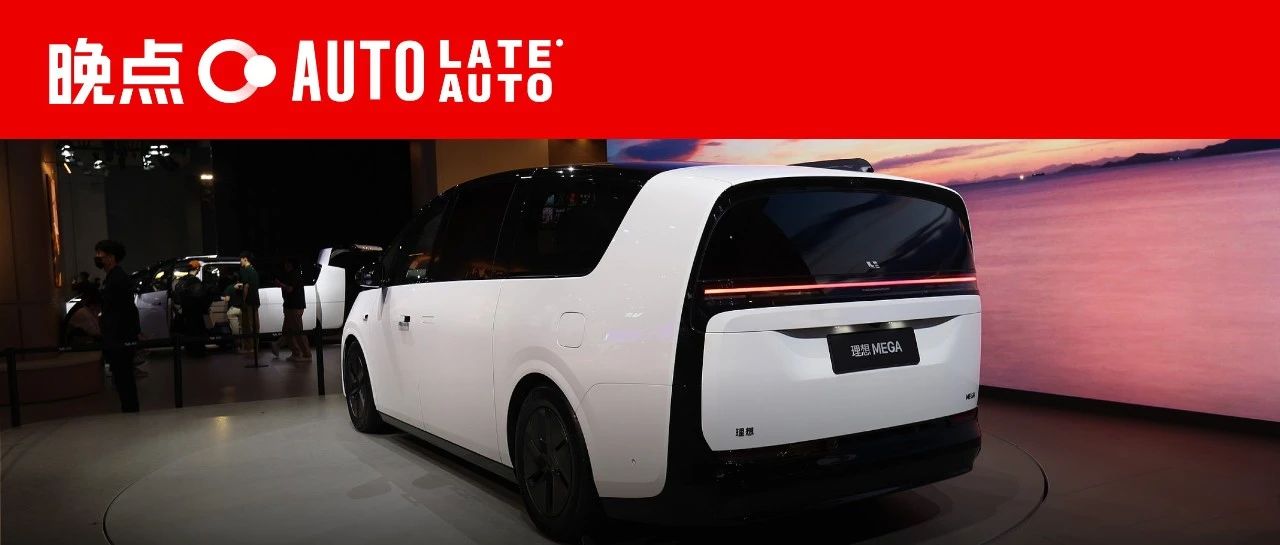
高举 AI、产品为本:理想的两幅面孔丨一分钟财报
晚点Auto· 2025-05-29 15:47
Core Viewpoint - Li Auto has elevated AI to the company's top priority, yet it remains focused on automotive products for now [1][5]. Group 1: Performance Overview - In the first quarter, Li Auto delivered 92,864 vehicles, a year-on-year increase of 15.5% [2]. - The automotive sales revenue reached 24.68 billion yuan, up 1.8% year-on-year, with a net profit of 650 million yuan, reflecting a 9.4% increase and marking ten consecutive quarters of profitability [2]. - The average selling price of vehicles decreased by 11.9% year-on-year to 266,000 yuan (excluding VAT) due to a significant increase in the sales proportion of the L6 model and pre-launch price promotions [2]. Group 2: Market Reactions and Challenges - Following the earnings report, Li Auto's stock initially dropped nearly 5% due to concerns over lackluster performance guidance and increased competition, but later rebounded over 4% as management discussed product strategies and competitive advantages [3]. - The company faces significant challenges in successfully launching the i8 and i6 models, with analysts questioning their market competitiveness against rivals like the AITO M8 and Xiaomi YU7 [4]. Group 3: Future Strategies and Product Development - Li Auto plans to evaluate the launch of more affordable sedan and MPV models after achieving over 300 billion yuan in revenue, aiming to expand into other Asian and European markets [4]. - The company has restarted discussions on developing sedans, with the first model likely to belong to the third product line, although pricing and energy forms remain uncertain [5]. - Li Auto's market share in the new energy vehicle segment priced above 200,000 yuan has reached 14.7%, with expectations to double the growth rate of this market segment by 2025 [5].

强强联手!岚图布局人工智能,联手清华大学拟共建研发技术中心
Sou Hu Cai Jing· 2025-05-29 15:00
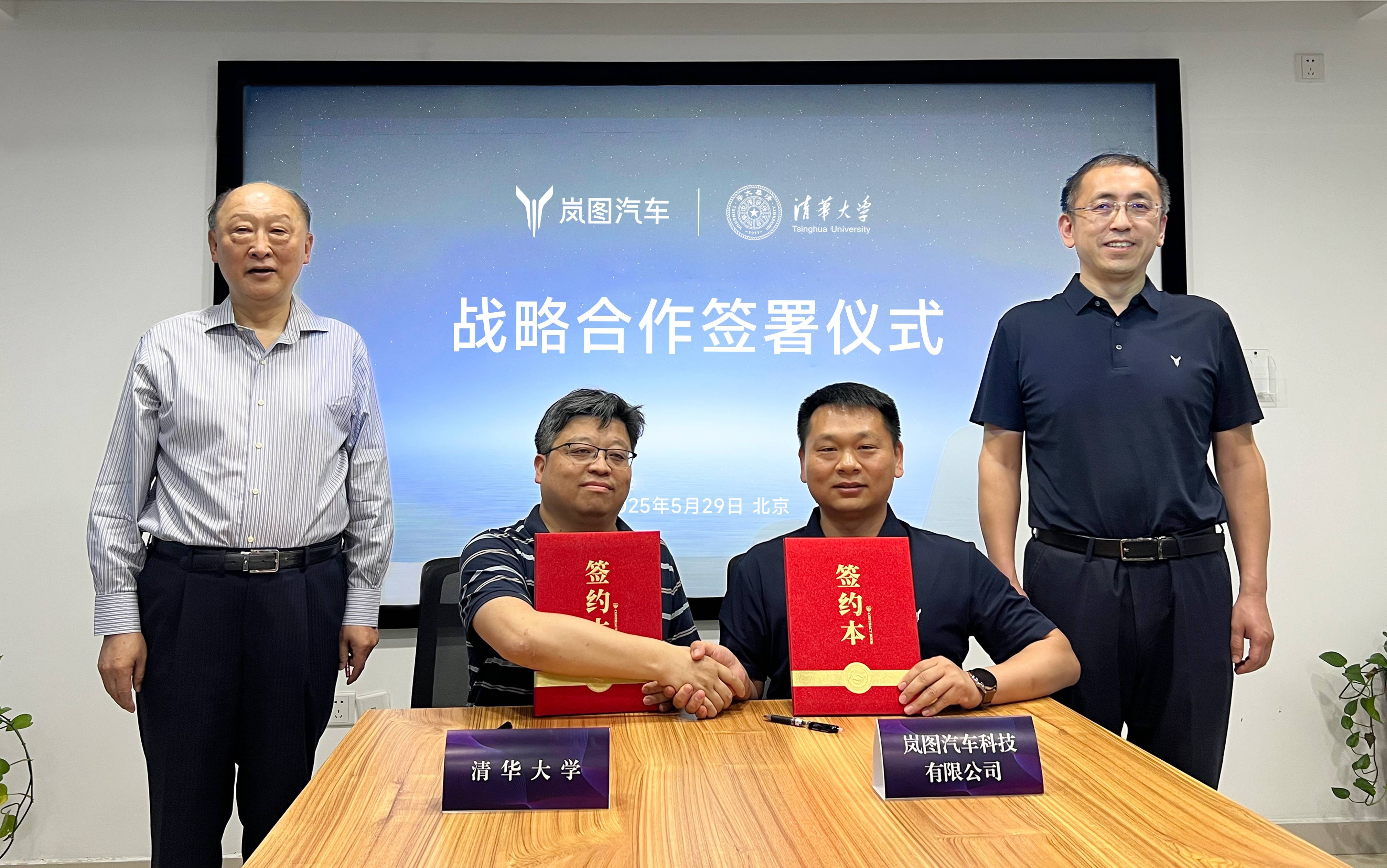
5月29日,岚图汽车与清华大学正式签署战略合作框架协议,双方将核心聚焦人工智能领域,展开深度战略合作。未来,岚图与清华将联手布局人工智能, 在智能网联汽车技术研发、人才培养、成果转化等多个层面推进全方位合作。 此外,鲲鹏辅助驾驶系统作为其自研系统,岚图同样在不断地投入研发强化自家的技术深度,此次与清华的合作或许是其战略部署中的一环。据内部人士透 露,双方将在人工智能应用、智能辅助驾驶/智能网联技术研发方面加大合作力度,包含端到端算法、VLM/VLA大模型,数据闭环、车路云一体技术,AI模 型训练等多个维度,涵盖了系统的所有环节。而且双方利用研发实验资源,计划共建联合研发技术中心。综上推测,岚图汽车大概率在为自家辅助驾驶系统 储备弹药。 此次跨界合作无疑为智能电动车行业投下一枚"深水炸弹",车企的场景化需求遇上高校的前沿技术,加速智能、绿色出行场景的颠覆性革命,岚图汽车或将 借此实现"弯道超车"。 岚图释放新信号,强化"AI+数据"驱动智能化进阶 有分析人士指出,岚图与清华的合作,不仅能实现资源优势互补,同时也是将清华在人工智能、智能汽车学术界的前沿成果快速转化为量产技术,更可能催 生出颠覆性技术成果,这种"校 ...
理想重押VLA,「端到端」模型负责人夏中谱将离职|36氪独家
36氪· 2025-05-21 11:18
Core Viewpoint - The article discusses the recent departure of Xia Zhongpu, the head of the end-to-end model for assisted driving at Li Auto, and the implications of this change on the company's strategic direction towards the VLA (Vision-Language-Action) model for autonomous driving technology [3][7][14]. Summary by Sections Departure of Xia Zhongpu - Xia Zhongpu, who joined Li Auto in 2023 and was responsible for the planning and control model of the assisted driving system, is set to leave the company. His departure may be linked to a shift in Li Auto's technology strategy [5][7]. - Xia's rapid promotion from P9 to 21st level within two years is noted as unusual within the company [6]. Shift in Technology Strategy - Li Auto has transitioned its assisted driving technology from a reliance on high-precision maps and rule-based systems to an end-to-end model, and now to the VLA model [9][10]. - The VLA model, which Li Auto is now fully committed to, is seen as a more advanced approach that incorporates action capabilities, allowing for interaction with the physical world [12][14]. VLA Model Advantages - The VLA model is positioned as superior to the previous end-to-end model, as it combines 3D and 2D visual understanding with the ability to execute actions, aligning more closely with human operational methods [12]. - This model is part of a broader industry trend towards enhancing the world knowledge and reasoning capabilities of assisted driving systems, as seen in recent developments from competitors like NIO and XPeng [12]. Internal Changes and Future Outlook - The leadership within Li Auto's assisted driving team has also seen changes, with the head of the team, Lang Xianpeng, being promoted to a higher level, indicating a strengthening of resources towards the VLA model [9]. - Despite the enthusiasm for the VLA model, industry insiders caution that it is still in its early stages and has not undergone extensive practical application [13].

127岁顶级985,专业做VC,专心做生态
3 6 Ke· 2025-05-06 03:27
Core Viewpoint - Beijing University, celebrating its 127th anniversary, has played a pivotal role in China's intellectual and technological advancements, producing numerous influential figures in various fields, including technology, medicine, and investment [1][2][4]. Group 1: Historical Contributions - Beijing University has been a beacon of enlightenment and national rejuvenation since its inception, promoting values of patriotism, progress, democracy, and science [1]. - The university has been instrumental in significant historical movements, such as the May Fourth Movement and the development of key technologies like nuclear physics and space exploration [1]. - Notable alumni include pioneers in various fields, such as nuclear physicist Yu Min, and Nobel laureate Tu Youyou, showcasing the university's impact on global scientific advancements [1]. Group 2: Influence in the Digital Age - In the digital era, Beijing University has produced influential entrepreneurs like Baidu's founder Robin Li and NIO's founder Li Bin, who have made significant contributions to their respective industries [2][3]. - The university's alumni are also prominent in the venture capital sector, with figures like Li Wei and Wang Qiang leading investment firms that support innovation and entrepreneurship [2]. Group 3: IPO and Investment Activities - The university's alumni continue to make waves in the stock market, with notable IPOs such as Shengke Nano, led by alumnus Li Xiaomin, marking significant milestones for Jiangsu province [4][6]. - Other alumni-led companies, like Tudatong and Naxin Micro, are also pursuing IPOs, indicating a strong presence of Beijing University graduates in the capital markets [7][8]. Group 4: Venture Capital Initiatives - Beijing University has established various funds and initiatives to support technology transfer and innovation, including the Yuanpei Fund and Yan Yuan Venture Capital, aimed at fostering early-stage startups [15][16][17]. - The university's efforts in creating a robust innovation ecosystem are evident through partnerships with local governments and the establishment of incubators to support tech startups [20][21]. Group 5: Future Directions - The university is focused on enhancing its role in national modernization and innovation, with plans to further integrate research and commercialization efforts [18][22]. - The upcoming Yan Yuan International Innovation Competition and other initiatives aim to strengthen the university's position in the tech innovation landscape [21][22].
卢放:用户与安全双核驱动岚图未来
Zhong Guo Qi Che Bao Wang· 2025-04-29 09:24
Core Insights - Lantu Automotive's booth became a highlight at the 2025 Shanghai Auto Show, showcasing its two core products: Lantu FREE+ and the four-seat Lantu Dreamer, marking a significant milestone as the first central enterprise high-end brand to achieve 200,000 vehicles offline [1] - The CEO of Lantu emphasized that user needs and safety assurance are central to the company's development, stating that technology iteration is driven by user demand and safety defines the boundaries of technology [1][5] Product and Technology - The Lantu FREE+ features Huawei's QianKun Intelligent Driving ADS 4.0, with the CEO asserting that the value of technology must be validated through user experience [3] - Lantu's intelligent architecture complements Huawei's driving system, ensuring reliable execution through hardware capabilities like chassis control and vehicle stability [3] - The company plans to invest 30 billion yuan to enhance its charging network and 20 billion yuan to expand its channel system by the second quarter of 2026, aiming for 600 service points by the end of this year and over 1,000 by 2026 [3] User Engagement and Safety - Lantu has established a "User Co-Creation Committee" to gather feedback directly from users, with 73% of the improvements in the Lantu FREE+ stemming from user suggestions [3] - The company has adopted a rigorous definition of safety, avoiding the term "autonomous driving" in favor of "intelligent driving assistance" to prevent user misinterpretation and potential risks [5] - The strategic framework of Lantu is built on user needs and technological safety, aiming to avoid the industry's common issue of prioritizing algorithms over execution [5]

车展观察:安全、出海、世界模型
HTSC· 2025-04-24 09:38
Investment Rating - The industry investment rating is "Overweight" [5] Core Insights - The focus of the automotive industry has shifted from "smart driving" to safety, with companies emphasizing the importance of safety features in their products [2] - The presence of international journalists and bloggers at the auto show indicates that "going global" is becoming a key strategy for Chinese electric vehicle manufacturers [3] - The concept of "World Model" is emerging as a new technological trend in AI-assisted driving, highlighting the competition among companies to develop digital representations of the physical world [4] Summary by Sections Observation 1: Shift to Safety in Smart Driving - Major companies have downplayed "smart driving" in their presentations, focusing instead on safety enhancements in their products, which is expected to benefit companies involved in lidar, smart driving chips, and algorithms [2] Observation 2: Increased International Presence and Global Strategy - The auto show saw a rise in international media coverage, reflecting the growing global competitiveness of Chinese smart electric vehicles, with "going global" likely to be a new development strategy for major manufacturers by 2025 [3] Observation 3: Emergence of "World Model" in AI-Assisted Driving - Companies are increasingly emphasizing the "World Model," which represents the digital understanding and predictive capabilities of smart driving systems, indicating a shift in competition towards cloud-based world model capabilities [4]
上海车展
数说新能源· 2025-04-24 06:29
1. 智能驾驶改名,企业强调安全 受前期事件影响,今天的发布会上主要公司的产品发布中都弱化了 对"智能驾驶"的宣传。例如比亚迪对"天神之眼"的宣传改为驾驶辅助。理想等企业在发布中也强调自己 产品能够提高紧急情况下用户的安全性。 2. 各种肤色的外国记者/博主增多,出海是企业主线 本次另一个感受是主要车企在SUV/MPV等热门车型 上发布的新品增多。国内市场产品同质化趋势加剧。但我们注意到来自欧美,日本,中东,东南亚等地 的记者和博主增多,反映中国智能电动车在海外市场还是极具竞争力。 3. 世界模型成为新技术趋势 在小鹏,理想,华为,地平线等各个车企和平台供应商的展示中都在强 调"世界模型"。企业在智能驾驶上的竞争从过去拼车端算力,到拼云端构建的世界模型(一个能够理解 物理世界规则的虚拟世界)的能力。 主机厂电芯采购:兼顾性能和成本 比亚迪出海:发力东南亚 往期推荐 加入社群 CATL :储能市场增长高于动力 添加半仙微信,备注"进群",邀请你加入锂电行业社群,获得行业最新动态、行业干货报 告和精准人脉。 本公众号基于分享的目的转载,转载文章的版权归原作者或原公众号所有,如有涉及侵权请及时告知,我们将予以核实并 ...


小米汽车在欧洲设研发和设计中心,目标不只是刷赛道|36氪独家
36氪· 2025-04-23 23:54
以下文章来源于36氪汽车 ,作者徐蔡钰 36氪汽车 . 看懂汽车产业新百年。36氪旗下智能电动车产业报道公号。 在智能化时代硬磕性能。 文 | 徐蔡钰 编辑 | 李勤 杨轩 来源| 36氪汽车(ID:EV36kr) 封面来源 | IC photo 小米汽车,在欧洲寻求技术与市场的新突破。 36氪独家获悉,小米汽车正稳步推进欧洲布局。在德国慕尼黑,小米建立了一个汽车研发中心,目前,该研发中心规模不足50人,主要成员均为管理层及业 务专家。 此外,小米还有意继续挖掘设计人才,在欧洲孵化一个新的汽车设计中心。 36氪就此消息向小米汽车求证,小米官方确认了欧洲研发中心的存在,但否认了欧洲销售体系。 欧洲研发中心的建立,对小米汽车而言不仅是研发能力的扩充,更是品牌差异化的战略布局。 赛道,通常是新品牌吸引大众眼球的起点。如今,行业竞争已从电动化发展到智能化。奔驰、宝马、保时捷等一众国外豪华品牌,都在追赶智能座舱、智能 驾驶的研发。 在智能化的花样竞赛中,小米却选择了一条传统汽车品牌的"老路":继续挑战赛道,深耕汽车性能研发。 布局欧洲研发 小米瞄准高性能调校能力 有知情人士告诉36氪,小米汽车慕尼黑研发中心目前没有大规 ...