饮料

Search documents
食品饮料行业周报:非标茅台代售制,pet担忧带来饮料买点
GUOTAI HAITONG SECURITIES· 2026-03-15 10:30
Investment Rating - The report assigns an "Accumulate" rating for the industry [2] Core Insights - The report highlights the implementation of a consignment sales system for non-standard Moutai, indicating a move towards full marketization. Concerns over rising PET prices have led to a pullback in the beverage sector, making valuations more attractive [4] Summary by Sections Investment Recommendations - Recommended stocks in the liquor sector include Guizhou Moutai, Wuliangye, and Luzhou Laojiao, with potential clearance stocks like Yingjia Gongjiu and Gujing Gongjiu. In the beverage sector, Eastroc Beverage and Nongfu Spring (Hong Kong stock) are recommended, along with low-valuation high-dividend stocks such as China Foods (Hong Kong stock) and Master Kong Holdings (Hong Kong stock) [9] Liquor Sector - Moutai has fully implemented a consignment sales system, allowing distributors to sell at a unified official price while receiving a 5% commission. This system aims to enhance market coverage, improve consumer service, and maintain price stability. Wuliangye has also seen significant sales growth during the Spring Festival, indicating a recovery in market sentiment [10][11][12] Beverage Sector - The beverage sector is currently facing concerns over rising PET prices, which have increased from below 7,000 RMB to 8,650 RMB since March. Despite these concerns, leading beverage companies have strategies to mitigate cost fluctuations and maintain profitability. The report suggests that if PET prices stabilize, the earnings outlook for beverage companies will improve [15][16] Profit Forecast and Valuation - The report includes a profit forecast and valuation table for key stocks, indicating that Guizhou Moutai has a market cap of 177.03 billion RMB with an EPS forecast of 75.57 RMB for 2026, while Wuliangye has a market cap of 39.96 billion RMB with an EPS forecast of 6.62 RMB for 2026. Both stocks are rated as "Accumulate" [18]



食品饮料周观点:茅台改革再推进,关注CPI上行机遇
GOLDEN SUN SECURITIES· 2026-03-15 10:24
Investment Rating - The industry investment rating is "Maintain Overweight" [4] Core Insights - The report highlights the ongoing market-oriented reforms of Moutai, emphasizing the potential for long-term value in the liquor sector, particularly for leading companies like Guizhou Moutai and Wuliangye [1][2] - The report indicates a positive outlook for the food and beverage industry, driven by rising CPI and recovery in consumer demand, which is expected to enhance profitability for leading brands [1][6] Summary by Sections Liquor Sector - Moutai's market-oriented reform is progressing, with new policies for personalized product sales, which are expected to stabilize pricing and enhance profitability for distributors [2] - The report suggests focusing on core products during the off-season and anticipates a gradual recovery in sales and profitability starting from Q2 2026 [2] Beer and Beverage Sector - The beer segment shows signs of recovery, with Chongqing Beer launching new 1L cans and a positive sales outlook as the industry transitions from off-peak to peak season [3] - The report notes that the beverage sector is facing challenges, including a projected 40% decline in net profit for China Resources Beverage, attributed to increased marketing investments and competitive pressures [3] Consumer Price Index (CPI) Impact - The CPI rose by 1.3% year-on-year in February, the highest in nearly three years, which is expected to drive food prices up and improve profitability for essential food products [6] - The report emphasizes the potential for recovery in the dairy and seasoning sectors, particularly for companies like Haitian Flavoring and New Dairy, as consumer demand improves [6]
大爆雷,椰子水把中产坑惨了
虎嗅APP· 2026-03-15 09:25
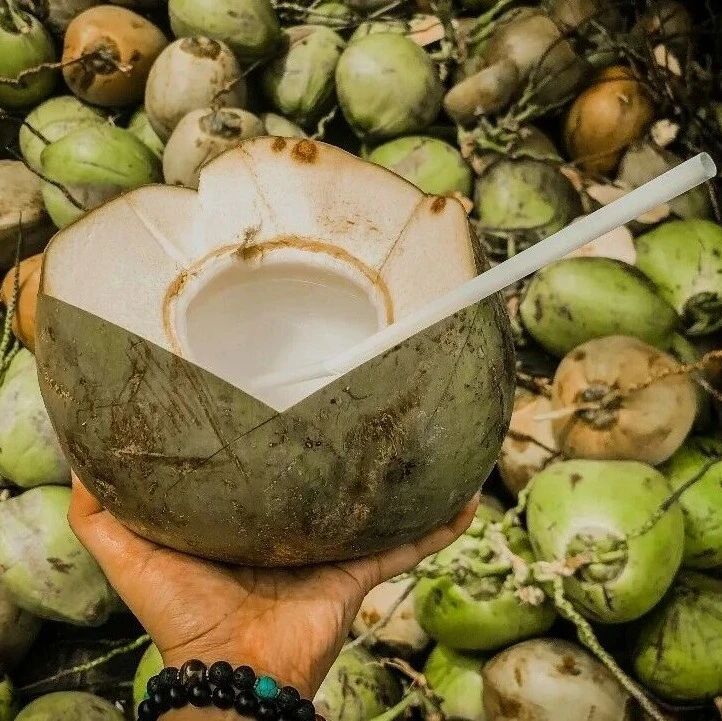
Core Viewpoint - The article highlights the discrepancy between the labeling of coconut water products as "100% coconut water" and the actual contents, which often include added external water or sugars, revealing a significant issue in product authenticity and consumer trust [4][6][10]. Group 1: Product Testing and Findings - A recent test conducted by the Beijing News Consumer Research Institute found that four popular coconut water products, marketed as "100% coconut water," were all found to contain external water or sugars [4][8]. - The testing utilized stable isotope fingerprinting technology, akin to a "DNA paternity test" for coconut water, to determine the authenticity of the products [10][19]. - The results indicated that all tested products, despite claiming to be pure, contained additives that were not disclosed on their labels, raising concerns about consumer deception [11][24]. Group 2: Industry Standards and Regulations - Currently, there are no mandatory national standards for coconut water in China, with existing regulations primarily focusing on food safety rather than product authenticity [19][22]. - A group standard for coconut water was released in December 2025, defining coconut water as a product made solely from coconut fruit, but it lacks enforceability [21][22]. - The lack of stringent regulations allows brands to claim compliance with safety standards while still misleading consumers regarding the purity of their products [17][19]. Group 3: Market Dynamics and Consumer Behavior - The coconut water market has seen a surge in demand, particularly among middle-class consumers who are willing to pay a premium for perceived health benefits [5][6]. - Despite the high retail prices of coconut water, the cost of raw materials has significantly decreased, leading to a disconnect between production costs and retail pricing [28][35]. - The article suggests that the pressure to maintain low prices has led to widespread practices of diluting coconut water with cheaper ingredients, undermining product quality [36][39]. Group 4: Implications for Brands and Consumers - Brands have responded to the testing results by asserting that their products meet existing standards, but these standards do not align with consumer expectations for "100% natural" products [12][17]. - The article emphasizes that the current market environment favors brands that cut corners on quality, as consumers may not be able to discern the difference between genuine coconut water and inferior products [34][36]. - The ongoing issues in the coconut water industry reflect broader challenges within the beverage sector, where competition and regulatory gaps have led to a decline in product integrity [39].

食品饮料行业周报:非标茅台代售制,pet担忧带来饮料买点-20260315
GUOTAI HAITONG SECURITIES· 2026-03-15 07:51
Investment Rating - The report assigns an "Accumulate" rating for the industry [2] Core Insights - The report highlights the implementation of a consignment sales system for non-standard Moutai, indicating a move towards full marketization. Concerns over rising PET prices have led to a pullback in the beverage sector, making valuations more attractive [4] Summary by Sections Investment Recommendations - Recommended stocks in the liquor sector include Guizhou Moutai, Wuliangye, and Luzhou Laojiao, with potential clearance stocks like Yingjia Gongjiu and Gujing Gongjiu. In the beverage sector, Eastroc Beverage and Nongfu Spring (Hong Kong stock) are recommended, along with low-valuation high-dividend stocks such as China Foods (Hong Kong stock) and Master Kong Holdings (Hong Kong stock) [9] Liquor Sector - Moutai has fully implemented a consignment sales system for non-standard products, allowing distributors to sell at a unified official price and earn a 5% commission. This system aims to enhance market coverage, improve consumer service, and maintain price stability [10][11] - Wuliangye has seen significant growth in sales during the 2026 Spring Festival, with a notable increase in market share. The company plans to continue enhancing brand value and market presence [12][14] Beverage Sector - The beverage sector is currently facing concerns over rising PET prices, which have increased from below 7,000 RMB to 8,650 RMB since March. Despite this, leading beverage companies have strategies to mitigate cost fluctuations and maintain profitability [15][16] - The report notes that leading beverage companies like Nongfu Spring and Eastroc Beverage are currently at historically low PE ratios, presenting potential investment opportunities for value recovery [16] Profit Forecast and Valuation - The report includes a profit forecast and valuation table for key stocks, indicating that Guizhou Moutai has a market cap of 177.03 billion RMB with an EPS forecast of 75.57 RMB for 2026, while Wuliangye has a market cap of 39.96 billion RMB with an EPS forecast of 6.62 RMB for 2026 [18]
食品饮料行业周度市场观察:行业环境头部品牌动态投资运营产品技术营销活动-20260314
Ai Rui Zi Xun· 2026-03-14 07:56
Investment Rating - The report does not explicitly provide an investment rating for the food and beverage industry Core Insights - The beverage industry is transitioning from functional satisfaction to scenario-based innovation, with a focus on social consumption behaviors among younger demographics [2][5] - The industry faces significant changes in 2026, including intensified competition, channel transformation, and a shift towards emotional value over functional benefits [5][11] - The rise of new tea beverages is marked by three transformations: location strategy, AI integration, and social engagement [5][11] Industry Environment - Guizhou sour soup restaurants are expanding across over 60 cities, with an expected industry output value of approximately 8 billion yuan by 2025, aiming for a 10 billion yuan target [2] - The beverage industry is experiencing a shift from individual consumption to social interactions, with seven key consumption scenarios identified, driving brands to align closely with consumer needs [2][5] - The beverage sector is facing five major changes in 2026: intensified competition, channel fragmentation, increased cross-industry competition, rising marketing costs, and a focus on emotional value [5] - The new tea beverage market is leveraging digital tools and localized strategies to penetrate lower-tier markets, with a focus on social currency and consumer engagement [5] - The beverage market is undergoing a value reshaping, with traditional channels losing appeal and instant retail emerging as a key growth driver [7][11] - The health-conscious trend among women is leading to a rise in "light exercise" and convenient health products, reflecting a shift in consumer preferences [9] Top Brand News - Uni-President's revenue reached 31.714 billion yuan in 2025, with a 4.6% year-on-year growth, but faces challenges in maintaining growth in its beverage and instant noodle segments [14] - PepsiCo launched a new energy drink "Sting" in China, targeting the growing energy drink market with a focus on affordability and differentiation [14][20] - The introduction of "Electrolyte" drinks by Nongfu Spring marks its entry into the rapidly growing electrolyte beverage market, aiming to capture market share despite late entry [16][21] - The collaboration between Panpan Beverage and FamilyMart aims to tap into the booming Chinese herbal health water market, projected to reach 10 billion yuan by 2028 [22]
食品饮料行业:《十五五规划》点评报告——“十五五”大力提振消费,战略性看好两大方向
Zhong Guo Yin He Zheng Quan· 2026-03-14 02:24
Investment Rating - The report maintains a positive investment rating for the food and beverage industry, highlighting strategic opportunities during the "14th Five-Year Plan" period [3]. Core Insights - The report emphasizes two major directions for investment: the focus on health food due to the increase in life expectancy and the encouragement of new business models and channels [5][6]. - The anticipated increase in average life expectancy to 80 years by 2030 is expected to shift health management from a disease-centered approach to a health-centered one, creating new demand for health foods [8][9]. - The report identifies community-oriented value-for-money formats and new retail supermarkets as key areas for growth, with companies like Mingming Hen Mang and Guoquan expanding their store numbers [12][11]. Summary by Sections Section 1: "14th Five-Year Plan" Focus on Consumption - The report outlines the goal of increasing average life expectancy and the shift towards proactive health management, which is expected to drive demand for health foods [8]. - It highlights the emergence of personalized health food demands, including emotional relief, weight management, and sleep management, as well as the trend towards lighter food forms like snack bars and grain powders [9]. Section 2: Encouragement of New Business Models - The report discusses the encouragement of high-quality development in wholesale and retail, as well as the expansion of community-based services and convenience living circles [11]. - It notes the rapid expansion of community-oriented value-for-money formats and new retail supermarkets, which are expected to continue thriving [12]. - The report also mentions the potential benefits for upstream supply chain companies due to category expansion and the development of private label products by downstream stores [12]. Section 3: Investment Recommendations - The report suggests focusing on high-quality health food categories that are expected to experience structural growth, as well as efficient and high-experience downstream channels that will continue to thrive [6]. - Key companies to watch include Dongpeng Beverage, Nongfu Spring, and various others in both upstream and downstream sectors [16].



全球能量饮料启示录|中国能量饮料如何布局东南亚工业化红利期
野村东方国际证券· 2026-03-13 09:04
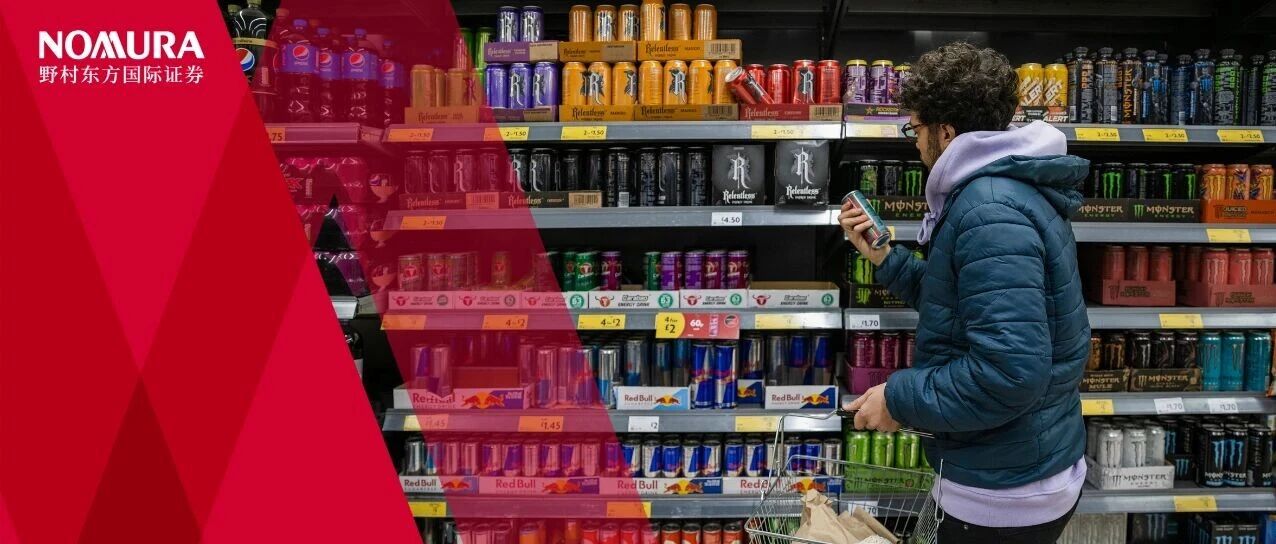
Core Insights - The Southeast Asian energy drink market is experiencing both scale growth and structural upgrade potential due to the region's accelerating industrialization and increasing labor intensity [2][5]. Economic Growth - The GDP growth rate for the ASEAN five countries is projected to recover to 5.6% by 2025 [5]. - Industrial production indices in Singapore, Malaysia, and Indonesia are showing a year-on-year upward trend, with cumulative growth rates of 59.7%, 31.3%, and 25.5% respectively from 2015 to 2024 [8]. Labor Market Dynamics - Most Southeast Asian countries have average weekly working hours exceeding the global average of 38.7 hours, indicating a high labor intensity [9]. - The demand for basic energy drinks as a "fuel" for labor is significant and likely to grow with increasing efficiency requirements [2]. Market Structure - Red Bull currently dominates the basic energy drink market in Southeast Asia, with market shares of 67.2%, 66.2%, and 43.0% in Singapore, Malaysia, and Vietnam respectively by 2024 [14]. - In the Philippines and Thailand, local brands with high cost-performance ratios lead the energy drink market, where Red Bull has a lower market share [2]. Consumer Behavior - Southeast Asia has a relatively low per capita income, which may allow for initial market penetration through low-price strategies [11]. - Consumer willingness to upgrade is high, as evidenced by the fact that high-end beverage products accounted for only 3% of the market in 2016, yet experienced a growth rate of 10% from 2014 to 2015 [12][13]. Strategic Considerations - Chinese energy drink brands face the challenge of breaking Red Bull's monopoly and establishing brand recognition in Southeast Asia [2]. - A single low-price strategy may lead to a low-quality trap in mature overseas markets, necessitating a brand upgrade strategy [14]. - Collaborating with international beverage companies on distribution or production could accelerate globalization, while maintaining autonomous production capabilities in core markets is essential [14].
东鹏饮料:期待旺季表现与平台型饮料企业打造-20260313
HTSC· 2026-03-13 02:25
Investment Rating - The investment rating for the company is "Buy" with a target price of RMB 315.60 [1]. Core Views - The company is expected to perform well in the upcoming peak season, supported by a solid sales strategy and product development efforts. The main product, Dongpeng Special Drink, is projected to maintain steady growth, while new products like fruit tea and low-sugar milk tea are anticipated to capture market demand [5][8]. - The revenue forecast for 2025-2027 has been revised upwards, with expected revenues of RMB 20.94 billion, RMB 26.63 billion, and RMB 31.40 billion, reflecting growth rates of 32.18%, 27.17%, and 17.93% respectively [4][5]. - The net profit attributable to the parent company is also expected to increase, with projections of RMB 4.49 billion, RMB 5.94 billion, and RMB 6.94 billion for the same period, indicating a compound annual growth rate (CAGR) of 25%, which is higher than comparable companies [5][9]. Summary by Relevant Sections Financial Performance - The company reported a closing price of RMB 226.62 as of March 12, 2026, with a market capitalization of RMB 127.99 billion. The average daily trading volume over the past six months was RMB 556.08 million [1]. - The earnings per share (EPS) for 2025, 2026, and 2027 are projected to be RMB 7.95, RMB 10.52, and RMB 12.28 respectively, with a return on equity (ROE) of 46.85% in 2025 [4][5]. Market Position and Strategy - The company is transitioning from a single-product focus to a platform-based model, enhancing its product matrix while solidifying its core offerings. This strategic shift is expected to leverage its strengths in the lower-tier markets [7][9]. - The company has established a strategic partnership with an Indonesian group to expand its presence in Southeast Asia, indicating a proactive approach to international market exploration [9]. Competitive Landscape - The company is positioned to capture a significant portion of the energy drink market growth, with expectations of increased penetration in both domestic and international markets. The competitive landscape is characterized by rising sugar tax concerns and fluctuating PET prices, which the company is managing through strategic pricing and operational efficiencies [7][9].
华泰证券今日早参-20260313
HTSC· 2026-03-13 01:36
Group 1: Key Insights - The report highlights the necessity and potential impact of self-discipline in interbank deposit pricing, aiming to address regulatory gaps and improve monetary policy transmission [2] - The report indicates that the company Yaxin Integrated achieved a revenue of 4.907 billion yuan in 2025, a year-on-year decrease of 8.81%, while net profit attributable to shareholders increased by 40.3% to 892 million yuan, exceeding previous expectations [3] - Industrial Fulian reported a revenue of 902.887 billion yuan in 2025, a year-on-year increase of 48.22%, with net profit reaching 35.286 billion yuan, up 51.99% [6] Group 2: Company Performance - Huixian Technology, as an AI-driven programmatic advertising platform, has been given a "Buy" rating with a target price of 26.03 HKD, reflecting its strong growth potential in the medium to long term [5] - Wanwu Xingsheng reported a Q4 revenue of 6.254 billion yuan, a year-on-year increase of 29.0%, and a full-year revenue of 21.048 billion yuan, up 28.9% [7] - Dongpeng Beverage's stock price has dropped over 10% since the beginning of 2026, primarily due to concerns over the "sugar tax" policy and rising PET prices, but the company is transitioning towards a platform-based model [8] Group 3: Financial Metrics - Far East Horizon recorded a net profit of 3.889 billion yuan in 2025, a slight increase of 0.67%, with a net interest margin of 4.39%, up from 4.0% in 2024 [10] - Laopu Gold expects to achieve a revenue of 27-28 billion yuan in 2025, representing a year-on-year growth of 217-229%, with a net profit forecast of 4.8-4.9 billion yuan, up 226-233% [11] - The report indicates that the financial performance of the companies is generally strong, with several maintaining or increasing their profit margins despite market challenges [6][10][11]
一瓶电解质饮料,暴露了农夫山泉的增长焦虑
3 6 Ke· 2026-03-12 13:39
Core Insights - The entry of leading companies into emerging markets often signals a defensive strategy rather than an offensive expansion, indicating a shift in market dynamics [1][4][10] - The electrolyte beverage market is rapidly growing in China, projected to exceed 30% year-on-year growth by 2025, driven by heightened health awareness and changing consumption scenarios [2][3] - The traditional bottled water market is facing saturation, prompting companies like Nongfu Spring to diversify into electrolyte drinks as a response to slowing growth in their core business [8][12] Industry Dynamics - The rise of electrolyte beverages reflects a broader structural change in the Chinese consumer market, where consumers are increasingly prioritizing functionality and value over brand prestige [10][11] - The competition in the beverage industry is shifting from brand-based competition to functionality and scenario-based competition, with a focus on health benefits and cost-effectiveness [11][13] - The entry of Nongfu Spring into the electrolyte beverage sector is seen as a strategic pivot, as the company seeks to establish new growth narratives amid declining growth in bottled water [12][13] Market Reactions - Following Nongfu Spring's announcement to enter the electrolyte beverage market, its stock price declined, indicating investor concerns about the company's growth structure and profitability [3][6] - The market's reaction suggests that investors perceive this move as a defensive measure rather than a proactive growth strategy, raising questions about the company's ability to maintain its profit margins in a highly competitive segment [6][9] - The electrolyte beverage market's low customer loyalty and high sensitivity to price and promotions further complicate Nongfu Spring's potential for success in this new category [9]