
水产养殖

Search documents
国际渔业科技与创新大会开幕
Zhong Guo Zi Ran Zi Yuan Bao· 2025-07-24 02:59
Core Insights - The 2025 International Fisheries Technology and Innovation Conference was held in Fuzhou, focusing on "Facilities and Smart Fisheries: Towards New Productive Forces" [1] - The conference featured various sub-forums discussing key technologies and equipment integration in facility fisheries, smart fisheries application scenarios, and industry needs [1] - Notable speakers included representatives from the Food and Agriculture Organization (FAO) and experts from both domestic and international institutions [1] Group 1 - The FAO's "Blue Transformation" strategy aims to enhance fisheries and aquaculture to combat hunger and poverty, emphasizing the importance of improving feed quality and training programs [2] - China is encouraged to showcase its responsible fisheries image through scientific research and innovation to achieve sustainable development in fisheries [2] - A report by Manuel Bermejo assessed the current state of fisheries sustainability globally, highlighting the need for innovative approaches [2] Group 2 - The implementation of low-protein feed technology was discussed as a means to support sustainable aquaculture, with a focus on the scientific basis and potential for cost reduction [2] - Chen Songlin presented advancements in marine fish genomics and molecular breeding, addressing challenges in marine fish farming and outlining innovative breeding techniques [3] - Experts discussed various topics including disease prevention in aquaculture, sustainable management principles, and the construction of deep-sea industrialized farming platforms [3]
天然鳗鱼初冬最好吃,为什么日本人却喜欢夏季吃?
Hu Xiu· 2025-07-24 01:04
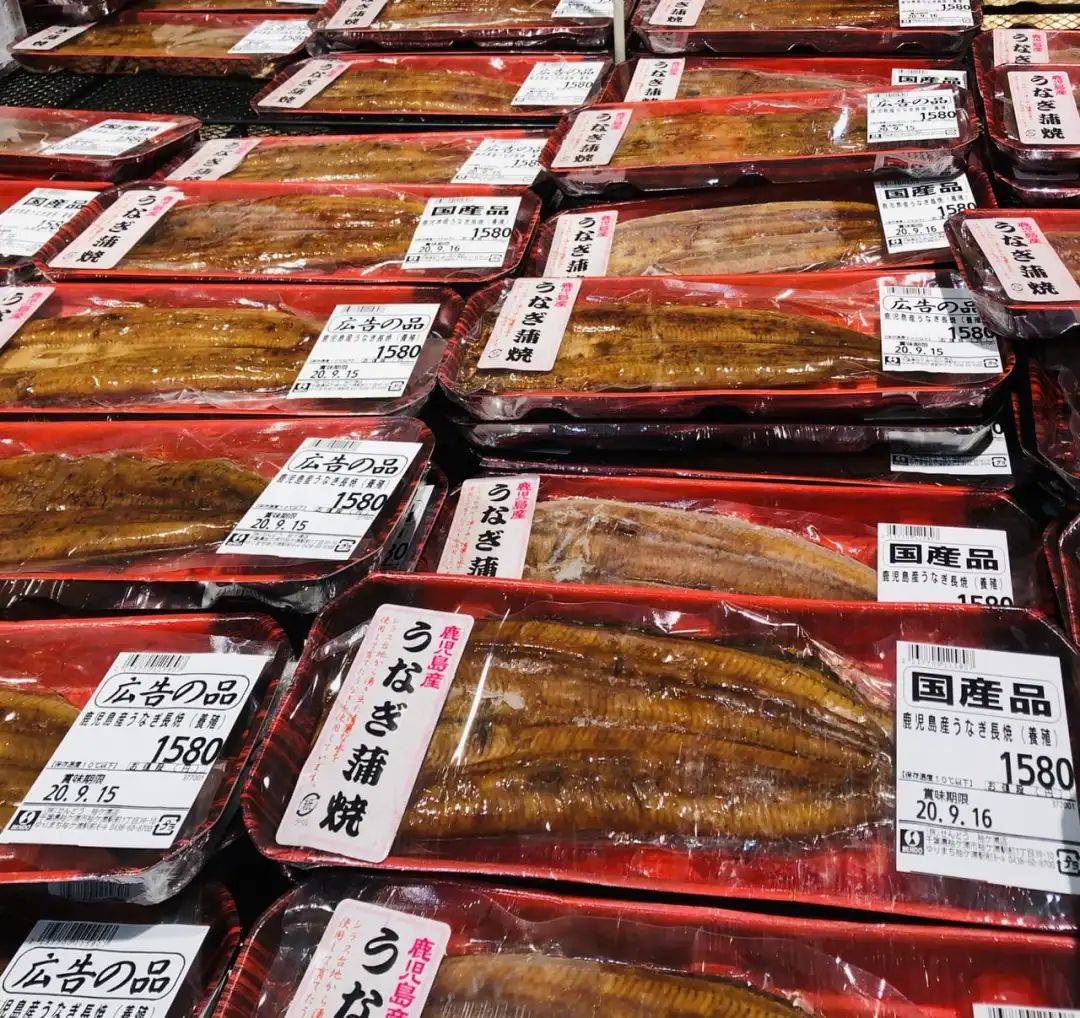
Group 1 - The article discusses the cultural significance of eating eel in Japan during the summer, particularly on the "Doyou Ushi no Hi" (土用丑日) which falls around late July to early August [3][8][10] - Eel is believed to be beneficial for health during this hot season due to its high-quality protein and vitamin B content, which can alleviate fatigue and loss of appetite [7][10] - The tradition of eating eel on this day reportedly originated in the Edo period as a marketing strategy to boost sales during the summer when eel sales were low [14][16] Group 2 - There is a growing concern in Japan regarding the potential classification of eels as endangered species, which could lead to increased prices and scarcity [16][19] - A proposal to list 19 species of eels under Appendix II of CITES was submitted, which would require trade regulations and could impact supply chains significantly [17][22] - Japan opposes this proposal, arguing that its eel resources are well-managed and sufficient, and plans to collaborate with neighboring countries to contest the classification [20][22] Group 3 - Approximately 70% of eels consumed in Japan are imported, making the market vulnerable to international trade restrictions [22] - Most eels available in the market are farmed, but they rely on wild-caught juvenile eels for breeding, which raises sustainability concerns [23][26] - The lifecycle of eels is unique, involving long migrations for spawning, which complicates their conservation and farming practices [24][26] Group 4 - The article highlights three main types of eels that are commonly consumed: Japanese eel (Anguilla japonica), American eel (Anguilla rostrata), and European eel (Anguilla anguilla) [31][33][34] - Japanese eel is the most popular and is primarily used in traditional dishes, while American eel is gaining market share due to stable juvenile resources [33] - The article also notes that the origin of eels is often labeled in supermarkets, which can affect consumer choices and pricing [36]

“洋特产”本土化,四川天全县鱼子酱走上全球餐桌
Sou Hu Cai Jing· 2025-07-23 16:49
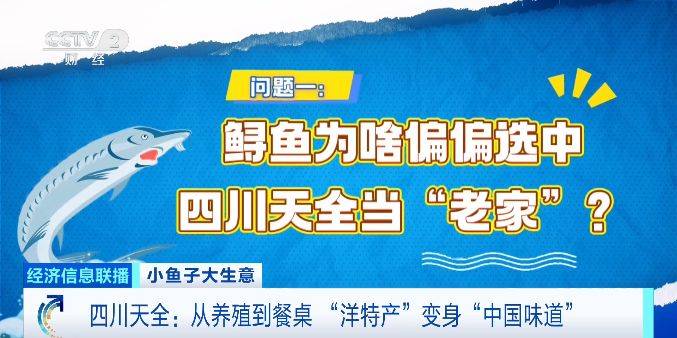
Core Viewpoint - The caviar produced in Tianquan County, Sichuan, is priced below 10 yuan per gram, utilizing "shared fish ponds" and precise processing methods to transform a foreign specialty into a local signature dish, gradually making its way to global dining tables [1]. Group 1: Caviar Production and Environment - Sturgeon, known as the "noble fish" of the water, has high water quality requirements, which is why it has been successfully cultivated in the mountainous regions of Sichuan [3]. - The caviar production base is located at the upstream of the Shijing River, where the water is exceptionally clear and cold, providing an ideal environment for sturgeon growth [5]. - The natural melting snowwater from the high mountains creates a "natural villa" for sturgeon, supported by government policies for "shared fish ponds" that help local residents increase their income through sturgeon farming [7]. Group 2: Processing and Quality - Due to the protection of wild sturgeon, most caviar consumed today is farmed, with strict processing requirements to ensure freshness and quality, necessitating that the entire process from catch to processing be completed within 15 minutes [10]. - The caviar produced in Tianquan is described as plump and carries a sweet taste from the mountain spring water, initially appearing in restaurants in Chengdu and later gaining popularity in major cities like Beijing and Shanghai [12]. Group 3: Culinary Integration and Market Trends - Caviar is increasingly being integrated into various dishes, such as being sprinkled on ice cream or mixed into yogurt, showcasing its versatility and appeal [14]. - In a Chengdu restaurant, caviar is creatively paired with spicy Sichuan noodles and other traditional dishes, indicating a trend of transforming caviar from a luxury item into a more accessible and everyday delicacy [16]. - The evolution of caviar from a high-end luxury to a familiar and enjoyable flavor reflects the emergence of new Chinese specialties in the culinary landscape [18].
仙桃黄鳝“游”向新蓝海:全链条升级激活产业高质量发展新动能
Zhong Guo Fa Zhan Wang· 2025-07-23 08:10
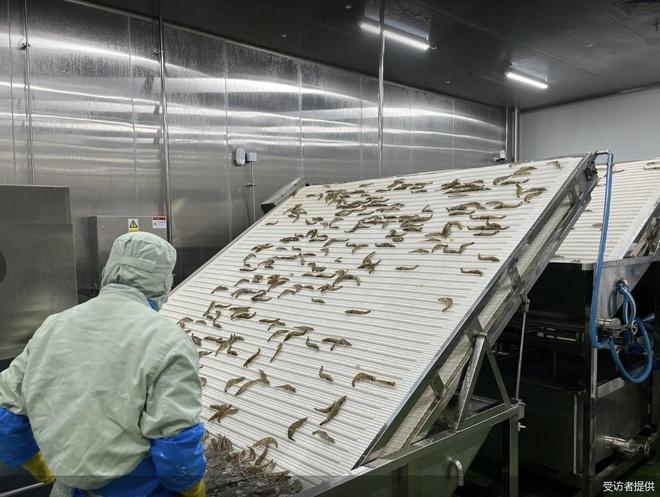
Core Insights - The article emphasizes the growth and development of the eel industry in Xiantao, highlighting the importance of a comprehensive approach that includes breeding, ecological farming, deep processing, and supply chain upgrades to enhance the brand influence and competitiveness of "Xiantao Eel" [1] Group 1: Industry Development - The local government is focusing on the entire supply chain of the eel industry, aiming to strengthen and optimize the sector to enhance its regional brand [1] - The introduction of 90 temperature-controlled greenhouses for breeding aims to improve the survival rate of eel seedlings, addressing a critical challenge in the industry [2] Group 2: Ecological Practices - The use of eco-friendly farming techniques, such as ecological water adjustment and the application of probiotics, is being promoted to enhance the quality of eels and ensure sustainable development [3] - The local government is committed to maintaining high standards of quality control throughout the production process to ensure consumer safety [3] Group 3: Value Addition and Market Expansion - The processing facility is producing over 60,000 packages of ready-to-eat eel products daily, with a diverse range of over 30 products catering to various consumer needs [4] - The government encourages innovation and technological investment in product development to expand market reach and enhance the value chain of the eel industry [4] - The strategic goal is to position the Xiantao eel industry as a national supplier of seedlings and a global seller of eel products, integrating various sectors to drive economic growth [4]
南农晨读丨“笋”货来了
Nan Fang Nong Cun Bao· 2025-07-23 03:01
Group 1 - The article highlights the focus on modern agricultural development and rural revitalization in various cities in Guangdong province, emphasizing tailored strategies for local conditions [4][5][6][10] - Guangzhou aims to implement high-quality marine economic development, while Meizhou is promoting comprehensive land remediation and large-scale agricultural land transfer [5][6] - Zhaoqing is fostering cooperation between schools and localities to support agricultural projects, and Chaozhou is advancing modern marine ranching initiatives [8][9] Group 2 - The article discusses the introduction of policies in Shantou to support micro-short films, with a maximum subsidy of 500,000 yuan, and the establishment of a rural "future community" in Shaoguan [16][17] - Guangxi Sanjiang Biotechnology Company is promoting a new drinkable camellia oil product, which will be showcased at an upcoming brand promotion event in Guangzhou [20][24][26] - The mango industry in Baise Tianyang District is highlighted as a significant employment driver, creating job opportunities and increasing local income through a complete industrial chain from planting to sales [28][30][33] Group 3 - The article mentions the launch of the first city-level "media+" action plan in Zhanjiang, aimed at enhancing the agricultural product market system in Guangdong [35][38] - The plan is part of a broader initiative to leverage media resources to strengthen the modern rural industrial system in the province [36][38]

湖北夏季“顶流”小龙虾撬动千亿产业链
Zheng Quan Shi Bao· 2025-07-21 18:47
Core Insights - The article highlights the significant growth and transformation of the crayfish industry in Qianjiang, Hubei, driven by innovative farming techniques and strategic policies [1][2][8] Group 1: Industry Growth and Economic Impact - Hubei province is the largest in China for crayfish farming, with a production volume of 1.437 million tons in 2024, marking a 15.6% year-on-year increase, and a total economic output of 184.1 billion yuan, up 9.7% [1] - Qianjiang city accounts for 60% of Hubei's crayfish production and 25% of the national total, with an annual trading volume of 800,000 tons [1] - The "Crayfish Ten Policies" introduced in 2023 established "Qianjiang Crayfish" as Hubei's sole public brand, contributing to a comprehensive economic output exceeding 87 billion yuan over two years [1] Group 2: Technological Innovations - The "Four Seasons Crayfish" technology aims to address seasonal supply issues, allowing for year-round production and consumption [2][3] - Innovations include temperature control, optimal breeding techniques, and improved feed that enhance crayfish growth and survival rates during winter [3] - In Q1 of this year, Qianjiang's crayfish production reached 25,600 tons, a 9% increase, with an output value of 2.732 billion yuan, up 41.21% [3] Group 3: Market Dynamics and Pricing - Despite a general decline in crayfish prices across the country, Qianjiang saw price increases for smaller crayfish sizes, with average prices for 2-4 taels at 18.9 yuan per jin, up 16.7% year-on-year [4] - The introduction of "Four Seasons Crayfish" technology has extended the supply window, mitigating price volatility typically associated with peak harvest seasons [4] Group 4: Supply Chain and Distribution - The China Crayfish Trading Center in Qianjiang, known as "China's Crayfish Valley," reported a trading volume of 7.527 billion yuan in the first half of the year, supported by a robust cold chain logistics network [5][6] - The establishment of standardized trading practices has improved market efficiency, reducing transaction disputes by nearly 60% [6] Group 5: Value Chain Expansion - Qianjiang's crayfish industry has diversified into high-value products, including shrimp powder and chitosan capsules, with processing capabilities reaching 800,000 tons and an output value of 27 billion yuan [8][9] - Collaborations with companies like Liangpinpuzi have led to innovative product offerings, enhancing the market presence of Qianjiang crayfish [9][10] Group 6: Future Outlook - The local government aims to further develop the crayfish industry by focusing on year-round production, factory farming, and deep processing, with the goal of establishing a billion-yuan industry cluster [10]
卖爆国产白虾 ,直播机构与工厂做对了什么
Bei Jing Shang Bao· 2025-07-21 06:34
Core Insights - The collaboration between live streaming platforms and OEM factories aims to create popular products by closely monitoring market trends and consumer preferences [1][3] - The partnership has led to significant production adjustments, including an investment of over 100 million yuan and an increase in annual production capacity from 300 tons to 540 tons [1][4] Group 1: Product Development and Market Strategy - The live streaming institution and the OEM factory have developed a successful product, a domestic white shrimp, which sold over 200,000 units and generated a GMV of over 19 million yuan in a short period [3][4] - The product's success is attributed to the factory's adaptation to consumer habits, including individual quick freezing of shrimp and enhanced water circulation from 24 times to 36 times per day to ensure cleanliness [4][5] - The target demographic for the product primarily consists of women aged 30-45 with families, focusing on quality and nutrition [4][6] Group 2: Supply Chain and Cost Management - The collaboration allows the factory to access C-end market demands, expanding sales channels and exploring partnerships with platforms like JD and Meituan [5][6] - The factory is optimizing its operations to reduce costs, including transitioning to a flat farming model to minimize transportation costs and improve efficiency [6][7] - The live streaming institutions are shifting from a focus on low prices to building brand trust and loyalty among consumers, which is essential for long-term success [8][9] Group 3: Brand Development and Market Expansion - Leading live streaming institutions are increasingly controlling their supply chains, moving towards self-owned brands to enhance profit margins and reduce reliance on third-party brands [7][8] - The expansion of self-owned brands has been successful, with significant sales figures reported for various products, indicating a strong market presence [8][9] - The factory plans to further increase production capacity, with a new facility expected to be operational in Lianyungang, aiming for a total capacity of 10,000 tons within three years [9]
东宇海参的“有机野生密码”与烟台国寿的“保障方程式”——中国人寿护航,筑牢蓝色经济发展“压舱石”
Qi Lu Wan Bao· 2025-07-21 02:53
Group 1 - The event "Media Look at China Life" held in Yantai emphasizes the importance of insurance in promoting inclusive finance and social responsibility [1] - Yantai is recognized as the permanent host of the World Sea Cucumber Industry Expo and is the largest breeding and processing base for sea cucumbers in China, with 46 provincial-level marine ranches [3][4] - Insurance is becoming a crucial support for the sea cucumber industry, providing safety for divers and the entire supply chain [4][16] Group 2 - The company Dongyu has over 100,000 acres of quality sea area and employs many divers for sea cucumber harvesting, with each diver capable of catching thousands of pounds daily [4][5] - Since 2022, Dongyu has partnered with China Life to provide group accident and medical insurance for its divers, enhancing their safety and peace of mind [5][6] - The sea cucumber industry in Yantai has a complete supply chain, with a total national production of 292,000 tons in 2023, making China the world's largest producer [6][16] Group 3 - Dongyu has invested significantly in marine ranching and has received high-tech enterprise certification, holding 49 patents and 32 trademarks [6][7] - The company utilizes an organic wild breeding method, requiring 5 to 8 years for sea cucumbers to reach harvest size, ensuring high quality [6][7] - Dongyu has developed a comprehensive product line, including fresh, salted, and processed sea cucumber products, contributing to the industry's growth [9][16] Group 4 - The collaboration between Dongyu and China Life serves as a model for insurance's role in supporting the blue economy, highlighting the need for comprehensive risk management across the industry [13][16] - Future opportunities for insurance in the sea cucumber industry include natural disaster insurance, product quality insurance, and logistics transportation insurance [13][16] - The integration of insurance into the blue economy is expected to promote safer, more stable, and sustainable industry development [16]

阳江程村蚝入围2025广东特色食材TOP20榜单
Nan Fang Nong Cun Bao· 2025-07-20 13:06
Core Insights - The article highlights the inclusion of Chengcun Oyster from Yangjiang in the 2025 Guangdong Specialty Ingredients TOP 20 list, ranking 12th with a Golden List Index of 82.15 [3][4]. Group 1: Industry Overview - The 2025 Guangdong Specialty Ingredients TOP 20 list was announced at the third China International (Foshan) Prepared Dishes Industry Conference held in Shunde [2]. - The list reflects the influence and reputation of ingredients in the Guangdong market, calculated based on four key indicators: media dissemination, export performance, cultural influence, and e-commerce market performance, with a maximum score of 100 [13][15]. Group 2: Chengcun Oyster Specifics - Chengcun Oyster is a specialty product from Chengcun Town, Yangxi County, Yangjiang, known for its high protein content, low cholesterol, and sweet taste, earning it the nickname "sea milk" [5][6]. - The annual output value of Chengcun Town's oyster farming exceeds 700 million yuan, and it is recognized as a "National Standardized Demonstration Zone for Nearshore Oyster Hanging Culture" [9][10]. - Chengcun Oyster has a nearly 200-year history of cultivation and has recently adopted innovative techniques to enhance production, leading to a standardized, scaled, and industrialized approach in the oyster farming sector [10][11].
海南虾苗“游”进新疆戈壁滩
Hai Nan Ri Bao· 2025-07-19 01:39
Core Viewpoint - The establishment of a comprehensive "blue industry chain" in Dongfang, Hainan, is facilitating the growth and distribution of shrimp farming, from seedling cultivation to processing and e-commerce sales [5]. Group 1: Seedling Cultivation and Technology - Hainan Zhongzheng Aquatic Technology Co., Ltd. has successfully cultivated 500 million South American white shrimp seedlings, which are now being airlifted to various regions including Xinjiang [3]. - The company has achieved a hatching rate of over 96% and a deformity rate of only 2% for its shrimp larvae, thanks to precise incubation technology [4]. - The local government has implemented a "one enterprise, one policy" support mechanism to enhance the development of the aquatic seed industry [4]. Group 2: Industry Development and Infrastructure - The Dongfang National Modern Agricultural Industrial Park has been recognized for its performance, ranking third nationally, and is becoming a pivotal point for generating an annual output value of 7 billion yuan [3]. - The park features a comprehensive structure with two academic workstations and collaborations with over 20 research institutions, enhancing the local aquaculture capabilities [3]. - The standardized breeding model has increased shrimp yield by 30% for local farmers, benefiting over 5,000 fishermen transitioning to shrimp farming [4]. Group 3: Processing and Market Expansion - The processing of shrimp into products like shrimp paste has significantly increased profitability, with fresh shrimp selling for 20 yuan per pound and processed shrimp paste priced three times higher [5]. - The logistics operations are robust, with cold chain transportation ensuring the quality and freshness of shrimp products as they are distributed [6].