氢能

Search documents
锚定蓝图抓落实 实干担当启新程——访三门峡市委书记徐相锋
He Nan Ri Bao· 2025-11-02 23:35
Group 1 - The core viewpoint emphasizes the importance of implementing the guiding principles and main goals set forth by the 20th Central Committee of the Communist Party of China for the 14th Five-Year Plan period, aiming to advance Chinese-style modernization [1][2] - The focus on high-quality development is highlighted as the primary goal for the economic and social development during the 14th Five-Year Plan, with an emphasis on integrating technological and industrial innovation [2] - The commitment to enhancing people's livelihoods is underscored, with policies aimed at addressing urgent issues such as employment, education, healthcare, and housing [2][3] Group 2 - The necessity of maintaining a safe and stable environment for high-quality development is stressed, with a focus on political, ecological, and production safety [2] - Strengthening the Party's leadership is identified as a fundamental guarantee for advancing Chinese-style modernization, with a commitment to strict governance and enhancing the cadre team [3] - The call for practical action and dedication to implementing the spirit of the 20th Central Committee is made, emphasizing the need for tangible results in modernization efforts [3]
“十五五”战略性新兴产业名单更新:新能源汽车因何“落榜”?
Jing Ji Guan Cha Wang· 2025-11-02 10:11
Core Insights - The exclusion of new energy vehicles (NEVs) from the "14th Five-Year Plan" strategic emerging industries list indicates a shift in focus towards other technologies such as quantum technology, biomanufacturing, hydrogen energy, and controllable nuclear fusion, reflecting new trends in industrial development [1][3][6] Industry Challenges - The NEV industry is currently facing significant challenges, including overcapacity, with utilization rates dropping below 40% in 2024, leading to substantial resource waste [1] - The average annual sales for 60% of car manufacturers are below 10,000 units, highlighting a severe imbalance in supply and demand [1] - The automotive industry's revenue is projected to grow by 4% to 10.6 trillion yuan in 2024, but profits are expected to decline by 8% to 462.3 billion yuan, resulting in a profit margin of only 4.3%, which is below the average of 6% for downstream industrial enterprises [2] Market Dynamics - Intense price competition has emerged in the domestic NEV market, with major manufacturers like Tesla and Geely reducing prices by 10%-15% to maintain market share, which has pressured profit margins [2] - The shift in focus from NEVs to broader new energy sectors, such as hydrogen energy and controllable nuclear fusion, suggests a diversification of the new energy industry [3][6] Strategic Directions - The "14th Five-Year Plan" emphasizes the importance of collaboration and integration across industries, with opportunities for NEVs to merge with low-altitude economy sectors, such as flying cars [4] - Companies are encouraged to innovate their business models and enhance resource integration capabilities, particularly through overseas investments and partnerships in emerging markets [5] Future Outlook - The strategic adjustment towards a more diversified and collaborative industrial landscape is expected to drive the overall competitiveness and added value of the industry [4][6]
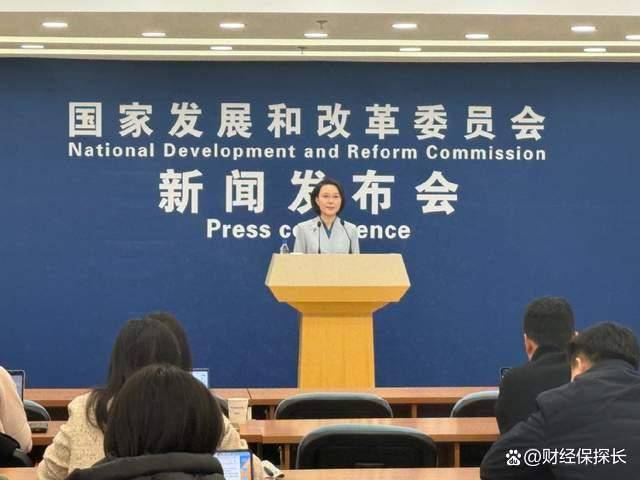
定调:六大未来产业发令枪响!万亿级城市之争,开始了
Sou Hu Cai Jing· 2025-11-01 19:39
Core Insights - The recent press conference by the National Development and Reform Commission indicates a shift in the engine of China's economic development [1] - Emerging fields such as quantum technology, brain-computer interfaces, and nuclear fusion energy are identified as "new economic growth points," emphasizing their transformation into economic benefits [3][5] - The inclusion of hydrogen energy and nuclear fusion energy in the latest recommendations signals their critical roles in energy transition [10] Quantum Technology - Hefei ranks second globally in quantum industry, with three-quarters of leading companies located there, supported by the University of Science and Technology of China [7] - Key applications for quantum computing include financial modeling, drug development, and materials design, with Beijing and Shanghai focusing on practical applications [9] - Beijing aims for a complete industrial chain in hydrogen energy, while Shanghai leads in practical applications with significant data on fuel cell vehicles [11] Hydrogen Energy - Hydrogen energy is positioned as a future clean energy source, though its technology is not fully mature, presenting challenges for large-scale application [10] - Beijing's strategy involves a comprehensive approach to the hydrogen industry, while Shanghai demonstrates practical applications with substantial mileage data [11] - Cities like Guangzhou and Shenzhen are also making significant investments and advancements in hydrogen energy projects [11] Brain-Computer Interfaces - Brain-computer interface technology has rapidly developed, with Shanghai covering all technical routes and Beijing focusing on non-invasive applications [12][13] - Shenzhen is targeting commercial applications, with major companies planning to launch multiple application scenarios by 2026 [13] - The overall market for brain-computer interfaces remains in its early stages, with uncertain future developments [13] Humanoid Robots - The development of humanoid robots in China has gained attention, with significant contributions from institutions like Tsinghua University and Peking University [14] - Shenzhen leads in the number of industry chain enterprises, with a total output value of 170 billion yuan, while Shanghai aims to create a complete ecosystem for humanoid robots [14] - The success of companies like the one in Hangzhou is attributed to long-term technological accumulation [14] 6G Technology - Although not yet commercialized, countries are actively laying the groundwork for 6G technology, with Beijing focusing on standardization and Shenzhen on practical applications [15] - Nanjing's achievements in terahertz communication demonstrate significant technological capabilities [15] - Cities like Chengdu and Wuhan are developing 6G technology but lag behind Beijing and Shanghai [15] Interconnected Technologies - Technologies such as quantum technology, bio-manufacturing, hydrogen and nuclear fusion energy, brain-computer interfaces, and 6G are interconnected, forming the underlying logic of future economies [16] - Cities that strategically invest in these fields are positioned to become leaders in the next era of competition [16][17]

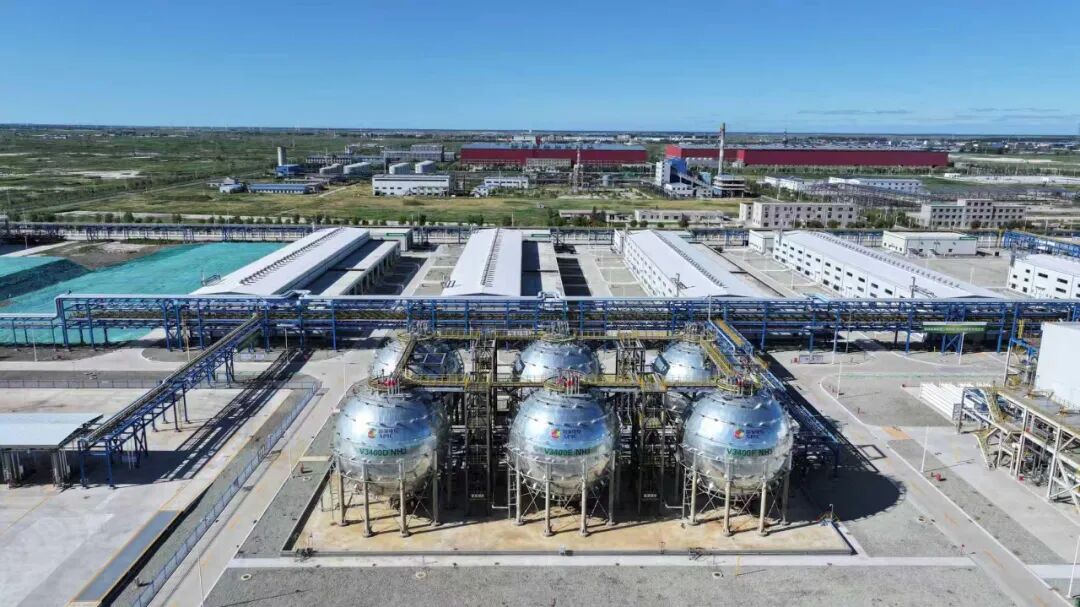
全球首张!我国项目获颁“非生物来源可再生燃料氨”国际认证
Ke Ji Ri Bao· 2025-11-01 08:07
Core Insights - The Jilin Da'an Wind-Solar Green Hydrogen Synthesis Ammonia Integrated Demonstration Project (Phase I) developed by State Power Investment Corporation has officially passed the International Sustainability and Carbon Certification System (ISCC EU) audit, receiving the world's first certification for "non-biological renewable fuel ammonia" [1][3] Group 1 - The "renewable" attribute of the certification indicates that the green ammonia produced by the project is entirely generated from renewable energy sources such as wind and solar power [3] - The "non-biological" designation differentiates this method from traditional ammonia production that utilizes biomass materials like straw and biogas, specifically referring to the industrial process of "wind-solar power generation - water electrolysis to produce hydrogen - hydrogen synthesis to produce ammonia" [3] - Green ammonia is becoming a key pathway for high-energy-consuming industries such as steel and chemicals to achieve deep decarbonization [3] Group 2 - The certification signifies that the green ammonia produced by the Da'an project has successfully obtained a "pass" to enter the international green ammonia market [3] - This achievement is expected to play a significant role in promoting the standardization and commercialization of global hydrogen energy and hydrogen-based energy [3]
智领深蓝 电驱未来——中船七一二所,科技引领绿色智能
Xin Lang Cai Jing· 2025-10-31 21:16
Core Insights - The event "China Shipbuilding Group Intelligent Leading Deep Blue" showcased the innovative capabilities of the China Shipbuilding Group's 712 Research Institute, emphasizing its advancements in green intelligent ships, urban rail transit, and hydrogen energy applications [4][5]. Group 1: Green Intelligent Ships - The 712 Research Institute is a leader in green intelligent ship technology, having pioneered the all-electric ship concept and developed a comprehensive technical system for power system research, core component production, and system integration [6]. - The institute's delivered new energy power systems account for over 50% of the national market, maintaining a leading position [6]. - Notable projects include the Wuhan "Junlv No. 1," the first pure electric passenger ship certified by CCS, and the "Three Gorges Hydrogen Ship No. 1," which has replaced 108 tons of fuel and reduced CO2 emissions by 360 tons [7]. Group 2: Hydrogen Energy Applications - Hydrogen energy is a key focus area, with the institute achieving significant advancements in fuel cell technology, including a domestic production line for membrane electrodes and bipolar plates [8]. - The hydrogen fuel cell system developed for ships has a power output efficiency of 50%-60% and features a multi-level safety protection system certified by CCS [8][9]. - The "Hydrogen Electric Tug No. 1" is the first zero-emission hydrogen tugboat in China, capable of reducing CO2 emissions by approximately 1,500 tons annually [9]. Group 3: Urban Rail Transit - The 712 Research Institute is the only domestic entity with complete proprietary intellectual property for direct current traction power supply systems, covering 20 cities and 52 rail transit lines [11]. - The institute's products dominate the market in metro power supply systems, with a market share of over 95% in the non-ferrous metal smelting sector [11]. - The institute has developed a comprehensive research and production capacity, with an annual output value of 500 million yuan, supporting the high-quality development of urban rail transit [11]. Group 4: Innovative Application Scenarios - The event featured innovative applications such as the smart ship cockpit, which integrates AI and human-centered design to enhance navigation safety and efficiency [12]. - The smart kitchen research platform utilizes automated cooking and food preparation systems, allowing real-time feedback from employees to improve product development [13].

中国氢能产业链国际竞争力比较与政策建议
Zhong Guo Yin Hang· 2025-10-31 15:15
Global Hydrogen Industry Trends - Hydrogen is recognized as the ultimate energy source of the 21st century, with a complex and lengthy industrial chain[4] - The global hydrogen production and consumption scale reached approximately 105 million tons by the end of 2024, with a year-on-year growth of about 2.9%[24] - China leads the world in hydrogen production capacity, exceeding 50 million tons per year, with a year-on-year growth of approximately 1.6%[24] China's Hydrogen Industry Development - By the end of 2024, China's hydrogen production is expected to surpass 36.5 million tons, reflecting a year-on-year increase of about 3.5%[24] - The Chinese hydrogen energy market is projected to reach a production value of around 1 trillion yuan by the end of 2025, with over 1,000 hydrogen refueling stations and approximately 100,000 hydrogen fuel cell vehicles[16][22] - As of 2024, China has built 540 hydrogen refueling stations, covering 31 provinces, accounting for over 36% of the global total[42] Policy and Strategic Support - Over 60 countries have announced hydrogen development strategies by the end of 2024, with significant policy support from major economies like Japan, the EU, and the US[15] - China's hydrogen energy policies have expanded significantly, with over 560 specialized policies issued by various levels of government by the end of 2024[17] - The Chinese government aims to increase the number of hydrogen refueling stations to at least 1,000 by 2025 and 5,000 by 2035[42] Cost and Technological Advancements - The cost of hydrogen production through electrolysis is heavily influenced by electricity prices, which account for approximately 75.4% of the total cost[26] - The average price of hydrogen production in China is expected to fall below 30 yuan per kilogram by the end of 2024, a decrease of about 15.6% year-on-year[29] - China's hydrogen fuel cell system production costs have decreased by 75%-80% compared to 2018, driven by technological advancements and domestic production[46]
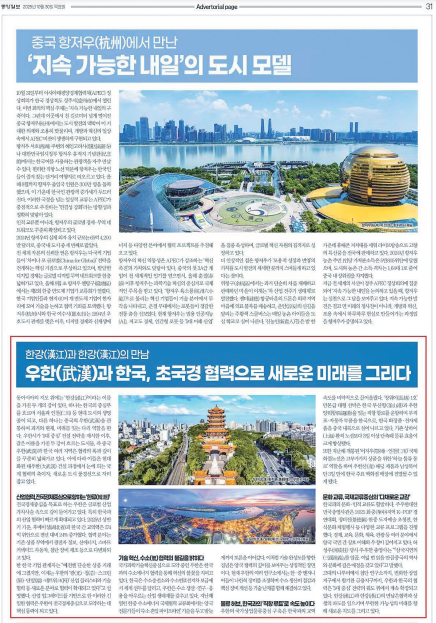
韩国中央日报聚焦武汉汉江与汉江相遇:武汉与韩国跨国合作共绘新图景
Chang Jiang Ri Bao· 2025-10-31 14:59
Core Insights - The article highlights the deepening cooperation between Wuhan, China, and various regions in South Korea, focusing on the development of a modernized Wuhan as a national economic center through international collaboration [3][4]. Economic Cooperation - Wuhan aims to become a national economic center by integrating into global industrial chains, with bilateral trade between Hubei Province and South Korea projected to reach 17.4 billion yuan by mid-2025, marking a 24% year-on-year increase [3][4]. - The collaboration has shifted from traditional trade to new sectors such as optoelectronics, new energy, smart connected vehicles, and high-end equipment manufacturing [4]. Technological Innovation - The partnership in technology innovation is emphasized, with Wuhan and South Korea collaborating on hydrogen energy, where South Korea leads in hydrogen stations and fuel cell vehicles [4]. - Wuhan has established a comprehensive hydrogen energy industry chain, and joint efforts in research and development are evident, as seen in the discussions at the China-South Korea Hydrogen Energy International Cooperation Conference [4]. Logistics and Trade - The logistics capabilities of Wuhan as a national commercial logistics center have significantly improved, exemplified by the direct shipping route between Busan and Wuhan, which saves three days compared to previous routes [5]. - The introduction of the "Ezhou-Incheon" international cargo route has further enhanced the efficiency of transporting high-value goods, allowing for rapid market response [5]. Cultural Exchange - Cultural interactions between Wuhan and South Korea are increasingly vibrant, with various events promoting mutual understanding and friendship, including K-POP competitions and ceramic art exhibitions [6]. - The activities span multiple sectors, including economy, education, culture, sports, and tourism, enriching the relationship between the two regions [6].
国家能源局:前8个月我国能源重点项目完成投资1.97万亿元
Xin Hua Cai Jing· 2025-10-31 13:58
Core Insights - National energy investment in China has shown rapid growth, with key projects completing investments of 1.97 trillion yuan in the first eight months of the year, representing an 18.2% year-on-year increase [1] Group 1: Investment Growth Characteristics - Nuclear power, power grids, new energy storage, and coal power have been significant drivers of investment growth in energy projects [1] - Wind power, modern coal chemical industry, oil and gas storage facilities, charging infrastructure, and hydrogen energy investments have seen rapid increases, with wind power investment growing over 40% year-on-year [2] - Solar power generation, integrated energy systems, oil and gas exploration, and pumped storage investments have steadily increased, with solar power project investments rising by 17.5% year-on-year [3] Group 2: Regional Investment Highlights - Six provinces (Shandong, Jiangsu, Guangdong, Xinjiang, Yunnan, Inner Mongolia) each completed investments exceeding 100 billion yuan in the first eight months [1] - Significant investment in wind power projects has been noted in regions such as Xinjiang, Hebei, Guangxi, Shandong, and Hunan [2] - Major oil and gas projects are progressing in the Bohai Sea and Jianghan shale gas fields, with proven reserves of 165 billion cubic meters [3]
全柴动力(600218.SH):控股子公司元隽氢能的质子交换膜可应用于储能领域
Ge Long Hui· 2025-10-31 07:50
Core Viewpoint - The company, QuanChai Power (全柴动力), announced that its subsidiary, Yuanjun Hydrogen Energy, is developing proton exchange membranes for energy storage applications, which are currently in the testing and promotion phase without commercial application yet [1]. Group 1 - The proton exchange membrane developed by Yuanjun Hydrogen Energy is applicable in the energy storage sector [1]. - The product is still undergoing testing and validation, indicating it has not yet reached the commercialization stage [1].

势银数据 | 2025年Q3氢车上牌销量环比增加57.9%,云韬氢能持续发力
势银能链· 2025-10-31 04:21
Core Viewpoint - The article discusses the current state of the fuel cell vehicle (FCEV) market, highlighting significant declines in installation and registration volumes in Q3 2025, while also noting the market concentration among leading companies in the sector [2][10]. Group 1: Fuel Cell Vehicle Market Performance - In Q3 2025, the fuel cell installation capacity was 155.6 MW, representing a year-on-year decrease of 50.1% but a quarter-on-quarter increase of 57.7% [2]. - The number of registered fuel cell vehicles in Q3 2025 was 1,298, showing a year-on-year decline of 52.2% but a quarter-on-quarter increase of 57.9% [2]. Group 2: Leading Companies in the Market - The top five companies in the fuel cell vehicle market accounted for 76.4% of the total installations, with YunTao Hydrogen Energy leading at 26.3% of the market share, followed by RuiWei Technology and WeiShi Energy [8][10]. - YunTao Hydrogen Energy delivered 341 fuel cell commercial vehicles in Q3, with 205 of these being specialized vehicles, primarily concrete mixers [8][14]. Group 3: Vehicle Production and Registration - The leading vehicle manufacturers for FCEVs in Q3 included SANY Automotive, Dongfeng Motor, and Yutong Group, with SANY Automotive achieving the highest sales of 340 vehicles [15][17]. - The cities with the highest registration numbers were Tangshan (300 vehicles), Guangzhou, and Zhengzhou, with Tangshan leading the market [18][20]. Group 4: Market Trends and Applications - The majority of registered fuel cell vehicles were traction vehicles, accounting for 45.7%, followed by cold chain logistics vehicles [21]. - There has been an increase in the proportion of specialized and dump trucks compared to Q3 2024, indicating a trend towards higher power applications in fuel cell technology [23].