啤酒

Search documents
惠泉啤酒跌2.01%,成交额1773.97万元,主力资金净流出86.18万元
Xin Lang Cai Jing· 2025-11-18 02:12
Core Viewpoint - Huiquan Beer experienced a stock price decline of 2.01% on November 18, with a current price of 12.20 CNY per share and a total market capitalization of 3.05 billion CNY [1] Financial Performance - For the period from January to September 2025, Huiquan Beer reported a revenue of 576 million CNY, representing a year-on-year decrease of 2.59%. However, the net profit attributable to shareholders increased by 23.70% to 98.56 million CNY [2] - The company has distributed a total of 262 million CNY in dividends since its A-share listing, with 47.5 million CNY distributed over the past three years [2] Stock Market Activity - As of 09:54 on November 18, the trading volume was 17.74 million CNY, with a turnover rate of 0.58%. The net outflow of main funds was 861,800 CNY, with large orders accounting for 12.19% of purchases and 17.05% of sales [1] - Year-to-date, Huiquan Beer’s stock price has increased by 9.12%, with a 1.16% rise over the last five trading days, a 4.27% increase over the last 20 days, and a 0.91% increase over the last 60 days [1] Company Overview - Huiquan Beer, officially known as Fujian Yanjing Huiquan Beer Co., Ltd., was established on February 4, 1997, and went public on February 26, 2003. The company primarily engages in the manufacturing and sales of beer, with beer sales accounting for 98.08% of its revenue [1][2] - As of September 30, the number of shareholders was 15,700, a decrease of 11.47% from the previous period, while the average circulating shares per person increased by 12.96% to 15,902 shares [2]

消费行业投资机会解读
2025-11-18 01:15
Summary of Key Points from Conference Call Records Industry Overview - The conference call discusses the consumer industry, particularly focusing on the recovery of the Consumer Price Index (CPI) and its implications for consumption trends in China. The core CPI has shown a continuous recovery for six months, reaching 1.2% in October, which is expected to support short-term consumption and continue until the Spring Festival next year [1][3][4]. Core Insights and Arguments - **Economic Growth and Policy Support**: The economic growth target for 2026 is expected to remain around 5%. Macro policies will increasingly focus on domestic demand, enhancing support for consumer markets, making them more attractive in the coming year [1][4]. - **Investment Opportunities in Consumer Sectors**: The A-share market has seen increased attention on certain consumer sectors, particularly those that are undervalued and poised for recovery, such as discount retail, snacks, and domestic beauty products. High-growth service sectors like outdoor economy and medical services also present investment potential [1][5][6]. - **Sector Rotation in Q4**: The market is shifting towards a style rotation logic, with relatively low valuation sectors like medical services, aviation, home appliances, shopping goods, and condiments showing high allocation value [1][5]. - **Airline Sector Performance**: The airline sector is experiencing upward trends influenced by factors such as improved Sino-Japanese relations, tightened aircraft supply, and passenger and cargo volumes exceeding pre-pandemic levels. Stable oil prices and a strong currency also contribute positively [2][7][8]. Additional Important Insights - **Consumer Resilience**: Despite overall economic pressures, consumer performance has shown resilience, with consumption data remaining stable compared to investment declines. The government aims to increase the final consumption rate, which currently stands at about 56%, with room for improvement [3][4]. - **Focus on Specific Consumer Segments**: The call highlights specific consumer segments worth monitoring, including the IP economy and pet economy, which benefit from demographic trends like the rise of Gen Z consumers and single-person households [6]. - **Pharmaceutical Sector Opportunities**: Within the pharmaceutical industry, segments related to medical services, aesthetic medicine, and vaccines are highlighted as having investment potential due to supportive policies [9][10]. - **Trends in the Duty-Free Industry**: The duty-free sector is showing signs of recovery, with initial signs of bottoming out and an upward trend expected [14]. - **Food and Beverage Sector Dynamics**: The food and beverage industry is divided into two parts: liquor and mass-market products. The liquor sector is facing challenges, while mass-market leaders show operational resilience, particularly in frozen foods and restaurant chains [16][21][22]. Conclusion - The conference call provides a comprehensive overview of the consumer industry, highlighting the recovery of the CPI, investment opportunities across various sectors, and the implications of macroeconomic policies on consumer behavior. The airline and pharmaceutical sectors are particularly noted for their growth potential, while the food and beverage industry faces mixed challenges and opportunities.
【高质量发展产业调研】啤酒业破局
Jing Ji Ri Bao· 2025-11-18 01:03
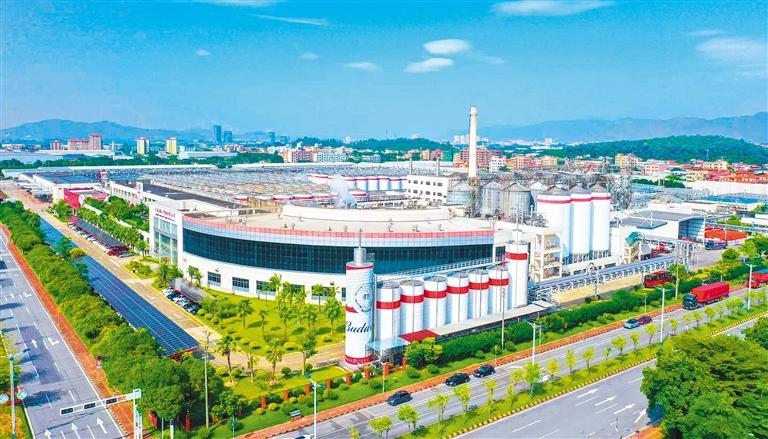
Core Viewpoint - The Chinese beer industry has evolved significantly over the past century, transitioning from traditional brewing to industrial production, and is now focusing on high-quality development and brand building in response to changing consumer demands and market conditions [1][3]. Industry Development - China has been the world's largest beer producer and consumer since 2002, with production peaking at 50.62 million tons in 2013 [1][2]. - The industry saw rapid growth post-reform in the 1980s, with the number of local breweries exceeding 800 at one point, leading to a diverse range of regional brands [2]. - By 1993, China's beer production surpassed Germany, and by 2002, it reached 24.03 million tons, making it the world's largest producer [2]. Market Dynamics - The industry has entered a phase of stock competition, with production volumes declining since 2013 due to changing consumer preferences and demographic shifts, particularly among the aging population [3][4]. - The demand for traditional beer is decreasing, with a notable drop in consumption among the primary demographic (ages 20-40) from 35% to 28% [3]. - Health consciousness among consumers is shifting preferences from quantity to quality, impacting overall beer consumption [3]. Competitive Landscape - The market is highly concentrated, with major brands like China Resources, Tsingtao, and Yanjing holding over 70% of the market share [4]. - Companies are urged to focus on high-quality development and adapt to new consumer trends to drive business growth [4][5]. Product Innovation - Companies are innovating to create new market spaces through precise positioning, flavor innovation, and differentiated strategies to resonate with consumers [5][7]. - The trend towards premiumization is evident, with companies targeting high-end and ultra-high-end markets, leading to increased average selling prices and improved profitability [10]. Consumer Trends - There is a growing demand for diverse and high-quality products, with companies expanding their offerings to meet the varied preferences of younger consumers [11][12]. - The rise of craft beer is becoming a significant trend, with consumers seeking unique flavors and experiences [13][14]. Sales Channels - The industry is embracing instant retail models, with companies like Qingdao Beer leading the way in this space, achieving significant growth in online sales [15][16]. - Instant retail is expected to continue growing, with projections indicating a market size exceeding 2 trillion yuan by 2030 [16]. Sustainability and Carbon Neutrality - The beer industry is focusing on green development and carbon neutrality, with initiatives aimed at reducing water and energy consumption [21][22]. - Companies are implementing advanced technologies to enhance energy efficiency and reduce carbon emissions throughout the production process [23][24]. Supply Chain and Raw Materials - The industry faces challenges related to raw material supply, particularly barley and hops, which are heavily reliant on imports [33][34]. - Efforts are being made to enhance domestic production capabilities and ensure a stable supply chain for key ingredients [33]. Cultural and Global Positioning - There is a push for cultural innovation to enhance the global recognition of Chinese beer, with an emphasis on storytelling and brand identity [36][37]. - Companies are encouraged to engage in international collaborations to increase brand visibility and market presence globally [37].

啤酒业破局
Jing Ji Ri Bao· 2025-11-17 22:10
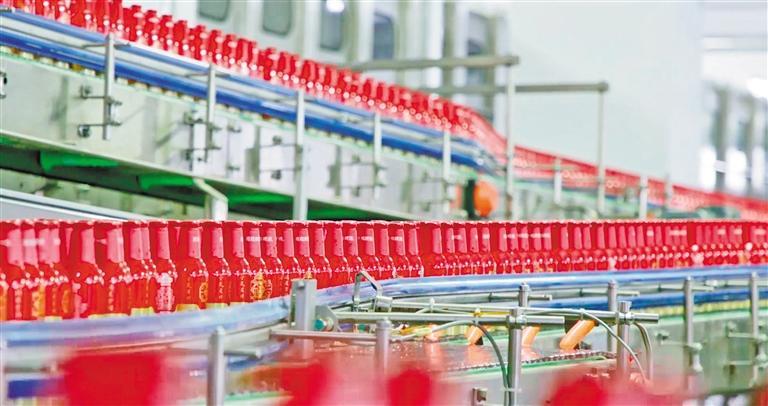
Core Viewpoint - The Chinese beer industry is transitioning from a phase of rapid growth to one of quality improvement and brand building, driven by changing consumer preferences and market dynamics [3][5][6]. Industry Development - The Chinese beer industry has evolved significantly over the past century, becoming the world's largest producer and consumer of beer since 2002, with a peak production of 50.62 million tons in 2013 [2][4]. - The industry has seen a shift from traditional brewing to industrial production, with major policy support since the 1980s leading to a rapid increase in production capacity and the emergence of numerous regional brands [4][5]. Market Dynamics - The beer market is now characterized by intense competition and a focus on quality over quantity, as traditional beer consumption declines and health-conscious trends rise among consumers [5][6]. - By 2023, the proportion of the population aged 60 and above reached 21.1%, while the main consumer demographic (ages 20-40) decreased from 35% to 28%, indicating a shift in market dynamics [5]. Consumer Trends - There is a growing demand for high-end, diverse, and premium beer products, with companies focusing on innovation and brand differentiation to meet these evolving consumer preferences [10][11][12]. - The rise of craft beer reflects a broader trend towards product differentiation and unique consumer experiences, with major brands entering the craft beer space [14][15]. Strategic Initiatives - Major beer companies are implementing high-end strategies, with products priced above 10 yuan gaining traction, and some brands even entering the ultra-premium market [10]. - Companies are also focusing on product diversification to cater to different consumer segments, with a notable increase in the variety of beer offerings [11][12]. Technological Advancements - The industry is leveraging digital and smart manufacturing technologies to enhance production efficiency and reduce carbon emissions, with companies like Qingdao Beer leading the way in smart factory initiatives [30][31]. - The adoption of instant retail models is reshaping sales channels, allowing for rapid delivery and increased consumer engagement [16][17]. Sustainability Efforts - The beer industry is increasingly focused on achieving carbon neutrality and sustainable practices, with initiatives aimed at reducing water and energy consumption throughout the production process [21][22][23]. - Companies are collaborating with upstream and downstream partners to promote green practices across the entire value chain, including the use of low-carbon packaging and transportation methods [26]. Challenges and Opportunities - The industry faces challenges related to raw material dependency, particularly for barley and hops, which are largely imported, impacting supply chain security [34][35]. - There is a need for innovation in product development to create globally recognized Chinese beer brands, emphasizing the importance of cultural elements in marketing strategies [36][37][38].



消费场景有序恢复,餐饮供应链边际改善
Guoxin Securities· 2025-11-17 13:22
Investment Rating - The report maintains an "Outperform the Market" rating for the food and beverage sector [4][5][68]. Core Views - The food and beverage sector is expected to benefit from a gradual recovery in consumer scenarios and improvements in the restaurant supply chain [1][3]. - The report highlights a differentiated performance across categories, with beverages outperforming food and alcoholic beverages [2][3]. - The outlook for 2026 is optimistic, with expectations of continued demand recovery and valuation expansion [3][16]. Summary by Relevant Sections Market Performance - The food and beverage sector saw a cumulative increase of 2.93% this week, with A-shares rising by 2.83% and H-shares by 4.33% [1]. - The top five performers in the sector included companies like Huanlejia and Sanyuan [1]. Alcoholic Beverages - The report suggests a focus on high-quality companies in the liquor sector, particularly as the industry enters a bottoming phase [2][11]. - Recommendations include Luzhou Laojiao, Shanxi Fenjiu, and Guizhou Moutai, with an emphasis on the upcoming December liquor distributor conference [2][11]. Beverages - The beverage sector is experiencing a positive trend, with stable demand recovery in dairy products and strong performance from leading companies like Nongfu Spring and Dongpeng Beverage [2][15]. - The report recommends focusing on companies with strong growth potential and ongoing internal reforms [2][15]. Snacks - The report emphasizes the importance of selecting alpha-type stocks in the snack category, particularly those benefiting from the growth of konjac snacks [2][12]. - Leading companies in this space, such as Weilong and Yanjinpuzi, are highlighted for their competitive advantages [2][12]. Restaurant Supply Chain - The report indicates that the restaurant supply chain is showing signs of stabilization, with major companies optimizing their expense management [13]. - Recommendations include Yihai International and Haitian Flavoring, which are expected to perform well as the industry recovers [13]. Dairy Products - The dairy sector is projected to see a gradual recovery in demand, with leading companies like Yili expected to benefit from improved margins [14][15]. - The report suggests a focus on companies with a safety margin in valuations [14][15]. Investment Recommendations - The recommended investment portfolio includes Guizhou Moutai, Baba Foods, Dongpeng Beverage, Weilong, and Luzhou Laojiao, with an average increase of 4.24% [16]. - The report anticipates continued growth in the beverage sector, particularly for energy drinks and tea products [15][16].
“双11”线上赚吆喝,啤酒业却仍“增利难增收”?5家头部酒企掌门人揭秘破局关键
Mei Ri Jing Ji Xin Wen· 2025-11-17 10:40
Core Insights - The recent "Double 11" shopping festival saw significant sales growth in the beer market, with brands like Tsingtao, Budweiser, and Yanjing leading in sales on platforms like JD.com and Tmall [1][2] - Despite the online sales boom, the overall growth rate of beer manufacturers is slowing down, indicating a challenging environment for profit growth amidst fierce competition [1][5] - Industry leaders are focusing on product innovation and exploring new consumption scenarios to adapt to changing consumer demands and market dynamics [2][3][4] Industry Trends - The beer market is experiencing new growth characteristics influenced by economic conditions, demographic changes, and evolving consumer habits, particularly among Gen Z, single-person households, and the elderly [2][5] - Companies are launching regional specialty products and expanding their product lines to include non-beer beverages, aiming to capture new growth opportunities [2][4] - The shift towards high-end products remains a key focus, with companies like Carlsberg China emphasizing refined management and long-term strategies to meet consumer expectations for quality [3][6] Market Challenges - The beer industry faces pressures from overcapacity, demand slowdown, and price declines, leading to a competitive landscape where traditional consumption scenarios are weakening [5][7] - Companies are urged to innovate and adapt to new consumption environments, such as outdoor and urban settings, to remain relevant [5][6] - Financial reports indicate that major A-share beer companies experienced a total revenue of approximately 61.5 billion yuan and a net profit of about 9.3 billion yuan in the first three quarters, with some companies facing revenue declines [6][7] Future Outlook - Despite current challenges, the Chinese beer market is still viewed as having significant long-term growth potential, being the largest beer market globally [6][7] - Industry leaders stress the importance of collaboration and long-term investment in product innovation, quality enhancement, and consumer education to navigate the evolving market landscape [7]

餐饮供应链专题报告:需求触底改善,重启成长价值
CMS· 2025-11-17 07:06
Investment Rating - The report maintains a positive investment rating for the restaurant supply chain sector, suggesting increased attention due to signs of demand recovery and growth potential for quality companies [2][38]. Core Insights - The restaurant supply chain sector is experiencing a shift where companies are transitioning from being mere supporters to active drivers of innovation and demand, highlighting the importance of R&D and innovation capabilities [10][22]. - The industry is witnessing a structural opportunity as the chain restaurant rate continues to rise, with expectations for further growth in the coming years [18][10]. - Current valuations in the sector are at historically low levels, indicating potential for recovery as demand improves [30][34]. - The report emphasizes the importance of mergers and acquisitions as companies seek to enhance their competitive positions and bind key customers [22][24]. Summary by Sections Industry Status - Overall demand in the restaurant sector remains weak, but signs of recovery are evident, particularly during holiday periods [10][11]. - The restaurant supply chain industry is projected to maintain a compound annual growth rate of over 15% in the next three years, outperforming the broader restaurant market [14][10]. Company Changes - Companies are increasingly focusing on R&D and innovation to meet the evolving demands of chain restaurants, which require standardized and stable supply [22][10]. - Mergers and acquisitions are being utilized to strengthen customer relationships and enhance resource capabilities [24][22]. - New retail channels are being explored to drive growth, with companies expanding into high-end and online markets [25][10]. Valuation Analysis - The current valuation of the sector is below the 20th percentile of the past decade, suggesting significant upside potential as demand recovers [34][30]. - The report notes that the valuation decline over the past five years has been primarily due to reduced demand and high initial valuations [30][34]. Investment Recommendations - The report suggests increasing focus on specific companies such as Haidilao, Angel Yeast, and others, which are expected to benefit from demand recovery and improved operational performance [38][39].



燕京啤酒跌2.05%,成交额1.90亿元,主力资金净流出1564.18万元
Xin Lang Cai Jing· 2025-11-17 06:31
Core Viewpoint - Yanjing Beer experienced a stock price decline of 2.05% on November 17, trading at 12.40 CNY per share with a total market capitalization of 34.95 billion CNY [1] Financial Performance - For the period from January to September 2025, Yanjing Beer reported a revenue of 13.433 billion CNY, reflecting a year-on-year growth of 4.57%, and a net profit attributable to shareholders of 1.770 billion CNY, which is a 37.45% increase compared to the previous year [2] - The company has distributed a total of 4.509 billion CNY in dividends since its A-share listing, with 1.043 billion CNY distributed over the last three years [2] Shareholder Information - As of November 10, 2025, the number of shareholders for Yanjing Beer decreased by 7.96% to 52,100, while the average circulating shares per person increased by 8.65% to 48,206 shares [2] - The second-largest circulating shareholder is Hong Kong Central Clearing Limited, holding 74.5763 million shares, a decrease of 21.0157 million shares from the previous period [2] Stock Market Activity - On November 17, the main funds saw a net outflow of 15.6418 million CNY, with large orders buying 17.256 million CNY and selling 17.3769 million CNY [1] - Yanjing Beer's stock has increased by 4.64% year-to-date, with a 2.73% rise over the last five trading days, a 0.72% decline over the last 20 days, and a 1.56% increase over the last 60 days [1] Company Overview - Yanjing Beer, established on July 8, 1997, and listed on July 16, 1997, is primarily engaged in the manufacturing and sales of beer (92.26% of revenue), water, beer raw materials, tea beverages, yeast, and feed [1] - The company is categorized under the food and beverage industry, specifically in the non-liquor beer segment, and is associated with concepts such as beer, Beijing state-owned assets, state-owned enterprise reform, mid-cap stocks, and margin trading [1]
中信建投:食饮板块处市场预期低位 重点看好四大板块
智通财经网· 2025-11-17 02:10
Group 1: Core Insights - The food and beverage sector is experiencing a long-term correction, with low domestic demand and significantly reduced valuations, creating a clear bottom logic for quality assets like liquor [1][2] - The report highlights four key sectors: liquor, snacks and health products, dairy, and restaurant chains, with a focus on potential recovery in demand and investment opportunities [1] Group 2: Liquor Sector - The liquor market is facing weak demand, with consumer confidence remaining low and a negative year-on-year CPI for liquor products, leading to price declines in mainstream products [2] - High-end and mid-high-end liquor are performing relatively well, while the industry is entering a competitive era with significant internal differentiation among listed companies [2] - Companies are focusing on market order control, product iteration, and consumer engagement to improve market share, although profit margin growth is slowing [1][2] Group 3: Restaurant Chains - The overall restaurant market remains weak, but companies are showing signs of improvement due to strategic adjustments over the past two years [3] - The shift from price competition to quality-price ratio competition is expected to optimize the competitive environment [3] - Companies are embracing new retail channels and enhancing supply chain efficiency, with international expansion becoming a key growth direction [3] Group 4: Snacks - The trend towards healthier and low-calorie snacks is driving sales, particularly in the konjac product category, with brands like Salted Fish and Yanjin achieving strong sales [4] - The transformation of bulk snack retail formats and the growth of discount stores are contributing to market opportunities [4] - The sector is expected to benefit from channel growth and new product launches in 2026, with recommendations for specific brands [4] Group 5: Beverages - The beverage sector is witnessing a trend towards health and functionality, with high demand in specific subcategories [5][6] - Companies like Dongpeng Beverage are expanding nationally, with strong growth prospects and new product lines [6] Group 6: Health Products - The health product sector is being driven by new consumer trends, with brands that embrace new consumption patterns expected to benefit significantly [7] - Companies like Xianle Health are well-positioned to capitalize on high-demand channels and new product categories [7] Group 7: Dairy Products - The dairy market is expected to enter an upward price cycle, with raw milk prices stabilizing and deep processing capacity increasing [8] - Major dairy companies are improving their market share and profitability through strategic initiatives and government support [8] Group 8: Beer - The beer industry is facing rising raw material costs, which may lead to adjustments in product pricing and promotional strategies [9] - Companies like Yanjing Beer and Qingdao Beer are highlighted for their growth potential and strong dividend attributes [9]

冲刺投产 这些项目要赶生产消费旺季
Si Chuan Ri Bao· 2025-11-17 00:20
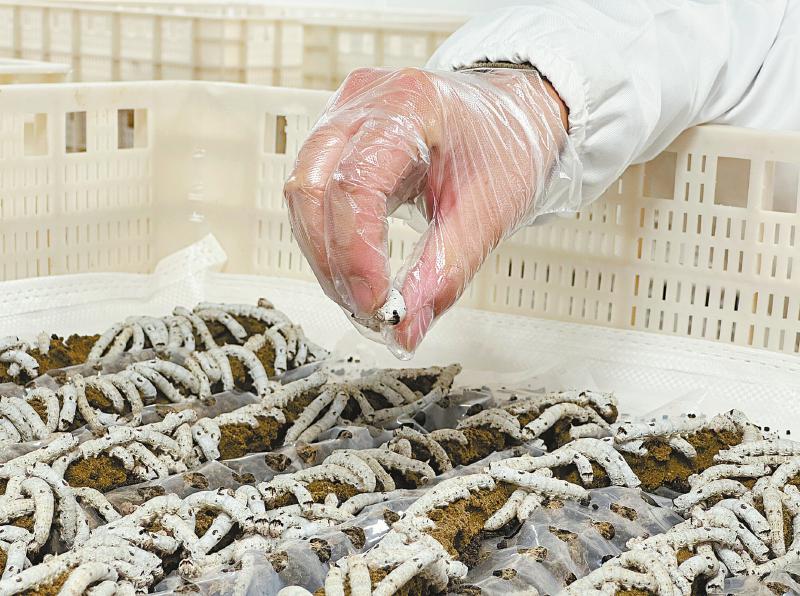
Group 1: Silk Industry Development - The Salt Ting County Tongyi Silk Industry Chain Project is a key investment project that includes a demonstration base for mulberry cultivation, an intelligent silkworm breeding project, and silk deep processing [8][9] - The project aims to create a closed-loop industry chain covering mulberry planting, silkworm breeding, silk reeling, and weaving, with an expected annual production capacity of over 12,000 tons, accounting for about one-eighth of the province's total silkworm cocoon production [9][10] - The project utilizes a year-round breeding model that addresses environmental and food challenges by creating a controlled environment and using a balanced artificial feed, leading to improved efficiency and stability compared to traditional methods [10][11] Group 2: Vinegar Industry Development - The Huguo Town Vinegar Industry Integration Development Demonstration Park project has a total investment of 2 billion yuan and includes multiple related projects such as a vinegar production base and a soy sauce factory [14] - The main structure of the vinegar production base is expected to be completed by the end of this year, with overall project completion planned for June next year [15] - The project aims to integrate agricultural, industrial, cultural, and tourism resources to establish Huguo Town as a distinctive vinegar town [14][15] Group 3: Craft Beer Production - The Fubixing project in Ya'an is set to become the largest craft beer production base in China, with a total investment of 800 million yuan and an annual production capacity of 200,000 tons of craft beer and 50,000 tons of fruit wine [18][19] - The project has progressed rapidly since its start in May, with the main structure completed and brewing equipment installed, aiming for production by the end of December [19][20] - The project is strategically timed to meet market demand, particularly around the Spring Festival and summer peak consumption periods [21][22] Group 4: Beverage Industry Expansion - The Sichuan Yangpu project aims to produce 600,000 tons of fully automated dairy and fruit and vegetable beverages, with an investment of 706 million yuan [23][25] - The project is nearing completion, with over 95% of the construction finished and several production lines expected to be operational by mid-December [26][27] - The production lines are designed to be compatible with approximately 80% of market beverage production needs, allowing for quick adaptation to new demands [28][29]