金融

Search documents
开放创新 前海交出“硬核”成绩单
Ren Min Ri Bao Hai Wai Ban· 2026-01-06 22:45
Core Insights - The Qianhai Modern Service Industry has achieved a value-added of 146.03 billion yuan with a growth rate of 7.9% in the first three quarters of 2025, showcasing significant progress in institutional innovation and high-level openness [1] - The Qianhai Plan has seen 115 out of 271 key tasks implemented, indicating a strong momentum in reform and development [1] Group 1: Deepening Hong Kong-Shenzhen Integration - The Qianhai Plan designates Qianhai as a leading area for deep integration between Shenzhen and Hong Kong, enhancing cooperation [2] - From January to October 2025, over 80% of newly added foreign enterprises in Qianhai were from Hong Kong, marking an 83.8% year-on-year increase [2] - The Qianhai Youth Dream Factory has incubated 1,591 entrepreneurial teams, with a total financing amount of 6.8 billion yuan [2] Group 2: Reform and Opening-up Initiatives - Qianhai is characterized as a "testing ground" for reform and innovation, with a focus on a high-level open economy [4] - The implementation of a shorter negative list for the free trade zone has facilitated market access in finance, logistics, and professional services [4] - By October 2025, actual foreign investment in Qianhai reached 16.1 billion yuan, a 27.1% increase year-on-year, with 2,528 new foreign enterprises established [5] Group 3: Modern Service Industry Development - Qianhai has achieved a dual 80% development level in modern services, with both the service sector's contribution to GDP and modern services' share of the service sector reaching 80% [6] - By the end of 2025, the Qianhai International Financial City had attracted 508 financial institutions, including 371 from Hong Kong and foreign sources [6] - The Qianhai International Talent Port has welcomed seven new "international talent partners," enhancing its service offerings [6] Group 4: Technological and Innovative Advancements - As of September 2025, Qianhai has gathered 191 innovation carriers, including engineering centers and laboratories, with 103 national-level specialized "little giant" enterprises and 11 unicorn companies [7]


美金融家警告,2026将爆最惨金融危机,日本首当其冲,原因在高市
Sou Hu Cai Jing· 2026-01-06 22:27
Group 1 - The article highlights the looming financial crisis predicted for 2026, with the U.S. debt nearing $40 trillion and Japan's debt expected to reach 235% of its GDP by year-end [1][3] - The global economic damage caused by uncontrollable factors since late 2019 has exacerbated debt accumulation issues in various countries, with Japan likely to be the first to face a crisis [3][5] - The Japanese government's current fiscal policies, particularly under Prime Minister Kishida, are criticized as detrimental to the economy, with reliance on deficit financing seen as a dangerous approach [5][15] Group 2 - The article discusses the adverse effects of Kishida's monetary policies, which contradict global central bank tightening, potentially leading to unsustainable debt levels for Japan [5][9] - Relations between Japan and China have deteriorated due to Kishida's provocative statements regarding Taiwan, which could have significant economic repercussions for Japan, given China's importance as a trading partner [9][10] - The economic impact of Kishida's policies is evident, with Japan's GDP contracting by 0.4% in the latest quarter, marking the first negative growth of the year, and further economic decline is anticipated [13][15]

区两会|2026年北京西城地区生产总值预期目标:增长5%左右
Xin Lang Cai Jing· 2026-01-06 17:29
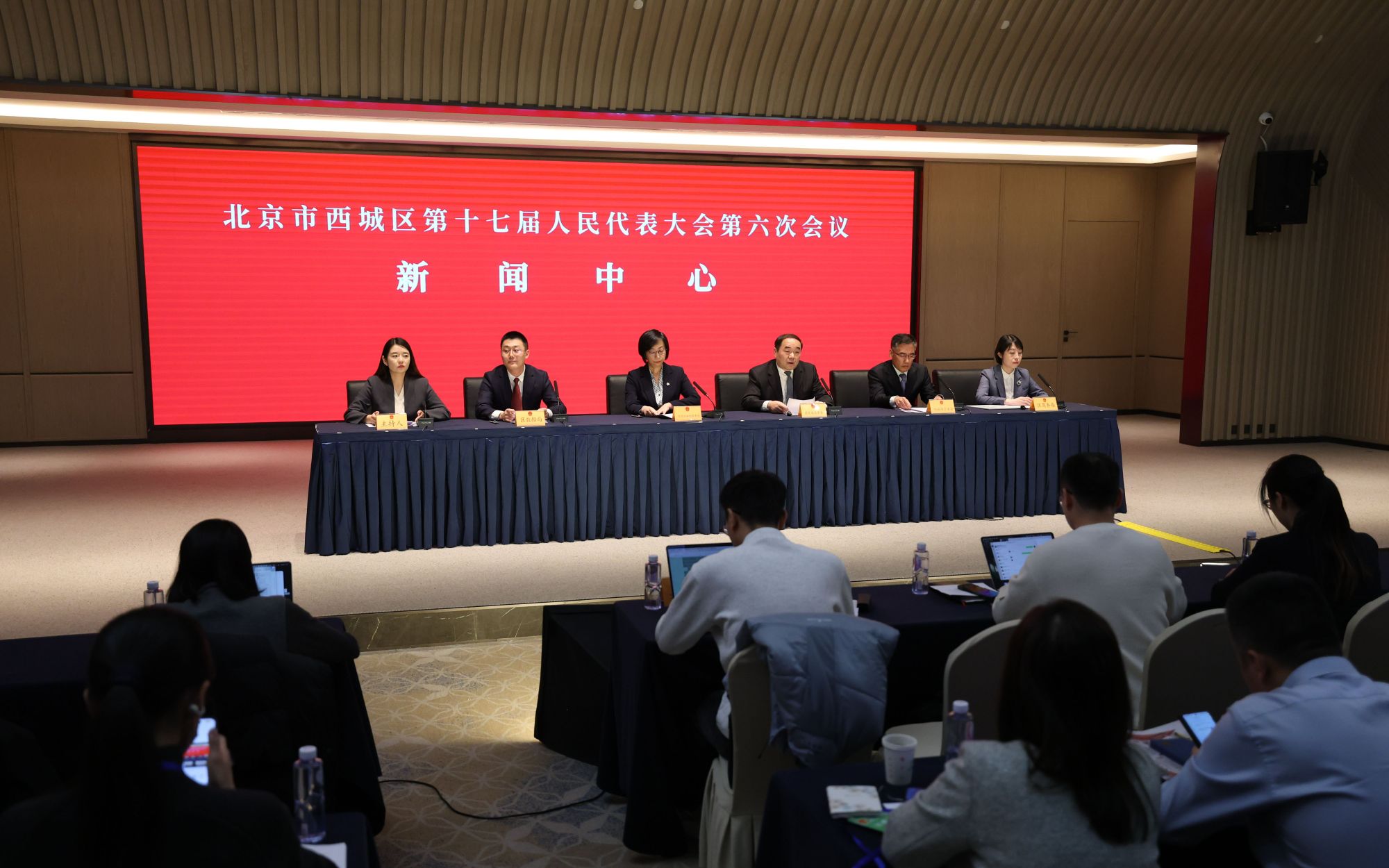
(来源:千龙网) 2026年,西城区经济社会发展的主要预期目标中,地区生产总值增长5%左右,区级一般公共预算收入增长3%左右,城镇调查失业率控制在5%以内,居民人 均可支配收入稳定增长。 日前,北京西城区"两会"开幕,西城区区长郅海杰介绍,2025年西城全年地区生产总值预计增长5%左右,区级一般公共预算收入完成438亿元,社会消费品 零售综合预计增长3.5%左右。 西城区"两会"日前开幕。1月6日,新闻发布会在会场举行。新京报记者 薛珺 摄 2025年新引进机构34家,注册资本金2718.8亿元,平均每家近80亿元。新引进资管机构10余家。驻区资管机构资管规模超过21万亿元,约占北京市一半、全 国八分之一。 截至2025年12月,西城区累计纳入市"两区"项目数1061个,落地项目总金额达9426亿元。其中,金融项目入库数235个,占比22.15%,金融类项目落地总金 额超7743亿元,占比82.15%。 2026年,西城区将建设以北京证券交易所为核心的资本市场生态圈,打造"科技-产业-金融"循环生态圈。另一方面,发展现代金融产业,聚焦4个重点产 业方向,包括深化金融街资管高地建设、推进金融科技高地建设、打造优 ...
两新补贴落地——政策周观察第62期
一瑜中的· 2026-01-06 15:24
Core Viewpoint - The article discusses the recent implementation of the "Two New" subsidy policies aimed at boosting consumption and investment, highlighting changes in subsidy amounts and categories for various consumer goods and infrastructure projects [2][9]. Consumption Subsidies - The National Development and Reform Commission (NDRC) and the Ministry of Finance have allocated 62.5 billion yuan for the first batch of subsidies for consumer goods recycling in 2026, with a total of 81 billion yuan planned for the year [2]. - The subsidy for home appliances has been refined to focus on six categories: refrigerators, washing machines, televisions, air conditioners, computers, and water heaters, with a subsidy of 15% of the product price and a cap of 1,500 yuan per item [2]. - The scope of digital product subsidies has been expanded to include smartphones, tablets, smartwatches, smart glasses, and smart home products, including those designed for elderly care [2]. Automotive Subsidies - The subsidy structure for automobiles has shifted from fixed amounts to percentage-based reimbursements. For new energy vehicles, a subsidy of 12% of the sales price is provided, with a maximum of 20,000 yuan, while for fuel vehicles, it is 10% with a cap of 15,000 yuan [3]. - The subsidy for vehicle replacement has also been adjusted, with new energy vehicles receiving 8% of the sales price (up to 15,000 yuan) and fuel vehicles receiving 6% (up to 13,000 yuan) [3]. Investment Initiatives - The NDRC has announced an early release of the "Two Heavy" construction project list and central budget investment plans totaling approximately 295 billion yuan, aimed at accelerating the disbursement and utilization of funds [3][11]. - Major infrastructure projects have been approved, with total investments exceeding 400 billion yuan, including transportation, water resource allocation, and energy facilities [3][11].

科大讯飞:2025年12月16日科大讯飞与中国进出口银行签署战略合作协议
Zheng Quan Ri Bao Wang· 2026-01-06 14:11
证券日报网讯1月6日,科大讯飞(002230)在互动平台回答投资者提问时表示,2025年12月16日,科大 讯飞与中国进出口银行签署战略合作协议,未来双方将在技术攻关、海外布局、新型政策性金融工具运 用等方面进一步深化合作,实现互利共赢,共同助力推进落实《全球发展倡议数字普惠行动倡议》和 《人工智能全球治理行动计划》;12月19日,科大讯飞与中国银联签署创新业务合作协议,未来双方将 围绕"人工智能+金融支付",重点推进国家人工智能应用中试基地共建、金融支付垂域大模型研发、场 景示范应用开发等联合创新,为支付产业发展注入新动力。 ...

推行绿色消费积分、拓宽绿色消费贷款应用场景……绿色消费推进行动“路线图”出炉
Mei Ri Jing Ji Xin Wen· 2026-01-06 12:40
Core Viewpoint - The Ministry of Commerce and nine other departments issued a notice to implement green consumption initiatives, outlining 20 specific measures across various sectors to optimize the green consumption environment [1][2]. Group 1: Green Consumption Incentives - The notice encourages financial institutions to increase support for green consumption loans and collaborate with trade enterprises to expand loan application scenarios [1][2]. - The concept of "green consumption points" is introduced to incentivize consumers to engage in green purchasing and low-carbon services, allowing them to earn points for discounts or benefits [4][5]. Group 2: Supply Chain Green Development - The notice promotes green development across the entire supply chain, advocating for practices such as shared delivery and the use of environmentally friendly products [2]. - It encourages companies to evaluate their supply chain carbon footprints and adopt low or no volatile organic compounds (VOCs) products [2]. Group 3: Policy and Regulatory Framework - The notice emphasizes the need for a conducive policy environment to ensure the effective implementation of green initiatives, including a system of rewards for compliant entities and penalties for those exceeding pollution limits [5]. - The upcoming Central Economic Work Conference will prioritize "dual carbon" goals and comprehensive green transformation as key tasks for 2026 [2]. Group 4: Energy Structure and Investment Opportunities - The report from Founder Securities suggests focusing on three main investment areas: new energy systems, green technology innovations, and industrial leaders capable of low-carbon transitions [3]. - The emphasis on optimizing energy structures and deep industrial restructuring is expected to drive significant investment opportunities in these sectors [3]. Group 5: Environmental Efficiency Measures - The notice encourages businesses to adopt energy-efficient equipment and smart control systems to enhance energy management and reduce carbon emissions [5]. - It also supports the use of green electricity to assist in carbon reduction efforts [5].
河南要发钱了!2亿元消费券来了!手慢无→
Sou Hu Cai Jing· 2026-01-06 11:17
Group 1: Economic Development Policies - In the first quarter of 2026, Henan will issue 200 million yuan in consumption vouchers focusing on retail, catering, cultural tourism, and accommodation sectors [3] - Over 1,000 promotional activities for the Spring Festival will be held across the province, including New Year fairs [3] Group 2: Infrastructure Projects - 28 major transportation projects will commence in the first quarter with a total investment of approximately 80 billion yuan; an additional 170 projects are under construction with a total investment of 269.5 billion yuan [4] - New highways and railways will enhance personal travel and freight transport convenience [5] Group 3: Support for New Energy Vehicles - A subsidy policy for purchasing new energy commercial vehicles will be introduced, benefiting drivers [6] - New charging and battery swap stations for heavy-duty electric trucks will be established along major freight corridors to alleviate range anxiety [7] Group 4: Logistics and Transportation Incentives - Incentives for multimodal transport will be introduced, aiming to reduce logistics costs through policies promoting "road-to-water" and "road-to-rail" transitions [8] Group 5: Opportunities for Industrial Enterprises - A total of 500 million yuan will be allocated to reward industrial enterprises that operate at full capacity in the first quarter, with additional rewards for those achieving over 10% revenue growth [9] - The province aims to implement over 150 digital transformation projects and over 1,600 industrial upgrading projects, with significant investment targets [9] Group 6: International Trade Support - Recommendations for 300 key international exhibitions and a list of 200 cross-border e-commerce factories will be provided to facilitate market expansion and sourcing [10] - Participation in international trade fairs will be encouraged, with events linking global business opportunities [10] Group 7: Financial Support for Enterprises - The financial sector plans to organize over 1,000 government-enterprise financing matchmaking events to meet the financing needs of businesses [11] - Approximately 100 key technology enterprises will be selected for targeted financial support [11] Group 8: Modern Port Development - Modern ports such as Zhoukou Port and Xinyang Port are under construction, with advancements in automated inland shipping and smart logistics platforms aimed at reducing costs and increasing efficiency [12]
【理响中国】创意图解:“三轮驱动” 解锁高水平对外开放新图景
Huan Qiu Wang· 2026-01-06 07:52
Core Viewpoint - China is committed to high-level opening up and sharing opportunities, which will inject confidence and momentum into global economic recovery and long-term development as it moves towards 2026 [2] Group 1: Institutional Innovation - The depth of institutional innovation contributes to the height of openness [3] - Policy implementation and process optimization benefit enterprises, enhancing trade facilitation and integrating innovative systems [5] - Continuous deepening of institutional reforms solidifies the foundation for high-level openness [6] Group 2: Industrial Upgrading - High-quality supply is achieved through a dual empowerment of "bringing in" and "going out" [6] - The integration of technology and manufacturing enhances the capabilities of the technology sector [6] - The cultural, tourism, and health industries are being integrated to strengthen the core of the industry [7] Group 3: Platform Construction - Building global element connection platforms enhances the vitality of the open ecosystem [7] - The "buy global" to "sell global" strategy is being implemented through platforms like the Hongqiao International Economic Forum, which has gathered over 6,000 brands from 120 countries with a projected transaction volume of 30 billion yuan in 2024 [8] - The construction of platforms is expanding new dimensions of openness [8] Group 4: Overall Strategy - The "three-wheel drive" of institutions, industries, and platforms continuously promotes the Chinese open economy towards higher quality, efficiency, fairness, and sustainability [9]

百大集团股份有限公司 关于处置杭州银行股票的进展公告
Zhong Guo Zheng Quan Bao - Zhong Zheng Wang· 2026-01-06 07:45
Group 1 - The company has received approval from its shareholders to dispose of shares in Hangzhou Bank, with the management authorized to choose the timing for the sale [1] - From January 1, 2025, to December 31, 2025, the company sold a total of 4,915,109 shares of Hangzhou Bank for a total transaction amount of 77,121,060.69 yuan, which represents 3.29% of the company's most recent audited net assets [1] - The sale impacted the net profit attributable to the shareholders of the listed company by 5,927,069.69 yuan, accounting for 4.46% of the most recent audited net profit [1] Group 2 - As of January 5, 2026, the company retains 4,376,436 shares of Hangzhou Bank [1] - The proceeds from the sale of Hangzhou Bank shares and the fair value changes of the remaining shares will affect the company's net profit [1] - The specific accounting treatment and the impact on the company's 2025 financial results will be confirmed after the annual audit by the accountants [1]


清华周道许:AI于金融是一把“双刃剑”
21世纪经济报道· 2026-01-06 06:51
Core Viewpoint - Artificial intelligence (AI) is reshaping the financial industry by enhancing efficiency and effectiveness, while also introducing challenges such as algorithmic opacity, data gaps, and new systemic risks [1][4]. Group 1: AI Governance in Finance - The governance of AI in finance should focus on being controllable, trustworthy, and sustainable, addressing issues like algorithm compliance and transparency, data governance, and risk monitoring [4][5]. - Establishing an "algorithm compliance and transparency" mechanism is crucial, requiring AI decision-making processes to be traceable and explainable, especially in areas like credit approval and risk assessment [5]. - Data governance and privacy protection are essential, necessitating strict adherence to data security laws and the exploration of privacy-preserving technologies [5]. - A dynamic risk monitoring system should be created to identify new systemic risks arising from AI, such as model homogeneity and algorithmic resonance [5]. - Ethical norms and responsibility recognition must be improved, ensuring clear accountability for AI decisions and preventing algorithmic discrimination [5]. Group 2: Future Applications of AI in Finance - AI's role in finance is evolving from auxiliary to collaborative and even autonomous decision-making, with potential applications in core decision-making areas like investment research and credit pricing [6][7]. - The shift from "process optimization" to "decision reconstruction" indicates that AI will play a more significant role in critical financial decisions [6]. - AI will facilitate deeper integration between finance and other sectors, creating "scene financial intelligent bodies" that can automate credit and risk management processes [6]. - The transition from "passive response" to "proactive foresight" in risk management will enable early identification of financial risks, providing valuable time for regulatory interventions [7]. Group 3: New Risks Associated with AI - AI introduces new risks such as model risk and algorithmic resonance, which can lead to collective misjudgments among financial institutions [9]. - Data pollution and adversarial attacks pose significant threats to AI models, necessitating the development of robust defense technologies [9]. - Ethical issues and fairness concerns arise from algorithms amplifying existing biases, requiring fairness audits and diverse evaluation mechanisms [9]. Group 4: Regulatory Approaches - Balancing innovation and safety is essential, with regulatory frameworks needing to evolve alongside AI technology [10][11]. - The implementation of regulatory sandboxes allows financial institutions to test AI products in controlled environments while regulators observe and learn [11]. - Developing intelligent regulatory platforms can enhance oversight efficiency, utilizing AI to monitor AI systems and ensure compliance [11][12]. Group 5: Talent Development in Finance - The financial education system must adapt to cultivate talent that understands finance, technology, and ethics, shifting from knowledge transmission to capability reconstruction [13]. - Course offerings should integrate practical modules on AI and ethics, preparing students for real-world applications in AI finance [13]. - Emphasizing critical thinking and innovative leadership skills is vital for developing strategic talent capable of navigating AI's complexities in finance [13].