
自动驾驶

Search documents
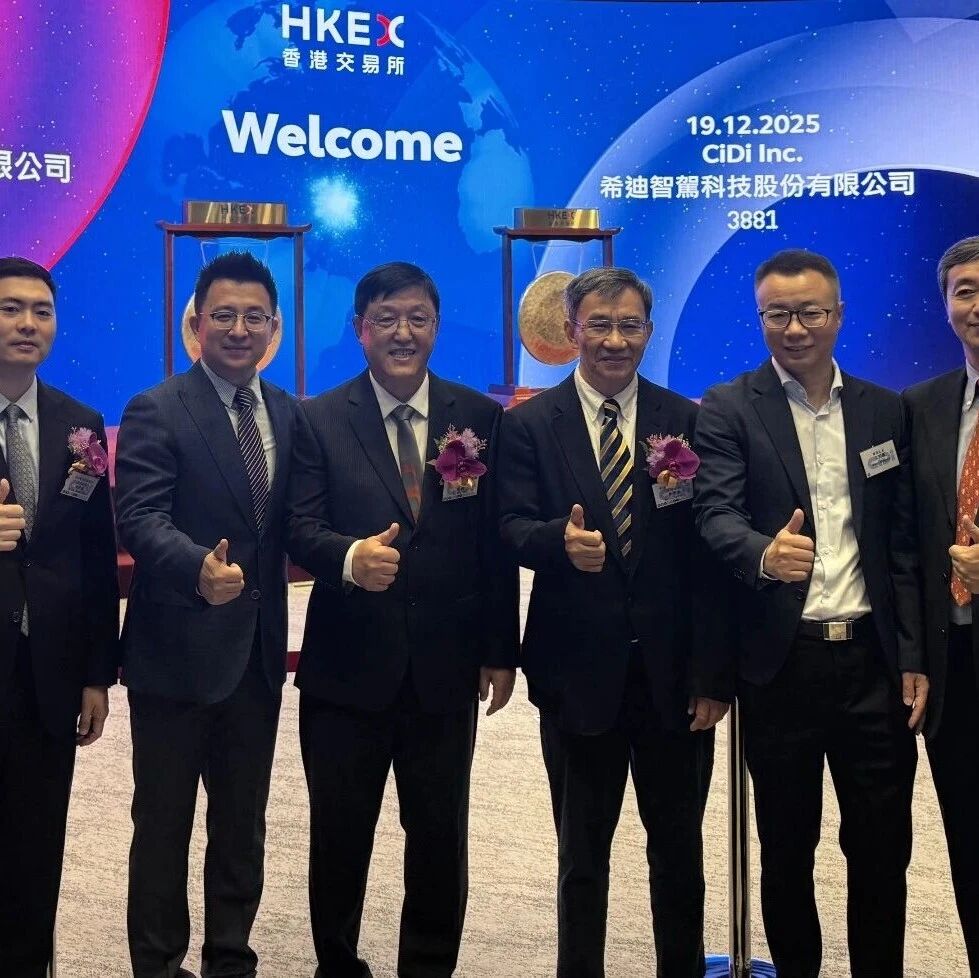
全球无人驾驶矿卡第一股希迪智驾登陆港交所主板
Chang Sha Wan Bao· 2025-12-19 04:27
Core Viewpoint - Xidi Zhijia Technology Co., Ltd. has officially listed on the Hong Kong Stock Exchange, becoming the world's first publicly traded autonomous mining truck company, reflecting the growing strength of Changsha's capital market and its enterprises' ambition to connect with global resources [1][3]. Group 1: Company Overview - Xidi Zhijia was founded in October 2017 and is led by Professor Li Zexiang from the Hong Kong University of Science and Technology, focusing on autonomous trucks and V2X technology in closed environments like mines and logistics parks [3]. - The company issued 5.40798 million shares at a price of 263 HKD per share, raising approximately 1.309 billion HKD in net funds, indicating strong investor confidence [3]. Group 2: Market Position and Strategy - The listing is seen as a new starting point for the company, with a mission to reshape human transportation experiences through advanced technology, aiming for large-scale implementation of commercial vehicle intelligent driving technology [3]. - The company emphasizes its core philosophy of "technology empowering industry, intelligence driving efficiency" to create long-term sustainable value for shareholders and contribute to a safer, more efficient, and comfortable green intelligent transportation ecosystem [3]. Group 3: Changsha's Capital Market Development - Changsha has seen a surge in companies seeking to list abroad, with several enterprises, including Xidi Zhijia and Lens Technology, making significant moves in the capital market [4][5]. - The city aims to add three new overseas listed companies and has a total of 94 listed companies, accounting for nearly 60% of the province's total [5][6]. Group 4: Support for Enterprises - Changsha has established a comprehensive service system for companies looking to go public, including personalized support for different stages of development and a focus on technology-driven enterprises [7]. - The city has launched initiatives like the "Changsha Enterprise Listing Beijing Home" service model to connect local companies with capital market resources, enhancing their ability to thrive on the global stage [7].

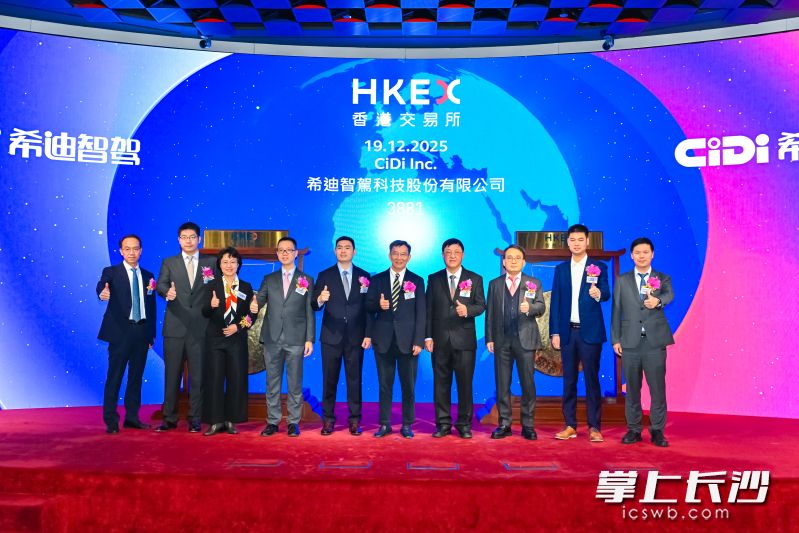
长沙冲出硬核IPO:"大疆教父"李泽湘,从两台老矿车到全球最大车队
创业邦· 2025-12-19 03:50
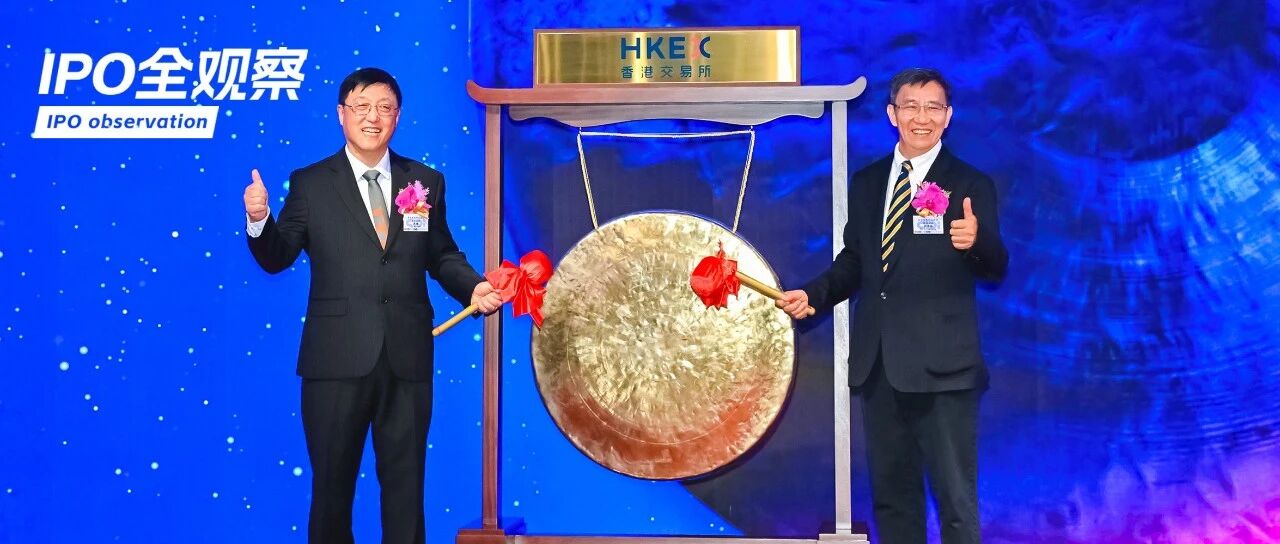
Core Viewpoint - The article highlights the successful IPO of Xidi Zhijia, a leading player in the autonomous mining truck sector, emphasizing its unique business model and rapid revenue growth, positioning it as a pioneer in the hard technology space in Hong Kong [3][31]. Company Overview - Founded in December 2017 by Dr. Ma Wei and Professor Li Zexiang, Xidi Zhijia has evolved from a startup to a publicly listed company on the Hong Kong Stock Exchange, becoming the first stock in the autonomous mining truck sector [3][4]. - The company achieved a market capitalization of approximately HKD 11.5 billion and raised around HKD 1.42 billion during its IPO [3]. Financial Performance - Xidi Zhijia's revenue surged from CNY 31.06 million in 2022 to CNY 410 million in 2024, reflecting a compound annual growth rate (CAGR) of 263.1% [4]. - As of June 30, 2025, the company had delivered 414 autonomous mining trucks and had 647 more in hand [4][14]. Market Opportunity - The autonomous mining truck market in China is projected to exceed CNY 300 billion, with a potential market space of CNY 30 billion if 10% of the market is automated [8][10]. - The market for autonomous commercial vehicles is expected to reach CNY 48 billion by 2024, with the closed environment segment accounting for CNY 26 billion [10]. Business Model - Xidi Zhijia adopts a product sales model rather than an operational service model, which allows for healthier cash flow and avoids significant capital expenditure on vehicle costs [16][18]. - The company provides customized investment return analysis to potential clients, demonstrating the long-term cost benefits of purchasing autonomous trucks [16]. Competitive Landscape - The autonomous mining truck sector is becoming increasingly competitive, with new entrants such as Yikong Zhijia and Tage Zhixing, as well as established players like Huawei and Baidu [21][22]. - Xidi Zhijia has established a strong market position through its unique technology and customer trust, having implemented solutions in over 20 mining sites [24]. Innovation and R&D - The company emphasizes a "four-step iteration" method for innovation, ensuring that all developments are validated in real-world scenarios before progressing [23]. - As of June 30, 2025, Xidi Zhijia had 249 R&D personnel, accounting for 54.1% of its workforce, and had invested CNY 545 million in R&D, resulting in numerous patents [25][26]. Investment and Financing - Since its inception, Xidi Zhijia has raised nearly CNY 1.5 billion through multiple funding rounds, with significant backing from top venture capital firms like Sequoia Capital and Baidu Ventures [26][29]. - The company’s successful IPO marks a significant milestone in its growth trajectory, with a market valuation reflecting a 19x revenue multiple based on its 2024 earnings [30][31].
医疗AI的“希波克拉底誓言”:当技术创新遇上伦理边界的终极解法
3 6 Ke· 2025-12-19 03:48
Core Insights - The article highlights the contrasting approaches of two healthcare technology companies, Hippocratic AI and Abridge, in the evolving landscape of medical AI, emphasizing that the most valuable AI capabilities in high-risk medical environments may lie in "precise restraint" rather than "unlimited generation" Group 1: Hippocratic AI - Hippocratic AI completed a $126 million Series C funding round in 2025, achieving a valuation of approximately $3.5 billion, with total funding exceeding $400 million, indicating strong capital support for its "safe and controllable medical AI" approach [5] - The company is founded by a team from Stanford Medical School and top AI labs, focusing on creating a dialogue system that will never overstep ethical boundaries, with a core principle of "do no harm" [7][8] - The system architecture includes over 3 trillion parameters and hundreds of specialized models that work collaboratively, ensuring safety and accuracy in medical dialogues [7] Group 2: Abridge - Abridge raised $300 million in its Series E funding round in 2025, led by Andreessen Horowitz, with a valuation of approximately $5.3 billion and total funding nearing $800 million, establishing itself as a leader in the generative medical documentation space [9] - The company positions itself as an "AI medical scribe," focusing solely on converting patient-provider conversations into structured clinical records, thereby avoiding involvement in clinical decision-making [10] - Abridge has been adopted by over 300 hospitals in the U.S., including top institutions, and has been reported to save physicians an average of 2.5 hours of paperwork daily, significantly enhancing their professional experience [10] Group 3: Industry Trends - The practices in medical AI reveal a broader principle that the long-term value of high-impact AI systems depends not only on their capabilities but also on their ability to reliably stop when necessary, reflecting a "safety-first" philosophy [11] - This shift in focus from maximizing efficiency to ensuring reliable restraint is redefining competitive logic across various industries, emphasizing the importance of clearly defined responsibility boundaries [14][15] - The transformation represents an engineering revolution of values, turning abstract concepts of safety, responsibility, and ethics into concrete, testable, and iterative engineering features, ultimately delivering comprehensive risk management solutions [15]
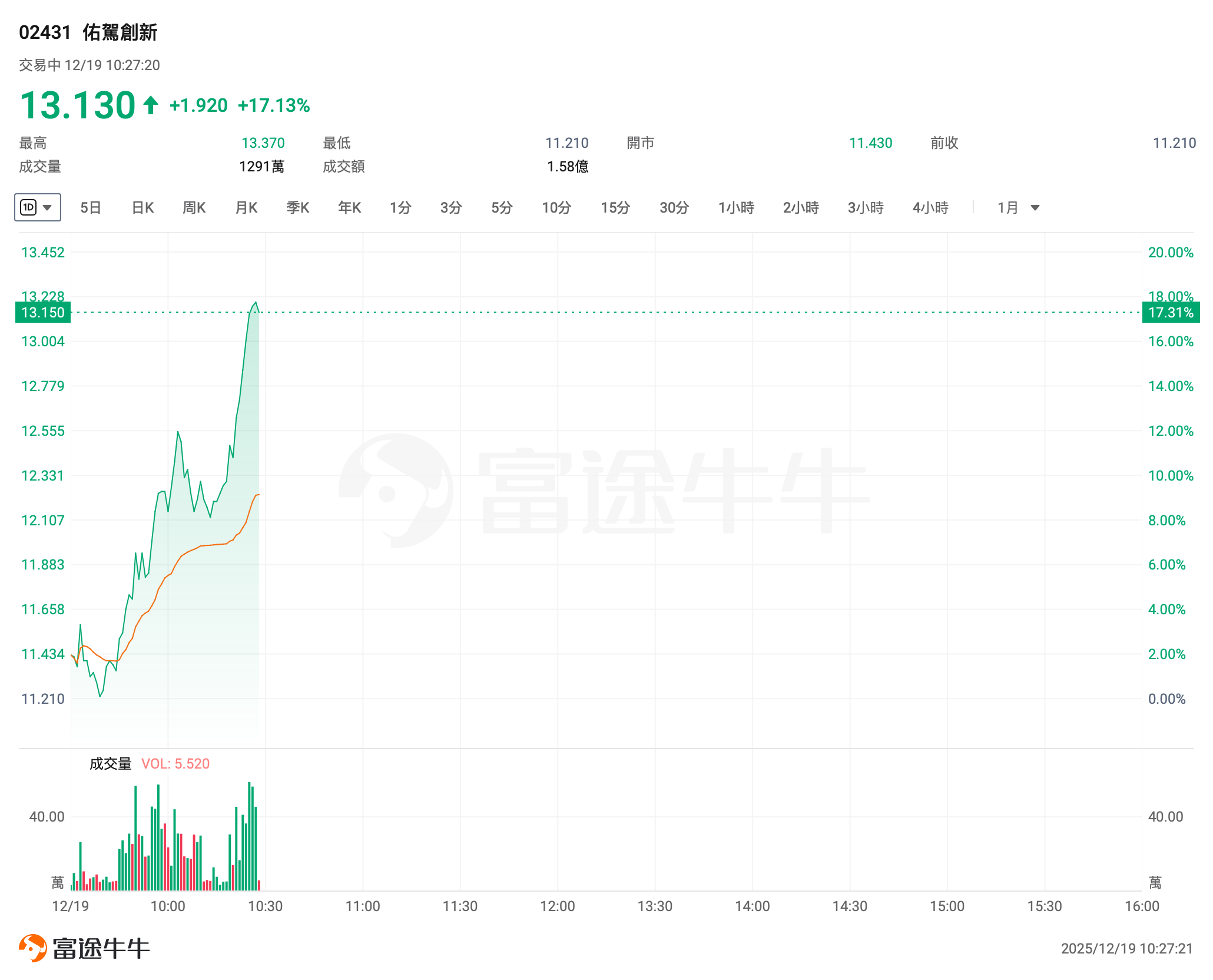
智驾概念股继续走高,佑驾创新涨超17%,浙江世宝涨近13%,L3准入落地将加速智驾产业链价值重构
Zhi Tong Cai Jing· 2025-12-19 03:40
Core Insights - The Chinese autonomous driving industry is experiencing a historic breakthrough, with the country poised to become the first to implement L3 level autonomous driving on a large scale [6] - The Ministry of Industry and Information Technology (MIIT) has officially granted the first batch of L3 conditional autonomous driving vehicle permits, marking a significant transition from pilot testing to product approval and road trials [6] - Analysts believe that the approval of L3 vehicles will accelerate the restructuring of the autonomous driving industry chain, with significant investment opportunities in smart vehicles, control chassis, domain control chips, and lidar technology [6] Group 1 - The MIIT's vehicle permit signifies the formal entry of China into the L3 autonomous driving era [6] - Guotai Junan Securities highlights that L3 approval will reshape the value chain of the intelligent driving industry, with expectations for AI applications to become a key focus by 2026 [6] - Analysts note that unlike the traditional linear development model of L2 to L3 to L4, Youjia Innovation has achieved commercial deployment of L4 level autonomous minibuses and logistics scenarios, laying a solid foundation for the widespread rollout of L3 technology [6] Group 2 - Dongwu Securities reports that Youjia Innovation holds over one-third of the commercial vehicle ADAS market and has successfully expanded into passenger vehicles and joint venture brands [7] - The company's iPilot series (L2+ and above) products are entering a harvest phase, while its L4 autonomous driving business (iRobo) has achieved commercial breakthroughs [7] - Zhejiang Shibao has indicated long-term partnerships with various domestic traditional and new car manufacturers, with its intelligent steering and control products suitable for L3 and above autonomous driving [7]

希迪智驾天使投资方联想之星:在自动驾驶领域迎收获期,拥抱科技黄金时代
IPO早知道· 2025-12-19 03:08
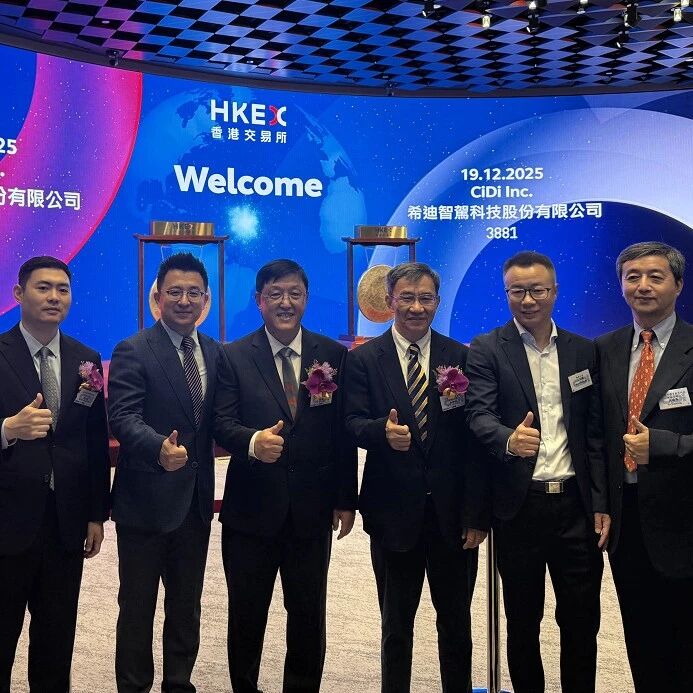
Core Viewpoint - The successful IPO of Xidi Zhijia marks a significant milestone for Lenovo Star, which has now achieved a total of 10 IPOs, showcasing the gradual realization of early-stage technology investments [2][6]. Group 1: Company Overview - Xidi Zhijia officially listed on the Hong Kong Stock Exchange on December 19, 2025, under the stock code "3881," becoming the first publicly traded company in Hong Kong focused on intelligent driving for commercial vehicles [2]. - As of the report, Xidi Zhijia's market capitalization exceeds 10 billion HKD [3]. Group 2: Investment History - Lenovo Star was an early investor in Xidi Zhijia, investing 4 million USD in February 2018 during the angel round, followed by an additional investment of 30 million RMB in August 2021, recognizing the company's growth potential [4]. - Over the past eight years, Xidi Zhijia has evolved into the "first stock of intelligent driving for commercial vehicles" in Hong Kong, following a successful investment strategy by Lenovo Star [5]. Group 3: Investment Strategy and Focus - Lenovo Star has focused on artificial intelligence since 2010, expanding its investments across various sectors, including autonomous driving, with nearly 20 companies in related fields and an overall investment scale reaching several hundred million RMB [5]. - The firm has identified autonomous driving as a key investment area since 2014, leading to significant returns from its investments in advanced driving assistance systems and related technologies [5]. Group 4: Future Outlook - Lenovo Star plans to continue supporting high-quality entrepreneurs and projects in cutting-edge fields, including embodied intelligence and AI in healthcare, as it enters a new phase of investment returns [6][7].
无人车公司白犀牛再融资,全年总额已超1亿美元
3 6 Ke· 2025-12-19 03:07
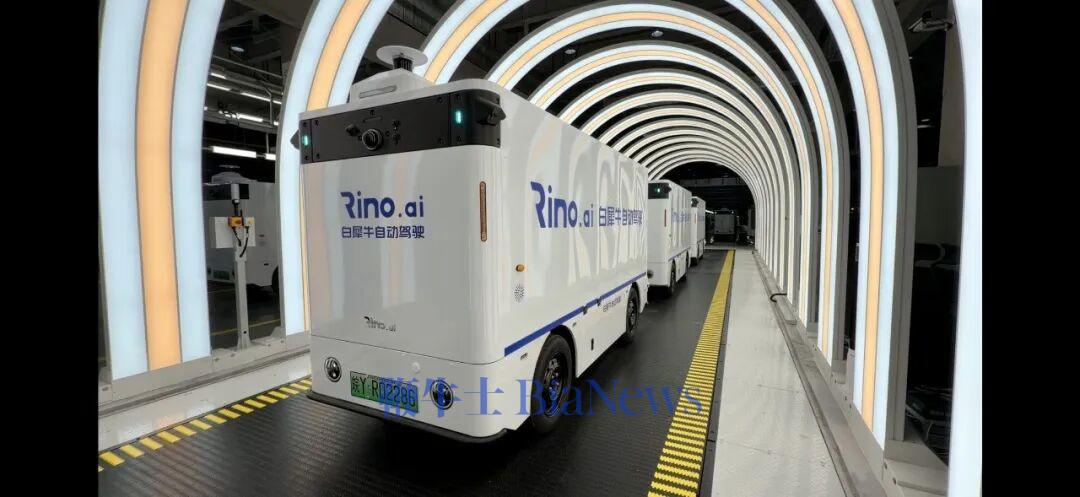
Group 1 - White Rhino, an L4 autonomous driving company, recently completed a new round of financing with investors including Jiukun Venture Capital and Qifu Capital, aimed at accelerating the mass production and market promotion of its autonomous vehicle platform [1][3] - The company was founded in April 2019 by former Baidu autonomous driving team members and focuses on developing full-stack autonomous delivery solutions [2] - By 2025, White Rhino has completed three rounds of financing, raising over $100 million, with significant business growth reflected in the increase of active autonomous vehicles from approximately 100 in December 2023 to over 2000 by the end of the year [3][8] Group 2 - The logistics sector targeted by White Rhino is at a critical point for large-scale implementation, with over 103 cities in China opening up road rights for autonomous delivery vehicles [4][8] - White Rhino's main product, the R5 series autonomous vehicle, has a cargo volume of 5.5m³ and can carry over 500 packages, serving major logistics companies and covering more than 170 cities [7] - The global market for autonomous logistics vehicles is projected to reach 3.6 trillion yuan by 2030, with China accounting for about 40% of this market [8] Group 3 - The industry is moving towards vehicle-grade standards, driven by customer demands for lower lifecycle costs and higher safety [9] - Challenges include the legal status of autonomous delivery vehicles and the need for stringent engineering standards to ensure reliability under extreme conditions [10] - White Rhino is developing a vehicle-grade autonomous vehicle platform that is expected to be the first in China capable of mass production and delivery of true vehicle-grade L4 autonomous logistics vehicles [10][13]
部分车型获准入许可,L3级自动驾驶大规模落地还有多远?
Xin Hua She· 2025-12-19 02:33
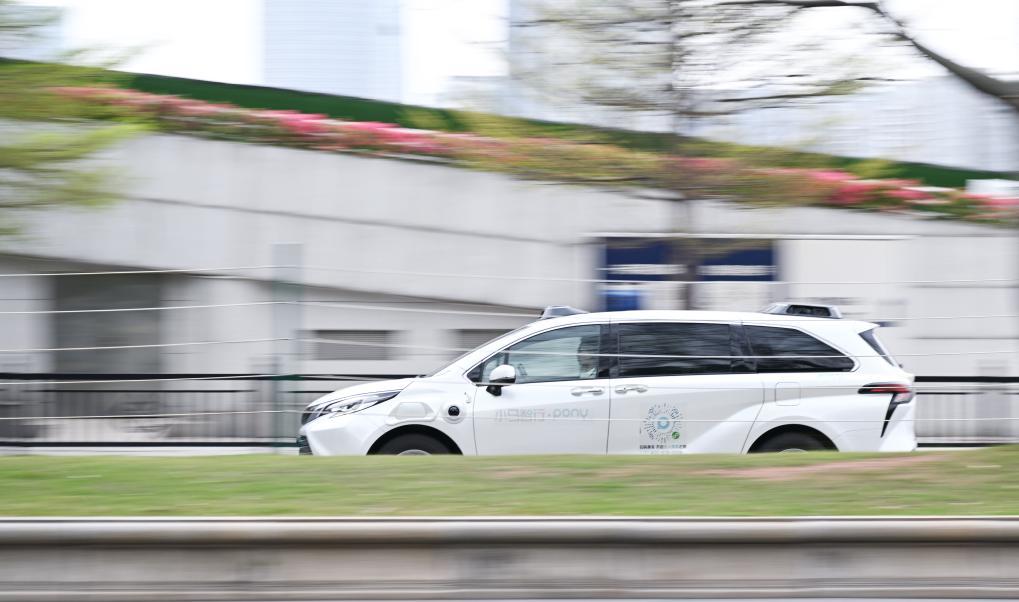
Core Viewpoint - The recent conditional approval of two L3 autonomous driving models in China has sparked widespread discussion about the future of autonomous driving technology and its commercial viability, highlighting the complexities and challenges that remain before large-scale implementation can occur [1] Group 1: Approval and Commercialization - Obtaining product approval does not equate to imminent mass production of L3 autonomous vehicles; it marks the transition to a trial phase with specific conditions [2] - The approval indicates that the vehicles have passed safety assessments and can enter a trial phase, but widespread commercialization is still a long way off due to various factors including legal, technical, and user acceptance [2] Group 2: Testing and Pilot Programs - There is a significant difference between testing demonstrations and pilot approvals; testing can involve various entities while pilot approvals are limited to automotive manufacturers and focus on transitioning from technology validation to mass application [3] - Road testing is aimed at enhancing product capabilities, while pilot programs are designed to explore and establish management systems and standards for future large-scale applications [3] Group 3: Safety Measures - The approval includes specific limitations such as designated road types, vehicle types, and a maximum speed of 50 km/h to ensure safety during the initial phase of implementation [4][5] - The restrictions are in place to mitigate risks associated with higher speeds and complex driving conditions, emphasizing a cautious approach to the rollout of autonomous driving technology [5] Group 4: Consumer Access - Currently, the trial vehicles are not available for direct consumer purchase; the public can only experience autonomous driving features through designated services like ride-hailing [6] Group 5: Future Outlook - The industry aims to conduct small-scale road tests in relatively low-risk areas, gradually expanding applications as safety and operational control are validated [7] - As technology evolves and trial programs progress, there is potential for regulatory restrictions to be eased, facilitating a more proactive and orderly rollout of autonomous driving technology [7]
港股异动 | 智驾概念股继续走高 浙江世宝(01057)涨近10% L3准入落地将加速智驾产业链价值重构
智通财经网· 2025-12-19 02:01
消息面上,工信部12月15日正式公布我国首批L3级有条件自动驾驶车型准入许可,本次许可是继2023 年试点通知明确框架、2024年6月首批9家联合体遴选后的实质性落地,标志着国内L3从"试点申报与测 试评估"迈向"产品准入与上路通行试点"。 国泰海通证券发布研报称,本次工信部车辆许可标志着中国自动驾驶正式进入L3时代。华泰证券认 为,L3准入落地将加速智驾产业链价值重构,2026年智驾有望成为AI应用的重要方向,建议关注智能 整车、线控底盘、域控芯片、激光雷达等核心环节的投资机会。 智通财经APP获悉,智驾概念股继续走高,截至发稿,浙江世宝(01057)涨9.54%,报5.05港元;佑驾创 新(02431)涨6.24%,报11.91港元;知行科技(01274)涨3.61%,报5.74港元;小鹏汽车-W(09868)涨 3.58%,报73.75港元。 ...
刚刚,联想之星收获第10个IPO
投资界· 2025-12-19 01:39
Core Viewpoint - The article highlights the successful IPO of HiDi Intelligent Driving, marking it as the first public company in the commercial vehicle intelligent driving sector, with an issuance price of HKD 263 per share and a market capitalization of HKD 11.5 billion. This event underscores the fruitful collaboration between Lenovo Star and Professor Li Zexiang, who has been instrumental in the company's growth and development [2][5][9]. Investment Journey - Lenovo Star has supported multiple IPOs, totaling 10 across various technology and healthcare sectors, demonstrating its commitment to the industrialization of technological achievements since its inception [4][16]. - The collaboration between Lenovo Star and Professor Li Zexiang began in 2017 when he founded HiDi Intelligent Driving in Changsha, with Lenovo Star participating in early funding rounds [5][6]. - The investment strategy of Lenovo Star has focused on identifying and nurturing technology entrepreneurs, aligning with Professor Li's vision of fostering innovation through a "mentor-student" investment model [5][6]. HiDi Intelligent Driving's Development - HiDi Intelligent Driving specializes in autonomous driving technology for commercial vehicles, particularly in mining and logistics, and has developed a range of products including autonomous electric mining trucks and intelligent road solutions [7][8]. - The company has delivered 304 autonomous mining trucks and 110 independent autonomous driving systems as of June 30, 2025, ranking third in the Chinese market for autonomous mining solutions [8]. Investment Philosophy - Lenovo Star's investment approach is rooted in a long-term vision for the autonomous driving sector, recognizing it as a critical application of artificial intelligence technology [11][12]. - The firm has invested in various subfields of autonomous driving, including ADAS, millimeter-wave radar, and LiDAR, to capture cutting-edge technological advancements [11][12]. Future Outlook - Lenovo Star is poised for further growth, with expectations of 15 to 20 additional IPOs in the near future, reflecting a robust investment strategy and a favorable market environment for technology companies [16]. - The firm continues to explore new opportunities in AI and healthcare, with a focus on integrating advanced technologies into various sectors [14][15].
海通证券晨报-20251219
Haitong Securities· 2025-12-19 01:31
Macro Research - The growth rate of narrow public budget revenue in China has slowed down, with a year-on-year increase of only 0.8% from January to November 2025, and the growth rate in November was flat compared to the same period in 2024 [1] - Narrow public budget expenditure increased by 1.4% year-on-year from January to November 2025, with a decrease of 3.7% in November compared to the previous month, indicating a narrowing of the decline [2] - Government fund budget revenue decreased by 4.9% year-on-year from January to November 2025, with a significant drop of 15.8% in November, primarily due to the adjustment in the real estate market [3] Company Research: AVIC Avionics (中航机载) - AVIC Avionics plans to acquire a 59.1816% stake in Hangtou Yuhua for 202 million yuan, aiming to enhance its industrial chain layout and strengthen synergy [7] - The company reported a slight revenue increase of 1.25% to 16.774 billion yuan in the first three quarters of 2025, although net profit declined by 17.73% due to credit impairment losses [8] - The acquisition is expected to complement the industrial chain, with the five target companies each possessing unique technical expertise, which will help AVIC Avionics strengthen its collaborative capabilities and foster new growth points [7] Industry Research: Cultural Communication Industry - The IP food industry in China is rapidly growing, with the market size expected to increase from 18.1 billion yuan in 2020 to 35.4 billion yuan by 2024, representing a CAGR of 18.2% [10] - The IP fun food segment, which combines food with collectible items, is projected to grow from 5.6 billion yuan in 2020 to 11.5 billion yuan in 2024, with a CAGR of 19.6% [10] - The core competitiveness in the IP fun food market lies in supply chain management and IP operation, as the differentiation of snack products is low, making cost control crucial [11] Company Research: Three Gorges Tourism (三峡旅游) - Three Gorges Tourism is expected to benefit from the planned construction of four inter-provincial vacation cruise ships, which will enhance overall customer spending and profit levels [27] - The company reported a 20.2% year-on-year increase in comprehensive tourism business revenue to 286 million yuan in the first half of 2025, with a record high of 1.2525 million cruise passengers [28] - The inter-provincial cruise project is anticipated to provide a new growth driver, with the first two ships expected to be operational by June and December 2026 [29]