茶饮

Search documents
海外布局加速 霸王茶姬进入菲律宾市场
Zheng Quan Shi Bao Wang· 2025-09-02 13:15
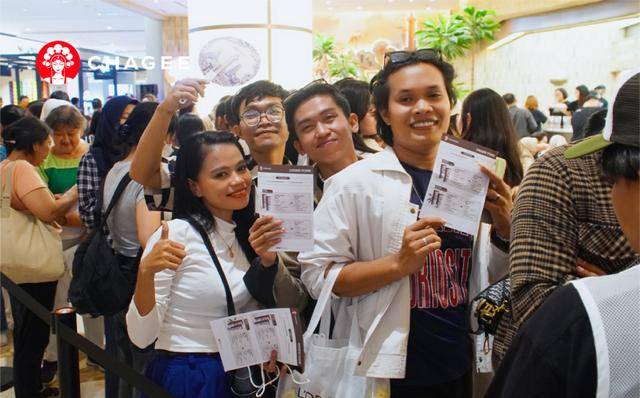
Group 1 - Bawang Tea Ji has opened three stores in the Philippines, marking its entry into the market and expanding its international presence to seven countries [1] - The three stores sold over 23,000 cups within the first three days of operation, indicating strong initial demand [1] - As of June 30, Bawang Tea Ji reported a total of 7,038 global stores, with a second-quarter GMV of 8.1031 billion yuan, a year-on-year increase of 15.5% [1] Group 2 - The overseas store count reached 208 as of June 30, with significant presence in Malaysia, Singapore, Indonesia, Thailand, and the United States [2] - In the second quarter, Bawang Tea Ji opened eight stores in Indonesia and began operations for its second store in the U.S. [2] - The company attracted over 30,000 registered users in Indonesia during the opening period, with daily sales exceeding 2,000 cups [2] Group 3 - A new North American management team has been appointed, with Emily Chang as Chief Business Officer and Aaron Harris as Chief Development Officer [3]
氪星晚报 |霸王茶姬正式进入菲律宾市场;宇树科技宣布将在四季度提交IPO申请;金价迭创新高,多家黄金企业半年净利润翻倍
3 6 Ke· 2025-09-02 13:13
Group 1: Financing Activities - Yingfan Technology completed a strategic A-round financing of over 100 million yuan, with funds primarily aimed at enhancing investments in artificial intelligence applications [1] - Wei Yi Culture announced the completion of a million-level angel round financing, with funds allocated for immersive panoramic project development and self-owned IP operations [8] - Si Ai Ran Medical completed a new round of financing exceeding 100 million yuan, with funds focused on the deep development of its first self-developed phacoemulsification and vitrectomy integrated machine product line [9] - Blue Engine, a precision agriculture robotics company, announced the completion of an angel round financing, with funds intended for product R&D upgrades, mass production, and market expansion [10] Group 2: Financial Performance - Xian Dao Intelligent reported a net profit of 375 million yuan for Q2 2025, a year-on-year increase of 456.29%, with total revenue for the first half of 2025 reaching 6.61 billion yuan, up 14.92% year-on-year [2] - NIO achieved revenue of 19.01 billion yuan in Q2 2025, a year-on-year increase of 9.0%, with a gross margin of 10.0% and cash reserves of 27.2 billion yuan [3] Group 3: Market Developments - Yushu Technology plans to submit an IPO application to the Chinese stock exchange between October and December 2025, with quadruped and humanoid robots expected to account for 65% and 30% of 2024 sales, respectively [4] - Wanjing Technology announced the integration of AI-generated content identification technology into multiple products, covering various formats such as JPG, MP4, and PDF [5] - ChatGPT's user base in South Korea surpassed 20 million in August 2023, representing approximately 40% of the country's smartphone users [6] Group 4: Corporate Changes - Audi appointed Guo Yongfeng as the executive vice president of its sales company in China, effective September 1, 2025 [7]



霸王茶姬二季度财报发布:全球门店数超七千家
Sou Hu Cai Jing· 2025-09-02 13:10
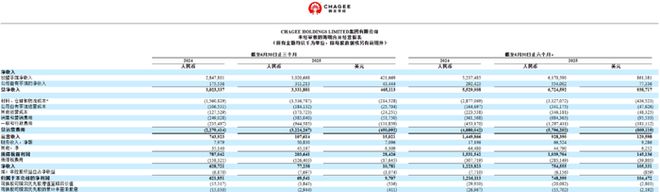
Core Insights - The company reported a total GMV of 81.031 billion yuan for Q2 2025, reflecting a year-on-year growth of 15.5% [7] - The net income for Q2 reached 33.319 billion yuan, with a year-on-year increase of 10.2% [7] - The adjusted net profit was 6.298 billion yuan, corresponding to an adjusted net profit margin of 18.9% [9] Global Expansion - As of June 30, the company operates 7,038 stores globally, including 208 overseas locations [3] - The overseas GMV reached 2.352 billion yuan, showing a significant year-on-year increase of 77.4% and a quarter-on-quarter growth of 31.8% [3][4] - The company successfully entered the Indonesian market, opening 8 new stores, and has also launched operations in Vietnam and the Philippines [4][5] Product Innovation and Marketing - The company introduced region-specific products and marketing strategies, achieving notable success with the "谷香焙茶" in Southeast Asia [4] - New product launches, including the "一骑红尘" and "夏梦玫珑," have received positive market feedback [7] - The company has engaged in innovative marketing collaborations, such as the Earl Grey tea series with the British Library, which sold out quickly [4] Membership Growth and User Engagement - The registered membership base surpassed 206.9 million, with a year-on-year growth of 42.7% [8] - The company emphasizes user engagement through initiatives like the CHAGEE TOWN membership rights system and offline community events [8] - A significant portion of orders, 73.9%, came from customers who had ordered two or more times, indicating strong customer retention [8] Cost Management and Profitability - The company achieved a stable adjusted net profit margin of 18.9%, with a decrease in raw material, storage, and logistics costs by 1.5% year-on-year [9]

受关税影响,巴西8月对美咖啡出口同比大跌55%
Guan Cha Zhe Wang· 2025-09-02 12:12
Group 1: Coffee Industry - Brazil's coffee exports to the US fell by 55.24% year-on-year in August due to a 50% tariff imposed by the US government [1] - In July, Brazil exported 450,000 bags of coffee to the US, which dropped to around 250,000 bags in August after the tariff policy took effect [1] - The Brazilian Coffee Exporters Association noted that US coffee consumption demand remains strong, but the tariff impact will ultimately harm US consumers [1] Group 2: Tea and Beverage Industry - 1点点 clarified that there is no mandatory purchase requirement for consumers ordering milk tea, addressing rumors about needing to buy additional items for delivery [2] - Bawang Tea has officially entered the Philippine market with three stores opened in Manila, contributing to a 77.4% year-on-year growth in overseas GMV to 235 million yuan in Q2 [2] - The total number of Bawang Tea's overseas stores reached 208, covering multiple countries including Malaysia, Singapore, and the US [2] Group 3: New Store Openings - Yeye Bu Pao Tea plans to open 17 new stores in the northwest region of China, expanding its market presence beyond core business districts to include third and fourth-tier cities [3][4] Group 4: New Product Launches - Lemon Right has officially entered the coffee market with a new product line, achieving a 416% year-on-year sales growth for its "Duck Shit Fragrant Lemon Coffee" [5] - The new coffee series uses Ethiopian specialty beans and aims to enhance the brand's product offerings while focusing on quality and market trends [5] Group 5: Financial Performance - Hu Shang A Yi reported a revenue of 1.818 billion yuan for the six months ending June 30, 2025, representing a 9.7% year-on-year increase [6] - The company achieved a gross profit of 572 million yuan, with a net profit of 203 million yuan, reflecting a 20.9% increase [6] - As of June 30, 2025, Hu Shang A Yi had 9,436 stores, with a registered WeChat mini-program membership of 131 million [6]
“坚决不打价格战”的霸王茶姬,二季度净利润下滑87.72%
Xin Lang Cai Jing· 2025-09-02 11:49
Core Insights - Bawang Chaji (CHA.US), known as the "first stock of new tea drinks in the US," released its first quarterly report after going public, showing a revenue of 6.725 billion yuan for the first half of the year, a year-on-year increase of 21.61%, but a net profit of only 755 million yuan, down 38.22% year-on-year [1][10] Financial Performance - In Q2, Bawang Chaji reported revenue of 3.332 billion yuan, a year-on-year growth of 10.2%, while net profit fell by 87.72% to 77.238 million yuan, with adjusted net profit slightly increasing by 0.1% to 630 million yuan [1][8] - The average monthly GMV per store in Greater China decreased by 23% year-on-year to 404,000 yuan in Q2, continuing a downward trend for six consecutive quarters [7][8] - Marketing expenses surged by 89.27% to 684 million yuan in the first half of the year, while management expenses increased by 186.31% to 1.297 billion yuan [8][9] Market Strategy - The company aims to avoid participating in the ongoing price wars in the delivery market, focusing instead on building a high-value brand [8][10] - Bawang Chaji's global store count reached 7,038, a year-on-year increase of 40.9%, with 208 stores located overseas [10][12] Overseas Expansion - The overseas GMV for Bawang Chaji reached 235.2 million yuan in Q2, reflecting a significant year-on-year growth of 77.4% and a quarter-on-quarter increase of 31.8% [12] - A new North American management team has been appointed to enhance the company's presence in international markets [12] Industry Context - The new tea drink market is becoming increasingly competitive, with brands like Heytea and Mixue Ice City also expanding overseas, leading to intensified competition [13]
对话柠檬向右创始人:拥挤的咖啡赛道里做差异化
2 1 Shi Ji Jing Ji Bao Dao· 2025-09-02 08:31
Core Viewpoint - The local tea brand "Lemon Right" is entering the light coffee market with a new product line centered around "Lemon + Coffee" to enhance its brand positioning and extend its operational hours [1] Group 1: Market Positioning and Strategy - The founder of Lemon Right, Xu Baihe, emphasizes a clear brand positioning focused on lemon, aiming to differentiate from competitors who primarily use lemon syrup and essence in their coffee products [1][3] - The company plans to introduce breakfast items to complement coffee sales, targeting high-demand areas such as airports and train stations, where coffee sales have been performing well [2] Group 2: Competitive Landscape - The coffee market is described as crowded, but Lemon Right positions itself uniquely by focusing on a niche segment of lemon-infused coffee, distinguishing itself from other tea brands like Gu Ming and Mi Xue Ice City [3] - Xu Baihe notes that while many tea brands are entering the coffee space, Lemon Right is the first to explore the specific niche of combining lemon with coffee [3] Group 3: Expansion Plans - The company is currently refining its business model to enhance operational efficiency, with plans to control store size and staffing to facilitate rapid expansion once the model is proven effective [4] - Lemon Right has already engaged in overseas market expansion, particularly in Southeast Asia, where it aims to enter profitable markets rather than merely increasing brand visibility [4]
对话柠檬向右创始人:拥挤的咖啡赛道里做差异化丨咖啡茶饮龙门阵
2 1 Shi Ji Jing Ji Bao Dao· 2025-09-02 08:21
Core Viewpoint - The Shanghai-based new tea drink brand, Lemon Right, is entering the light coffee market with a new product matrix centered around "lemon + coffee" as it celebrates its fourth anniversary [1] Company Strategy - Lemon Right's founder, Xu Baihe, emphasizes a clear positioning strategy focusing on lemon as the core ingredient while eliminating unrelated products [1] - The company aims to extend operating hours and enrich consumption scenarios by introducing coffee and breakfast products [4] Market Context - The coffee market is experiencing significant growth, with competitors like Mixue Group's Lucky Coffee seeing a 164% year-on-year increase in new store openings in Q2, reaching over 7,000 stores by July 31 [3] - Xu Baihe notes that many existing brands attempting to launch lemon coffee often rely on yellow lemons or lemon syrup, lacking the complex craftsmanship of using multiple types of lemons [3] Product Development - Lemon Right plans to introduce breakfast items to complement coffee sales, particularly in locations like airports and train stations where coffee sales have been strong [4] - The company believes that coffee can better meet the demand for energy-boosting beverages compared to lemon tea, which primarily addresses the need for refreshing drinks [3] Competitive Landscape - Xu Baihe asserts that Lemon Right operates in a different segment compared to other tea brands that have introduced coffee, such as Gu Ming and Mixue Ice City, as their store formats and target markets differ [5] - The company positions itself as the first tea brand focusing specifically on the niche of lemon coffee [5] Expansion Plans - Currently, Lemon Right is refining its business model before accelerating store expansion, aiming for high efficiency with a target of three staff members per store and a strict area limit of 15 to 20 square meters [6] - The company has signed partnerships in multiple Southeast Asian markets and aims for profitability in its overseas expansion rather than merely increasing brand awareness [6]

新闻概要:霸王茶姬全球扩张加速 实现双位数增长
BambooWorks· 2025-09-02 06:35
Core Viewpoint - The high-end tea beverage company, Cha Ji Holdings (CHA.US), reported a 10.5% revenue growth in Q2 and opened its first store in Los Angeles, indicating rapid expansion both domestically and internationally [1][3]. Financial Performance - In Q2, the company's revenue reached 3.33 billion yuan (approximately 467 million USD), a 10.2% increase from 3.02 billion yuan in the same period last year. The GMV grew by 15.5% year-on-year, totaling 8.1 billion yuan [1][4]. - The adjusted net profit for the quarter was 630 million yuan, remaining roughly flat compared to the previous year, with a non-GAAP net profit margin decreasing from 20.8% to 18.9% [4]. Expansion Strategy - The company has been rapidly expanding its store count, increasing from 4,881 to 6,830 in China, a growth of approximately 40%. Internationally, the number of stores rose from 115 to 208, nearly doubling [3]. - The overseas GMV surged by 77% to 235 million yuan, with plans for further expansion in the U.S. market, including additional stores in Los Angeles [3]. Market Positioning - Cha Ji Holdings differentiates itself in the competitive high-end tea market by focusing on the quality of original leaf tea and preserving traditional Chinese tea culture, contrasting with competitors that use modern additives [3]. - The company appointed a former Starbucks China CMO as North America Chief Business Officer and hired experienced executives from Dutch Bros Coffee and Popeyes for further development in North America [3]. Membership Growth - As of the end of June, the company had 206.9 million members, reflecting a year-on-year growth of 42.7% [4].

食品饮料及新消费行业跟踪报告:茶饮上半年业绩亮眼,泡泡玛特新品成爆款
Shanghai Aijian Securities· 2025-09-02 06:34
Investment Rating - The food and beverage industry is rated as "stronger than the market" [1] Core Views - The food and beverage industry index increased by 2.13% in the week of August 25-29, outperforming the Shanghai Composite Index, which rose by 0.84% [9] - The industry is currently at a historical low valuation, with a PE-TTM of 22.51x, corresponding to the 17th percentile over the past 15 years [16] - The liquor sector is expected to see a weak recovery in demand as policy pressures ease, with leading companies like Kweichow Moutai and Wuliangye showing strong dividend potential [6] Summary by Sections Weekly Performance - The food and beverage industry outperformed the market with a 2.13% increase, ranking 7th among 31 sub-industries [9] - The snack sector saw the highest increase at 10.20%, followed by dairy products at 2.67% and liquor at 2.14% [12] Liquor Sector - Wuliangye launched a new 29° product aimed at attracting younger consumers, reflecting a trend towards modernizing the liquor market [26] - The price of Feitian Moutai has decreased, with current prices at 1820 RMB for original and 1795 RMB for scattered [25] Tea Beverage Sector - Mixue Group reported a revenue of 14.88 billion RMB in the first half of 2025, a 39.3% year-on-year increase, with a net profit of 2.72 billion RMB, up 44.1% [32] - The number of Mixue stores reached 53,014, a 22.7% increase year-on-year, with a significant expansion in mainland China [33] New Consumption - Pop Mart's new mini LABUBU product saw over 1 million units sold within minutes of its launch, indicating strong consumer demand and improved production capacity [38] - The company has significantly increased its production capacity to 30 million units in August, ten times that of the previous year [38] Cost Indicators - Prices for sugar and glass have slightly decreased, which may positively impact the cost structure of the food and beverage industry [39]





5万家店赚27亿,蜜雪冰城还能跑多快?
投中网· 2025-09-02 06:33
Core Viewpoint - The article discusses the performance and challenges of Mixue Ice City, highlighting its significant revenue growth and expansion while addressing concerns about profitability and food safety issues [6][19]. Financial Performance - In the first half of 2025, Mixue Ice City achieved revenue of 14.875 billion yuan, a year-on-year increase of 39.3%, and a profit of 2.718 billion yuan, up 44.1% [6][8]. - The company opened nearly 10,000 new stores within a year, bringing the total to over 53,000 globally, with a daily average of about 27 new stores [6][8]. Market Position and Strategy - Mixue Ice City primarily targets lower-tier cities, with 57.6% of its stores located in third-tier and below cities, indicating significant growth potential in first-tier cities [9]. - The brand's marketing expenses are relatively low, with sales and distribution costs increasing by 40.2% to 913.7 million yuan, representing 6.1% of total revenue [9][10]. Brand and Consumer Engagement - The "Snow King" brand image has become deeply ingrained in consumer consciousness, contributing to its strong market presence and effective consumer engagement strategies [9][10]. - The brand has leveraged social media, with over 54.2 billion views on Douyin, and has engaged in promotional activities to enhance consumer interaction [10]. Challenges and Risks - Despite growth, Mixue Ice City faces challenges such as declining single-store profitability and food safety incidents, which have raised concerns about brand management [15][18]. - The number of store closures has increased, with 1,187 closures reported in the first half of 2025, up 48.6% from the previous year [16][17]. Expansion and Future Outlook - Mixue Ice City is pursuing international expansion, although its overseas store count has decreased from 4,895 to 4,733, focusing on optimizing existing operations [12][16]. - The company is also developing a second growth curve through its sub-brand Lucky Coffee, which aims to penetrate the coffee market with low pricing strategies [12][13].