
软件和信息技术

Search documents
重庆市委常委会会议研究金融高质量发展工作
Jing Ji Guan Cha Bao· 2025-12-20 08:03
Group 1: Youth Moral Education - The meeting emphasized the importance and urgency of moral education for minors, integrating it into the framework of building a strong education city to create a favorable social environment for their healthy growth [2] - It highlighted the need to address issues such as minors' psychological sub-health, leveraging schools and teachers' roles, and enhancing communication between schools and families [2] - The meeting called for a coordinated effort among various departments, strengthening the leadership of the Party in this initiative, and fostering a societal atmosphere that values education and morality [2] Group 2: Financial Development - The meeting focused on implementing the spirit of the national financial system work conference, emphasizing the "Eight Persistences" of China's financial development path [3] - It aims to enhance financial services for the real economy, improve regulatory frameworks, and ensure the prevention of systemic financial risks while promoting high-quality development [3] - The meeting underscored the importance of comprehensive Party leadership in financial work, ensuring compliance and risk awareness among financial institutions [3] Group 3: Economic Work for 2024 - The meeting identified 2024 as a critical year for the modernization of Chongqing, urging all departments to implement the central economic work conference's directives and leverage national strategic opportunities [4] - It called for the establishment of a detailed work plan to enhance investment, consumption, employment, and income generation, ensuring the effective implementation of macroeconomic policies at local levels [4] - The meeting stressed the need for a seamless transition of key tasks at the year's end and beginning, aiming for a strong start to economic and social development [4] Group 4: Software and Information Services - The meeting reviewed the "Starry Sky" action plan for advancing the software and information services industry, emphasizing high-quality development and the need to strengthen the industry chain [5] - It aims to enhance competitiveness by leveraging Chongqing's advantages in industrial development and urban governance, attracting leading enterprises, and fostering innovation [5] - The meeting called for the establishment of a robust monitoring system for progress and outcomes in the software and information services sector [5] Group 5: Agricultural Development - The meeting discussed the planning for building a strong agricultural city from 2025 to 2035, focusing on leveraging Chongqing's unique characteristics and ecological resources [6] - It emphasized the importance of food security and preventing large-scale poverty, promoting modern, high-efficiency ecological agriculture [6] - The meeting highlighted the need for technological advancements in agriculture and the establishment of a modern agricultural operating system to ensure farmers benefit from industry growth [6]
推动数据价值化 数据知识产权改革“浙”里先行
Mei Ri Shang Bao· 2025-11-25 23:35
Core Insights - Zhejiang Province is at the forefront of data intellectual property reform, with the establishment of the first seven pilot projects in the industrial and information sectors by the National Intellectual Property Administration and the Ministry of Industry and Information Technology [1] - The province has issued the first national guidelines for data intellectual property registration in the field of artificial intelligence, aiming to address challenges such as insufficient high-quality AI training data and limited application scenarios [1] Group 1 - The registration of 24,000 data intellectual property rights has been completed, covering 87 out of 97 major categories of the national economy, with over 1,000 high-quality AI datasets [1] - The establishment of the first "AI Data Intellectual Property Alliance" by enterprises and research institutions at the end of last year [1] Group 2 - The city of Hangzhou aims to reshape itself as the leading digital economy city in China, with a target of exceeding 600 billion yuan in core digital economy industry added value by 2024, accounting for 28.8% of the city's GDP [2] - Hangzhou has incorporated data intellectual property into local regulations and policies, promoting data innovation and guiding enterprises in the exploration and cultivation of data intellectual property [2] Group 3 - A total of 72 data intellectual property service institutions have been cultivated, accounting for 38% of the province's total [3] - The city has implemented the first national data intellectual property trading, cross-border circulation, credit enhancement financing, and securitization projects, with a total of 858 million yuan in direct conversion and application of data intellectual property [3] - The establishment of a specialized court for data intellectual property and a multi-department compliance committee to promote efficient circulation and reuse of data intellectual property [3]
全岛封关在即 海南自贸港现代服务业保持增势
Zhong Guo Xin Wen Wang· 2025-11-22 11:27
Core Insights - Hainan Free Trade Port's modern service industry is experiencing an average annual growth rate of 9% from 2018 to 2024, outpacing the GDP growth during the same period [1] - In the first three quarters of this year, the modern service industry achieved a value-added output of 351.59 billion yuan, continuing its growth trend [1] Group 1: Economic Development - The Hainan Free Trade Port is set to enhance its operations with the imminent closure of customs, leveraging comprehensive pilot programs to expand the modern service sector [1] - A financial policy system centered on cross-border trade and investment liberalization has been established, facilitating the free flow of global capital in Hainan [1] Group 2: Logistics and Transportation - The "China Yangpu Port" has registered 66 international vessels with a total capacity exceeding 6.2 million deadweight tons, maintaining a leading position nationally [1] - The expansion of maritime routes includes 74 international container shipping lines and a network of 82 international civil aviation routes, significantly reducing operational costs for shipping service companies [1] Group 3: Technology and Data - Hainan's information transmission, software, and IT sectors are thriving, supported by undersea cables connecting Hong Kong and Southeast Asia, enhancing data transmission speed and stability [2] - The introduction of a negative list for data outbound has provided clear regulatory guidance for industries like aerospace and tourism, lowering institutional costs for businesses [2] Group 4: Medical Tourism - The Boao Lecheng International Medical Tourism Pilot Zone has achieved synchronization with international standards in medical technology, equipment, and pharmaceuticals, attracting over 560,000 medical tourists in the first ten months of this year, marking an 80% year-on-year increase [2] Group 5: Education - Hainan has allowed high-level foreign universities and vocational schools to operate independently, attracting renowned institutions such as the University of Bielefeld and the Lausanne Hotel Management School to establish campuses in Hainan [2]
厦门湖里区科创产业促进基金招GP
FOFWEEKLY· 2025-09-23 10:15
Core Viewpoint - The Xiamen Huli District Science and Technology Innovation Industry Promotion Fund aims to promote technological innovation and enhance economic vitality by selecting experienced management institutions to manage the fund, which has a planned total scale of 500 million RMB, with an initial phase of 200 million RMB [2] Investment Directions - The fund will focus on five key areas aligned with Xiamen's "4+4+6" modern industrial system and Huli District's "3+2" key industry orientation [3] 1. New Generation Information Technology - Investments will target enterprises in cutting-edge technology fields such as IoT, artificial intelligence, and cloud computing, focusing on smart manufacturing upgrades in sectors like new displays, smart terminals, precision instruments, communication devices, smart sensors, electronic components, semiconductors, and integrated circuits [3] 2. Software and Information Technology - The fund will invest in foundational software, industrial software, industry-specific software, and embedded software based on blockchain technology, big data processing, and future networks [4] 3. High-end Medical Devices and Equipment - Investments will be directed towards gene and biotechnology, digital healthcare, and innovative medical devices, integrating AI, cloud computing, big data analysis, and telemedicine within the health service industry [4] 4. New Energy and New Materials - The focus will be on the research and manufacturing applications of new power core equipment, energy storage technologies, third-generation semiconductor materials, biomedical materials, and nanomaterials, as well as smart power grids and energy internet [4] 5. Deep Sea and Aerospace Development - Investments will target satellite internet, remote sensing technology, drone applications, and marine engineering equipment [5]


详解千亿级增值税留抵退税政策大调整
第一财经· 2025-08-23 07:38
Core Viewpoint - China has made a significant policy adjustment regarding the value-added tax (VAT) refund system, becoming more cautious about refunds to reduce fiscal pressure and improve management efficiency [3][4]. Summary by Sections VAT Refund Policy Adjustment - The Ministry of Finance and the State Taxation Administration announced a new VAT refund policy effective from September, aimed at enhancing policy precision and reducing compliance costs [3][4]. - The VAT is China's largest tax, generating over 6 trillion yuan annually [3]. Historical Context - Since 2011, China has piloted VAT refunds for specific industries to alleviate financial pressure on enterprises, with significant expansions in 2019 and 2022 [4][5]. - The total amount of VAT refunds surged to 2.46 trillion yuan in 2022, a 3.8-fold increase from 2021, as part of measures to support businesses during the pandemic [5]. Changes in Eligible Industries - The new policy continues to allow full monthly refunds for the manufacturing, scientific research, software, and environmental sectors, while imposing restrictions on previously eligible sectors like wholesale and retail [6][10]. - Industries such as wholesale, retail, agriculture, and hospitality will now receive partial refunds (60% or 30%) instead of full refunds [6][10]. Real Estate Sector Provisions - The real estate sector has a separate VAT refund policy, allowing developers to apply for refunds under specific conditions, maintaining stability in the sector [7][9]. - The policy aims to support the real estate market amidst ongoing challenges, with a focus on maintaining operational stability [8][9]. General Industry Adjustments - Other industries not included in the specified categories will face stricter requirements for VAT refunds, including a minimum threshold of 500,000 yuan for new refundable amounts [10][11]. - The new policy reflects a shift from broad tax cuts to more targeted fiscal measures, addressing the need for fiscal sustainability and risk prevention [10][11]. Implementation and Management - The State Taxation Administration has issued detailed guidelines to ensure the effective implementation of the new VAT refund policy [11]. - Tax revenue data indicates a slight decline in overall tax income, with VAT revenue showing a modest increase of 3% year-on-year [11].
邮储银行积极助力广东民营经济向新向好
Zheng Quan Ri Bao Zhi Sheng· 2025-08-03 15:10
Core Viewpoint - Postal Savings Bank of China (PSBC) is actively supporting private enterprises in Guangdong, enhancing their innovation and growth through financial services, particularly focusing on technology-driven companies like Wangsi Technology Group [1][2]. Group 1: Financial Support for Private Enterprises - Wangsi Technology Group received substantial credit support from PSBC's Guangzhou branch, which will aid in deepening technology research and expanding business areas [1]. - PSBC Guangdong branch is recognized as a key player in supporting the private economy, contributing to economic stability, job creation, and innovation [1][3]. Group 2: Technology Financing Initiatives - PSBC Guangdong branch has established a specialized team for technology finance, focusing on high-tech sectors such as artificial intelligence and digital twin technology [2]. - The bank has developed various financing products, including "Large Science and Technology Loans," to address the funding needs of technology enterprises, with over 8,100 technology companies served and a loan balance exceeding 36.7 billion yuan, reflecting a 37% year-on-year increase [3]. Group 3: Support for International Expansion - PSBC is facilitating the international expansion of quality enterprises in Guangdong by providing a comprehensive range of cross-border financial services, including trade financing and currency risk management [4]. - Specific case examples include a toy manufacturing company in Chaozhou that received a 10 million yuan credit line to explore new market channels, demonstrating the bank's responsiveness to market challenges [4]. Group 4: Future Focus - The bank plans to continue its focus on supporting private, small, and technology-driven enterprises, implementing initiatives to empower high-quality development in the private sector [5].

上半年深圳GDP超1.8万亿元 同比增长5.1%
Zhong Guo Xin Wen Wang· 2025-07-31 01:33
Economic Performance - Shenzhen's GDP for the first half of 2025 reached 1832.226 billion yuan, with a year-on-year growth of 5.1% [1] - The primary industry added value was 1.033 billion yuan, growing by 2.8%; the secondary industry added value was 650.556 billion yuan, growing by 3.3%; and the tertiary industry added value was 1180.637 billion yuan, growing by 6.1% [1] Industrial Growth - The city's industrial added value above designated size grew by 4.3%, with a slight acceleration of 0.1 percentage points compared to the first quarter [1] - High-tech product output saw significant growth, with civil drones, industrial robots, and 3D printing equipment increasing by 59.0%, 38.0%, and 35.8% respectively [1] Service Sector - The added value of the service industry was 1180.637 billion yuan, with a year-on-year growth of 6.1%, also accelerating by 0.1 percentage points from the first quarter [1] - Key sectors such as finance, transportation, and information technology services grew by 10.9%, 9.0%, and 8.1% respectively [1] Investment Trends - Fixed asset investment in Shenzhen saw infrastructure investment grow by 7.7% and industrial technological transformation investment grow by 47.1% [1] - Investment in information transmission, software, and IT services surged by 47.7%, while transportation and postal services grew by 32.5%, and scientific research and technical services increased by 21.7% [1] Consumer Market - The total retail sales of social consumer goods reached 494.868 billion yuan, with a year-on-year increase of 3.5%, accelerating by 0.4 percentage points from the first quarter [2] - The total import and export volume was 2167.545 billion yuan, with a year-on-year decline of 1.1%, but the decline was narrowed by 1.7 percentage points compared to the first quarter [2] - High-tech product exports grew by 8.0% [2] Financial Sector - As of the end of June, the balance of deposits in financial institutions (including foreign capital) was 14160.014 billion yuan, with a year-on-year growth of 5.7% [2] - The balance of loans in financial institutions (including foreign capital) was 9846.991 billion yuan, with a year-on-year growth of 3.5% [2] Price Trends - The consumer price index in Shenzhen increased by 0.1% compared to the same period last year [3]
5.1%!深圳交出半年成绩单!
证券时报· 2025-07-30 11:38
Economic Performance - Shenzhen's GDP for the first half of the year reached 18,322.26 billion yuan, with a year-on-year growth of 5.1% [1] - The primary industry added value was 10.33 billion yuan, growing by 2.8%; the secondary industry added value was 6,505.56 billion yuan, growing by 3.3%; and the tertiary industry added value was 11,806.37 billion yuan, growing by 6.1% [1] Industrial Growth - The industrial added value above designated size in Shenzhen grew by 4.3% year-on-year, with manufacturing playing a crucial role [1] - Key sectors such as general equipment manufacturing, instrument manufacturing, and electrical machinery manufacturing saw growth rates of 17.1%, 8.8%, and 8.2% respectively [1] - High-tech product output continued to grow rapidly, with civil drones, industrial robots, and 3D printing equipment increasing by 59.0%, 38.0%, and 35.8% respectively [1] Service Sector Development - The added value of the service industry in Shenzhen was 11,806.37 billion yuan, with a year-on-year growth of 6.1% [2] - Key service sectors such as finance, transportation, and information technology services grew by 10.9%, 9.0%, and 8.1% respectively [2] - The Shenzhen Municipal Bureau of Commerce introduced measures to promote high-quality service consumption across six areas, aiming to stimulate internal demand [2] Consumption Trends - The total retail sales of consumer goods in Shenzhen reached 4,948.68 billion yuan, growing by 3.5% year-on-year [2] - Retail sales of daily necessities and food products showed strong growth, with increases of 10.7% and 9.1% respectively [2] - Online retail sales through designated units grew by 19.4%, indicating a shift towards e-commerce [2] Investment and Trade - Fixed asset investment in Shenzhen decreased by 10.9%, with real estate development investment down by 15.1% [3] - Infrastructure investment grew by 7.7%, while industrial technology transformation investment surged by 47.1% [3] - The total import and export volume was 21,675.45 billion yuan, a year-on-year decrease of 1.1%, with exports down by 7.0% and imports up by 9.5% [3] Future Outlook - The overall economic performance in Shenzhen remains stable, with a focus on high-quality development despite external uncertainties [3] - Analysts suggest leveraging Shenzhen's technological advantages to promote high-tech industries and enhance domestic demand [3]
合肥全域八区县在列!安徽制造强省“核心战场”强势崛起
Xin Lang Cai Jing· 2025-07-19 06:52
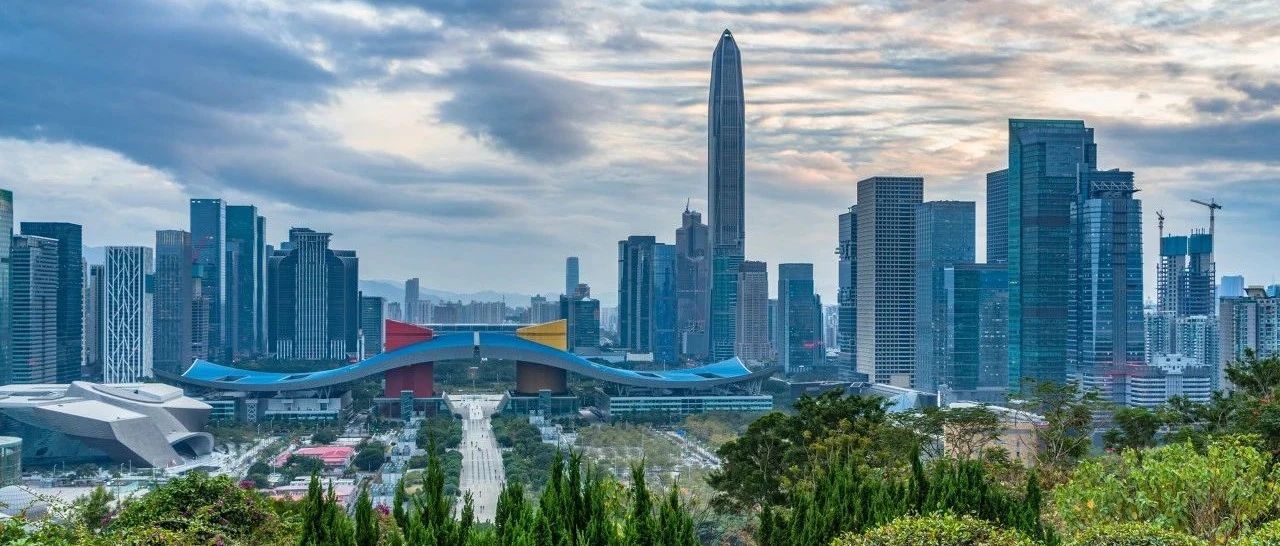
Core Viewpoint - Anhui Province has officially issued the "Action Plan for Cultivating and Strengthening County-Level Manufacturing Industry Characteristic Clusters," aiming to establish a "4433" trillion-yuan manufacturing industry system, with goals to cultivate 60 hundred-billion-yuan county-level manufacturing clusters by 2027 and expand to around 100 by 2030 [1] Group 1: Strategic Layout - Hefei City has been included in the key cultivation list, focusing on sectors such as new energy vehicles, new-generation information technology, and new materials, positioning it as a "core battlefield" for Anhui's manufacturing strength [1] - The cluster construction in Hefei emphasizes differentiation and collaboration, enhancing existing industrial chain cooperation while planning for future industries, promoting technological innovation and scale expansion [1] Group 2: Key Projects and Economic Impact - Hefei has several key projects supporting cluster development, including the New Bridge Intelligent Electric Vehicle Parts Industrial Park, which is expected to achieve an annual output value of 500 billion yuan [3] - The NIO company has established two smart manufacturing plants in Hefei, with over 120 local industry chain partners, having delivered more than 760,000 vehicles by May 2025 [3] - The Shushan Economic and Technological Development Zone has been recognized as a digital transformation demonstration park for manufacturing, gathering over 430 key enterprises and achieving annual revenue exceeding 50 billion yuan [3] Group 3: Innovation and Future Development - Hefei is advancing innovation through collaborations, such as the partnership between JAC Motors and multiple universities to establish a platform for the research and industrialization of next-generation autonomous controllable new energy vehicles [7] - The city has adopted an innovative "scene-based investment attraction" model, forming the first "Scene Innovation City Alliance" with 19 cities, shifting from traditional investment approaches to providing opportunities and attracting technology [7] - The development of industrial clusters in Hefei is not only a growth engine for the regional economy but also a core support for the upgrading of Anhui's manufacturing industry, optimizing resource allocation and enhancing urban competitiveness [9]

广州南沙落地百亿元数字产业基金
news flash· 2025-06-18 12:43
Group 1 - The core viewpoint of the article is the establishment of a 10 billion yuan digital industry fund in Guangzhou Nansha, focusing on strategic emerging industries such as digital economy and artificial intelligence [1] - The fund will primarily invest in sectors including software and information technology, semiconductors and integrated circuits, and data element circulation [1]