碳积分

Search documents
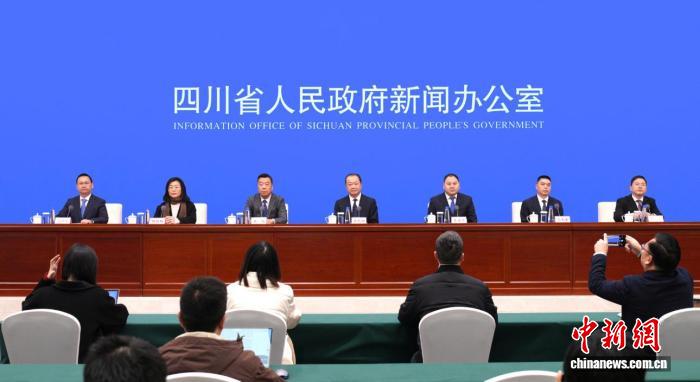
成都深化“碳普惠”改革 打造公众参与碳减排的制度化平台
Zhong Guo Xin Wen Wang· 2026-01-13 08:02
Core Viewpoint - Chengdu is advancing its "carbon benefit" reform to create a systematic platform for public participation in carbon reduction, leveraging the national pilot for market-oriented resource allocation [1][2]. Group 1: Carbon Benefit Mechanism - The "Carbon Benefit Tianfu" mechanism, initiated in 2020, incentivizes public participation in low-carbon actions through carbon points and project carbon reduction development [2]. - This mechanism has been included in the national pilot implementation plan, distinguishing it as the only carbon benefit reform task among the ten pilot projects [2]. Group 2: User Engagement and Project Development - The "Carbon Benefit Tianfu" platform has over 4 million users and has developed 222 local carbon reduction projects, achieving over 700,000 tons of carbon reduction value conversion [2]. - The platform has supported major events like the Chengdu Universiade and World Games in achieving carbon neutrality [2]. Group 3: Future Reforms and Expansion - Future reforms will focus on improving the regulatory framework, revising management methods, and optimizing the carbon points quantification and redemption mechanisms [2]. - Chengdu plans to expand the carbon points system by enhancing six low-carbon behavior scenarios, targeting communities, schools, and businesses to increase accessibility to carbon points [2]. Group 4: Innovative Integration and Development - Chengdu will innovate the linkage between carbon points, carbon reduction, green procurement, and credit disclosure, establishing a carbon sink alternative restoration mechanism [3]. - The city aims to empower its development as a world-class event city and international exhibition hub by creating local "carbon neutral" products and demonstrating carbon neutrality in various sectors [3].

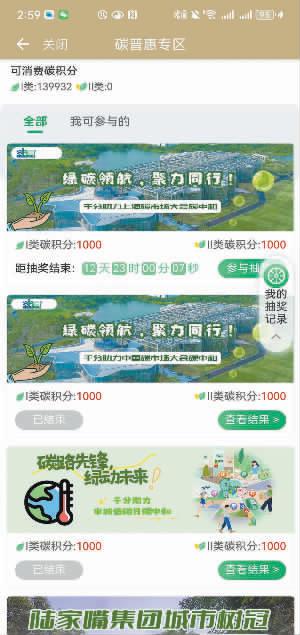
坐地铁公交能换钱!数字人民币App上线“碳普惠”服务
Bei Jing Shang Bao· 2026-01-08 07:12
Core Viewpoint - The digital RMB is expanding its application in "green finance" by launching a "Carbon Inclusive" mini-program, initially available in Shanghai, to encourage low-carbon behaviors among the public [1] Group 1: Digital RMB and Carbon Inclusive Service - The digital RMB operation management center is coordinating with business operators to create innovative applications in the carbon inclusive sector [1] - Users can accumulate carbon credits for their daily low-carbon activities, which can be exchanged for digital RMB [1] - The "Carbon Inclusive" service aims to motivate the public to engage in environmentally friendly actions, such as using public transport or shared bikes, which will be quantified into carbon credits [1] Group 2: Implementation and User Engagement - The "Carbon Inclusive" mini-program is integrated with three major platforms: Metro, Hello Chuxing, and T3 Chuxing, allowing automatic tracking of low-carbon behaviors [1] - To activate the service, users must open the digital RMB App, access the service page, and complete the binding process with the relevant platforms [2] - Carbon credits can be exchanged for digital RMB, but users must first open a digital RMB wallet and upgrade to a real-name wallet for successful transactions [2]

系统重塑碳账户体系 擦亮绿色发展金名片
Xin Lang Cai Jing· 2025-12-19 17:25
Core Viewpoint - The article emphasizes the importance of carbon peak and carbon neutrality as guiding principles for promoting green and low-carbon development in the new era, particularly in Quzhou City, which aims to serve as a model for green transformation at both provincial and national levels [1] Group 1: Carbon Account System Development - The carbon account system should expand its application from "full-field coverage" to "full-chain penetration," creating a virtuous cycle of "carbon reduction - value increase - further carbon reduction" [1] - In the industrial sector, the focus will be on expanding "carbon efficiency benchmarking" linked to production capacity and tax incentives, driving technological upgrades in enterprises [2] - The establishment of a carbon footprint tracking system for agricultural products will align with national standards, while ecological projects will integrate carbon credits from restoration efforts [2] Group 2: Financial Integration - Green finance is identified as a key lever for activating market vitality through the carbon account system, transitioning from "single credit" to a "diverse product system" [3] - Innovative carbon financial products will include combinations of "carbon futures + insurance" and "carbon credit pledges + supply chain finance" to support high-energy-consuming enterprises [3] - A regional carbon asset trading platform will be established to facilitate transactions for small and medium-sized enterprises [3] Group 3: Technological Support - Technological innovation is crucial for the precision and intelligence of the carbon account system, with a focus on developing key low-carbon technologies across various sectors [5][6] - The construction of a "dual carbon brain" intelligent platform will integrate data resources for carbon monitoring, accounting, and forecasting [6] - The application of IoT and blockchain technologies will ensure real-time and tamper-proof carbon emission data collection [6] Group 4: Legal and Regulatory Framework - Legal support is essential for the stable operation of the carbon account system, with a push towards establishing a comprehensive regulatory framework [7] - The development of local regulations, such as the "Quzhou Carbon Account Management Regulations," will clarify responsibilities and establish a closed-loop management mechanism [7] - Enhanced regulatory enforcement will include penalties for data falsification and non-compliance with carbon reduction targets [8]
碳积分兑换藏福利 银川碳普惠让低碳生活有“赚头”
Zhong Guo Xin Wen Wang· 2025-11-30 09:21
Core Insights - The carbon benefit platform in Yinchuan is successfully incentivizing low-carbon behaviors among citizens, demonstrating a tangible connection between carbon reduction efforts and personal rewards [1][2] Group 1: Carbon Reduction Practices - Citizens like Zhang Bo are actively participating in low-carbon practices, such as cycling to work and using public transport, which contribute to a reduction of approximately 0.21 kg of carbon emissions per day [1] - The platform allows users to accumulate carbon credits through various low-carbon activities, which can be redeemed for everyday goods, enhancing the appeal of sustainable living [1] Group 2: Market Mechanisms and Integration - Yinchuan has integrated the carbon benefit system into its carbon emission rights reform framework, establishing clear rules and market mechanisms to assign value to low-carbon actions [1] - The platform has completed six carbon reduction transactions, totaling 690 tons of CO₂e, with a transaction value of 51,700 yuan [1] Group 3: Broader Impact and Future Plans - The application of the carbon benefit system has expanded beyond individual actions to include rural energy transformation and corporate green upgrades, with a total reduction of 19,309.8 tons of emissions, equivalent to the annual carbon absorption of 1.064 million trees [2] - Future initiatives will focus on deepening carbon peak and carbon benefit pilot projects, transitioning from energy consumption control to carbon emission control, and promoting the development of "zero-carbon parks" and "low-carbon communities" [2]
中国海油携手森城生态 共绘绿色低碳新蓝图
Jin Tou Wang· 2025-10-09 03:41
Core Viewpoint - China National Offshore Oil Corporation (CNOOC) is transitioning from an oil and gas giant to a leader in green energy, collaborating with Sencheng Ecological Technology Co., Ltd. to promote ecological forest construction and green energy transformation under the "dual carbon" strategy [1][2][4]. Group 1: CNOOC's Transition - Since its establishment in 1982, CNOOC has evolved from a single oil and gas exploration company to a comprehensive energy company covering six major sectors, including oil and gas development, refining and sales, natural gas and electricity, and renewable energy [2]. - CNOOC has set ambitious goals to achieve carbon peak by 2028 and carbon neutrality by 2050, actively building a diversified and sustainable energy system [2]. Group 2: Sencheng Ecological's Role - Sencheng Ecological focuses on carbon sink forests, green infrastructure, and renewable ecological forests, using innovative models to engage users in ecological protection and carbon neutrality efforts [3]. - The company aims to create systems for ecological forest adoption, carbon credits, and green assets, allowing the public to experience the benefits of green development and contributing to the national "dual carbon" strategy [3]. Group 3: Collaborative Initiatives - The launch of the third phase of the ecological forest project marks a new stage in the collaboration between CNOOC and Sencheng Ecological, focusing on ecological restoration, carbon sink value, and integrating renewable energy industry practices [4]. - The partnership aims to build a model for the coordinated development of green energy and ecological civilization, leveraging CNOOC's strengths in energy transition and technological innovation alongside Sencheng Ecological's user engagement [4]. Group 4: Future Outlook - CNOOC and Sencheng Ecological plan to strengthen their cooperation in ecological civilization construction, green energy development, and international low-carbon governance [5]. - Both companies emphasize the importance of taking concrete actions to fulfill their "dual carbon" commitments, contributing to national energy security and sustainable ecological development [5]. Group 5: Official Statements - A CNOOC representative stated the company's commitment to a green low-carbon transition driven by technological innovation, aiming to contribute to the national "dual carbon" goals [6]. - A Sencheng Ecological representative highlighted the importance of the ecological forest project in enabling public participation in ecological restoration and green energy construction, expressing optimism for the partnership with CNOOC [6].

2025年中国碳市场大会——上海首个大型活动碳中和示范案例
Zhong Guo Huan Jing Bao· 2025-09-29 01:40
Core Points - The 2025 China Carbon Market Conference showcased the convenience brought by the low-carbon office, with attendees able to access information via QR codes on their badges [1] - Shanghai strictly adhered to the new "Carbon Neutrality Guidelines for Large Events" released in July, becoming the first demonstration case in the city [1] - Over 200,000 citizens in Shanghai have opened personal carbon accounts, allowing them to participate in a lottery by redeeming carbon credits [1] Group 1 - The conference emphasized the importance of green and low-carbon living and consumption in achieving carbon neutrality in modern cities like Shanghai [2] - Research from the Chinese Academy of Sciences indicates that carbon emissions from residential consumption account for 53% of total emissions, highlighting the significance of public participation in emission reduction [2] Group 2 - The carbon credit lottery encourages public engagement in carbon reduction efforts, demonstrating a successful exploration of community involvement [2] - The carbon credit system allows citizens to redeem points for rewards, such as tickets to local attractions, promoting awareness and participation in carbon neutrality initiatives [1][4]
负债逼近500亿,格林美赴港IPO:扩产还是“豪赌”?
阿尔法工场研究院· 2025-09-24 00:07
Core Viewpoint - The article discusses the financial pressures and expansion strategies of Greeenme, highlighting its significant short-term debt and the potential for growth through its core business areas in the resource sector [1][3][13]. Financial Pressure - Greenme faces substantial short-term debt, with over 100 billion yuan due within a year, while cash and cash equivalents stand at only 54 billion yuan, indicating a high repayment pressure [1][13][14]. - Total liabilities have doubled from 232.6 billion yuan in 2022 to 486.5 billion yuan by mid-2025, with the debt-to-asset ratio rising from 52.7% to 66.01% [13][14]. Profitability Quality - Greenme's revenue has been consistently increasing, from 293.32 billion yuan in 2022 to 332 billion yuan in 2024, but net profits have fluctuated, with 2022 net profit at approximately 12.96 billion yuan, dropping to 9.35 billion yuan in 2023 [9]. - The gross profit margin has seen a decline, with figures of 14.54%, 12.24%, and 15.29% for the years 2022, 2023, and 2024 respectively, attributed to volatile prices of key metals [9]. Core Customer Base - Greenme maintains stable relationships with major global battery manufacturers, including CATL, Tesla, Volkswagen, and Samsung SDI, indicating a high customer concentration that positions Greenme at the core of the global new energy supply chain [2][15][16]. Expansion Strategy - The company plans to raise funds through its Hong Kong IPO to enhance metal resource capacity, innovate in overseas R&D, and build a global marketing center [10][11]. - Greenme's expansion is supported by its leadership in high-nickel precursors, battery recycling, and urban mining, with significant market shares in these areas [15][16]. Carbon Business - Greenme has begun to capitalize on carbon trading, with carbon credit income of 120 million euros in 2024, aiming to increase this to 5% of total revenue by 2025 [17]. - The company quantifies carbon reduction benefits from its recycling processes, enhancing its ESG profile and potentially increasing its attractiveness to investors [17]. Leadership and Ownership - The founder, Xu Kaihua, has built a resource empire valued at nearly 38 billion yuan, with family members holding significant shares in the company [18]. - Greenme has established numerous subsidiaries and has expanded its operations internationally, including a GDR issuance in Switzerland [18]. Related Transactions - Greenme's transactions with Morowali Group raise questions about potential conflicts of interest, as the company is both a supplier and customer, leading to scrutiny from regulatory bodies [19][20].


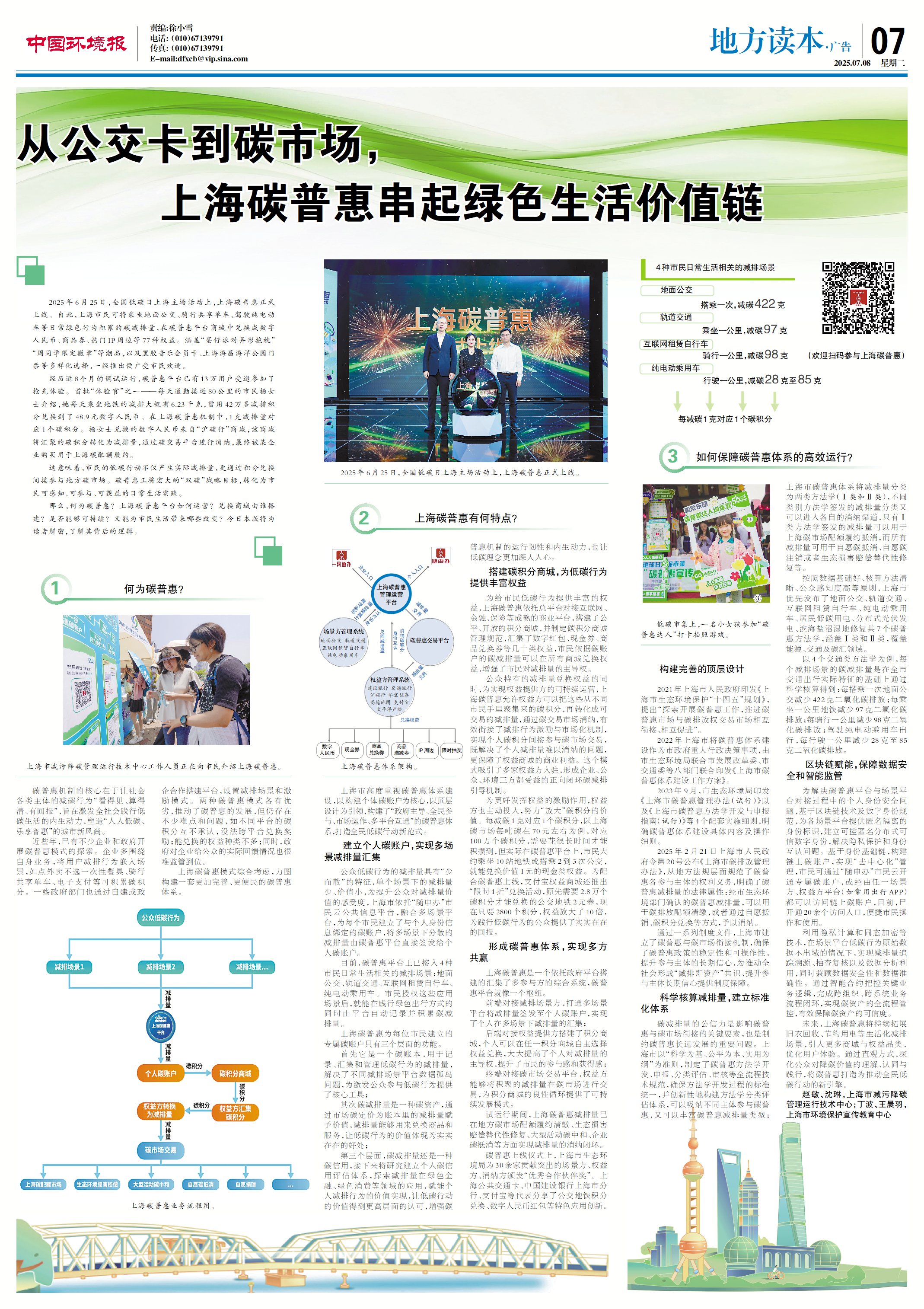
从公交卡到碳市场,上海碳普惠串起绿色生活价值链
Zhong Guo Huan Jing Bao· 2025-07-08 02:01
Core Points - The Shanghai Carbon Benefit platform officially launched on June 25, 2025, allowing citizens to convert carbon reduction from daily green behaviors into digital currency and various rewards [1][14][16] - The platform has gained popularity, with 130,000 users participating in the initial experience phase, demonstrating the public's engagement with low-carbon actions [16][18] - The carbon reduction mechanism aims to make carbon reduction actions visible, measurable, and rewarding, fostering a culture of low-carbon living among citizens [18][23] Group 1: Carbon Benefit Mechanism - The core of the carbon benefit mechanism is to enable various societal entities to see, quantify, and receive rewards for their carbon reduction efforts, thus motivating low-carbon lifestyles [18][19] - The platform integrates multiple daily life scenarios for carbon reduction, including public transport, shared bicycles, and electric vehicles, allowing users to accumulate carbon credits [24][37] - Each gram of carbon reduction corresponds to one carbon credit, which can be exchanged for rewards, enhancing the perceived value of low-carbon actions [16][27] Group 2: Platform Features and Structure - The Shanghai Carbon Benefit system is designed with a focus on individual carbon accounts, supported by a top-down approach that encourages government leadership, public participation, and market operations [23][24] - The platform has established a comprehensive and user-friendly carbon benefit system, addressing challenges such as data silos and limited reward options [19][25] - The carbon credit marketplace allows users to exchange their accumulated credits for a variety of rewards, thus linking individual actions to broader carbon market transactions [26][30] Group 3: Regulatory and Technical Framework - The Shanghai government has implemented a series of regulations and guidelines to ensure the effective operation of the carbon benefit system, including the establishment of legal attributes for carbon credits [32][33] - A standardized methodology for calculating carbon reduction has been developed, ensuring the credibility of carbon credits and facilitating their integration into the carbon market [33][34] - Blockchain technology is utilized to secure data and manage identities, enhancing the reliability and transparency of the carbon benefit platform [35]
刚刚!特朗普签了!马斯克喊话:公布爱泼斯坦文件
Zhong Guo Jing Ying Bao· 2025-07-05 01:19
Core Points - The "Big and Beautiful" tax and spending bill was signed into law by President Trump on July 4, 218 votes in favor and 214 against in the House of Representatives [1] - The bill extends tax cuts for corporations and individuals, and includes provisions for exempting tips and overtime pay from taxation, with a core focus on lowering corporate tax rates [1][3] - The legislation is controversial due to concerns over increasing federal aid cuts, long-term debt, and tax reductions for the wealthy and large corporations, potentially increasing the deficit by approximately $3.3 trillion over the next decade [1][2] Group 1 - The "Big and Beautiful" bill is seen as one of the most expensive pieces of legislation since the 1960s, with significant implications for the national debt [2] - The U.S. national debt currently stands at $36.2 trillion, and the new bill is expected to exacerbate the structural deficit [2] - Moody's downgraded the U.S. sovereign credit rating due to rising debt and interest expenditures, marking the third major rating agency to do so [2] Group 2 - The bill permanently fixes the corporate tax rate at 21%, which was previously reduced from 35% under the Tax Cuts and Jobs Act of 2017 [3] - It expands tax deductions for research and equipment investments, allowing businesses to fully deduct these costs from their taxable income [3] - The bill also broadens the tax exemption for "pass-through businesses," allowing owners to avoid double taxation [3] Group 3 - Wealthy individuals are expected to benefit the most from the bill, although Elon Musk is noted as an exception due to the reduction of clean energy subsidies [3][4] - The bill's impact on Tesla is significant, as the elimination of carbon credit sales could lead to financial losses for the company [4] - Harvard University is also affected, with its investment fund's tax rate increasing from 1.4% to 8% [4] Group 4 - Musk has publicly opposed the "Big and Beautiful" bill, advocating for the government to adhere to a budget and avoid increasing the debt ceiling [7] - He has called for the release of documents related to Jeffrey Epstein, suggesting a connection between Trump and the Epstein case [6][7]

华尔街见闻早餐FM-Radio | 2025年7月5日
Hua Er Jie Jian Wen· 2025-07-04 23:06
Market Overview - On July 4, U.S. markets were closed for Independence Day, leading to a risk-off sentiment with S&P 500 futures down 0.6% and European blue-chip index STOXX 50 down over 1% [2] - European chip stocks fell, with ASML Holdings down approximately 2.6% [2] - China's Ministry of Commerce announced anti-dumping duties on EU brandy, causing Remy Cointreau's stock to drop 7.2% intraday before recovering to close up 2% [2] - The 10-year German bond yield fell by 0.8 basis points, while the UK bond market remained weak with a cumulative rise of 5 basis points this week [2] - Gold prices rose nearly 0.6% amid increased risk aversion, while WTI crude oil dropped 1.5% due to expectations of significant OPEC+ production increases [2] - In Asia, A-shares fluctuated, with the Shanghai Composite Index nearing 3500 points, while the Hang Seng Index fell below 24000 points [2] Key News - The U.S. government informed General Electric Aviation that it can resume supplying jet engines to COMAC in China, indicating a potential easing of trade tensions [8] - President Trump announced plans to send tariff letters to trade partners, with rates potentially ranging from 60%-70% to 10%-20% [8] - The EU's trade negotiations with the U.S. have not reached a breakthrough, with ongoing discussions expected over the weekend [9] - Indonesia expressed confidence in reaching a "bold trade agreement" with the U.S., proposing zero tariffs on 70% of U.S. products [9] - India is preparing a strong response to U.S. auto tariffs, potentially imposing retaliatory tariffs due to the impact on its exports [10] Legislative Developments - Trump signed the "Big Beautiful" bill, marking a significant shift in U.S. fiscal policy towards tax cuts and increased defense spending, while cutting funding for healthcare and clean energy projects [11] - The bill is expected to severely impact Tesla's carbon credit revenue, which accounted for 39% of its net profit in 2024 [11] - Tesla is reportedly facing challenges with new model shortages, leading to increased pressure on sales [12] Market Sentiment - Bank of America indicated that the S&P 500 is nearing a sell signal, with the "Big Beautiful" bill raising the risk of a summer market bubble [13] - Iron ore prices rebounded by 4% this week, driven by strong demand from China, but Goldman Sachs warned that prices may struggle to exceed $100 per ton [13] Domestic and Overseas Macro - The Ministry of Housing and Urban-Rural Development in China is pushing for measures to stabilize the real estate market [14] - The U.S. Treasury's strategy to increase short-term bond issuance may undermine the Federal Reserve's independence and affect inflation control [15] - The European Central Bank is expected to maintain current interest rates, focusing on achieving a 2% inflation target [16]