
低GI大米

Search documents
低GI饮食成热门 是健康新选还是消费陷阱?
Yang Shi Xin Wen· 2025-12-28 20:46
Group 1 - The core concept of "low GI" refers to the glycemic index, which indicates the ability of a food to raise blood sugar levels. Low GI foods are defined as those with a glycemic index of 55 or less, according to the 2023 guidelines from the Chinese Nutrition Society [1] - The market for low GI foods is expanding, with a variety of products such as cereals, cakes, beverages, and even low GI rice and noodles available in supermarkets. These products are prominently displayed and often come at a higher price point compared to regular options [2][4] - There is a significant consumer interest in low GI foods, with some products marketed as suitable for diabetics, pregnant women, and those looking to lose weight. However, there is ongoing debate regarding the effectiveness of these foods [9] Group 2 - Experts suggest that low GI foods are not a necessity for everyone and can be viewed as a choice in managing sugar intake. There are many economical and practical methods for controlling blood sugar that individuals can easily adopt [11] - Practical tips for lowering glycemic index include mixing beans or other grains with rice during cooking, adjusting the order of food consumption during meals, and practicing mindful eating [12] - Additional lifestyle factors such as ensuring adequate sleep and maintaining a calm mindset are also important for blood sugar regulation, alongside dietary and exercise habits [16]


低GI饮食成热门,是健康新选还是消费陷阱?
Xin Lang Cai Jing· 2025-12-28 15:19
Core Viewpoint - The article discusses the rising popularity of low GI (glycemic index) foods, which are marketed as healthier options for consumers looking to manage blood sugar levels. It highlights the definition of low GI foods, their characteristics, and the misconceptions surrounding their health benefits [1][10]. Group 1: Definition and Characteristics of Low GI Foods - Low GI foods are defined as those with a glycemic index of 55 or less, indicating a slower digestion and absorption rate of carbohydrates, which helps avoid sharp spikes in blood sugar levels [1]. - These foods are designed with special formulations and processes to enhance their slow-digesting properties, providing benefits such as prolonged satiety [1]. Group 2: Market Trends and Consumer Behavior - The demand for low GI foods has surged, with many consumers prioritizing "sugar control" in their diets, leading to a wide variety of low GI products available in supermarkets and online platforms [1][3]. - A notable example includes a low GI yogurt priced at nearly 30 RMB for four small boxes, significantly higher than regular yogurt priced at around 10 RMB for the same quantity [1]. Group 3: Misconceptions and Expert Insights - There are common misconceptions about low GI foods, such as the belief that they are synonymous with low sugar or low-calorie options. Experts warn that consuming large quantities of low GI foods can still lead to elevated blood sugar levels [7][9]. - It is emphasized that consumers should also consider the glycemic load (GL) of foods, which accounts for the total carbohydrate content, providing a more accurate reflection of their impact on blood sugar [7][8]. Group 4: Practical Tips for Blood Sugar Management - Experts suggest that low GI foods are not essential for everyone, and there are economical ways to manage blood sugar, such as incorporating beans or whole grains into meals and adjusting eating habits [10]. - Additional recommendations include taking a walk after meals or performing simple exercises to help lower post-meal blood sugar levels [12].
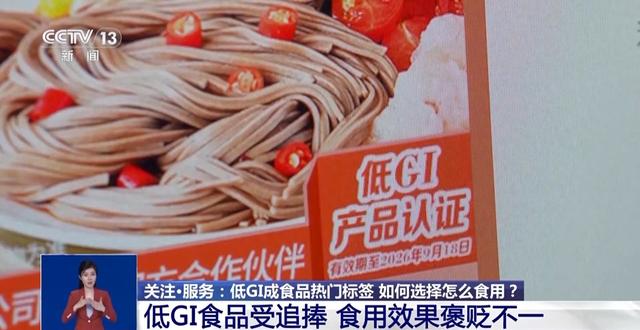
低GI≠健康
Xin Lang Cai Jing· 2025-12-25 17:24
Core Viewpoint - The rising popularity of low GI (glycemic index) foods is driven by consumer perception that they are healthier and can aid in weight management, despite potential nutritional pitfalls [1][3][6]. Group 1: Market Trends - There is an increasing variety of low GI foods available in supermarkets and online platforms, including low GI rice, flour, and even honey, indicating a growing consumer demand [2][3]. - A specific online platform reported that its low GI product sales surged from under 1 million yuan in 2023 to nearly 60 million yuan, highlighting the rapid growth of this market segment [2]. Group 2: Consumer Perceptions - Many consumers equate low GI foods with health benefits, believing they can stabilize blood sugar levels and aid in weight loss, which has led to a surge in interest and consumption [3][5]. - Some consumers, like Yuan Xiaoyan, express a belief that low GI foods allow for greater consumption without the fear of weight gain, further driving demand for these products [3]. Group 3: Nutritional Insights - Despite being labeled as low GI, many of these foods may still contain high levels of calories, fats, and sodium, which can negate their perceived health benefits [4][6]. - For instance, a low GI snack was found to have 2054 kJ of calories per 100 grams, with significant percentages of daily recommended intake for fats and sodium, raising concerns about their overall healthiness [4]. Group 4: Expert Opinions - Health professionals suggest that low GI diets are beneficial primarily for specific groups, such as diabetics or those managing weight, but are not necessary for the general healthy population [5][6]. - Experts emphasize that focusing solely on GI values can lead to neglecting other important nutritional factors, advocating for a balanced diet that prioritizes whole foods over processed low GI options [6][7].
第三届“拼多多杯”科技小院大赛比拼升级 “院士飞行团”深入29个小院实地考核
Huan Qiu Wang· 2025-11-21 04:23
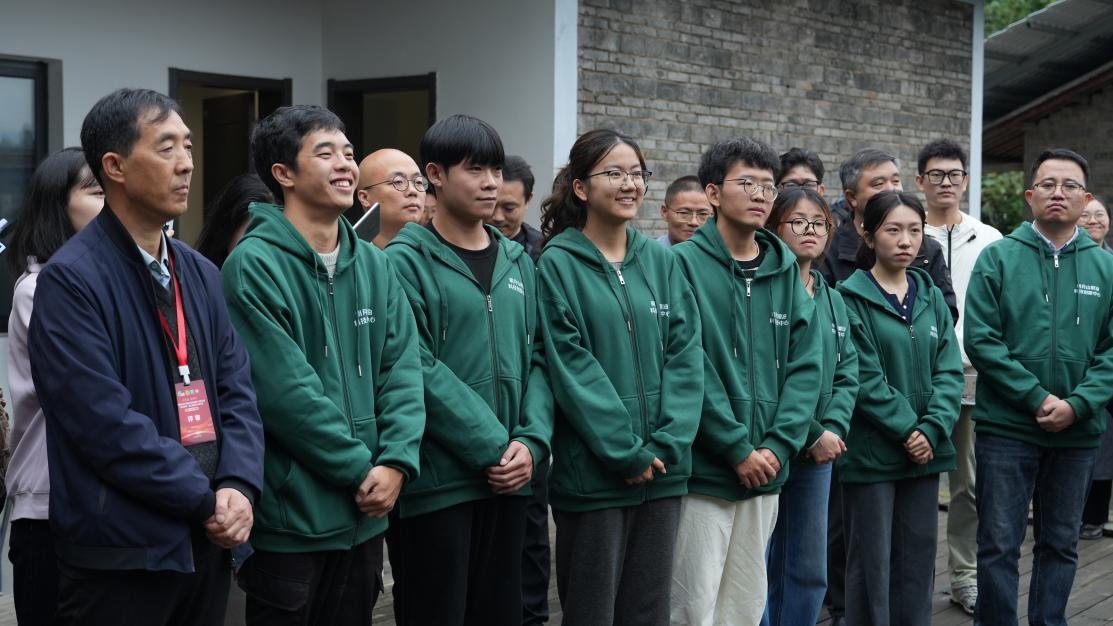
Core Insights - The "Academician Flight Team" is a highlight of the "Pinduoduo Cup" Third National Technology Courtyard Competition, providing valuable suggestions for the sustainable and high-quality development of technology courtyards [2][11] - The competition aims to connect various sectors, including academia, government, and enterprises, to foster innovation and support rural revitalization through technology [12][14] Group 1: Competition Overview - The competition has received applications from 247 technology courtyard project teams, with 29 teams advancing to the on-site evaluation led by academicians [11] - The new competition format includes five tracks: "Technology Promoting Agriculture, Youth Assisting Farmers, Digital Benefits for Farmers, Entrepreneurship Enriching Farmers, and Multi-dimensional Integration" [11] Group 2: Local Agricultural Development - Liangping District in Chongqing, known as the "Bashu Granary," has over 1.03 million acres of high-standard farmland, with rice planting areas exceeding 430,000 acres [4] - The establishment of the Liangping Grain and Oil Technology Courtyard aims to improve rice yield and quality through better seed selection and cultivation practices [4][5] Group 3: Technological Innovations - The technology courtyard has developed a comprehensive green development system for rice production, including the production of low-GI rice using grain structure reorganization technology [5] - In Hainan, the Organic Recycling Technology Courtyard has created a high-temperature aerobic molecular airflow fermentation system, significantly reducing composting time and improving organic fertilizer quality [8][9] Group 4: Economic Impact - The implementation of technology from the technology courtyards has led to increased rice yields, with one cooperative reporting an average yield increase of nearly 20% and a cost reduction of 20% [6] - The organic fertilizer developed by the technology courtyard has shown competitive cost-effectiveness compared to traditional organic fertilizers, encouraging further collaboration with local farmers [9]
金龙鱼(300999) - 2025年11月5日、11月7日投资者关系活动记录表
2025-11-09 12:26
Group 1: Raw Material Procurement and Pricing - The company views South American soybeans as a cheaper procurement option due to higher tariffs on U.S. soybeans compared to Brazilian soybeans [2] - Global soybean production is currently abundant, exceeding China's import demand, influenced by factors such as weather and reserve import needs [2] - The company expects stable packaging material prices due to their low cost proportion and stable oil prices [3] Group 2: Product Development and Market Strategy - The seasoning segment has seen double-digit growth in sales, particularly in the catering channel, with a focus on product quality and leveraging existing distribution channels [2] - The company is committed to increasing R&D and promotion of health products, responding to rising health awareness and government policies [3] - The company has developed various health products, including a balanced oil blend and low GI products, to meet growing market demand [3] Group 3: Financial Performance and Profitability - The company anticipates pressure on soybean crushing profits due to fluctuating import prices influenced by international trade relations [4] - Current net profit margins are affected by structural factors and new project investments, but long-term prospects are positive as these projects mature [6] - The company’s comprehensive business model across the supply chain enhances competitiveness compared to single-product processors [6] Group 4: Strategic Initiatives and Market Position - The company is developing a central kitchen project in Hainan, recognizing the local market potential and favorable trade policies [5] - The company aims to address market competition through continuous product innovation and operational efficiency improvements [8] - The central kitchen business is progressing, with a focus on collaboration rather than direct competition with restaurant operators [9]
“沉浸式”消费升温 看重健康和文化——从第113届糖酒会看消费新趋势
Xin Hua Wang· 2025-10-18 11:58
Core Insights - The 113th National Sugar and Wine Products Trade Fair showcased a rising trend in "immersive" consumption, emphasizing health and cultural values, with participation from over 4,000 companies across 40 countries [1] Group 1: Event Overview - The trade fair took place from October 16 to 18 in Nanjing, featuring a wide range of products including alcoholic beverages, drinks, snacks, and condiments [1] - The event is recognized as one of the largest and most influential professional exhibitions in China's food and beverage industry [1] Group 2: Consumption Trends - There is a notable increase in "immersive" consumption experiences, with various cultural and recreational activities integrated into the event, such as the "Autumn Sugar Season" and city-wide events [2] - The "Autumn Sugar Season" initiative included over 1,000 stores and reached more than 6 million visitors, highlighting the growing consumer engagement [2] Group 3: Health and Cultural Focus - Health consciousness is becoming a consensus in the food industry, with many companies promoting products like sugar-free and low-GI options [4] - Cultural elements are increasingly important in consumer purchasing decisions, with products featuring local cultural designs and packaging [5] Group 4: International Participation - The event attracted numerous international brands from countries like Italy, Russia, South Korea, Japan, and Thailand, showcasing a diverse array of products [6][7] - The growing international presence at the trade fair reflects China's expanding market appeal, with more overseas brands seeking to enter [7]
调研速递|益海嘉里金龙鱼接受东北证券等28家机构调研 精彩要点披露
Xin Lang Cai Jing· 2025-09-16 11:46
Group 1 - The recent investor relations activity of Yihai Kerry Arawana Holdings Co., Ltd. attracted significant attention, with numerous institutions gathering to understand the company's business layout and development trends [1] - The on-site visits took place on September 11 and September 16, 2025, at two locations in Chongqing and Hangzhou, with participation from 28 institutions including Northeast Securities and Haifutong Fund [2] - The company has established 83 production bases nationwide, with a focus on health products and specialized offerings in the flour sector, despite a slight decline in overall flour consumption [3] Group 2 - The Chongqing enterprise group, established in 2009 and operational since 2011, covers approximately 800 acres and includes a soybean crushing facility and an egg-laying chicken farm [3] - The health product line includes low GI rice and plant sterol series products, with the company leveraging its existing product base for upgrades [3] - The egg-laying chicken factory in Chongqing, which began production this year, has a stock of 750,000 hens and focuses on products like antibiotic-free eggs, primarily sold through traditional and local chain supermarkets [3]

金龙鱼(300999) - 2025年9月11日、9月16日投资者关系活动记录表
2025-09-16 11:14
Group 1: Company Overview - The Chongqing enterprise group was established in 2009, officially commenced production in 2011, and began the second phase of construction in 2018, with the second phase starting production in 2020. The area covers approximately 800 acres, including a chicken farm of about 670 acres [1] - The Hangzhou enterprise group is located in Linping District, Hangzhou, covering around 200 acres, involving oil refining, packaging oil production, rice processing, and central kitchen operations [1] - The company has built a total of 83 production bases nationwide [1] Group 2: Health Products and Innovations - The company’s health products are primarily upgrades of existing products, including low GI rice and plant sterol products from the Taizhou factory, and low GI rice varieties from the Langfang central kitchen [2] - Future plans include launching more health-functional products [2] Group 3: Business Growth and Trends - The Chongqing enterprise group's flour business has shown good growth despite a slight decline in overall flour consumption in the industry, attributed to a refined product classification strategy [2] - The central kitchen food park in Chongqing is performing well, with ongoing negotiations for new clients and partnerships with local advantageous companies to enhance competitiveness [2] Group 4: Central Kitchen Operations - The central kitchen's design is standardized, with a height of approximately 8 meters, allowing flexibility to meet diverse production needs of food enterprises [2] - Clients in the central kitchen are responsible for procuring their own equipment, while the company provides raw materials, logistics, and supply chain services [2] Group 5: Egg Production and Sales - The egg production business is advantageous due to low market concentration, utilizing existing feed resources and sales channels, with a focus on high food safety standards [2] - The Chongqing chicken farm has a current stock of 750,000 hens, with sales channels including traditional supermarkets and local chains [2]
中国工程院院士陈君石:一粒米里藏着科技与产业
Shang Hai Zheng Quan Bao· 2025-09-04 19:12
Core Insights - The establishment of the academician workstation in Yixing, Jiangsu, is a significant development for the local economy, particularly benefiting the health grain industry through collaboration with Jiangnan Midao, a company focused on low GI grain research and production [1][2]. Company Overview - Jiangnan Midao, founded in 2018, specializes in low GI (glycemic index) food products and has developed a full industry chain from rice cultivation to market [1][3]. - The company has achieved a significant increase in rice yield, raising it from 500-600 pounds per acre to 1,000 pounds, and has expanded its low GI rice planting area to over 50,000 acres with an annual processing capacity exceeding 7,000 tons [3][4]. Research and Development - The academician workstation aims to bridge the gap in research commercialization, focusing on low GI rice as its primary research subject [4]. - Jiangnan Midao is working on developing rapid testing methods for GI values that do not rely on traditional human testing, addressing a gap in the market for reliable data on low GI foods [4]. Future Plans - The company plans to expand its range of healthy grain products, including low GI barley and low-protein rice suitable for chronic kidney disease patients, to meet diverse health needs [3]. - The focus will be on improving the taste and yield of low GI rice rather than solely reducing the GI value, emphasizing consumer satisfaction [3].
需求升级重塑粮食市场格局
Jing Ji Ri Bao· 2025-08-20 23:11
Core Insights - The grain market is undergoing structural changes driven by consumption upgrades, accelerated urbanization, health demands, and changes in family structure [1][3][4] Group 1: Market Trends - The grain consumption market is evolving into a diverse and personalized landscape, with a shift towards multi-dimensional, individualized, and quality-focused products [2][4] - There is a growing preference for diverse staple foods, including oats, quinoa, and purple rice, with specific products catering to different consumer segments such as diabetics and the elderly [2][3] Group 2: Consumer Behavior - Higher living standards lead to increased willingness among middle and high-income groups to pay a premium for quality grain products [3][4] - The younger generation (Z generation) favors convenient products like instant grain meals, while older consumers prefer easily digestible options [2][3] Group 3: Product Development - The industry is seeing innovations in grain varieties, with research focusing on high-value and functional crops, such as strong gluten wheat and selenium-rich millet [4] - Packaging and marketing strategies are evolving, with a focus on appealing aesthetics and emotional connections through social media engagement [4] Group 4: Pricing and Value - Premium grain products can command a price premium of 30%-50% over standard products, with high-end gift packaging and specialty items achieving even higher premiums [4]