
保租房

Search documents
年轻人住房有了更多选择
经济观察报· 2026-03-04 11:50
Core Viewpoint - The article discusses the challenges faced by urban youth in China regarding housing options, highlighting the expansion of the affordable housing system while emphasizing that it cannot yet replace market-driven housing supply [1][3]. Group 1: Housing Market Dynamics - The urban housing market in China has primarily relied on commercial and second-hand housing to meet the majority of residential needs, but rising prices and income disparities have made it difficult for young people to afford homes [2][3]. - The government has introduced various types of affordable housing, including rental housing aimed at new citizens and young people, to alleviate housing pressure on specific groups [3][17]. Group 2: Case Studies of Urban Youth - Xiaoying, a young professional in Shenzhen, purchased an affordable housing unit after years of renting, highlighting the financial relief it provided compared to market prices [2][5]. - Guowei, a recent graduate in Beijing, opted for a rental apartment in a co-living arrangement, which, while more expensive than his previous shared living situation, offered better amenities and reduced commuting time [9][10]. - Aimee, working in Shanghai, initially lived in company-provided housing but later purchased a home in the suburbs, reflecting the growing necessity for homeownership among young professionals [13][14]. Group 3: Government Policies and Initiatives - The government has implemented policies to increase the supply of affordable housing, with significant growth in rental housing projects in major cities like Beijing and Shanghai [11][18]. - The introduction of the "Guiding Opinions on Planning and Construction of Affordable Housing" aims to establish a system for shared ownership housing, targeting wage earners and new citizens [17][19]. Group 4: Financial Implications - Xiaoying's experience illustrates the financial advantages of affordable housing, with her monthly mortgage significantly lower than that of market-rate homes, allowing her family to manage financial stress better [5][7]. - Guowei's financial situation reflects the challenges of urban living, where high rental costs consume a large portion of his income, necessitating parental support [10][11]. - Aimee's potential home sale indicates the financial risks associated with property ownership, as she anticipates a loss if she sells her current home to upgrade [15].

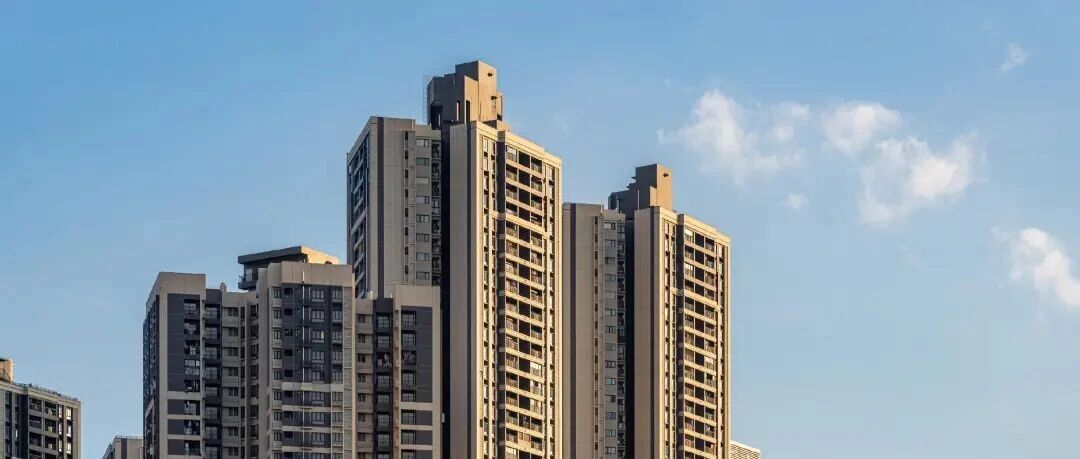
泰安|1.6万户家庭住上公租房 泰安健全住房保障体系,让安居梦照进现实
Da Zhong Ri Bao· 2026-02-27 01:08
Core Viewpoint - The recent revision of the housing security policy in Tai'an aims to enhance the public rental housing system, addressing the urgent housing needs of residents and improving their living conditions [1][2]. Group 1: Policy Revision and Objectives - The revised implementation opinion focuses on optimizing the scope of public rental housing, improving the management mechanism for affordable rental housing, and enhancing the supply system for affordable housing [1][2]. - The policy revision is a response to the changing demands of urban development and aims to improve the efficiency of public rental housing resources and management processes [2]. Group 2: Key Measures and Changes - The new policy includes significant adjustments such as raising the per capita housing area standard from 12 square meters to 15 square meters and increasing the income ceiling for middle and lower-income families to the previous year's average disposable income level [2][3]. - The policy eliminates asset restrictions for applicants, allowing more individuals facing housing difficulties to apply without the burden of financial asset limitations [2]. Group 3: Market Activation and Management - The policy aims to activate the affordable rental housing market by removing the construction area cap for new dormitory-type rental housing, thereby increasing market supply potential [3]. - A comprehensive management approach is established, ensuring strict oversight throughout the project lifecycle, including entry, construction, operation, and exit phases [3]. Group 4: Future Implementation and Goals - The city plans to enhance public awareness of the new policy, refine supporting measures, and strengthen oversight to ensure that the benefits reach the grassroots level and improve residents' lives [4]. - The initiative is part of a broader effort to promote the rule of law in housing security, ensuring fair distribution and efficient use of housing resources for the community [4].
多地收购二手房作保租房,“老破小”有救了?
Sou Hu Cai Jing· 2026-02-14 00:48
Core Viewpoint - The recent initiative by local governments in cities like Shanghai, Jinan, Hangzhou, and Chongqing to purchase second-hand homes for use as rental housing signals a shift in policy aimed at revitalizing the housing market and addressing the challenges faced by homeowners looking to upgrade their properties [1][2]. Group 1: Government Actions - Local governments are focusing on acquiring second-hand homes, particularly those that are older, smaller, and located in desirable areas, to convert them into affordable rental housing [1][2]. - In Shanghai, specific criteria have been established for the types of properties eligible for purchase, including those built before 2000, with a maximum price of 4 million yuan and a size of less than 70 square meters [1]. Group 2: Market Implications - The government's intervention is seen as a way to facilitate the "old for new" housing policy, which aims to improve the liquidity of the second-hand housing market and stimulate new home sales [2]. - Concerns about potential price suppression in the second-hand market due to government purchases are considered overstated, as the government will not force purchases and will operate under similar conditions as regular transactions [2]. Group 3: Challenges and Considerations - The acquisition of second-hand homes presents more complexities compared to purchasing new developments, as it involves negotiating with individual homeowners, which increases time and resource costs [3]. - The variability in pricing based on location, type, and age of the properties complicates the valuation process for the government, which currently lacks detailed guidelines for these transactions [6]. - Financial constraints may limit the ability of local governments to fund these purchases, especially in smaller cities where the second-hand market is less active [7].
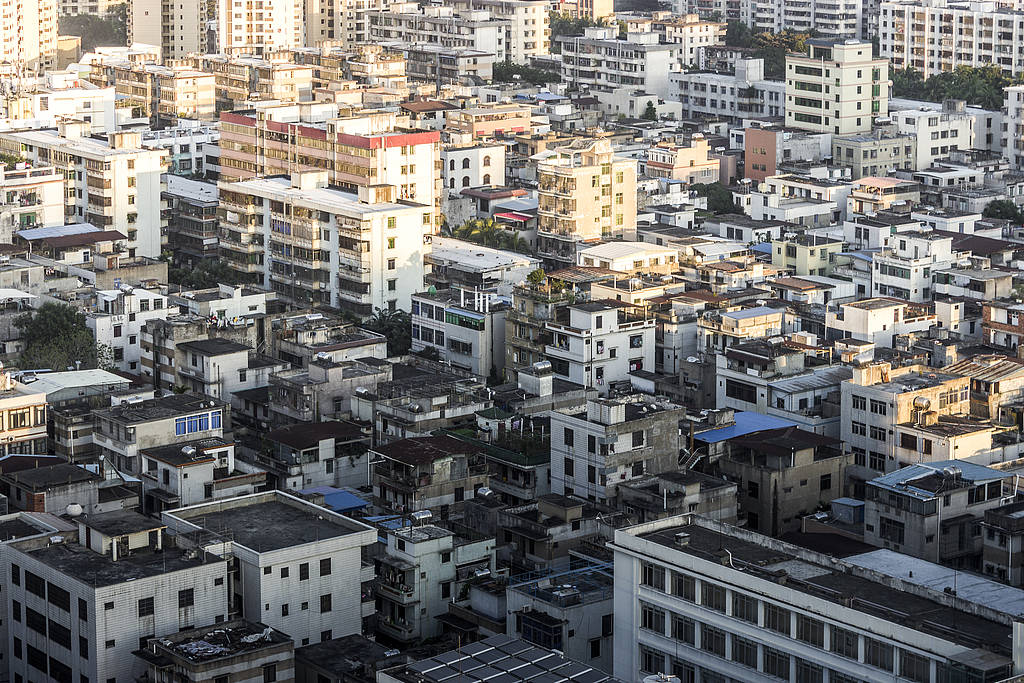
上海官宣收购二手房做保租房,三大核心区先行
Di Yi Cai Jing· 2026-02-02 09:56
Core Insights - The Shanghai second-hand housing market has seen transaction volumes exceed 22,000 units for three consecutive months without new policy stimuli, indicating a shift in market dynamics [1][2] - A new approach of "using existing stock to supplement guarantees" is emerging, enhancing liquidity and expectations in the Shanghai real estate market [1] Group 1: Market Activity - The first batch of second-hand housing acquisitions for rental housing projects has been signed, supported by China Construction Bank, targeting new citizens, young people, and university graduates [1][2] - Three districts, namely Pudong New Area, Jing'an District, and Xuhui District, will serve as pilot areas for this initiative, focusing on properties with good locations, clear ownership, and strong willingness from owners to sell [1][2] Group 2: Market Trends - The Shanghai second-hand housing market has shown signs of stabilization, with January transactions reaching approximately 22,000 units, a 25% increase year-on-year [2] - The market has experienced a "stop falling" signal in transaction prices, with a continuous two-month halt in the downward trend, indicating a release of pent-up demand [2] - Over 80% of clients can complete transactions within 90 days, reflecting a decrease in market hesitation [2] Group 3: Expert Opinions - Analysts believe that the acquisition of second-hand homes for rental purposes will not only enhance the housing security system but also positively impact overall market liquidity [2][3] - The purchase of second-hand homes will allow sellers to enter the upgrade housing market, maintaining overall market vitality and promoting sustained purchasing power [3]

传统“二房东”模式退场 2026住房租赁企业发展将显著分化
Sou Hu Cai Jing· 2026-01-28 15:21
Core Insights - The report emphasizes the shift in the housing rental market from incremental growth to a focus on existing stock and quality development, driven by government policies aimed at stabilizing the real estate market and enhancing housing quality [2][4]. Policy Developments - Central and local governments are focusing on policy guidance, financial and tax measures, revitalizing existing stock, and ensuring rights protection to promote the housing rental market [2][3]. - Key policies include encouraging the acquisition of existing commercial housing for use as affordable housing and implementing tax incentives for public rental housing [3][4]. Market Dynamics - The housing rental market is transitioning towards a model that prioritizes quality and professional management, with government initiatives aimed at increasing supply and optimizing the housing structure [2][5]. - The report notes a significant increase in the number of rental projects, with sample enterprises recording over 115,000 units opened, indicating a trend towards differentiation and specialization in the market [7][12]. Company Performance - Leading rental companies are adopting a light-asset model, focusing on management and operational efficiency, which has led to stable profitability for some firms, such as Lingyu, which reported a compound growth rate of 214% [9][13]. - Major players like Vanke and Longfor have opened over 10,000 units each, solidifying their positions in the market [7][12]. Regional Focus - The report highlights that cities like Shanghai and Shenzhen are intensifying their efforts in affordable housing construction, with Shanghai's "15th Five-Year Plan" emphasizing a dual approach of rental and purchase to meet diverse housing needs [5][6]. - New projects are being launched in key urban areas, particularly in the Yangtze River Delta, which accounts for 50% of new openings, reflecting a strategic focus on high-demand regions [16][17].



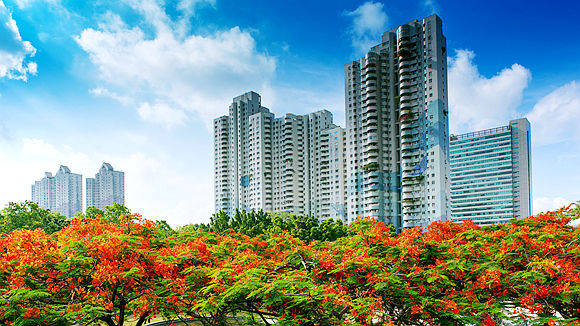
投资客买入一二线老破小收租金有坑吗?
集思录· 2025-12-19 08:30
Core Viewpoint - The article discusses the challenges and risks associated with investing in older, low-cost rental properties in the context of the rising availability of new public rental housing in Shanghai, which is significantly impacting the rental market and investor sentiment [2][6]. Group 1: Market Dynamics - A significant number of public rental housing units, approximately 600,000, are being introduced by state-owned enterprises in Shanghai, which is creating intense competition for older rental properties [2][6]. - Young renters prefer new, well-maintained rental properties with amenities, leading to a decline in demand for older, dilapidated units [2][6]. - The rental yield from older properties is expected to decrease as new public rental options offer better living conditions and financial incentives, such as the ability to use housing funds to offset rent [2][6]. Group 2: Investment Risks - The potential for a progressive property tax could further complicate the investment landscape for older rental properties [2]. - The expectation of property redevelopment or demolition is becoming less reliable, as government initiatives focus on renovating existing neighborhoods rather than large-scale demolitions [4]. - Investors are cautioned against relying on speculative gains from property appreciation without concrete information regarding redevelopment plans [4]. Group 3: Investor Sentiment - Many investors are drawn to the idea of rental income but may not fully understand the complexities of the market, leading to misguided expectations [5]. - The article emphasizes the importance of clarity in investment goals, whether for capital appreciation or cash flow, to avoid confusion and poor decision-making [4]. - The sentiment among investors reflects a tendency to overlook the risks associated with older properties, especially in light of the changing rental landscape [3][7].

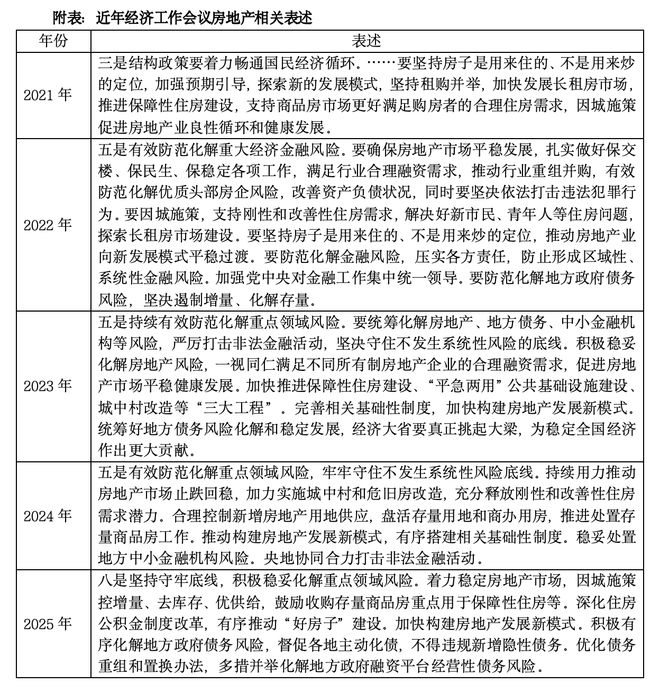
2026年房地产怎么干?中央经济工作会议定调
Nan Fang Du Shi Bao· 2025-12-12 03:32
Core Viewpoint - The central economic work conference held on December 10-11, 2023, emphasized stabilizing the real estate market and implementing policies to mitigate risks while promoting a new development model for the sector [1][2]. Group 1: Stabilizing the Real Estate Market - The conference highlighted the need to stabilize the real estate market through city-specific policies aimed at controlling new supply, reducing inventory, and optimizing supply [1][5]. - The focus on "going inventory" is critical, with the national inventory cycle reaching a historical high of 27.4 months as of November, indicating significant pressure to reduce stock [5]. - Current unsold new housing area has reached 7.56 billion square meters, an increase from 7.30 billion square meters year-on-year, underscoring the need for effective inventory management [5][6]. Group 2: Risk Management - The conference reiterated the importance of risk management in the real estate sector, with a focus on preventing significant price declines and ensuring developers maintain sales and cash flow [4][3]. - The need to address existing corporate risks and the potential for new debt risks among leading companies was emphasized, indicating ongoing concerns about the industry's stability [3][4]. Group 3: Housing Fund Reform - The conference called for accelerated reforms of the housing provident fund system to address low loan rates in some cities and to support a rental-purchase model [7]. - Since 2025, over 260 housing provident fund policies have been introduced nationwide, with expectations for further reforms in 2026, including increased loan limits and more flexible usage [7]. Group 4: New Development Model - The need to construct a new development model for real estate was highlighted, moving away from traditional stimulus measures towards a focus on long-term stability and demand-supply balance [8][9]. - The shift in policy direction reflects a recognition that the previous model is unsustainable, necessitating a comprehensive approach to stabilize the market through innovative supply and demand strategies [9].
中指研究院:1-11月百城新房价格累计上涨2.29%,涨幅较2024年同期持平
Cai Jing Wang· 2025-12-11 10:59
Core Insights - The overall real estate market in China is expected to continue its adjustment trend in 2025, with new home sales weakening and the second-hand market relying on price adjustments to stimulate volume [1][2]. Market Overview - From January to November 2025, new home prices in 100 cities increased by 2.29%, remaining stable compared to the same period in 2024. In contrast, second-hand home prices fell by 7.46% during the same period, indicating ongoing pressure on prices [2]. - The land supply strategy has shifted to "reducing quantity while improving quality," with residential land transaction area in 300 cities decreasing by 15.8% year-on-year and land transfer fees dropping by 6% [2]. - The top 20 cities accounted for 57% of the total land transfer fees, with state-owned enterprises being the primary players in land acquisition [2]. Policy and Supply Optimization - The "14th Five-Year Plan" emphasizes promoting high-quality development in real estate, with policies aimed at stabilizing expectations, activating demand, and optimizing supply [4]. - The government is expected to continue optimizing restrictive policies in major cities and reduce housing costs through measures such as lowering mortgage rates and increasing tax deductions for mortgage interest [4]. Rental Market Insights - In 2025, the housing rental market saw a decline in average rents, with a 3.04% drop in rental prices across 50 key cities from January to November [7]. - The implementation of the "Housing Rental Regulations" marks a new phase of industry regulation, with over 150 housing rental policies introduced by local governments in 2025 [6]. Industry Trends and Challenges - The property management sector is experiencing a slowdown, with revenue growth for listed companies dropping from over 40% in 2021 to less than 4% currently, indicating a shift from a focus on scale to prioritizing quality and efficiency [8][10]. - The industry is facing a "revenue growth without profit" situation, necessitating optimization of pricing mechanisms and innovation to achieve sustainable development [12]. Future Outlook - The real estate market is expected to see a 6.2% decline in new residential sales area in 2026, with a continued focus on quality over quantity in supply [5]. - The rental housing market is projected to stabilize as supply shifts from large-scale construction to demand-driven development, enhancing the quality of rental properties [8].
深圳城中村房租降20%,CBD业主也减租
3 6 Ke· 2025-12-07 22:37
Core Insights - The rental market in Shenzhen is experiencing a seasonal downturn, with a notable decrease in transaction volume and rental prices, indicating a shift in market dynamics [1][10]. Rental Market Trends - The rental transaction volume in Shenzhen has declined for three consecutive months, with an 8.2% decrease in November compared to the previous month, and the average transaction cycle has extended to 67 days [1][10]. - Average rental prices for commercial housing in Shenzhen fell to 74.5 yuan per square meter in November, a slight decrease of 0.3% month-on-month [1][10]. - In specific areas like the urban village of Bantian, rental prices have decreased by approximately 20%, with previously rented units now available for around 1200 yuan per month [5][10]. Market Segmentation - The rental market shows significant segmentation, with high-end properties in areas like the CBD maintaining stable prices, while urban villages experience more pronounced declines [3][7]. - In the CBD, properties such as Huangpu Yuyuan have seen a slight increase in negotiation space, with some units renting for around 11,000 yuan per month, reflecting a flexible pricing strategy among landlords [8][10]. Tenant Dynamics - Tenants are gaining more negotiating power in the current market, with many landlords adjusting prices and offering incentives to attract renters [9][10]. - The average negotiation rate has increased to 7.2%, indicating that tenants are successfully negotiating lower rents [10]. Government Initiatives - The government is actively working to increase the supply of affordable rental housing, with plans to convert underutilized commercial properties into affordable rental units [14]. - By the end of 2024, the proportion of affordable rental housing in Shenzhen is expected to reach 39%, second only to Shanghai among major cities [10][12]. Future Outlook - The rental market is undergoing structural adjustments, with a mix of declining prices in urban villages and stable demand for high-quality properties, suggesting a reconfiguration of tenant preferences and housing supply [14].
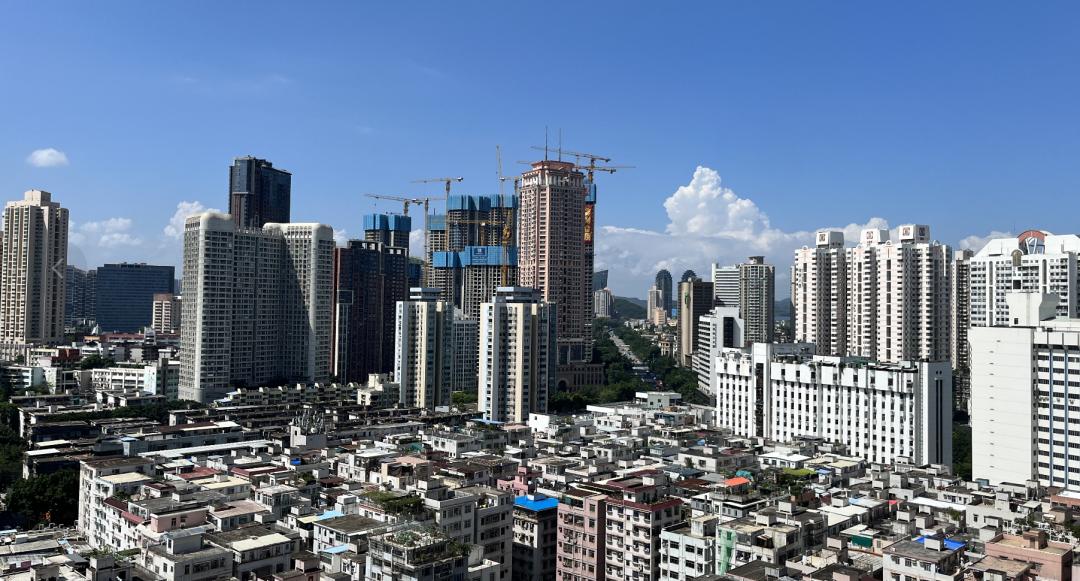
各地积极推进保障性住房相关工作
Zheng Quan Ri Bao· 2025-11-12 16:24
Group 1 - The core viewpoint of the articles emphasizes the ongoing efforts and plans by various cities in China to enhance the supply of affordable housing, particularly in the context of the "14th Five-Year Plan" and the upcoming "15th Five-Year Plan" [1][2][3] - Beijing's recent notification outlines a plan for the construction of 17 new affordable housing projects, totaling 19,800 units, along with 2,400 units from collected projects and 8,100 units from completed projects, which include public rental housing, guaranteed rental housing, and various resettlement housing projects [1] - Other cities, such as Guangzhou, are also making progress in affordable housing initiatives, with projects entering selection phases, indicating a broader trend of increasing affordable housing supply across the country [1][2] Group 2 - The "14th Five-Year Plan" has seen significant achievements in affordable housing development, with Chongqing constructing 583,000 public rental housing units and collecting 300,000 guaranteed rental housing units, breaking household registration restrictions to provide support for various housing-challenged groups [2] - The Ministry of Housing and Urban-Rural Development emphasizes the need for a combination of monetary and physical approaches to increase the supply of affordable housing, focusing on meeting the basic housing needs of urban wage earners and various struggling families [2] - Non-residential property conversions are being utilized to increase the supply of affordable housing, with projects in Beijing and Shenzhen focusing on transforming existing non-residential buildings into rental housing, which is seen as a beneficial approach to address housing supply and demand mismatches [3]