
充换电基础设施

Search documents
从“十四五”到“十五五” 我国新能源将实现更高质量跃升式发展
Yang Shi Wang· 2025-12-16 02:26
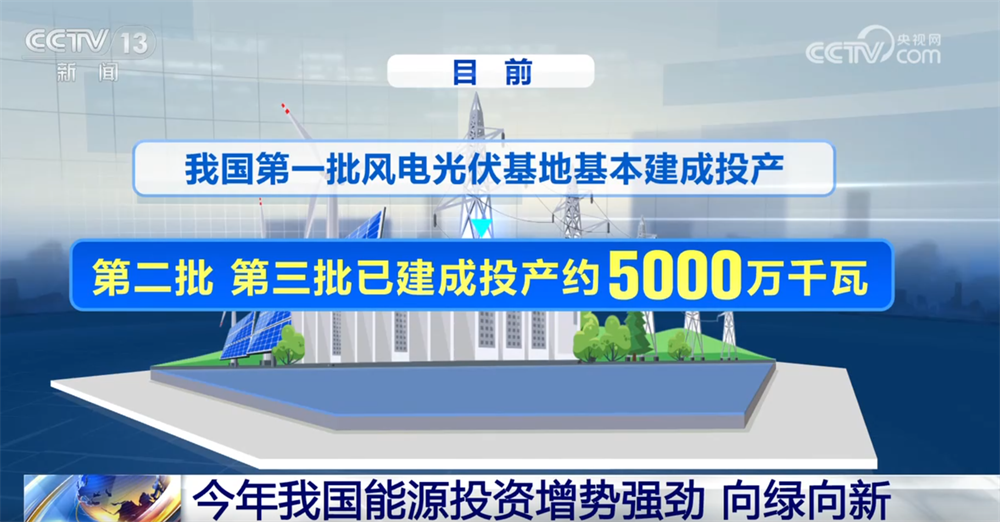
Group 1 - The core objective of China's energy strategy is to increase the proportion of non-fossil energy in total energy consumption to around 20% by the end of 2025, a target that is expected to be exceeded [1] - In 2023, China's energy investment is projected to reach 3.54 trillion yuan, an 11% increase year-on-year, with strong investments in nuclear power, onshore wind, and distributed solar energy [1] - The first batch of wind and solar power bases has been completed, with an expected addition of 370 million kilowatts of installed capacity for wind and solar energy in 2023, accounting for approximately 22% of total electricity consumption [4] Group 2 - By the end of the 14th Five-Year Plan in 2030, the proportion of renewable energy in installed power generation capacity is expected to exceed 50%, establishing a new energy system [5] - The energy sector is anticipated to undergo significant historical changes, with coal and oil consumption reaching peak levels, and the growth in energy and electricity demand primarily met by non-fossil energy sources [7] - During the 14th Five-Year Plan period, China will enhance the construction of new energy infrastructure, optimize the layout of energy resources, and ensure coal supply while increasing oil and gas production capabilities [9] Group 3 - The country aims to promote higher quality development of clean energy, emphasizing a multi-energy approach including wind, solar, hydro, and nuclear power, while accelerating the construction of smart grids [11] - A minimum consumption target for renewable energy will be implemented, alongside efforts to strengthen the synergy between industrial transfer and clean energy development [11]


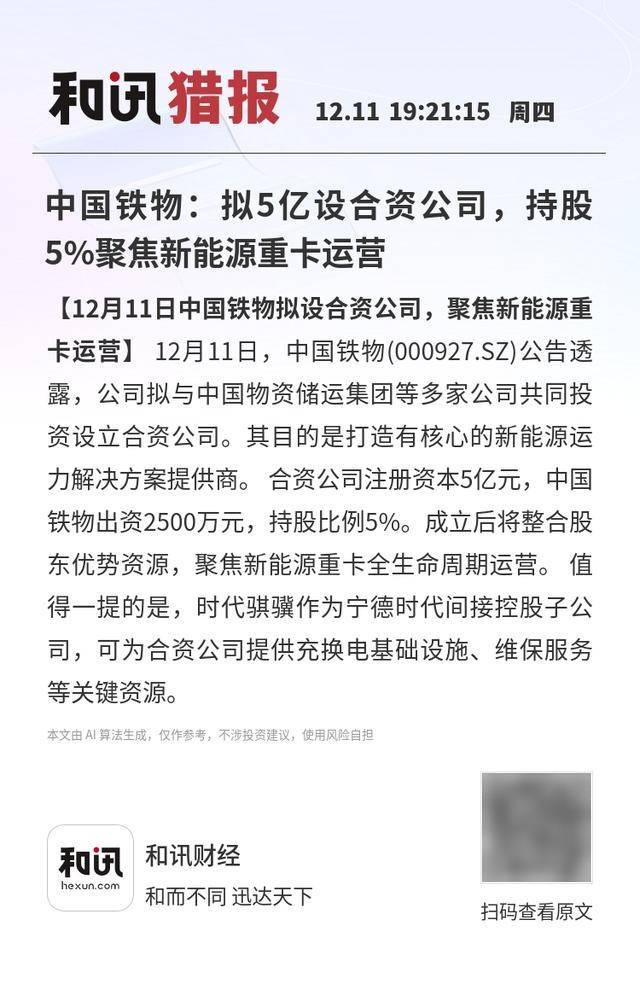
中国铁物:拟5亿设合资公司,持股5%聚焦新能源重卡运营
Sou Hu Cai Jing· 2025-12-11 12:05
Group 1 - The company China Railway Materials (000927.SZ) announced plans to establish a joint venture focused on new energy heavy truck operations, in collaboration with China Materials Storage and Transportation Group and other companies [1][2] - The registered capital of the joint venture is set at 500 million yuan, with China Railway Materials contributing 25 million yuan, resulting in a 5% ownership stake [1][2] - The joint venture aims to integrate the advantages of its shareholders' resources and focus on the full lifecycle operation of new energy heavy trucks [1][2] Group 2 - Times Qi Ji, a subsidiary indirectly controlled by CATL, will provide essential resources such as charging and swapping infrastructure, as well as maintenance services for the joint venture [1][2]

中国铁物:拟与时代骐骥等共同投资设立合资公司 聚焦新能源重卡全生命周期运营
Ge Long Hui A P P· 2025-12-11 11:17
Group 1 - The core point of the article is that China Iron Logistics (000927.SZ) plans to establish a joint venture with several companies to create a competitive provider of new energy transportation solutions [1] - The registered capital of the joint venture is 500 million yuan, with China Iron Logistics contributing 25 million yuan, holding a 5% stake [1] - The joint venture will focus on integrating the advantages of its partners' resources and will concentrate on the full lifecycle operation of new energy heavy trucks [1] Group 2 - Times Qi Ji, a subsidiary of CATL, will provide essential resources such as charging and swapping infrastructure and maintenance services for the joint venture [1]
高质量完成“十四五”规划|“十四五”以来我国能源工业投资年均增速超16%
Xin Hua She· 2025-08-26 09:26
Core Insights - The average annual growth rate of energy industry investment in China has exceeded 16% since the start of the 14th Five-Year Plan, with investment in electricity and heat production and supply exceeding 20%, serving as a strong engine for stable growth [1] Investment Trends - In 2024, the investment in key renewable energy projects is expected to account for over 80% of total power investment, with investments in new energy storage, charging and swapping infrastructure, hydrogen energy, and integrated source-grid-load-storage projects nearing 200 billion yuan [1] - Renewable energy investment has become the dominant force in power investment, indicating a favorable investment structure that significantly supports the development of new productive forces [1] Private Sector Participation - The vitality of energy investment is strong, with private enterprises maintaining double-digit annual growth in investment in key energy projects. In the first four batches of major technological equipment research and development in the energy sector, half of the projects involved private enterprises [1] - Private enterprises account for over 85% of investment in electricity facility construction, with an annual growth rate exceeding 15%. Additionally, over 80% of large-scale charging operation service providers are private enterprises [1] - In the first half of this year, 10 private enterprises participated in 5 nuclear power projects, each holding over 10% of the shares, with the highest holding reaching 20% [1]
每5辆电动车就有2个充电桩!
Zheng Quan Ri Bao Wang· 2025-08-26 04:27
Core Insights - The "14th Five-Year Plan" period has seen significant achievements in high-quality energy development in China, providing a model for global energy transition [1] - The energy supply has become more robust, with a focus on green and low-carbon transformation, technological innovation, and deepening reforms [1] Energy Consumption and Production - During the first four years of the "14th Five-Year Plan," China's energy consumption increase reached 1.5 times that of the entire "13th Five-Year Plan" period, with projected new electricity consumption exceeding the annual consumption of the EU [5] - By 2024, national electricity generation is expected to surpass 10 trillion kilowatt-hours, accounting for one-third of global production, with total energy production equivalent to approximately 5 billion tons of standard coal, representing over one-fifth of global supply [5] Investment Trends - Energy investment has shown rapid growth, with annual investments exceeding 4 trillion, 5 trillion, and 6 trillion yuan, making up nearly 10% of total fixed asset investment in society [6] - The average annual growth rate of energy industrial investment has exceeded 16%, particularly in electricity and heat production, which has seen growth rates over 20% [6] Structural Improvements - Renewable energy investments have become the dominant force in power investments, with over 80% of key renewable energy projects' investments expected to be completed in 2024 [6] - New energy business investments, including energy storage and hydrogen energy, are projected to reach nearly 200 billion yuan, becoming new growth points in energy investment [6] Role of Private Sector - The private sector has been encouraged to participate in energy projects, with private enterprises maintaining double-digit growth in annual investments [7] - Over 85% of electricity infrastructure construction involves private enterprises, with significant participation in nuclear power projects as well [7]
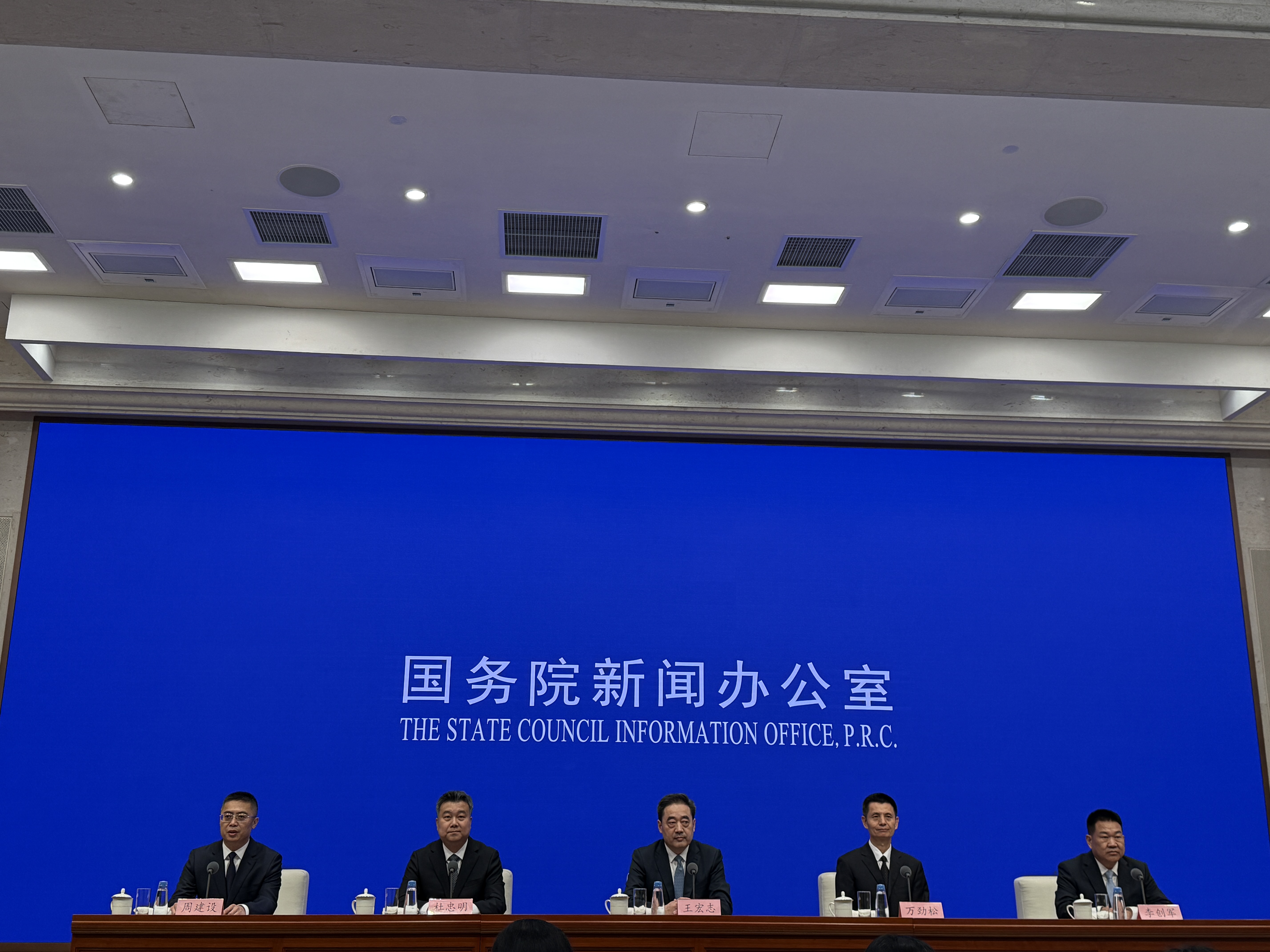
国家能源局:新型储能规模跃居世界第一!智能微电网/虚拟电厂/车网互动规模化应用试点加快推进
中关村储能产业技术联盟· 2025-08-26 03:58
Core Viewpoint - The "14th Five-Year Plan" period marks significant achievements in energy development, focusing on high-quality growth, technological innovation, and the transition to a green and low-carbon energy system [4][11][15]. Group 1: Energy Supply and Demand - During the "14th Five-Year Plan," China's energy consumption growth reached 1.5 times that of the previous five years, with projected new electricity consumption exceeding the annual consumption of the EU [12]. - The total electricity generation in 2024 is expected to surpass 10 trillion kilowatt-hours, accounting for one-third of global production [12]. - The energy supply system has been optimized, with a robust infrastructure network supporting energy distribution across regions [12][13]. Group 2: Green and Low-Carbon Transition - The share of renewable energy in total installed capacity increased from 40% to approximately 60%, with annual additions of wind and solar capacity breaking records [14]. - Non-fossil energy consumption is projected to exceed the "14th Five-Year Plan" target of 20%, with coal's share decreasing by 1 percentage point annually [14]. - China's exports of wind and solar products during this period contributed to a reduction of approximately 4.1 billion tons of carbon emissions in other countries [14]. Group 3: Technological Innovation - The period has seen breakthroughs in energy technology, with China leading in renewable energy patents, accounting for over 40% of global patents [4][15]. - New energy storage capacity has grown nearly 30 times, with installed capacity reaching approximately 95 million kilowatts [5][39]. - The development of smart microgrids and virtual power plants has accelerated, integrating energy with industrial and transportation sectors [5][15]. Group 4: Energy Market Reform - The establishment of a unified national electricity market has progressed, with market transaction volumes increasing from 10.7 trillion kilowatt-hours to 23.8 trillion kilowatt-hours [5][22]. - The number of registered market participants has surged to 970,000, five times that of 2020, indicating a vibrant market environment [16]. - The participation of private enterprises in the energy sector has increased significantly, with over 85% of power facility construction involving private companies [31][32]. Group 5: Investment Trends - Energy investment has shown robust growth, with annual investments exceeding 6 trillion yuan, accounting for nearly 10% of total fixed asset investment [30]. - Renewable energy projects accounted for over 80% of power investment in 2024, highlighting a shift towards sustainable energy sources [31]. - Investment in new energy sectors such as hydrogen and energy storage is becoming a new growth point, with nearly 200 billion yuan allocated in 2024 [5][31]. Group 6: International Cooperation - China has strengthened energy cooperation under the Belt and Road Initiative, signing agreements with over 10 countries to enhance green energy development [33][34]. - Collaborative projects in renewable energy have significantly reduced the cost of wind and solar power globally, contributing to a more sustainable energy landscape [34]. - China is actively participating in global energy governance, focusing on energy security, transition, and climate change [35].
为消费提质升级绘制清晰路径 宁夏实施优化消费环境三年行动
Zhong Guo Chan Ye Jing Ji Xin Xi Wang· 2025-08-15 01:17
Core Insights - The article discusses the implementation of the "Three-Year Action Plan for Optimizing the Consumption Environment (2025-2027)" by the Ningxia Autonomous Region, aiming to enhance consumer experience and address pain points in the consumption sector [1][2]. Group 1: Key Actions and Objectives - The plan includes five major actions and 31 specific tasks targeting consumer safety, quality, and experience upgrades, establishing a clear path for consumption enhancement [1]. - It emphasizes the integration of consumption upgrades with supply-side structural reforms, leveraging existing national "Three Products" strategic demonstration cities to cultivate local quality brands [1][2]. - The plan aims to balance short-term consumption stimulation with long-term transformation through policies like new purchase subsidies in sectors such as automotive and home appliances, alongside initiatives for waste classification and resource recycling [1]. Group 2: Rural Consumption and Logistics - The plan proposes innovative service models like "Hundred Supply Pass" to bridge the urban-rural consumption gap, targeting the establishment of 180 new "Hundred Supply Pass" outlets and over 150 integrated routes by 2027 [1]. - A goal of achieving 80% coverage of comprehensive logistics service stations in administrative villages is set to facilitate rural consumption [1]. Group 3: Consumer Safety and Market Regulation - The plan outlines the construction of a comprehensive consumer protection network, emphasizing strict food and drug safety regulations and enhanced oversight of key agricultural products [2]. - It aims to address market transaction environments by targeting unfair practices in sectors like training, fitness, tourism, and elderly care, while promoting transparency in pricing through mechanisms like the "price commitment system" in the restaurant industry [2]. Group 4: Consumer Rights and Dispute Resolution - The plan seeks to improve consumer rights protection by encouraging large enterprises to establish dispute resolution systems and promoting no-reason return policies in physical stores, with a target of over 300 such units by 2027 [3]. - Mechanisms like "litigation mediation" and "shared courts" are introduced to lower the barriers for consumer rights protection, while a consumer environment index will be developed to quantify consumer satisfaction [3].
人民日报丨在建和年内计划开工的能源重点项目上半年完成投资额同比增长21.6%
国家能源局· 2025-08-12 09:31
Core Insights - The total investment in key energy projects in China exceeded 1.5 trillion yuan in the first half of the year, marking a year-on-year increase of 21.6% [3] - Investment in renewable energy generation continues to grow rapidly, with significant increases in onshore wind and solar energy investments [3] - Private enterprises are increasingly investing in the energy sector, with a year-on-year growth of 27.8% in investment [3] Investment Growth - Investment in renewable energy generation saw substantial growth, with onshore wind investment in Guangxi and Xinjiang doubling compared to the same period last year [3] - Centralized solar power investment increased by 24.5%, while distributed solar power investment grew by over 70% [3] - Investment in solar thermal power nearly doubled compared to last year [3] Power Supply Investment - Investment in coal and nuclear power sectors maintained rapid growth, with key coal power projects in East China, Central China, and Western Inner Mongolia being completed [3] - Investments in power grids and pumped storage also showed steady growth [3] New Energy Investment - Investment in hydrogen energy projects doubled in the first half of the year, with multiple green hydrogen projects in Jilin accelerating [3] - Investment in charging and swapping infrastructure grew by nearly 70% [3] - New energy storage and integrated source-grid-load-storage projects saw investment growth of over 30% [3] Private Sector Involvement - Private enterprises completed investments in the energy sector with a year-on-year increase of 27.8% [3] - Investments in distributed solar and onshore wind by private companies grew by over 40% [3] - Investment in charging and swapping infrastructure and centralized solar power by private enterprises increased by around 15% [3]
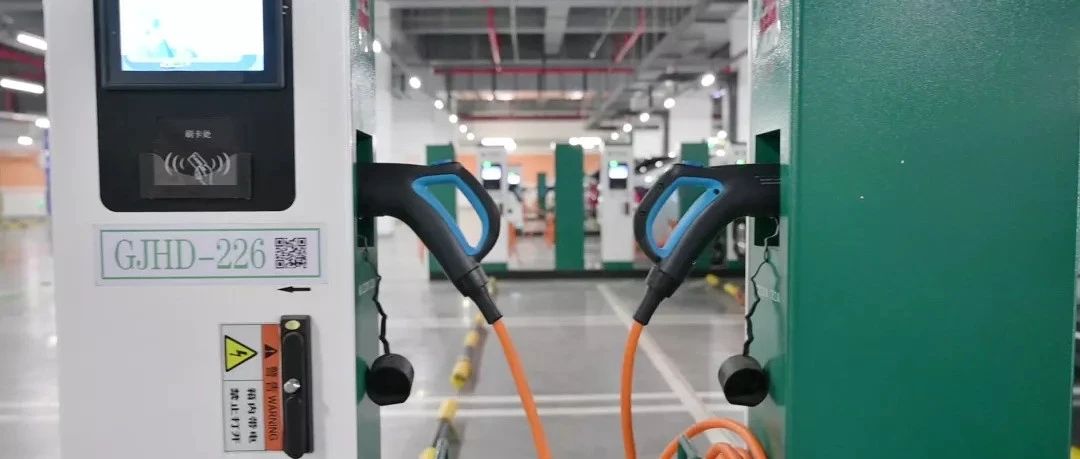
我国在建和年内计划开工的能源重点项目上半年完成投资额同比增长21.6%
Ren Min Wang· 2025-08-12 06:10
Core Insights - The total investment in key energy projects in China for the first half of the year exceeded 1.5 trillion yuan, marking a year-on-year increase of 21.6% [1] - Investment in renewable energy generation continues to grow rapidly, with significant increases in onshore wind and solar power investments [1] - Private enterprises are showing a notable increase in investment within the energy sector, particularly in distributed solar and onshore wind projects [1] Investment Growth - Investment in key energy projects reached over 1.5 trillion yuan, with growth rates exceeding 20% across eastern, central, and western regions [1] - New energy investment is increasingly focused on green and innovative projects [1] Renewable Energy Investment - Onshore wind investment in Guangxi and Xinjiang doubled compared to the same period last year [1] - Centralized solar power investment grew by 24.5%, while distributed solar power investment surged by over 70% [1] - Investment in solar thermal power nearly doubled year-on-year [1] Power Supply Investment - Investments in coal and nuclear power sectors maintained rapid growth, with key coal power projects in East China, Central China, and Western Inner Mongolia being completed [1] - Investments in power grids and pumped storage also showed steady growth [1] Emerging Energy Investments - Investment in hydrogen energy projects doubled, with multiple green hydrogen projects in Jilin accelerating [1] - Investment in charging and swapping infrastructure increased by nearly 70% [1] - New energy storage and integrated source-grid-load-storage projects saw investment growth exceeding 30% [1] Private Sector Investment - Private enterprises' investment in the energy sector grew by 27.8% year-on-year [1] - Investments in distributed solar and onshore wind projects by private companies increased by over 40% [1] - Investment in charging and swapping infrastructure and centralized solar projects by private enterprises grew by approximately 15% [1]
在建和年内计划开工的能源重点项目上半年完成投资额同比增长21.6%
Ren Min Ri Bao· 2025-08-11 21:42
Group 1 - The core viewpoint of the articles highlights significant growth in energy investment in China, with over 1.5 trillion yuan invested in key energy projects in the first half of the year, marking a year-on-year increase of 21.6% [1][2] - Investment in renewable energy generation has seen rapid growth, with land-based wind power investments in Guangxi and Xinjiang doubling compared to the same period last year. Centralized photovoltaic investments increased by 24.5%, while distributed photovoltaic investments surged by over 70% [1] - Investment in power supply security continues to expand, with coal and nuclear power sectors maintaining robust growth. Key coal power projects in East China, Central China, and Western Inner Mongolia have been completed and put into operation [1] Group 2 - Investment in new energy sectors is accelerating, with hydrogen energy project investments doubling in the first half of the year. Multiple green hydrogen projects in Jilin are progressing rapidly [1] - The investment in charging and swapping infrastructure has increased by nearly 70% year-on-year, while new energy storage and integrated source-grid-load-storage projects have also seen over 30% growth [1] - Private enterprises in the energy sector have experienced rapid investment growth, with a year-on-year increase of 27.8% in the first half of the year. Investments in distributed photovoltaic and land-based wind power have surged by over 40% [2]