
全谷物食品

Search documents
银发一族:有钱、有闲、有健康焦虑的优质消费者
Sou Hu Cai Jing· 2026-02-24 07:39
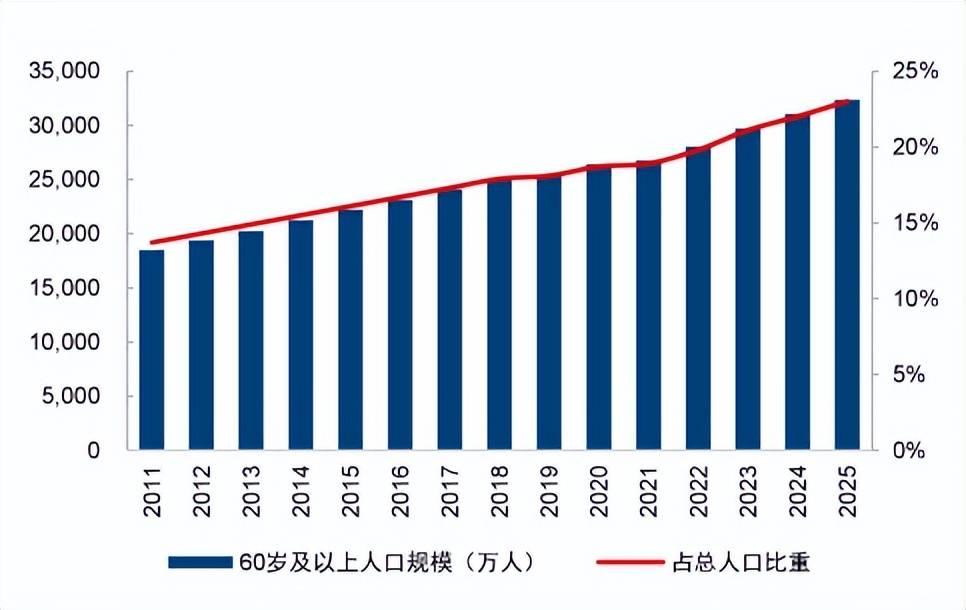
Core Insights - The aging population in China is rapidly increasing, with projections indicating that by the end of 2025, the population aged 60 and above will reach 323.38 million, accounting for 23% of the total population, marking a significant shift towards a moderately aging society [1] - The silver economy is expected to grow substantially, with estimates suggesting it will reach approximately 30 trillion yuan by 2035, driven by changing consumption patterns among the elderly [5] Demographic Changes - By 2025, the population aged 65 and above is projected to reach 223.65 million, representing 15.9% of the total population, indicating a transition towards deep aging [1] - The elderly population is expected to exceed 400 million by 2035 and 500 million by 2050, highlighting the growing demographic significance of the silver population [1] Economic Characteristics of the Elderly - The current elderly population has a strong economic foundation, with stable income sources due to improved pension systems and accumulated wealth from previous economic growth periods [4] - As of the end of 2023, the coverage rate of basic pension insurance in China has surpassed 95%, providing the elderly with sustained purchasing power [4] Changing Consumption Patterns - The elderly are shifting from a frugal consumption model to one focused on self-enjoyment and health investment, with a growing willingness to pay premiums for high-quality and functional foods [4] - Health awareness among the elderly is increasing, with 85% of older adults engaging in regular health check-ups and a significant portion adopting healthier dietary habits [5] Silver Economy Growth - The silver economy in China is currently valued at approximately 7 trillion yuan, accounting for about 6% of GDP, with substantial growth potential anticipated in the coming years [5] - Government policies are increasingly supporting the development of the silver economy, emphasizing the importance of addressing aging population challenges and promoting related industries [5] Health Food Market Opportunities - The aging population is driving demand for health-oriented food products, as common health issues like hypertension and diabetes necessitate dietary adjustments [6] - There is a rising demand for low glycemic index foods, functional foods for cardiovascular health, and high-fiber products to support digestive health and immunity [7] - Convenience in food products is becoming crucial, especially for the growing number of elderly living alone, leading to increased popularity of instant and easy-to-prepare food options [7]

中经评论:力推全谷物食品更多更快走上餐桌
Jing Ji Ri Bao· 2026-01-29 00:54
Core Insights - The promotion of whole grains is transitioning from advocacy to systematic implementation, with a focus on integrating whole grain foods into daily diets through institutional cafeterias [1][3] Group 1: Whole Grain Benefits - Whole grains are described as natural "nutrient packages" that retain essential components such as bran, germ, and endosperm, providing dietary fiber and micronutrients [1] - Current consumption of whole grains in China is less than 1% of total grain consumption, highlighting a significant gap in dietary structure [1] Group 2: Challenges in Promotion - There are systemic mismatches between whole grain foods and mainstream dietary habits, including sensory experiences, processing compatibility, and consumer inertia [2] - Whole grains have a rougher texture and shorter shelf life, which conflicts with the established preference for refined grains [2] - The lack of a mature supply chain and high prices due to limited production scale hinder the widespread adoption of whole grains [2] Group 3: Strategic Implementation in Cafeterias - Utilizing cafeterias as a promotion platform can effectively address challenges by reaching a large audience and enabling bulk purchasing to reduce costs [3] - Cafeterias can create a "default option" for whole grains, helping consumers gradually adapt to their taste and texture [3] - Standardized processes in cafeterias allow for better ingredient management and culinary innovation to enhance the appeal of whole grain foods [3] Group 4: Long-term Dietary Transformation - The transition to whole grains requires a gradual approach, focusing on taste adaptation and culinary innovation to improve flavor [4] - Educational initiatives in cafeterias can help consumers understand the nutritional benefits of whole grains, fostering a cultural shift towards healthier eating habits [4] - A successful shift towards whole grains could reshape consumer perceptions of staple foods, promoting a focus on nutrition over refinement [4]
【粮食大事】力推全谷物食品更多更快走上餐桌
Xin Lang Cai Jing· 2026-01-28 23:07
Core Viewpoint - The National Grain and Material Reserve Administration has initiated a systematic implementation of the National Whole Grain Action Plan, promoting whole grain consumption in canteens to enhance dietary health and food security [2] Group 1: Whole Grain Promotion - Whole grains are recognized as natural "nutrient packages" that retain essential nutrients during processing, unlike refined grains [2] - Current data indicates that whole grain consumption in China accounts for less than 1% of total grain consumption, highlighting a significant gap in dietary structure [2] - Public awareness of the health benefits of whole grains has increased over the past year, leading to more individuals incorporating whole grains into their diets [2] Group 2: Challenges in Whole Grain Adoption - There are systemic mismatches between whole grain foods and mainstream dietary habits, including sensory experience and consumer inertia [3] - Whole grains have a rough texture and shorter shelf life, which conflicts with the long-established preference for refined grains [3] - The lack of a mature supply chain and processing technology for whole grains results in higher prices and limited consumer adoption [3] Group 3: Strategic Implementation in Canteens - Canteens serve as a major food supplier for millions, providing an effective platform for large-scale whole grain consumption [4] - By integrating whole grains as a "default option," canteens can help consumers gradually adapt to new dietary habits [4] - Standardized processes in canteens allow for better ingredient ratios and cooking methods, improving the taste and nutritional quality of whole grain products [4] Group 4: Educational Initiatives - Canteens can act as educational platforms by hosting activities that inform consumers about the nutritional advantages of whole grains [5] - Continuous exposure to whole grain foods in canteens can lead to a natural shift in dietary preferences among the public [5] - This initiative aims to transform the perception of staple foods from "eating refined" to "eating nutritious," fostering a healthier and more sustainable dietary culture [5]
力推全谷物食品更多更快走上餐桌
Jing Ji Ri Bao· 2026-01-28 22:01
Core Viewpoint - The promotion of whole grains is transitioning from advocacy to systematic implementation, with a focus on integrating whole grain foods into daily diets through institutional canteens, thereby enhancing public dietary structure and nutrition [1][3]. Group 1: Whole Grains Benefits - Whole grains are described as natural "nutrient packages" that retain essential components such as bran, germ, and endosperm, providing dietary fiber, micronutrients, and bioactive substances [1]. - Current consumption of whole grains in China is less than 1% of total grain consumption, indicating a significant gap in dietary structure [1]. Group 2: Challenges in Promotion - There are systemic mismatches between whole grain foods and mainstream dietary habits, including sensory experience, processing compatibility, and consumer inertia [2]. - Whole grains have a rougher texture and shorter shelf life due to their oil content, which contrasts with the long-established preference for refined grains [2]. - The lack of a mature supply chain and processing technology for whole grains leads to higher prices and limited consumer adoption [2]. Group 3: Strategic Implementation in Canteens - Utilizing canteens as a promotion platform can effectively address challenges by reaching a large audience and reducing costs through centralized purchasing and subsidies [3]. - Canteens can create a "default option" for whole grains, helping consumers gradually adapt to their taste and integrate them into their diets [3]. - The standardized processes in canteens allow for better adaptation of cooking techniques to improve the taste and nutritional quality of whole grain products [3]. Group 4: Long-term Dietary Change - The transition to whole grains requires a gradual approach, allowing consumers to adapt their taste preferences over time [4]. - Continuous innovation in cooking techniques and ingredient combinations is essential to enhance the flavor of whole grains [4]. - Educational initiatives in canteens can help consumers understand the nutritional benefits of whole grains, fostering a cultural shift towards healthier eating habits [4].
New Dietary Guidelines Are Out. Food Stocks Lose; Alcohol Shares Gain.
Barrons· 2026-01-08 16:06
Core Insights - The article emphasizes the importance of federal guidelines that prioritize nutrient-dense foods, which include protein, dairy, healthy fats, whole grains, and fruits and vegetables [1] Summary by Categories - **Nutrient-Dense Foods**: Federal guidelines focus on promoting foods that are rich in nutrients, highlighting the significance of including protein, dairy, healthy fats, whole grains, and a variety of fruits and vegetables in diets [1]

“粮食安全看山东”之平度:“五提升”构建粮食产业发展新格局
Zhong Guo Fa Zhan Wang· 2025-12-12 08:56
Core Viewpoint - The article emphasizes the commitment of Pingdu City in Shandong Province to ensure food security and promote high-quality development of the grain industry, aligning with the directives of President Xi Jinping [1] Group 1: Food Security and Agricultural Development - Pingdu City has been recognized as a "super grain-producing county" for 13 consecutive years and has maintained over 2.6 million acres of arable land and over 3 million acres of grain planting area, with a total grain output exceeding 1.4 million tons [1] - The focus has shifted from increasing production to improving quality, integrating the "five good" elements: good land, good seeds, good methods, good machinery, and good systems to enhance comprehensive production capacity [1] Group 2: Grain Industry Development - The city is implementing a "three-chain collaboration" strategy involving the grain industry chain, value chain, and supply chain, aiming to enhance quality and efficiency while increasing farmers' income [2] - The grain processing capacity is set to reach 3.2 million tons per year, with the total output value of the grain and oil industry surpassing 12 billion yuan [2] Group 3: Grain Storage and Logistics - A modern grain circulation infrastructure system is being established to match grain storage and supply needs, promoting green storage and efficient logistics [2] - The logistics transfer capacity for grain is expected to reach 5.1 million tons, with a reduction in grain loss by 12,000 tons annually [2] Group 4: Technological Innovation in Grain - A technology innovation system is being developed that integrates enterprises, markets, and research, encouraging the adoption of advanced green storage and processing technologies [3] - The proportion of R&D investment by key enterprises is targeted to increase to around 7%, enhancing the supply of high-quality grain and oil products [3] Group 5: Emergency Food Security - An emergency supply, distribution, and processing network is being established to ensure food security, with capabilities for urban areas to receive supplies within 2 hours and rural areas within 4 hours [3] - Daily emergency supply capacity is projected to reach 9,000 tons, with processing capabilities at 7,600 tons [3]
全谷物食品,如何更普及
Ren Min Ri Bao· 2025-11-19 22:20
Core Insights - The article discusses the launch of the National Whole Grain Action Plan (2024-2035) by seven departments in China, aimed at increasing the supply and consumption of whole grain foods, enhancing food security, and improving public health [1] Group 1: Whole Grain Food Initiative - The National Whole Grain Action Plan is set to be implemented by the end of 2024, focusing on boosting the supply and consumption of whole grain foods [1] - The initiative aims to assist in reducing food waste and enhancing food security for the population [1] Group 2: Technological Innovations - Various enterprises are innovating key common technologies for whole grains to create products that align with consumer preferences [1] - The Shandong Academy of Agricultural Sciences has developed high-quality whole wheat flour and whole wheat product preparation technologies, which are now being widely applied [1] Group 3: Market Response - Companies in Yantai and Qingdao have utilized the new technology to achieve large-scale production of frozen whole wheat pancakes and whole wheat noodles, receiving positive market feedback [1] Group 4: Expert Recommendations - Experts suggest increasing analysis of the environmental, nutritional, and food security effects of whole grains across the entire production and consumption chain [1] - There is a call for the establishment and revision of national and industry standards related to whole grain terminology, classification, labeling, and testing [1]
全谷物食品如何更多走上餐桌?
Xin Hua Wang· 2025-11-12 09:22
Core Insights - The article discusses the importance of increasing the supply and consumption of whole grain foods in China, highlighting the launch of the National Whole Grain Action Plan (2024-2035) aimed at enhancing food security and public health [1][8]. Consumption Side - Whole grains are recognized as nutrient-dense foods, containing 40% to 90% more vitamins and minerals compared to refined grains, and are rich in dietary fiber [3]. - Current consumer habits favor refined grains due to better taste and ease of preparation, with whole grain consumption in China accounting for less than 1% of total grain consumption, indicating significant room for growth [3][4]. - Consumer awareness of whole grains is low, with only 24.6% able to accurately identify them, and 95% lacking comprehensive knowledge of their nutritional benefits [4]. Supply Side - The market for whole grain products is expanding, with various options available on e-commerce platforms and in supermarkets, yet overall sales remain low, with one supermarket reporting only 0.12% of total grain sales coming from whole grains [5][6]. - Innovations in whole grain food production are underway, with new technologies being developed to create high-quality whole grain products that meet consumer preferences [6]. - Companies are diversifying their product offerings, such as red rice snacks, to cater to younger consumers while maintaining the nutritional benefits of whole grains [7]. Industry Development - The National Whole Grain Action Plan aims to significantly increase the proportion of whole grain consumption among residents over the next decade [8]. - Recommendations include enhancing the entire supply chain for whole grains, from production to consumption, and establishing standardized practices for whole grain products [8][9]. - The development of the whole grain industry is viewed as a systematic project that requires coordinated efforts in education and product innovation to promote healthy dietary habits [9].
新华视点|全谷物食品如何更多走上餐桌?
Xin Hua She· 2025-11-12 08:45
Core Insights - The article discusses the promotion of whole grain foods in China, highlighting the government's initiative to increase supply and consumption of whole grains by 2035 [1] - It emphasizes the nutritional benefits of whole grains compared to refined grains, noting that whole grains contain 40% to 90% more micronutrients [1] Consumption Insights - Current whole grain consumption in China is less than 1% of total grain consumption, indicating significant room for growth [1] - A report shows that only 24.6% of consumers can accurately identify whole grains, and 95% lack comprehensive knowledge of their nutritional value [1] - Many consumers are unaware of the recommended daily intake of whole grains, with less than 15% knowing the appropriate amount [1] Supply Insights - There is a growing variety of whole grain products available in supermarkets and e-commerce platforms, with some products achieving monthly sales exceeding 10,000 units [1] - Innovations in whole grain food production, such as high-quality whole wheat flour and whole grain noodles, are being developed to meet consumer preferences [1] - The article mentions that a new technology has been implemented to enhance the quality and nutritional content of whole grain products, with a focus on health benefits [1] Industry Development - The "National Whole Grain Action Plan (2024-2035)" aims to significantly increase the proportion of whole grain consumption among residents over the next decade [1] - Experts suggest enhancing the analysis of whole grains' environmental, nutritional, and food security effects across the entire supply chain [1] - Recommendations include establishing industrial parks in grain-rich areas to integrate resources and attract leading enterprises to foster collaboration with smaller companies [1]
走近生产线,一起解锁农业“新吃法”“新玩法”
Yang Shi Wang· 2025-10-26 19:13
Group 1: Consumer Demand and Agricultural Innovation - The demand for "fresh and healthy" food is rising, leading to higher quality expectations for vegetables and agricultural products [2][3] - In Anhui, farmers are utilizing smart devices to monitor conditions in greenhouses, enhancing the freshness and quality of vegetables [2] - The number of certified green, organic, and geographical indication products in Anhui has reached 132, reflecting a significant increase in supply [2] Group 2: Whole Grain Food Development - Quinoa is emerging as a key player in the whole grain market, with significant production in Qinghai, where ideal growing conditions exist [3] - The average yield of quinoa in Shanxi is expected to exceed 300 jin per mu, contributing to a projected annual output value of over 530 million yuan for the quinoa industry [3] - The development of other whole grains like oats and barley is also progressing, promoting better nutritional health for consumers [3] Group 3: Agricultural Processing Upgrades - The agricultural processing sector is evolving, showcasing innovative products such as freeze-dried porridge and various soybean products [4] - Heilongjiang's soybean industry benefits from its geographical advantages, with a concentration of 20 processing enterprises [4] - The diversification of food supply systems is being accelerated through continuous innovation in processing technologies [4] Group 4: Rural Tourism and Agricultural Experience - Rural areas are transforming into experiential "playgrounds," integrating agricultural activities with tourism [5][6] - In Zhejiang, the local tourism has attracted over 80,000 visitors, generating significant economic benefits through agricultural experiences [5] - The Ministry of Agriculture and Rural Affairs has established 240 key leisure agriculture counties, with leisure agriculture revenue nearing 900 billion yuan last year [6]