华为乾崑智驾ADS

Search documents
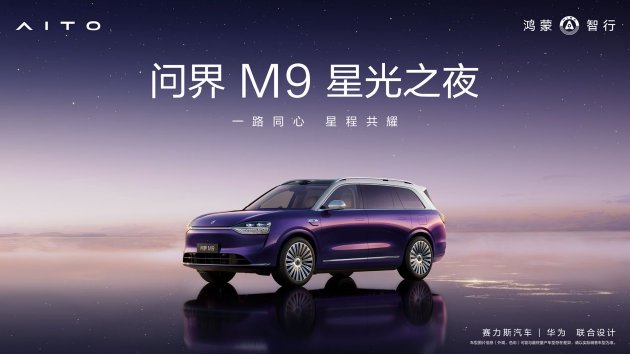
从《星光之夜》看问界M9重构高端汽车市场的价值新范式
Xin Lang Cai Jing· 2026-02-11 03:21
Core Insights - The Chinese high-end automotive market is undergoing a significant transformation, breaking the long-standing dominance of foreign brands as domestic brands leverage technology to transition from "followers" to "definers" [1][45]. Group 1: Market Dynamics - Since 2018, the sales of imported high-end vehicles have been in continuous decline, with a projected drop of 29.7% year-on-year for the first 11 months of 2025, reaching a near ten-year low [8][52]. - In contrast, the market share of domestic high-end electric vehicles surged from 10.8% to 60.8% over four years, becoming a major driving force in the high-end market [8][52]. - The Wanjie M9 has emerged as a benchmark in this local replacement wave, achieving cumulative deliveries of over 270,000 units and becoming the sales champion in the 500,000+ luxury market for 21 consecutive months [9][53]. Group 2: Consumer Behavior - The delivery of 270,000 units reflects a profound change in consumer logic in the high-end automotive market, where traditional brand premium is no longer the sole purchasing criterion [6][55]. - High-net-worth individuals are increasingly prioritizing experience, practicality, and value recognition over brand prestige, leading to a shift from "blindly trusting imports" to "paying for real experiences" [11][55]. - The Wanjie M9 has successfully captured this trend by focusing on Huawei's comprehensive smart technology, transforming luxury from an "external symbol" to an "internal experience" [11][55]. Group 3: Product Performance - The Wanjie M9 has established a leading position not only in sales but also in user satisfaction and resale value, achieving a Net Promoter Score (NPS) of 89.2, the highest among luxury electric vehicles [10][54]. - It has also maintained the highest resale value among plug-in hybrid models in China for five consecutive months, challenging the stereotype of low resale value for domestic high-end vehicles [10][54]. Group 4: User Experience and Community - The "wild sales" phenomenon, where existing owners actively promote the Wanjie M9, has become a norm, showcasing the power of genuine user experiences over traditional marketing [12][38]. - The Wanjie M9 has fostered a community among its 270,000 owners, creating a sense of belonging and shared values, which enhances brand loyalty and recognition [39][40]. - The vehicle's advanced safety features, such as the satellite communication system and automatic emergency braking, have been validated through real-life experiences, reinforcing consumer trust in the brand [23][70][71]. Group 5: Brand Positioning - The Wanjie M9 has successfully challenged the notion that domestic brands cannot compete in the high-end market, demonstrating that Chinese brands can leverage core technology and user insights to surpass foreign competitors [41]. - It has redefined the luxury automotive value assessment criteria, emphasizing "intelligence, comfort, safety, and scenario adaptability" as new luxury keywords [41]. - The Wanjie M9 represents a new chapter in the narrative of Chinese high-end intelligent vehicles, showcasing the strength of Chinese technology on the global stage [43].

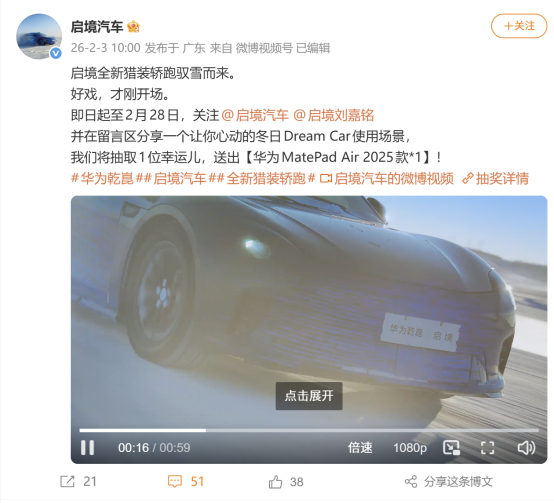
已开启冬季测试,启境猎装轿跑动态视频首次发布
Qi Lu Wan Bao· 2026-02-03 04:19
Group 1 - The first hunting-style coupe from Huawei, named Qijing, has begun winter testing in the cold region of Hohhot, generating significant industry discussion regarding its "million-dollar aesthetics" [1][3] - The vehicle showcases a top-tier performance car feature with a golden wheel height ratio greater than 50%, achieved through a "rise and fall" system engineering, enhancing its aggressive stance while maintaining elegant side lines [3] - The Qijing coupe measures over 5 meters in length and nearly 2 meters in width, addressing traditional coupe space limitations with a unique fastback design that balances elegance and practicality [5] Group 2 - As the only hunting-style coupe in the 300,000 RMB price range equipped with Huawei's full suite of technologies, the Qijing sets a benchmark in design aesthetics and elevates smart technology integration [7] - The vehicle integrates Huawei's advanced driving system (ADS), Harmony cockpit, and digital chassis engine, offering a comprehensive driving experience that combines elegance, sports car handling, SUV capability, and travel car space [7] - The winter testing in Hohhot not only tests the vehicle's mechanical quality but also signifies Qijing's substantial entry into the high-end hunting-style coupe market, enriching consumer expectations for intelligent luxury travel [7]
问界全系开启新年OTA升级:新增“马到成功”迎宾灯效等40项功能
Feng Huang Wang· 2026-01-30 06:17
Core Viewpoint - The company has launched a significant OTA upgrade for its entire vehicle lineup, introducing over 40 functional updates that enhance both driving capabilities and in-car experience [1] Group 1: Driving Features - The upgrade includes a new "three-point turn" capability, allowing vehicles to automatically reverse and adjust when space is limited for turning [1] - An enhanced Emergency Steering Assistance (eAES) feature has been added, which assists lane changes when detecting rapidly approaching vehicles from behind, reducing the risk of rear-end collisions [1] - A driver incapacitation assistance feature has been introduced, which automatically slows down the vehicle, pulls over, and activates hazard lights if the driver is detected to have lost control, and it can also dial an SOS rescue number [1] Group 2: Parking and Navigation - The upgrade adds a "nearby parking" function, enabling vehicles to autonomously search for and park in available spaces within a designated area [1] - A new map group travel feature supports multi-vehicle location sharing, voice intercom, and synchronized destination setting [1] Group 3: In-Car Experience - The Harmony cockpit now includes a "stay powered when leaving the vehicle" mode, allowing air conditioning and entertainment functions to remain operational after locking the car [1] - For extended-range models, a "forced power generation" feature is available, allowing manual settings to maintain a target battery level [1] - Models equipped with a million-pixel smart projection headlights have introduced a new "successful arrival" welcome light effect [1]

华为引望回应“今年下半年上市”传闻:假消息
Xin Lang Cai Jing· 2026-01-12 01:23
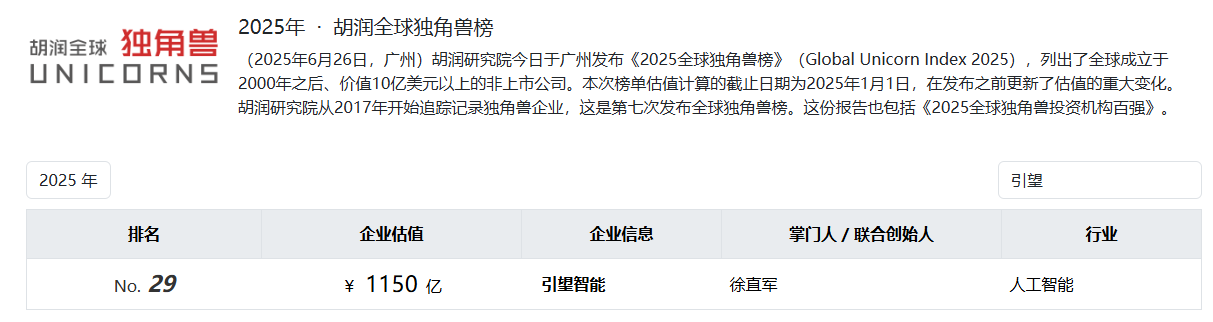
Core Viewpoint - Shenzhen Yingwang Intelligent Technology Co., Ltd., a subsidiary of Huawei, has denied rumors regarding plans for an IPO in the second half of 2026, labeling them as false information [6]. Group 1: Company Overview - Shenzhen Yingwang Intelligent Technology Co., Ltd. was established in January 2024 and focuses on Huawei's advanced driving systems (ADS), vehicle control, vehicle optics, vehicle cloud, and HarmonySpace cockpit solutions [6]. - Huawei holds an 80% stake in Yingwang, while Avita and Seres each invested 11.5 billion yuan to acquire a 10% stake in the company [6]. Group 2: Market Position - Yingwang Intelligent ranked 29th in the "2025 Global Unicorn List" published by Hurun Research Institute in June 2025, with a company valuation of 115 billion yuan [5][8].
马斯克宣布开源X推荐算法,印度拟要求手机厂商共享源代码,电源和散热器涨价,华为引望回应上市传闻,这就是今天的其他大新闻!
Sou Hu Cai Jing· 2026-01-11 17:37
Group 1 - Elon Musk announced that X platform will open source its latest content recommendation algorithm next week, covering all code used to recommend natural and advertising content, with updates every four weeks [2] - This move will allow external parties to systematically understand how X decides on content recommendations and the technical reasons behind the frequent appearance of controversial content in information feeds [2] Group 2 - India plans to implement security measures requiring smartphone manufacturers to share source code with the government and make several software modifications, which has faced private opposition from tech giants like Apple and Samsung [4] - The new regulations, which include 83 security standards and require companies to report major software updates to the government, are unprecedented globally and pose risks of leaking proprietary information [4] Group 3 - The price increase in memory is causing a ripple effect across the computer hardware industry, affecting even seemingly unrelated components like power supplies and coolers [7] - A notice from Guangzhou Xinhongzheng Electronics indicates that due to rising prices of key raw materials like copper, silver, and tin, new orders for power supplies will see a cost increase of 6-10%, while coolers will face a 6-8% increase [7]
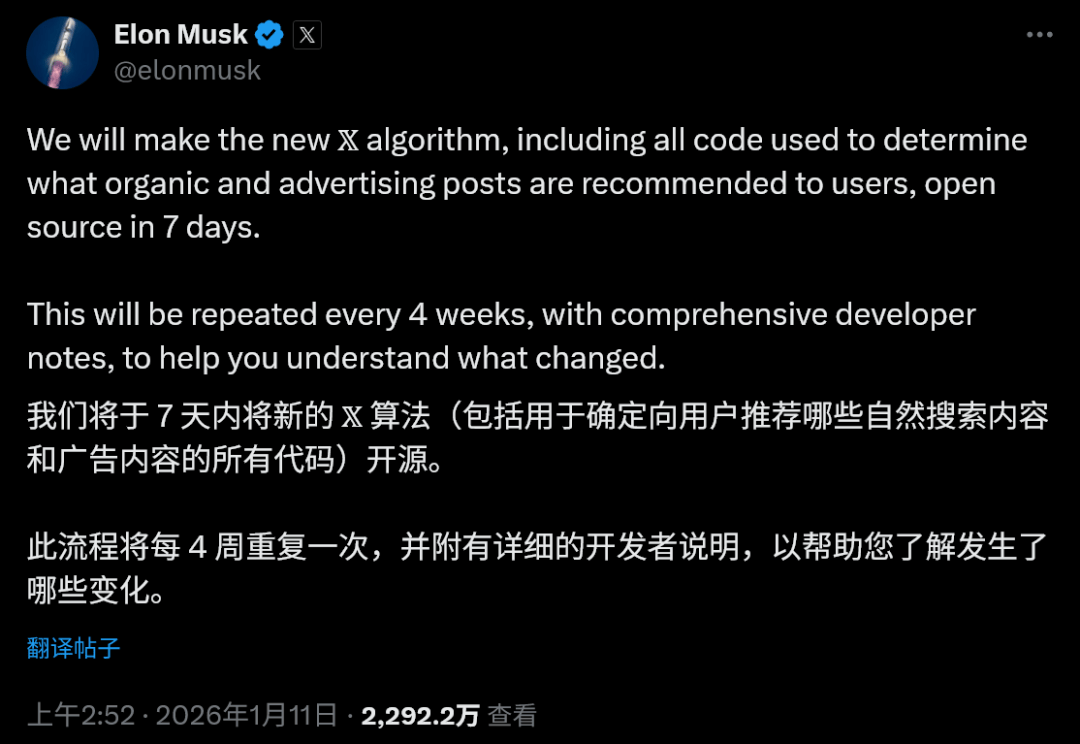
超豪华汽车市场没有捷径可走
3 6 Ke· 2025-12-28 13:49
Core Insights - The ultra-luxury automotive market in China is transitioning from a "single narrative" to a "systematic engineering" approach, indicating a shift in how products are developed and delivered [2] - The performance of the ZunJie S800 highlights the importance of stable delivery capabilities and user trust in a highly competitive market, rather than just sales figures [3][4] - The ZunJie S800 has achieved significant delivery milestones, with over 2,200 units delivered in November and a record daily delivery of over 200 units on December 25 [3][6] Market Dynamics - The ultra-luxury segment is driven by "trust costs" rather than just demand, with user decisions based on brand reputation and manufacturing reliability [4][6] - The user base for the ZunJie S800 is evolving, with an increasing number of customers transitioning from traditional luxury brands, indicating a shift in consumer perception and acceptance [4][16] Manufacturing and Delivery - The ZunJie S800's growth reflects a highly industrialized manufacturing process, characterized by stable order conversion and consistent production rhythms, rather than explosive sales spikes [6][7] - The manufacturing system is designed for high-quality output without compromising delivery standards, ensuring low variability in product quality [6][11] Safety and Technology - In the context of electric vehicles, battery safety is a critical concern, requiring a systematic approach to mitigate risks associated with complex operational environments [9][12] - The Huawei Whale Battery Platform 2.0 emphasizes a comprehensive safety design, integrating multiple protective measures to enhance overall vehicle safety [11][12] Collaborative Model - The ZunJie S800 employs a "deep co-creation" collaboration model with Huawei, which enhances efficiency and redefines responsibility boundaries in product development [14][16] - This collaborative approach aligns well with the ultra-luxury market's demand for low error rates and high consistency in product delivery [14][16] Consumer Perception - The "ZunJie Effect" reflects a growing consumer trust in the ZunJie S800, transitioning from initial curiosity to a broader acceptance among high-end users [16][17] - The luxury perception in the new energy era is increasingly based on system reliability and engineering capabilities, rather than historical brand prestige [17]
超豪华汽车市场没有捷径可走
36氪· 2025-12-28 13:34
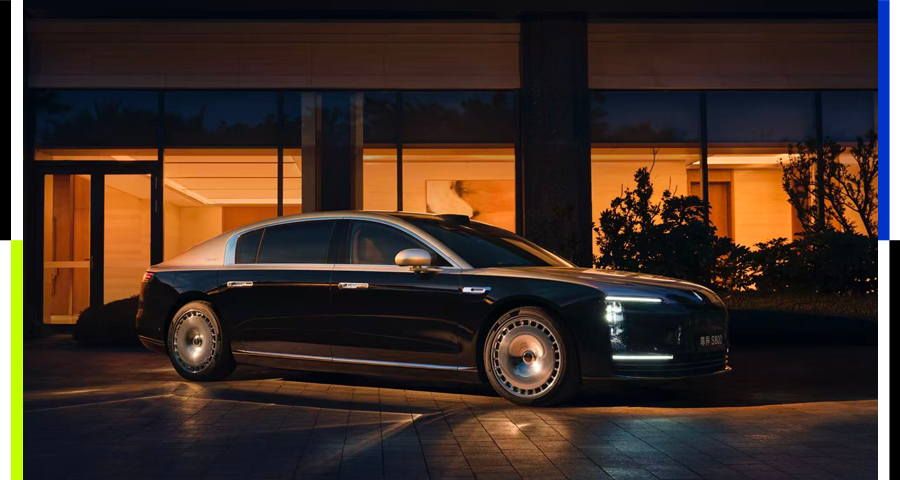
Core Viewpoint - The ultra-luxury automotive market in China is transitioning from a "single narrative" to a "systematic engineering" approach, emphasizing stable delivery and reliability over mere sales figures [2][4]. Delivery Performance - The ZunJie S800 has shown consistent delivery capabilities since its launch in May 2025, with monthly deliveries exceeding 2,200 units in November and reaching around 3,000 units by year-end, marking a historical record with daily deliveries surpassing 200 units [3][4]. - The delivery process has been characterized by a steady upward trend without significant spikes or drops, indicating a robust manufacturing and management system [4][9]. Market Dynamics - The market for ultra-luxury vehicles is driven by "trust costs" rather than just demand, with consumers making decisions based on brand reputation and manufacturing reliability [6][7]. - The user base for the ZunJie S800 is evolving, with an increasing number of customers transitioning from traditional luxury brands, leading to shorter decision-making cycles and higher rates of repeat purchases [6][21]. Manufacturing and Quality Assurance - The ZunJie S800's growth reflects a highly industrialized manufacturing process, with stable order conversion and consistent production rhythms, ensuring high-quality delivery without compromising standards [9][10]. - The manufacturing logic behind the ZunJie S800 focuses on small-batch, high-standard production to maintain consistency in quality and performance [9][10]. Safety and Technology - In the context of electric vehicles, battery safety is a systemic risk, and the ZunJie S800 incorporates a comprehensive safety design to mitigate potential hazards [12][13]. - The Huawei Whale Battery Platform 2.0 emphasizes a systematic approach to safety, integrating multiple protective measures to ensure reliability under various conditions [15][16]. Collaborative Model - The ZunJie S800 employs a "deep co-creation" collaboration model with Huawei, integrating technical capabilities into the entire vehicle system, which enhances efficiency and accountability [19][21]. - This collaboration aligns with the ultra-luxury market's need for low tolerance for errors and high consistency, leveraging Huawei's expertise in system engineering [19][22]. Market Perception and Trust - The "ZunJie Effect" reflects a growing trust among consumers, transitioning from initial curiosity to acceptance and recommendation within high-end user circles [21][22]. - The luxury perception in the new energy era is increasingly based on trust in systematic engineering capabilities rather than historical brand prestige [22].
工业和信息化部许可两款车型产品,长安和极狐饮“头啖汤” 我国自动驾驶迈入L3级时代
Shen Zhen Shang Bao· 2025-12-16 23:35
Core Viewpoint - The official approval of L3 autonomous driving vehicles marks a significant advancement in the transition from assisted driving to higher levels of automation in China [1][7]. Group 1: L3 Autonomous Driving Approval - The Ministry of Industry and Information Technology has granted permission for two L3 autonomous driving models: Changan SC7000AAARBEV and Arcfox BJ7001A61NBEV [1][3]. - L3 level is a critical threshold in autonomous driving, where the system can perform all driving tasks under specific conditions, transferring the driving responsibility from the driver to the system [2][3]. Group 2: Conditions and Limitations - The approval comes with strict conditions, including limitations on vehicle types, designated areas, and speed restrictions. For instance, the Changan model can operate at a maximum speed of 50 km/h in specific urban and highway conditions, while the Arcfox model can reach 80 km/h [3][4]. - The designated testing areas include specific routes in Chongqing and Beijing, ensuring safety and controlled conditions for the deployment of these vehicles [3][5]. Group 3: Technological Background and Advantages - Changan's SC7000AAARBEV features the self-developed "Tianshu Intelligent" driving assistance system, while Arcfox's BJ7001A61NBEV is equipped with Huawei's ADS intelligent driving system [4][5]. - Both companies have a strong technological foundation and extensive testing experience, with Changan reporting over 500,000 kilometers of road testing and a significant number of simulated scenarios [4][5]. Group 4: Industry Implications and Future Outlook - The approval of L3 vehicles is seen as a pivotal step towards enhancing the reliability and commercial viability of autonomous driving in China, potentially leading to widespread adoption in the future [7]. - The automotive industry is transitioning from "technology validation" to "mass production application," with companies encouraged to take on a leading role in demonstrating the capabilities of autonomous vehicles [7].


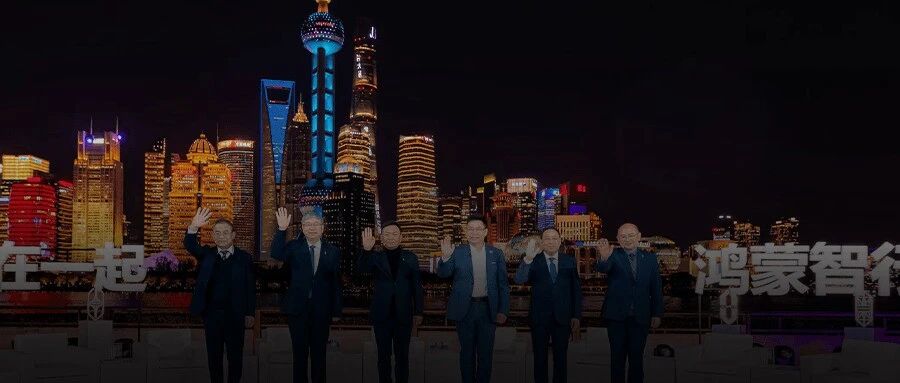
一场直播,看见鸿蒙智行「在一起」的力量
3 6 Ke· 2025-12-11 13:48
Core Insights - The article highlights the emergence of a new collaborative model in the Chinese automotive industry, driven by the partnership between Huawei and five major car manufacturers, leading to the launch of the "Five Realms" brands under Hongmeng Zhixing [3][5][19] - The success of Hongmeng Zhixing is attributed to its integration of Huawei's technological capabilities with the manufacturing strengths of Chinese auto brands, marking a shift from single-brand competition to a system of collaborative growth [5][19] Product Foundation - Hongmeng Zhixing focuses on calibrating smart experiences to establish high-end benchmarks, leveraging Huawei's expertise in smart technology, chips, software, and algorithms [6] - The safety capabilities of Hongmeng Zhixing are exemplified by a real user experience where a vehicle's satellite communication system enabled a driver to seek help in a remote area, showcasing the robustness of its safety system [6][10] - The battery safety of Huawei's Whale Battery platform is highlighted, with over 150 million battery cells in use and no reported safety incidents, indicating a commitment to exceeding safety standards [6][7] - The advanced driver assistance system (ADAS) developed by Huawei emphasizes real-world understanding and has helped users avoid millions of potential collisions since 2023 [10] Terminal Synergy - The terminal experience is crucial for users, with Hongmeng Zhixing integrating Huawei's consumer technology expertise into the automotive sector, allowing for hands-on experiences with features like assisted driving during the sales process [13][14] - The unified after-sales service system enhances customer experience, offering benefits such as substitute vehicles during maintenance and 24-hour roadside assistance, which traditional automakers struggle to implement [14][15] - The effective terminal strategy has attracted numerous dealers, as they recognize the scientific and efficient operations akin to internet companies, leading to a significant shift in dealership dynamics [15] Systemic Transformation - The article emphasizes that the automotive industry is transitioning from single-point breakthroughs to systemic competition, where technology, products, brands, and operations are being reconfigured into a cohesive capability network [17][19] - The five brands under Hongmeng Zhixing cater to different market segments while maintaining consistent safety standards and service protocols, indicating a strategic approach to market differentiation [19][20] - The overarching theme is that the future of automotive competition will hinge on the ability to build a sustainable and evolving capability network rather than merely competing on performance, materials, and pricing [19][20]
一场直播,看见鸿蒙智行「在一起」的力量
36氪· 2025-12-11 13:37
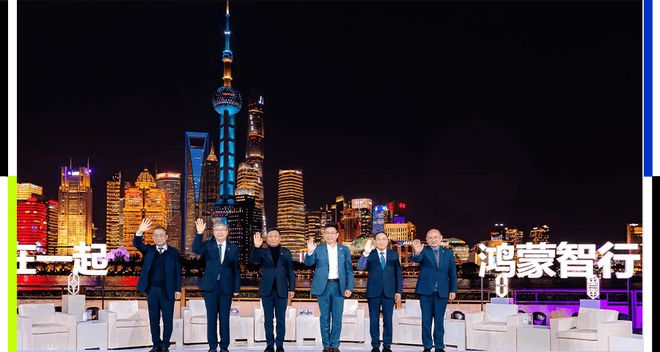
Core Viewpoint - The article highlights the successful collaboration of Huawei's HarmonyOS Intelligent Driving and five major Chinese automotive companies, marking a shift from single-brand competition to a collaborative ecosystem in the smart vehicle industry [1][3][20]. Group 1: Product Foundation - HarmonyOS Intelligent Driving has achieved significant milestones, delivering 1 million vehicles in 43 months, with a notable 83% year-on-year increase in deliveries in November, totaling approximately 81,864 units [1]. - The brand's models, including the AITO series, have seen impressive sales, with the Wanjie brand alone delivering about 51,000 units in November [1]. - The collaboration among the five brands aims to unify technology standards, service systems, and after-sales networks, indicating a new industrial cooperation model [3][20]. Group 2: Safety and Technology - Huawei's core competencies in smart technology, chips, and algorithms are being leveraged to enhance vehicle safety, as demonstrated by a user experience where satellite communication was used for emergency assistance [6][7]. - The Huawei Whale Battery platform has over 150 million battery cells in use, with no reported safety incidents, showcasing a commitment to high safety standards [7]. - The advanced driving assistance system (ADAS) has been optimized through extensive data training, improving real-world road understanding and safety [9][10]. Group 3: User Experience and Market Strategy - The user experience is enhanced through seamless integration of technology across devices, allowing for natural interactions and continuous connectivity [10][12]. - The launch of the Xiangjie S9T model has redefined market expectations, achieving over 30,000 pre-orders in just 66 days, indicating a successful shift from niche to mainstream [12]. - The sales strategy emphasizes a user-centric approach, with a focus on transparent service processes and high-quality after-sales support, which are critical for brand loyalty [14][16]. Group 4: Industry Transformation - The article emphasizes that the future of automotive competition will focus on building sustainable capability networks rather than just performance and pricing [20][22]. - The five brands under HarmonyOS Intelligent Driving are positioned to cater to different market segments while maintaining consistent safety and service standards [20]. - This collaborative approach represents a significant shift in the Chinese automotive industry, moving towards a model that integrates technology and user experience into the core of vehicle development [22][23].