
单一麦芽威士忌

Search documents
年轻人告别“囤货”,厨房小白“整顿”春节餐桌
Xin Jing Bao· 2026-02-12 07:31
Core Insights - The younger generation is reshaping the Chinese New Year consumption market by favoring convenience and rational spending over traditional bulk purchasing and extensive cooking [1][2][8] - Fresh food retail platforms are adapting to these changes by offering instant delivery services and innovative meal options that cater to the preferences of young consumers [1][4][8] Group 1: Consumer Behavior Changes - Young consumers are moving away from bulk buying and instead opting for on-demand purchasing through fresh food platforms, which allows for fresher ingredients and reduced waste [2][8] - The trend of "not stocking up" is becoming a new consensus among consumers, particularly among the younger demographic who prioritize convenience and efficiency [8] Group 2: Retail Strategies - Fresh food platforms like Dingdong Maicai and Hema are enhancing their delivery capabilities and product offerings to meet the demands of young consumers during the festive season [3][4][8] - Dingdong Maicai plans to maintain its "no closure during the Spring Festival" policy, ensuring delivery services are available even during peak shopping times [2][3] Group 3: Product Offerings - Retailers are focusing on easy-to-cook, high-quality dishes that require minimal preparation, appealing to young consumers who seek both convenience and a sense of tradition during the New Year [5][6][7] - Hema has collaborated with celebrity chefs to create popular meal kits that reflect regional flavors and are easy to replicate at home, resulting in a significant increase in sales [7] Group 4: Industry Trends - The fresh food retail industry is moving towards a more refined, scenario-based, and quality-focused approach, shifting from merely selling products to providing comprehensive solutions for various dining occasions [8] - The instant retail market in China is projected to reach a scale of 1 trillion yuan by 2026, indicating significant growth potential driven by changing consumer behaviors [8]
年轻人告别“囤货”,厨房小白“整顿”春节餐桌|年货新趋势
Bei Ke Cai Jing· 2026-02-12 07:21
Core Insights - The younger generation is reshaping the Chinese New Year consumption model, favoring convenience and instant delivery over traditional bulk purchasing and complex cooking [1][9] - Fresh food retail platforms are adapting to these changes by offering innovative services and products that align with the preferences of young consumers [1][9] Group 1: Consumer Behavior - Young consumers are opting for "just-in-time" purchasing, avoiding bulk buying and food waste, with many using fresh food platforms for quick delivery [2][9] - The average spending on traditional New Year goods has been reduced, with consumers now focusing on fresh, quality ingredients delivered to their homes [2][9] - The trend of "no stockpiling" is becoming a new consensus among younger consumers, who are re-evaluating the time and effort spent on traditional New Year preparations [9] Group 2: Retail Strategies - Fresh food platforms like Dingdong Maicai are enhancing their logistics and inventory to meet the demand during the peak season, increasing stock levels to twice the normal amount [4][9] - Companies are implementing incentive programs for delivery personnel during the holiday season to ensure service continuity and efficiency [4][5] - Retailers are focusing on creating tailored product offerings for various festive scenarios, moving from merely selling products to providing comprehensive solutions [9] Group 3: Product Innovation - Platforms are introducing easy-to-cook, high-quality dishes that cater to the younger demographic's desire for convenience and culinary experience [7][8] - Dingdong Maicai has launched 72 types of New Year dishes that require minimal preparation, reflecting regional flavors and culinary innovation [7][9] - Hema Fresh is collaborating with celebrity chefs to create popular dishes that can be easily replicated at home, resulting in significant sales growth [8][9] Group 4: Market Trends - The instant retail sector in China is projected to reach a scale of 1 trillion yuan by 2026, with significant growth expected during festive periods [9] - The shift towards refined, scene-based, and quality-focused retail is evident as platforms adapt to the changing consumer landscape [9]


观酒|英国威士忌进口关税降了,新一年的市场格局要变?
Nan Fang Du Shi Bao· 2026-02-11 14:36
Core Insights - The upcoming Lunar New Year is expected to boost the liquor industry, which has faced challenges over the past year, with significant consumer demand during this traditional peak season [1] - A recent reduction in import tariffs on whisky from 15% to 5% is anticipated to positively impact the market dynamics for British whisky, particularly benefiting its promotion and cost structure [1][2] Group 1: Tariff Impact - The reduction in import tariffs is expected to lower the promotional costs for British whisky, which has been struggling globally [1][2] - The UK whisky industry could see an estimated £250 million (approximately 2.5 billion yuan) in revenue over the next five years due to the tariff reduction [4] - The import volume of British whisky reached 27,682 kiloliters in 2025, a year-on-year increase of 16.3%, while the total import value was approximately $375 million (around 2.6 billion yuan), a decrease of 3.94% [3] Group 2: Market Trends - The whisky market is experiencing a shift towards blended whiskies, which are gaining popularity due to their affordability, while single malt whiskies are seeing a decline [7][8] - The cost savings from the tariff reduction for high-end products could be around 25 yuan per bottle, while for mid-range products, the savings may be less than 3 yuan, indicating a limited impact on the latter [7] - Domestic whisky production is on the verge of a significant increase, with 26 distilleries operational and a total planned capacity of 250,000 kiloliters, which may lead to increased competition with imported whiskies [10][11] Group 3: Competitive Landscape - The domestic whisky market is expected to face challenges from British whisky, which may leverage the tariff reduction to expand its market share in China [10][12] - Despite potential challenges, domestic whisky has surpassed imports in production volume and is making strides in quality and brand recognition [11][12] - The competition between domestic and imported whiskies is likely to intensify, with both having distinct advantages in terms of production and market presence [12]
撑不住的老登经济,有了新欢
3 6 Ke· 2025-12-01 04:15
Core Insights - The traditional luxury consumption patterns among the "old generation" (老登) are rapidly changing, with a noticeable decline in the demand for high-end liquor, luxury watches, and fuel vehicles [1][10][17] - Health consciousness is becoming a significant factor influencing the spending habits of this demographic, leading to a shift towards more practical and health-oriented expenditures [12][20][24] Group 1: Changing Consumption Patterns - The once-stable consumption triangle of high-end liquor, luxury watches, and fuel vehicles is deteriorating, as evidenced by the decline in sales and value of these items [1][10][17] - The price of luxury watches, such as the Rolex "Green Gold Daytona," has dropped significantly from over 1 million yuan to around 400,000 yuan, indicating a collapse in asset value perception [9] - The white liquor market is experiencing a downturn, with the price of Moutai dropping to around 1,499 yuan per bottle on platforms like Pinduoduo, reflecting a broader trend of reduced demand [10][12] Group 2: Health and Lifestyle Changes - The older generation is increasingly prioritizing health over traditional drinking culture, with many reducing their alcohol consumption significantly [12][20] - There is a generational shift in drinking preferences, with younger individuals opting for lighter alcoholic beverages instead of high-priced liquor, indicating a cultural change in social drinking norms [14][15] - The focus on health has led to increased spending on medical services and wellness products, such as health check-ups and medical insurance, rather than luxury goods [20][24] Group 3: New Interests and Activities - The older generation is now investing in experiences, such as travel and leisure activities, rather than material possessions, with a notable increase in travel bookings among those aged 55 and above [19][22] - Concerts and live events are becoming popular among this demographic, with a significant rise in attendance from individuals aged 45 and above, indicating a shift towards experiential consumption [22] - The market for luxury goods is evolving, with former luxury consumers seeking more practical and fulfilling alternatives, such as gardening and family-oriented activities [24]

从“囤货”到“淘新”,双11进口消费风向开始变了
经济观察报· 2025-11-07 13:58
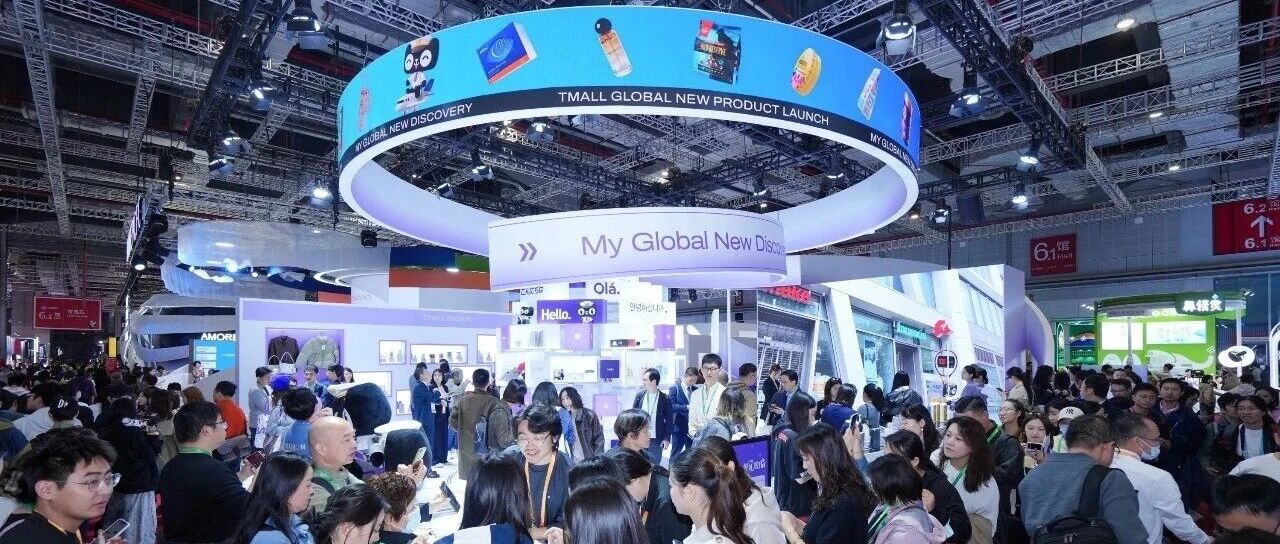
Core Insights - The article highlights the acceleration of import consumption upgrades during the "Double 11" shopping festival and the China International Import Expo, indicating a shift from bulk discount purchases to a focus on quality and specialized experiences [1][2][17] Import Consumption Trends - Import consumption is showing strong resilience, with data from Tmall International indicating that 927 imported brands saw a year-on-year sales increase, with 9 brands exceeding 100 million yuan and 44 products surpassing 10 million yuan in sales [2] - Consumers are moving from "stockpiling" to "trying new products," with a willingness to pay for niche brands and specialized functions, emphasizing quality, ingredients, and experiences over price [5][16] Market Segmentation and Consumer Behavior - The rise of niche markets is reshaping consumer logic, with younger consumers driving growth in health and beauty sectors, particularly in oral anti-aging products, which saw a sales increase of 353% during "Double 11" [5][9] - The demand for personalized and scientifically-backed products is increasing, as consumers become more knowledgeable about ingredients and formulations [6][7] Supply Chain and Market Efficiency - The integration of smart supply chains and overseas warehouses has enabled a rapid launch of over 100 global new products during the "Double 11" following their debut at the Import Expo [12][13] - Tmall International is providing comprehensive support for new brands, addressing challenges related to entry, costs, and channels, which has led to significant sales growth for brands like Maxigenes [13][17] Shift from Price Competition to Value Consumption - The import market is transitioning from price wars to value-driven consumption, with 57% of consumers willing to pay for emotional value, reflecting a shift towards emotional and experiential purchasing [16] - The focus is moving from practicality to emotional value, with consumers increasingly seeking unique experiences and specialized brands [16][17]
花6.65亿收购即墨黄酒!青岛啤酒“在做赔本生意”?
Sou Hu Cai Jing· 2025-05-21 10:06
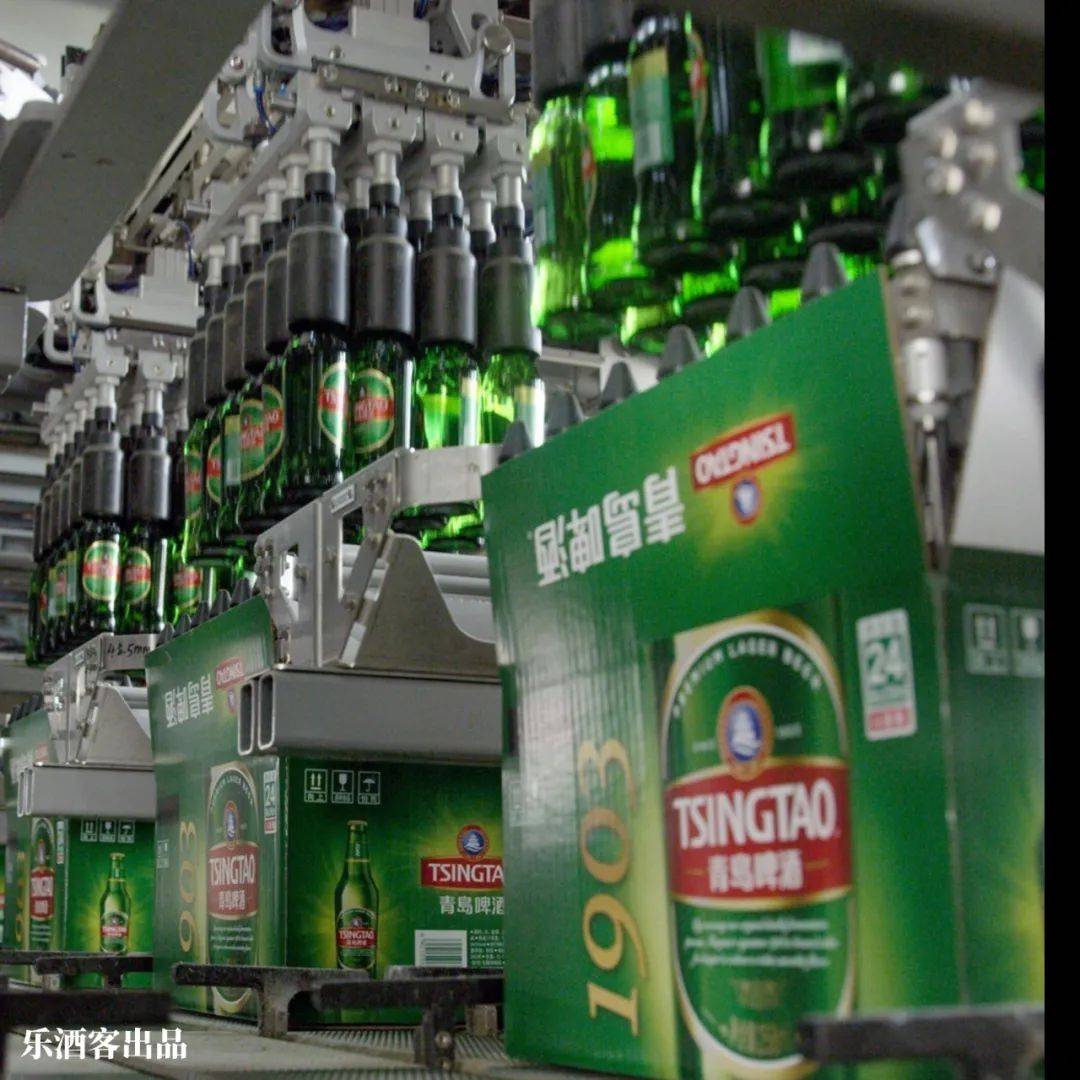
Core Viewpoint - Qingdao Beer Group is accelerating its diversification and strategic restructuring, aiming to transform from a single beer manufacturer to a comprehensive beverage group, targeting growth in non-beer businesses [2][5]. Group 1: Acquisition and Financial Performance - Qingdao Beer announced plans to acquire 100% of Jimo Yellow Wine for 665 million yuan, a company with a 45-year history, which is expected to enhance product lines and create seasonal synergies [3][5]. - Jimo Yellow Wine is projected to achieve revenue of 166 million yuan (+13.5%) and a net profit of 30.47 million yuan (+38%) in 2024, with a net profit margin of 18.4% [3]. - Despite the acquisition, concerns arise regarding the high premium paid (over 2 times its net assets) and the lack of performance guarantees, raising questions about the investment's viability if the yellow wine market continues to shrink [3][5]. Group 2: Market Challenges and Strategic Moves - Qingdao Beer faced challenges in 2024, with total revenue declining to 32.138 billion yuan (-5.3%) and sales dropping to 7.538 million kiloliters, highlighting seasonal volatility in the beer industry [7]. - The company reported a net profit growth of 1.81% despite revenue decline, attributed to decreasing raw material costs, with procurement for 2025 already locked in [7]. - The strategic restructuring includes the transfer of Qingdao Beverage Group to Qingdao Beer Group, marking a significant step in expanding non-beer business operations [8]. Group 3: Product Line Expansion and Market Potential - Qingdao Beverage Group owns well-known brands like Laoshan Mineral Water and Qingdao Wine, valued at 44 billion yuan, with the wine segment showing strong growth [10]. - Qingdao East Wine has maintained double-digit growth since 2015, with a 13% revenue increase and a 20% profit increase in the first half of 2024 [10]. - The company is exploring opportunities in whiskey and brandy, indicating potential for further growth in the alcoholic beverage market [10][13].
海旅免税将在消博会打造“免税+”体验空间
Hai Nan Ri Bao· 2025-04-12 23:43
Group 1 - The fifth China International Consumer Products Expo will feature Hainan Tourism Investment Development Co., Ltd.'s Hainan Duty-Free, which aims to create an immersive "Duty-Free+" experience space showcasing global consumer products [2] - Hainan Duty-Free will launch smart glasses from renowned brands such as Thunderbird and Meizu at the expo, integrating advanced technologies like scene simulation and real-time translation for a new audio-visual experience [2] - The company will present high-end fashion sunglasses from international brands like CELINE and DIOR, along with exclusive offerings from ten single malt whisky brands [2] Group 2 - Hainan Duty-Free will showcase the luxury Italian fashion brand Kiton, marking the debut of its Spring/Summer 2025 collection in Hainan, known for its high-quality fabrics [2] - The company will gather international skincare brands such as Estée Lauder, Shiseido, and Cellcosmet to provide a comprehensive range of high-end skincare and fragrance products [2] - Interactive activities at the expo will include exclusive benefits for visitors, technology-driven interactive gifts, and wine tasting events, alongside various promotional activities like limited-time discounts and new customer coupons [3]