
可穿戴智能设备

Search documents
六部门发文促进光伏组件综合利用,我国陆生野生动植物保护取得积极进展
GUOTAI HAITONG SECURITIES· 2026-03-10 07:25
Investment Rating - The report does not explicitly provide an investment rating for the industry Core Insights - The report highlights significant policy developments aimed at promoting the comprehensive utilization of photovoltaic components, which is expected to alleviate future solid waste pressure and ensure the security of key metal resources, thereby consolidating China's leading position in the global photovoltaic industry and supporting the achievement of carbon neutrality goals [5][6] - The ecological environment department has revised the technical specifications for the treatment of waste electrical and electronic products, addressing the complexities of electronic waste and enhancing the recycling and utilization system [7][10] - The report notes that the protection rate of key terrestrial wild animal and plant species in China has exceeded 80%, indicating positive progress in biodiversity conservation [11][12] - The launch of the first carbon credit product for government office systems marks a significant step in promoting green and low-carbon transformation in public institutions [15][17] - The report discusses international developments, including the first issuance of carbon credits under the Paris Agreement and projections from the International Energy Agency regarding the future of global electricity generation [18][20] Policy Developments - The Ministry of Industry and Information Technology and five other departments issued guidelines to promote the comprehensive utilization of photovoltaic components, aiming for a cumulative utilization of 250,000 tons by 2027 and enhanced technological capabilities by 2030 [5][6] - The ecological environment department's new technical specifications for waste electrical and electronic products will take effect in March 2026, expanding the categories of waste and detailing pollution control requirements throughout the storage and dismantling processes [7][9] Industry Trends - The National Forestry and Grassland Administration reported that the protection rate of key terrestrial wild animal and plant species has surpassed 80%, with ongoing efforts to improve habitat quality and species conservation [11][12] - The launch of the "Qingpu Gold Carbon" product represents the first carbon credit for government office systems, facilitating the transformation of energy-saving measures into tradable carbon assets [15][17] International Events - The first carbon credit issuance under the Paris Agreement's mechanism signifies a shift towards operationalizing international carbon markets [18][19] - The International Energy Agency forecasts that by 2030, 50% of global electricity will come from renewable sources and nuclear energy, with significant growth expected in solar energy generation [20][21] Corporate Developments - China Huaneng Group has initiated the first international standard for carbon capture monitoring and management, aiming to enhance public understanding of carbon capture technologies [23] - Haitai New Energy is collaborating with Beijing Energy International to advance green energy transitions, focusing on green electricity and hydrogen transportation [24]
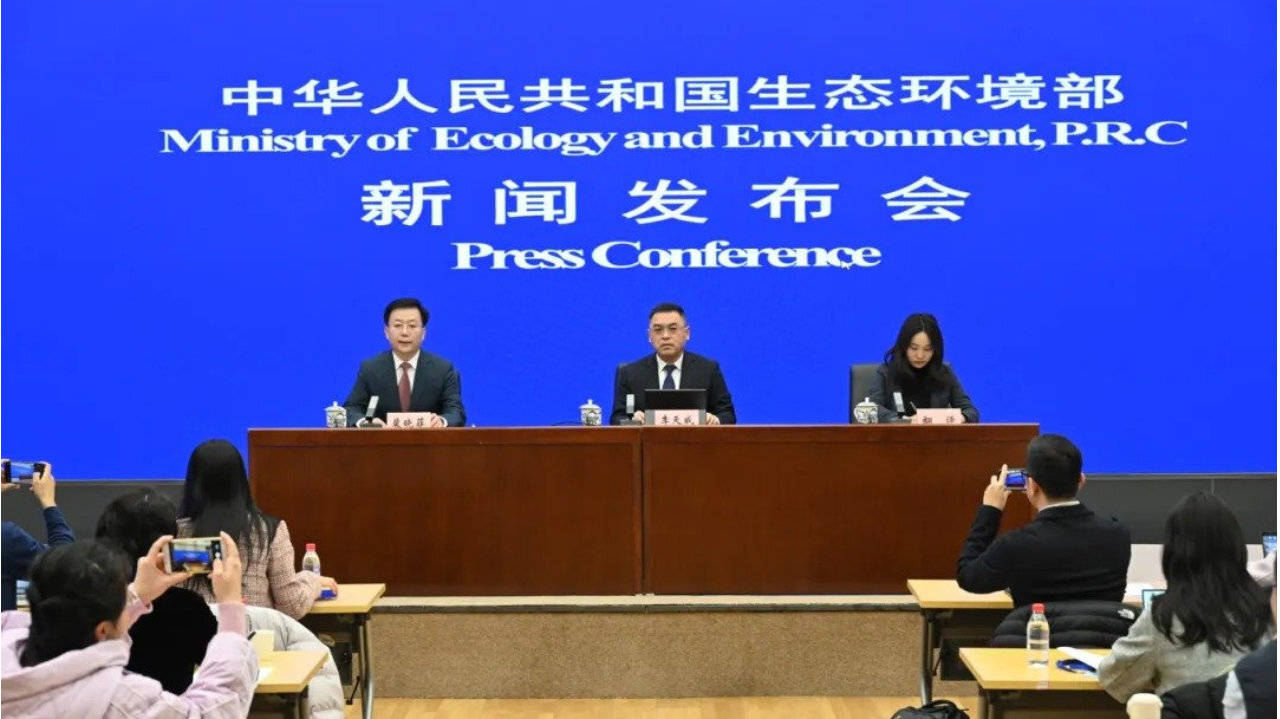
生态环境部发布新规管控废电器回收处理污染
Xin Hua She· 2026-02-27 09:47
Core Viewpoint - The Ministry of Ecology and Environment of China has released the "Pollution Control Technical Specifications for the Treatment of Waste Electrical and Electronic Products" (HJ 527—2026), effective from March 1, 2023, to regulate the recycling and disposal of waste electrical and electronic products and to mitigate environmental pollution [1][2]. Group 1 - China is the largest manufacturer and consumer of electrical and electronic products globally, leading to a continuous increase in the generation and variety of waste electrical products [2]. - Over the past decade, more than 1 billion units of key waste electrical products, including televisions, refrigerators, washing machines, air conditioners, and computers, have been processed, resulting in approximately 22 million tons of recycled and properly disposed materials [2]. - The new technical specifications expand the categories of waste electrical products to include newer devices such as self-service machines, retail self-checkout machines, smart drones, wearable smart devices, and smart vehicle equipment [2]. Group 2 - The specifications detail pollution control requirements for the storage process, specifying protective measures for different categories of waste electrical products and their dismantled materials [2]. - The dismantling process is also addressed with differentiated technical requirements for various categories of waste electrical products, emphasizing the prevention of harmful substance emissions [2]. - The Ministry will guide local authorities and enterprises in implementing the new requirements and will continue to combat illegal dismantling and disposal practices as part of a broader initiative against illegal solid waste disposal [3].
中国出台新规进一步规范废弃电器电子产品回收处理
Zhong Guo Xin Wen Wang· 2026-02-27 09:06
Core Viewpoint - The Ministry of Ecology and Environment of China has announced the implementation of the "Technical Specification for Pollution Control in the Treatment of Waste Electrical and Electronic Products" (HJ527-2026) starting March 1, 2024, to regulate the recycling and disposal of waste electrical and electronic products and to mitigate environmental pollution [1][2]. Group 1 - China is the largest manufacturer and consumer of electrical and electronic products globally, leading to a continuous increase in the generation and variety of waste electrical products [1]. - The annual standardized dismantling volume of waste electrical products, specifically "four machines and one brain" (televisions, refrigerators, washing machines, air conditioners, and computers), is projected to rise from over 10 million units in 2012 to approximately 100 million units by 2025 [1]. - Over the past decade, more than 1 billion units of "four machines and one brain" have been standardized and processed, resulting in the recycling and proper disposal of around 22 million tons of dismantled products [1]. Group 2 - The new technical specifications expand the categories of waste electrical products to include servers, service terminals, smart consumer devices, and medical service equipment (excluding implanted, infectious, and radioactive devices) [2]. - The specifications detail pollution control requirements during storage, including the need for differentiated storage and protective measures for various categories of waste electrical products and their dismantled materials [2]. - The Ministry will guide local authorities and enterprises in understanding and implementing the new requirements, emphasizing the enforcement of responsibilities and the crackdown on illegal dismantling and disposal practices [2].
新版规范3月起实施 进一步优化废电器回收处理
Zhong Guo Jing Ji Wang· 2026-02-27 08:21
Core Viewpoint - The Ministry of Ecology and Environment of China has announced the implementation of a revised technical specification for the treatment and pollution control of waste electrical and electronic products, effective March 1, 2023, to enhance the regulation of waste electronics recycling and reduce environmental pollution [2]. Group 1: Regulatory Changes - The revised technical specification expands the categories of waste electronics to include newer types such as self-service machines, retail self-checkout machines, smart drones, wearable smart devices, and smart vehicle equipment [2]. - It specifies pollution control requirements for the storage process, including protective measures for storage sites and the need for segregated storage of different categories of waste electronics and their dismantled products [3]. - The specification improves pollution control requirements during the dismantling process, detailing differentiated dismantling technology requirements for various categories of waste electronics and emphasizing the prevention of harmful substance emissions [3]. Group 2: Management and Enforcement - The specification strengthens the management of dismantled products by proposing targeted pollution control requirements for key products such as circuit boards, LCD screens, and insulation materials [4]. - The Ministry will guide local authorities and enterprises in understanding and implementing the new requirements, ensuring that companies fulfill their responsibilities in environmental management [4]. - Illegal dismantling and disposal practices will be included in a special rectification action against illegal dumping of solid waste, with strict measures against outdoor storage and non-compliant dismantling activities [4].

废电器回收新规3月1日实施!智能机器人的“后半生”有归处
2 1 Shi Ji Jing Ji Bao Dao· 2026-02-27 06:44
Core Viewpoint - The newly revised "Technical Specification for Pollution Control in the Treatment of Waste Electrical and Electronic Products" (HJ527-2026) will be implemented on March 1, 2026, expanding the scope of waste electrical and electronic products to include various new categories such as smart devices and medical service equipment [2][3]. Group 1: Overview of the New Technical Specification - The new specification includes pollution control and environmental management requirements for the storage, dismantling, and disposal of waste electrical products, applicable to enterprises engaged in waste electrical product treatment [3]. - It aims to enhance resource recycling standards, broaden the coverage of management objects, and clarify pollution control requirements at each stage of waste electrical product recovery and treatment [4]. Group 2: Historical Context and Need for Revision - China is the world's largest manufacturer and consumer of electrical and electronic products, with the annual regulated dismantling volume of waste products increasing from over 10 million units in 2012 to approximately 100 million units by 2025 [3]. - The previous version of the specification, issued in 2010, had limitations in terms of regulatory alignment, coverage of waste product categories, and comprehensive technical requirements, necessitating the revision to meet the growing challenges of waste electrical product management [3][4]. Group 3: Future Directions and Enforcement - The Ministry of Ecology and Environment will ensure that treatment enterprises fulfill their responsibilities and continuously improve pollution prevention facilities for waste electrical product recovery and treatment [4]. - There will be ongoing monitoring of the implementation of the new specification, addressing emerging issues in the waste electrical product recovery process, and enhancing public participation and social supervision to combat illegal disposal practices [4].

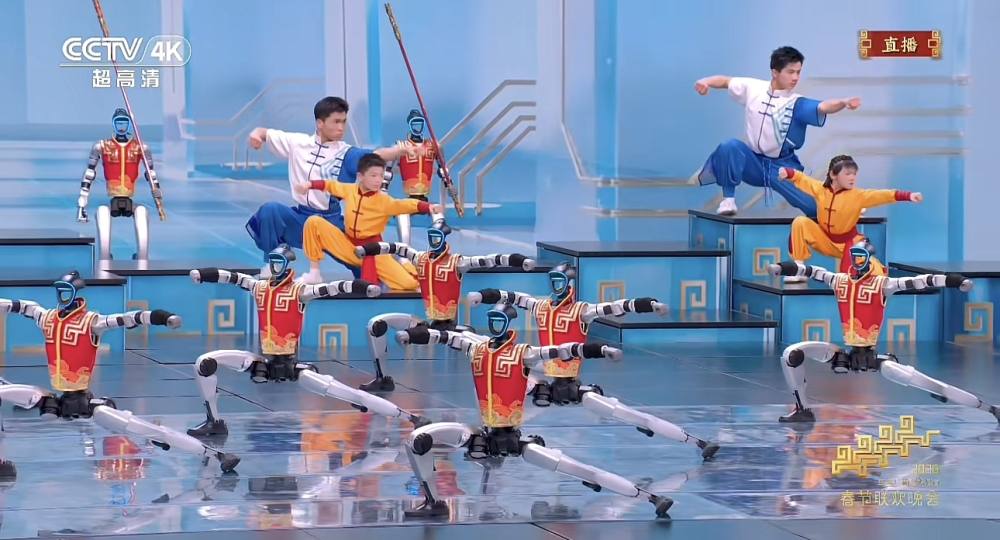
可穿戴设备等纳入废电器污染管控
Zhong Guo Xin Wen Wang· 2026-02-27 06:12
Core Viewpoint - The Ministry of Ecology and Environment has released a revised technical specification for the management of waste electrical and electronic products, which will take effect on March 1, 2023, expanding the categories of waste electronics under control [1] Group 1: New Regulations - The new technical specification, HJ 527—2026, is an update to the 2010 regulations, incorporating additional categories of waste electronics [1] - New types of waste electronics included in the regulation are self-service machines used in government, retail self-checkout machines, smart drones, wearable smart devices, and smart vehicle-mounted equipment [1] Group 2: Pollution Control Measures - The specification details pollution control requirements for the storage process of waste electronics [1] - It also enhances pollution control requirements during the dismantling process and strengthens the management of dismantled products [1]
长三角消费新局:江苏首夺全国第一,杭州竞逐“万亿消费第七城”
2 1 Shi Ji Jing Ji Bao Dao· 2026-02-12 14:54
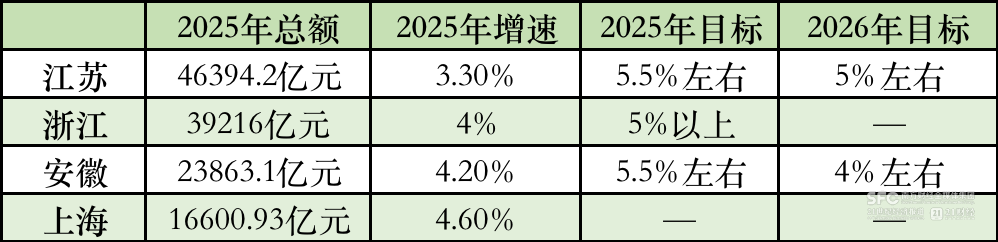
Group 1 - In 2025, the total retail sales of consumer goods in China exceeded 50 trillion yuan for the first time, with a year-on-year growth of 3.7% [1] - The Yangtze River Delta region contributed a quarter of the total retail sales, with Jiangsu province achieving the highest retail sales at 46,394.2 billion yuan, marking its first time at the top nationally [1][2] - Shanghai experienced the fastest growth in retail sales at 4.6%, with an increase of 0.3 percentage points compared to the previous three quarters [1][2] Group 2 - Jiangsu's retail sales contributed approximately 55% to economic growth in 2025, driven by service consumption from cultural tourism and events [2] - The retail sales in Zhejiang reached 39,216 billion yuan, growing by 4.0% year-on-year, while Anhui's retail sales were 23,863.1 billion yuan, with a growth of 4.2% [1][2] - Hangzhou led the Yangtze River Delta with retail sales of 9,499 billion yuan, aiming to become the seventh trillion-yuan consumption city in the country [1][3] Group 3 - The outbound tax refund policy in Shanghai emerged as a new growth point for consumption, with the number of tax refund applications quadrupling compared to the previous year, and sales and refund amounts increasing by 80% [3] - Jiangsu's consumption of green and smart products grew by 15%, while Zhejiang's digital consumption increased by 12% through live e-commerce and instant retail [3] - In the Yangtze River Delta, cities like Suzhou and Hangzhou surpassed significant retail sales thresholds, with Suzhou reaching 9,092.22 billion yuan [3][4] Group 4 - The retail sales growth targets for 2026 have been generally lowered across many regions, with Jiangsu and Anhui setting their targets at around 5% and 4% respectively [7] - The focus on promoting consumption has intensified, with many provinces prioritizing consumption in their government work reports, emphasizing the shift from traditional goods to service consumption [7][8] - New consumption trends such as digital consumption, cultural tourism, and service-oriented consumption are being promoted, with initiatives to enhance the quality and variety of services offered [8]
新疆消费提质 持续释放活力
Sou Hu Cai Jing· 2026-02-10 04:40
Core Viewpoint - Consumption is the main engine of economic growth and a barometer of people's well-being, with Xinjiang's retail sales of consumer goods reaching 410.78 billion yuan in 2025, marking a 3.6% year-on-year increase and breaking the 400 billion yuan threshold for the first time [1] Group 1: Policy Impact - The "old-for-new" subsidy policy has been fully implemented in Xinjiang, significantly stimulating consumer spending, with 2.373 million products subsidized, leading to a consumption increase of 26.16 billion yuan [2] - The policy's effectiveness is evident as it has reduced consumer costs and boosted demand for major appliances, automobiles, and digital products [2] Group 2: Market Performance - In 2025, Xinjiang's total retail sales of consumer goods grew by 3.6%, with retail sales of above-limit units increasing by 3%, indicating strong market resilience [3] - Retail sales of goods rose by 3.7%, while dining revenue increased by 3.1%, reflecting a recovery in consumer scenarios and a diversified market [3] Group 3: Structural Upgrades - Xinjiang is innovating consumption scenarios, focusing on holiday, nighttime, and convenience consumption, enhancing consumer experience and driving a shift from quantity to quality in consumption [4] - The retail sales of new energy vehicles reached 26.778 billion yuan, up 27.8%, while smart home appliances and wearable devices saw significant growth, indicating a trend towards high-quality and intelligent living [4] Group 4: New Consumption Trends - Online retail sales of physical goods grew by 18.9%, with above-limit units achieving a 54.5% increase in online sales, highlighting the shift towards online consumption [5] - The demand for upgraded products is accelerating, with cosmetics and magazines seeing year-on-year growth of 2.6% and 6.7%, respectively, reflecting a transition towards quality and spiritual enjoyment in consumer behavior [5][6] Group 5: Income Growth - The steady increase in residents' income is a fundamental driver of consumption growth, with per capita disposable income reaching 32,881 yuan, a 6.4% increase [7] - The income gap between urban and rural residents has narrowed, supporting rural consumption and contributing to overall consumption growth [7] Group 6: Service Consumption - There is a notable shift towards balanced spending on goods and services, with per capita service consumption expenditure growing by 7.5%, indicating rising demand in education, healthcare, and tourism [8] - The focus on enhancing consumer experience and optimizing the consumption environment is expected to further stimulate market growth and support high-quality economic development in Xinjiang [8]
歌尔股份增资至35.4亿元
Sou Hu Cai Jing· 2026-02-10 04:23
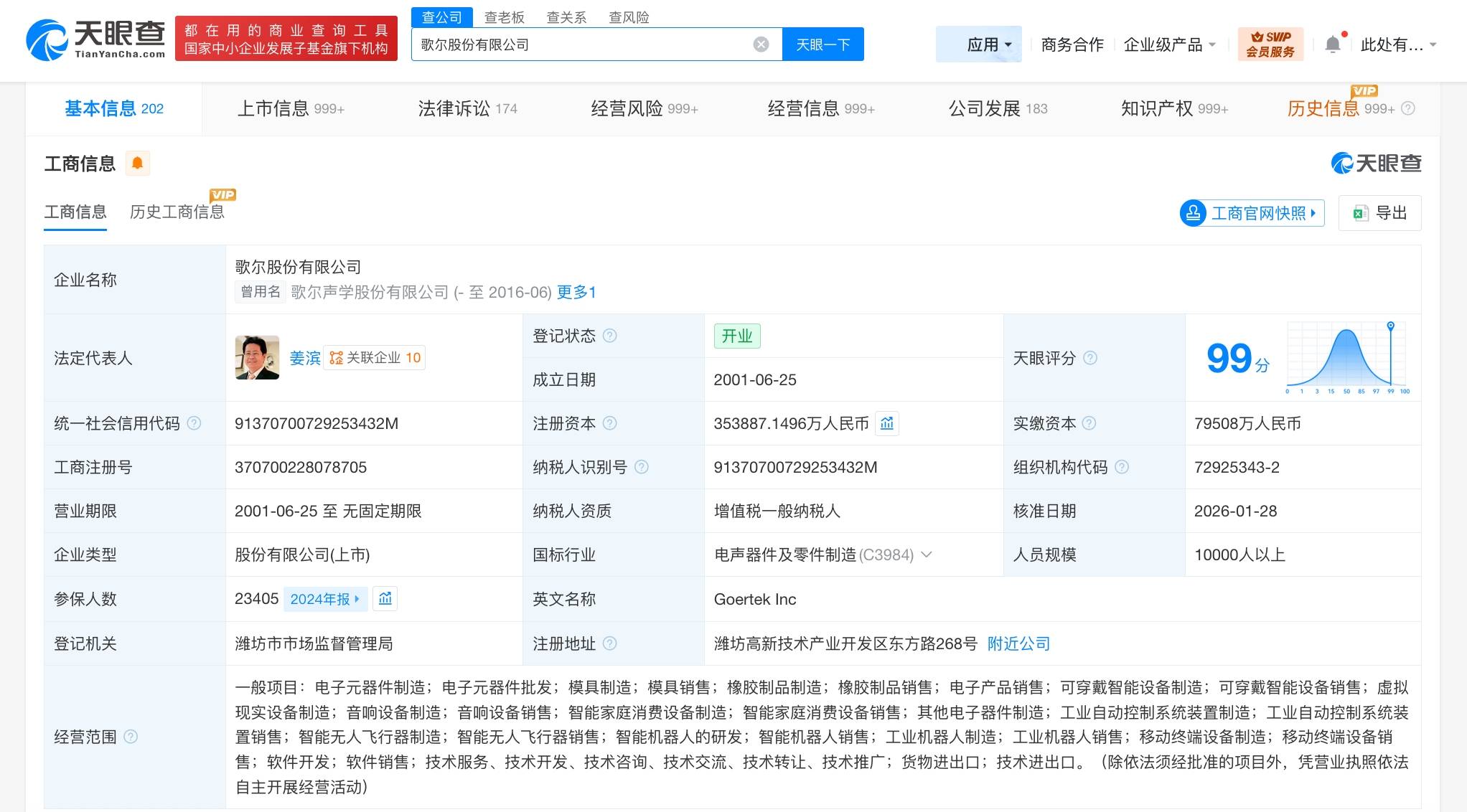
Core Viewpoint - Goertek Co., Ltd. has recently increased its registered capital from approximately 3.42 billion RMB to about 3.54 billion RMB, representing an increase of approximately 3.6% [1]. Company Information - Goertek was established in June 2001 and is led by legal representative Jiang Bin. The company's business scope includes manufacturing and wholesale of electronic components, sales of electronic products, manufacturing and sales of wearable smart devices, manufacturing of virtual reality devices, sales of intelligent unmanned aerial vehicles, and research and development of intelligent robots [1][2]. - The company is jointly held by Goertek Group Co., Ltd., Jiang Bin, and Hong Kong Central Clearing Limited among others [1][3]. Shareholder Information - The major shareholders include Goertek Group Co., Ltd. as the largest shareholder, Jiang Long, and Hong Kong Central Clearing Limited [3].

“十四五”时期陕西消费市场繁荣向好
Shan Xi Ri Bao· 2026-02-06 00:40
Core Insights - The report highlights the continuous expansion of the consumer market in Shaanxi during the "14th Five-Year Plan" period, with a total retail sales of consumer goods reaching 53,198.69 billion yuan, which is 1.2 times that of the "13th Five-Year Plan" period [1] Group 1: Consumer Market Growth - The total retail sales of consumer goods in Shaanxi is projected to reach 11,587.99 billion yuan by 2025, with a year-on-year growth of 6% [1] - The retail sales of new energy vehicles are expected to reach 865.27 billion yuan by 2025, which is 21.1 times that of 2020, with an average annual growth rate of 68.8% [1] - The share of new energy vehicle retail sales in total automotive retail sales is projected to be 53.7% by 2025, an increase of 49.9 percentage points compared to 2020 [1] Group 2: Service Consumption - By 2025, the catering revenue is expected to reach 1,272.16 billion yuan, which is 1.34 times that of 2020, with an average annual growth of 6% [2] - The proportion of catering revenue in total retail sales is projected to rise from 9.9% in 2020 to 11% in 2025 [2] - The online sales through public networks are expected to reach 1,274.87 billion yuan by 2025, which is 1.8 times that of 2020, with an average annual growth of 12.3% [2] Group 3: Business Entities Growth - By 2024, the number of legal entities in wholesale, retail, accommodation, and catering sectors is expected to reach 14,104, an increase of 4,436 compared to 2020, with an average annual growth of 9.9% [2] - The proportion of private enterprises in these sectors is projected to be 98.7% by 2024, an increase of 2.2 percentage points compared to 2020 [2] - The number of chain operation stores in the trade and commerce sector is expected to grow from 6,146 in 2020 to 10,423 by 2024, with an average annual increase of over 1,000 stores [2] Group 4: Urban and Rural Market Development - From 2020 to 2025, urban retail sales are expected to grow from 8,503.1 billion yuan to 10,276.54 billion yuan, with an average annual growth of 3.9% [3] - Rural retail sales are projected to increase from 998.1 billion yuan to 1,311.45 billion yuan, with an average annual growth of 5.6% [3] - By 2025, rural retail sales are expected to account for 11.3% of total retail sales, an increase of 0.8 percentage points compared to 2020 [3]