扫街榜

Search documents
低调的阿里合伙人,带高德“杀出一条血路”
Sou Hu Cai Jing· 2026-02-09 06:17
Core Insights - Gaode Map, under the leadership of Liu Zhenfei, has reached 996 million monthly active users, becoming a key player in Alibaba's ecosystem, primarily due to the launch of the "Street Ranking" feature [2][8] - The "Street Ranking" has significantly boosted user engagement and is a cornerstone of Alibaba's "AI + Big Consumption" strategy, showcasing the synergy between Gaode, Taobao, and Alipay [2][9] Group 1: Leadership and Strategy - Liu Zhenfei, a low-profile yet highly skilled partner at Alibaba, has been instrumental in Gaode's transformation and success, having joined Alibaba in 2006 and becoming a partner in 2014 [3][4] - His technical expertise and leadership have been pivotal in overcoming challenges, such as the integration of operational systems during high-traffic events like "Double 11" [4][6] - Liu's commitment to Alibaba's "Go IOE" strategy has strengthened the company's technological independence, allowing for greater innovation and efficiency [6][8] Group 2: Product Innovation and User Growth - The launch of the "Street Ranking" feature has led to a rapid increase in user numbers, with over 400 million users within a month and 660 million within 100 days [8][9] - Gaode's integration of AI technology into its services has created a unique competitive advantage, allowing for real-time user behavior analysis and enhanced service offerings [9][11] - The company has successfully transitioned from a traditional navigation tool to a comprehensive smart travel service platform, marking a significant evolution in its business model [12][16] Group 3: Financial Performance and Market Position - Gaode has historically received substantial investment from Alibaba, with over 2 billion yuan allocated annually for R&D during its loss-making phases, reflecting Alibaba's long-term commitment to its growth [15][16] - After a strategic shift in 2023, Gaode has begun to achieve profitability, marking a significant milestone in its financial performance [16][17] - The company is positioned as a leading player in the local lifestyle sector, leveraging its technological advancements to drive user engagement and market share [16][17]



扫街榜百天累计用户数突破6.6亿 高德已成生活服务超级入口
Mei Ri Jing Ji Xin Wen· 2026-01-08 16:08
Core Insights - The launch of Gaode's "Street Ranking" has rapidly transformed the local life service market in China, achieving over 660 million users in just 100 days since its launch on September 10 [1][2] - The ranking system is based on real in-store behaviors, providing a trustworthy consumer guide amidst a saturated marketing environment [1][2] - Gaode's CEO highlighted the importance of rebuilding trust and creating a comprehensive offline service credit system through the Street Ranking [2] User Growth and Engagement - The Street Ranking has seen a significant increase in user engagement, with Gaode's app reaching 996 million monthly active users by October 2025, up from 950 million in September 2025, indicating a growth of nearly 46 million users in one month [3] - The Daily Active Users (DAU) for the Street Ranking reached 70 million by October 2025, reflecting a shift in user behavior towards more authentic consumption [6] Market Impact and Business Model - Over 860,000 merchants have joined the Street Ranking within 100 days, with their order volume increasing by over 330% and revenue by over 270% [4] - The ranking system has shifted the industry value assessment from focusing on information volume to prioritizing behavioral authenticity and decision conversion rates [6][8] - Gaode's approach has allowed businesses that focus on product quality and service to thrive, contrasting with those that rely heavily on marketing tactics [4][8] Technological Innovation - Gaode has introduced the "Flying Street View" feature, utilizing its self-developed world model to enhance user interaction with real-world services [3] - The ranking system provides real-time updates on store popularity, allowing users to make informed decisions based on current trends rather than static ratings [7] Industry Transformation - The rapid user growth of 660 million in 100 days signals a significant market shift, positioning Gaode as a leading entry point for local life services [8] - The Street Ranking encourages a healthier and more efficient local service ecosystem, emphasizing the importance of genuine consumer behavior over traditional marketing strategies [8]
高德闪电战:改变本地生活行业的 100 天
晚点LatePost· 2026-01-08 10:17
Core Insights - The article discusses the rapid growth and success of Gaode Map's "Street Ranking" feature, which quickly surpassed competitors in user engagement and merchant participation [3][4][5] - Gaode aims to transform into a comprehensive local life platform, leveraging real user behavior data to enhance decision-making for consumers and businesses [4][9] User Engagement and Growth - On its launch day, "Street Ranking" attracted over 40 million users, and by October, daily active users (DAU) reached 70 million, significantly outpacing competitors like Dazhong Dianping [3][4] - The feature has led to a 270% increase in revenue for over 860,000 merchants who joined the platform within 100 days of its launch [3][5] Product Development and User Feedback - The first 100 days of "Street Ranking" were marked by rapid milestones, with user numbers reaching 6.6 billion within three months [5][6] - The team received 5.6 million user feedback entries, leading to over 100 product optimizations based on specific user suggestions [8][9] Technological Innovations - Gaode introduced "Flying Street View" to provide a more immersive experience, allowing users to see real-time conditions of locations, thus addressing the issue of "spatial reality" [9][10] - The AI-driven "World Model" enables merchants to easily create high-fidelity digital representations of their businesses without needing marketing expertise [10][12] Strategic Vision - Gaode's long-term goal is to become a "super entrance" for local life, integrating various functionalities into a cohesive "intelligent entity" that enhances user experience [13][14] - The company envisions a future where its understanding of the physical world can serve as a foundational layer for various smart devices, enhancing the overall ecosystem [15][16]

高德扫街榜上线百日扩容:引入世界模型,加码到店业务
2 1 Shi Ji Jing Ji Bao Dao· 2026-01-07 09:09
Core Viewpoint - Gaode is enhancing its penetration in the local life service sector through the upgraded "Street Ranking" product, leveraging its map data and traffic advantages to find differentiated paths in the local life market [1] Group 1: Product Development - Gaode's "Street Ranking" has been upgraded to include the "Flying Street View" feature, which is the first application of its self-developed world model technology in the life service industry, providing users with a continuous dynamic navigation experience from street view to in-store [1] - The "Flying Street View" allows users to preview restaurant environments and nearby parking details before arriving at their destination, enhancing the "real scene exploration" experience [1] Group 2: Merchant Engagement - Gaode aims to lower the entry barrier for merchants by allowing them to create their own "Flying Street View" by simply uploading videos and photos taken with their smartphones, with plans to provide this service for free to 1 million small and micro merchants [2] - The initiative is part of a broader strategy to enrich Gaode's content ecosystem and convert online traffic into offline transactions, with partnerships already initiated in cities like Shanghai, Sichuan, and Jinan [2] Group 3: User Growth and Engagement - Gaode's app has seen a significant increase in monthly active users (MAU), reaching 996 million, with a monthly addition of 46 million users, driven by the "Street Ranking" feature [2] - Within 100 days of the "Street Ranking" launch, 860,000 new merchants joined the platform, with a more than 330% increase in order volume and over 270% growth in revenue for these merchants [2] Group 4: Competitive Landscape - The local business competition is intensifying, with competitors like Meituan leveraging ground teams and fulfillment capabilities, while Douyin uses short video content to penetrate the market [3] - Gaode is attempting to utilize its map as a foundational infrastructure to combine user location, real-time traffic, and consumer reviews, aiming to guide consumer choices while planning routes [3] - The introduction of "Flying Street View" and AR features is intended to enhance user experience and attract more merchant resources amid fierce market competition [3]
勇挑大梁积极作为 全力抓好开局起步 为首都高质量发展作出更大贡献
Xin Lang Cai Jing· 2026-01-05 22:49
Group 1: Economic Development and Consumer Demand - The focus is on expanding domestic demand and enhancing consumer investment interaction in Chaoyang District, which is a significant economic and population area [1] - The city aims to leverage platforms like Gaode Map to optimize data and algorithms, promoting local consumption brands and improving transportation services [1] - There is an emphasis on increasing residents' income through various channels and enhancing public services to boost consumer capacity [3] Group 2: Investment and Market Structure - The strategy includes increasing effective investment in technology innovation and emerging industries while revitalizing underutilized resources [4] - The government plans to support private enterprises in major projects to stimulate private investment [4] - There is a commitment to improving the market environment by protecting the rights of private enterprises and enhancing service mechanisms for businesses [4] Group 3: Consumer Experience and Urban Development - The development of urban renewal projects like the Chaoyang Youth Power Center aims to attract young consumers and enhance their experience [2] - The city is focused on creating new consumption scenarios, including digital and trendy consumption, to adapt to changing demographic trends [3] - Plans are in place to promote high-quality supply and expand the variety of goods and services available to consumers [3]
烟火上海洞察报告:上海国际美食全国第一,咖啡消费领跑全国
Sou Hu Cai Jing· 2025-12-24 12:18
Core Insights - The "Smoke Shanghai Plan" has been officially launched to enhance local life through data-driven insights and support for merchants, aiming to establish Shanghai as a globally influential "International Food Capital" [1] Group 1: Strategic Initiatives - A strategic cooperation memorandum was signed between the Shanghai Municipal Commission of Commerce and Gaode, integrating the "Street Scanning List" into city-level consumption promotion activities [3] - The "Street Scanning List" is the world's first service ranking based on real user navigation data, with over 1.2 billion daily searches and navigation to destinations, ensuring the credibility of the rankings [3] Group 2: Consumer Insights - The "2025 Gaode Street Scanning List: Smoke Shanghai Insight Report" reveals that Shanghai ranks second in the nation for dining richness and first for the number of international restaurants, highlighting its status as a global culinary hub [4] - Coffee is identified as the most popular dining category in Shanghai, leading the nation in both total store count and average daily navigation visits [5] Group 3: Regional Trends - Huangpu District leads the city's food popularity rankings, holding 29 out of the top 100 restaurants, with key commercial areas like Nanjing East Road and the Bund blending high-quality consumption with local culture [6] - During the National Day holiday, visitors from Suzhou, Jiaxing, and Hangzhou were the top three sources of external consumption, indicating the deep integration of cross-city consumption within the Yangtze River Delta's "one-hour living circle" [7] Group 4: Merchant Support Programs - The "Shanghai Smoke Good Store Support Plan" offers financial incentives and services to local merchants, including up to 4,800 yuan in service fee waivers for new stores and targeted marketing support for growing and established businesses [8] - Gaode is investing millions in targeted travel subsidies to help merchants attract customers, while local influencers will promote hidden culinary gems through authentic experiences [8]

中经评论:平台企业缘何着迷“点评”业务
Jing Ji Ri Bao· 2025-11-26 00:08
Core Insights - The recent surge in interest from major internet companies in user reviews and ratings is driven by the need to find new growth avenues in the service consumption era, as traditional e-commerce growth has plateaued [1][2] - Platforms like JD.com and Gaode are expanding their roles beyond traditional functions to become influential in consumer decision-making, particularly in the restaurant and entertainment sectors [1] - The competition for consumer attention is intensifying, with platforms aiming to create high-frequency touchpoints through review content [1] Industry Dynamics - The service consumption market remains robust, with significant demand for experiences such as dining and entertainment, which are often subjectively evaluated [1] - The introduction of new review platforms is seen as a way for businesses to connect directly with consumers, especially in a high marketing cost environment [1] Consumer Behavior - Consumers are generally receptive to multiple review channels, appreciating the opportunity to discover new places and potential discounts [2] - There is a growing skepticism towards "water reviews," with consumers preferring authentic experiences over generic positive reviews [2] Trust and Credibility - Trust is fundamental to the review ecosystem, with users relying on genuine feedback to guide their choices, while platforms must maintain impartiality to build credibility [2][3] - The challenge lies in balancing the dual role of platforms as both arbiters of authenticity and profit-driven entities, which can lead to conflicts of interest [2] Future Considerations - New entrants in the review space must focus on rebuilding trust mechanisms rather than merely replicating existing functionalities [3] - The long-term success of review platforms hinges on their ability to foster genuine interactions and maintain consumer trust, as losing credibility can undermine even the most attractive data and interfaces [3]


平台企业缘何着迷“点评”业务
Jing Ji Ri Bao· 2025-11-25 22:01
Core Insights - The article discusses the increasing importance of review platforms in the service consumption era, highlighting how major internet companies are launching their own review systems to capture user engagement and trust [1][2][3] Group 1: Industry Trends - Major internet companies like JD.com and Alibaba are entering the review space to address growth challenges in traditional e-commerce, as service consumption remains a significant area of demand [1][2] - The launch of various review platforms indicates a strategic shift towards creating high-frequency touchpoints with users, aiming to enhance user retention [1][2] Group 2: Consumer Behavior - Consumers are generally open to multiple review platforms as they provide free access to information and potential discounts, enhancing their decision-making process [2] - There is a growing consumer skepticism towards "water reviews," with users preferring authentic experiences over generic positive feedback [2][3] Group 3: Platform Challenges - Review platforms face the dual challenge of maintaining authenticity while also pursuing revenue and traffic, which can lead to conflicts of interest [3] - New entrants in the review space must focus on rebuilding trust mechanisms rather than merely replicating existing functionalities, emphasizing the need for smarter algorithms to detect fake reviews [3]
淘宝“合体”VS 京东“分家”,你看好谁?
3 6 Ke· 2025-11-18 11:04
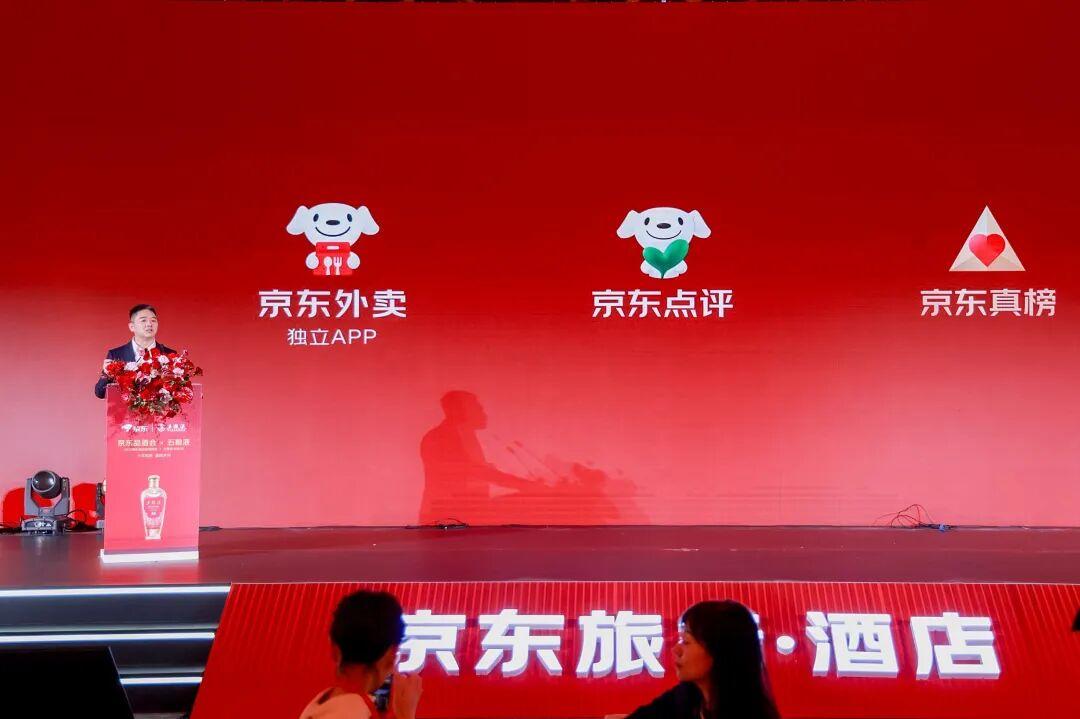
Core Insights - JD.com has launched its independent food delivery app, addressing user pain points regarding accessibility to its delivery services [2][10] - The strategic divergence between JD.com and Alibaba is evident, with JD.com opting for a "separation" strategy while Alibaba integrates its food delivery service into its broader ecosystem [8][10] - JD.com aims to build consumer trust through its new initiatives, focusing on authenticity and reliability in local services [12][15] Summary by Sections JD.com’s New Initiatives - JD.com has officially launched the JD Delivery app and JD Review, featuring five sub-channels for food, hotels, products, activities, and home services [4] - The JD True List initiative aims to recruit 100,000 reviewers for blind testing, utilizing an AI model to analyze millions of reviews for authenticity [4][9] Market Reactions - Public opinion is divided; some users appreciate the additional platform for convenience, while others criticize issues like customer service and delivery accuracy [4][6] - Concerns have been raised about the objectivity of the blind testing results and potential manipulation of reviews [4] Competitive Landscape - JD.com’s decision to separate its food delivery service contrasts with Alibaba's integration of Ele.me into the Taobao ecosystem, which aims to leverage Taobao's large user base for enhanced traffic and customer retention [8][10] - JD.com is betting on its established trust in product quality and logistics to differentiate itself in the food delivery market [12][15] Timing and Strategy - The launch coincides with Alibaba's efforts to merge its services, presenting a strategic opportunity for JD.com to capture market share during a potential period of competitor distraction [10][11] - JD.com is positioning itself as a trustworthy alternative in a market saturated with unreliable reviews, aiming to attract consumers seeking genuine recommendations [12][15]
掏10亿去“扫街”,高德想要什么?
3 6 Ke· 2025-10-22 03:24
Core Insights - Gaode's "Street Ranking" has rapidly gained popularity, surpassing 400 million users within 23 days of launch, with daily active users reaching 360 million on the first day of the National Day holiday, marking a significant growth milestone for internet products [1][8] - The launch of the "Street Ranking" is a strategic evolution for Gaode, transitioning from a navigation tool to a comprehensive lifestyle service platform [2][6] Development History - Gaode was founded in 2002, initially focusing on automotive navigation, and quickly captured over 90% of the smartphone pre-installed market with its paid navigation app [2][3] - The company shifted to a free model in 2011, which, despite short-term losses in paid navigation, allowed it to gain a vast user base in the mobile internet space [2][5] - In 2013, Gaode partnered with Alibaba, focusing on building a "location traffic big data infrastructure," evolving into a national-level mobile travel platform by 2018 [3][5] Strategic Evolution - Gaode's evolution can be divided into three phases: from a digital tool provider to a front-end application, and finally to a platform-based model [5][6] - The "Street Ranking" represents a culmination of Gaode's strategic development, integrating static point-of-interest data with dynamic user behavior data to transition from navigation to lifestyle decision-making [6][8] Factors Behind Popularity - The "Street Ranking" utilizes real behavior data to create a credible evaluation system, filtering out fake reviews and allowing users to make informed decisions easily [8][9] - Gaode's mapping capabilities provide a seamless user experience, integrating destination discovery, route planning, and in-store consumption without needing to switch apps [8][9] Core Competencies - Gaode has built a vast, real-time database through various data collection methods, enabling dynamic ranking and recommendations based on user behavior and traffic conditions [9][11] - The company's technological capabilities, including automated data processing and AI algorithms, ensure the accuracy and responsiveness of the "Street Ranking" [11] Future Directions - Gaode faces the challenge of determining whether to remain an information aggregation platform or evolve into a deep operational local lifestyle transaction platform [12][13] - The company may leverage its data and user base to penetrate various local services, aiming to become a multi-layered competitive tool within Alibaba's ecosystem [13][15] Challenges Ahead - Gaode must navigate the complexities of becoming a competitor rather than just a service provider, which could strain existing partnerships with local service platforms [15] - The company needs to address potential user perception conflicts as it transitions from a navigation tool to a lifestyle decision platform [15][16] - Operational challenges may arise as Gaode seeks to enhance its user engagement and create a comprehensive operational ecosystem [16]