抖省省

Search documents
美团巨亏234亿:一场烧钱的外卖大战还有未来吗?
Xin Lang Cai Jing· 2026-03-29 06:05
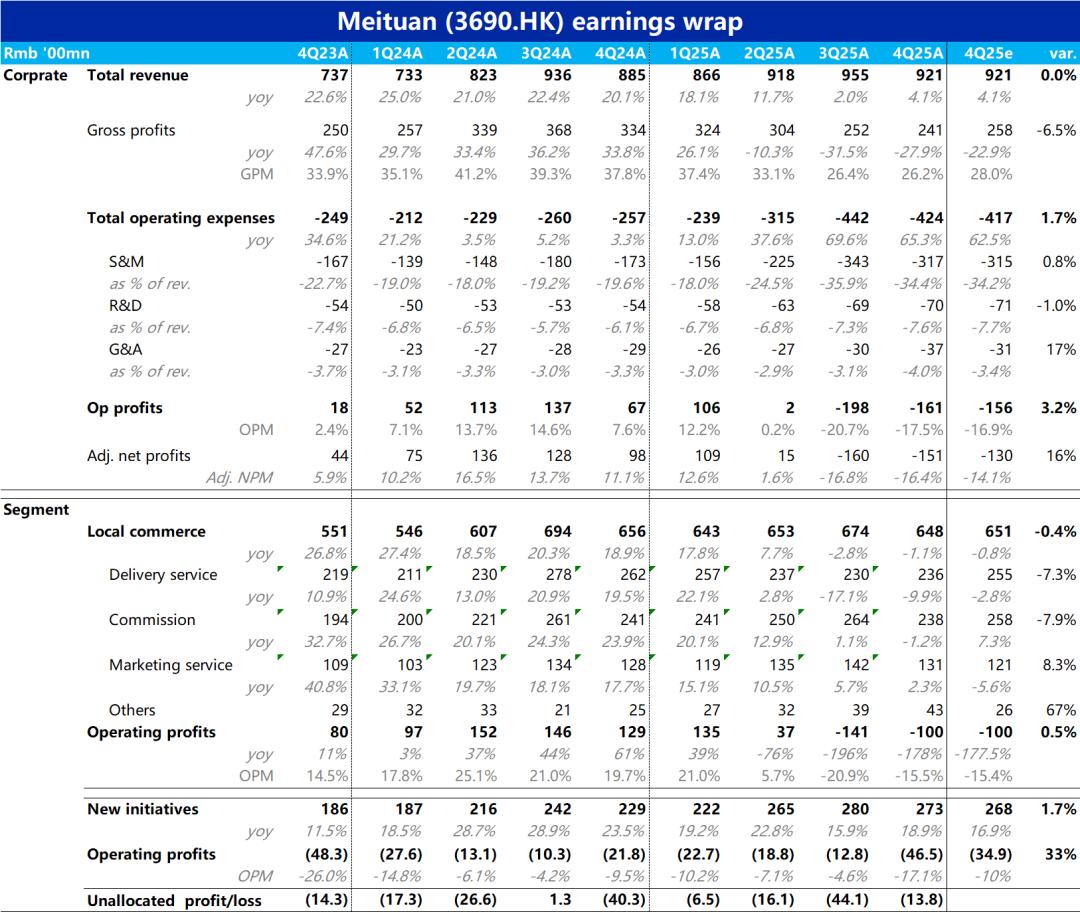
Core Insights - Meituan reported a significant loss of over 23 billion yuan in 2025, a stark contrast to a profit of 35.8 billion yuan in 2024, indicating a nearly 60 billion yuan profit gap [4][19] - The company is currently navigating a challenging competitive landscape, balancing the need to defend its core business while investing in new ventures [19][30] Financial Performance - Meituan's losses peaked in the second quarter, with core business losses reaching 14.1 billion yuan, before narrowing to 10 billion yuan in the fourth quarter [5][20] - The gross margin fell from 38.4% in 2024 to 30.4% in 2025, a decline of 8 percentage points, primarily due to sales costs rising 22.2% to 253.8 billion yuan, while revenue only grew by 8.1% [20] - Marketing expenses surged from 64 billion yuan to 102.9 billion yuan, a 60.9% increase, now accounting for 28.2% of revenue [20] Core Business Challenges - The core business, which previously generated 52.4 billion yuan in profit in 2024, turned into a loss of 6.9 billion yuan in 2025, indicating a significant loss of market share and profitability [6][20] - The competitive landscape intensified with the entry of JD.com and Alibaba into the food delivery market, leading to a costly price war [21][22] Market Position - Meituan maintains a market share of over 60% in the food delivery sector, despite facing pressure from competitors like Taobao Flash and JD.com [22] - The company has managed to keep its losses lower than its competitors, suggesting a stronger defensive position, although market share has slightly declined [22][24] New Business Ventures - New business revenue grew by 19% in 2025, but losses in this segment increased from 1.3 billion yuan to 4.7 billion yuan in the fourth quarter [29] - Meituan is investing heavily in AI, with R&D spending reaching 26 billion yuan, a 23.5% increase, indicating a commitment to technological advancement despite financial pressures [29][30] Competitive Landscape - Meituan's in-store services are under threat from competitors like Douyin and Gaode, which are gaining traction in the local services market [25][26] - Douyin's local service transaction volume grew by 59% in 2025, while Gaode launched a new ranking system that has rapidly gained user engagement [25][26] Strategic Adjustments - The company is shifting focus towards self-operated retail and has made significant investments in logistics and supply chain infrastructure [30] - Meituan's future strategy involves balancing core business defense with new business investments, indicating a complex operational environment [30][31]


外卖大战可能快结束了,但美团的战争才刚开始
36氪未来消费· 2026-03-27 10:22
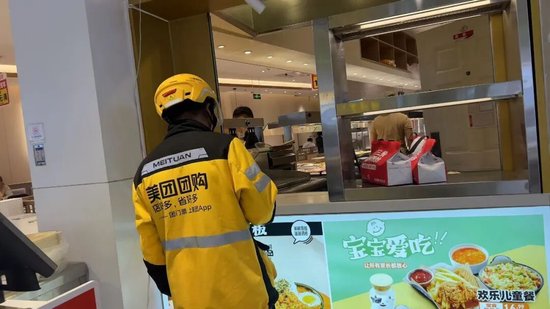
Core Viewpoint - The intense competition in the instant retail market is not the only challenge for Meituan, as it faces significant losses and operational hurdles in its core business and emerging sectors like AI and international expansion [2][5]. Financial Performance - In 2025, Meituan's revenue grew by 8.1% to 364.9 billion yuan, but it reported a loss of 23.4 billion yuan, a significant decline from a profit of 35.8 billion yuan the previous year [2]. - The core local business experienced a substantial operating loss of 6.9 billion yuan, indicating a challenging financial environment [2]. - In Q4 2025, the core local business revenue decreased by 1.1% to 64.8 billion yuan, with rising sales costs and marketing expenses attributed to fierce competition [3]. Competitive Landscape - Meituan's management openly acknowledged the competitive pressures during a recent earnings call, emphasizing the need to focus on enhancing core capabilities and reducing losses [4]. - The competition has shifted, with rivals like Alibaba and JD.com adjusting their strategies, leading to a more stable environment for Meituan to operate [4][13]. - Meituan is now prioritizing high-value orders over overall market share, focusing on improving unit economic efficiency [9]. Business Strategy - Meituan's strategy includes expanding its instant retail business, which has seen significant growth, with over 50,000 flash warehouses and double-digit growth in order volume and GTV [10]. - The company is also focusing on international expansion, with its international business Keeta achieving profitability in Hong Kong and expected to do so in Saudi Arabia by 2026 [23]. AI and Future Prospects - Meituan is investing in AI to enhance its service offerings, although it faces challenges in creating widely adopted AI products [26][27]. - The company aims to leverage AI to improve operational efficiency and customer experience in the local services sector [26]. Market Dynamics - The competition in the instant retail space is expected to evolve, with a shift from food delivery to non-food retail sectors, indicating a broader market opportunity [15]. - Meituan's management is committed to reducing inefficient investments in non-core areas while focusing on innovation and operational efficiency [21].
美团:三山压顶,外卖“老登”要长跪不起?
3 6 Ke· 2026-03-27 02:01
Core Viewpoint - Meituan's latest quarterly earnings report reflects a mixed performance, with significant losses in new business segments overshadowing slight improvements in core local commerce operations. The overall results align closely with prior profit warnings, indicating a challenging environment for the company [6][20]. Financial Performance - The core local commerce segment reported an operating loss of approximately 10 billion RMB, consistent with previous warnings. The total loss from the home delivery business exceeded 14 billion RMB, with a reduction in losses of less than 5 billion RMB compared to the previous quarter [20][24]. - The overall operating expenses for the quarter reached about 42 billion RMB, with a year-on-year increase of 65%. Marketing expenses accounted for 31.7 billion RMB, reflecting a reduction in delivery subsidies [4][26]. - The gross profit margin for the quarter was 26.2%, down by approximately 0.2 percentage points from the previous quarter, indicating ongoing pressure on profitability [24][26]. Business Segments - The home delivery business saw a slight improvement in loss per order, decreasing from 2.5 RMB to 2 RMB, while Alibaba's loss per order decreased from over 5 RMB to around 3.5 RMB, narrowing the gap between the two companies [20][24]. - Revenue from the home delivery and flash purchase segments declined by 10% year-on-year, a slight improvement from the previous quarter's 17% decline, suggesting a trend towards reduced investment and losses in the delivery sector [14][18]. - The new initiatives segment, primarily driven by Keeta's expansion in overseas markets, reported a revenue growth rate of 19%, indicating strong performance despite overall losses in this area [18][20]. Competitive Landscape - Meituan faces intensified competition in the dine-in segment, with a slowdown in revenue growth and a decline in commission and advertising revenues. The company is experiencing pressure from Douyin's aggressive entry into the market, which has seen significant growth in gross transaction value [3][12]. - The overall revenue for the core local commerce segment was 64.8 billion RMB, a year-on-year decline of 1.1%, aligning with market expectations despite the challenges faced [3][14]. Future Outlook - The ongoing competition in instant retail suggests that all players are optimizing their subsidies and unit economics, with a general trend towards reduced losses expected to continue. However, the pace and method of achieving these reductions remain uncertain [8][10]. - Regulatory bodies may influence the competitive landscape, but it is unlikely that they will impose strict measures to halt competitive subsidies entirely, allowing for continued competition among major players [9][10].
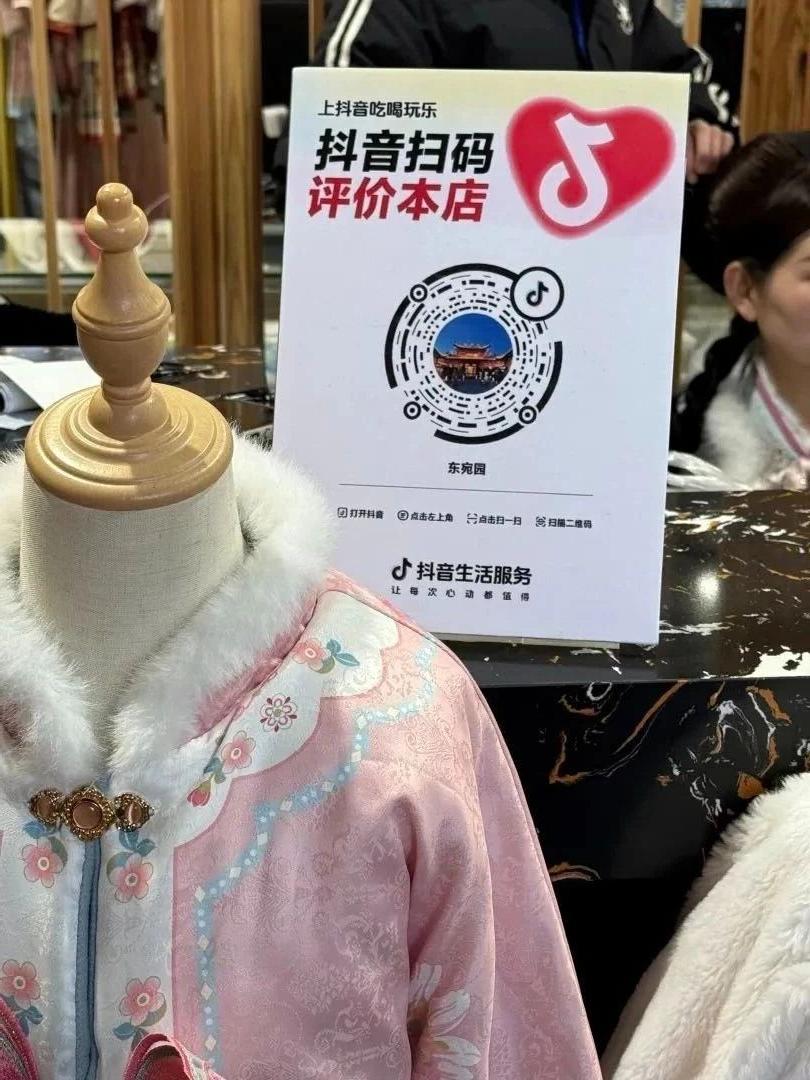
下载量杀疯!抖音甩出“抖省省”,美团真的坐不住了?
Sou Hu Cai Jing· 2026-03-19 00:55
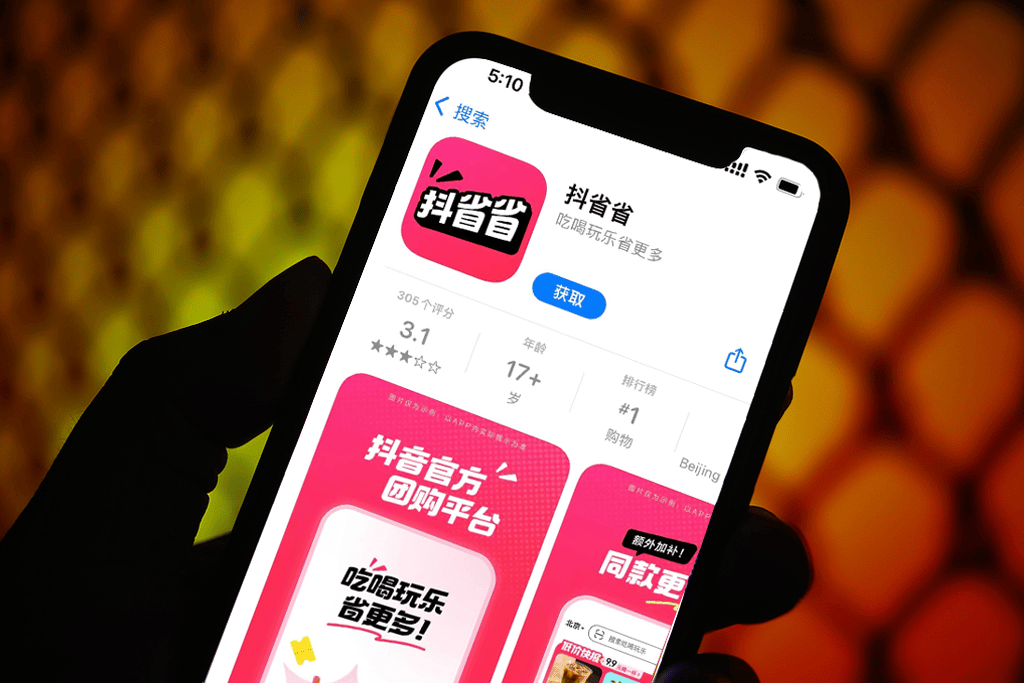
Core Insights - The article discusses the rapid rise of the "Dou Sheng Sheng" app, launched by Douyin, which quickly became a top player in the local lifestyle market, indicating a strategic shift from content-driven to transaction-focused operations [1][3]. Group 1: Douyin's Growth and Challenges - Douyin's local lifestyle segment has seen phenomenal growth, with GMV reaching 350 billion yuan in 2023 and projected to hit 600 billion yuan in 2024 and 850 billion yuan in 2025, positioning it as a competitor to Meituan [3]. - Despite impressive GMV figures, there are concerns about low redemption rates for group purchase vouchers, with some categories reporting less than 50% [3][4]. - A shift in user behavior is noted, with 80% of users now actively searching for discounts, contributing to 55% of transaction volume, indicating a move from impulsive to rational purchasing [4][6]. Group 2: Dou Sheng Sheng's Strategic Positioning - The "Dou Sheng Sheng" app is designed to cater to the new search-oriented consumer behavior, featuring a simplified interface focused on transactions rather than content [6][7]. - The app's launch strategy includes aggressive subsidies, such as offering first-time users a 0.01 yuan deal and additional discount coupons, targeting high-frequency consumer brands [6][7]. - Douyin's approach mirrors Meituan's early strategies, leveraging its existing user base and traffic to promote the new app without requiring separate registration [7]. Group 3: Competitive Landscape - The launch of "Dou Sheng Sheng" signifies Douyin's transition to a comprehensive platform that integrates content, search, and tools, while Meituan is enhancing its content capabilities through short videos and live streaming [9]. - The competition is evolving from simple metrics like subsidies and merchant numbers to a focus on user experience and satisfaction across the entire consumer journey [10]. - Both platforms are recognizing that the true competition lies in meeting user expectations for a better consumption experience rather than competing directly with each other [14]. Group 4: Future Considerations - "Dou Sheng Sheng" faces challenges such as user download fatigue and the need to establish a strong brand identity for discount searching [12]. - The app's long-term value may not be in replacing existing platforms but in complementing them within Douyin's ecosystem, creating a seamless consumer experience from discovery to transaction [12][14]. - The ongoing competition in the local lifestyle market is expected to intensify as players adapt to changing consumer behaviors and preferences [14].
美团迎战至暗时刻:市值蒸发6000亿,外卖护城河被击穿
Sou Hu Cai Jing· 2026-03-19 00:20
Core Insights - The intense competition in the food delivery market has significantly impacted Meituan's financial performance, leading to a drastic decline in stock price and profitability over the past year [2][3][22] Group 1: Market Competition - The entry of JD.com into the food delivery sector has disrupted Meituan's previously strong market position, with Meituan's stock price dropping from 189 HKD to around 80 HKD, a decline of 58% [2][4] - Alibaba's aggressive subsidy strategy, including a 500 billion RMB plan for Taobao Flash Sale, has forced Meituan and JD.com to engage in a costly price war, resulting in significant losses for all parties involved [6][7] - Meituan's core local business segment has shifted from a profit of 524.15 billion RMB in 2024 to a projected loss of 68-70 billion RMB in 2025, highlighting the severe impact of competition [3][7] Group 2: Financial Performance - Meituan's projected losses for 2025 are estimated between 233 billion to 243 billion RMB, a stark contrast to the previous year's profit of 358.08 billion RMB [7][22] - The operational costs for Meituan have surged, with sales costs increasing by 23.7% and marketing expenses rising by 91% in 2025 [10] Group 3: Strategic Moves - In response to the competitive landscape, Meituan has made a defensive acquisition of Dingdong Maicai for 7.17 billion USD to bolster its instant retail capabilities and integrate its logistics network [12][14] - Meituan is also expanding its offline presence through new store formats, aiming to enhance its supply chain and compete more effectively in the retail sector [15][16] Group 4: Emerging Threats - Douyin (TikTok) is establishing a stronghold in the local services market, launching a new app "Dou Sheng Sheng" that offers competitive pricing on group buying, posing a significant threat to Meituan's market share [17][19] - Douyin's strategy focuses on creating a standalone platform for transactions, which could further erode Meituan's customer base in both food delivery and local services [20][21]

抖音拆出“抖省省”,正面截胡美团
Sou Hu Cai Jing· 2026-03-07 18:35
Core Viewpoint - Douyin has launched an independent group buying app called "Dou Sheng Sheng," marking a significant shift in its local life services strategy, aiming to enhance transaction efficiency while separating content from commerce [1][3]. Group 1: Business Strategy - The launch of "Dou Sheng Sheng" is seen as a necessary step for Douyin, driven by impressive performance metrics, including a projected GMV of 850 billion yuan for 2025, representing a 59% year-on-year growth [3]. - The app focuses on high-value offers, such as "9.9 yuan for a drink" and "19.9 yuan for a meal," contrasting with Douyin's traditional content-heavy approach [4][6]. - Douyin aims to address the challenges of user experience by separating entertainment from transaction flows, which have been causing user dissatisfaction [3][4]. Group 2: Market Competition - Douyin faces significant competition from Meituan, which has a well-established delivery network covering 2,800 counties and cities, over 800 million annual transaction users, and more than 50% market share [4]. - The reliance on algorithmic recommendations has left Douyin lacking in offline fulfillment capabilities, making it difficult to compete with Meituan's operational experience [4]. - Douyin's previous high subsidy strategy has eroded its profits, creating a pressing need to balance growth and profitability [4]. Group 3: Financial Backing and Future Outlook - Douyin's valuation has soared to $550 billion (approximately 3.8 trillion yuan), positioning it as the highest-valued private tech company globally, second only to Tencent [4]. - The anticipated revenue of approximately $155 billion for 2024 and the success of AI products like Doubao, which has over 100 million daily active users, contribute to a positive outlook for Douyin's local life services [4].
字节新“王牌”,呼之欲出?
虎嗅APP· 2026-03-02 00:03
Core Viewpoint - Douyin's life service segment is rapidly expanding, with a projected GMV of over 850 billion yuan in 2025, reflecting a year-on-year growth rate of 59% [5][6]. Group 1: Business Growth and Strategy - Douyin's life service has launched a group buying app "Dou Sheng Sheng" to broaden its business reach [5]. - During the 2026 Spring Festival, Douyin's in-store dining saw a remarkable growth, with group buying sales surging by 764% and family reunion meal package orders increasing by 216% [5]. - The platform's hotel and accommodation group buying orders grew by 94% and 88% respectively, making it the second largest growth area for Douyin's life service [5][6]. Group 2: Target Demographics and Consumption Trends - Generation Z is becoming a key player in holiday consumption, with Douyin group buying orders from this demographic increasing by 65% during the 2026 Spring Festival [6]. - Emerging experience-based group buying orders, such as pet boarding and rock climbing, saw explosive growth rates of 9018%, 348%, and 118% respectively [6]. Group 3: Competitive Landscape and Market Position - Douyin's entry into the local life service market aims to challenge established players like Meituan and Ctrip, which have dominated the market for years [9][20]. - The traditional platforms operate on a "people find services" model, while Douyin's approach is "services find people," leveraging short videos and live streaming to stimulate consumer interest [9][10]. - Douyin's life service is gradually shifting from rapid expansion to deepening its ecosystem, focusing on merchant ecology and supply chain development [10][12]. Group 4: Financial Performance and Business Model - Despite lower profit margins compared to e-commerce, Douyin's life service is receiving significant strategic support from the group due to its operational nature [12]. - In late 2025, Douyin's life service returned to a strategy of subsidies to boost growth, with a monthly GMV nearing 100 billion yuan in December 2025 [12][13]. - The platform has established a comprehensive business system, with around 2,700 service providers covering nearly 500 cities, contributing to a 146% increase in GTV compared to when there were no service providers [13]. Group 5: Marketing and User Engagement - Douyin's content-driven marketing strategy is shifting advertising budgets from traditional platforms to its own, with over 50% of high-end city brand merchants allocating their marketing budgets to Douyin [14]. - The platform's promotional logic involves low-price group buying to attract price-sensitive users, which may lead to lower order fulfillment rates and repeat purchases [17][18]. Group 6: Challenges and Industry Barriers - Douyin faces significant barriers in the OTA market, including user mindset, supply chain limitations, and a lack of a robust content ecosystem [30]. - The platform's current hotel booking and group buying products have a fulfillment rate of less than 50%, compared to 90% for Ctrip, indicating challenges in user retention and service delivery [30].

左握团购“刺刀”、右举AI“火种”:豆包、抖省省霸榜 字节跳动“App工厂2.0”打响生态协同攻坚战
Mei Ri Jing Ji Xin Wen· 2026-02-25 16:22
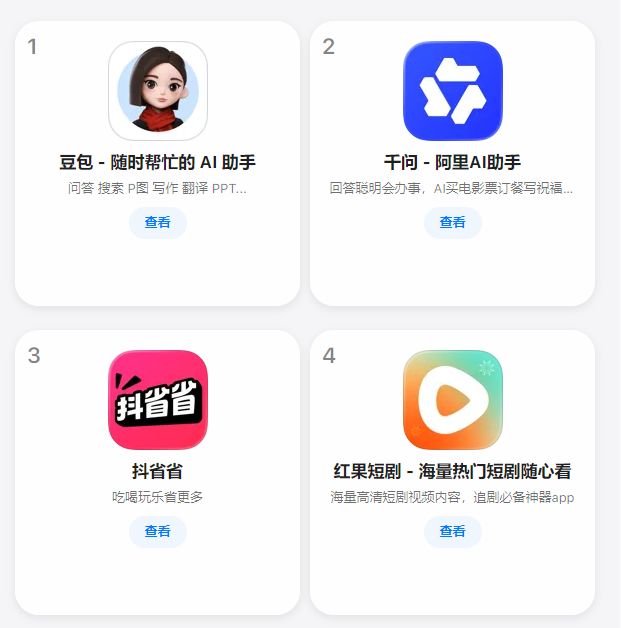
Core Insights - The article highlights the rapid rise of ByteDance's new app "Dou Sheng Sheng" in the local lifestyle sector, indicating a shift in the competitive landscape of the internet industry following the Spring Festival [1][3]. Group 1: Dou Sheng Sheng's Market Performance - "Dou Sheng Sheng" has consistently ranked in the top five of the App Store's free chart in China shortly after its launch, outperforming competitors like Yuanbao, Pinduoduo, and Meituan [1][3]. - The app reached the second position in the free shopping category on its first day and climbed to the top spot by February 13, maintaining a strong presence in the top five during the Spring Festival [7][11]. Group 2: Strategic Shift and App Development - ByteDance's strategy has evolved from a broad approach to a more collaborative ecosystem, with "Dou Sheng Sheng" marking a significant step in establishing a dedicated transaction platform for local services [3][11]. - The app's design is streamlined, focusing on user experience by allowing direct login with Douyin accounts and integrating order management within the Douyin wallet [4][11]. Group 3: Competitive Landscape and Future Plans - The local lifestyle market is highly competitive, with Meituan, Alibaba, and JD.com also vying for dominance, making "Dou Sheng Sheng's" entry a notable development [11][12]. - ByteDance aims to integrate AI technology into "Dou Sheng Sheng" to enhance user experience and operational efficiency, positioning it as a tool for exploring offline entertainment options [12][19]. Group 4: AI Integration and Ecosystem Development - The article discusses ByteDance's "App Factory 2.0," which leverages AI to create interconnected products across various sectors, enhancing the overall user experience [13][19]. - New AI-driven apps like "Sui Bian" and "AI Douyin" are part of this strategy, aiming to improve user engagement and content delivery [14][17].
抖音生服换挡时刻:GMV超8500亿,新一年放缓进攻节奏
雷峰网· 2026-02-25 05:13
Core Viewpoint - Douyin's local life service (Douyin Shengfu) aims for a GMV growth target of around 50% in 2026, following a strong performance in 2025 with a GMV exceeding 850 billion yuan and a year-on-year growth of 59% [2][3][15]. Group 1: Growth Strategy and Performance - In 2023, Douyin Shengfu achieved a GMV of 300 billion yuan, with an ambitious growth of 81% in 2024 and continued high growth into 2025 [3]. - The strategy includes aggressive market penetration in selected cities, offering higher subsidies to attract merchants, with some cities seeing a GMV surpassing Meituan [4][7]. - Douyin Shengfu's "Bigday" events have been pivotal in driving GMV, replicating e-commerce strategies in local services, with significant cash incentives for merchants [6][10][8]. Group 2: Competitive Landscape - Douyin Shengfu's aggressive subsidy strategy has led to a competitive edge over Meituan, particularly in the restaurant sector, where some merchants receive up to 10% in subsidies, nearly double that of Meituan [7][8]. - The overall market dynamics indicate that while Douyin is gaining ground, it still faces challenges in matching Meituan's higher transaction verification rates, which are around 80-90% compared to Douyin's 50% [12][20]. Group 3: Operational Adjustments - Douyin Shengfu is shifting its focus from monthly to quarterly performance assessments for service providers, aiming for a more sustainable growth approach [14][15]. - The company is also emphasizing the importance of understanding merchant needs and extending the growth horizon, indicating a strategic pivot towards long-term sustainability rather than short-term gains [13][14]. Group 4: Future Directions - Douyin Shengfu plans to deepen its engagement with existing merchants while expanding into new categories, aiming to convert small clients into larger ones and enhance brand presence [16][17]. - The company is exploring new avenues for growth, including the potential revival of medical beauty services, which could significantly impact revenue if successfully integrated [18][20]. Group 5: Market Dynamics and Challenges - Despite the impressive GMV growth, many merchants report stagnant or declining profitability, highlighting the challenges of balancing growth with sustainable business practices [34]. - The local life service market is seen as having significant growth potential, but the need for profitability remains a critical focus for Douyin Shengfu moving forward [21][22].

春节新账本:下沉里的精打细算
3 6 Ke· 2026-02-25 01:56
Core Insights - The article highlights the growing trend of online group buying and live streaming services penetrating rural and suburban areas, significantly changing the consumption habits of middle-aged and elderly consumers [1][2][4]. Group 1: Changes in Consumer Behavior - Middle-aged and elderly consumers are increasingly using group buying platforms for purchasing tickets and services, indicating a shift in their shopping habits [2][4]. - The integration of online ticket purchasing and offline verification has streamlined the visitor experience at tourist attractions, reducing wait times and operational pressures [2][4]. - Consumers are actively comparing prices across different platforms, demonstrating a heightened price sensitivity and savvy shopping behavior among all age groups [1][2][4]. Group 2: Impact of Live Streaming and Social Media - Live streaming has become a popular tool for local farmers to sell products, such as strawberries, directly to consumers, showcasing the effectiveness of social media in driving sales [9][11]. - The use of social media platforms like Douyin (TikTok) for promoting local businesses and products has led to increased consumer engagement and sales, particularly during peak seasons like the Spring Festival [9][14]. - The combination of live streaming and group buying has created a new marketing channel for local businesses, allowing them to reach a broader audience [9][11]. Group 3: Group Buying as a Norm - Group buying has become a common practice among consumers, with many actively seeking out deals and discounts for various services, including dining and entertainment [21][23]. - The flexibility of group buying packages, such as the ability to refund unused portions, has made it an attractive option for consumers looking to save money [20][23]. - The trend of using group buying to enhance the value of everyday purchases has become ingrained in consumer habits, reflecting a shift towards more cost-effective shopping strategies [23][30]. Group 4: Industry Adaptation - Businesses are adapting to the rise of group buying by offering tailored packages and promotions to attract customers, especially during high-demand periods like holidays [24][31]. - The integration of group buying into various service sectors, including dining, entertainment, and beauty services, indicates a significant shift in how these industries operate and engage with consumers [21][24][31]. - The competitive landscape among service providers has intensified, with many relying on group buying platforms to drive traffic and increase customer retention [23][31].