
数字出版

Search documents
2025年全国规模以上文化企业发展稳中向好
Yang Guang Wang· 2026-01-31 03:03
Core Insights - The National Bureau of Statistics reported that by 2025, the revenue of large-scale cultural and related industry enterprises in China is expected to reach 15,213.5 billion yuan, representing a growth of 7.4% compared to the previous year [1] Group 1: Industry Performance - The internet and other information services, digital publishing, and manufacturing of entertainment drones, among 16 new cultural industry sectors, achieved a revenue of 6,825.3 billion yuan, marking a 14.3% increase year-on-year, contributing 81.6% to the revenue growth of large-scale cultural enterprises [1] - The cultural service industry is projected to generate 8,581.1 billion yuan in revenue by 2025, reflecting a 12.0% increase from the previous year, with its share of revenue from large-scale cultural enterprises rising by 2.3 percentage points [1]
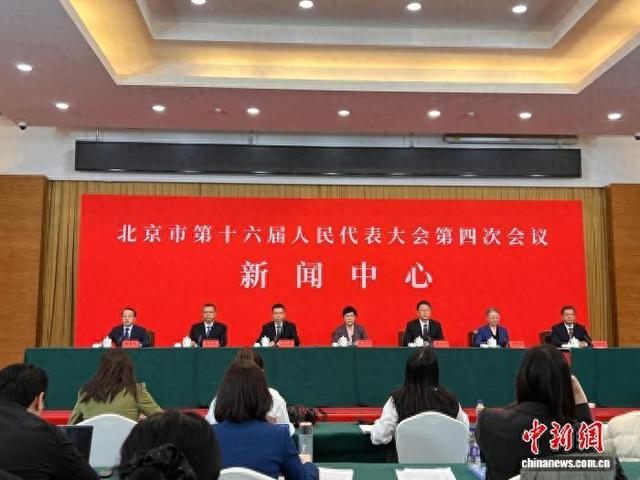
“十五五”时期北京将开展文化科技创新计划 培育文化新业态
Xin Lang Cai Jing· 2026-01-26 11:44
Group 1 - The core viewpoint of the article highlights Beijing's cultural and technological innovation plans during the "14th Five-Year Plan" and the upcoming "15th Five-Year Plan," focusing on the integration of culture and technology [1][3] - During the "14th Five-Year Plan," Beijing has made significant progress in cultural system reforms, with a "1+N" policy framework enhancing cultural productivity and leading to record-breaking audience numbers for events like the "Honor of Kings" professional league finals [3] - The city plans to establish key laboratories and demonstration bases for cultural and technological integration, accelerating the application of advanced technologies like artificial intelligence [3][4] Group 2 - Beijing aims to implement a major project-driven strategy to boost cultural and technological projects in key areas such as performing arts, publishing, and online audiovisual media [3] - The city will enhance the "ticket root +" model, promoting diverse business formats that encourage travel linked to cultural events, films, and exhibitions [4] - The tourism market is thriving, with the city receiving 390 million visitors, reflecting a year-on-year growth of 4.8%, indicating a strong recovery and interest in inbound tourism [3][4]

以新质生产力驱动出版产业数智化转型
Xin Lang Cai Jing· 2026-01-25 19:17
Core Viewpoint - The publishing industry in China is undergoing a profound transformation driven by artificial intelligence, which is reshaping productivity and redefining the industry's development paradigm [1][6]. Group 1: Restructuring of Productivity Elements - New productive forces are revolutionizing the publishing industry through technological breakthroughs, innovative resource allocation, and deep industry transformation [1]. - The labor capability structure is shifting from traditional editing to human-machine collaboration, necessitating a new talent structure focused on creative planning and data analysis [2]. - The transition from physical tools to data platforms is evident, with a focus on smart devices and digital production processes [2]. - The labor objects are evolving from physical products to knowledge services, significantly reducing marginal costs and enhancing user engagement [3]. Group 2: Innovation in Publishing Elements - The editing process is transitioning from content processing to value creation, with AI tools enhancing efficiency and shifting the focus towards creative tasks [4]. - The copying process is moving towards intelligent manufacturing, with innovations in printing technology enabling flexible production and reducing waste [5]. - The distribution process is evolving from physical channels to precision services, utilizing AI for targeted marketing and customer engagement [5]. Group 3: Collaborative Development Mechanism - The publishing industry must establish a collaborative development mechanism that integrates technology adaptation, organizational change, and institutional innovation [5]. - There is a need for cross-disciplinary team building and process optimization to enhance organizational resilience, despite potential short-term cost increases [5]. - Institutional innovation is essential for creating standards and regulations for AI applications in publishing, ensuring a robust framework for talent development and incentives [5][6].
21书评|创意经济“出海”:需有针对性突破贸易壁垒
2 1 Shi Ji Jing Ji Bao Dao· 2026-01-12 08:05
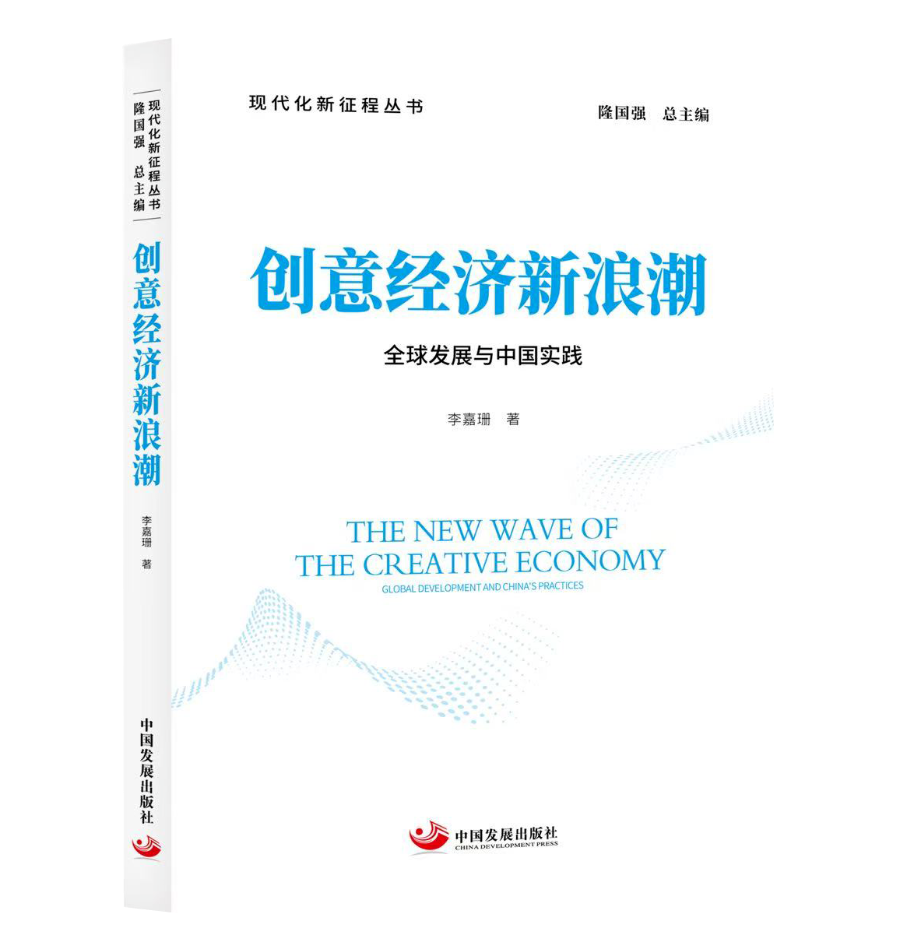
Core Insights - The creative economy has become a significant driver of global economic growth, accounting for 6.8% of global economic value added, with notable performance in countries like the UK, US, and South Korea [1][5] - China's creative industry is rapidly expanding in international markets, facing challenges in statistics, policy support, and data capabilities [1][5] Group 1: Growth of China's Creative Industry - China's cross-border trade in creative industries has shown strong growth, with the number of key cultural export enterprises increasing from 142 in 2007 to 404 by 2025, reflecting an annual growth rate of 12.1% [5] - The total value of China's cultural trade has surged from $16.64 billion in 2007 to approximately $194.33 billion by 2024, representing a growth of over ten times [5] - In 2024, China's cultural trade accounted for 19.4% of the global total, with an annual growth rate of 12.7% from 2007 to 2024, significantly surpassing the international average [5] Group 2: Digital Transformation and Investment - The integration of digital technology is driving the growth of China's creative industries, particularly in digital content and cultural technology sectors, with areas like animation, online literature, and digital film becoming investment hotspots [6] - The number of digital culture-related enterprises among key cultural export companies increased from 15 (10.6% of the total) in 2007 to 144 (35.6%) in 2025, highlighting the impact of digital technology on cultural trade [5][6] Group 3: Challenges and Barriers - China's creative industries face several barriers in the globalization process, including digital trade restrictions, cultural recognition differences, and conflicts in international regulations [6][7] - The debate over "cultural exception" within the WTO framework presents challenges, as countries like France advocate for protecting local cultures while the US supports free trade principles for digital cultural products [7] - To navigate these challenges, Chinese cultural enterprises are encouraged to develop comprehensive risk management systems, utilizing big data for real-time monitoring and analysis of investment environments [7] Group 4: Cultural Exchange and Development - High-quality development of cultural trade requires a balance between exports and imports, promoting both the outbound flow of Chinese culture and the import of foreign cultural products [8] - Significant progress has been made in China's cultural trade through top-level design, the establishment of cultural free trade zones, and interdisciplinary talent cultivation [8]
激发文化产业新活力
Sou Hu Cai Jing· 2026-01-07 22:01
Group 1 - The core viewpoint highlights the continuous optimization and expansion of China's cultural industry, with total assets reaching 34.4 trillion yuan and revenue of 19.14 trillion yuan in 2024, marking a 37.7% increase since 2020, and a profit margin of 9.3% [1] - The number of large-scale cultural enterprises has increased to 78,000, up by 13,000 since 2020, indicating a robust growth in the sector [1] - New business formats such as digital publishing, online audio-visual, animation, gaming, and short videos are thriving, creating a new pattern of interconnected creation, dissemination, and consumption [1] Group 2 - Despite growth, challenges remain, including mismatches between cultural resources and industry development, and imbalances in regional development [2] - The industry faces issues such as low conversion capacity in resource-rich areas, a low proportion of new cultural formats, and insufficient international competitiveness [2] - Future strategies should focus on enhancing the cultural industry's role in driving domestic demand, creating jobs, and boosting market confidence, aiming to establish it as a pillar industry [2] Group 3 - Innovation in enterprises should center on content, leveraging digital technologies to create culturally rich and market-valuable products [3] - Cultural enterprises are encouraged to draw inspiration from traditional culture, enhance brand building, and transition from single product production to multi-domain IP development [3] - Embracing AI and immersive technologies like holography and virtual reality can create interactive cultural consumption experiences, accelerating digital and intelligent transformation [3]
调研报告:2024年中国版权产业增加值占GDP7.46%
Xin Jing Bao· 2025-12-30 11:08
Core Insights - The copyright industry in China is increasingly significant in the national economy, with a projected industry added value of 10.06 trillion RMB in 2024, representing a year-on-year growth of 7.31% and accounting for 7.46% of GDP, an increase of 0.02 percentage points from the previous year [1] Group 1: Industry Growth - From 2020 to 2024, the added value of China's copyright industry increased from 7.51 trillion RMB to 10.06 trillion RMB, with its GDP share rising from 7.39% to 7.46%, an increase of 0.07 percentage points [1] - The core copyright industry, which includes publishing, recording, film, broadcasting, television, and software, saw its added value grow from 4.75 trillion RMB to 6.37 trillion RMB, with its GDP share increasing from 4.67% to 4.72% [1] - Key sectors such as software and information technology services, digital publishing, broadcasting and online audio-visual, and film are performing well [1] Group 2: Employment and Trade - The copyright industry contributes positively to employment stability, with urban employment in the sector reaching 15.895 million, accounting for 9.63% of total urban employment, an increase of 0.01 percentage points year-on-year [2] - The export trade of the copyright industry is stable and improving, with a projected export value of 421.165 billion USD in 2024, making up 11.78% of the national total, maintaining a share above 11% for several consecutive years [2]
苏州市赴广州举办数字文化产业高质量发展专题培训班
Su Zhou Ri Bao· 2025-12-11 00:38
Core Insights - The training program for high-quality development of the digital cultural industry in Suzhou is being held at Sun Yat-sen University, gathering representatives from nearly 30 key digital cultural enterprises [1][2] - The digital economy is rapidly evolving, with the digital cultural industry emerging as a significant driver for economic transformation and upgrading, showcasing strong momentum in Suzhou [1] - By 2024, Suzhou is expected to have nearly 1,700 cultural industry enterprises with a revenue close to 400 billion yuan, particularly excelling in the digital cultural sector, which includes 340 enterprises generating over 100 billion yuan in revenue [1] Industry Development - The training aims to inject new momentum into Suzhou's cultural industry by learning from the advanced experiences of the Greater Bay Area, focusing on high-quality development in the digital cultural sector [2] - The curriculum includes six core modules such as "Resource Development and Project Planning in Digital Cultural Industry" and "Cultural Technology Integration Practices," featuring renowned scholars and practical experts [2] - Participants expressed that the training is a valuable opportunity to broaden their perspectives, update their concepts, and enhance their capabilities, aiming to contribute to the competitiveness of Suzhou's modern cultural industry [2]
清华大学张铮:打造大湾区文化经济特区,改变有产品无IP局面
2 1 Shi Ji Jing Ji Bao Dao· 2025-11-26 04:01
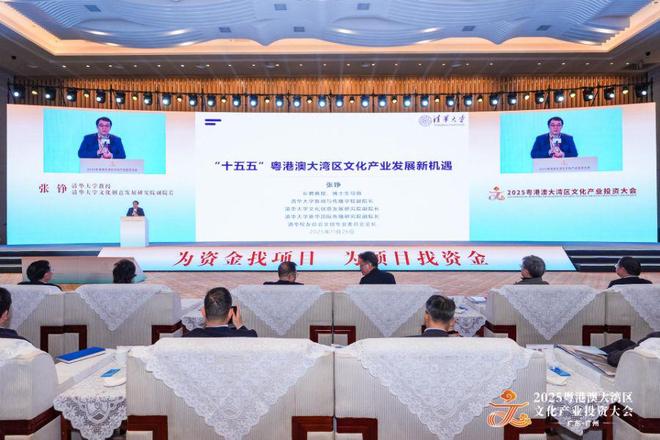
Core Insights - The 2025 Guangdong-Hong Kong-Macao Greater Bay Area Cultural Industry Investment Conference highlighted significant achievements in the cultural industry during the 14th Five-Year Plan period and proposed strategies for the upcoming 15th Five-Year Plan [2][5]. Group 1: Achievements in Cultural Industry - During the 14th Five-Year Plan, Guangdong established notable advantages in digital creativity, animation, gaming, online audio-visual, and digital cultural manufacturing, with revenue shares of approximately 20% for digital publishing, 33% for animation, 25% for music, and 80% for gaming in the national market [2]. - Since 2022, the Guangdong Provincial Department of Culture and Tourism has issued cultural consumption vouchers totaling 39 million yuan, generating an average direct consumption boost ratio of about 1:5 [3]. - In cultural manufacturing, Guangdong's gaming and amusement equipment production reached 596,000 units in 2024, with domestic and international revenue of approximately 23.19 billion yuan, accounting for 98.8% of the national total [3]. Group 2: Future Development Strategies - For the 15th Five-Year Plan, strategies include enhancing IP development in cultural trade, promoting cultural content and technology standards internationally, and leveraging Hong Kong and Macao's roles to facilitate cross-border e-commerce and data flow [5]. - The cultural creative industry in Hong Kong saw its value added increase from 52.3 billion HKD in 2005 to 122.1 billion HKD in 2022, with its share of local GDP rising from 3.8% to 4.5% [5]. - Macao's cultural industry service revenue is projected to rise by 12.7% in 2024, reaching 9.73 billion MOP, indicating a growing contribution to the overall economy [5].
“知音湖北”叫响全国 湖北旅游综合收入年底将破万亿
Zheng Quan Shi Bao Wang· 2025-09-29 14:37
Core Insights - Hubei Province is experiencing significant growth in tourism and cultural industries, with a projected 4.36 billion visitors in the first half of 2025, marking a 14.68% increase year-on-year, and a tourism revenue of 454.88 billion yuan, up 16.02% [1] Tourism Growth - The number of inbound tourists reached 2.0574 million, reflecting a 54.89% increase [1] - The tourism revenue is expected to exceed 1 trillion yuan by the end of the year [2] Cultural Industry Development - During the "14th Five-Year Plan" period, Hubei's cultural industry has shown a "V"-shaped recovery, with key indicators such as revenue from large-scale cultural enterprises and value-added from cultural industries leading in Central China [1] - The number of large-scale cultural enterprises increased from 2,967 at the end of the "13th Five-Year Plan" to 4,213 by June 2025, ranking sixth nationally [1] - Revenue from large-scale cultural enterprises grew from 379.6 billion yuan in 2020 to 535.5 billion yuan in 2024, with a compound annual growth rate of 9%, significantly outpacing provincial GDP growth [1] New Business Models and Innovations - Revenue from new cultural business models rose from 102.7 billion yuan at the end of the "13th Five-Year Plan" to 196.3 billion yuan in 2024, achieving a compound annual growth rate of 17.6% [2] - The share of new business models in the revenue of large-scale cultural enterprises increased from 27% to 36.7% during the same period [2] Strategic Initiatives - Hubei has launched the "Global Promotion Plan for Knowledgeable Hubei" and organized various cultural and tourism events to enhance the industry [2] - The province aims to develop new business models in leisure, low-altitude tourism, digital tourism, and other areas, creating a comprehensive industry chain [2] Future Directions - Hubei plans to upgrade traditional cultural industries through digital transformation and promote new cultural sectors such as digital publishing and smart technology [3] - The province will support local governments and cultural enterprises in exploring new fields and business models within the cultural industry [3]
在文化与科技相融共生中激发创新活力
Bei Jing Qing Nian Bao· 2025-09-22 17:58
Group 1 - The integration of digital technologies such as big data and artificial intelligence is empowering cultural development, breaking temporal and spatial boundaries, and enhancing the engagement of cultural venues, intangible cultural heritage, and artifacts [1][3] - The emergence of new dissemination methods like digital publishing and digital performing arts provides audiences with more convenient and fashionable audiovisual experiences, while new cultural products and services such as animation, gaming, and digital cultural creativity are expanding the forms and business models of cultural products [1][3] - The 2025 Beijing Cultural Forum, with around 800 domestic and international guests, focuses on the integration of culture and technology, discussing topics like how technology can stimulate cultural originality and enhance the quality of public culture [1][3] Group 2 - The quality and level of cultural industry development should be measured not just by economic benefits but by the ability to provide cultural products that meet people's needs and enhance their spiritual strength [2] - Technologies like big data, artificial intelligence, and cloud computing can effectively excavate and integrate quality cultural resources, transforming them into high-quality cultural products that encompass various values [2] - Culture not only benefits from technological advancements but also serves as a source of inspiration for technological innovation, influencing its direction and application [2] Group 3 - Beijing is strategically positioned as a national cultural and technological innovation center, with a strong trend of cultural and technological integration, supported by a concentration of technological resources and an optimized cultural industry structure [3][4] - In 2024, the core industry scale of artificial intelligence in Beijing is expected to exceed 300 billion yuan, with approximately 2,400 related enterprises, indicating a robust support system for the development of new cultural business models [4] - In the first half of this year, the revenue of large-scale cultural enterprises in Beijing reached 1.22 trillion yuan, a year-on-year increase of 13.3%, with new cultural business models accounting for 72.1% of the total revenue [4] Group 4 - The current cultural forum features parallel discussions on themes such as digital empowerment of cultural heritage, technology stimulating cultural originality, and the integration of audiovisual industries, highlighting the importance of these topics in the context of building a culturally strong nation [5]