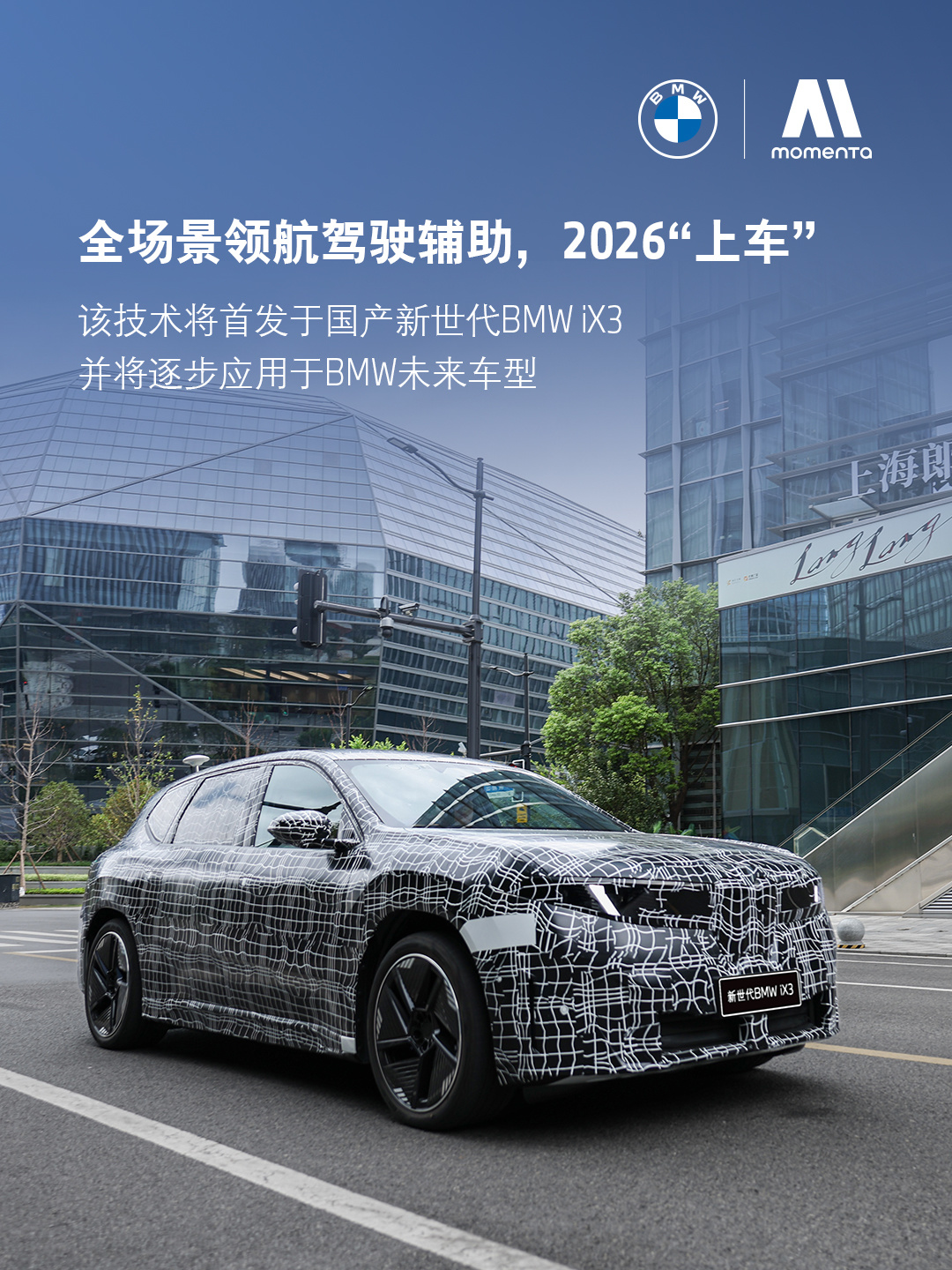
智能驾驶辅助系统

Search documents
欧洲企业既“向东看”又“向东投”(国际视点)
Ren Min Ri Bao· 2026-02-03 05:45
Core Insights - European companies are increasingly investing in China, with significant growth in investment from countries like the UK and Switzerland, and Germany's investment expected to reach approximately 7 billion euros in 2025, a 55% increase from 2024, marking the highest level since 2021 [4] - About 25% of European companies in China are shifting more production processes to the country, highlighting China's importance in their global strategies [5] - High-end manufacturing and technology-intensive industries are becoming the main focus of European investments in China, with 80% of European pharmaceutical companies planning to expand their production in the Chinese market [6] Group 1 - BASF's investment in the Zhanjiang integrated base marks its largest single investment project, with the first products successfully launched, emphasizing the company's commitment to strengthening its core competitiveness in China [7] - The comprehensive advantages of China, including cost-effectiveness and a complete industrial chain, are attracting more European companies to view China not just as a market but as a competitive export base [8] - Bosch plans to invest approximately 10 billion yuan in Suzhou to develop advanced intelligent driving assistance systems, indicating a shift towards local production for both domestic and global markets [8] Group 2 - The EU's direct investment in China has been steadily increasing, with a record 3.6 billion euros in greenfield investments in Q2 2024, and total investments exceeding 150 billion dollars by the end of 2024 [9] - A survey indicates that 93% of German companies in China plan to deepen their market presence, with 53% intending to increase investments, reflecting strong resilience in Sino-European economic cooperation [9] - Schneider Electric is enhancing collaboration with Chinese battery manufacturers and EV charging infrastructure suppliers, indicating a growing partnership in technology innovation and green transformation [10]

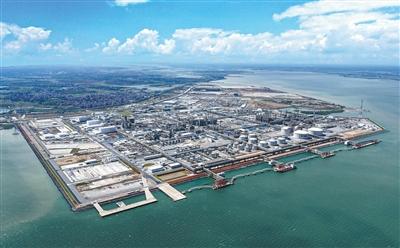
去年德国对华投资同比增长超过55%、英国增长15.9%、瑞士增长66.8%——欧洲企业既“向东看”又“向东投”(国际视点)
Ren Min Ri Bao· 2026-02-02 22:26
Group 1 - Since 2025, trade and investment between China and Europe have shown stable and healthy development, with European companies increasingly investing in China, such as a 15.9% increase in UK investments and a 66.8% increase from Switzerland [1] - In 2025, Germany's new investments in China are expected to reach approximately 7 billion euros, a growth of over 55% compared to 2024, marking the highest level since 2021 [1] - About 25% of European companies in China are shifting more production processes to China, highlighting the country's importance in their global strategies [1][2] Group 2 - High-end manufacturing and technology-intensive industries have become the main sectors for European investments in China, with 80% of European pharmaceutical companies planning to expand their production in the Chinese market [2] - The comprehensive advantages of China, including cost-effectiveness and a complete industrial ecosystem, are attracting European companies to invest, as seen in BASF's significant investment in its Zhanjiang integrated base [2] - European companies are increasingly viewing China not just as a sales market but as a competitive export base, with Bosch planning to invest approximately 10 billion RMB in Suzhou for advanced manufacturing [3] Group 3 - The EU manufacturing sector's direct investment in China has been steadily increasing, with greenfield investments reaching a record high of 3.6 billion euros in Q2 2024 [4] - A survey indicates that 93% of German companies in China plan to continue deepening their market presence, with 53% intending to increase investments [4] - China's efforts to create a stable and transparent business environment have encouraged European companies to invest, as demonstrated by Danfoss's new production base in Zhejiang [4] Group 4 - The deep integration of Chinese and European industries benefits both sides and provides certainty in an uncertain global economy, with 68% of surveyed German companies engaging in overseas business cooperation with Chinese firms [5] - Schneider Electric is enhancing collaboration with Chinese battery manufacturers and EV charging infrastructure suppliers, indicating a broad space for cooperation in technology innovation and green transformation [5]
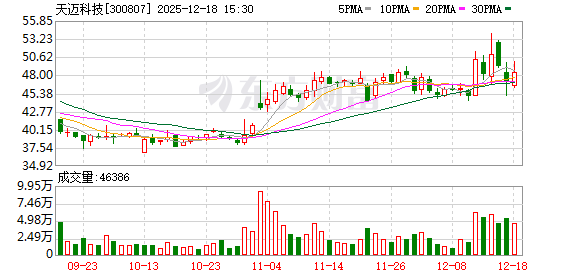
天迈科技:未与长安汽车,北汽新能源,浙江世宝等车企开展合作
Mei Ri Jing Ji Xin Wen· 2025-12-18 07:49
Group 1 - The company, Tianmai Technology, primarily focuses on the public transportation sector and has not established partnerships with the mentioned electric vehicle manufacturers such as Changan Automobile, BAIC New Energy, and Zhejiang Sebao [2]

在中国,为世界:宝马如何用AI定义下一代豪华
21世纪经济报道· 2025-12-09 10:53
Core Viewpoint - BMW is systematically enhancing its smart vehicle ecosystem in China through strategic partnerships and internal AI initiatives aimed at aligning with local market demands and technological advancements [1][4]. Group 1: Strategic Partnerships - Since the beginning of the year, BMW has announced deep collaborations with three Chinese tech companies, focusing on various aspects from cloud computing to vehicle decision-making [2]. - In March, BMW selected Alibaba as the AI foundation for its smart cockpit; in April, it integrated DeepSeer’s AI capabilities into its onboard systems; and in July, it partnered with Moment to develop a new generation of intelligent driving assistance systems tailored for the Chinese market [2][4]. Group 2: Internal AI Strategy - BMW is redefining the role of AI within its organization, transitioning from a tool for enhancing specific efficiencies to a foundational capability driving overall business transformation [4][15]. - The launch of the "360-degree AI" strategy in March emphasizes the integration of AI across the entire value chain, including R&D, production, sales, and service [4][15]. - The newly developed AI platform "GAIA" serves as a core node for this strategy, aiming to transform BMW into an AI-driven enterprise [4][15]. Group 3: AI Ecosystem Development - BMW is one of the early domestic manufacturers to independently develop and deploy an enterprise-level AI platform, aiming to reshape how AI creates value across the company [6][15]. - The "GAIA" platform is designed to connect data, systems, and personnel, facilitating local innovation and uncovering new business opportunities [15][16]. - The platform aims to lower the barriers to AI application, enabling all employees to create applications and utilize AI tools effectively [16][18]. Group 4: Intelligent Driving Solutions - In collaboration with Moment, BMW is developing a new intelligent driving assistance solution based on its next-generation models, set to debut in the 2026 domestic BMW iX3 [8][12]. - The system will be tailored to local road conditions, providing a comprehensive driving assistance experience [8][12]. - The development process includes extensive virtual and real-world testing to ensure reliability and safety [9][12]. Group 5: AI Integration in Operations - The "GAIA" platform is positioned to enhance various operational areas, including quality control and spare parts management, particularly in the Shenyang production base [18]. - This integration of AI is crucial for maintaining high production quality for the upcoming models, including the new generation BMW iX3 [18].

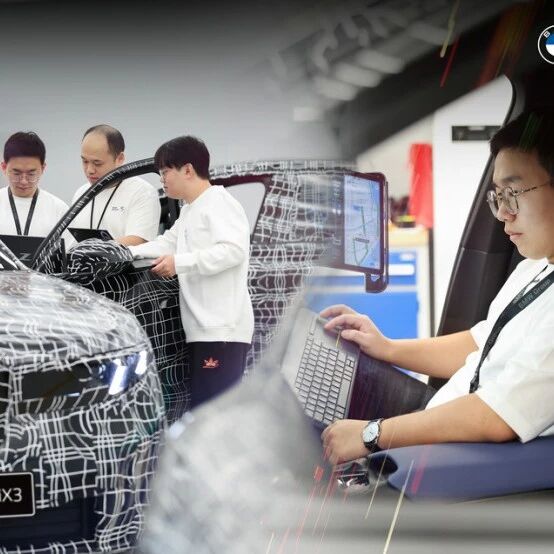
在中国,为世界:宝马如何用AI定义下一代豪华
2 1 Shi Ji Jing Ji Bao Dao· 2025-12-09 10:29
Group 1 - BMW is systematically enhancing its smart vehicle ecosystem in China through collaborations with three Chinese tech companies, focusing on AI capabilities from cloud computing to vehicle decision-making [1] - The partnerships include Alibaba for AI in smart cockpits, DeepSeek for AI integration in onboard systems, and Momenta for developing advanced driving assistance systems tailored for the Chinese market [1][3] - BMW's strategy aims to align with the rapid technological evolution and user demands in China, emphasizing localized AI technology across perception, interaction, and decision-making [1] Group 2 - The launch of the "360-degree AI" strategy in March marks a significant shift for BMW, integrating AI deeply into the entire value chain from R&D to sales and service [2] - The self-developed AI platform "GAIA" serves as a core component of this strategy, aiming to redefine how AI creates value across the organization [2][7] - BMW has a history of AI applications in China dating back to 2018, with the introduction of the "BEACON" platform in 2022 providing foundational data intelligence for production and operations [2] Group 3 - The collaboration with Momenta focuses on developing a new generation of intelligent driving assistance solutions based on BMW's new generation models, set to debut in 2026 [3][4] - The system will be tailored to local driving conditions in China, providing comprehensive navigation assistance for urban and highway scenarios [3] - Extensive testing is being conducted in both virtual and real-world environments to ensure the reliability and safety of the new system [4] Group 4 - The AI-driven system aims to enhance vehicle adaptability to complex Chinese road conditions, integrating Momenta's AI algorithms with BMW's expertise in vehicle safety and human-machine interaction [5] - The new system will be a key part of BMW's transition to "software-defined vehicles," combining advanced driving technologies with innovative human-machine interfaces [5][6] - BMW's development philosophy emphasizes smart driving, symbiotic interaction, and safety, ensuring a secure user experience [5] Group 5 - The "GAIA" platform is designed to be a digital foundation for BMW's AI capabilities, facilitating innovation and operational efficiency across the organization [7][8] - It aims to democratize AI usage within the company, allowing employees to create applications and manage knowledge assets without requiring extensive technical expertise [8][9] - The platform integrates both internal and external AI technologies, ensuring compliance with safety and regulatory standards while promoting innovation [9] Group 6 - AI solutions are being applied in various areas such as quality control and spare parts management at BMW's production facilities, supporting the upcoming launch of the new generation BMW iX3 in 2026 [10] - The integration of AI into BMW's operations is seen as essential for maintaining high production quality and adapting to the evolving automotive landscape [10][11]
展会规模创新高 2025年上海汽配展开幕
Huan Qiu Wang· 2025-11-28 07:58
Core Insights - The 2025 Automechanika Shanghai opened on November 26, showcasing a total of 7,465 exhibitors from 44 countries and regions, with an exhibition area of 383,000 square meters across 15 halls [1][3] Group 1: Participation and Exhibitors - The exhibition saw a significant increase in both domestic and international participation, featuring exhibition groups from 15 countries and regions, along with representatives from key domestic automotive industry bases [3] - Notable exhibitors included major automotive brands such as GAC Aion, Li Auto, Chery Holding, and Tesla, presenting a diverse range of products and solutions across the automotive ecosystem [3][4] Group 2: Focus on New Energy and Intelligent Connectivity - The new energy and intelligent connectivity sector expanded by 50%, highlighting core components and systems related to electrification, intelligent driving, and energy replenishment technologies [4] - Over 40% of exhibitors were involved in new energy and intelligent connectivity solutions, indicating a strong industry trend towards these areas [4] Group 3: International Influence and Attendance - The exhibition welcomed 15 international exhibition groups, with a 20% increase in display area, reflecting its growing global appeal [6] - Pre-registered audience numbers increased by approximately 25% compared to the previous year, with participation from nearly 160 countries and regions [6] Group 4: Events and Forums - The event featured a record number of activities, including 94 high-quality forums and technical seminars covering industry trends and technological advancements [6][7] - Key forums included the International Development Summit for Intelligent Connected Vehicles and the Automotive Aftermarket Summit, focusing on innovation and collaboration within the industry [9] Group 5: Specialized Areas and Innovations - New thematic workshops addressed critical topics such as thermal management for electric vehicles and innovations in power systems, supporting the development of a sustainable automotive ecosystem [7] - The exhibition also introduced a green repair area and a modification and technology zone, promoting sustainable practices and the latest trends in vehicle customization [9]

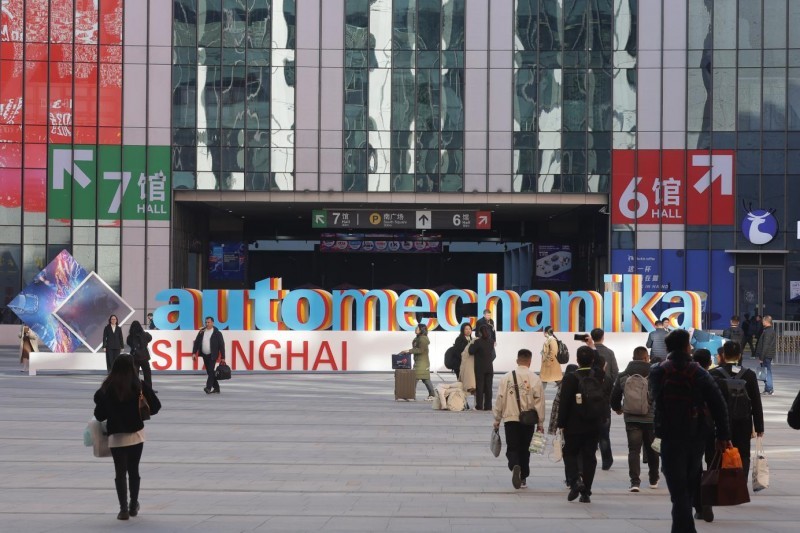
2025上海国际汽车零配件、维修检测诊断设备及服务用品展览会开幕
Zhong Guo Jing Ji Wang· 2025-11-28 03:01
Core Insights - The 2025 Automechanika Shanghai exhibition opened with 7,465 participating companies from 44 countries and regions, marking a 10% year-on-year increase in exhibitors [1] - The exhibition area expanded by 9% to 383,000 square meters, utilizing all 15 exhibition halls of the National Exhibition and Convention Center (Shanghai) for the first time [1] - The event showcased significant domestic and international participation, with 15 national and regional exhibition groups, highlighting the global professional service platform's role in market promotion, trade services, information exchange, and industry education [1] Industry Trends - The exhibition reflects the robust innovation vitality and global influence of China's automotive industry, as stated by the General Manager of Frankfurt Exhibition (Hong Kong) Ltd [1] - China is increasingly recognized as a key hub for global automotive sales, production, and new energy technology innovation, with a growing trend of vehicle manufacturers enhancing their international influence through the exhibition platform [1] - The event featured major automotive brands such as GAC Aion, Li Auto, Chery Holding, and Tesla, along with key enterprises from the automotive supply chain, showcasing a diverse range of products and solutions across the entire automotive ecosystem [1] New Energy and Smart Connectivity - The new energy and intelligent connected vehicle sector expanded by 50%, focusing on core electric components and systems, intelligent driving assistance, charging infrastructure, and more [2] - Nearly 30 domestic and international brands participated for the first time, showcasing cutting-edge technologies in semiconductor chips, intelligent driving systems, and powertrain systems [2] - The inaugural 2025 Automechanika Shanghai Automotive Industry International Development Conference CEO Summit was held concurrently, featuring 94 high-quality forums and technical seminars covering technology foresight, market trends, talent development, and cross-industry integration [2]



2025年上海法兰克福汽配展开幕,7465家参展商创历届之最
Zhong Guo Qi Che Bao Wang· 2025-11-26 09:44
Core Insights - The 2025 Automechanika Shanghai opened on November 26, featuring a record number of 7,465 exhibitors from 44 countries and regions, marking a 10% year-on-year increase in exhibitors and a 9% expansion in exhibition area to 383,000 square meters [1][4] - The event highlights the global automotive industry's focus on innovation and sustainable development, with significant participation from both domestic and international entities [3][7] Exhibition Scale and Participation - The exhibition has achieved unprecedented scale, utilizing all 15 halls of the National Exhibition and Convention Center (Shanghai) for the first time [1] - Domestic and international participation has notably increased, with 15 national and regional exhibition groups contributing to a comprehensive global professional service platform [3][7] Industry Representation - Major automotive brands such as GAC Aion, Li Auto, Chery, and Tesla showcased their products, emphasizing a diverse range of technologies and solutions for both fuel and new energy vehicles [4][5] - The new energy and intelligent connected vehicle sector expanded by 50%, featuring key components and systems, with over 40% of exhibitors focusing on related solutions [5][10] International Influence - The event attracted a global audience, with pre-registered attendees increasing by approximately 25% compared to the previous year, covering nearly 160 countries and regions [7] - More than 24,000 professional buyers from 50 countries and regions participated, marking a record high in international engagement [7] Concurrent Events and Forums - A total of 94 high-quality forums and technical seminars were organized, covering topics such as technology trends, market dynamics, and talent development [8][10] - Key events included the International Development Summit for Intelligent Connected Vehicles and the Automotive Aftermarket Summit, aimed at fostering collaboration and innovation within the industry [10][11] Focus on Innovation and Sustainability - The exhibition emphasized the importance of a complete industry chain and continued technological innovation, with over 90 supporting activities aimed at integrating various sectors of the automotive industry [15] - The introduction of a green repair area and a modification and technology zone highlighted the commitment to sustainable practices and the growing trend of vehicle customization [11][13]

新能源车零售渗透率达57.2% 广州车展勾勒2026年市场格局
Zhong Guo Zhi Liang Xin Wen Wang· 2025-11-20 03:32
Core Viewpoint - The 2025 Guangzhou International Auto Show will highlight the advancements in the domestic and international electric vehicle (EV) market, showcasing strategic changes among participating brands that outline the new market landscape for 2026 [1] Group 1: Market Performance - The domestic EV market has achieved a historic breakthrough in 2025, with over 10 million applications for vehicle trade-in subsidies, of which 57.2% are for EVs, leading to a 24.4% year-on-year increase in retail sales of new energy passenger vehicles from January to September [2] - In October, new energy vehicle sales reached 51.6% of total new car sales, indicating a significant structural shift in the domestic automotive market [2] Group 2: Sales and Production Data - In terms of production and sales, pure electric vehicles (BEVs) produced 841.0 thousand units (up 43.4% year-on-year) and sold 833.0 thousand units (up 42.9% year-on-year) [3] - Plug-in hybrid electric vehicles (PHEVs) saw production of 460.2 thousand units (up 17.7% year-on-year) and sales of 461.0 thousand units (up 17.8% year-on-year) [3] - Fuel cell vehicles experienced a decline, with production at 0.3151 thousand units (down 32.7% year-on-year) and sales at 0.3164 thousand units (down 32.6% year-on-year) [3] Group 3: Policy and Market Demand - The sustained growth in EV sales is attributed to both policy incentives, such as trade-in subsidies and tax exemptions, and increasing market demand driven by a diverse product matrix and technological advancements [5] - The Guangzhou Auto Show will feature 58% of its exhibits as new energy models, significantly surpassing previous years, with 93 new models debuting, most of which emphasize electrification and intelligence [5] Group 4: Competitive Landscape - Major global brands will participate in the auto show, showcasing a diverse competitive landscape, with traditional brands accelerating their electrification efforts and new entrants focusing on smart technology [7] - Data from October indicates that domestic brands achieved a 77.9% penetration rate in new energy vehicle retail, while joint ventures only reached 7%, suggesting a strong competitive advantage for domestic manufacturers [7] Group 5: Future Market Trends - The 2026 EV market is expected to feature three parallel technology routes: pure electric, range-extended, and plug-in hybrid, with competition focusing on ultra-fast charging, long range, and smart features [9] - The emphasis will shift from range and aesthetics to smart driving assistance systems and intelligent cabins, with advanced features becoming standard in mid-to-high-end models [11] - The collaboration between tech companies and automakers is expected to enhance the implementation of smart technologies, creating a synergistic effect that optimizes user experience [11] Group 6: Market Outlook - The 2026 Chinese EV market is projected to expand in scale, with increased competition and improved quality, supported by ongoing policies like trade-in incentives and charging infrastructure [13] - The penetration rate of new energy vehicles is anticipated to exceed 60%, with a growing share of high-end models and intensified competition in the mainstream market [13] - Technological advancements in battery energy density, reliability of smart driving systems, and charging efficiency are expected to attract consumers seeking quality and technological sophistication in their transportation choices [13]
宝马携手Momenta加速联合开发智能驾驶辅助系统
Huan Qiu Wang· 2025-11-17 08:24
Core Insights - Momenta and BMW have established a partnership focused on developing advanced driver assistance systems tailored for the Chinese market [3] - The collaboration involves extensive real-world testing across major Chinese cities, adhering to BMW's stringent validation standards [1][3] Group 1: Partnership Details - The partnership aims to create a new generation of intelligent driving assistance solutions that cater to local driving scenarios in China [3] - The system will utilize Momenta's end-to-end large model, integrating perception, planning, and control into a unified architecture [3] Group 2: Technical Aspects - The solution will leverage large-scale neural networks for environmental perception, path planning, and high-precision vehicle control [3] - Momenta's AI algorithms combined with BMW's expertise in safety and driving strategies will enhance vehicle adaptability to complex road conditions [3] Group 3: Future Applications - The intelligent driving assistance system is expected to be implemented in multiple vehicle models, with the new generation BMW iX3 set to launch in 2026 [3]