林果

Search documents
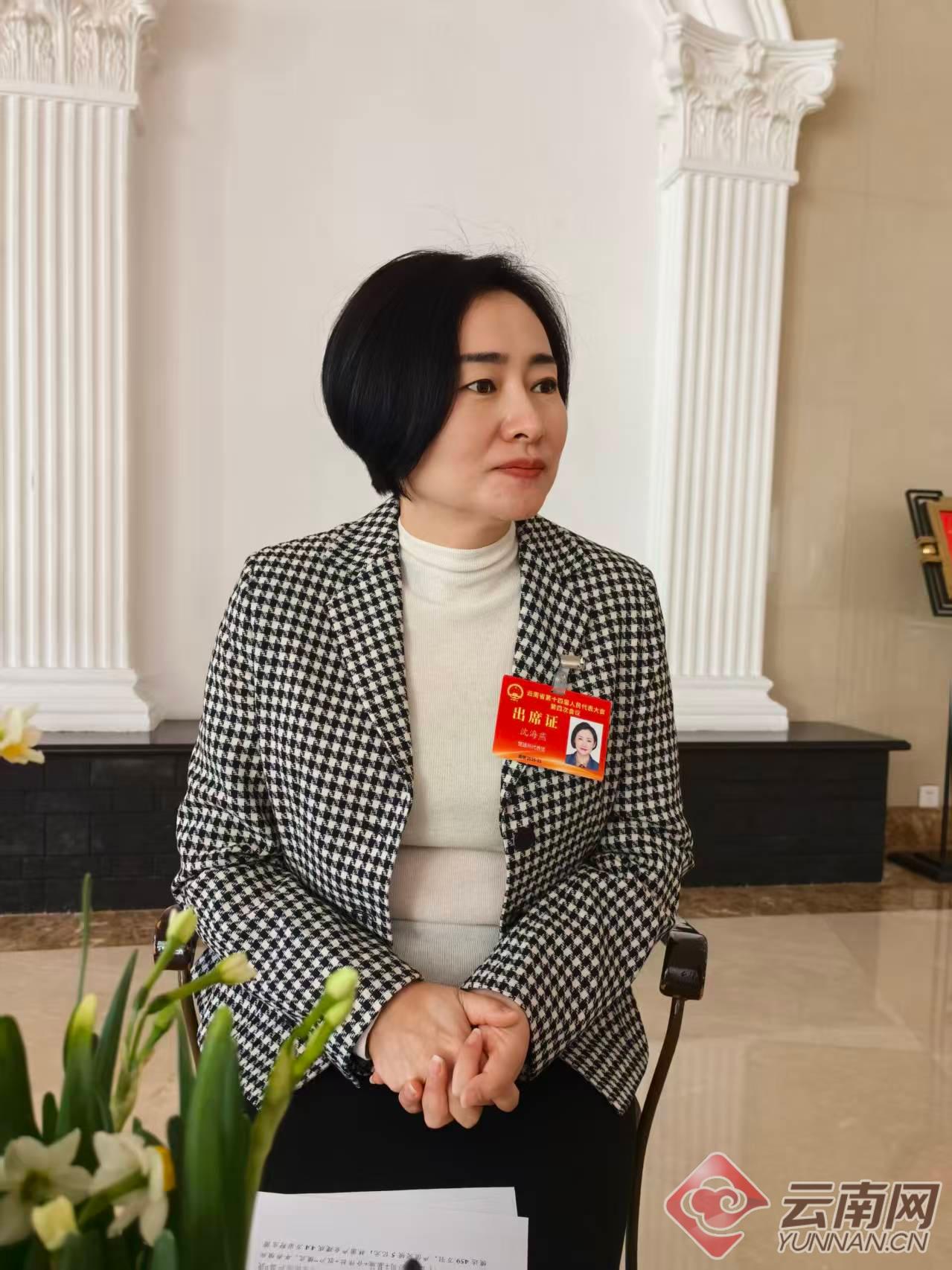
【2026云南两会】林下掘金一年超20亿!云南这个山地县怎么做到的?
Xin Lang Cai Jing· 2026-01-31 06:04
Core Viewpoint - The "under-forest economy" is gaining significant attention in Yunnan, with representatives emphasizing its potential due to the province's vast forest resources and the need for policy support and resource allocation [1][10]. Group 1: Economic Development - Yunnan has 375 million acres of forest land, providing a natural advantage for developing the under-forest economy [1]. - In Wuding County, a key area for rural revitalization, there are 3.1259 million acres of forest land, with 450,000 acres prioritized for under-forest economic development [3]. - The county aims for a total output value of 2.028 billion yuan by 2025, a 60% increase from 2022, benefiting 34,000 households with an average income increase of 19,000 yuan [3]. Group 2: Industry Structure - Wuding County has established five major sectors within the under-forest economy: forest fungi, forest flowers, forest fruits, forest medicine, and forest poultry [3]. - The forest fungi sector has developed 44,000 acres of wild mushroom conservation and breeding bases, generating an annual output value of 800 million yuan [7]. - The forest medicine sector has planted 140,000 acres, with an output value exceeding 300 million yuan, while the forest fruit sector has reached 715,400 acres with a comprehensive output value of 1.17 billion yuan [7]. Group 3: Market Expansion - Wuding County is enhancing its brand and sales network for forest fungi, establishing two deep processing plants and seven SC-certified production lines, increasing product value by 300% to 500% [9]. - The county is targeting international markets, planning to export 120 tons of products like matsutake and dried mushrooms by 2025 [9]. Group 4: Community Impact - A multi-faceted mechanism has been established to ensure that the benefits of the under-forest economy reach farmers directly, including options for land leasing and cooperative models [9]. - In Jin Feng Village, a cooperative has leased 2,300 acres for under-forest medicinal herbs and ecological farming, providing a guaranteed income of 100 yuan per acre plus year-end dividends [9]. Group 5: Future Recommendations - To achieve higher quality industrial development, Wuding County faces challenges such as weak infrastructure and the need for high-end, quality-focused strategies [10]. - There is a call for provincial-level coordination to promote a unified development strategy for the under-forest economy across Yunnan, with differentiated layouts based on local resources [10].

植绿护林,点石成金
Xin Lang Cai Jing· 2026-01-27 04:21
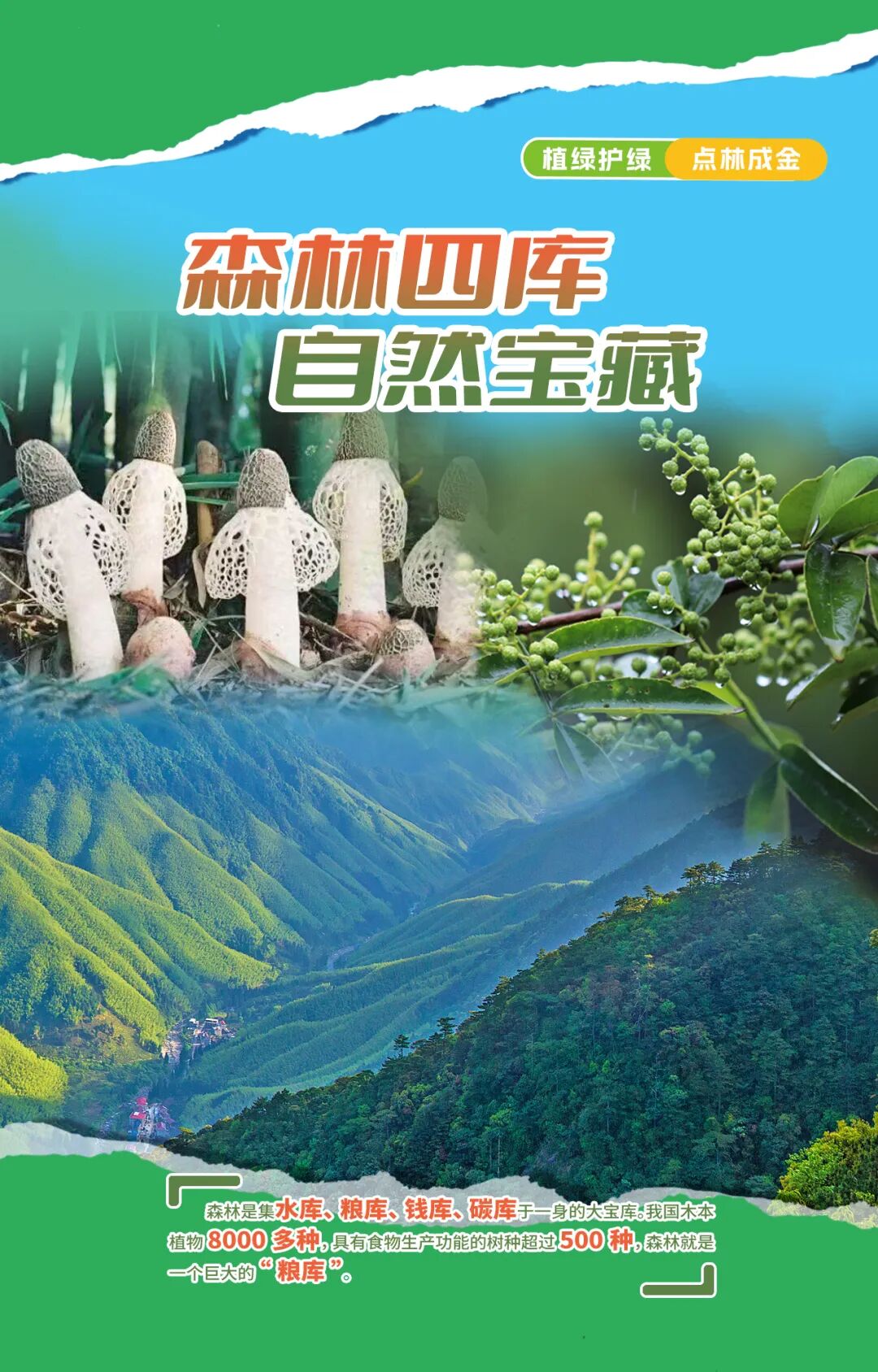
Core Viewpoint - The development of economic forests and under-forest economies is crucial for enhancing food production, increasing income, and promoting rural revitalization in China. Group 1: Economic Forests - China has over 8,000 species of woody plants, with more than 500 species capable of food production, highlighting the potential of economic forests as a significant resource [1][3]. - The total area of economic forests in China is approximately 700 million acres, with 600 million acres utilized for economic purposes, contributing to a food production output of 200 million tons annually, making it the third-largest agricultural product after grains and vegetables [4][9]. Group 2: Economic Impact - Economic forests generate an annual output value exceeding 2 trillion yuan, benefiting over 2,400 counties and lifting millions out of poverty [9][10]. - The under-forest economy, which includes activities like under-forest planting, breeding, and processing, provides high-quality green food products, significantly enriching the diet of the population [10][11]. Group 3: Development Initiatives - There are currently 677 national key forestry leading enterprises, 75 national forestry industry demonstration parks, and 649 national under-forest economy demonstration bases established across the country [14]. - The government has initiated various projects, including a central financial subsidy project for the development of the oil tea industry, aimed at enhancing the quality and efficiency of economic forests and under-forest economies [14].
河南淅川:特色产业绘就新图景
Zhong Guo Jing Ji Wang· 2026-01-26 15:29
Core Insights - The article highlights the successful development of the mushroom industry in Meichi Village, Xichuan County, which has become a significant source of income for local farmers, with one farmer reporting earnings of over 40,000 yuan last year [1] - Xichuan County emphasizes ecological and green development, promoting the cultivation of various specialty crops and establishing a robust agricultural industry chain [2] - The county has formed a strong agricultural cluster with over 23,000 acres of fruit trees, 100,000 acres of medicinal herbs, and 45 million bags of edible mushrooms, contributing to both economic growth and environmental protection [3] Group 1 - The mushroom industry in Meichi Village has stabilized at over 10 million mushroom sticks, providing employment for over 300 villagers with an average monthly income increase of over 1,000 yuan [1] - The local government supports the industry by providing technology, subsidies, and market access, ensuring a comprehensive assistance program for farmers [1] - The integration of various agricultural products, including soft-seeded pomegranates and red sweet potatoes, showcases the county's strategy of developing distinctive local industries [2] Group 2 - Xichuan County has cultivated 24 agricultural leading enterprises and nearly 2,000 farmer cooperatives, establishing a "village collective + cooperative + farmer" benefit linkage mechanism [2] - The county has built 1.1 million acres of standardized agricultural bases and certified 66 products as pollution-free, organic, or green, reinforcing the quality of its agricultural output [2] - The integration of online and offline sales channels has effectively addressed market access issues, allowing local products to reach consumers nationwide [2][3]
2025年新疆平均气温创1961年以来新高
Xin Lang Cai Jing· 2026-01-22 05:48
Core Insights - The climate in Xinjiang for 2025 is characterized by higher temperatures and overall lower precipitation, with an average annual temperature of 9.8°C, which is 1.1°C above the historical average, marking the highest since 1961 [1] - The average precipitation for 2025 is projected to be 149.6 mm, which is 14% less than the historical average, with significant regional variations in precipitation levels [1] Temperature Summary - The northern region, Tianshan Mountains, and southern region of Xinjiang show temperature increases of 1.4°C, 1.2°C, and 1.0°C respectively, with the northern region and Tianshan Mountains experiencing the highest historical increases [1] - Monthly temperature data indicates that most months in 2025 will have higher average temperatures, particularly June and July, which are expected to be the highest on record [1] Precipitation Summary - Precipitation is expected to be lower in winter, summer, and autumn, while spring is projected to have above-average precipitation [2] - Specific regions such as Aksu, Kashgar, and Hetian are forecasted to experience over 50% reduction in precipitation [1] Agricultural Impact - The climate conditions in 2025 are expected to favor the growth of cotton, wheat, corn, and fruit trees, while having adverse effects on grass growth in most areas [2]
157个物种可供参考!云南发文推动林下经济“小品种”形成“大产业”
Xin Lang Cai Jing· 2026-01-15 20:25
Core Viewpoint - The Yunnan Provincial Forestry and Grassland Bureau has issued the "Yunnan Province Under-Forest Economy 'Small Varieties Big Industry' Species Reference Directory (2025 Edition)" to promote the development of local特色产业 by transforming "small varieties" into "big industries" [1][2]. Group 1: Species Reference Directory - The directory includes a total of 157 species, with 48 designated as key species and 109 as general species [2]. - Key species are recommended for expanded artificial breeding of genetic resources, large-scale cultivation, and application to enhance industry scale and efficiency [2]. - General species should focus on the collection and preservation of genetic resources, research and development of breeding techniques, and promotion of cultivation technologies to develop regional特色产业 [2]. Group 2: Economic Concepts - Under-forest economy refers to an eco-friendly economy that relies on forests and their ecological environment, characterized by sustainable management and composite operations, including under-forest planting, breeding, and related product processing [4]. - The "small varieties big industry" concept aims to develop unique regional species with ecological value into significant industries through technological innovation, industry chain construction, brand cultivation, and market expansion [4].

高端智力驱动农业向“绿”而行
Xin Lang Cai Jing· 2026-01-15 19:28
Core Viewpoint - The agricultural sector in Xinjiang and the Corps is undergoing a green and low-carbon transformation, driven by technological innovation to achieve sustainable development, despite historical reliance on high-input and high-consumption production models [1][2]. Group 1: Agricultural Achievements - Xinjiang's total grain production reached 24.32 million tons in 2025, an increase of 1.021 million tons from the previous year, marking a historical high [2]. - The Corps achieved a summer grain yield of 482.9 kg per mu, maintaining the highest yield in the country for three consecutive years [2]. Group 2: Challenges and Opportunities - The agricultural sector faces challenges such as salinization, water resource efficiency, and ecological safety, which hinder productivity [2][3]. - There is a belief that green agriculture presents significant opportunities, and technological innovation is essential to convert potential resources into economic benefits for workers [2]. Group 3: Technological Innovations - The establishment of the Xinjiang Green Agricultural High-Quality Development Research Institute aims to address key issues like salinization and improve agricultural technology [3][4]. - The research institute will focus on developing breakthrough green technologies and establishing benchmark demonstration bases to enhance resource utilization [3]. Group 4: Water Resource Management - Xinjiang has the largest area of saline-alkali land in China, with 34.28 million acres of saline-alkali farmland, which poses a significant challenge for agricultural development [4]. - The promotion of water and fertilizer integration technology has led to significant achievements in grain, cotton, and fruit industries despite water scarcity [4]. Group 5: Future Prospects - The region has developed a comprehensive governance technology system for saline-alkali land and has cultivated multiple salt-resistant and drought-resistant crop varieties, with a total area of sand economic crops reaching 10.83 million acres and a total output value of 28.9 billion yuan [6]. - The establishment of a collaborative innovation platform involving various universities aims to enhance agricultural production capacity and ensure food quality and ecological protection [6]. Group 6: Specific Crop Development - The chili pepper industry in Xinjiang is expected to grow significantly, with the planting area projected to reach 4.6 million acres by 2026, making it a key agricultural product next to cotton [7]. - The Xinjiang Green Agricultural High-Quality Development Research Institute will focus on the transformation and application of chili pepper research outcomes to improve ecological conditions and increase worker income [7].
黑龙江“九珍十八品”京津冀推介会在京举行
Xin Lang Cai Jing· 2026-01-06 17:29
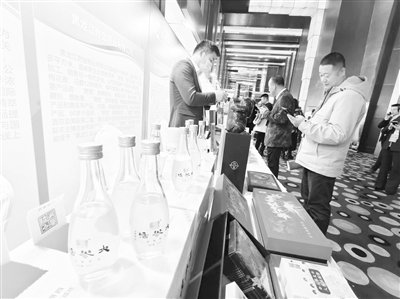
Group 1 - The event "Nine Treasures and Eighteen Products" promotion conference was held in Beijing, organized by Heilongjiang Provincial Forestry and Grassland Bureau, the provincial office in Beijing, and the Heilongjiang Enterprise Chamber of Commerce [3] - The conference featured a dedicated exhibition area showcasing various forest foods, including forest fungi, fruits, medicinal products, and birch sap, highlighting the transformation of the forest economy from source to consumer [3]
黑龙江大兴安岭:筑牢祖国北方生态安全屏障 激发绿色发展活力动能
Ren Min Ri Bao· 2025-09-11 21:59
Core Insights - The Daxing'anling region in Heilongjiang Province has made significant strides in forest management and ecological protection, emphasizing both afforestation and forest conservation to enhance regional development and environmental sustainability [1][2][3][4][5]. Group 1: Forest Fire Prevention - Daxing'anling has prioritized forest fire prevention, implementing a comprehensive "land-enterprise collaboration, integrated prevention and control" mechanism, and utilizing advanced technologies such as satellite monitoring and drones for real-time forest monitoring [2]. - The region has achieved a remarkable record of no human-caused fires and no overnight lightning fires for seven consecutive years, and has not experienced any major forest fires for 14 years [2]. Group 2: Ecological Resource Management - The region has focused on strict protection and scientific management of forest resources, completing nearly 5 million acres of forest nurturing, sustainable management, and restoration projects [3]. - The forest stock volume has increased by over 10 million cubic meters annually, with a forest coverage rate reaching 87.7%, contributing to enhanced biodiversity and wildlife populations [3]. Group 3: Environmental Quality Improvement - Daxing'anling has established a "forest, river, and field" linkage system for integrated protection and management of natural resources, achieving a 99.3% rate of good air quality and 100% compliance in water quality standards [4]. - The region has been recognized as a national ecological civilization construction demonstration area in 2023, reflecting significant improvements in environmental quality [4]. Group 4: Development of Ecological Industries - In 2024, Daxing'anling was selected as one of the first pilot areas for the national ecological product value realization mechanism, promoting both under-forest economy and tourism [5]. - The under-forest economy has seen substantial growth, with a 50.7% increase in output value year-on-year, and the establishment of 81 green food and agricultural processing enterprises [5]. - The tourism sector has also flourished, with a 38.35% increase in visitor numbers and a 64.58% rise in tourism spending compared to the previous year [5].
上级媒体看青州 | 潍坊青州:电商助力优质农产品“出圈”
Sou Hu Cai Jing· 2025-09-05 14:03
Core Viewpoint - The article highlights the successful integration of e-commerce and agriculture in Qingzhou City, showcasing how local agricultural companies are leveraging live streaming to boost sales and promote rural revitalization. Group 1: Company Overview - Jiateng Modern Agricultural Development Co., Ltd. focuses on high-quality vegetable and fruit cultivation, achieving a 100% coverage rate of good seeds and a 90% pollution-free rate [3] - The company has recently shifted towards online sales, forming a live streaming e-commerce team to expand sales channels and explore new growth opportunities [3] Group 2: E-commerce Development - The e-commerce sales are primarily driven by the sales of Beibei pumpkins, with plans to include other products like peppers, watermelons, and melons in the future [3] - Qingzhou City has strengthened e-commerce innovation and support policies, encouraging rural cooperatives and agricultural enterprises to utilize e-commerce platforms for brand building and sales channel expansion [3] Group 3: Community Impact - The live streaming e-commerce team in Li Ma Village has successfully increased local product sales and encouraged villagers to cultivate more specialty products, enhancing community engagement and income [5] - The local e-commerce initiatives have created job opportunities and improved the livelihoods of villagers, demonstrating a model for rural revitalization through digital platforms [5][7] Group 4: Market Performance - From January to July, Qingzhou City achieved a network retail sales volume of 4.13 billion yuan, reflecting a year-on-year growth of 32.7% [7]


潍坊青州:电商助力优质农产品“出圈”
Sou Hu Cai Jing· 2025-09-04 06:48
Core Insights - The article highlights the successful implementation of e-commerce live streaming by Jiateng Modern Agriculture Development Co., Ltd. in Qingzhou, focusing on the sale of local agricultural products like Beibei pumpkin, with plans to expand to other fruits and vegetables [1][3]. Group 1: Company Overview - Jiateng Modern Agriculture Development Co., Ltd. is a leading agricultural enterprise in Qingzhou, emphasizing high-quality vegetable cultivation and achieving a 100% coverage rate of good varieties and a 90% pollution-free rate [3]. - The company has recently shifted its focus to online sales, forming a live streaming e-commerce team to broaden sales channels and explore new development opportunities [3]. Group 2: E-commerce Strategy - The company plans to establish a live streaming base and create content related to agricultural knowledge and cultivation methods to enhance public awareness [3]. - The e-commerce initiative has led to increased order volumes, with daily orders ranging from hundreds to over two thousand, depending on product availability [5]. Group 3: Community Impact - The e-commerce strategy has encouraged local farmers to improve their cultivation practices, linking product sales to local agricultural production [6]. - The initiative has created job opportunities for villagers and contributed to their income growth, demonstrating a model of shared prosperity through e-commerce [6]. Group 4: Industry Trends - Qingzhou has been actively promoting e-commerce innovation, providing policy support to encourage rural cooperatives and agricultural enterprises to leverage e-commerce platforms [3][8]. - From January to July, Qingzhou achieved a network retail sales volume of 4.13 billion yuan, reflecting a year-on-year growth of 32.7% [8].