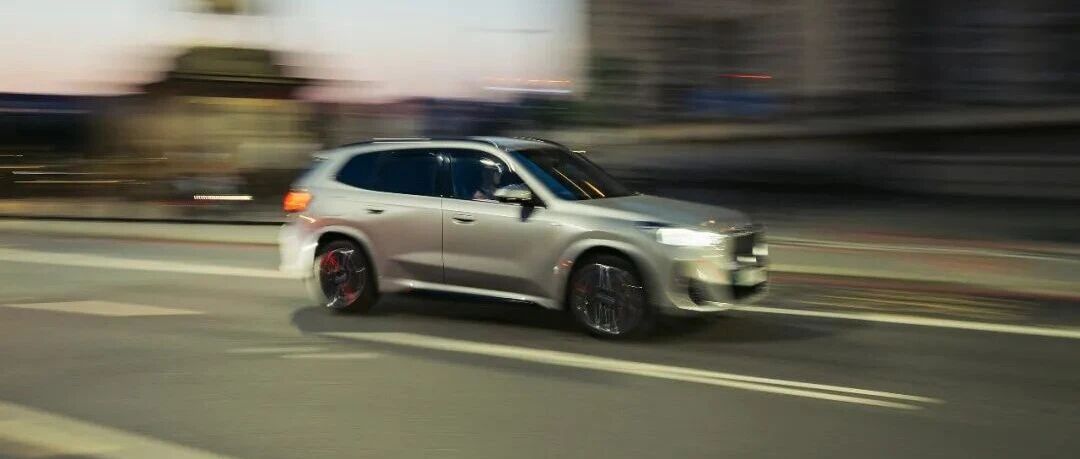
宝马M235L

Search documents
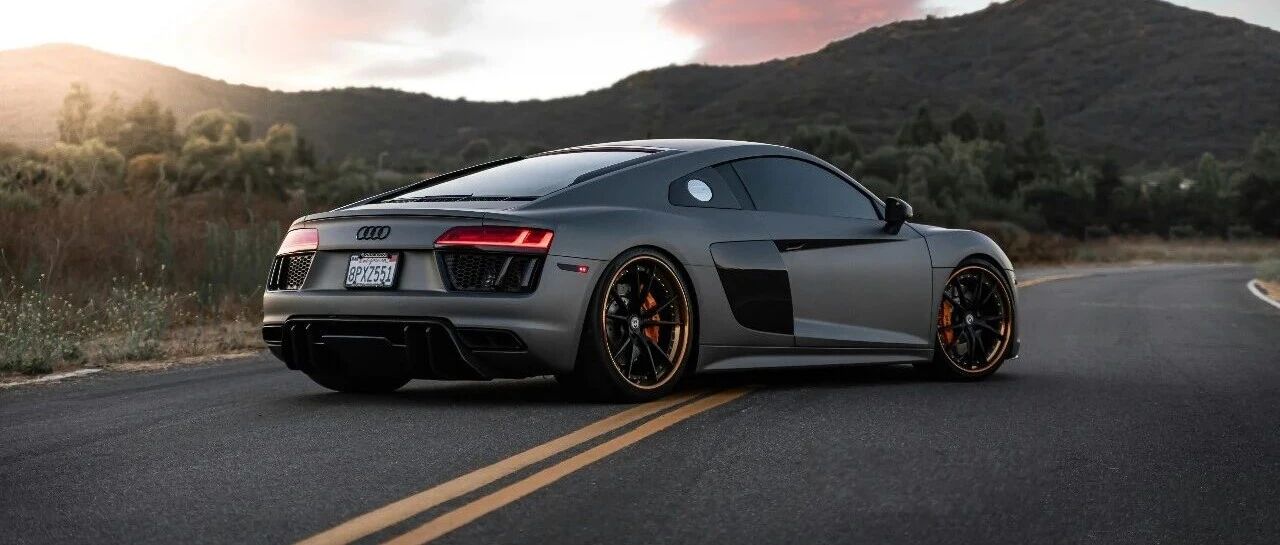
奥迪只要10万了
36氪· 2026-02-09 10:45
Core Viewpoint - The article discusses the significant price drop of the Audi A3, questioning whether it can still be considered a luxury car when its price has fallen to the level of more affordable models [4][46]. Group 1: Price and Sales Trends - The Audi A3, which previously had a starting price of around 19 million yuan, is now available for as low as 11.5 million yuan, with some dealers offering it for as low as 9.9 million yuan [13][15]. - Sales of the Audi A3 have drastically declined, with only 54,700 units sold in 2024, marking a five-year low, and a 22% increase in sales expected in 2025 due to aggressive pricing strategies [13][21]. - The overall luxury car market in China is experiencing a downturn, with a 9.6% decline in sales for luxury brands in 2025, and Audi's total sales in China fell by 5% to 617,500 units [21][22]. Group 2: Competitive Landscape - The price drop of the Audi A3 has led to increased competition with models like the Volkswagen Golf, which shares the same platform and engine but is priced lower [24][31]. - Other competitors in the same price range, such as the BYD Qin PLUS and Nissan Sylphy, offer better space and practicality, making them more appealing to family-oriented consumers [31][32]. - The Audi A3's lack of advanced technology and higher maintenance costs compared to competitors are significant drawbacks that affect its market position [31][32]. Group 3: Consumer Sentiment - Consumers like the A3 for its aesthetic appeal and driving experience, but many do not view it as a luxury vehicle anymore, focusing instead on practicality and personal preference [46][47]. - The emotional value associated with owning an Audi is still present, but the perception of luxury has diminished as the price has dropped significantly [30][46].

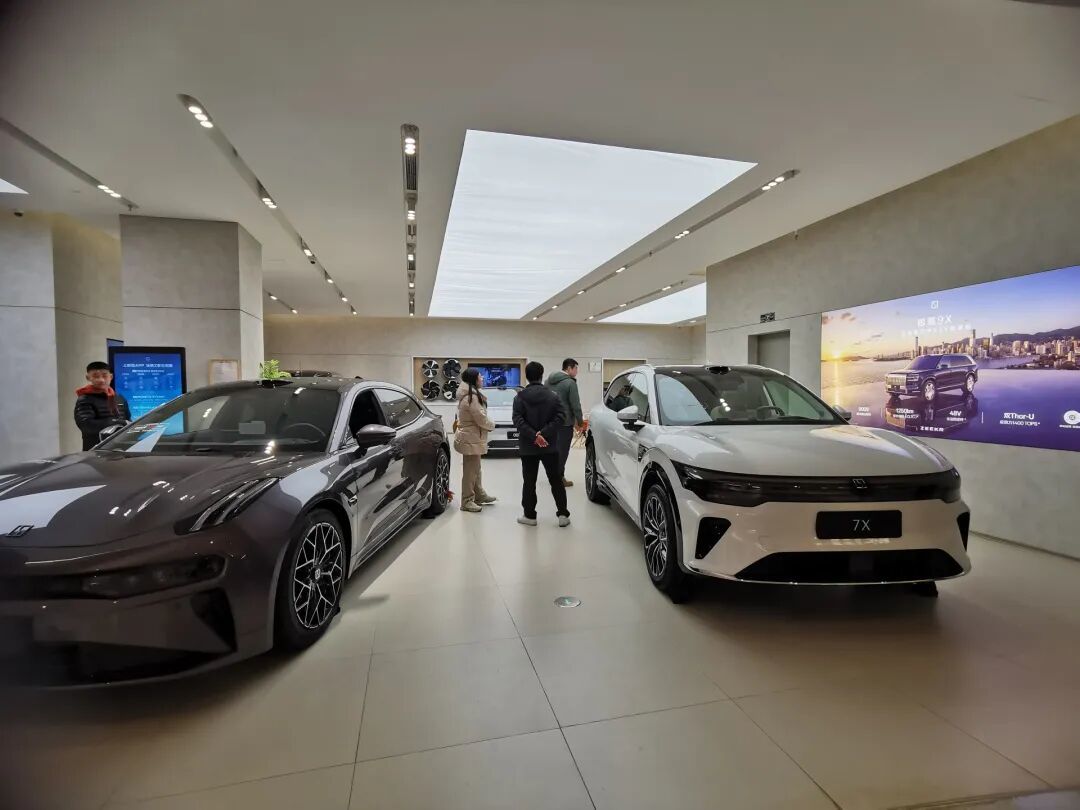
“新国补+车企限时促销”点燃2026年开年车市
Mei Ri Jing Ji Xin Wen· 2026-01-06 12:40
Core Viewpoint - The introduction of the "New National Subsidy" policy for 2026 has led to a surge in consumer interest and promotional activities among various automotive brands, aiming to stimulate sales in the electric vehicle market. Group 1: Consumer Behavior and Market Response - Many consumers are waiting for the "New National Subsidy" to finalize their vehicle purchases, as evidenced by increased foot traffic in showrooms during the New Year holiday [1] - Sales personnel report a significant rise in daily customer visits, with some stores exceeding a thousand visitors [1] - Automotive brands are launching various promotional strategies, including tax subsidies and cash discounts, to attract buyers [1] Group 2: Promotional Strategies by Automotive Brands - Several brands, including Zhiji and Extreme Kr, are offering vehicle purchase tax subsidies, with amounts reaching up to 12,000 yuan [2] - Zhiji's promotional campaign requires customers to place orders by January 3 to benefit from tax subsidies, highlighting the urgency of the offer [2] - Extreme Kr is also providing tax subsidies ranging from 7,000 to 12,000 yuan for its vehicles [2] Group 3: Price Adjustments and Market Strategy - BMW has announced price reductions for several models, with the i7M70L seeing a decrease of 301,000 yuan, while the iX1eDrive25L's price dropped by 71,900 yuan, reflecting a strategic response to market demand [4][5] - BMW emphasizes that these price adjustments are not a price war but a strategic move to align with customer needs and market dynamics [5] - The adjustments in pricing are expected to enhance the competitiveness of BMW's offerings in the market [5] Group 4: Policy Changes and Implications - The 2026 policy changes include a reduction in the vehicle purchase tax from full exemption to a 5% rate, which is expected to impact consumer purchasing behavior [6][7] - The new subsidy structure shifts from fixed amounts to a percentage of the vehicle price, maintaining the upper limits for subsidies [7] - The maximum subsidy for scrapping old vehicles is set at 20,000 yuan, while the maximum for replacing vehicles is 13,000 yuan [7] Group 5: Regional Implementation of Subsidy Policies - Various regions, including Jiangxi and Hebei, have begun implementing the new subsidy policies, allowing consumers to apply for up to 20,000 yuan in subsidies [9][10] - The central government has allocated 62.5 billion yuan for the first batch of subsidies, aimed at supporting the "old for new" vehicle replacement program [10] - The "old for new" policy has significantly contributed to the growth of the domestic automotive market, with over 1.15 million vehicles replaced in 2025 alone [10] Group 6: Future Market Outlook - The automotive industry is expected to experience positive growth in the first quarter of 2026, driven by the new policies and consumer incentives [11] - The government aims to promote green consumption and support the development of the automotive industry chain, including second-hand vehicles and new consumption models [11]
多家车企补贴购置税!开年车市火爆,销售从早到晚忙到没空吃饭
Mei Ri Jing Ji Xin Wen· 2026-01-05 23:19
Core Viewpoint - The new "National Subsidy" policy for automobiles was released before the New Year holiday in 2026, prompting various car manufacturers to launch promotional policies, including vehicle purchase tax subsidies and "0% interest" financing options. The changes in the subsidy structure are expected to mitigate market shocks and stimulate car sales in 2026 [1][11]. Group 1: New Policy and Market Response - The new "National Subsidy" policy includes a reduction in the purchase tax for new energy vehicles from full exemption to 5% starting January 1, 2026 [11][12]. - Multiple car brands have introduced promotional policies in response to the new subsidy, with over ten brands offering limited-time promotions affecting more than 70 models [3][4]. - Sales personnel reported a significant increase in customer traffic, with some stores experiencing over a thousand visitors in a single day due to the holiday and new policy [3]. Group 2: Subsidy Details and Consumer Impact - The new subsidy structure shifts from fixed subsidies to percentage-based subsidies, maintaining the upper limits but reducing the effective subsidy for lower-priced models [11][13]. - Consumers can benefit from additional subsidies if they purchase vehicles during the promotional period, with some brands offering up to 12,000 yuan in tax subsidies [6][9]. - The total savings for consumers purchasing a new energy vehicle can reach nearly 52,000 yuan when combining the purchase tax reduction and the "old-for-new" subsidy [14]. Group 3: Regional Implementation and Market Growth - The new subsidy policy has already been implemented in several regions, including Jiangxi and Hebei, with local authorities actively promoting the "old-for-new" program [15][17]. - The "old-for-new" policy has been a significant driver of growth in the automotive market, with over 1.15 million vehicles exchanged under this program in 2025, contributing to over 1.6 trillion yuan in new car sales [18]. - Industry experts predict that the automotive market will experience positive growth in the first quarter of 2026, driven by the new policies [20].
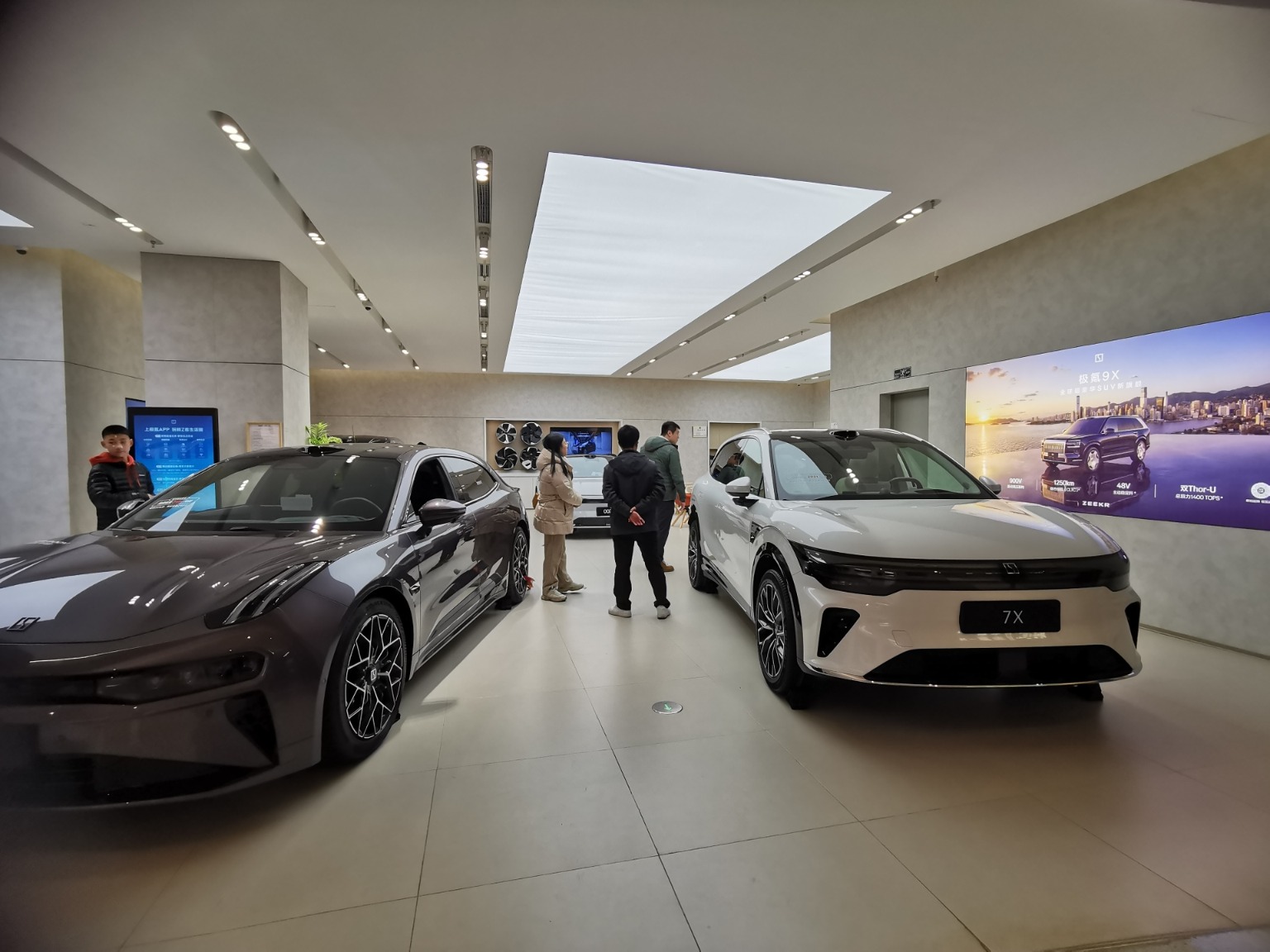
一线调查丨有门店单日客流量破千!“新‘国补’+车企限时促销”点燃元旦车市 销售忙到没空吃饭
Mei Ri Jing Ji Xin Wen· 2026-01-05 13:31
Core Viewpoint - The introduction of the new "National Subsidy" policy for 2026 is expected to stimulate automobile consumption, particularly in the electric vehicle (EV) sector, as it offers various incentives and promotional activities from car manufacturers [16][20]. Group 1: Consumer Behavior and Demand - Many consumers, like Tan Rui, are waiting for the new "National Subsidy" to finalize their vehicle purchases, indicating a strong demand for new cars during the holiday season [1][2]. - Sales personnel report a significant increase in foot traffic at dealerships, with daily customer visits exceeding a thousand due to the holiday and the new subsidy announcements [2]. Group 2: Promotional Strategies by Car Manufacturers - Various car manufacturers have launched promotional strategies, including limited-time subsidies on vehicle purchase taxes, zero-interest financing, and cash discounts, in response to the new subsidy policy [2][3]. - Over ten automotive brands have introduced January promotional policies affecting more than 70 vehicle models [2]. Group 3: Tax Subsidy Details - Starting January 1, 2026, buyers of new energy vehicles will be required to pay a 5% vehicle purchase tax, but many brands are offering tax subsidies to offset this cost [3][6]. - For example, brands like Zhiji and Zeekr are providing tax subsidies ranging from 7,000 to 12,000 yuan for specific models during the promotional period [6][10]. Group 4: Price Adjustments and Market Strategy - BMW has announced price adjustments for several models, with significant reductions aimed at aligning with market demand rather than initiating a price war [11][14]. - The adjustments include substantial price cuts, such as a 301,000 yuan reduction for the i7 M70L, reflecting a strategic response to consumer preferences [11][14]. Group 5: Impact of New Subsidy Policies - The new "National Subsidy" policy includes changes to the vehicle purchase tax and the structure of subsidies, which are expected to mitigate the impact of tax adjustments on the market [16][17]. - The subsidy for scrapping old vehicles is capped at 20,000 yuan, while the replacement subsidy is limited to 13,000 yuan, with the overall subsidy structure shifting from fixed amounts to a percentage of the vehicle price [17][20]. Group 6: Regional Implementation of Subsidy Policies - Several regions, including Jiangxi and Hebei, have begun implementing the new subsidy policies, allowing consumers to apply for up to 20,000 yuan in subsidies for vehicle purchases [19]. - The central government has allocated 62.5 billion yuan for the first batch of subsidies, indicating strong support for the "old for new" vehicle replacement initiative [19][20]. Group 7: Market Outlook - The "old for new" vehicle replacement policy has been a significant driver of growth in the automotive market, with over 11.5 million vehicles replaced in 2025, generating substantial sales revenue [20]. - Industry experts predict that the new policies will lead to a positive growth trend in the automotive market in the first quarter of 2026 [20].
宝马大降价,“以前想都不敢想”
Zhong Guo Zheng Quan Bao· 2026-01-03 08:06
Core Insights - BMW China announced a "systematic value upgrade" on January 1, 2026, marking a significant price reduction across 31 key models, including a notable drop of 301,000 yuan for the flagship electric model i7 M70L, now priced at 1,598,000 yuan [1] - The price cuts are seen as a response to declining market performance in China, with a 11.2% year-on-year drop in sales for the first three quarters of 2025, totaling 465,000 units, which is a stark contrast to a global sales increase of 2.4% [3] Price Adjustments - The price reductions set new records in the luxury car market, with the iX1 eDrive25L seeing a 71,900 yuan decrease (24%), now starting at 228,000 yuan, directly competing with mid-range electric models like Tesla Model Y and BYD Tang EV [2] - The flagship 7 Series also experienced significant price cuts, with the 735Li dropping from 919,000 yuan to 808,000 yuan (12% reduction), and the 740Li leading model decreasing to below 900,000 yuan [2] Market Challenges - BMW's market share in China has been under pressure, with the X5 SUV's sales plummeting to 5,498 units in October 2025, ranking 12th, and the 5 Series lagging behind competitors like Audi A6L [3] - The luxury car market is undergoing a transformation, with new entrants like AITO and Li Auto reshaping consumer perceptions, making traditional brand premiums less relevant [4] Competitive Landscape - The rapid penetration of electric vehicles in China is intensifying competition, with retail penetration rates for new energy passenger vehicles reaching 53.6% in the first 11 months of 2025, and peaking at 59.3% in November [5] - Other luxury brands are also facing sales pressures, with Mercedes-Benz reporting a 14% decline in sales in the first half of 2025, prompting price reductions on key models [5] Strategic Response - BMW's price cuts may trigger a chain reaction in the luxury car market, reflecting a broader shift from brand competition to value competition, posing challenges for traditional luxury automakers in balancing brand equity with market share [5]
最高降30万元!宝马打响2026年车企价格战“第一枪”!下调旗下31款车型建议零售价
Jin Rong Jie· 2026-01-03 07:13
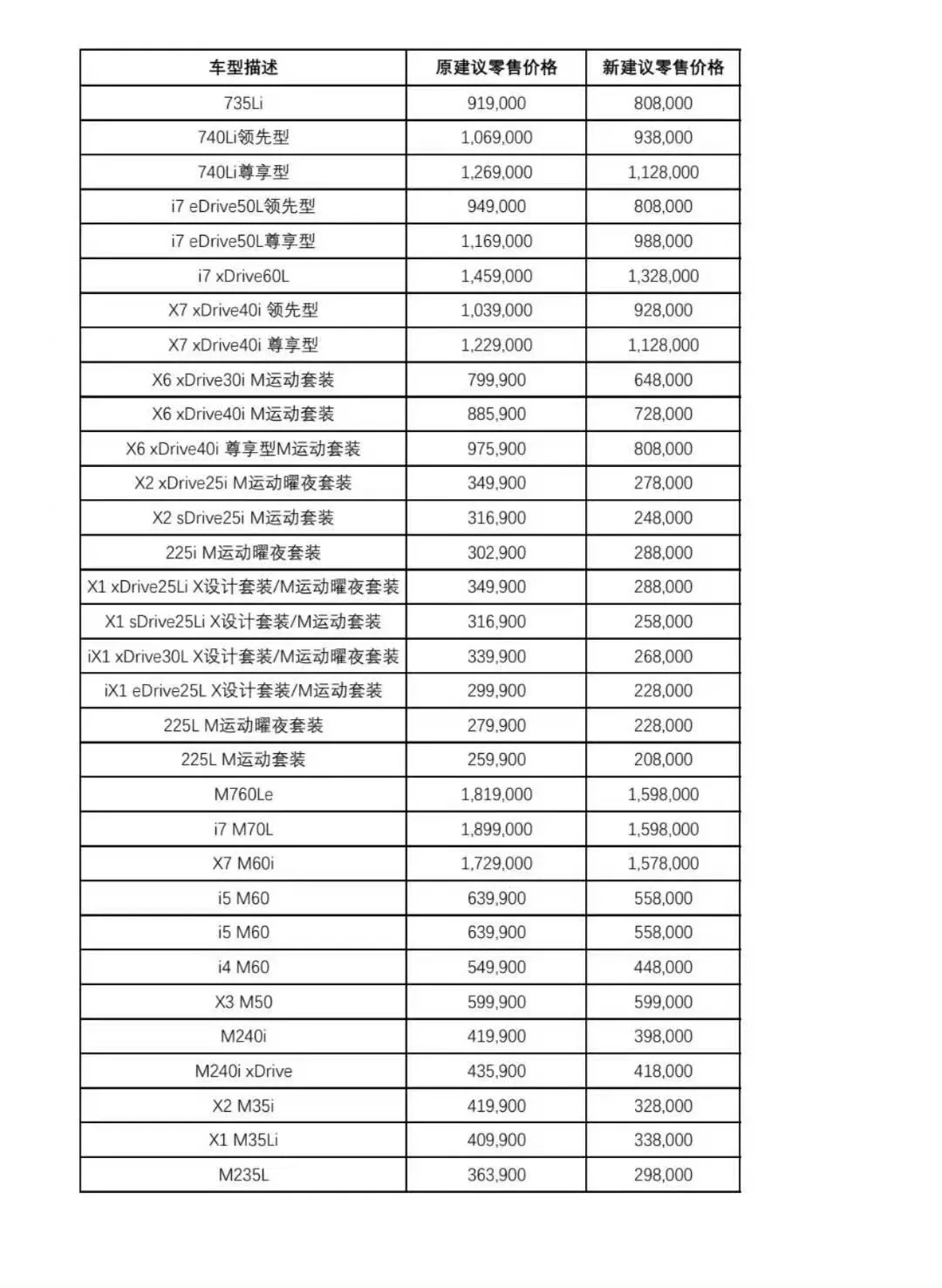
Core Viewpoint - BMW has initiated a significant price adjustment for 31 models in China, with reductions generally exceeding 10%, and some models seeing cuts of over 20% [1][3]. Group 1: Price Adjustments - The price adjustments affect both gasoline and electric vehicles, with flagship models like the i7M70L seeing a reduction of 301,000 yuan, dropping from 1,899,000 yuan to 1,598,000 yuan, a decrease of 16% [1][2]. - The entry-level 735Li model's price has been reduced from 919,000 yuan to 808,000 yuan, a 12% decrease, while the X1 series has seen reductions of 19% and 18% for different variants [1][2]. - After the price adjustments, 10 out of the 31 models will have suggested retail prices below 300,000 yuan, up from only 3 models previously [3]. Group 2: Market Context - BMW's price cuts are described as a strategic response to market dynamics rather than a price war, emphasizing long-term value and product upgrades [4]. - In the first three quarters of 2025, BMW's deliveries in China fell by 11.2% year-on-year, with significant declines in sales for key models like the X5 and 5 Series [4]. - The company reported a revenue decline of 5.6% year-on-year for the first three quarters of 2025, with a total revenue of 999.99 billion euros [5]. Group 3: Competitive Landscape - Competitors such as Mercedes-Benz and Audi have not yet followed BMW's lead in price reductions [6]. - The recent government subsidies for vehicle replacements may influence consumer purchasing behavior and market dynamics in 2026 [8][9].
宝马大降价!“以前想都不敢想”
Zhong Guo Zheng Quan Bao· 2026-01-03 04:50
Core Viewpoint - BMW's recent price cuts in China are a strategic response to declining market performance, aiming to maintain market share amid increasing competition and changing consumer preferences [1][3][4] Group 1: Price Adjustments - BMW has officially reduced prices on 31 key models, with flagship electric model i7M70L seeing a drop of 301,000 yuan, from 1,899,000 yuan to 1,598,000 yuan [1] - The domestic M235L model has fallen below 300,000 yuan for the first time, while the 2 Series four-door coupe has reached a new low of 208,800 yuan [1] - The price cuts are unprecedented in the luxury car market, with significant reductions on electric models like iX1eDrive25L, which dropped by 71,900 yuan (24%), now starting at 228,000 yuan [2] Group 2: Market Performance - BMW's sales in China for the first three quarters of 2025 totaled 465,000 units, a year-on-year decline of 11.2%, representing 26% of global sales [3] - The X5 model, once a market leader, saw sales plummet to 5,498 units in October 2025, ranking 12th, while the 5 Series sold fewer than 8,000 units in August 2025, trailing behind Audi A6L [3][4] Group 3: Competitive Landscape - The rise of new energy vehicle brands like Li Auto and NIO is reshaping consumer perceptions of luxury cars, diminishing the traditional brand premium [4] - The penetration rate of new energy passenger vehicles reached 53.6% in the first 11 months of 2025, indicating a shift from policy-driven to market-driven dynamics [5] - Other luxury brands, such as Mercedes-Benz, are also facing sales pressures, with a 14% decline in the first half of 2025, prompting them to initiate price cuts on key models [5]
宝马最高降30万?实探:终端售价基本没变
财联社· 2026-01-03 02:18
Core Viewpoint - BMW is adjusting the suggested retail prices of multiple models in China, with reductions reaching up to 30,000 yuan and an average decrease of over 10% across various models, effective from January 1, 2026 [3][4][5]. Price Adjustment Details - The price adjustments include flagship and entry-level models, with specific reductions such as the 735Li from 919,000 yuan to 808,000 yuan (12% decrease) and the iX1 eDrive25L from 299,900 yuan to 228,000 yuan (24% decrease) [6][7][8]. - The entry-level performance car M235L also sees a significant drop from 363,900 yuan to 298,000 yuan, representing an 18% decrease [9]. Market Impact and Consumer Perception - Despite the official price reductions, dealers indicate that the actual transaction prices have not changed significantly, suggesting that the adjustments primarily affect the suggested retail prices rather than the final sale prices [11][15]. - The adjustments are seen as a rational recalibration rather than a price war, with dealers confirming that the final prices remain similar to those at the end of the previous year [11][15]. Rationale Behind Price Adjustments - The adjustments aim to alleviate pressure on dealers by aligning the suggested retail prices more closely with actual market prices, thus improving the overall health and stability of the sales system [17]. - BMW emphasizes a long-term strategy focused on providing higher value and competitive product experiences, rather than short-term profit maximization [17].
宝马突然大范围调价,最高降30余万元
Chang Sha Wan Bao· 2026-01-02 13:16
Core Viewpoint - BMW China will adjust the suggested retail prices of several key models starting January 1, 2026, with some models seeing price reductions of over 300,000 yuan, aiming to enhance brand affinity and market competitiveness in China [1][3]. Price Adjustments - The flagship model i7 M70L will see a price drop of 301,000 yuan, from 1,899,000 yuan to 1,598,000 yuan, representing a 16% reduction [2]. - The highest price reduction is for the BMW iX1 eDrive25L, with the suggested price decreasing from 299,900 yuan to 228,000 yuan, a drop of 24% [3]. - The fuel version X1 will also see price cuts, with the X1 xDrive25Li dropping from 349,900 yuan to 288,800 yuan (18% reduction) and the X1 sDrive25Li from 316,900 yuan to 258,000 yuan (19% reduction) [3]. - The entry-level 735Li of the BMW 7 Series will decrease from 919,000 yuan to 808,000 yuan, while the 740Li will drop from 1,069,000 yuan to 938,000 yuan, both reflecting a 12% reduction [3]. Strategic Implications - BMW describes this price adjustment as a "systematic value upgrade," emphasizing its strategy of "for China, in China," aimed at lowering the purchase threshold and enhancing brand appeal [3]. - The new pricing allows consumers to purchase the BMW M235L for under 300,000 yuan and the 2 Series four-door coupe for less than 260,000 yuan, significantly lowering the entry barrier for potential buyers [3]. - This extensive price adjustment is expected to alter the competitive landscape of the domestic luxury car market, with the potential for Mercedes-Benz and Audi to respond with their own price changes, directly impacting the competitiveness of the three major German luxury brands [3].
宝马突然大范围调价,最高降30万
新华网财经· 2026-01-02 10:57
Core Viewpoint - BMW China will adjust the suggested retail prices of several key models starting January 1, 2026, with some models seeing price reductions of over 300,000 yuan [1]. Price Adjustment Overview - The price adjustment by BMW is extensive, covering both flagship and entry-level models, with reductions generally exceeding 10% [2]. - For instance, the flagship model i7 M70L will see a price drop of 301,000 yuan, from 1,899,000 yuan to 1,598,000 yuan, representing a 16% decrease [3]. Specific Model Price Changes - The model with the highest reduction is the BMW iX1 eDrive25L, with its price dropping from 299,900 yuan to 228,000 yuan, a decrease of 24%. The fuel version X1 also sees reductions, with the X1 xDrive25Li's price falling from 349,900 yuan to 288,800 yuan (18% decrease) and the X1 sDrive25Li from 316,900 yuan to 258,000 yuan (19% decrease) [4]. - The entry-level 735Li of the BMW 7 Series will see its price reduced from 919,000 yuan to 808,000 yuan, while the 740Li will drop from 1,069,000 yuan to 938,000 yuan, both reflecting a 12% decrease [6]. Strategic Implications - BMW describes this price adjustment as a "systematic value upgrade," emphasizing its strategy of "for China, in China," aimed at lowering the purchase threshold to enhance brand affinity and market competitiveness [6]. - The new pricing allows consumers to purchase the BMW M235L for under 300,000 yuan or the 2 Series four-door coupe for less than 260,000 yuan, significantly lowering the entry barrier for luxury vehicle ownership [6]. - This broad price adjustment is expected to alter the competitive landscape of the domestic luxury car market, with potential implications for rival brands like Mercedes-Benz and Audi regarding their pricing strategies [6].