
生鲜水果

Search documents
大消费渠道脉搏:零食量贩头部品牌探索多元模式,布局新业态差异化竞争
Haitong Securities International· 2026-03-17 15:20
Investment Rating - The report does not explicitly provide an investment rating for the industry or specific companies within it [6]. Core Insights - Leading brands in the bulk snack industry are actively expanding diversified business models, with Wanchen launching money-saving supermarkets and exploring a comprehensive selection model that includes fresh fruits and baked goods, currently piloted in Jiangsu and Anhui [2][9]. - The convenience store business of Yummy Snack has established a presence in Guangzhou, with around 300 stores and a low entry barrier for franchisees, indicating a rapid expansion strategy [10]. - The overlap in target customer groups between convenience stores and bulk snack stores is about 10%-20%, with significant differences in positioning and competitive focus [11]. - Busy Ming focuses on large-scale expansion and increasing store numbers, while Wanchen Group is concentrating on improving single-store operational efficiency and product-driven efforts [12]. Summary by Sections Market Overview - On March 16, 2026, Haitong International held a seminar discussing the current state and future trends of new snack wholesale convenience store formats [8]. Business Models - Wanchen has launched a money-saving supermarket model and a community hard-discount supermarket brand, Huishengjia, focusing on essential household items [2][4]. - Busy Ming has introduced a project called "A Little Recommended," which aims to enhance profit margins through a direct-sale model [9][12]. Competitive Landscape - The competitive impact of new business formats on bulk snack operations is relatively small, with bulk snack stores leveraging price advantages to attract customers [11]. - Meiyijia, a leading convenience store, is expanding steadily with over 40,000 stores nationwide and positive same-store sales growth at established locations [13]. Strategic Directions - Busy Ming prioritizes store expansion, while Wanchen Group is focusing on enhancing operational efficiency and product offerings [12].
一件包裹,一份牵挂,一路坚守
Xin Hua She· 2026-02-20 05:56
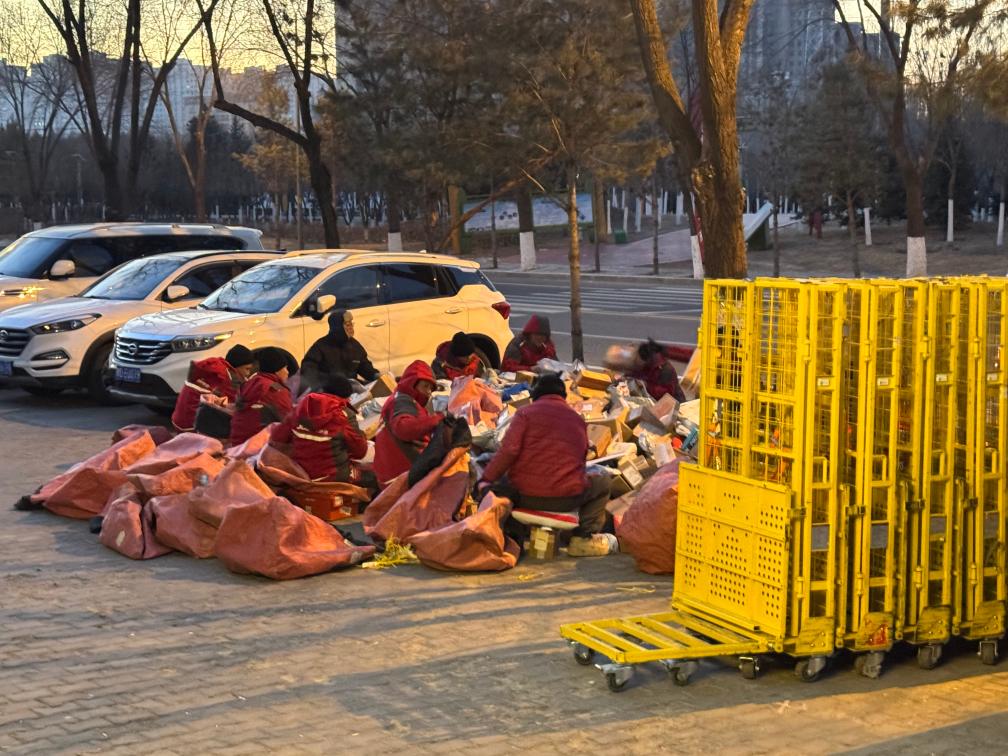
Core Insights - The logistics and delivery industry in Inner Mongolia is experiencing high activity levels during the holiday season, with delivery personnel working long hours to meet demand [1][2] - The dedication of delivery workers is highlighted, showcasing their commitment to service and the relationships they build with local customers [2] Group 1: Industry Activity - Despite being a holiday period, the volume of goods being delivered remains substantial, with delivery personnel handling between 40 to 160 packages daily [2] - The early morning operations involve sorting and loading a variety of goods, including fresh produce and household items, indicating a diverse range of products being delivered [1] Group 2: Worker Commitment - Delivery workers, such as Yang, demonstrate a strong work ethic, often working from 6 AM to 9 PM, reflecting their dedication to their roles [2] - The relationships built between delivery personnel and local residents contribute to a sense of community and trust, enhancing customer satisfaction [2]
新春走基层丨一件包裹,一份牵挂,一路坚守
Xin Hua She· 2026-02-19 08:30
Group 1 - The article highlights the busy morning routine of delivery personnel in Hohhot, emphasizing their dedication and the volume of packages handled during the holiday season [1][4] - Delivery personnel are seen sorting and loading a variety of goods, including fresh produce and household items, showcasing the operational efficiency and the importance of accuracy in their work [1][4] - The narrative illustrates the personal connections and trust built between delivery personnel and local residents, reflecting the human aspect of the logistics industry [4][5] Group 2 - The article notes that despite the holiday season, the volume of deliveries remains high, with individual delivery personnel managing between 40 to 160 packages daily [4] - The commitment of delivery personnel is highlighted, with long working hours from early morning until late evening, demonstrating their hard work and sense of accomplishment [4] - The story conveys a sense of community and warmth, as delivery personnel engage in friendly conversations with customers, enhancing customer relationships [4][5]

“驿站的家”留住“驿动的心”
Xin Lang Cai Jing· 2026-02-09 07:58
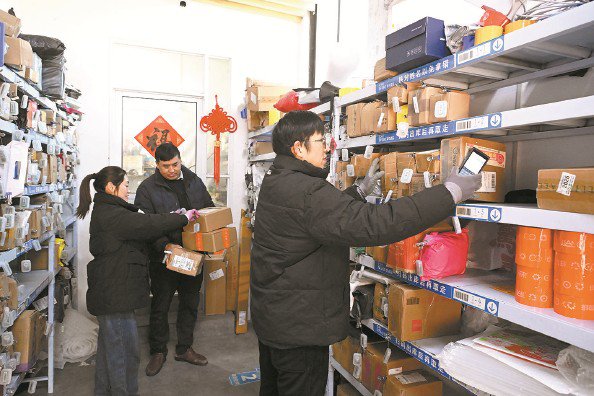
Core Viewpoint - The article highlights the busy preparations for the Chinese New Year at a local delivery station run by the family of Xie Zhi, showcasing the increase in package deliveries and the community's engagement during the festive season [2][4][5]. Group 1: Business Operations - The delivery station experiences a significant increase in package volume during the festive season, with daily processing rising from approximately 600 to 900-1000 packages, representing a 1.5 times increase [4]. - The family operates the delivery station collaboratively, with Xie Zhi handling deliveries and his wife and brother managing incoming and outgoing packages. They have also hired two additional helpers due to the increased workload [3][4]. Group 2: Community Engagement - The delivery station plays a crucial role in the community, especially for elderly residents who may have difficulty accessing goods. The family prioritizes delivering items to these individuals, ensuring they receive their online purchases [5]. - The family has established a warm relationship with the local community, as residents frequently inquire about their plans for the New Year and express curiosity about their background [6]. Group 3: Festive Preparations - The family decorates their delivery station with traditional New Year decorations, creating a festive atmosphere that reflects the spirit of the holiday [2]. - They plan to celebrate the New Year in Shanghai, balancing their work commitments with family traditions, such as having a reunion dinner and participating in local festivities [6].
年货节里的烟火气
Xin Lang Cai Jing· 2026-02-01 18:19
Core Viewpoint - The "Winter Meat Festival and New Year Goods Festival" in Hainan Tibetan Autonomous Prefecture is a vibrant event that combines agricultural, cultural, and commercial elements, enhancing the festive atmosphere for the upcoming Spring Festival [1][2][3] Group 1: Event Overview - The festival started on January 16 and features a variety of local products, including grass-fed lamb, highland quinoa, and handmade yogurt, catering to both traditional and practical needs of the community [1] - The market is decorated with red lanterns and banners, creating a festive environment that attracts many visitors [1] Group 2: Consumer Engagement - Attendees are enjoying the experience of purchasing goods while also participating in cultural activities, such as traditional performances and DIY decoration workshops [2] - Discounts are offered, such as "200 off 50" and "500 off 150," encouraging more purchases and enhancing customer satisfaction [2] Group 3: Cultural Significance - The festival includes non-material cultural heritage performances, such as Tibetan dance, and offers activities like calligraphy for spring couplets, enriching the cultural experience for attendees [2] - The event fosters a sense of community and tradition, allowing families to engage in meaningful activities together, thus enhancing the overall festive spirit [3]
九彩果鲜资金盘是什么?
Sou Hu Cai Jing· 2026-01-29 13:38
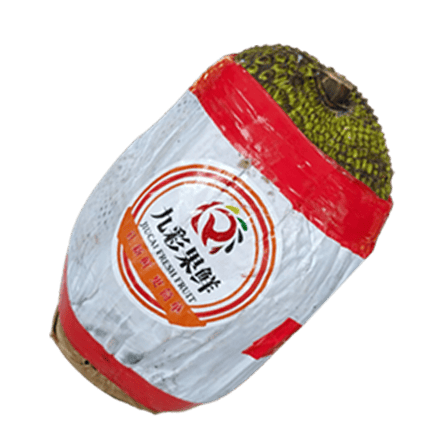
Core Viewpoint - Jiucai Guoxian demonstrates strong financial performance in the fresh fruit market, driven by quality products and a stable supply chain, attracting numerous investors [2] Group 1: Business Model and Market Position - Jiucai Guoxian has a unique operating model that combines online and offline channels, creating a comprehensive sales system [4] - The company has established a robust supply chain management system, ensuring efficient flow from production to consumers [4] - Jiucai Guoxian maintains strict product quality monitoring, enhancing consumer trust and loyalty [4][5] Group 2: Technological Innovations - The brand invests in modern cold chain logistics and blockchain technology to ensure product freshness and quality, significantly reducing consumer loss risk [4][5][8] - Jiucai Guoxian has developed a digital platform for product traceability, which strengthens consumer trust and brand image [5] Group 3: Competitive Advantages - The company has a strong competitive edge through high-quality products, a stable supply chain, and a multi-channel sales strategy [7] - Jiucai Guoxian's flexible management and ability to adapt to market changes contribute to its resilience in a competitive environment [5] Group 4: Future Development Plans - The company plans to further expand its sales network, particularly in South China and Southwest regions, to enhance brand influence and market share [9]
调查|当AI学会造假:实测一张“魔改图”,如何打败商家
Bei Ke Cai Jing· 2025-12-03 01:46
Core Viewpoint - The misuse of AI technology for generating fake damage images has emerged as a significant issue in e-commerce, leading to fraudulent refund requests and undermining trust in online transactions [1][11][20]. Group 1: Incidents of Fraud - A seller encountered a refund request accompanied by an AI-generated image of a damaged plush toy, which the buyer claimed was defective [2][4]. - The seller initially suspected misuse but later confirmed the image was AI-generated after using detection tools [4][10]. - Other sellers reported similar experiences, recognizing AI-generated images as fraudulent evidence for refund claims [7][9]. Group 2: Seller Responses and Strategies - Sellers have begun developing "anti-fraud" guidelines to identify AI-generated images, focusing on inconsistencies in damage representation and requesting multiple angles or videos as proof [10][18]. - Many sellers reported being able to visually identify AI-generated images due to their unrealistic characteristics [9][10]. Group 3: E-commerce Platform Reactions - Major e-commerce platforms like JD.com, Pinduoduo, and Taobao are aware of the issue and are implementing measures to combat fraudulent refund requests [20][21]. - JD.com is developing AI capabilities to identify fake images and plans to launch these features by the end of the year [20]. - Platforms are tightening refund policies and enhancing verification processes to protect sellers from fraudulent claims [21][22]. Group 4: Legal and Regulatory Context - The use of AI to create fake evidence for refunds is considered a form of fraud, potentially violating civil and criminal laws [19][23]. - New regulations are being introduced to address the misuse of AI-generated content, emphasizing the need for clear identification and penalties for fraudulent activities [19][23]. Group 5: Broader Implications for the Industry - The rise of AI-generated fraud is disrupting the balance of rights between consumers and sellers, leading to increased costs for businesses and potential price hikes for consumers [22][23]. - The ongoing challenge of distinguishing between real and AI-generated images may erode consumer trust in e-commerce platforms [18][23].



私域电商成品牌增长新引擎,双十一梦饷科技核心品类快速增长
Sou Hu Cai Jing· 2025-11-25 04:03
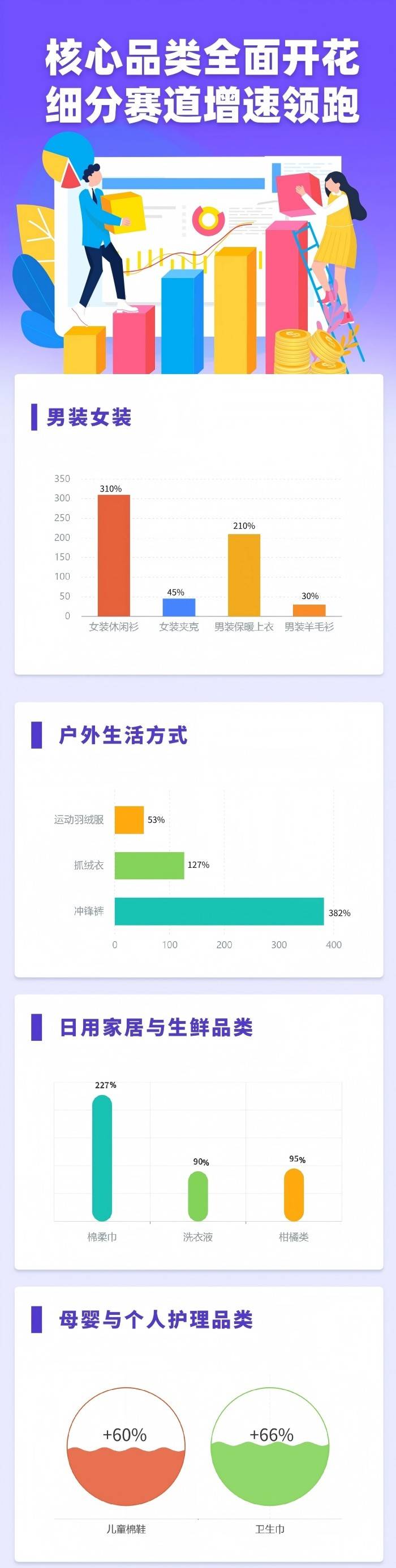
Core Insights - The article highlights the impressive sales performance of DreamX Technology during the 2025 Double Eleven shopping festival, driven by strong operational capabilities and supply chain integration [1][11] - Key categories such as apparel, outdoor sports, daily household items, and fresh produce showed significant growth, indicating a structural shift in consumer behavior [2][11] Sales Performance - DreamX Technology achieved remarkable sales growth across various core categories, with women's clothing leading the way, showing a 310% increase in casual shirts and a 45% increase in jackets [2][5] - Men's clothing also performed well, with thermal tops increasing over 210% and wool sweaters growing by more than 30% [2][5] - Outdoor lifestyle products saw explosive growth, with hiking pants up 382%, fleece jackets up 127%, and sports down jackets up over 53% [2][7] - Daily household and fresh produce categories experienced rapid growth, with cotton soft towels and laundry detergent increasing by 227% and nearly 90%, respectively [2][8] - The baby and personal care categories also showed steady growth, with children's cotton shoes and sanitary napkins increasing by 60% and 66% [2][9] Brand Performance - The article emphasizes the strong performance of various brands during the Double Eleven event, showcasing the effectiveness of DreamX Technology's brand incubation and empowerment capabilities [11] - Established brands like Aiyilian saw a 1700% increase in sales, while All Cotton Era and Saitou grew by 90% and over 80%, respectively [11][13] - New brands like Tongrenmi achieved a remarkable 890% growth, highlighting the potential of targeted market positioning and quality product experiences [13] Technological Integration - DreamX Technology's investment in AI technology has been pivotal, enhancing various operational aspects such as product review, content production, community management, and customer service [11][13] - The introduction of "WeChat AI Exclusive Customer Service" during the Double Eleven period allowed for 24/7 user support, significantly improving operational efficiency [11][13] Future Outlook - The company aims to continue investing in new consumer sectors, focusing on AI-driven personalized services, cross-border e-commerce models, and sustainable development paths [11] - DreamX Technology plans to strengthen its core advantages in supply chain integration, brand operation, and traffic distribution, enhancing connections between brands and consumers [11]
来伊份与养馋记 “联姻” 落地上海:社区零售 4.0 模式能否重构行业生态
Jing Ji Guan Cha Wang· 2025-07-21 06:10
Core Insights - The opening of the first "Community Retail 4.0" store by Laiyifen and Yangchuanji marks a significant step in their strategic partnership, showcasing a collaborative model in the snack industry [1][2][4] Group 1: Strategic Collaboration - The partnership between Laiyifen and Yangchuanji is viewed as a typical case of resource integration, built on clear capability complementarity [2] - Laiyifen's strengths lie in its supply chain and digitalization, supported by a nationwide network of over 3,000 stores and a proven supply chain system [2][4] - Yangchuanji, founded in 2018, focuses on community penetration with over 300 stores, serving a million households in the Jiangsu, Zhejiang, and Shanghai regions [2] Group 2: Community Retail 4.0 Model - The core of the 4.0 model is the transition from "selling products" to "creating scenarios," enhancing community consumption experiences [5] - The store offers a diverse range of products, including frozen goods, low-temperature milk, fresh fruits, and daily necessities, catering to one-stop shopping needs [5][7] - Digital tools enhance the shopping experience, allowing online ordering and efficient payment systems, while community engagement fosters neighborly connections [7] Group 3: Market Opportunities - The launch of the store coincides with a favorable period for community retail, as rising e-commerce costs and limited reach of large supermarkets create demand for local solutions [8][10] - The community retail market in China is projected to exceed 1 trillion yuan by 2024, with a growth rate of 18% for mixed formats of daily fast-moving consumer goods and life services [10] - Laiyifen and Yangchuanji aim to expand their presence, with plans for over 10 additional stores in Shanghai and a long-term goal of becoming the leading community retail brand in the Yangtze River Delta by 2030 [10][11]


西安临潼区:让文旅流量赋能农副产品全链增收
Zhong Guo Jing Ji Wang· 2025-07-18 06:25
Group 1 - The article highlights the integration of local agricultural products with cultural tourism in the Lintong District, Xi'an, showcasing over 60 types of seasonal fruits and unique agricultural products at the Qin Shi Huang Emperor's Mausoleum Museum [1] - The collaboration between various local departments and a tourism development company aims to enhance the visibility and sales of Lintong's specialty agricultural products through exhibitions and cultural experiences [1][2] - The initiative has led to significant sales figures, including nearly 100 boxes of dairy products, around 300 pieces of intangible cultural heritage crafts, and over 500 bottles of pomegranate deep-processing products sold at the exhibition site [2] Group 2 - The "cloud exhibition and sales" platform leverages live-streaming e-commerce technology to promote local agricultural products, targeting the high visitor traffic of over ten million at the Qin Shi Huang Emperor's Mausoleum Museum [3] - The exhibition area focuses on efficient product display and sales, connecting farmers, enterprises, and consumers to enhance the value of local products and support farmers' income [3]