
途观L Pro

Search documents
上汽大众2025年终端销量达106万辆,2026年将密集投放7款全新新能源产品
Ju Chao Zi Xun· 2026-01-03 07:43
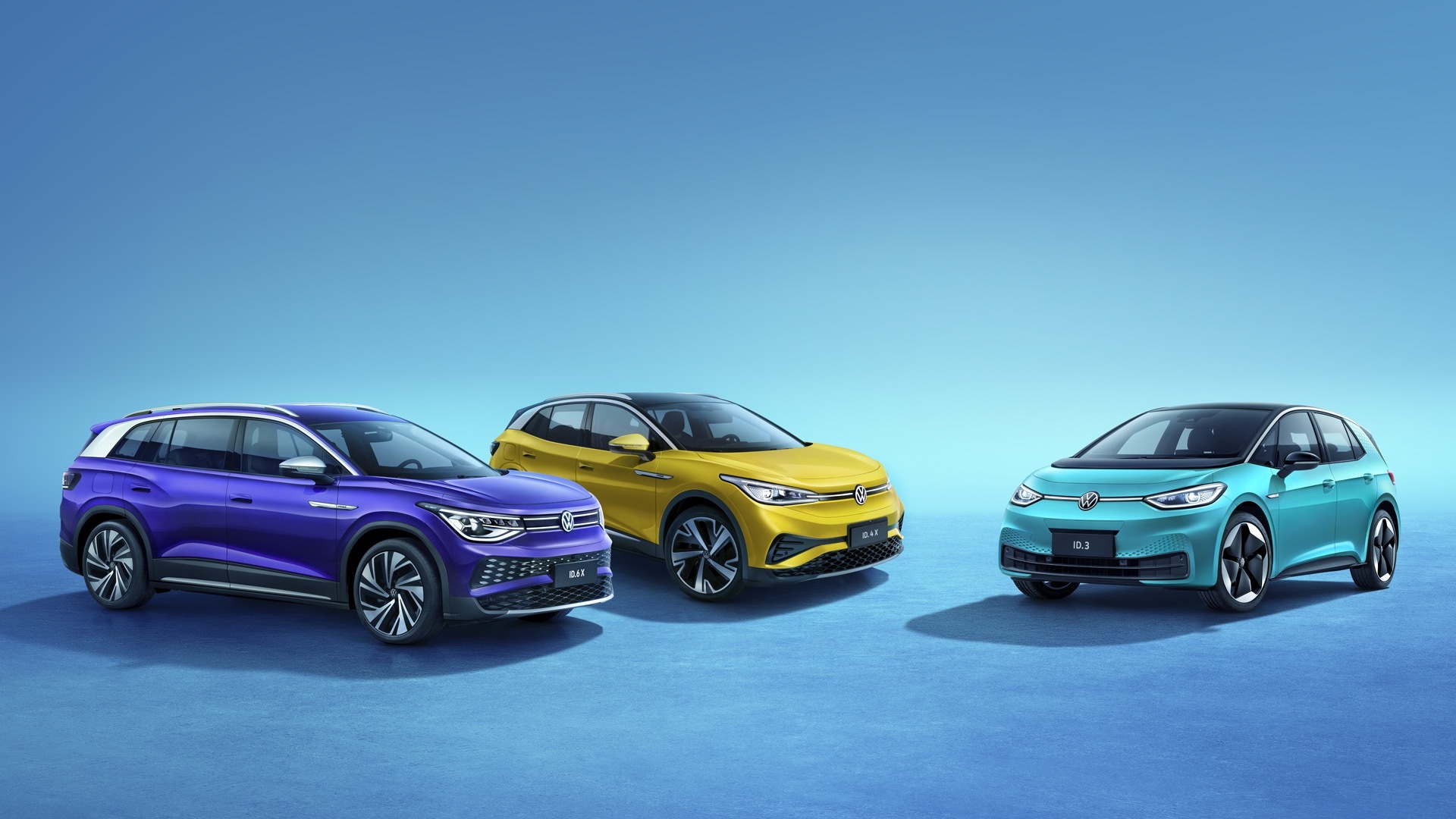
Group 1 - The core viewpoint of the article highlights SAIC Volkswagen's achievement of over 1 million annual sales in 2025, with December sales reaching 96,000 units, a 10.9% increase from the previous month [2] - In 2025, SAIC Volkswagen will accelerate its "oil-electric integration" strategy, focusing on both fuel and new energy vehicles, with a steady increase in market share for fuel vehicles [2] - The company has launched the new SAIC Audi A5L Sportback and successfully introduced the Audi E5 Sportback, marking its entry into the intelligent luxury fuel vehicle market and the smart electric luxury segment [2] Group 2 - Looking ahead to 2026, SAIC Volkswagen plans to intensively launch 7 new energy products, covering pure electric, hybrid, and range-extended vehicles [3] - The second model from the AUDI brand, the Audi E7X, is set to be unveiled at the Beijing Auto Show, while the ID. ERA series will introduce its first "9 series flagship" this month [3]


首款“9系旗舰”将率先登场,上汽大众广州车展发布ID. ERA全新产品序列
Zhong Guo Qi Che Bao Wang· 2025-11-24 06:19
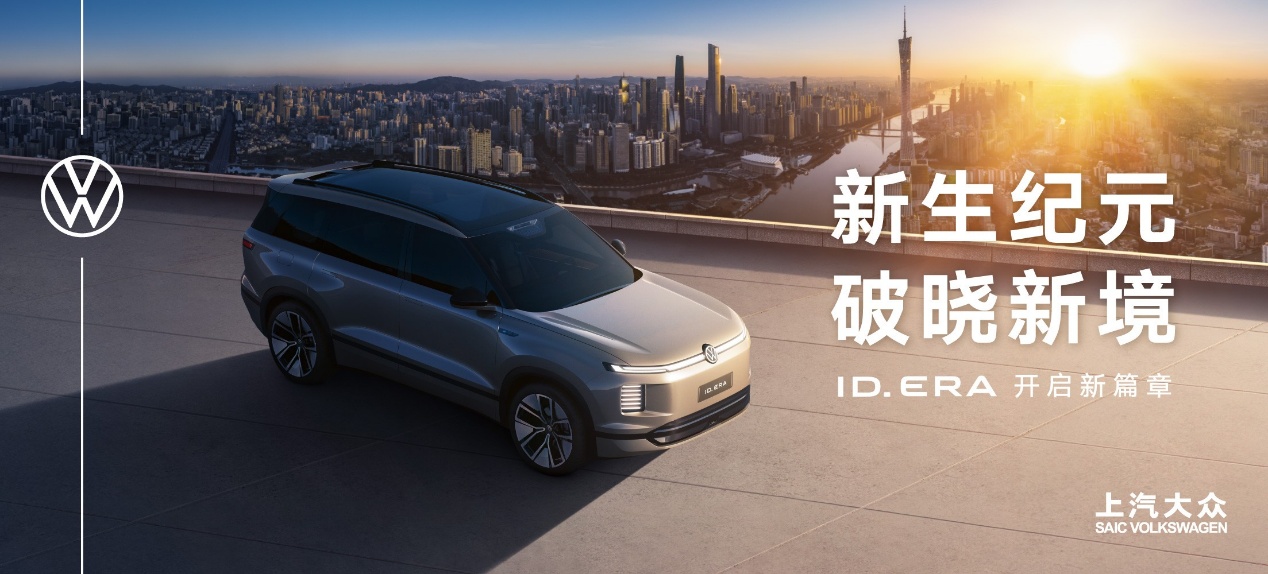
Core Insights - The 23rd Guangzhou International Auto Show highlights the historic shift of the Chinese automotive market towards "new energy" vehicles, featuring 1,085 vehicles and 629 new energy models [1] - SAIC Volkswagen's launch of the ID. ERA product series marks a significant strategic move in the competitive landscape, emphasizing the brand's commitment to both fuel and electric vehicles [1][2] Strategic Breakthrough - The ID. ERA series is positioned to address the supply gap in the high-end intelligent electric vehicle market, where the growth rate is projected at 45% in 2024, yet joint venture brands hold less than 15% market share [4] - SAIC Volkswagen's strategy of "oil-electric integration" is a response to the increasing penetration of new energy vehicles, with a sales target of 1.2 million units in 2024, including over 143,000 new energy vehicles [2][4] Product Innovation - The ID. ERA series introduces the first "9 Series flagship" full-size range-extended SUV concept, designed to alleviate range anxiety while meeting the high space comfort demands of Chinese families [5][9] - The vehicle is expected to feature advanced technology, including a Qualcomm Snapdragon 8295 chip and an optimized driver assistance system for Chinese road conditions, enhancing the user experience [7][9] Market Dynamics - The launch of the ID. ERA series coincides with a critical period of "stock competition" and "new energy dominance" in the Chinese automotive market, where SAIC Volkswagen maintains a strong presence in the fuel vehicle segment [10] - The 9 Series flagship faces competition from both domestic high-end brands and luxury brands accelerating their electric vehicle strategies, yet SAIC Volkswagen's brand legacy and practical technology provide a competitive edge [10][11] Long-term Outlook - The success of the ID. ERA series could serve as a model for joint venture brands transitioning to new energy, with SAIC Volkswagen demonstrating a more stable transformation pace compared to the average growth of 18% for joint venture brands [11][12] - The comprehensive launch of the ID. ERA series signifies SAIC Volkswagen's entry into the "Joint Venture 2.0 Era," showcasing its capability as a resilient player in the new energy transition [12]
全球首发93辆新车、新能源展车占比近六成 广州车展为年终车市注入新动能
Zhong Guo Jing Ying Bao· 2025-11-21 21:17
Core Insights - The 2025 Guangzhou International Auto Show showcases the transition of China's automotive industry towards electric and intelligent vehicles, marking a significant shift in market dynamics and competition [1][2][3] Industry Overview - The auto show features 1,085 vehicles, with 629 being new energy vehicles (NEVs), indicating that NEVs now dominate over half of the exhibition [2][3] - In October 2025, NEVs accounted for 51.6% of new car sales in China, a historic milestone for the automotive market [2][3] - The event serves as a critical window for observing market evolution and predicting future competition in the automotive sector [1] Market Trends - The share of NEVs in the market is expected to continue rising, with a projected penetration rate of 50.2% in the first half of 2025, significantly exceeding the 20% target set for that year [2][3] - The product range of NEVs is becoming increasingly diverse, covering all market segments from micro-mobility to luxury vehicles [3] Company Strategies - Traditional joint venture brands are adapting their strategies to compete in the NEV market, emphasizing a dual approach of maintaining fuel vehicles while investing in electric models [5][6] - Companies like SAIC Volkswagen are implementing a strategy of "oil-electric integration," showcasing both traditional and electric models at the auto show [5][6] Technological Advancements - The focus on intelligent technology is more pronounced at the 2025 Guangzhou Auto Show, with brands highlighting advancements in smart driving and ultra-fast charging technologies [7][8] - The integration of high-tech features, such as Qualcomm's 8295 chip in vehicles like the Audi E5 Sportback, reflects the industry's shift towards smart, user-friendly experiences [8][9] Competitive Landscape - The competition in the automotive market is shifting from product-centric to technology and ecosystem integration, with smart technology becoming a key differentiator [7][9] - The Chinese automotive industry has established a comprehensive supply chain for electric vehicles, but still faces challenges in high-end chips and core technologies [9]
汽车视点 | 上汽大众Pro系列入局A级车市场,朗逸Pro剑指“新国民家轿”
Xin Hua Cai Jing· 2025-11-18 10:42
Core Insights - SAIC Volkswagen has launched the new Lavida Pro, priced between 88,800 to 112,900 yuan, marking its entry into the A+ sedan market [1] - The Lavida series has been a significant player in the Chinese automotive market since its first generation was introduced in 2008, achieving over 6.5 million cumulative sales [4] Group 1: Product Development and Market Position - The Lavida has maintained a strong market presence, winning the annual sedan sales championship for eight consecutive years from 2010 to 2017 [3] - The Lavida Pro represents the fifth generation of the model, featuring a length of 4,720 mm and a comprehensive upgrade in product capabilities [1][5] - The design of the Lavida Pro incorporates the latest design language from the Pro family, enhancing its visual appeal to resemble higher-end B-class vehicles [6] Group 2: Consumer Insights and Research - The development of the Lavida was informed by a deep consumer research project named "Swan Lake," which involved visits to multiple cities to understand family car needs [2] - The first generation of Lavida was designed to meet the expectations of Chinese families, leading to its rapid success in the market [3] Group 3: Technological Advancements - The Lavida Pro is equipped with advanced technology, including the Qualcomm 8155 automotive-grade chip and integration with Tencent's ecosystem, providing a seamless user experience [7] - The vehicle aims to balance performance and fuel economy, with the 1.5T model achieving a combined fuel consumption of 5.54L per 100 km [6] Group 4: Sales Projections and Strategic Goals - The sales target for the Lavida Pro is set at 120,000 to 150,000 units annually by 2026, contributing to approximately 15% of SAIC Volkswagen's total sales [7] - The company plans to launch six new energy products by 2026, covering various technology routes to meet diverse consumer demands [9]

订单火爆背后,上汽大众以“油电同智”破局
Zhong Guo Qi Che Bao Wang· 2025-10-13 08:42
Core Insights - SAIC Volkswagen has reported impressive sales performance during the traditional peak sales season, with total sales of 787,000 units in the first three quarters of 2025 and a monthly sales figure of 91,300 units in September [2] - The company experienced a surge in orders during the National Day and Mid-Autumn Festival, with a 53% month-on-month increase in daily orders for the Volkswagen brand and a staggering 256% increase for SAIC Audi [2] Group 1: Sales Performance - SAIC Group maintained a leading position in the industry with sales of 3.193 million units in the first three quarters of the year, with SAIC Volkswagen being a key contributor to this growth [4] - The performance of SAIC Volkswagen's fuel vehicles demonstrated strong resilience, with the Lavida family achieving sales of 22,000 units in September, leading the A-class fuel sedan market [4] - The Passat family sold nearly 19,000 units in the same month, solidifying its position in the B-class fuel vehicle segment, while the Tiguan family also reported over 19,000 units sold, maintaining a strong presence in the mid-size SUV market [4] Group 2: New Growth Drivers - The launch of the new Lavida L, which saw a threefold increase in orders compared to August, indicates the effectiveness of the company's strategic initiatives, with the performance-oriented GTS version accounting for 40% of the orders [6] - SAIC Audi's sales reached 5,700 units in September, marking a 90% year-on-year increase, showcasing its ability to thrive in a challenging market environment for German luxury brands [6] Group 3: Strategic Promotions - Targeted promotional strategies during the "Double Festival" period contributed to increased sales, with Volkswagen offering a "Six Heavy Gifts" campaign that included cash vouchers and lifetime warranties, resulting in an average daily showroom traffic of over 12,000 visits [8] - SAIC Audi's "Welcome Home" campaign for car owners led to significant increases in leads, potential customers, and orders during the National Day holiday [8] Group 4: Product Strategy - The steady sales growth is attributed to the successful implementation of the product strategy, with six new models launched in August and September, including the SAIC Audi A5L Sportback and the new Lavida L, covering both fuel and new energy vehicles [10] - The company emphasizes the "oil-electric synergy" strategy, focusing on the intelligent upgrade of fuel vehicles to cater to a large existing customer base, as over half of new car sales are still fuel vehicles [12] Group 5: Long-term Plans - Looking ahead, SAIC Volkswagen plans to launch six new energy models by 2026, including three plug-in hybrids, two range extenders, and one pure electric vehicle, with over 20 new models expected by 2030 [13] - SAIC Audi aims to introduce multiple new fuel vehicles equipped with advanced driving assistance features over the next two years, while expanding its electric vehicle lineup to create a comprehensive luxury product system [13]

广汽丰田连发四车,燃油车也开始展示“含华量”
Jing Ji Guan Cha Wang· 2025-09-25 23:33
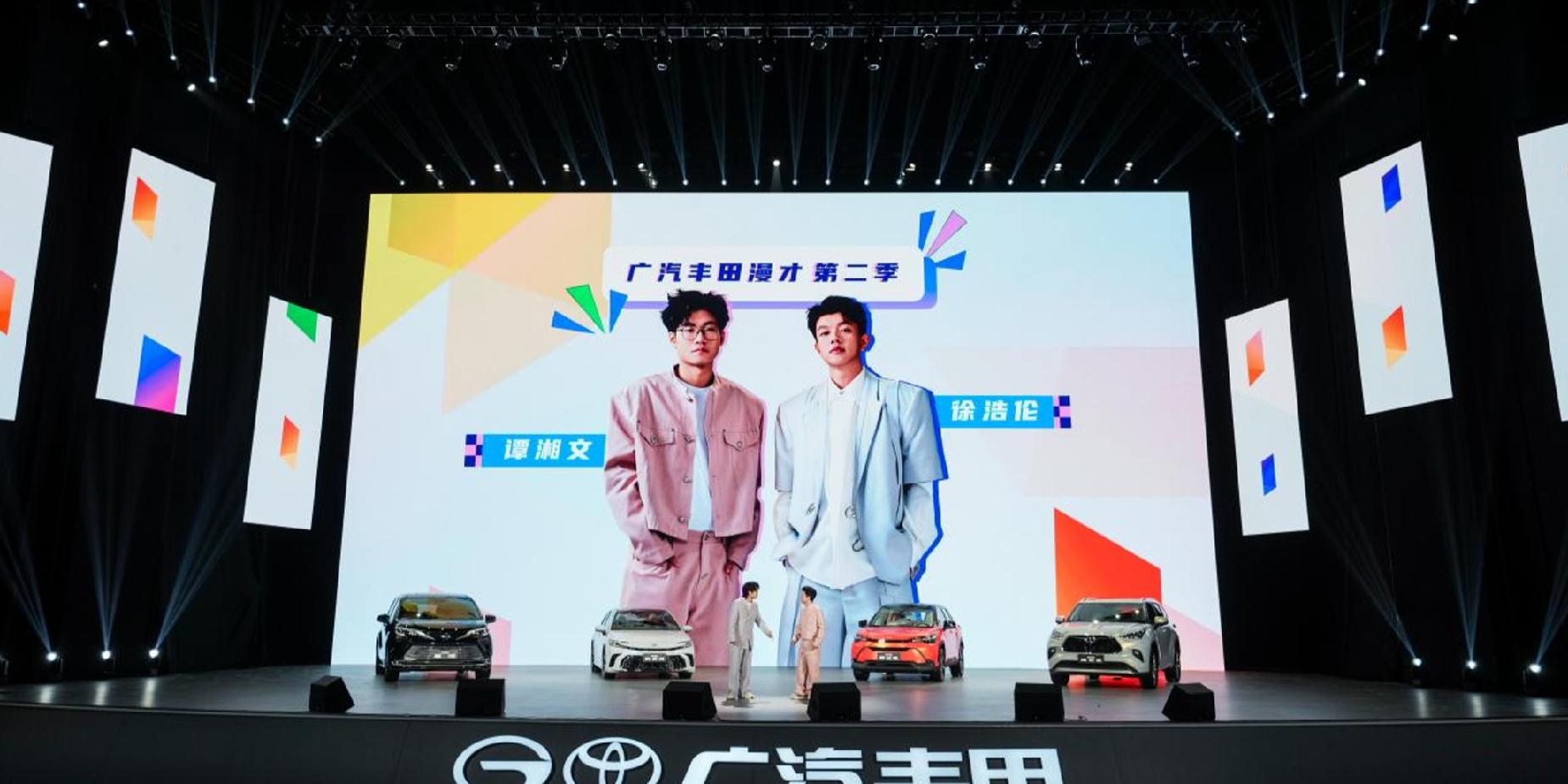
Group 1 - The core strategy of GAC Toyota's new fuel vehicle lineup is "high configuration from entry-level," making advanced features available across all models [2][4] - GAC Toyota's fuel vehicle sales have shown positive growth for three consecutive months, indicating a substantial consumer base still prefers fuel vehicles despite the 51% market penetration of new energy vehicles [2][3] - The new models are equipped with high-end Qualcomm 8155 chips and Toyota TSS intelligent driving assistance, covering three major scenarios: highways, urban areas, and parking [2][3] Group 2 - GAC Toyota has partnered with Huawei for the intelligent upgrades of its new models, with the collaboration starting in 2021 and expected to peak in production from 2024 to 2025 [3] - The entire joint venture automotive sector is increasingly embracing smart technology, with other companies like SAIC Volkswagen and FAW-Volkswagen also enhancing their models with advanced driving assistance features [3] - The estimated cost increase for upgrading fuel vehicles with intelligent driving and cabin features is projected to be between 15% to 20% [4]
主流合资车企回暖态势强劲 上半年销量最高增幅16%
Mei Ri Jing Ji Xin Wen· 2025-07-09 11:16
Core Viewpoint - The mainstream joint venture automakers have shown a strong recovery in sales during the first half of the year, with notable growth in companies like FAW Toyota and SAIC Volkswagen, driven by the effectiveness of their "oil-electric integration" strategy [1][2]. Sales Performance - FAW Toyota sold 377,800 vehicles, a year-on-year increase of 16% - FAW-Volkswagen sold 436,100 vehicles, up 3.5% year-on-year - SAIC Volkswagen's sales reached 523,000 vehicles, a 2.3% increase - SAIC General sold 245,100 vehicles, marking an 8.64% growth - GAC Toyota achieved a total sales of 364,200 vehicles, showing positive growth [2]. Strategic Initiatives - The "oil-electric integration" strategy has helped stabilize the core market for fuel vehicles while accelerating the launch of competitive electric products [2][5]. - FAW-Volkswagen has implemented a three-step intelligent driving roadmap for fuel vehicles, aiming to enhance their competitiveness [3]. - GAC Toyota's flagship fuel vehicles, including Camry and Highlander, saw a total sales increase of 30% in the first half of the year [3]. Localization and R&D - Joint venture automakers are shifting their strategies from global technology import to local market dominance, with a focus on localized R&D [5][6]. - FAW Toyota's "RCE system" allows for localized decision-making and development, resulting in strong demand for the bZ5 electric model [5]. - Volkswagen aims to enhance its R&D capabilities in China, planning to launch over 11 new models by 2026 [6]. Marketing Strategies - The "one-price" marketing strategy has been widely adopted among joint venture automakers, enhancing sales through price transparency and significant discounts [8][9]. - This strategy simplifies the purchasing process and directly competes with new energy vehicle brands by offering substantial price reductions [9][10]. - The shift to a "one-price" model has improved consumer experience by eliminating uncertainties in pricing and enhancing service quality from dealers [10].
汽车视点 | 销量五连涨!上汽改革初战告捷,激发向上新动能
Xin Hua Cai Jing· 2025-06-17 11:14
Core Viewpoint - The Chinese automotive industry is undergoing significant transformation driven by electrification and intelligence, with SAIC Motor Corporation leading the way through deep reforms that are beginning to show results, indicating a new upward trajectory in the second half of the year [1] Group 1: Sales Performance - In the first five months of this year, SAIC's vehicle sales exceeded 1.68 million units, a year-on-year increase of 10.5%, with terminal deliveries reaching 1.824 million units, up 3.1% [1] - Notably, in May, SAIC achieved a monthly sales figure of 366,000 units, marking a fifth consecutive month of growth [1] - SAIC's self-owned brand sales reached 1.081 million units in the first five months, a 21.9% increase, accounting for 64% of total sales, up 6 percentage points from the previous year [2] Group 2: Strategic Reforms - The strategic restructuring initiated in early 2025 has been pivotal for SAIC's transformation, consolidating its core businesses into a "large passenger vehicle segment" to break down resource barriers and focus on core technologies and market expansion [2] - The integration has led to a significant shift in sales focus towards more dynamic and controllable self-owned brands, with new energy vehicle sales reaching 525,600 units, a growth of approximately 43% [2] Group 3: Technological Advancements - SAIC is leveraging technology partnerships, such as the collaboration between the MG brand and OPPO, to create seamless connectivity between smartphones and vehicles, enhancing user experience [3] - The introduction of AI automotive solutions in collaboration with partners like Huoshan Engine aims to provide proactive service features, such as automatic wiper activation in rain and autonomous route planning for charging during long drives [3] - The new brand "Shangjie," developed in partnership with Huawei, focuses on advanced safety features and is set to launch its first model, a mainstream SUV priced around 200,000 yuan, by the end of September [4] Group 4: Joint Venture Developments - SAIC Volkswagen and SAIC General Motors are also undergoing transformations, with SAIC Volkswagen reporting a terminal sales increase of 4.3% in May, totaling nearly 430,000 units in the first five months [5] - SAIC Volkswagen has introduced a "lifetime warranty" policy for core components of its fuel SUVs, addressing the industry's price war and enhancing service value [6] - SAIC General Motors has shifted its market strategy to a "one-price" policy, leading to continuous growth across its Buick product lines for three consecutive months [6] Group 5: Global Expansion - SAIC has established a comprehensive automotive industry chain in overseas markets, exporting over 403,500 units in the first five months of this year, continuing its trend as a leading exporter [9] - The company has launched its "Glocal Strategy," marking a shift from product output to technology and standard output, with plans to introduce 17 new models tailored for various international markets over the next three years [9] - SAIC aims to enhance its overseas smart cabin ecosystem and localize L2-level intelligent driving functions, with strategic investments in engineering centers and KD factories in key regions [10]
途观3年8折回购福利,上汽大众原来已经停了
3 6 Ke· 2025-05-22 11:27
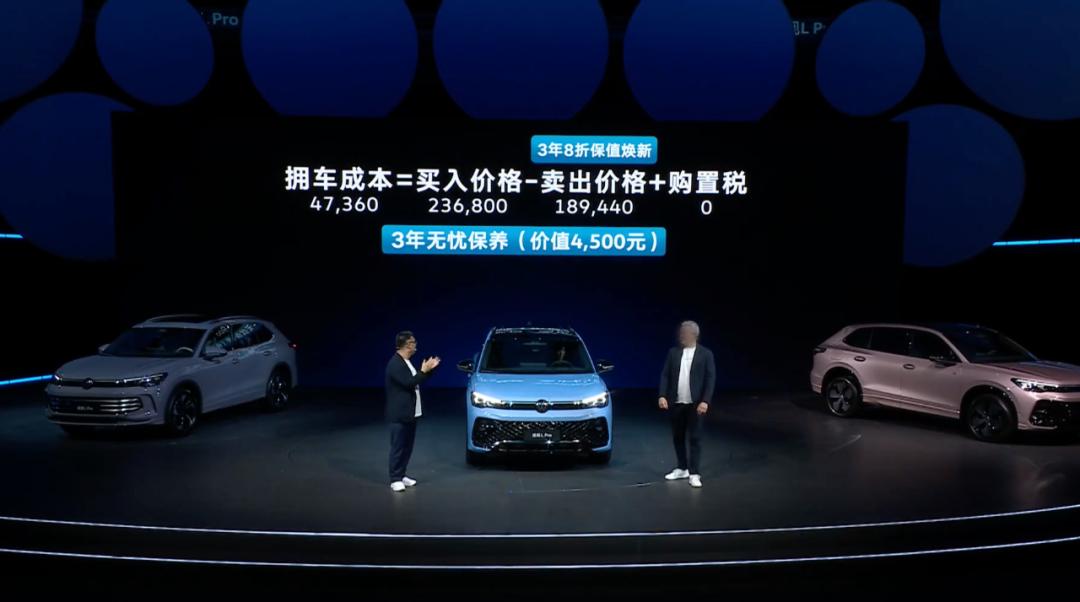
Core Insights - The 2025 model of the Tiguan L Pro has discontinued the three-year 80% buyback policy, which was previously a promotional strategy during its launch phase [3][6] - The cancellation of the buyback policy is seen as a disappointment, especially since the policy had contributed to a significant increase in sales for the Tiguan L family [3][6] - The sales of the Tiguan L family have declined in 2025, with April sales dropping to 13,600 units [6] Sales Performance - The Tiguan L Pro's buyback policy was effective in boosting sales, with monthly sales increasing from under 10,000 units to nearly 20,000 units within five months of its launch [3][6] - By December of the same year, the Tiguan family achieved over 26,000 units in monthly sales, marking a resurgence in the gasoline vehicle market [3][6] Market Comparison - The decision to discontinue the buyback policy may stem from financial considerations, as seen in the case of Lexus, which faced significant losses due to its buyback commitments [7][9] - The resale value of a one-year-old Tiguan L Pro is estimated to be between 180,000 to 200,000 yuan, reflecting a depreciation rate of 20% to 30% over three years [9] Product Strategy - The 2025 Tiguan L Pro features an upgrade to a 2.0T high-power engine while maintaining its price, indicating a commitment to value without increasing costs [11] - The company is encouraged to continue promoting the "smart gasoline vehicle" concept, leveraging advanced driver-assistance features to compete with leading electric vehicle models [11]
上汽大众全势能转型重构合资新生态
Zhong Guo Qi Che Bao Wang· 2025-04-27 11:11
Core Insights - The 2025 Shanghai Auto Show serves as a platform for showcasing the strength of automotive companies and reflects the industry's transformation, with SAIC Volkswagen leading the way with its theme "Full Energy, More Outstanding" [1] - SAIC Volkswagen's deep thinking on the transition to new energy is evident through its "Joint Venture 2.0" model, which integrates global resources to build a comprehensive intelligent mobility ecosystem, providing a new paradigm for the upgrade of China's automotive industry [1][6] Product Strategy - SAIC Volkswagen has created a comprehensive product matrix covering fuel, pure electric, and extended-range hybrid vehicles, with the ID. ERA concept car being the highlight, featuring a range exceeding 1000 kilometers and addressing long-distance travel concerns [3][5] - The company plans to launch 10 new models by 2026, including 7 new energy products, and expand to over 20 models by 2030, demonstrating its commitment to meeting diverse consumer needs [5] Joint Venture 2.0 Strategy - The "Joint Venture 2.0" strategy aims to address challenges posed by the rise of domestic brands and technological divergence, focusing on deep integration of Chinese and German resources [6][8] - SAIC Volkswagen has signed agreements with 10 local tech companies during the auto show, covering key areas such as intelligent driving and vehicle networking, showcasing its commitment to open collaboration and high-quality standards [6] Technological Innovation - The company emphasizes extended-range technology as a breakthrough in the new energy market, balancing pure electric experience with fuel convenience, as demonstrated by the ID. ERA's EA211 engine [9] - SAIC Volkswagen is building a comprehensive technology ecosystem that covers research, manufacturing, and service, highlighting its commitment to safety and intelligent transformation through advanced manufacturing techniques and AI-driven systems [9][12] Market Positioning - The company’s approach of "oil and electricity advancing together" reflects its strategy to retain traditional fuel vehicle markets while exploring new growth opportunities through intelligent and new energy technologies [5][12] - The showcase at the auto show represents not just products but a comprehensive development methodology that integrates global resources and opens up new growth spaces through extended-range and intelligent technologies [12]
