钢笔

Search documents
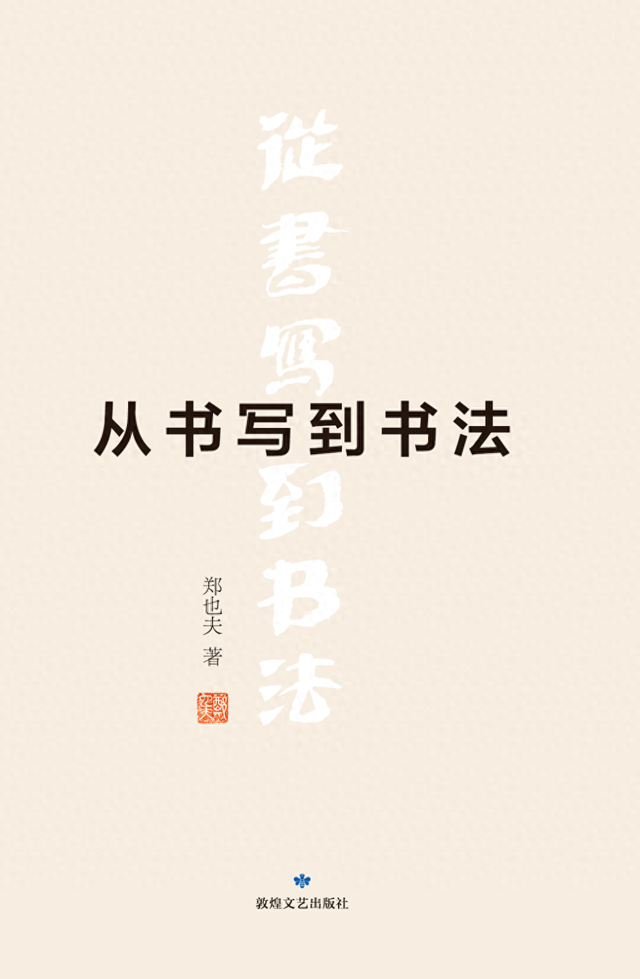
当代书法四论
Xin Lang Cai Jing· 2026-02-15 01:08
Core Viewpoint - The book "From Writing to Calligraphy" by Zheng Yefu discusses the distinction between writing and calligraphy, emphasizing that the former is practical while the latter is aesthetic and artistic [3]. Group 1: Evolution of Writing Tools - The transition from traditional brush writing to hard pens began around 1915, with hard pens becoming dominant in educational settings by the mid-20th century [4]. - The introduction of hard pens was seen as a significant improvement in writing efficiency, leading to the gradual phasing out of brush writing in schools [4][5]. - By 1955, most students were using hard pens, with brush writing becoming increasingly rare in educational contexts [4]. Group 2: Impact on Calligraphy - The decline of brush writing has led to a transformation in the calligraphy landscape, where professional calligraphers have become a rare breed, and the art form is now largely pursued for aesthetic purposes rather than practical ones [6][9]. - The number of calligraphers in China is estimated to be around 70,000, with a significant portion being hobbyists rather than professionals [11][10]. - The relationship between calligraphy and traditional writing has changed, with the former surviving despite the latter's decline, indicating a complex evolution of the art form [6][9]. Group 3: Cultural and Social Disconnect - Contemporary calligraphers face criticism for lacking cultural depth compared to their traditional counterparts, who often had a strong foundation in classical studies [12][13]. - There is a notable disconnect between modern calligraphy and societal engagement, with many calligraphers producing work that does not resonate with the general public [14][19]. - The art of calligraphy is increasingly seen as detached from practical applications, with a need for calligraphers to reconnect with societal needs and cultural relevance [14][19]. Group 4: Future of Calligraphy - The potential for calligraphy to evolve and thrive in modern society exists, particularly through the integration of traditional practices into contemporary contexts, such as personalized spring couplets and commercial signage [18][19]. - The rise of technology, including the internet and artificial intelligence, offers new avenues for calligraphers to innovate and reach wider audiences [29][30]. - There is optimism that future generations of calligraphers may surpass the achievements of historical figures, driven by greater access to resources and knowledge [31][32].

一双皮鞋,一支钢笔,一个保温杯,旅行本身就意味着失去
Xin Lang Cai Jing· 2026-02-12 12:19
Core Perspective - The article discusses the evolving nature of travel literature in the context of the mobile internet era, emphasizing its role in providing a sense of self and connection to the past while exploring new experiences [3]. Group 1: Travel Literature Evolution - Travel literature has transitioned from a peak to a more balanced state over the past 15 years, now leaning towards sociocultural writing and local narratives [3]. - The essence of travel literature lies in its ability to help individuals escape their immediate surroundings and explore their inner ideals [3]. Group 2: The Art of Losing - The author reflects on the various items lost during travels, such as shoes and luggage, highlighting the emotional connections and the sense of loss associated with these experiences [5][6]. - The narrative illustrates how losing items can lead to a deeper understanding of one's journey and the transient nature of possessions [7][8]. Group 3: The Impact of Loss on Travel Experience - The experience of losing a suitcase during a trip to London creates a sense of anxiety and fear, transforming the nature of the loss into something more profound [6][7]. - The eventual recovery of the lost suitcase serves as a metaphor for the unexpected joys that can arise from loss, reinforcing the idea that sometimes one must lose to find [7][8]. Group 4: Philosophical Reflections on Travel - Travel inherently involves loss, as it forces individuals to confront the choices between their current lives and the lives they could lead in new places [10][12]. - The conclusion of travel narratives often revolves around the inevitability of returning to one's original life or making a permanent change, emphasizing the transformative power of travel [12][14].

韩国最网红的小城,除了买买买还能干啥?
3 6 Ke· 2026-01-19 10:45
Core Insights - Jeju Island, known as the "Hawaii of Korea," has gained popularity due to the hit Korean drama "The Bitter Orange" and its favorable tourism policies, attracting a significant number of Chinese tourists [1] Group 1: Cultural and Creative Industry - Jeju Island is recognized for its vibrant cultural and creative industry, with a strong presence of unique cultural shops and cafes that reflect the island's artistic atmosphere [2][3] - The island's cultural industry has been supported by government initiatives since the 1990s, including the establishment of the "Cultural Industry Promotion Law" and various cultural institutions aimed at transforming creative content into tangible cultural products [10] Group 2: Local Economy and Tourism - The citrus industry, particularly oranges, has historically been a key economic pillar for Jeju Island, with cultivation dating back to the 16th century [3] - The island features a variety of cultural attractions, including the world's largest Snoopy theme park and numerous museums, showcasing its rich cultural life and drawing tourists [12][13] Group 3: Community and Lifestyle - Jeju Island has a unique demographic, with a significant elderly population, which influences the local service industry and community interactions [14] - The island's lifestyle is characterized by a slower pace, with local residents often engaging in friendly interactions with tourists, enhancing the overall travel experience [17][20]
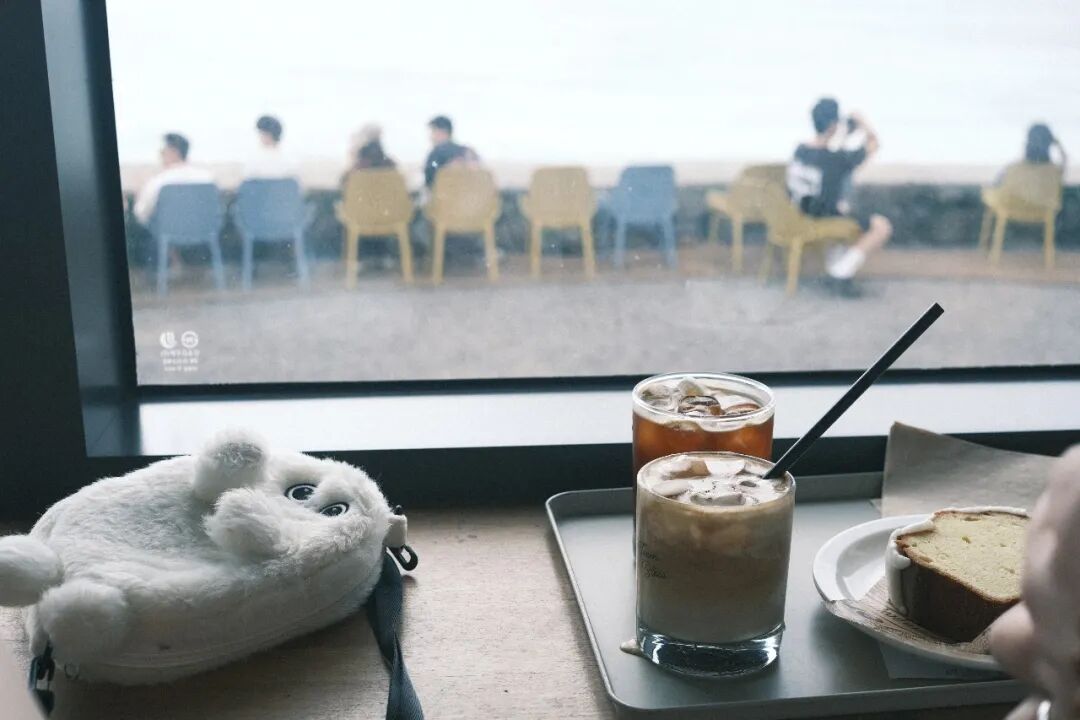
品牌应该如何适应感性消费时代
Sou Hu Cai Jing· 2025-12-31 10:12
Core Insights - The article discusses the shift towards a "feeling-first" consumer era, where emotional and aesthetic factors increasingly influence purchasing decisions beyond mere practicality [2][3] Consumer Behavior Trends - Consumers are now purchasing items like fountain pens not for utility but for the emotional experience of "regaining sensitivity" [3] - There is a growing trend of consumers consciously curating their aesthetic and style, seeking products that match specific scenarios, such as home decor that aligns with personal taste [3] - Feedback on product usability is increasingly based on personal experience rather than technical specifications, highlighting a shift in evaluation criteria [3] Economic Context - The article notes that as GDP per capita in China is projected to reach $13,000 to $14,000 by 2025, the consumption landscape will increasingly prioritize quality of life over material needs [4] - Emerging consumption trends in China include emotional companionship, offline experiences, social consumption, and pet-related spending, indicating a vibrant market driven by these factors [4][6] Market Dynamics - The coexistence of rational and emotional consumption behaviors is noted, with brands needing to adapt to this duality to remain competitive [6] - The article emphasizes that brands must respond to consumer emotional factors throughout the entire consumption chain, from product development to marketing and after-sales service [8][9] Strategic Recommendations for Brands - Brands should enhance their understanding of consumer emotions and decision-making processes, ensuring that insights are integrated throughout the consumer journey [10] - The importance of content and trusted influencers is highlighted, as they help consumers navigate their emotional needs and provide solutions [15] - Collaborating with "true users" who genuinely engage with the brand can enhance credibility and expand market reach, as demonstrated by successful case studies [16] Conclusion - In the emotional consumption era, brands must offer personalized lifestyle solutions rather than just standalone products, reducing decision-making and learning costs for consumers [17] - The article concludes with a "4C" growth model for companies: Consensus, Context, Co-creation, and Compounding, emphasizing the need for deeper consumer insights [17]

从功能到情绪 礼品产业正迎来“第二增长曲线”
2 1 Shi Ji Jing Ji Bao Dao· 2025-10-22 09:28
Core Insights - The 33rd China (Shenzhen) International Gifts and Home Products Exhibition has opened, featuring a record scale with 4500 exhibitors and 300,000 professional buyers, covering an area of 300,000 square meters [2][4] Industry Trends - The gift industry is transitioning from a traditional "pragmatic" growth model to a new phase focused on emotional value, cultural expression, and consumer experience, driven by the younger generation [2][4] - The psychological drivers of the gift market have fundamentally changed, with "emotional value" becoming the new competitive point as Generation Z and young professionals emerge as the main consumer force [2][3] Product Innovations - Products such as anxiety-relief aroma diffusers and culturally significant handmade items are gaining popularity, emphasizing emotional connections over mere functionality [3][6] - Traditional brands like Hero are undergoing a transformation to offer customized products, including logo and packaging design, to cater to the evolving market demands [5][6] Market Opportunities - The rise of "emotional consumption" is seen as a sustainable growth curve rather than a short-term trend, with an increasing focus on high-value products that resonate emotionally with consumers [7] - The integration of AI technology, green concepts, and IP collaborations is providing new avenues for value enhancement in the gift industry, with these elements being the most frequently mentioned at the exhibition [7]

大涨60%!特朗普,意外引爆!
美股IPO· 2025-08-27 10:59
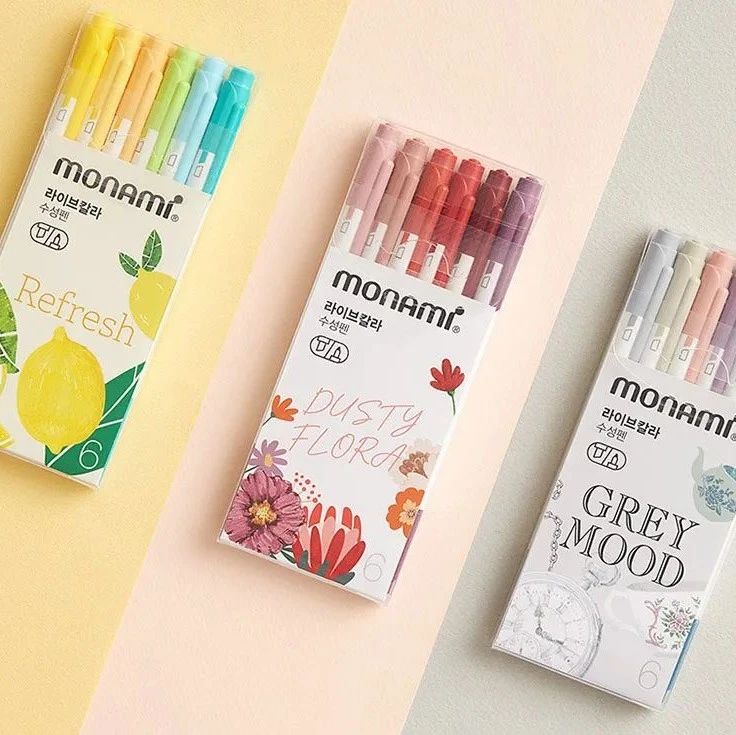
Core Viewpoint - The stock price of MonAmi surged by 60% over two days, reaching a 19-month high, primarily driven by a publicity event involving U.S. President Trump expressing interest in a pen used by South Korean President Yoon Suk-yeol [2][3]. Group 1: Stock Performance - MonAmi's stock price increased by nearly 24% on Wednesday, following a 30% rise on Tuesday, resulting in a total increase of 60% within two days [2]. - The stock reached a peak of 3190 KRW per share, marking its highest level in 19 months and making it the best-performing stock on the KOSPI index for the week [3]. Group 2: Event Details - During a signing ceremony at the White House, President Trump showed significant interest in a pen used by President Yoon, stating "I like this pen" and receiving it as a gift [3][4]. - Trump inquired about the pen's origin and praised its writing quality, indicating a personal connection to the product [4]. Group 3: Product Information - Although the pen was not manufactured by MonAmi, it utilized MonAmi's nib, highlighting the company's involvement in high-quality writing instruments [4]. - Zenyle, the actual manufacturer of the pen, confirmed that they produced it at the request of the South Korean presidential office and have since suspended sales due to increased demand [5].
大涨60%!特朗普,意外引爆!
Zheng Quan Shi Bao Wang· 2025-08-27 09:18
Group 1 - Monami, a South Korean pen manufacturer, experienced a stock price surge of 60% over two days, reaching a high of 3,190 KRW per share, marking its highest level in nearly 19 months [1][3] - The stock price increase was triggered by an incident involving U.S. President Trump expressing interest in a pen used by South Korean President Lee Jae-myung during a signing ceremony [2][3] - Trump praised the pen's design and inquired about its origin, leading to a temporary gift exchange where the pen was given to him by Lee [3][4] Group 2 - Although the pen was not manufactured by Monami, it featured a nib produced by the company, while the body was made by a local firm named Zenyle [4] - Zenyle confirmed that they produced the pen at the request of the South Korean presidential office and have since halted sales due to increased demand [4] - The incident has positioned Monami as a notable player in the market, benefiting from the publicity generated by the event [3][4]
大涨60%!特朗普,意外引爆!
券商中国· 2025-08-27 09:09
Core Viewpoint - The recent surge in Monami's stock price, which increased by 60% over two days, was triggered by a public endorsement from U.S. President Trump during a meeting with South Korean President Lee Jae-myung, where he expressed interest in a pen used by Lee [1][2]. Group 1: Stock Performance - Monami's stock price rose by 30% on Tuesday and nearly 24% on Wednesday, reaching a peak of 3190 KRW per share, marking a total increase of 60% in two days [1][2]. Group 2: Trump's Influence - During a signing ceremony at the White House, Trump showed interest in a pen used by Lee, stating "I like this pen," which led to a significant spike in Monami's stock [2]. - Trump inquired about the pen's origin and praised its writing quality, further enhancing its visibility and desirability [2][3]. Group 3: Product Details - The pen that attracted Trump's attention was not manufactured by Monami but by a local company called Zenyle, although it utilized Monami's nib [3]. - Zenyle confirmed that they produced the pen at the request of the South Korean presidential office and have since halted sales due to increased demand [3]. Group 4: Broader Context - The meeting between Trump and Lee also covered various topics, including U.S.-South Korea relations, military cooperation, and economic partnerships, which may indirectly influence companies like Monami through enhanced bilateral ties [4][6]. - Following the meeting, Korean Air announced a historic purchase of over 100 Boeing aircraft, valued at approximately $50 billion, indicating a strong economic collaboration between the U.S. and South Korea [7].